
BIRDS OF IBIZA
LIST OF PHOTOGRAPHED SPECIESNUMBER OF BIRDS PHOTOGRAPHED UNTIL NOW
LAST PHOTOGRAPHED SPECIES
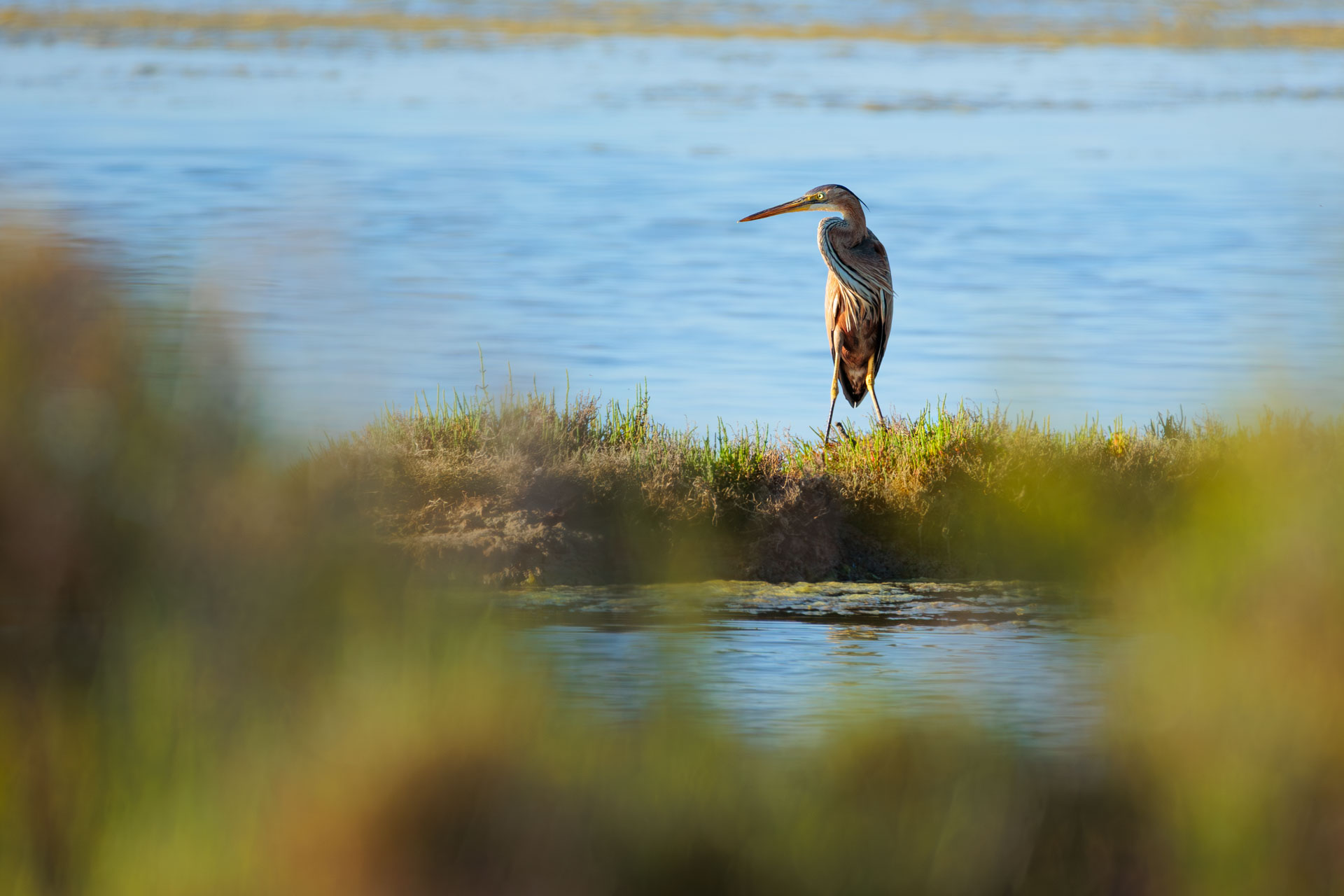
PURPLE HERON
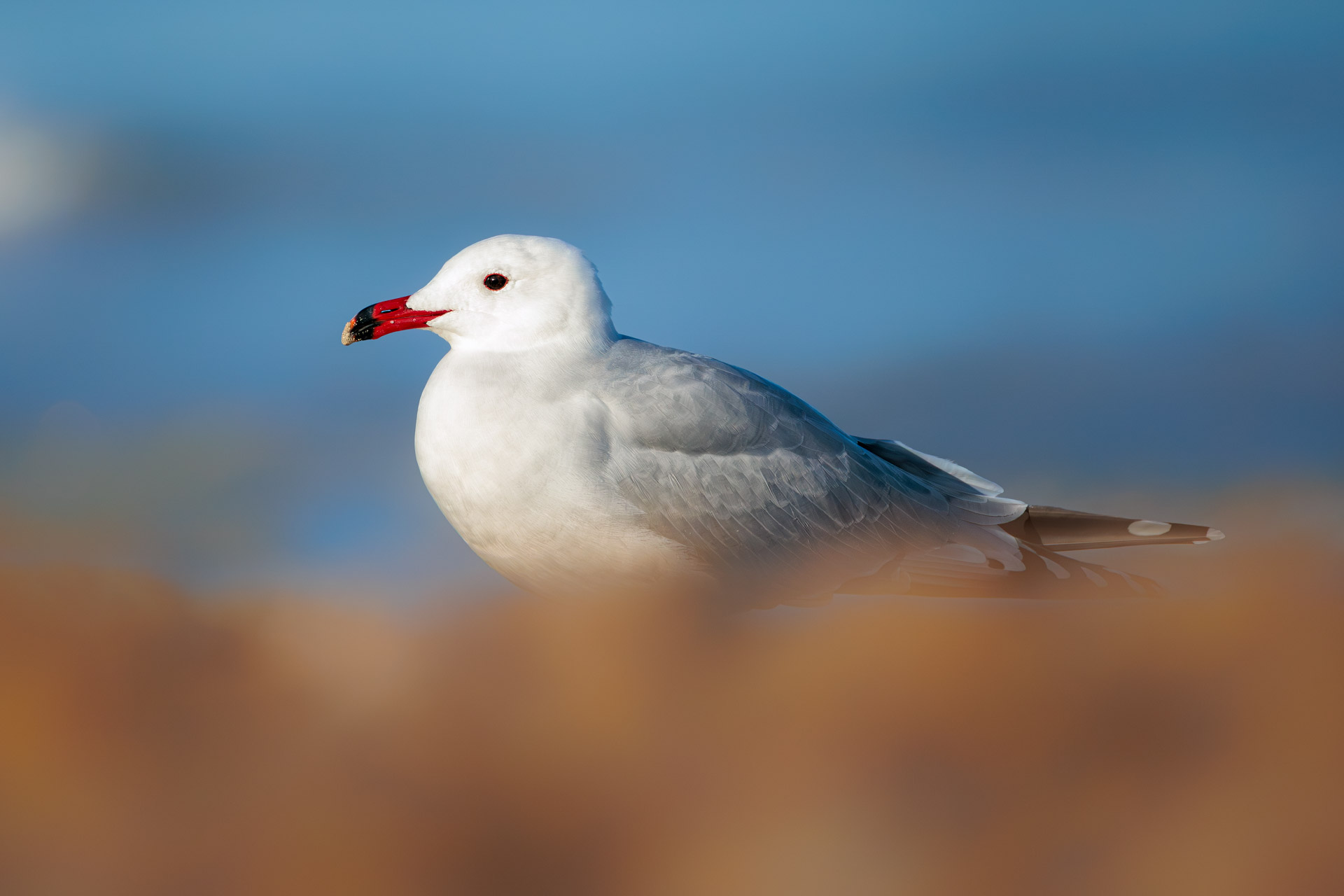
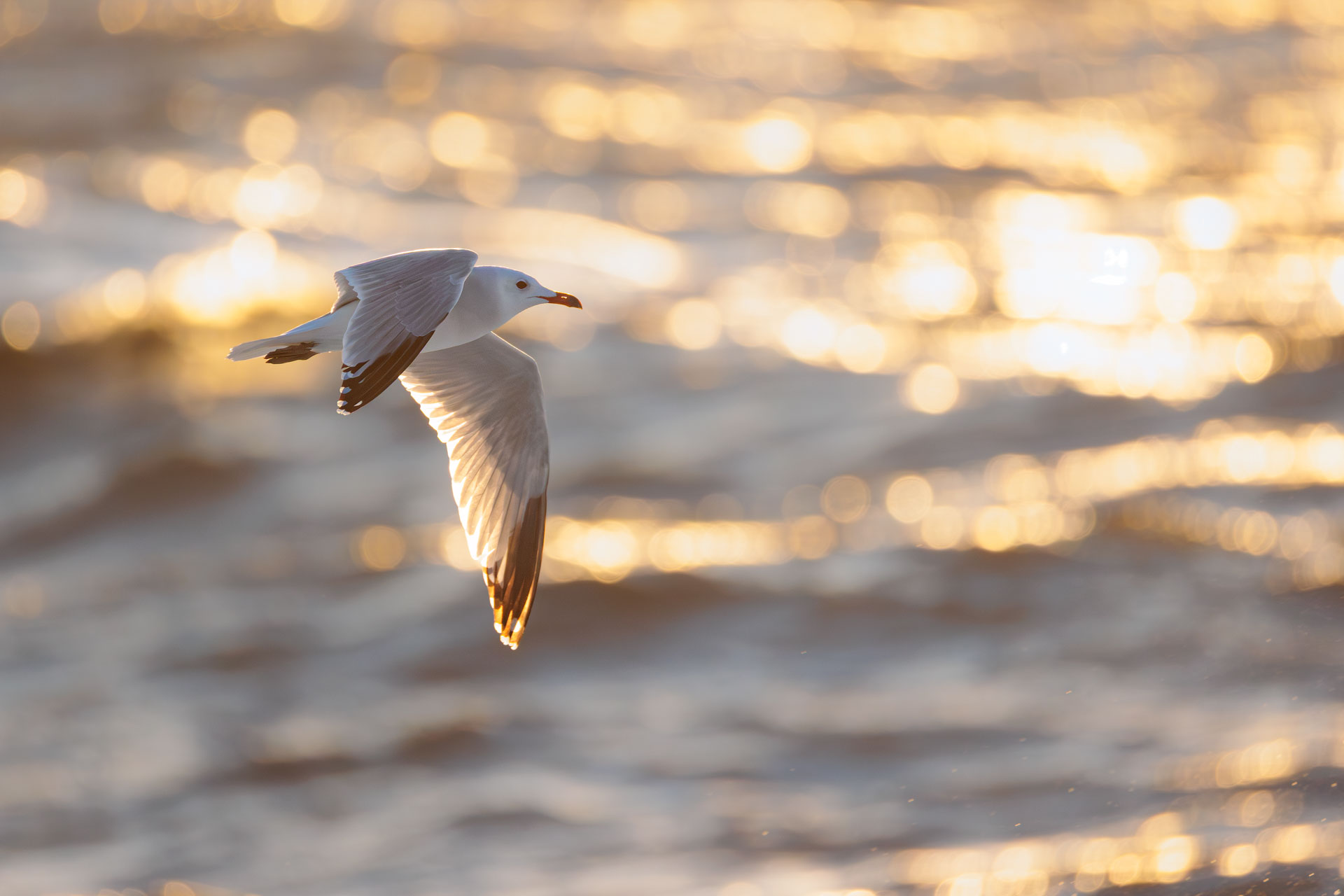
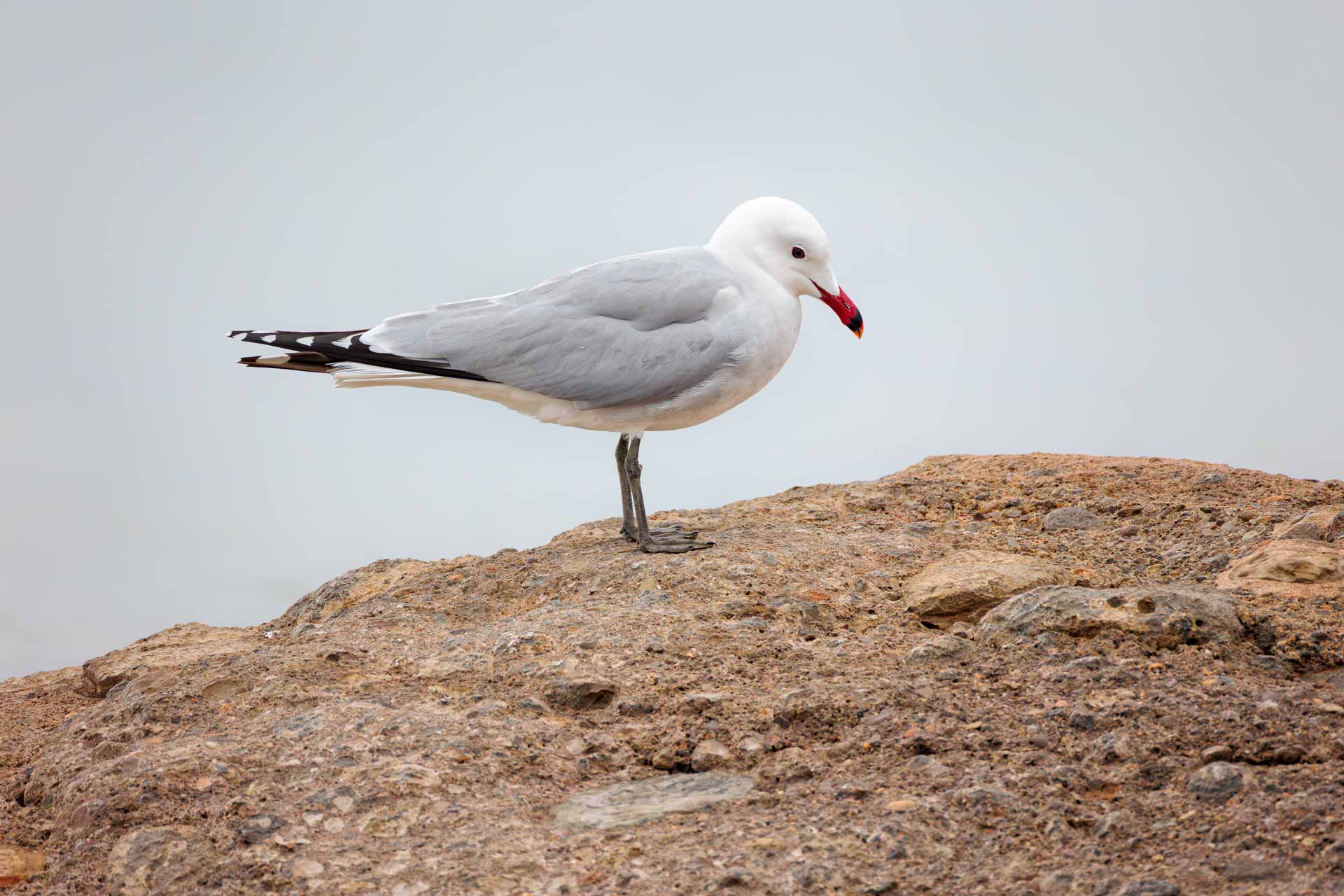
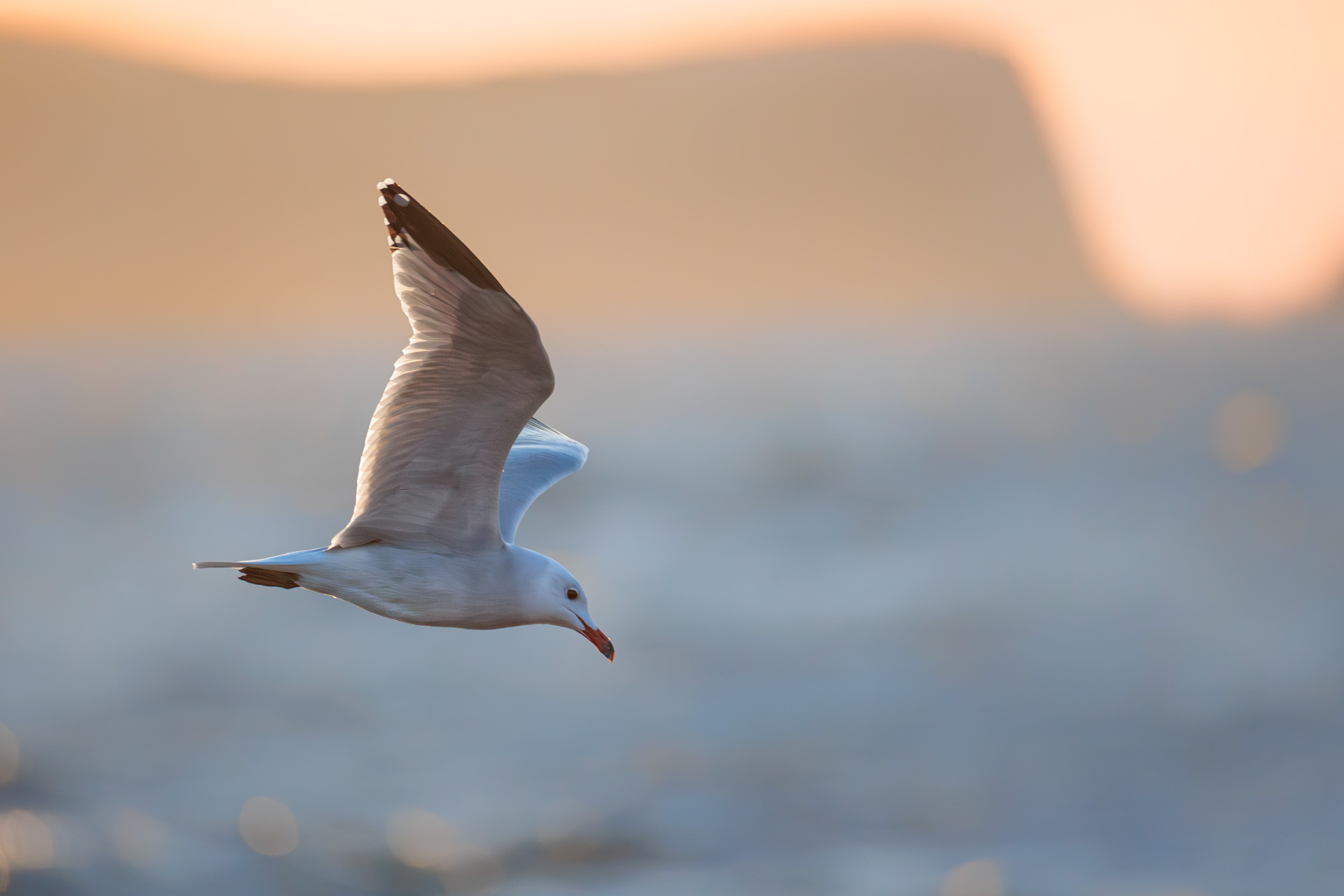
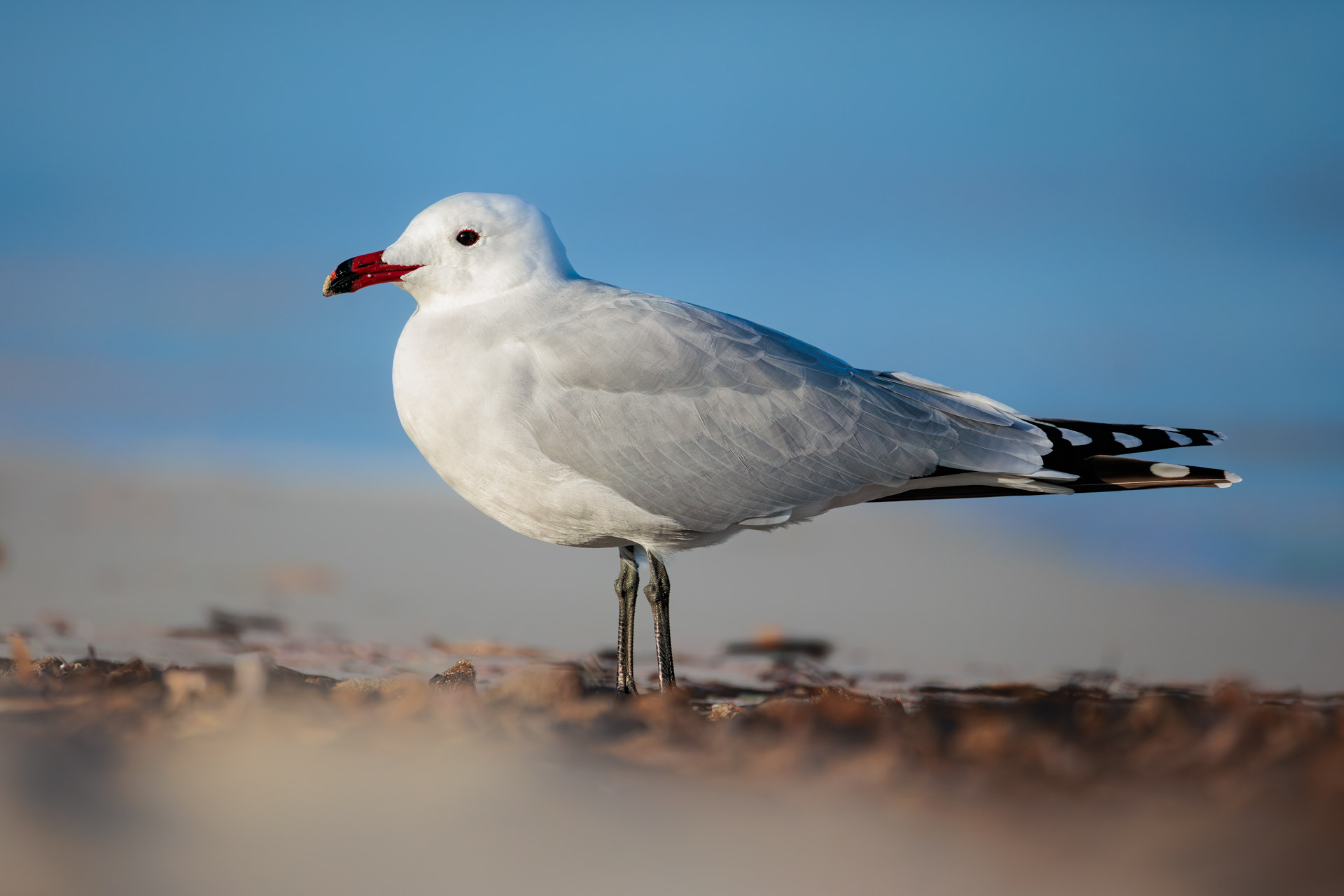
A medium-sized and elegant gull associated with coasts and salt pans. It feeds on fish and small invertebrates. In Ibiza it is an emblematic species, as it only breeds in the Mediterranean basin and, although its range is currently expanding, it is still considered ‘vulnerable’ in Spain.
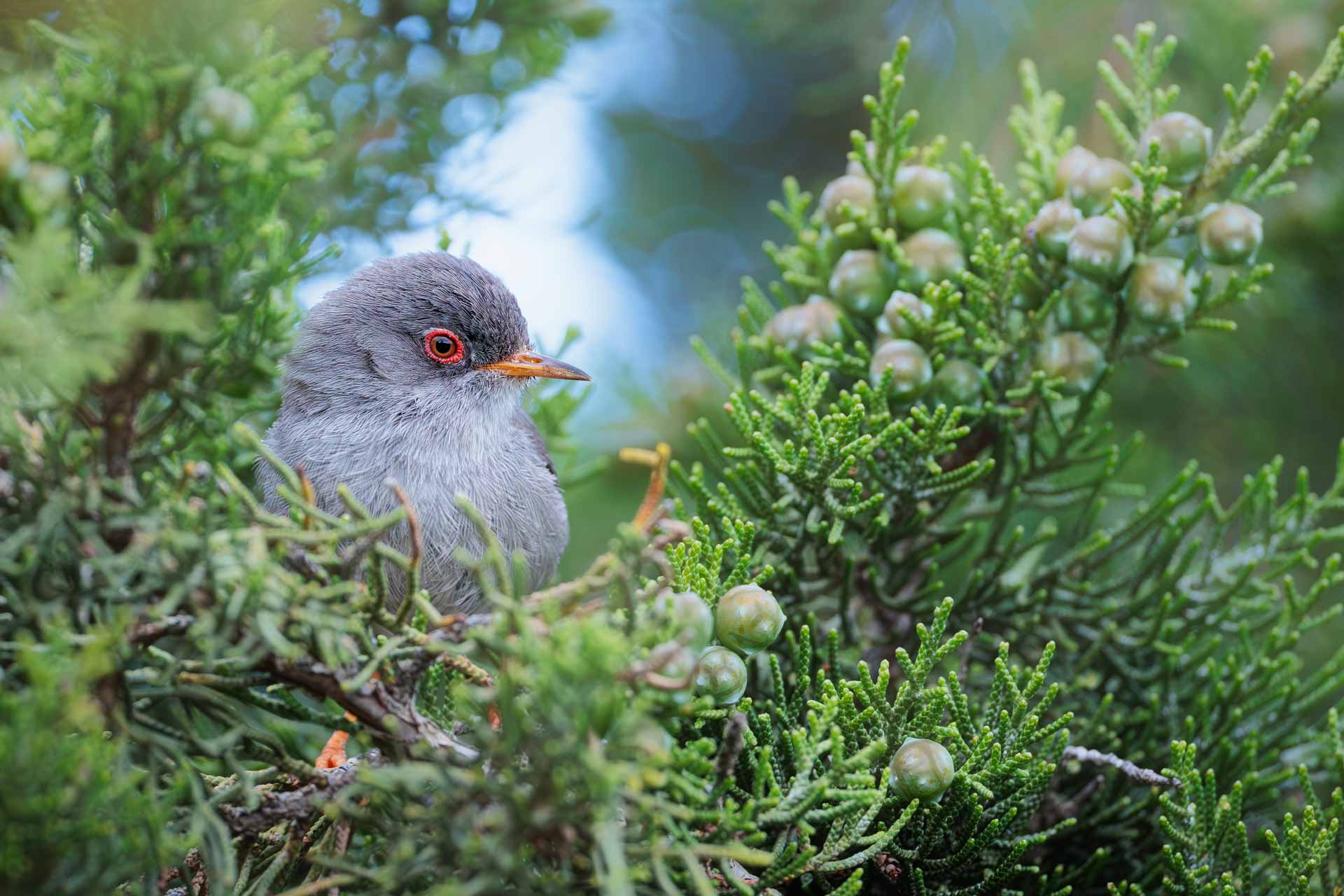
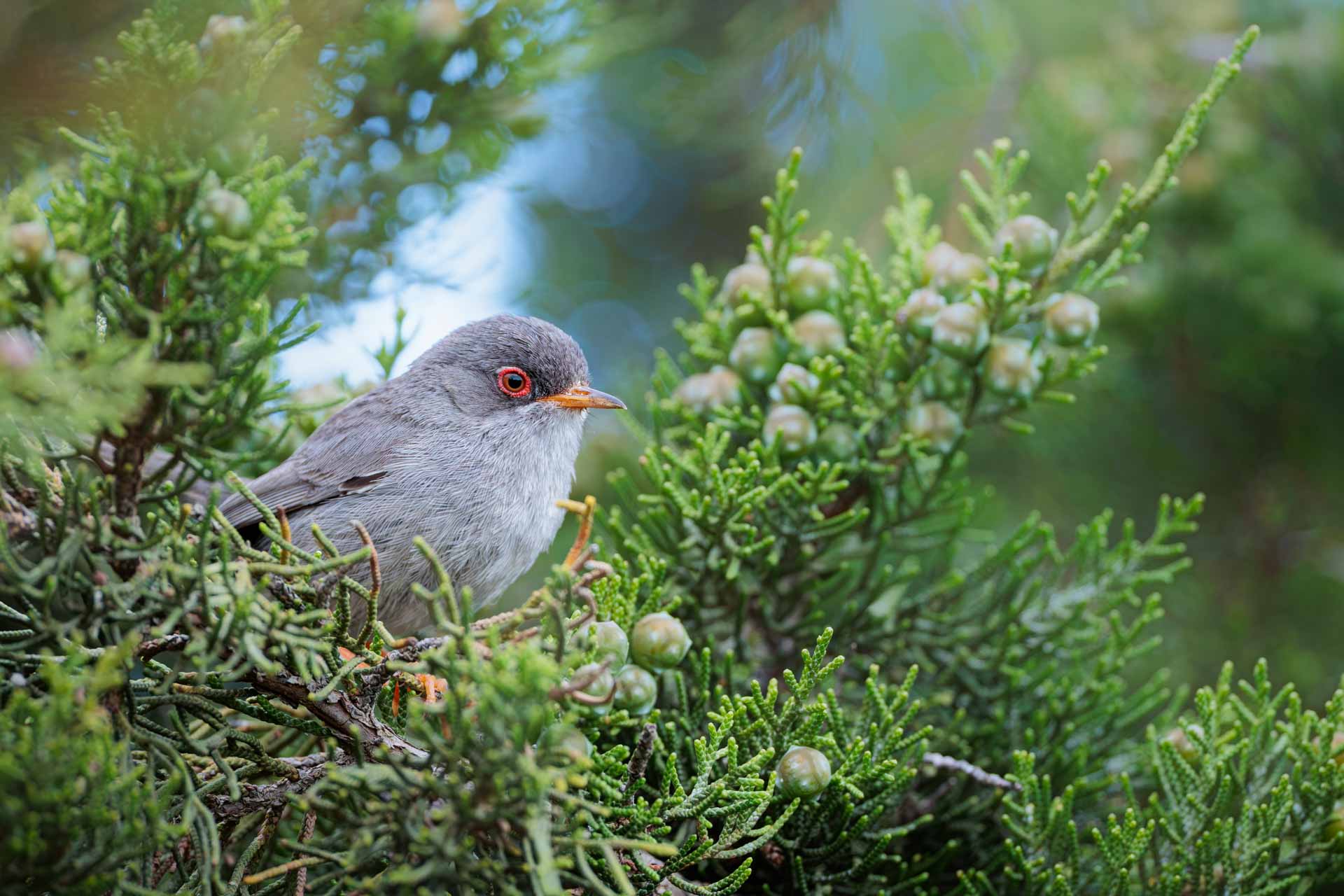
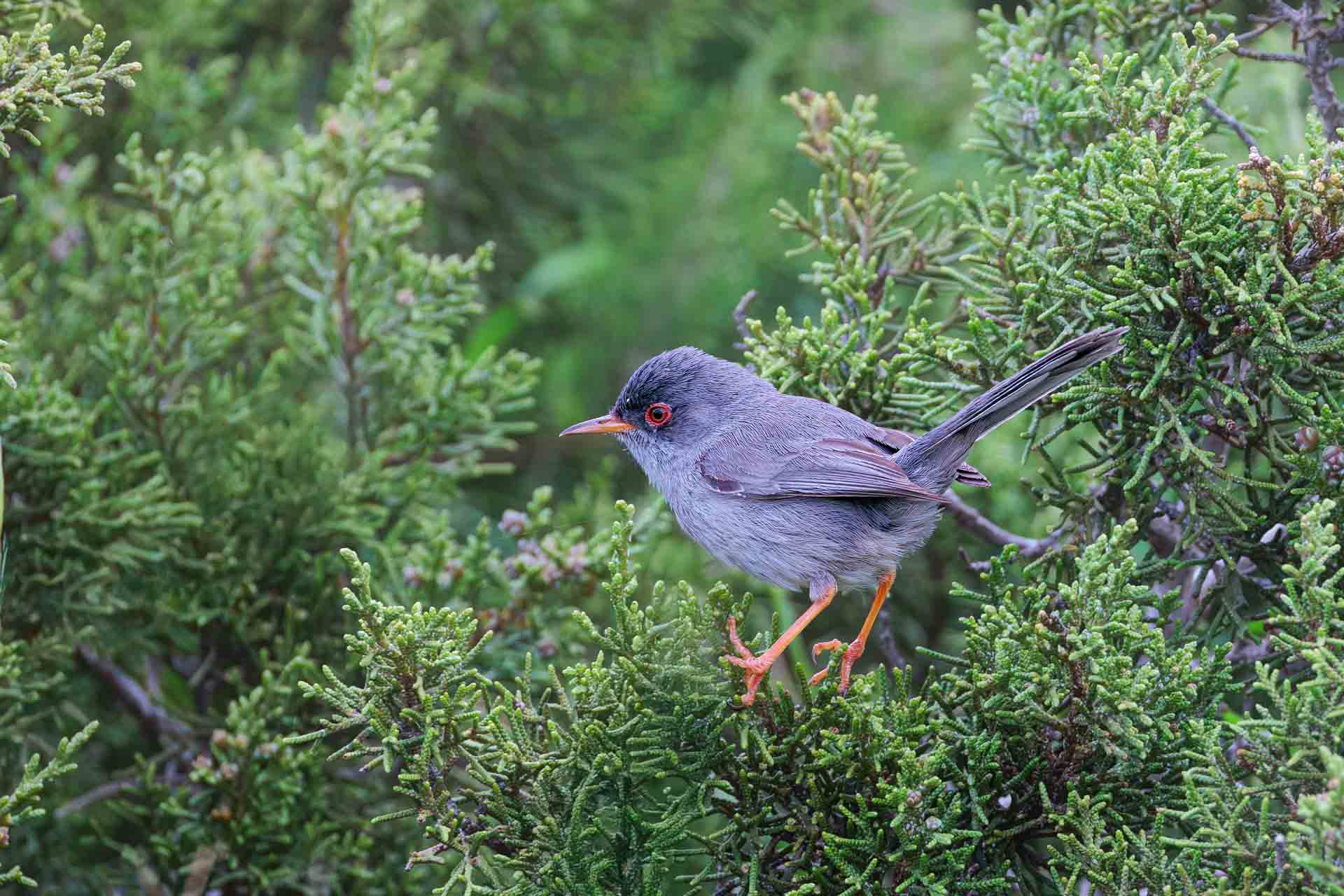
An endemic species of the Balearic Islands, associated with Mediterranean scrub and shrubby areas. It feeds on insects and fruit. In Ibiza it is resident and relatively easy to spot in dense scrubland, especially during spring, as they change their behaviour and become more exposed whilst singing to attract mates. During the rest of the year they are easy to identify by their short, characteristic call, though harder to see. Its local name comes from its behaviour, which is very similar to that of the blackcap.
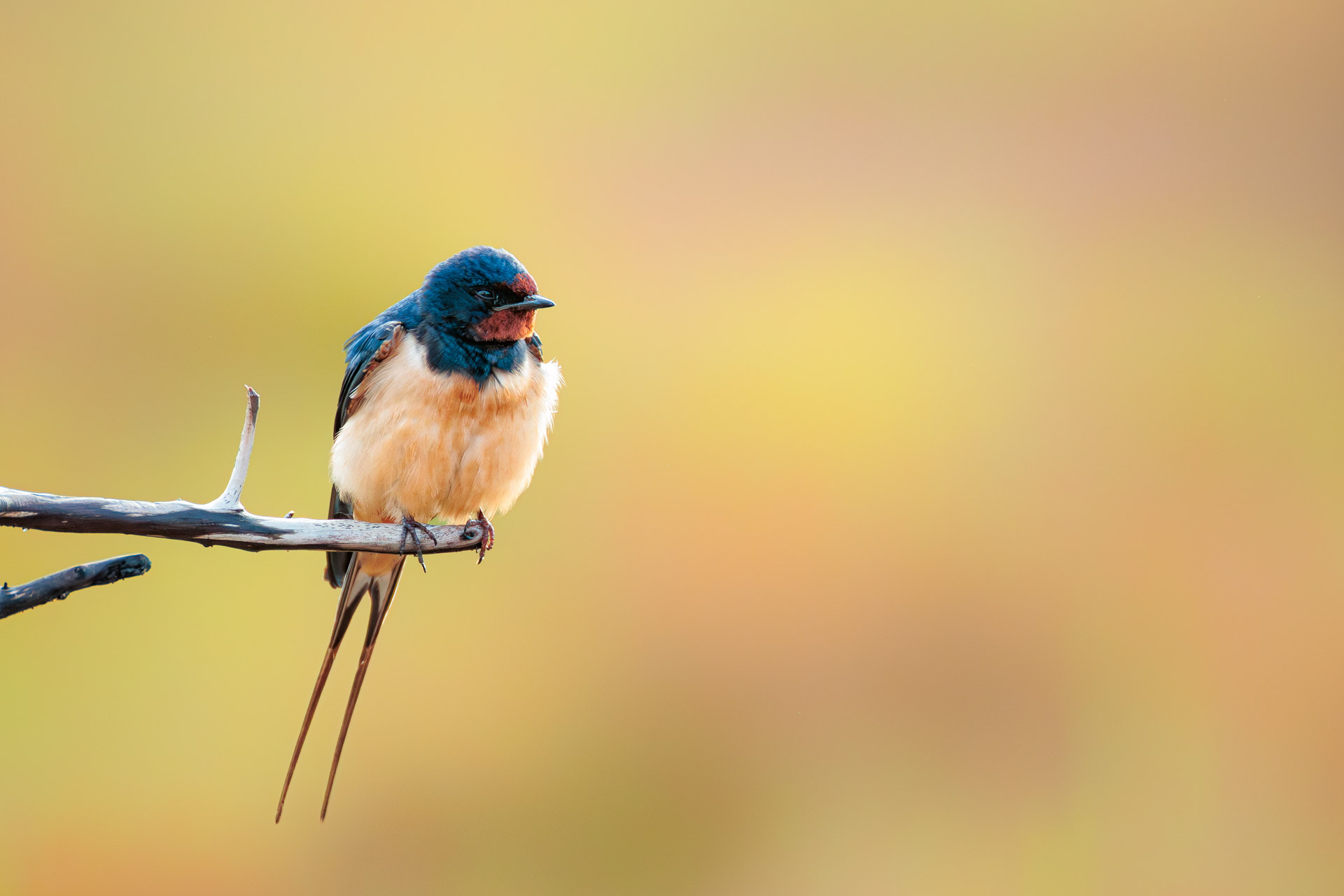
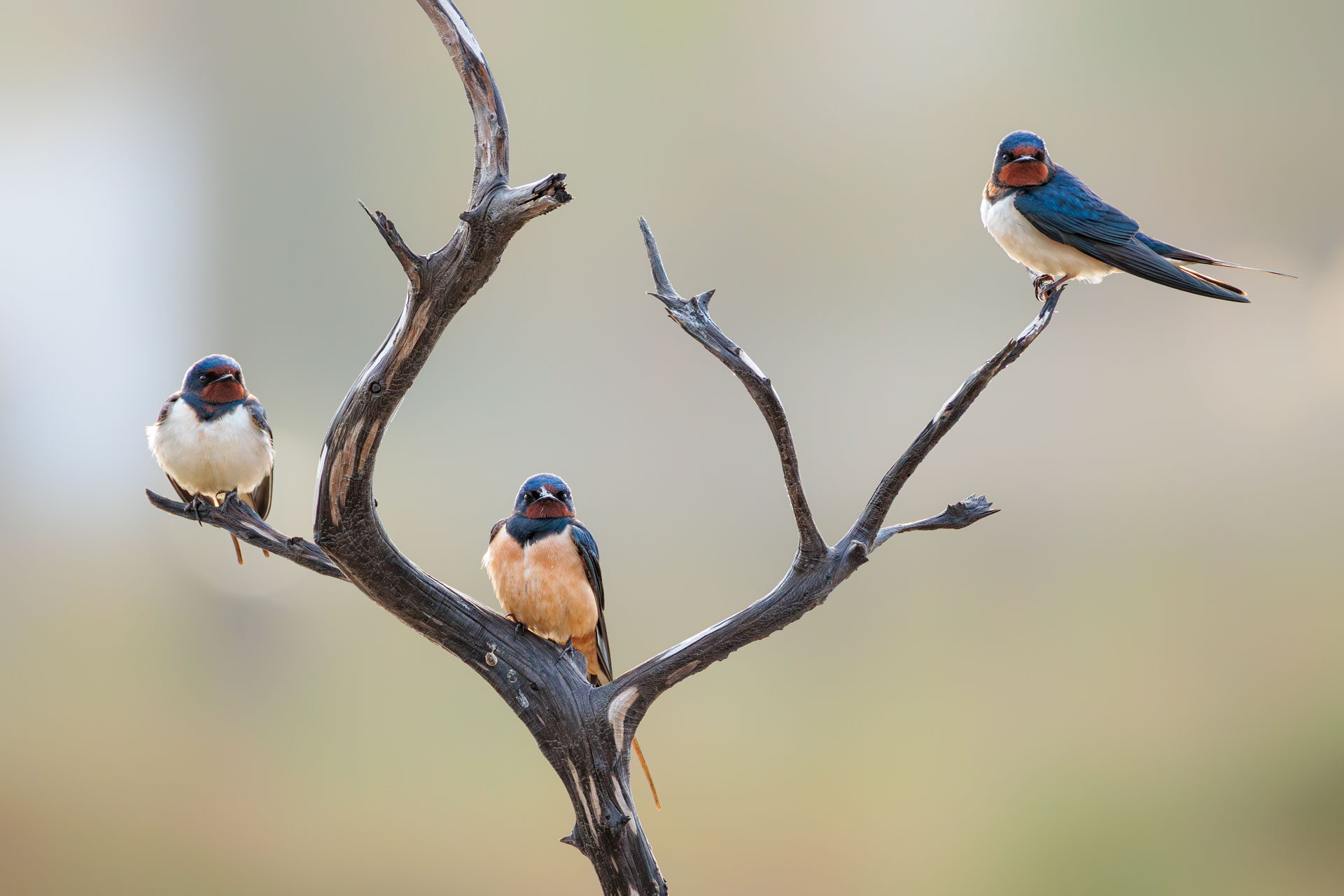
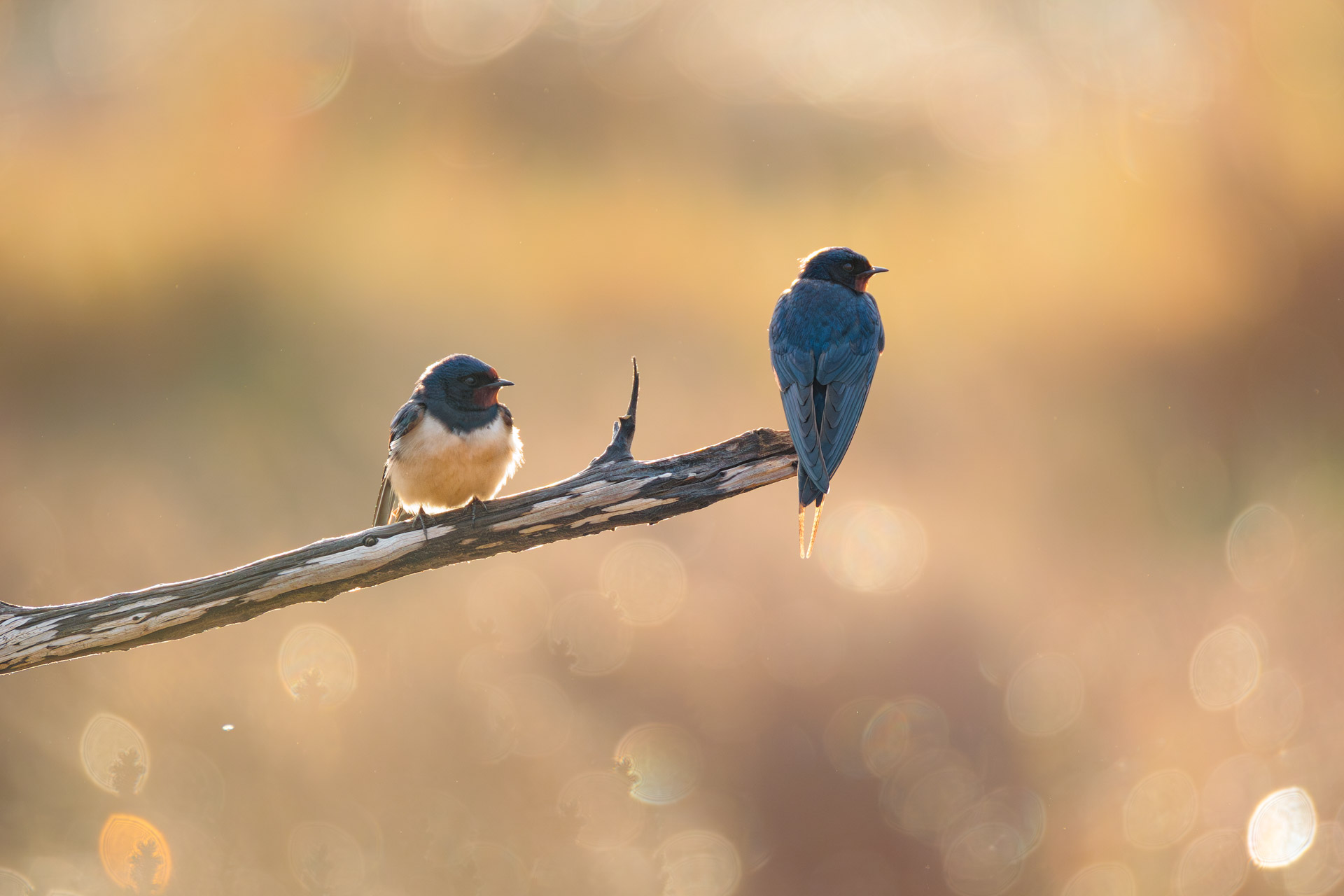
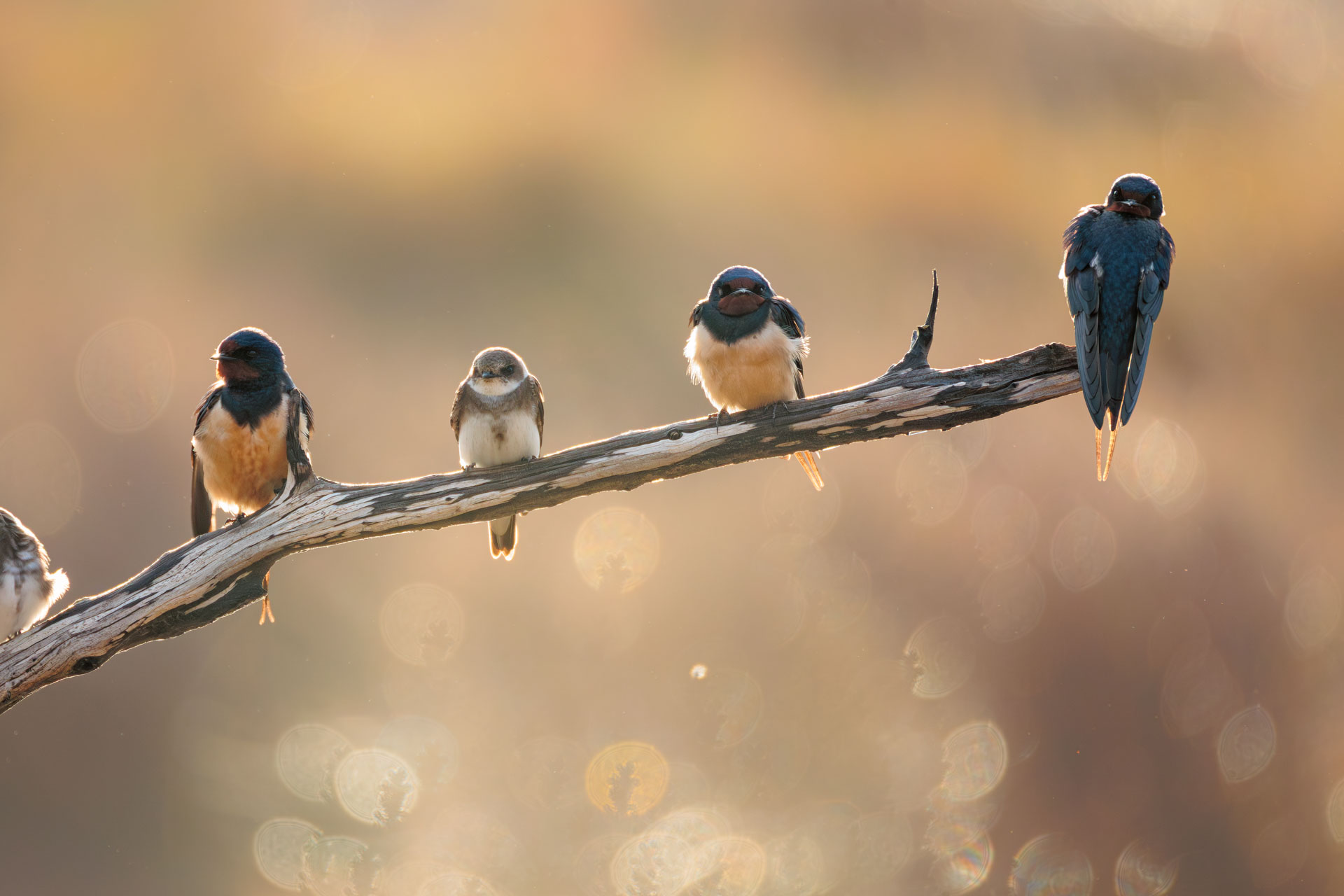
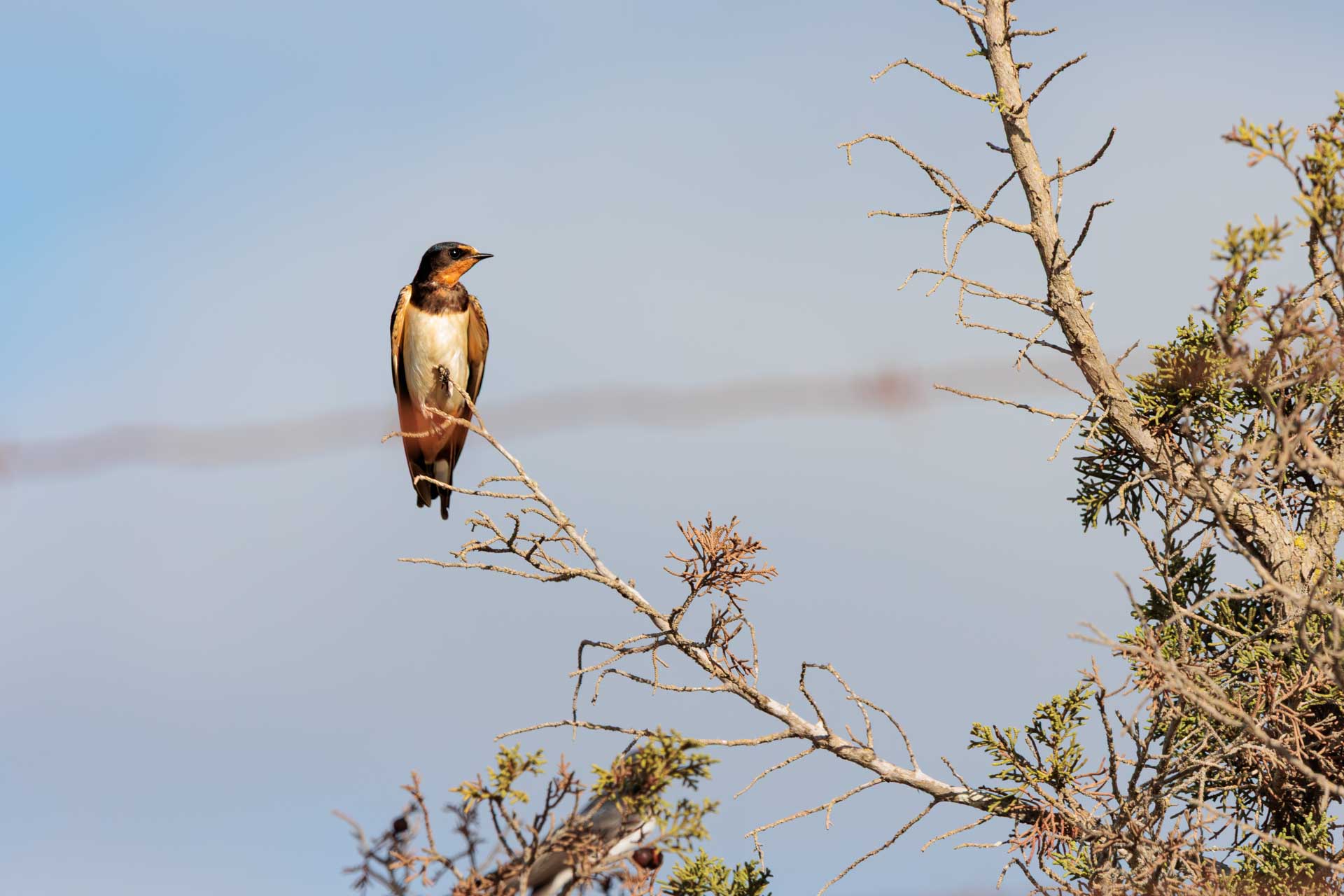
A migratory bird well known for its agile and elegant flight. It feeds on insects in flight and is often seen near rural buildings and open spaces. In Ibiza, it is present during the migratory passages and in summer, serving as a clear indicator of the changing seasons. Protected species.
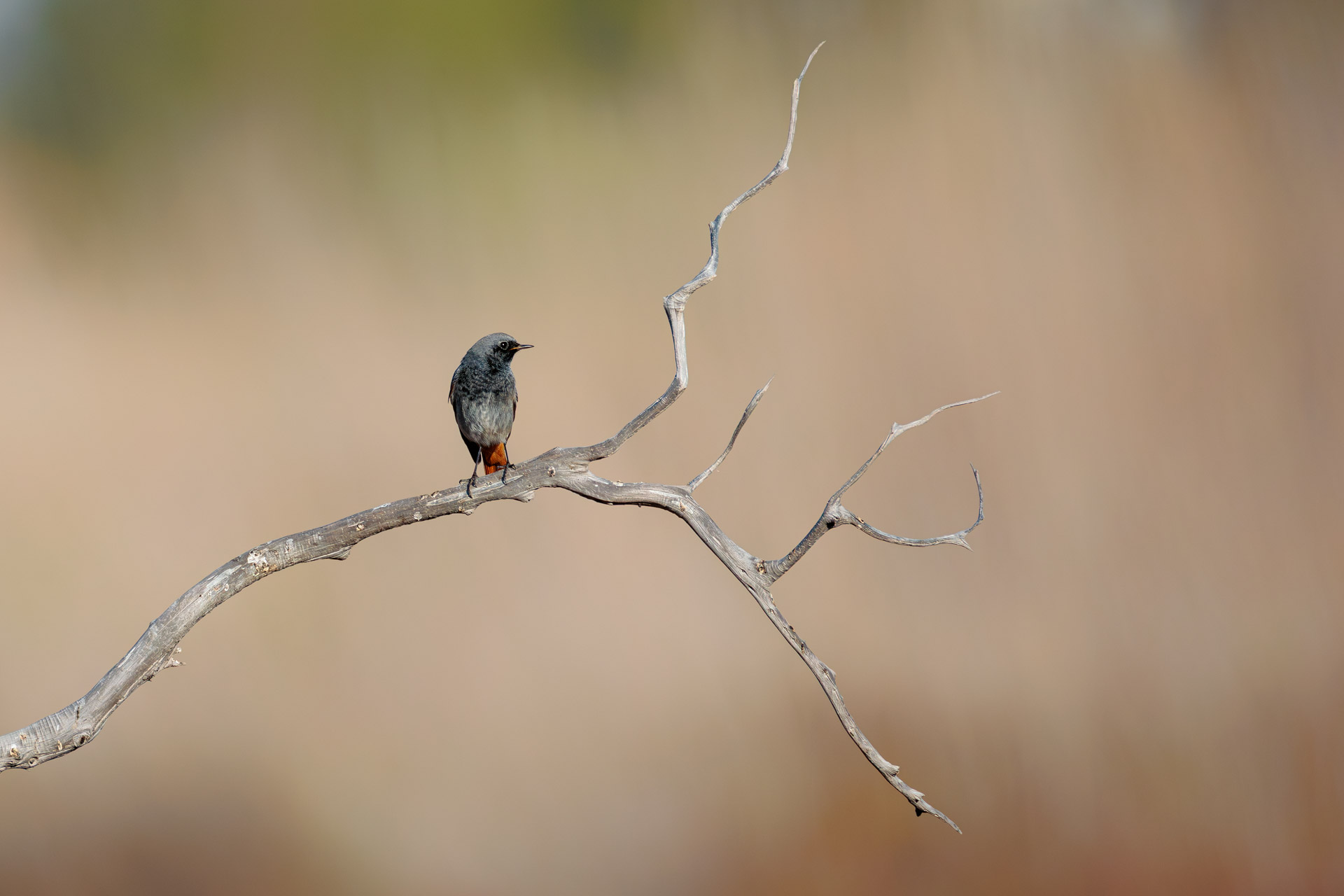
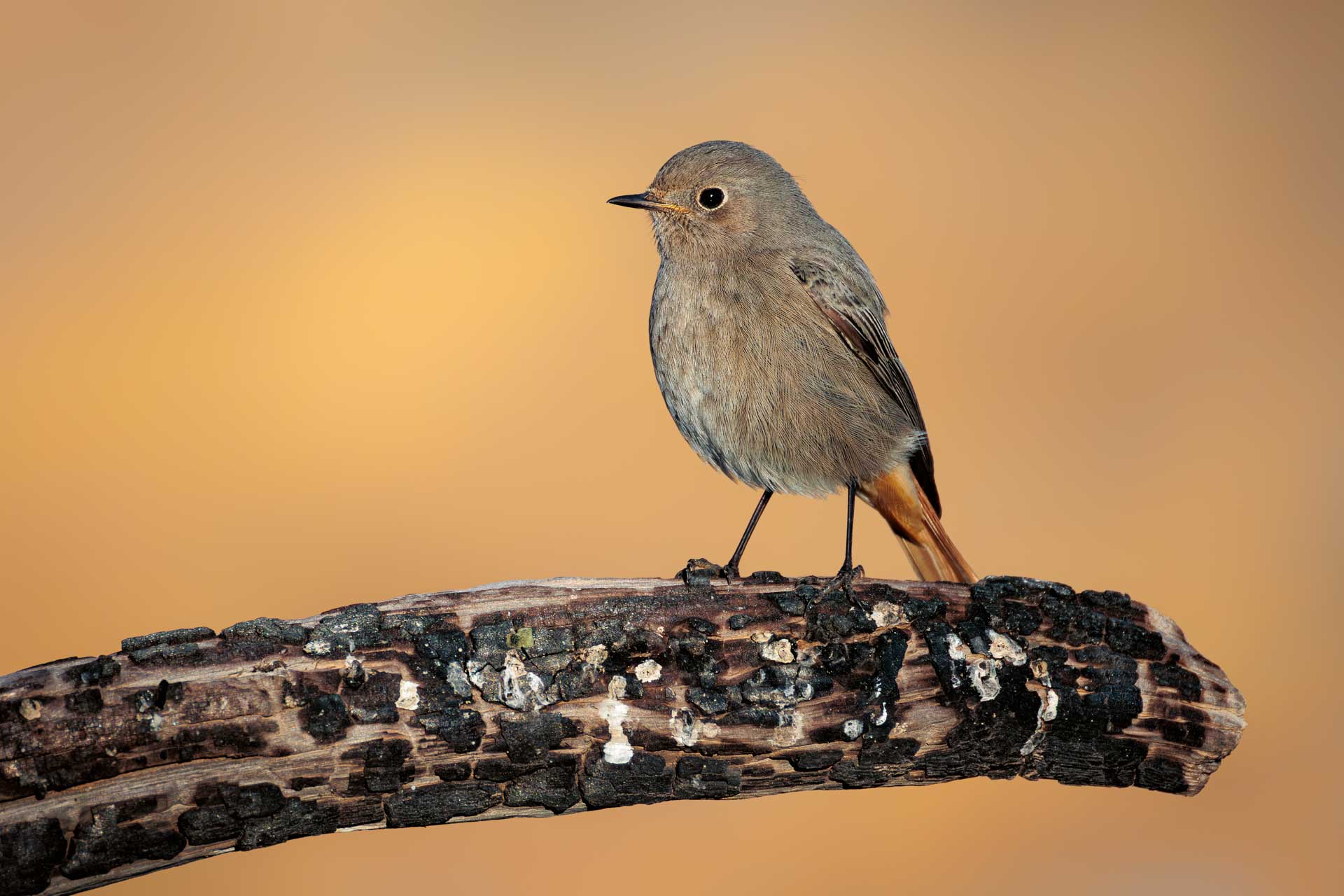
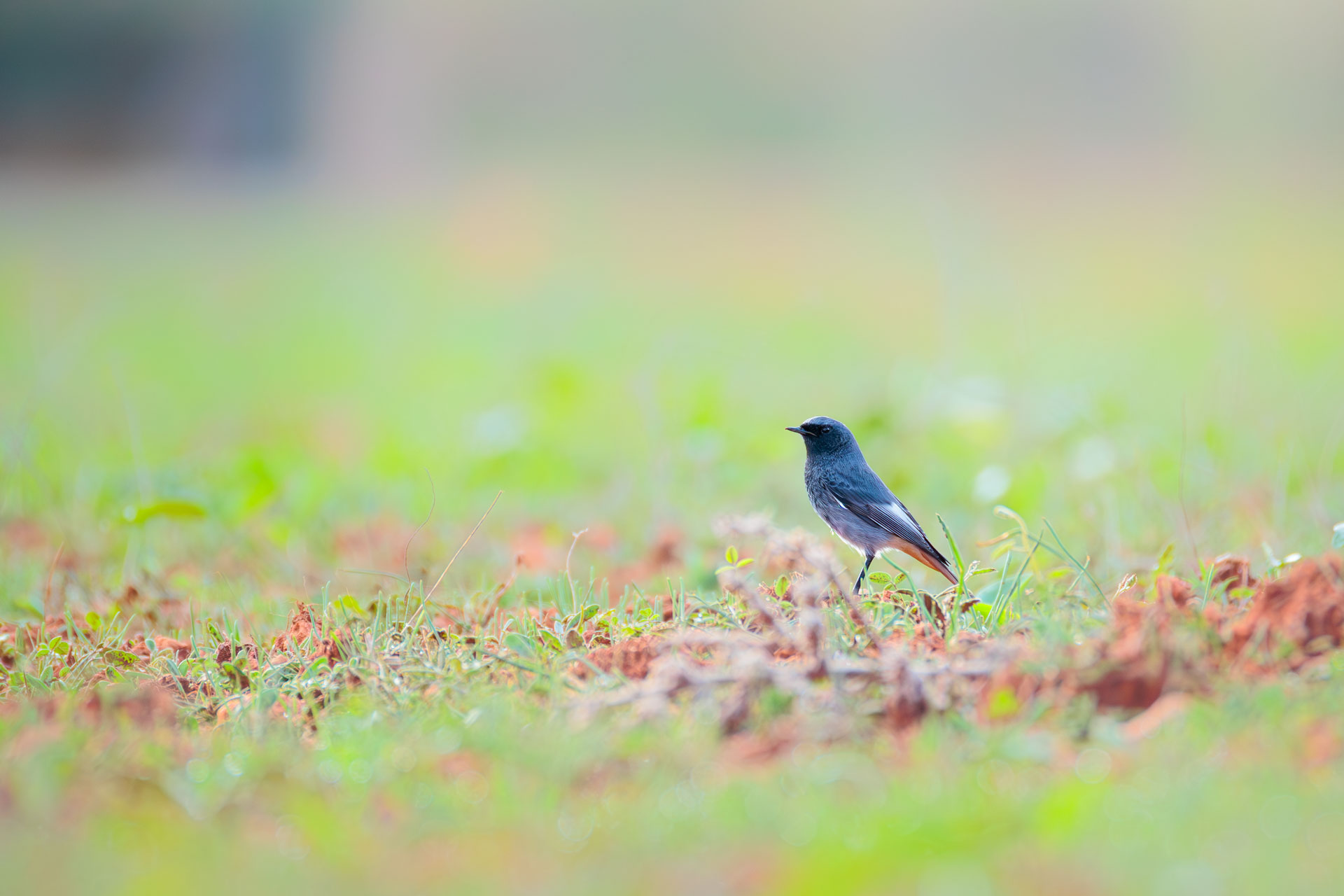
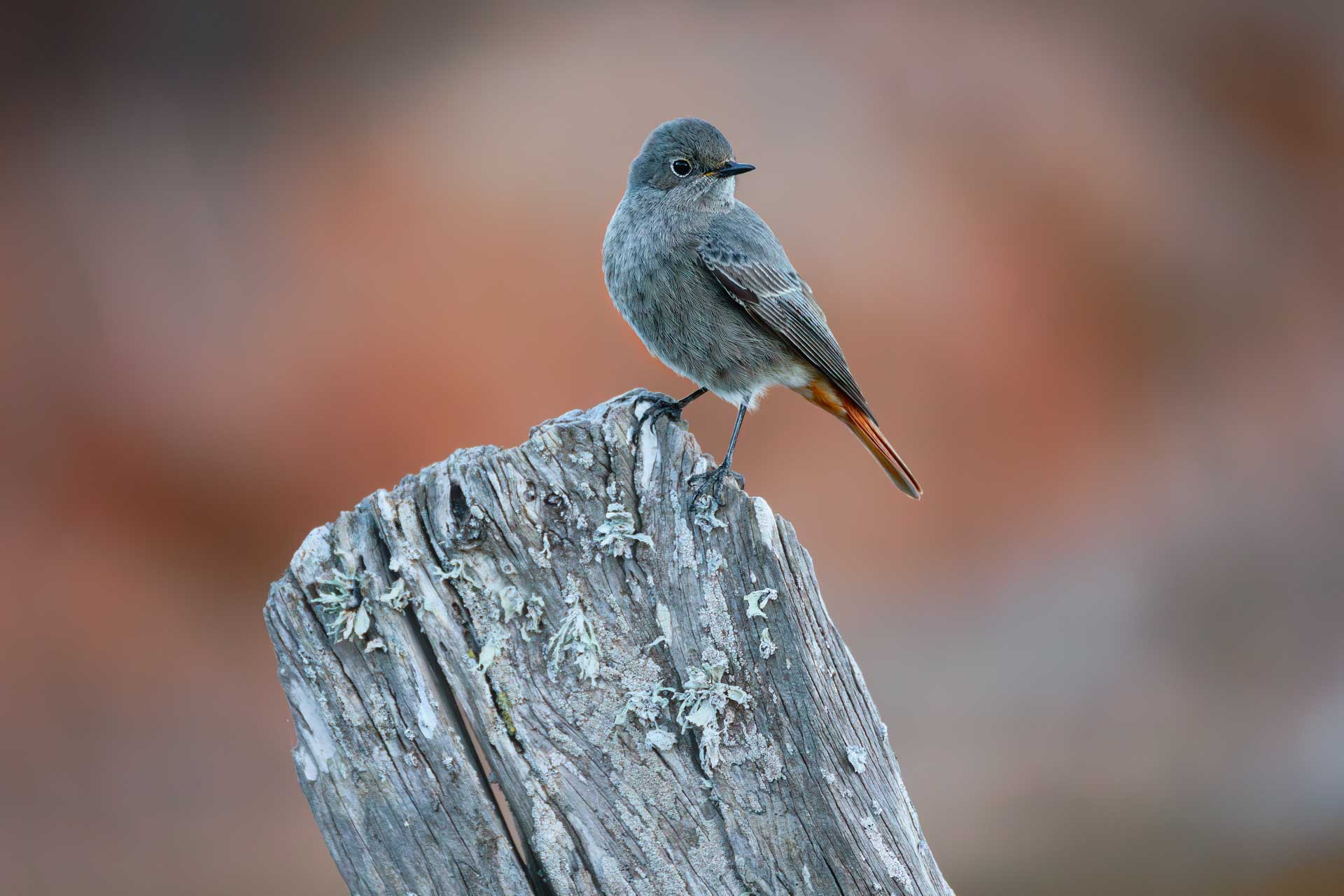
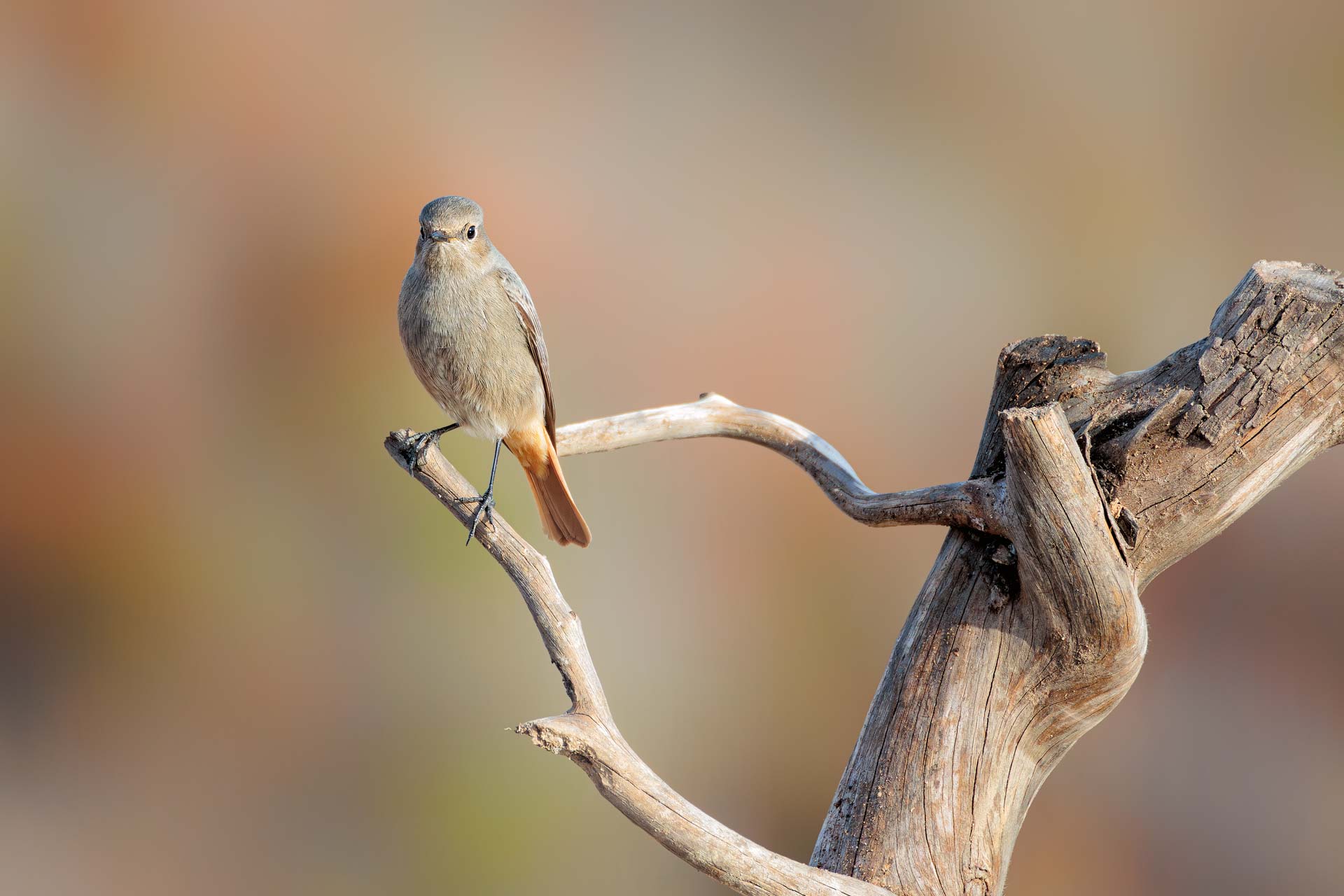
A small bird characterised by its reddish tail and dark plumage. In Ibiza, it can be found anywhere on the island, as it adapts quite well to any habitat, although it is usually seen on stone walls or rocky areas. It can only be seen during the winter and migration periods.
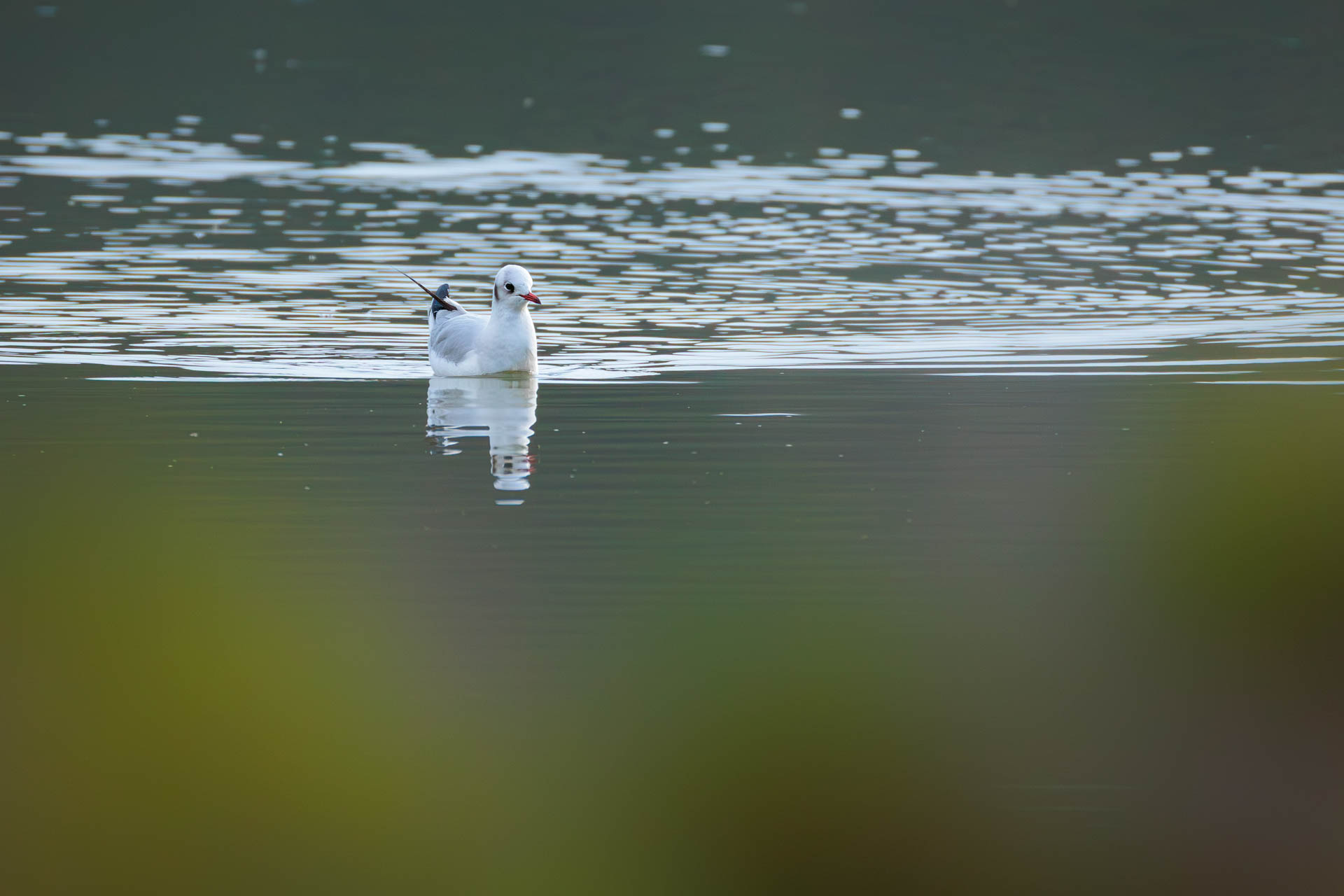
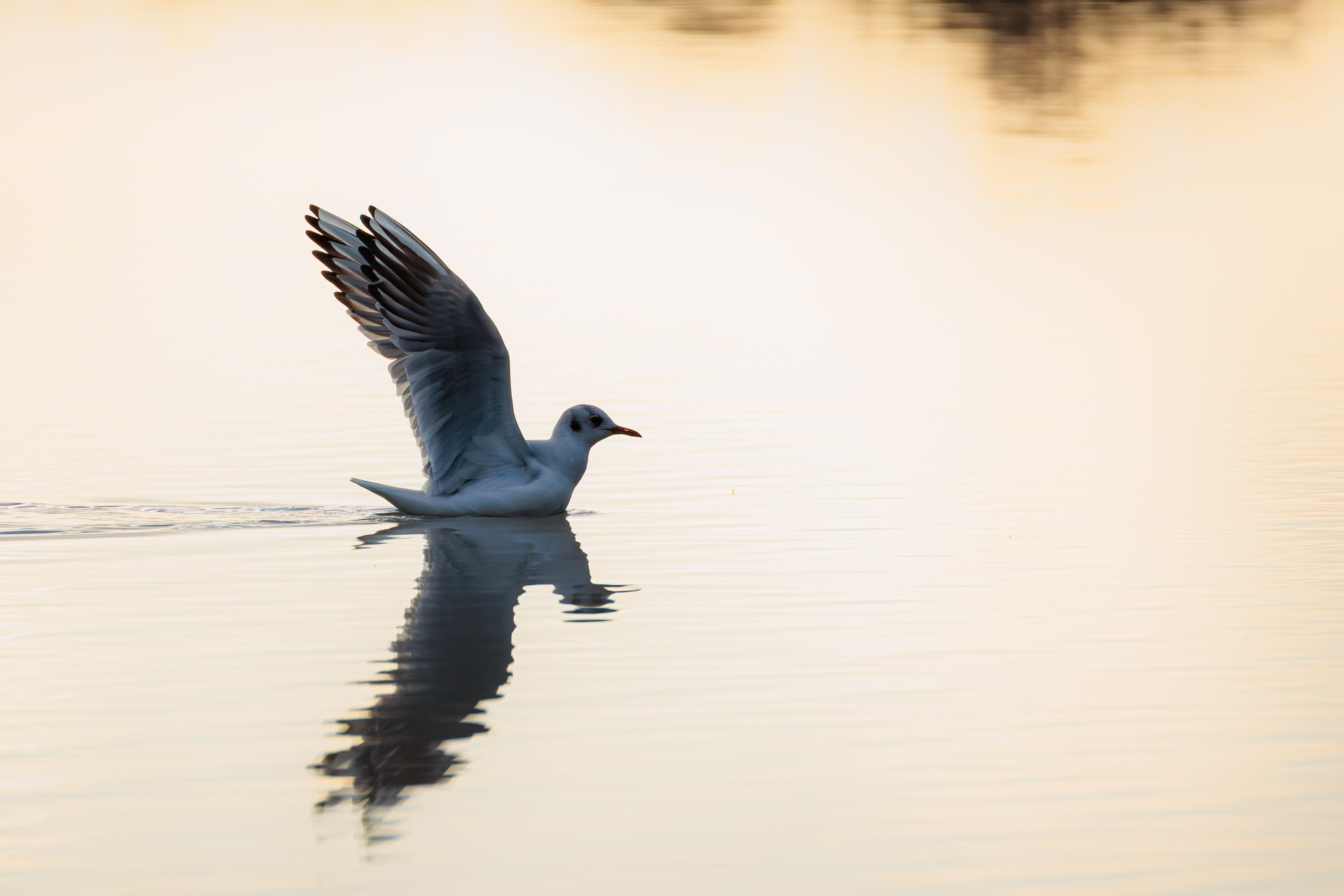
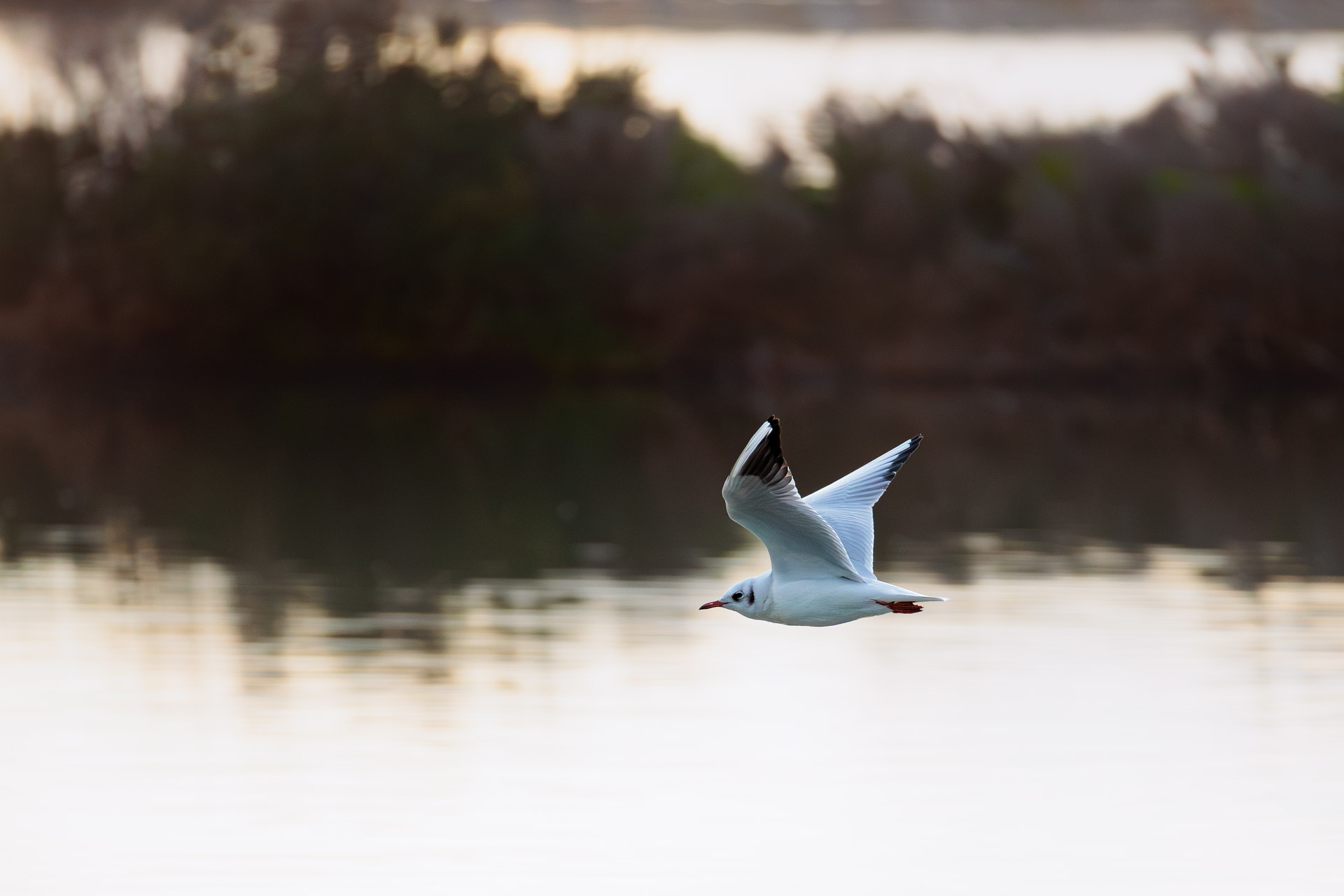
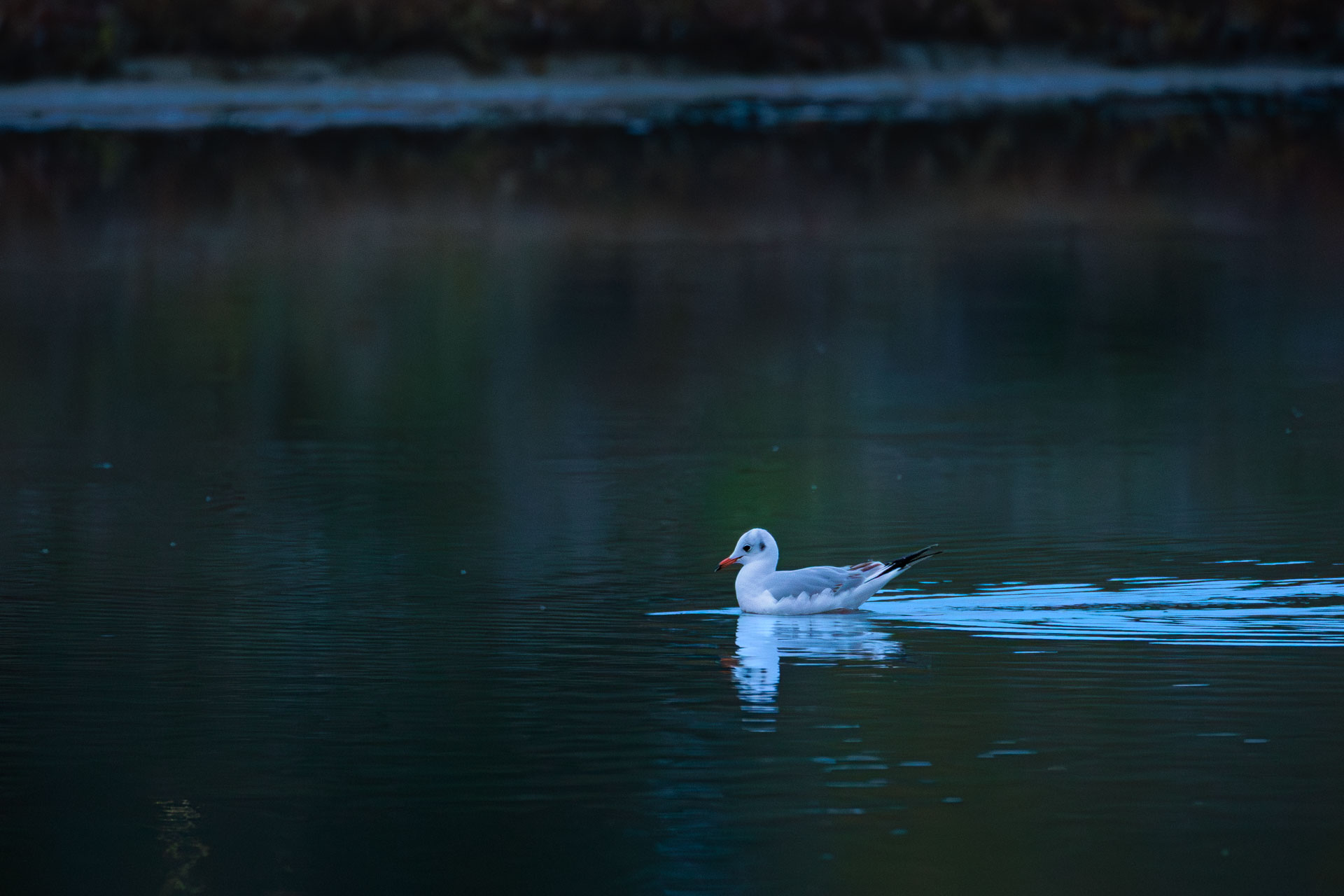
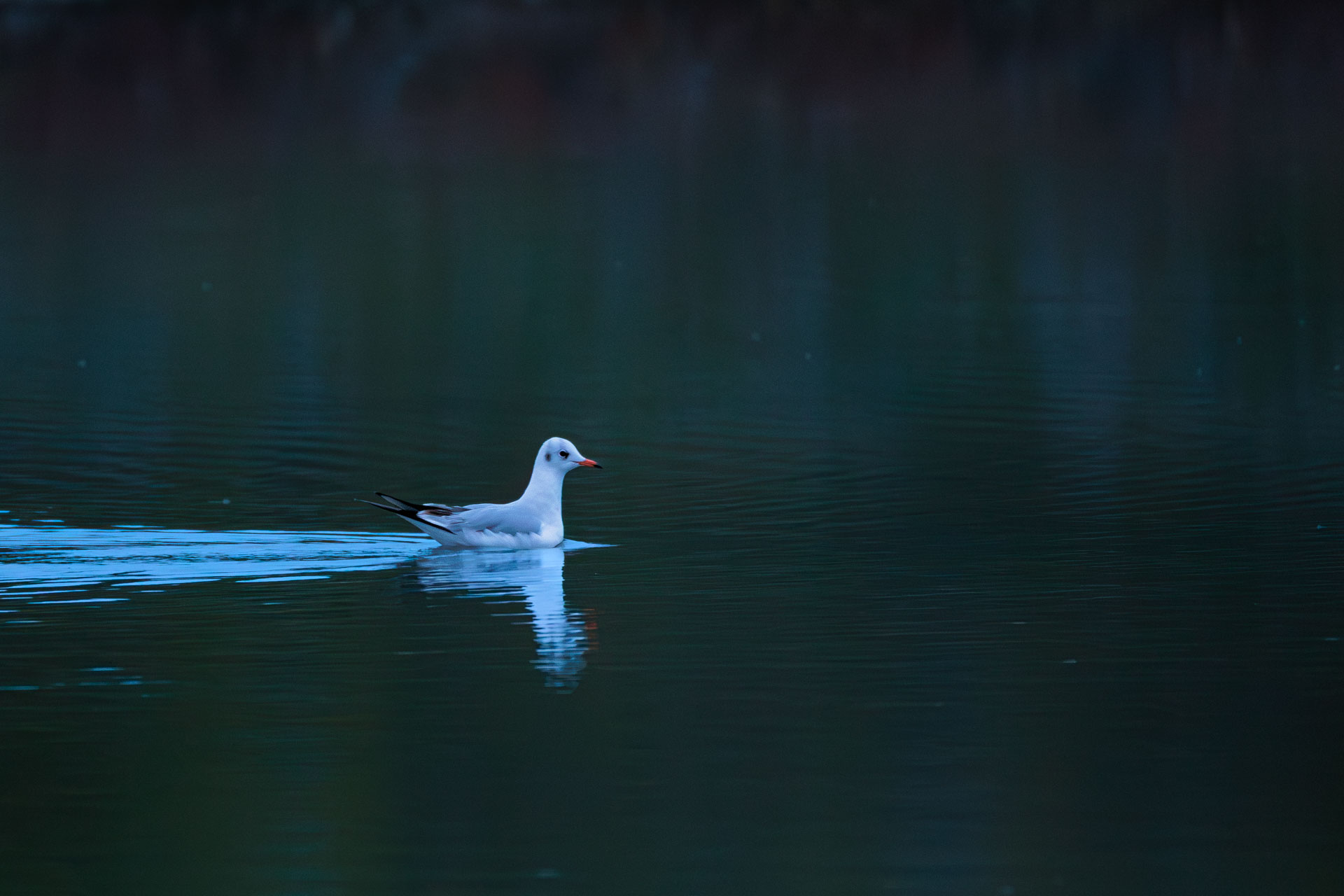
A small, elegant gull, common in salt flats, on beaches, in wetlands and even in harbours. It feeds on fish, invertebrates and carrion. In Ibiza it can be seen during the winter, particularly in areas such as Ses Salines and Ses Feixes. From March onwards, when the pre-breeding migration begins, some individuals can be seen in their breeding plumage before they leave.
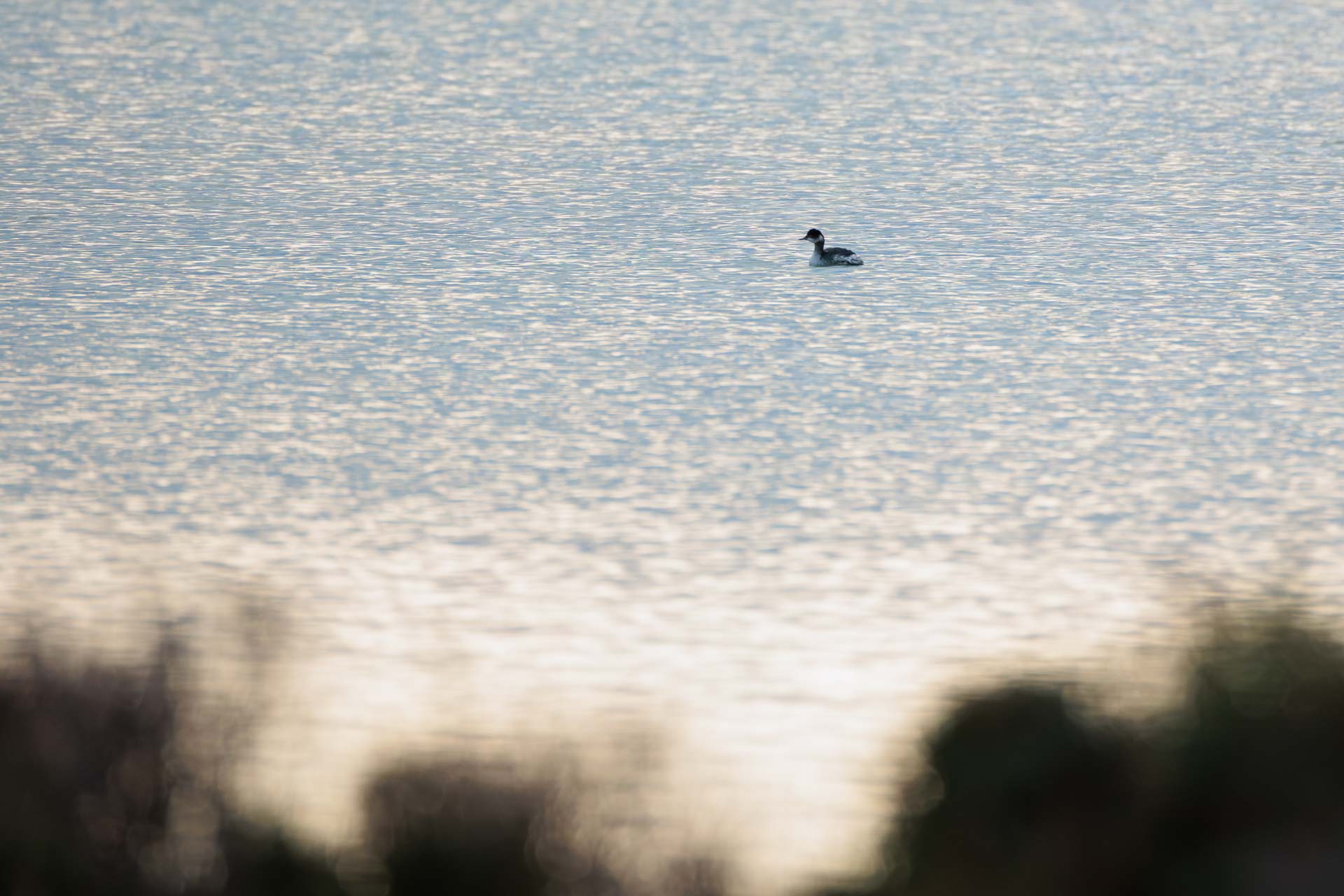
A medium-sized waterbird, associated with lagoons and reservoirs. It feeds on fish and small invertebrates. In Ibiza, it can be observed during migration and in winter, particularly in the saltwater ponds of Ses Salines. It is important to note that the largest population of this species is found at S'Estany Pudent, in Formentera. Its local name comes from the fact that it dives to catch fish and crustaceans or to hide, making ‘dives’.
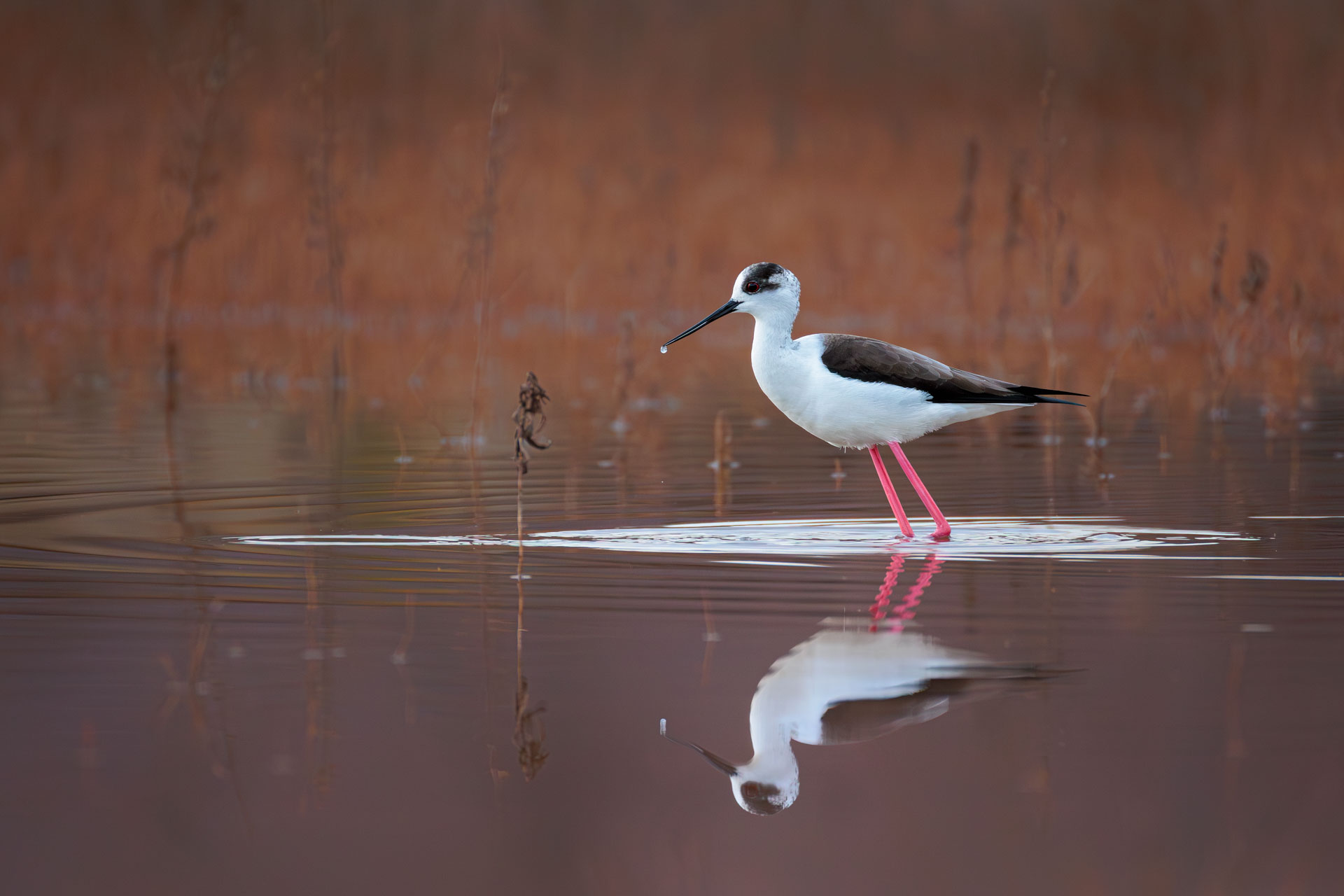
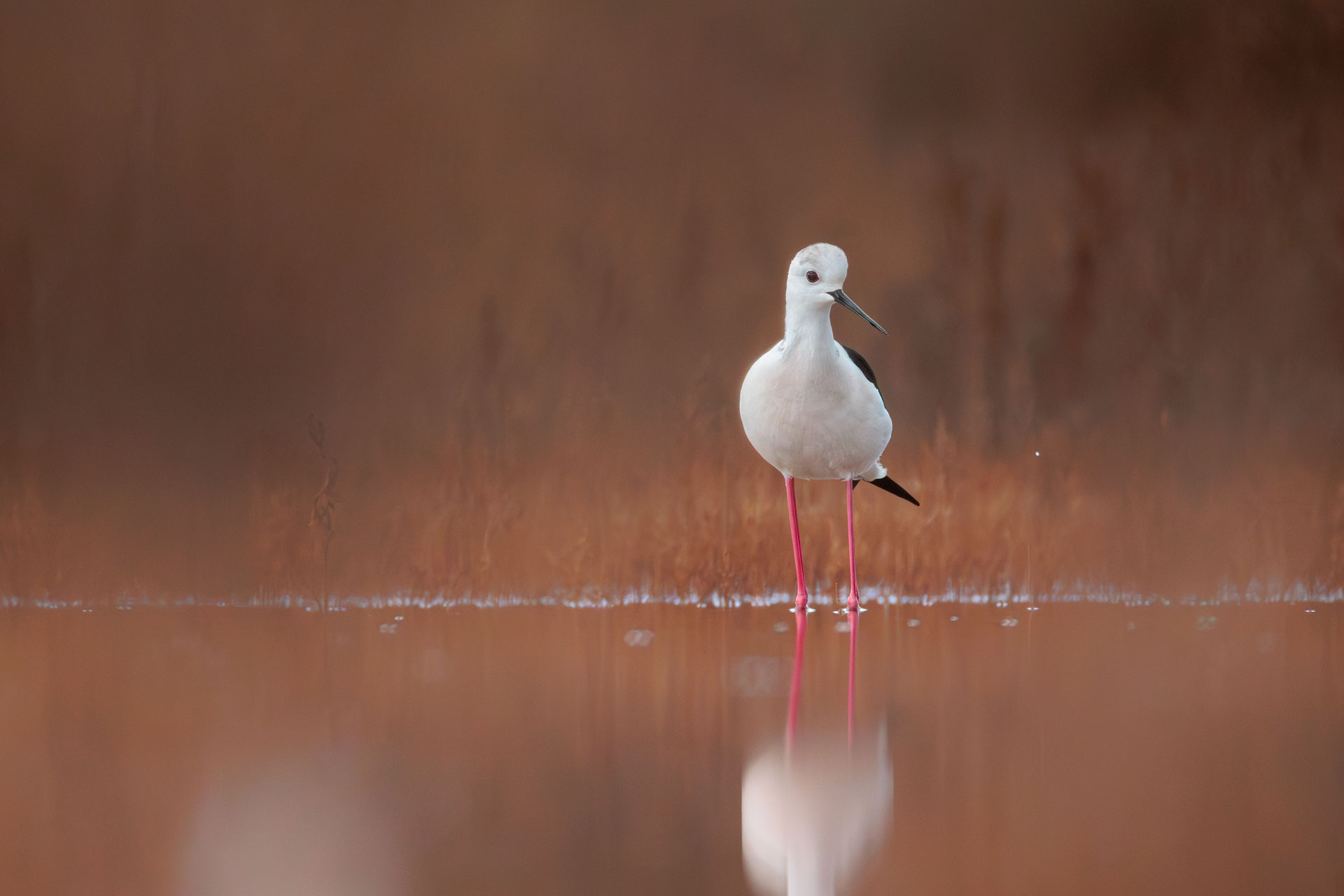
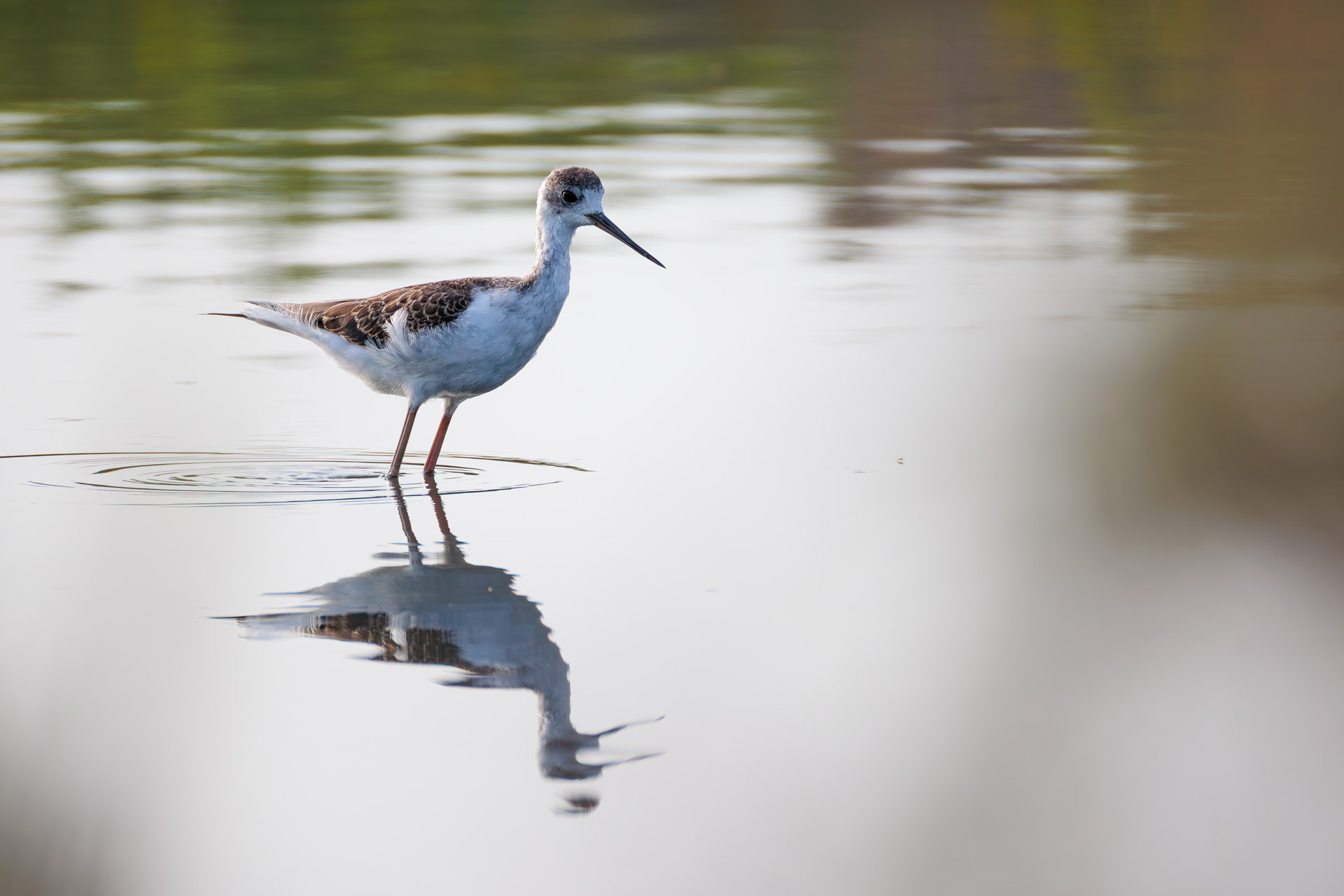
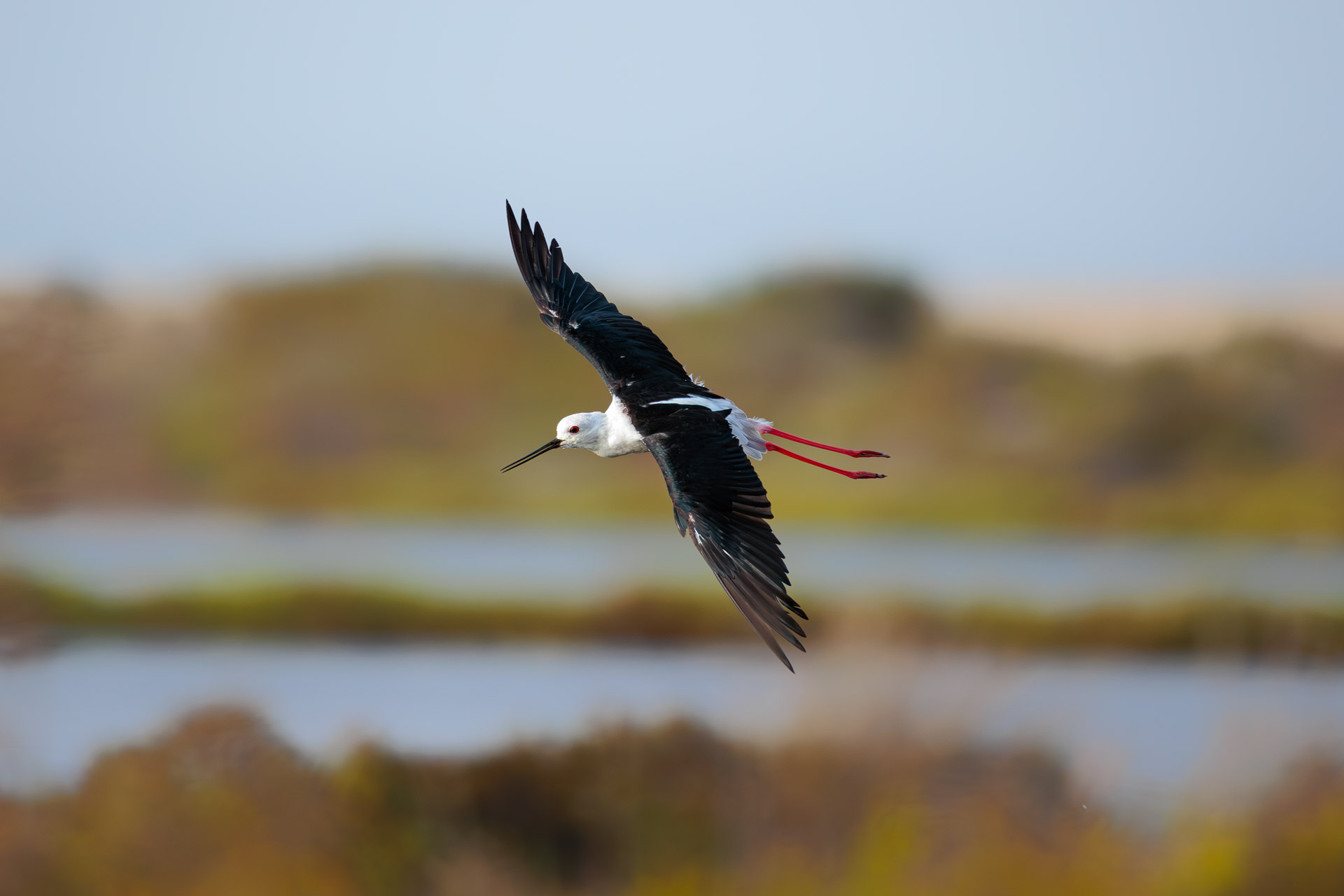
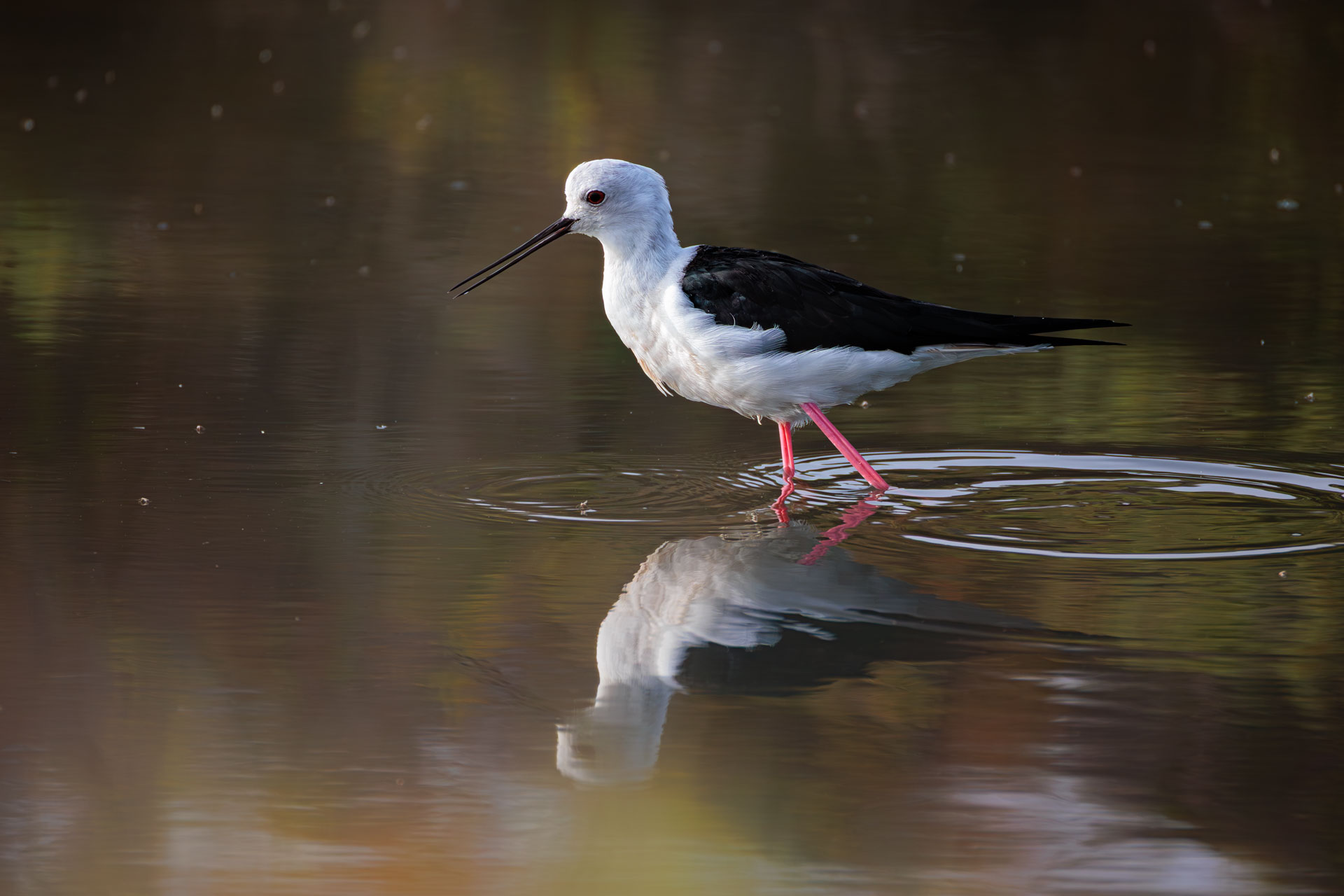
An elegant, long-legged bird, closely associated with wetlands and salt marshes. It feeds in shallow waters and is usually seen in small groups. In Ibiza, it is common in Ses Salines, where there are excellent opportunities for observation, particularly during the summer when the chicks hatch. Its local name ‘Xerraire’ refers to its noisy behaviour.
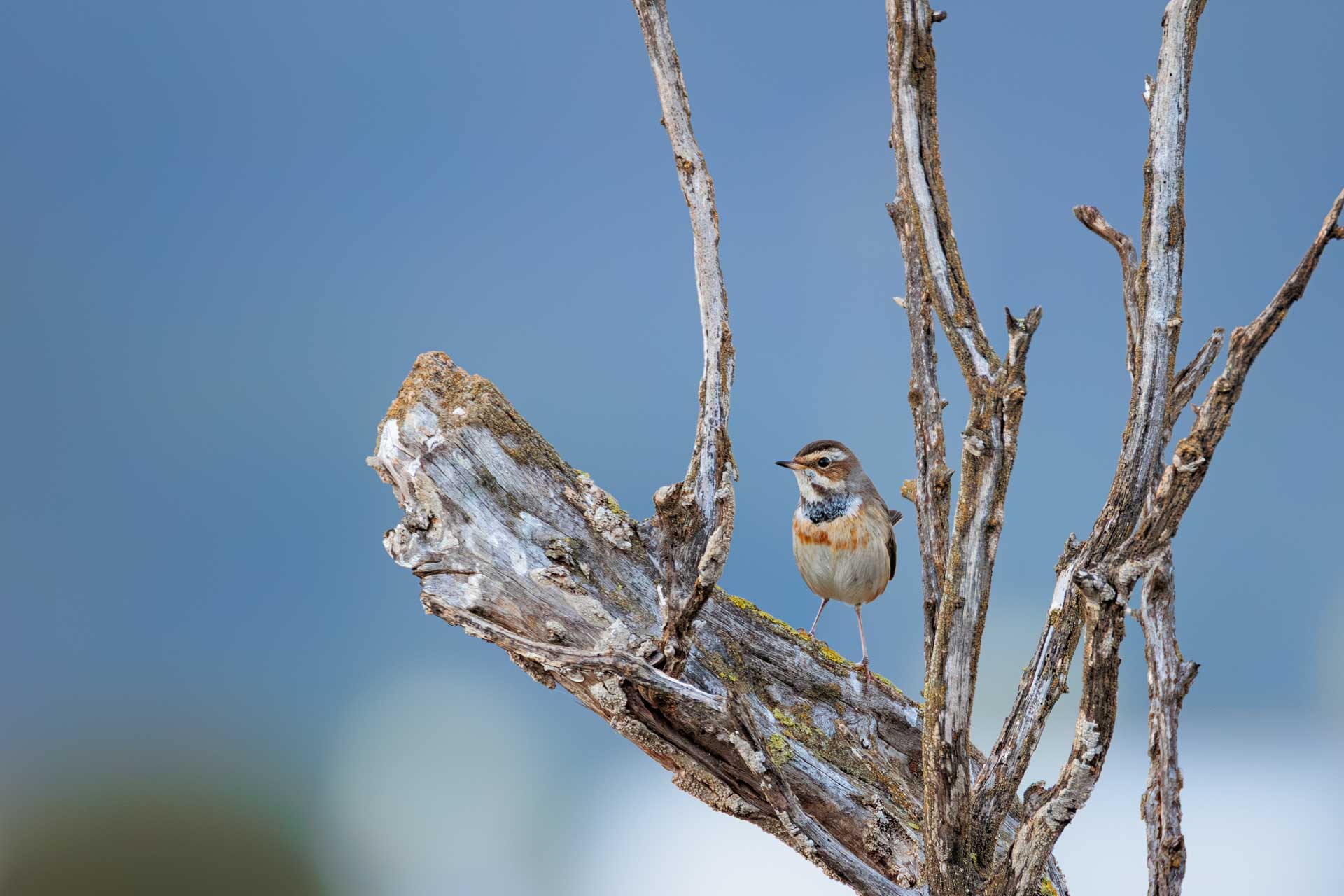
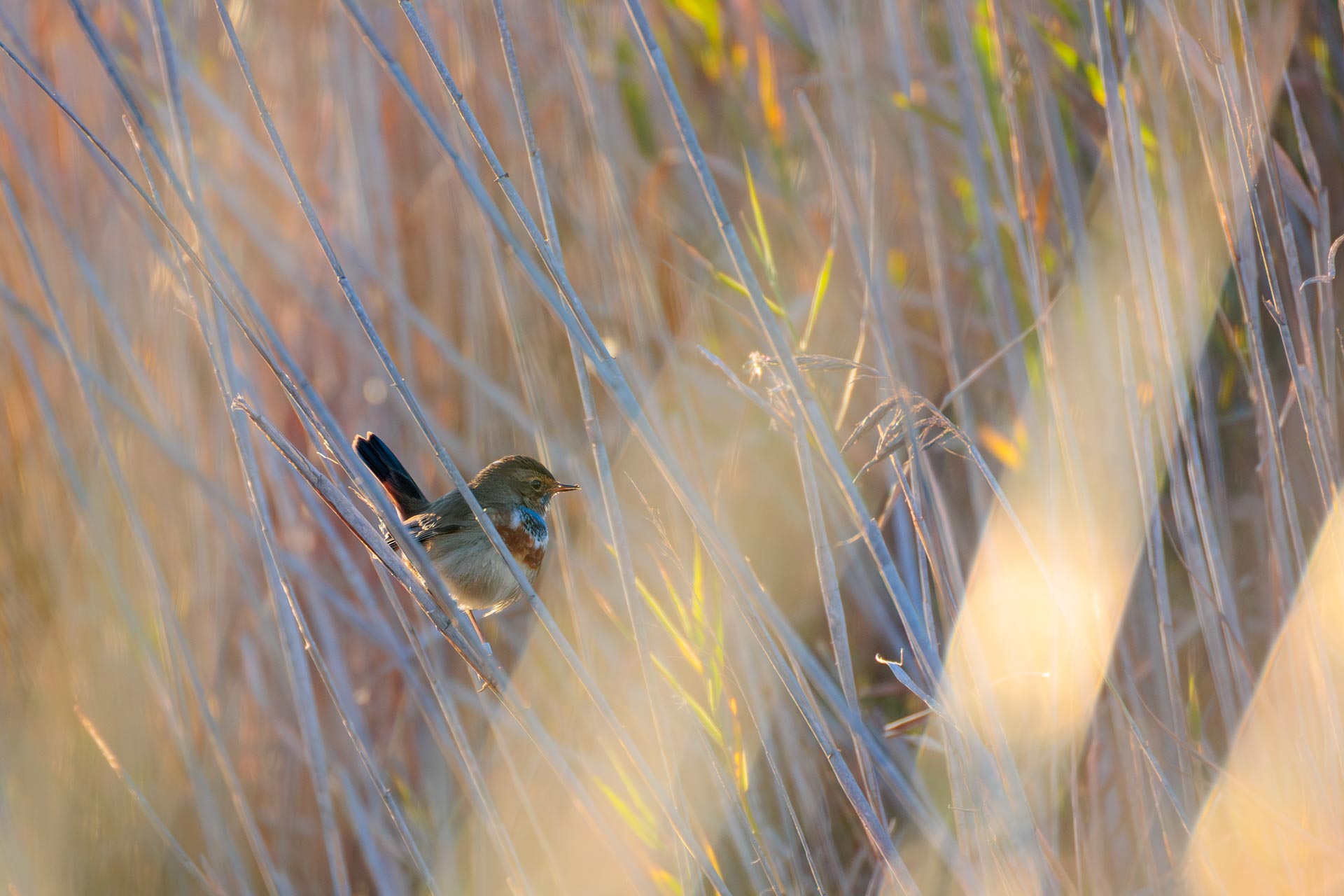
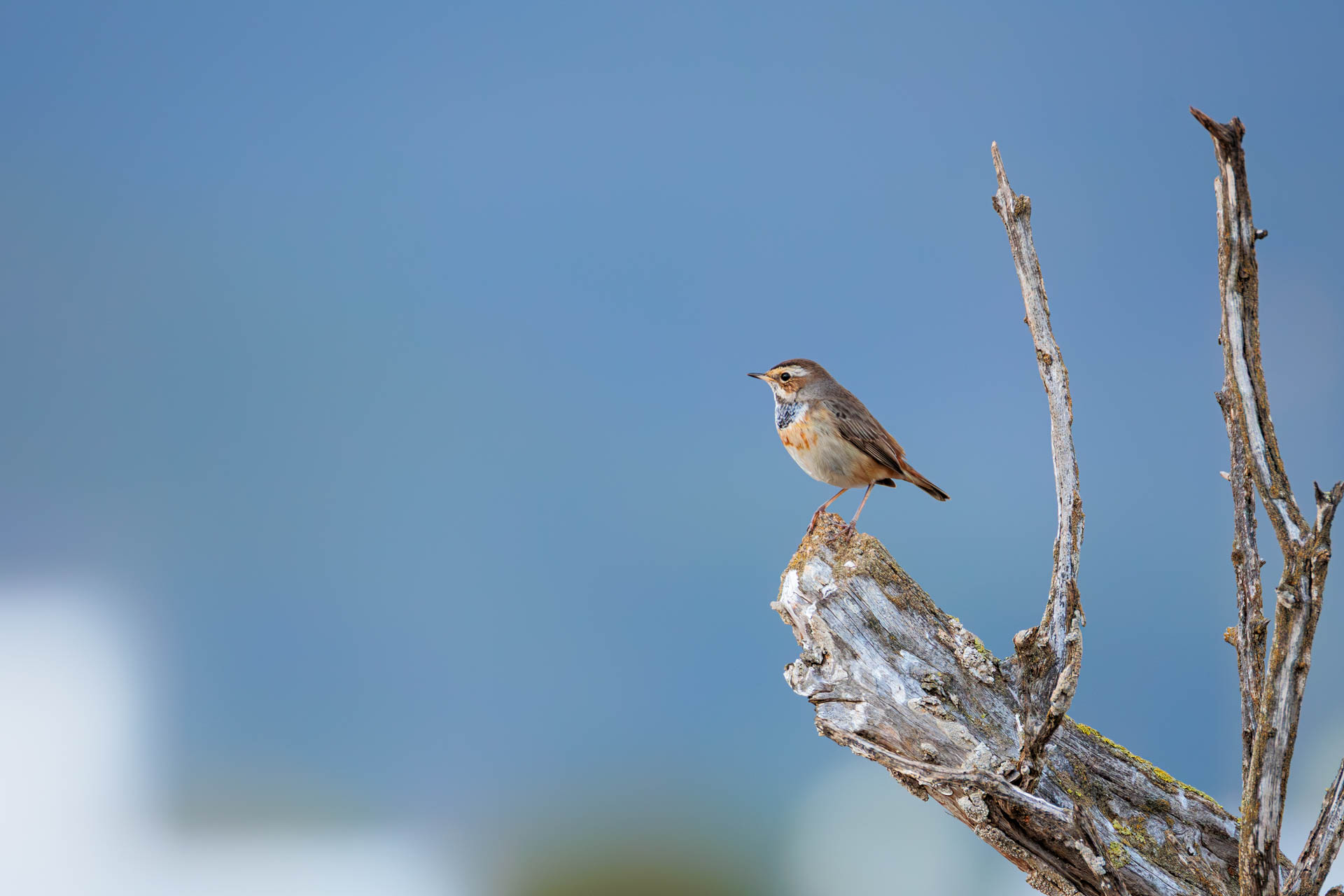
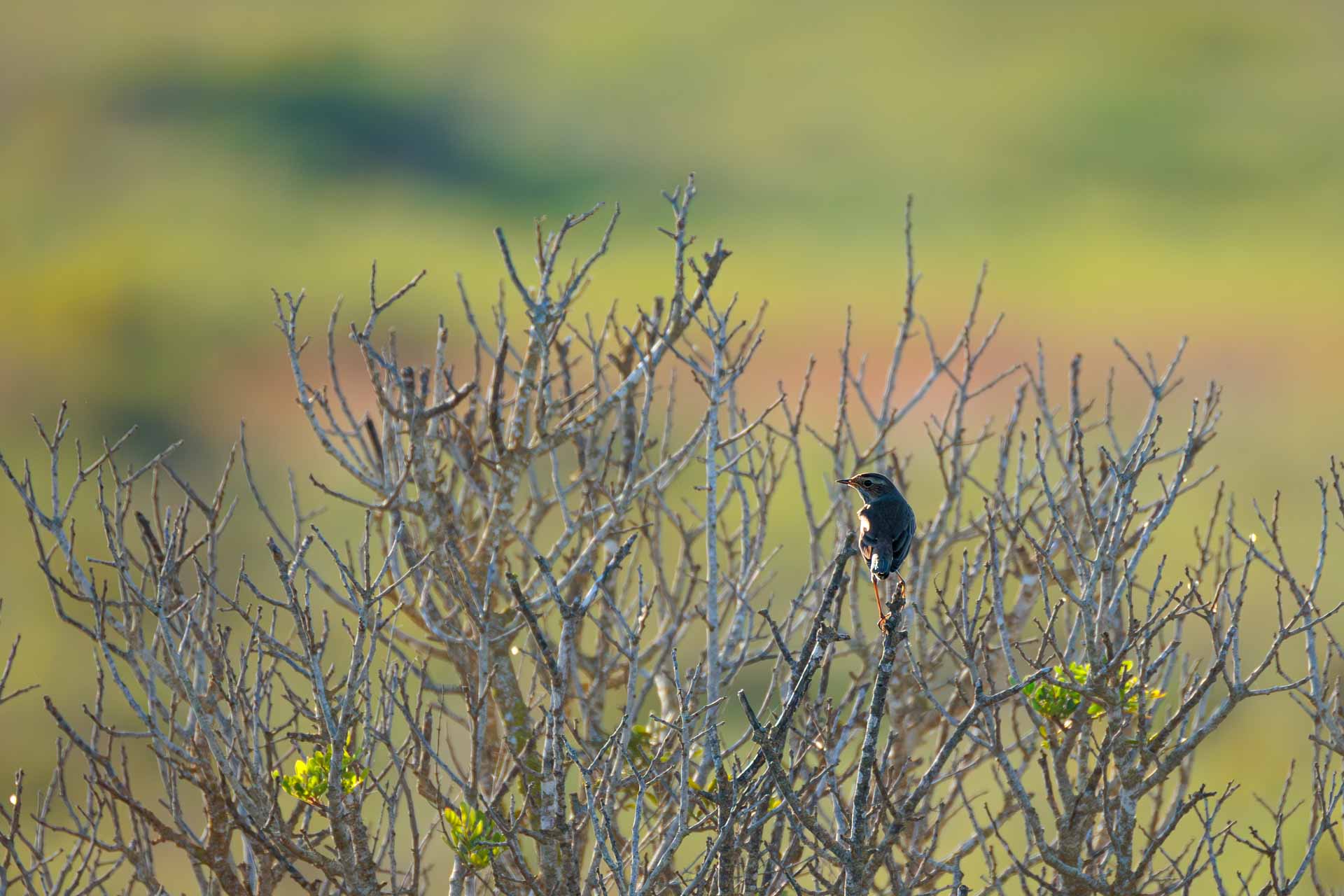
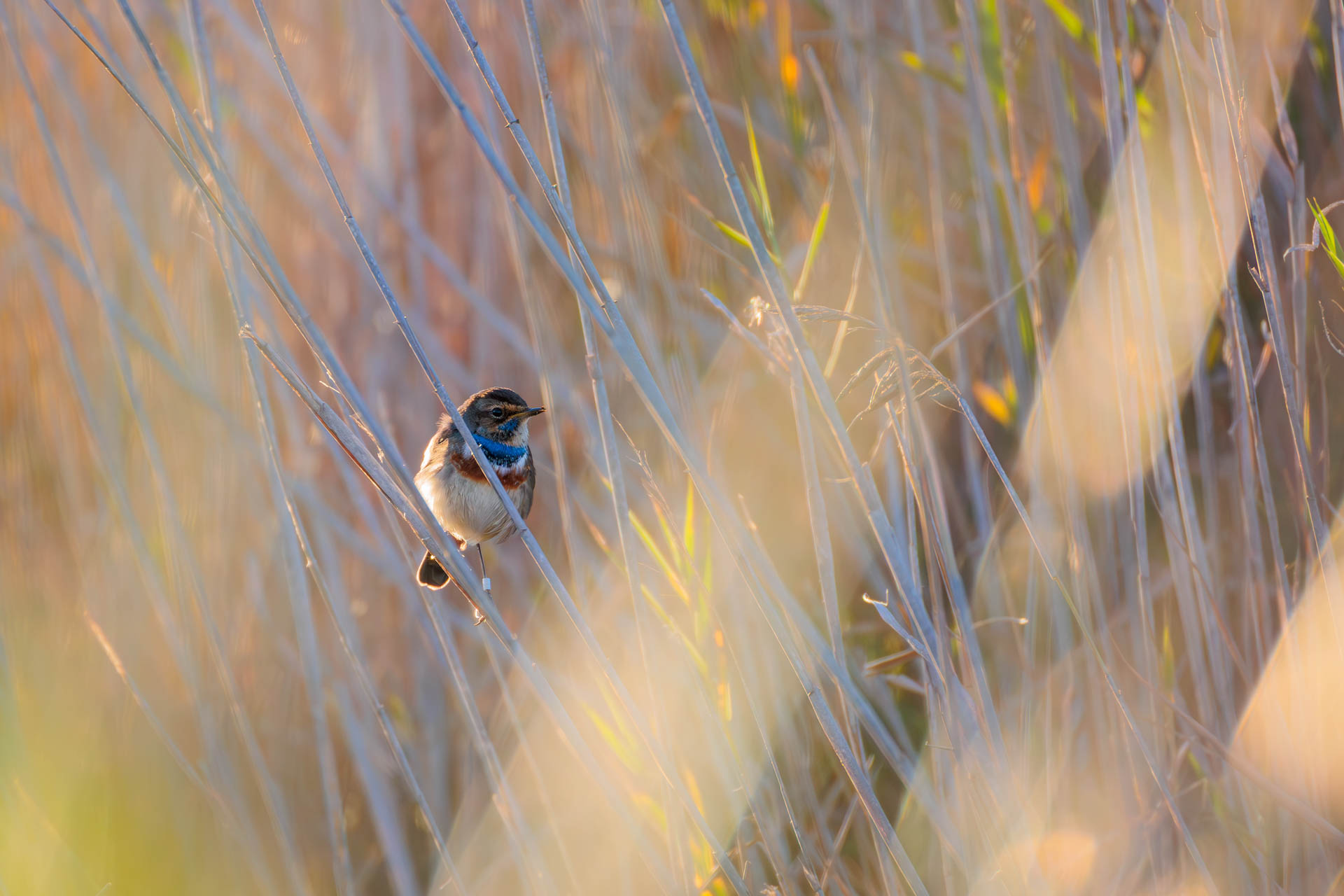
A small migratory bird with striking plumage in shades of blue and orange. It inhabits scrubland and wetlands. In Ibiza, it is a visitor during migration, although some individuals remain throughout the winter. Due to the small number of individuals found, its elusive behaviour and its preference for areas with dense scrub, it is a difficult species to spot in Ibiza. It is most commonly seen in Ses Salines and Ses Feixes. Its name derives from the blue colour of its breast, translating as ‘little blue one’
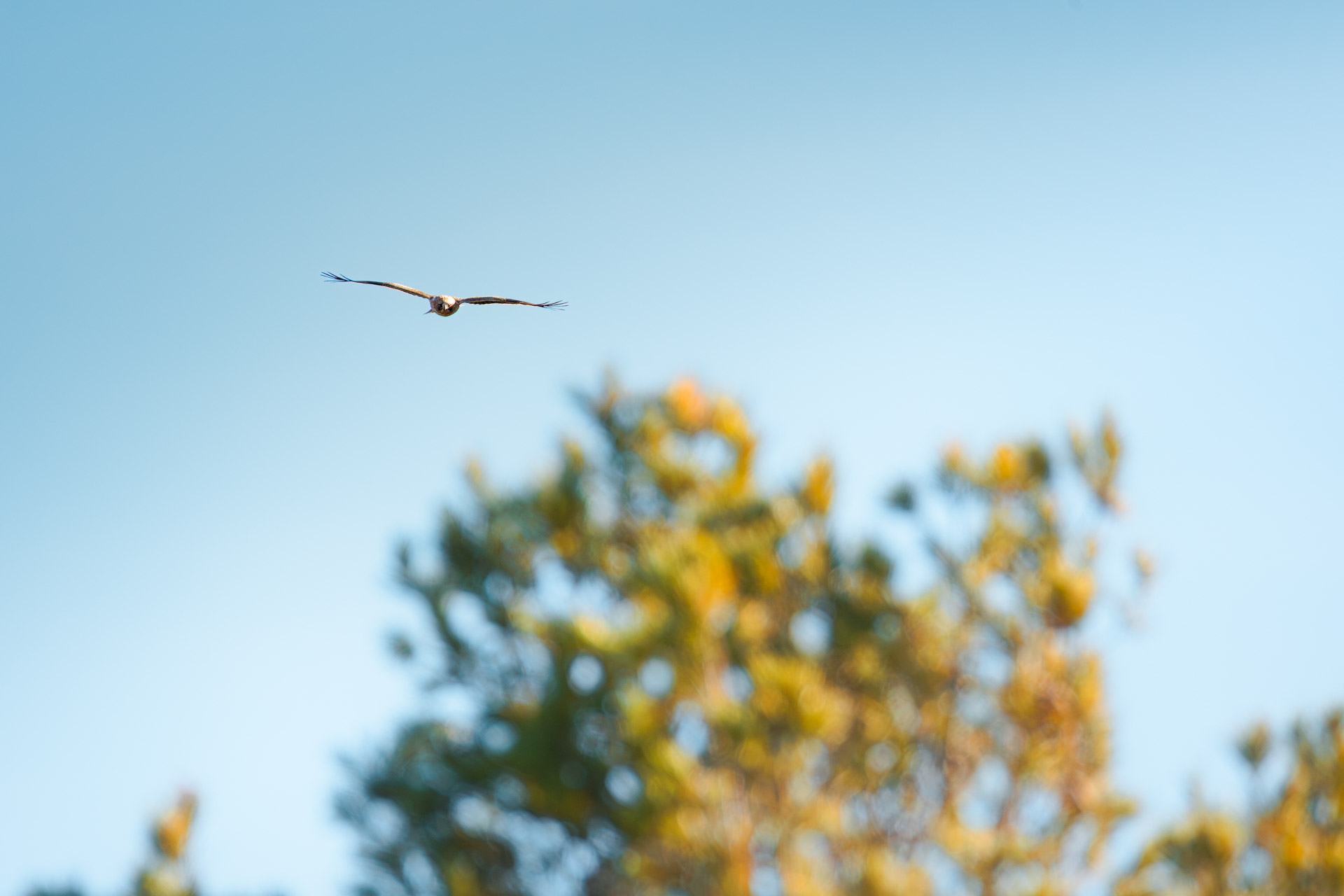
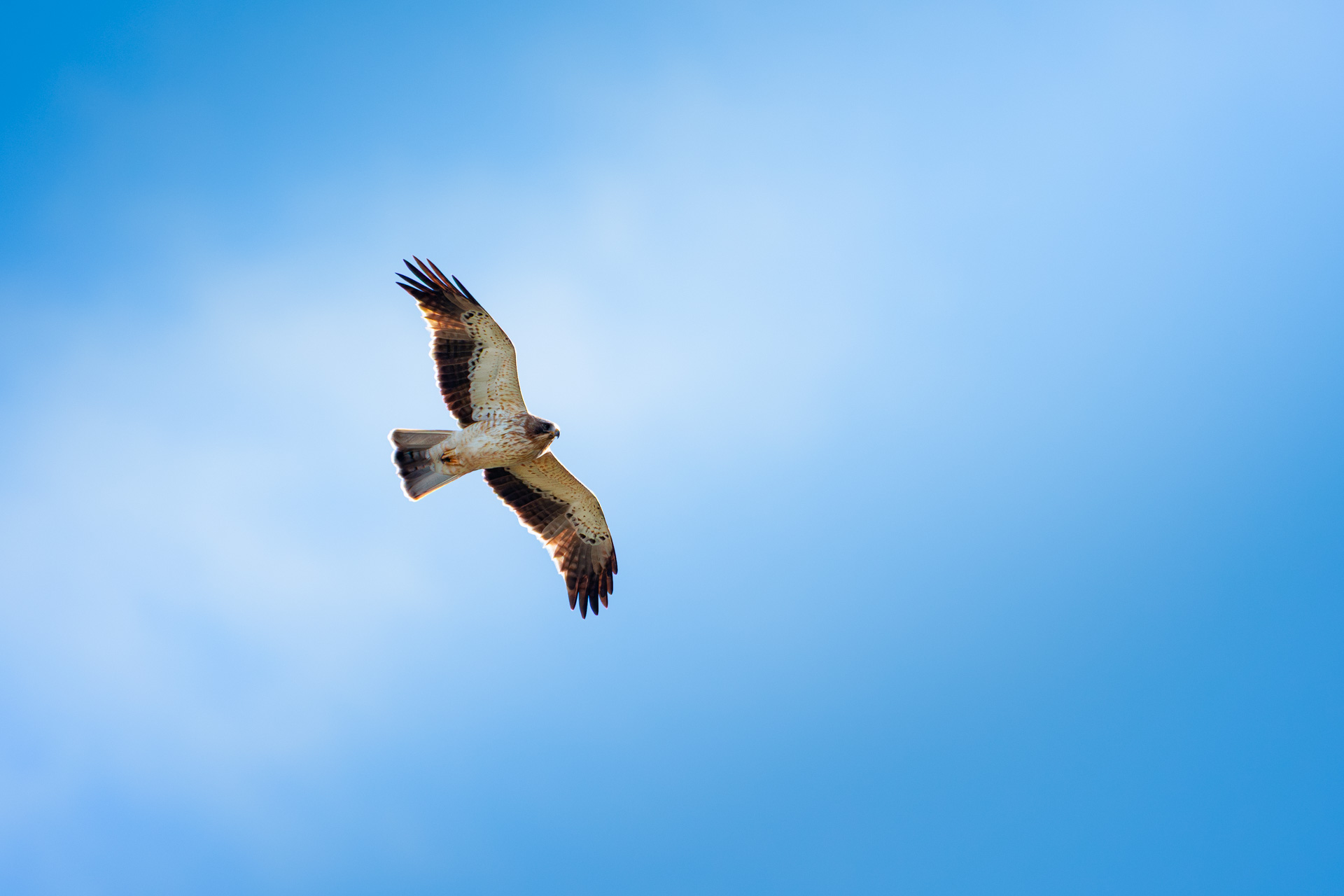
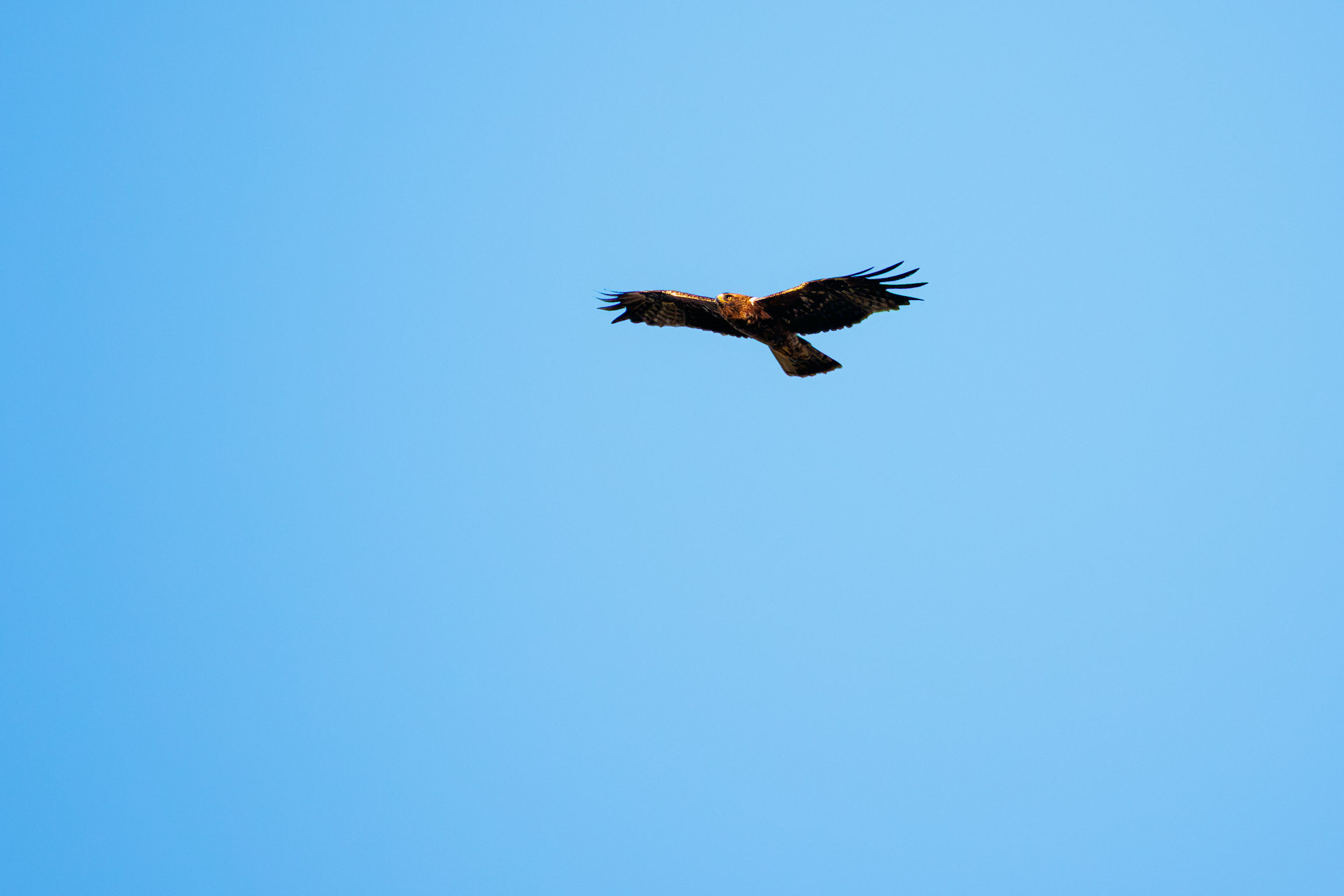
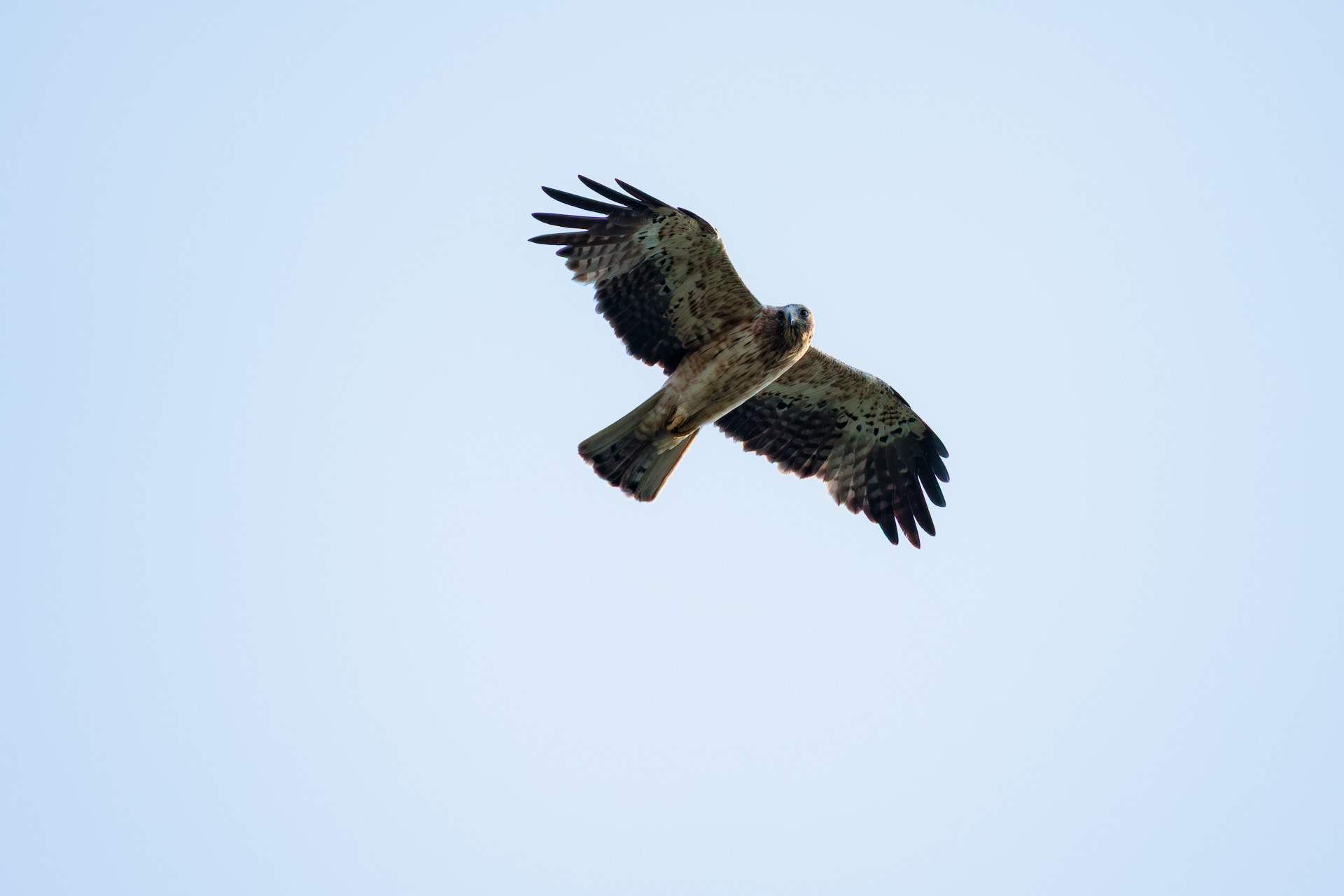
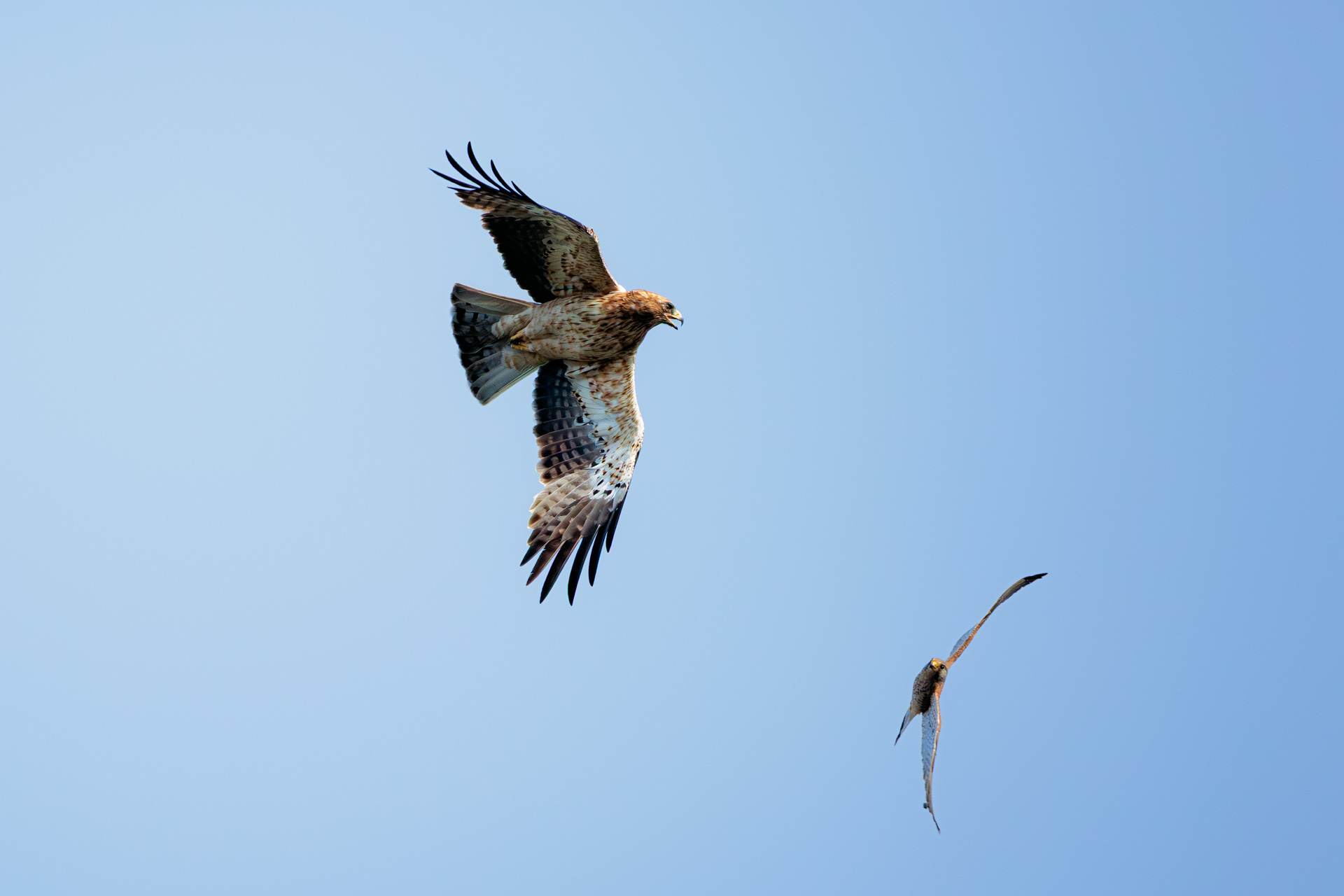
A small bird of prey inhabiting wooded areas and mountain slopes. It feeds on small vertebrates and birds. In Ibiza, it is an occasional visitor during migration, although some individuals do remain throughout the winter. It is easily spotted in Ses Salines or in inland agricultural areas during daylight hours, when it takes the opportunity to hunt. It is easily distinguished by its high, circling flight, as well as its plumage.
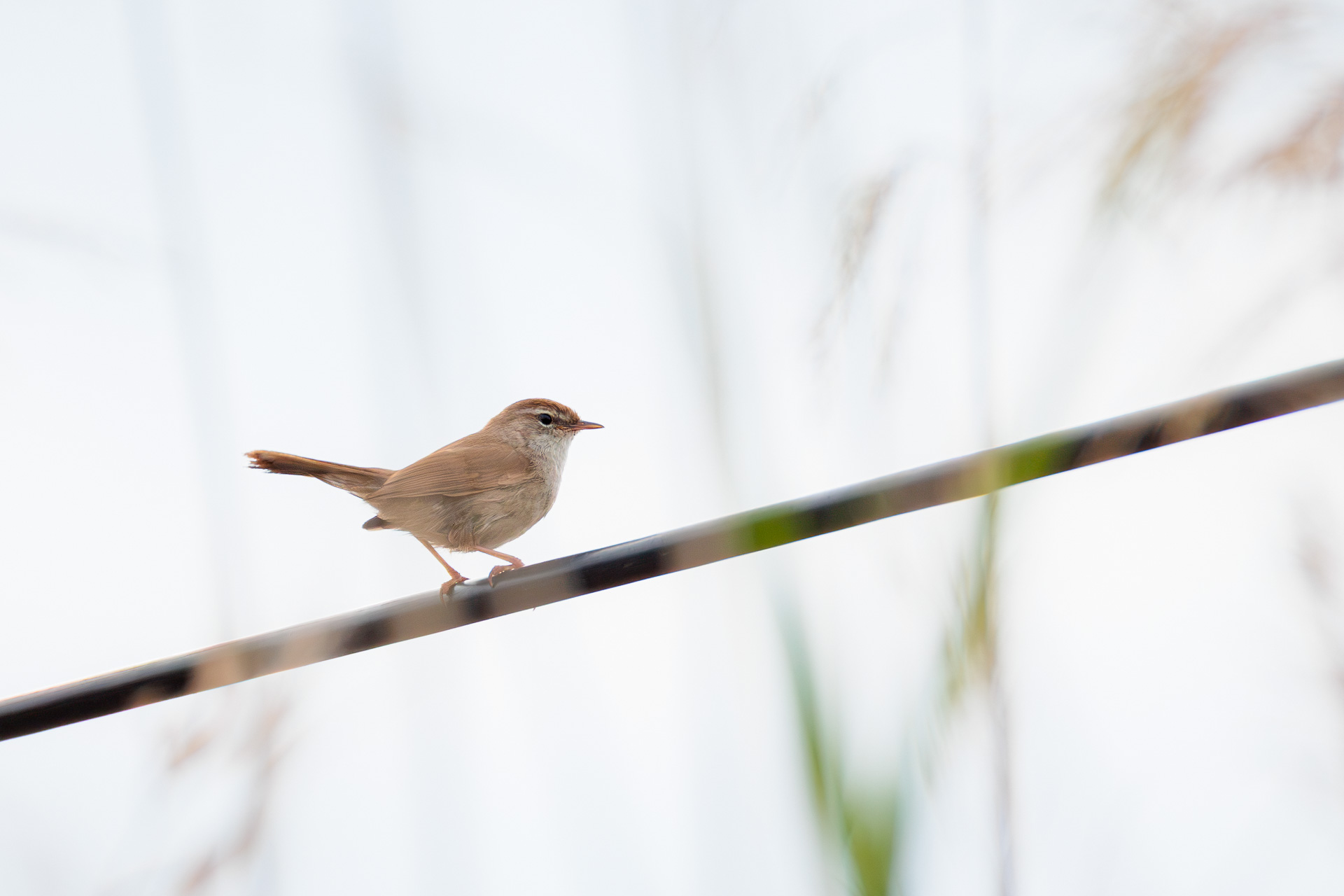
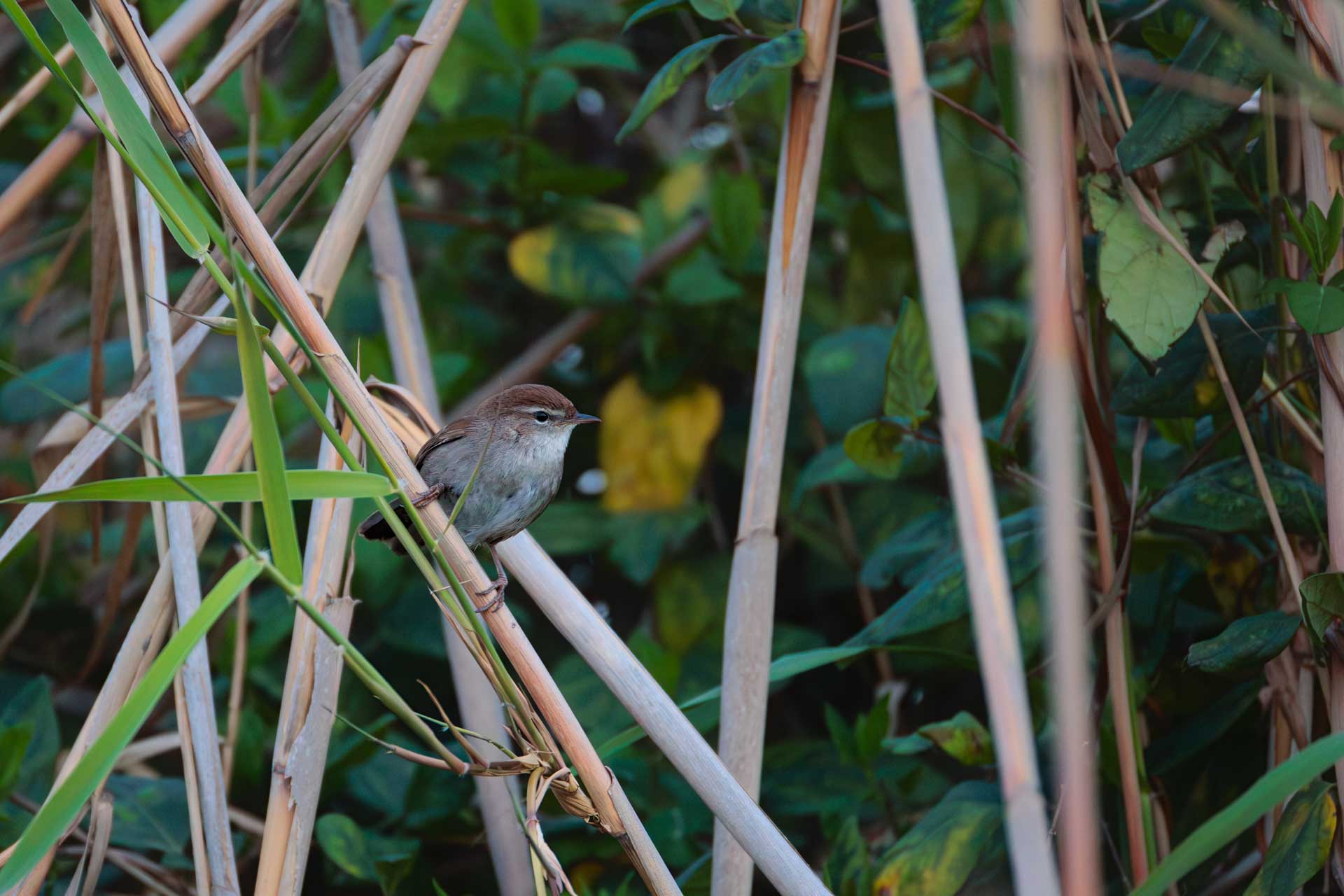
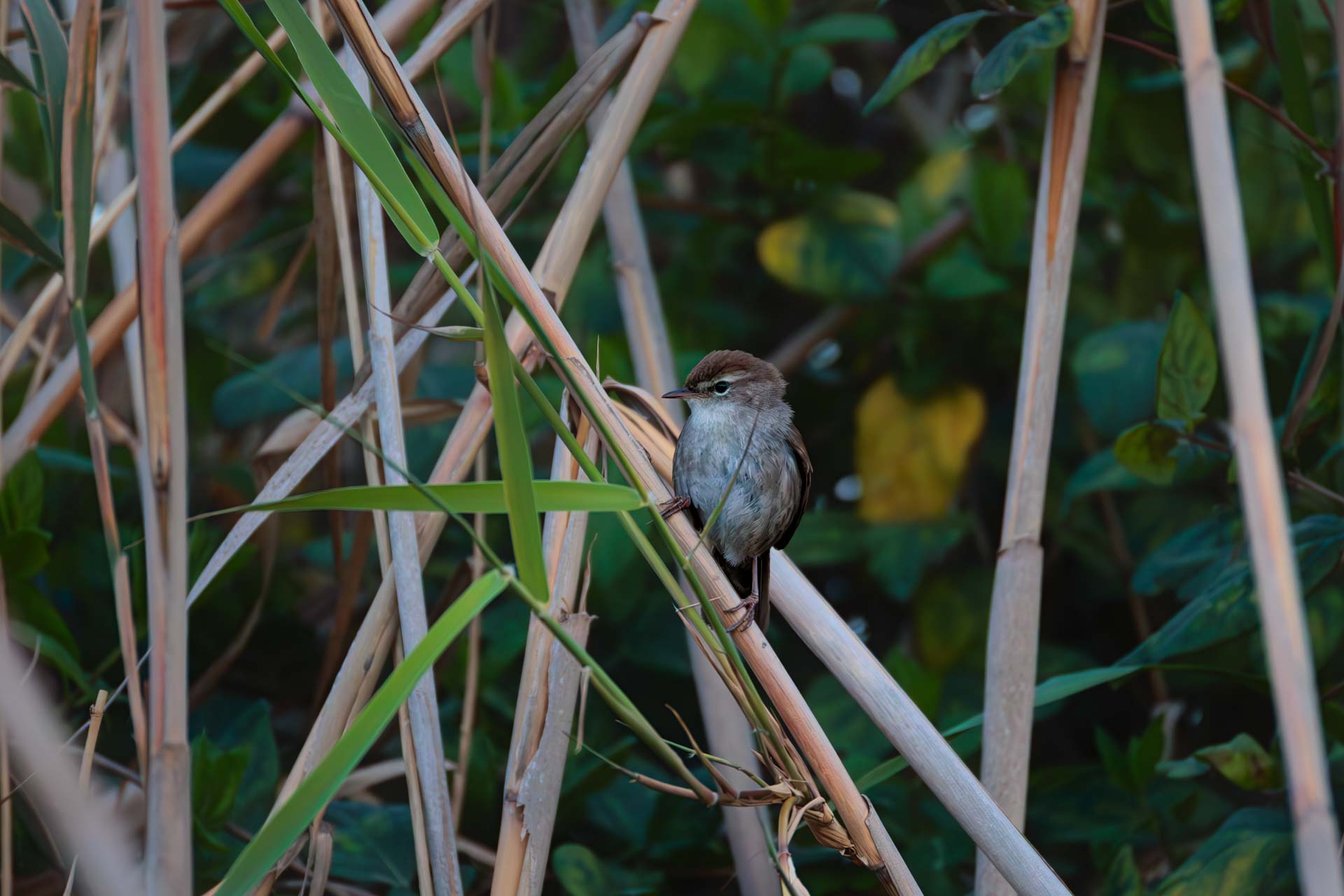
A small migratory bird associated with areas of dense vegetation and wetlands. It feeds on insects. In Ibiza, this species can be found all year round, particularly in the reed beds of Ses Feixes or Ses Salines. Given its nervous and shy nature, it is a difficult species to spot, although very easy to detect by its characteristic song, which can be heard from a distance.
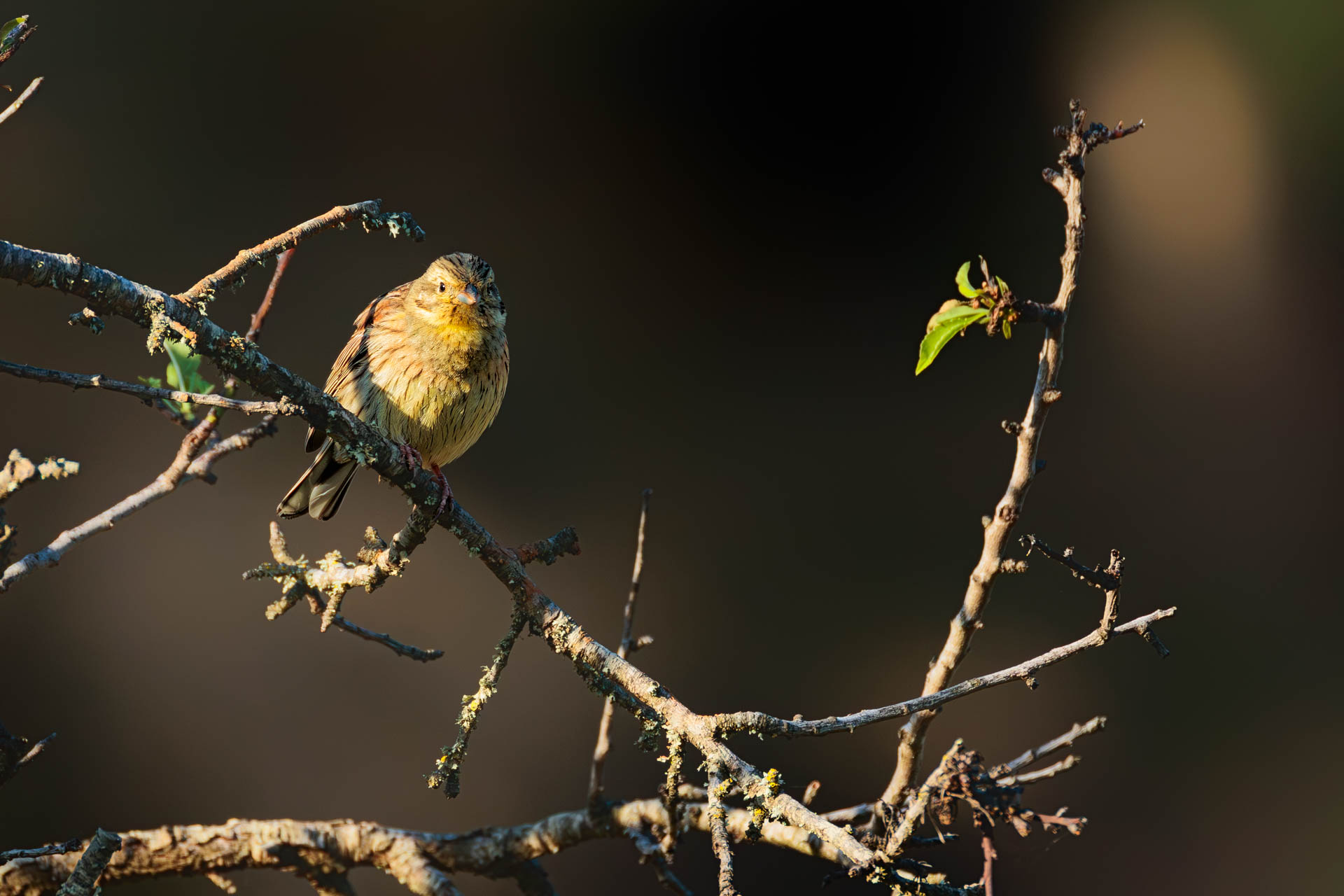
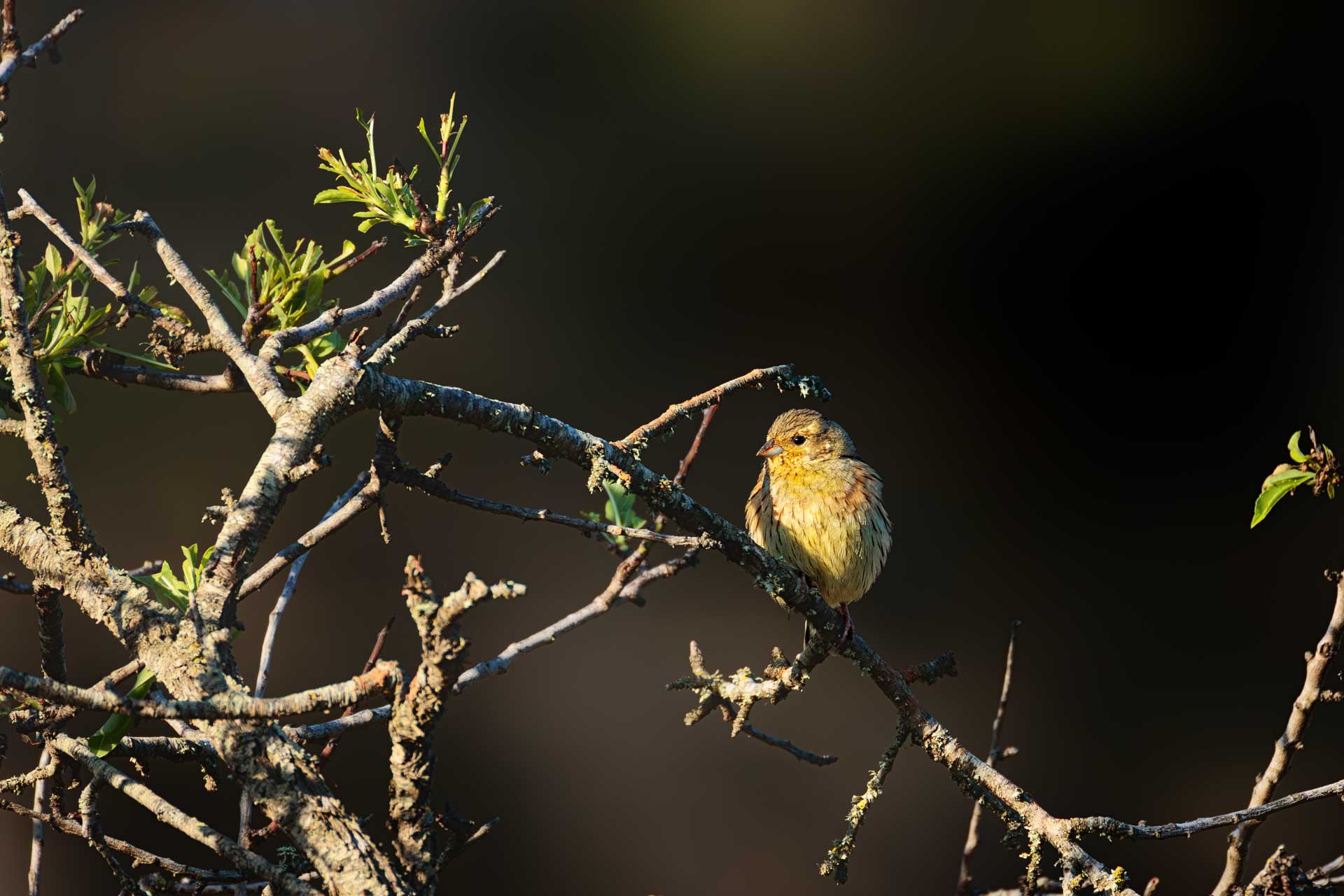
The Cirl is a small bird with vivid yellow and greenish plumage, commonly found in open fields, areas of Mediterranean scrub and forest edges. It feeds mainly on seeds and insects and usually perches on bushes or wires from where it sings. In Ibiza, it is a relatively inconspicuous species, mainly seen in undisturbed rural areas such as the Sant Mateu plain or the Santa Agnés plain.
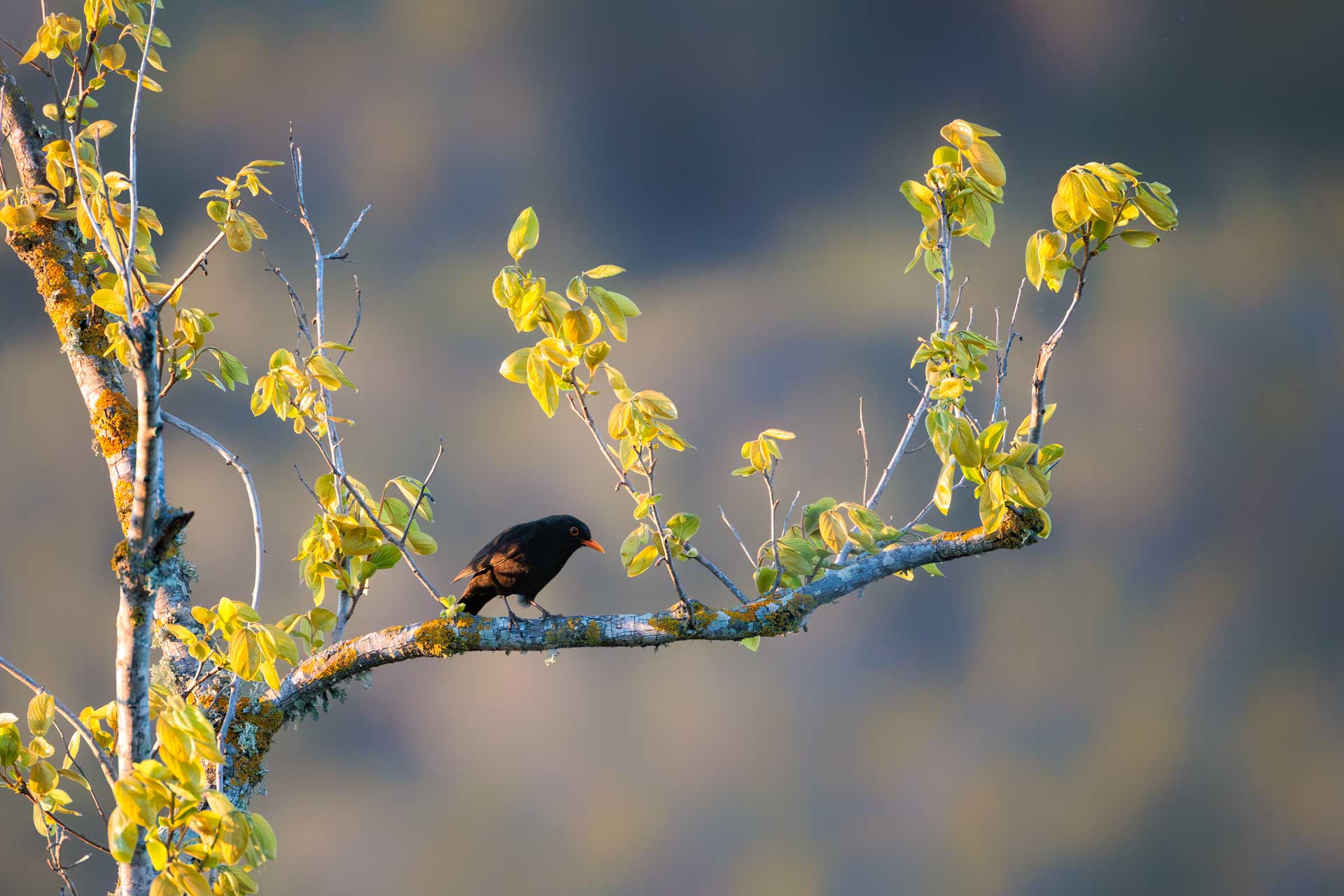
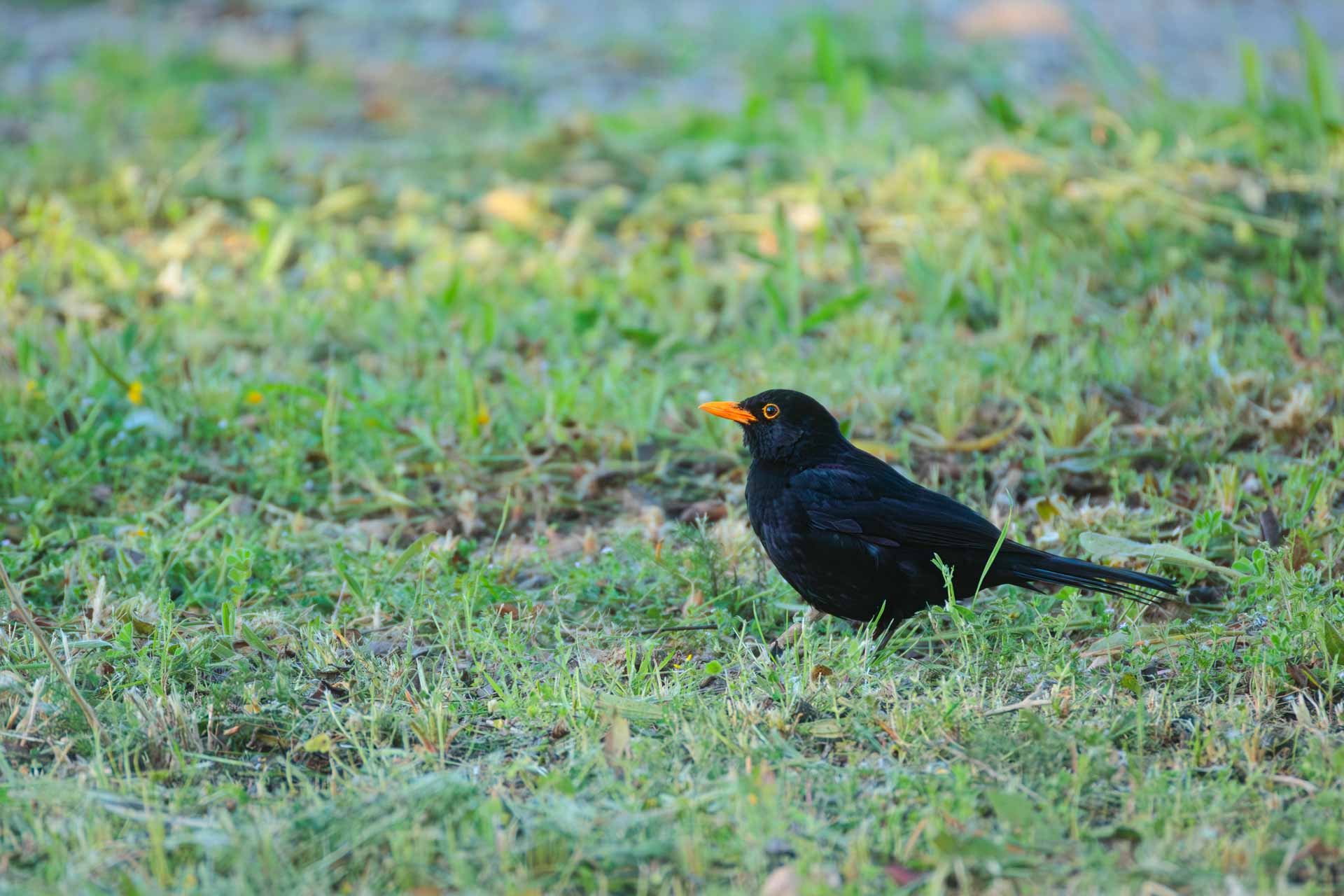
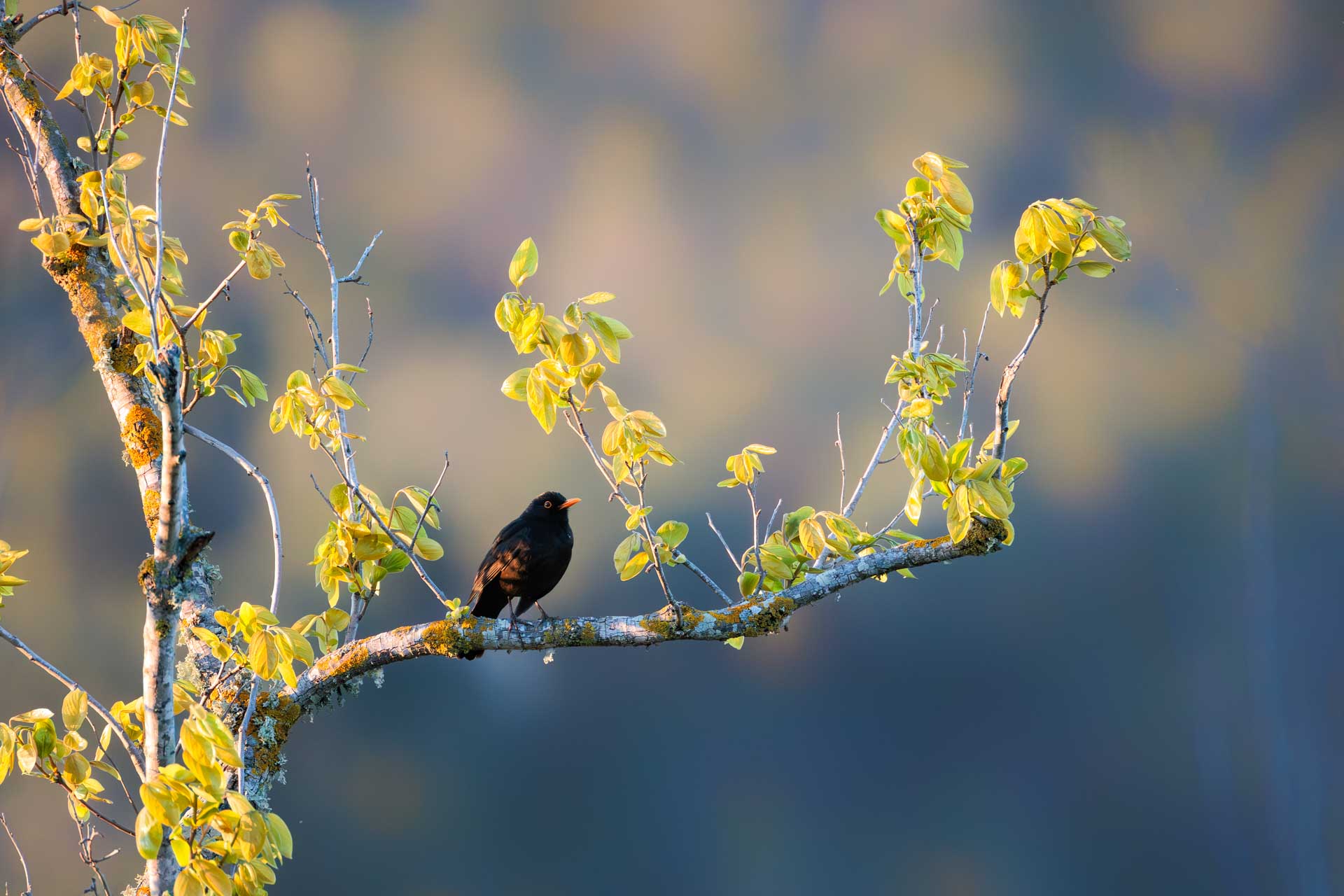
The Common Blackbird is a species well known for its powerful and melodious song. It inhabits gardens, woodlands, agricultural areas and urban areas. In Ibiza, it is present all year round and is often seen foraging on the ground, especially at dawn and dusk.
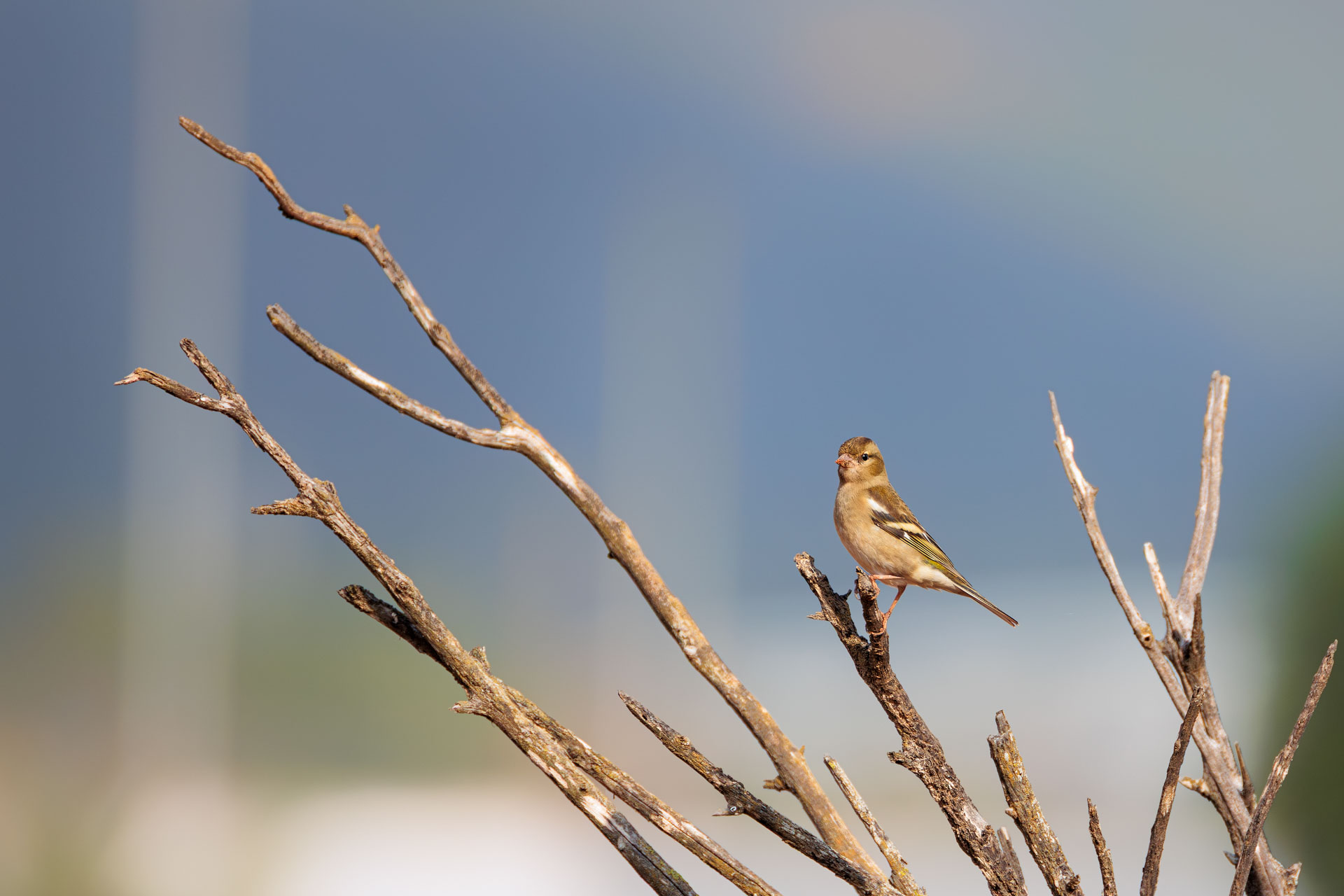
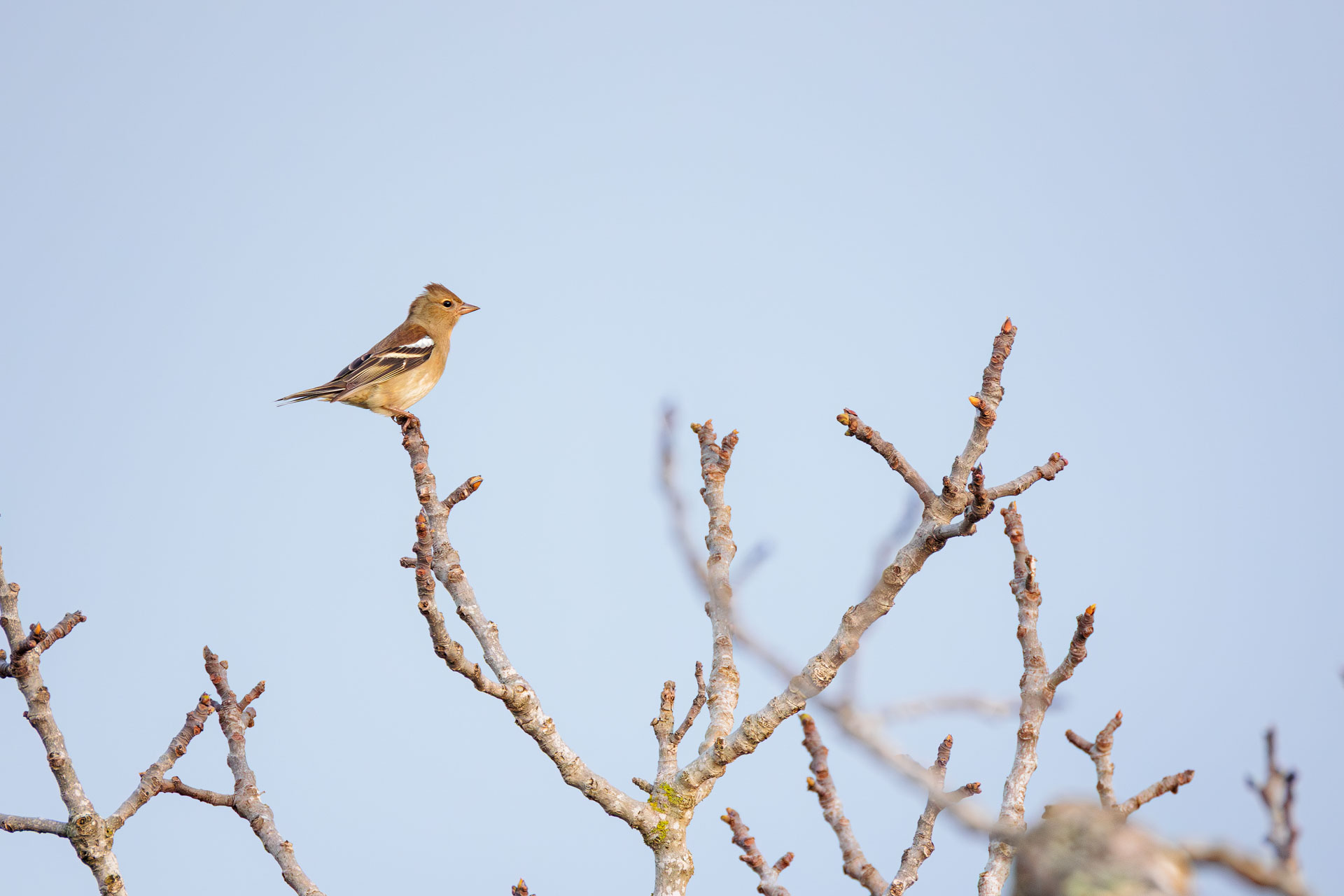
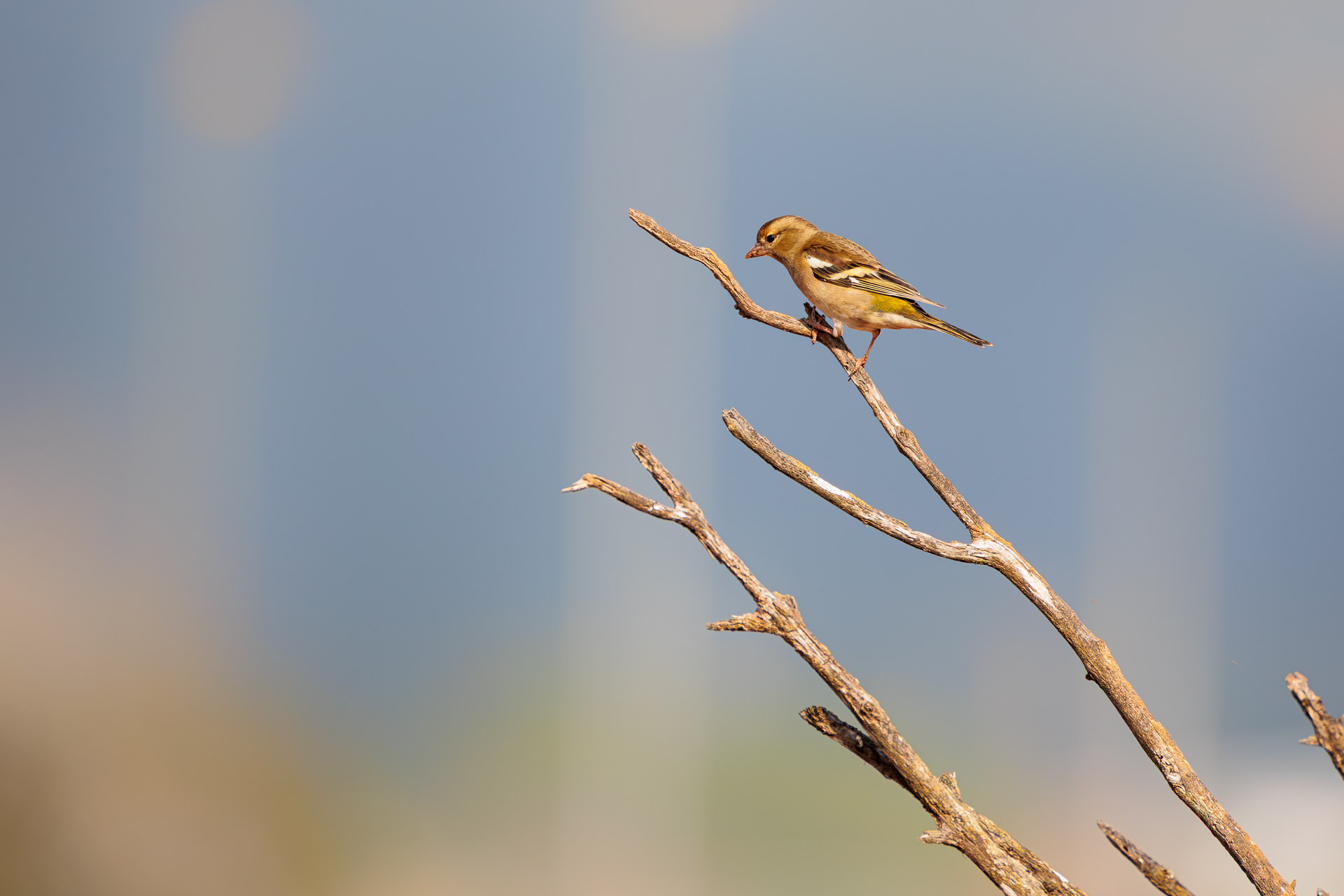
A forest and woodland species, very common and easy to identify by its song; nevertheless, it is not easy to spot in Ibiza due to its shy nature. It feeds on seeds and insects. In Ibiza, it is present during the winter and during migration, being particularly visible in pine forests, gardens and well-preserved rural areas.
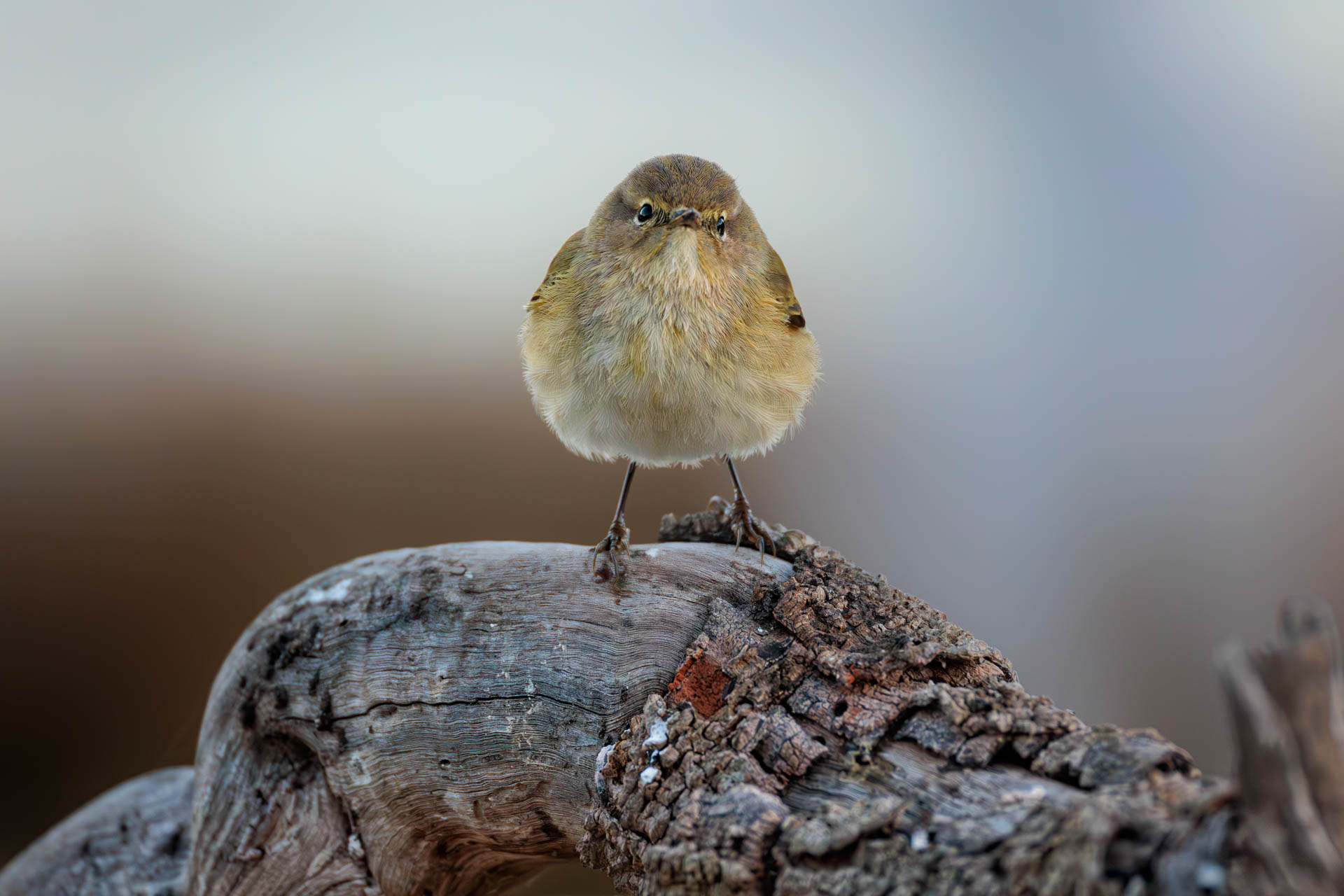
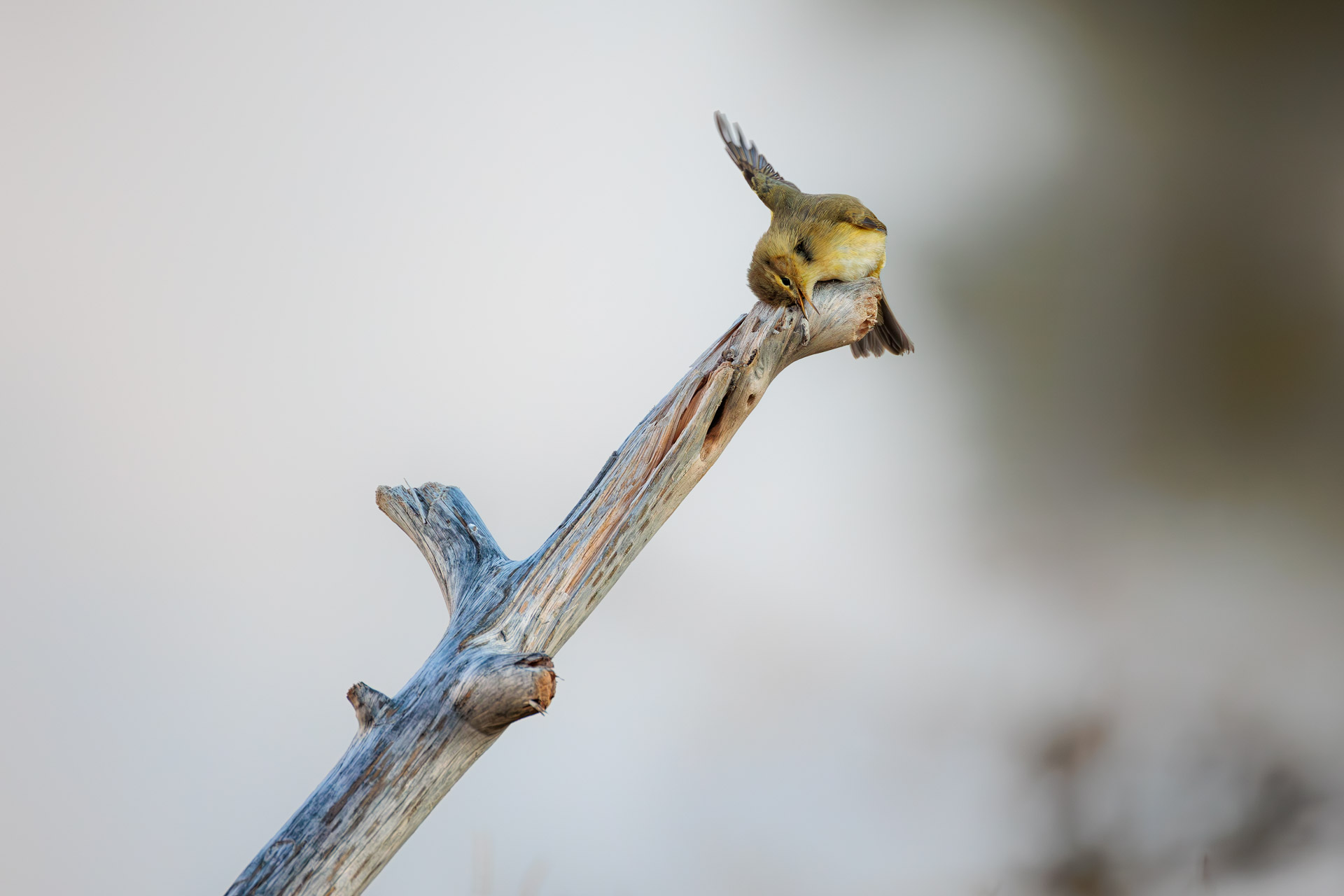
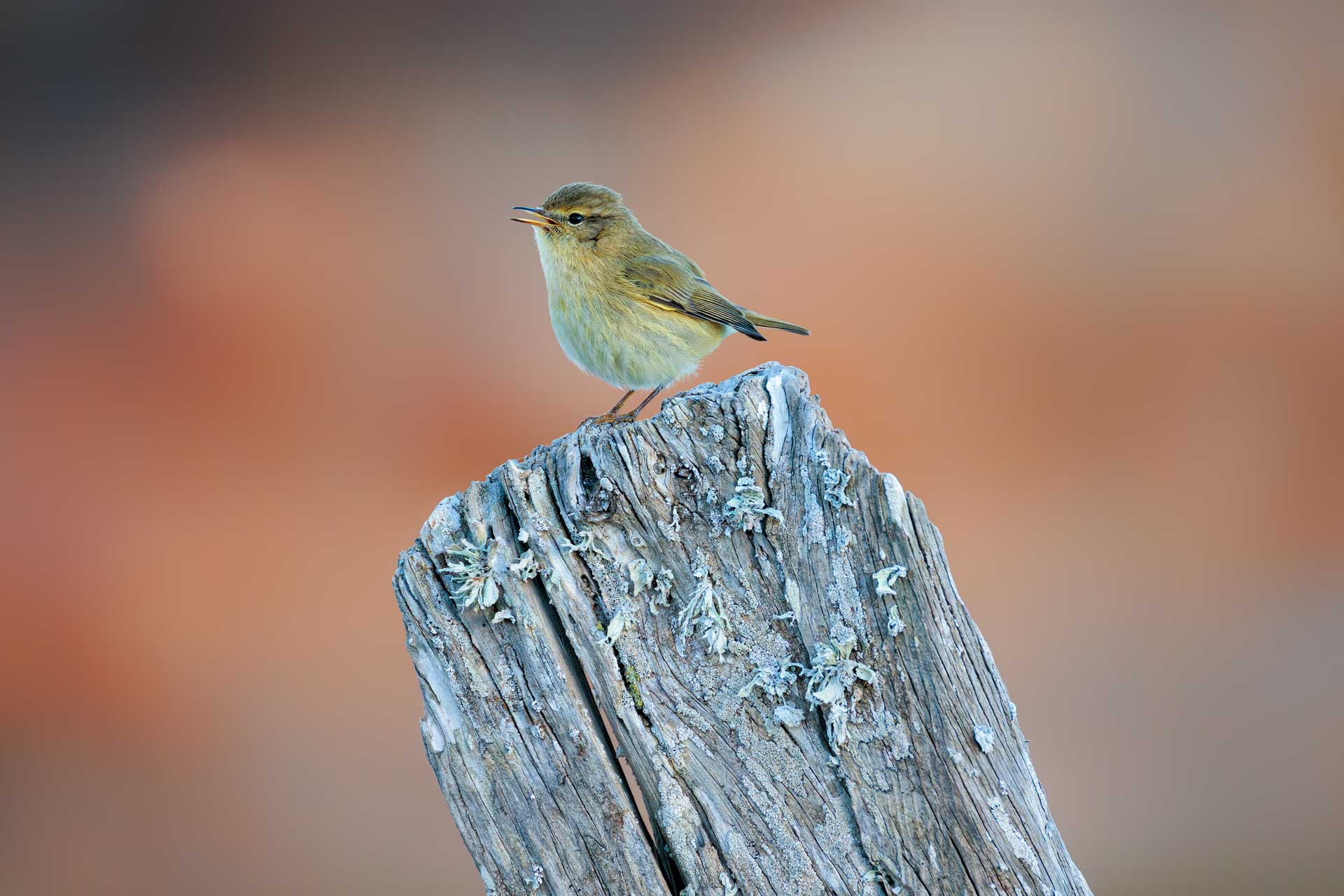
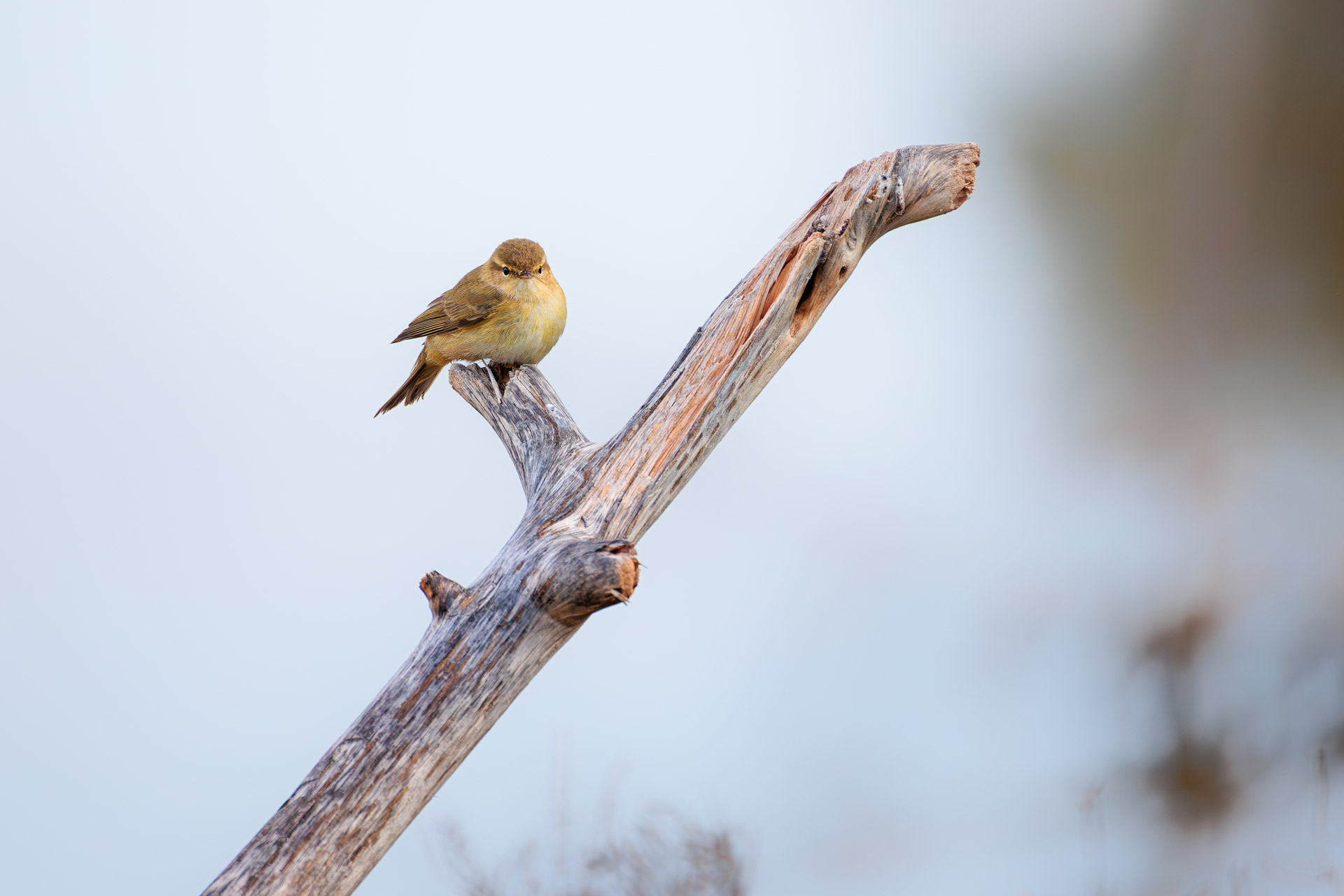
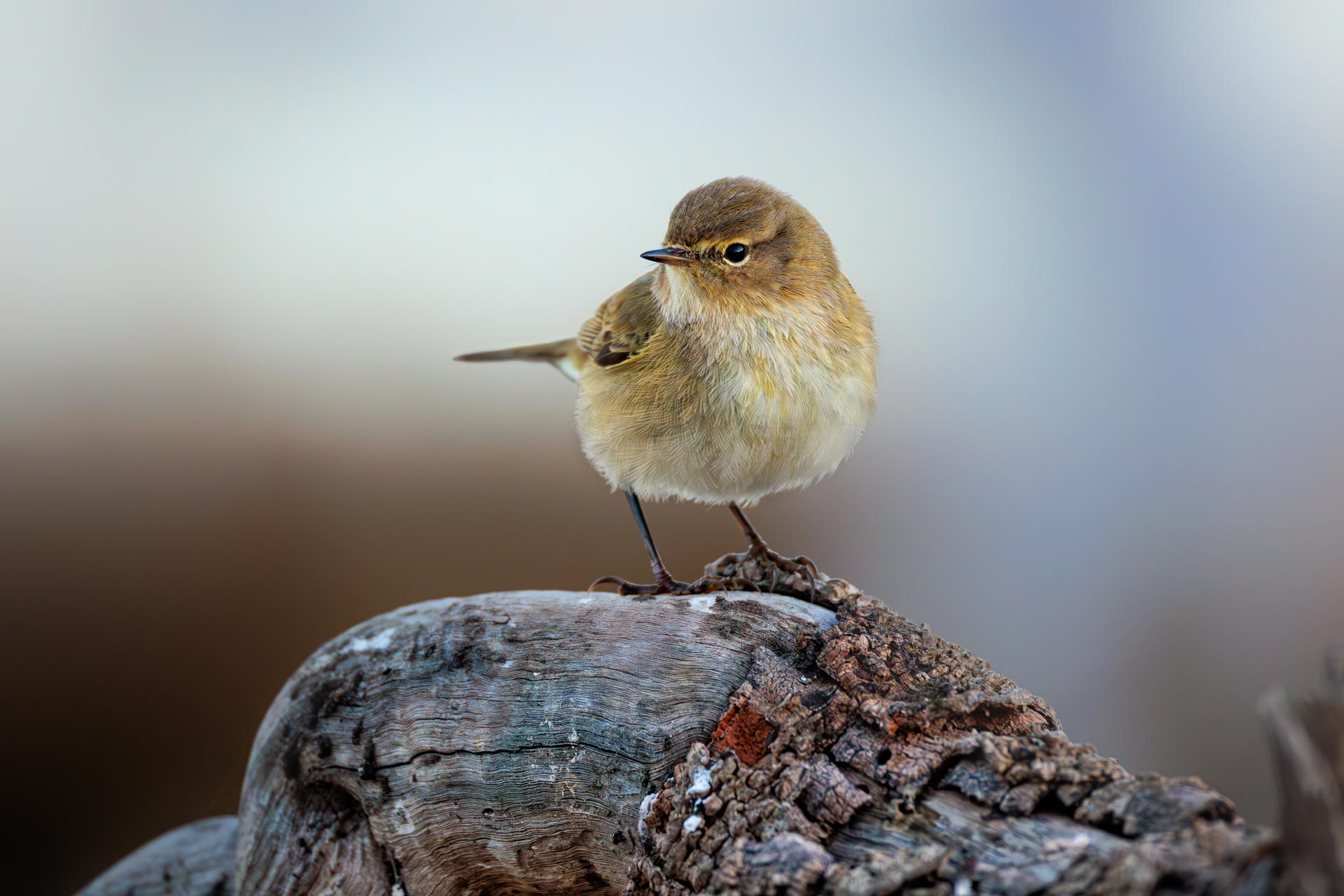
A small, very active insectivorous bird, common in wooded areas and scrubland. It is recognised by its constant movement and characteristic call, although it is not easy to hear on the island due to the time of year it visits. In Ibiza, it is very common during migration and also in winter, when it inhabits parks and natural areas.
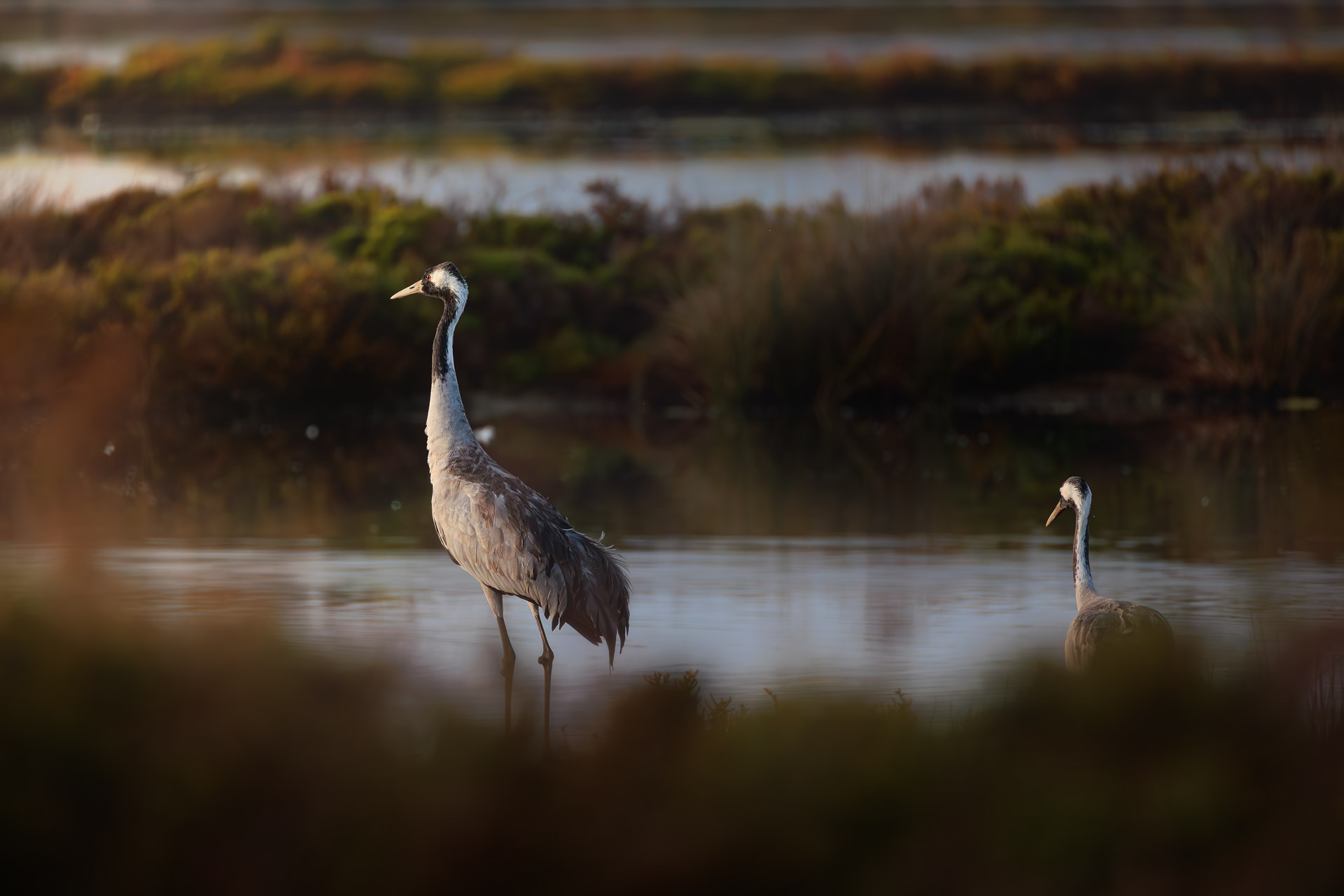
A large, elegant bird with a characteristic loud call. It inhabits wetlands, open fields and agricultural areas. In Ibiza, this species is not easy to spot, although it is usually more common during the winter, particularly in the Ses Salines Nature Reserve, both in the ponds and in the crop fields. It may be more common during very cold winters.
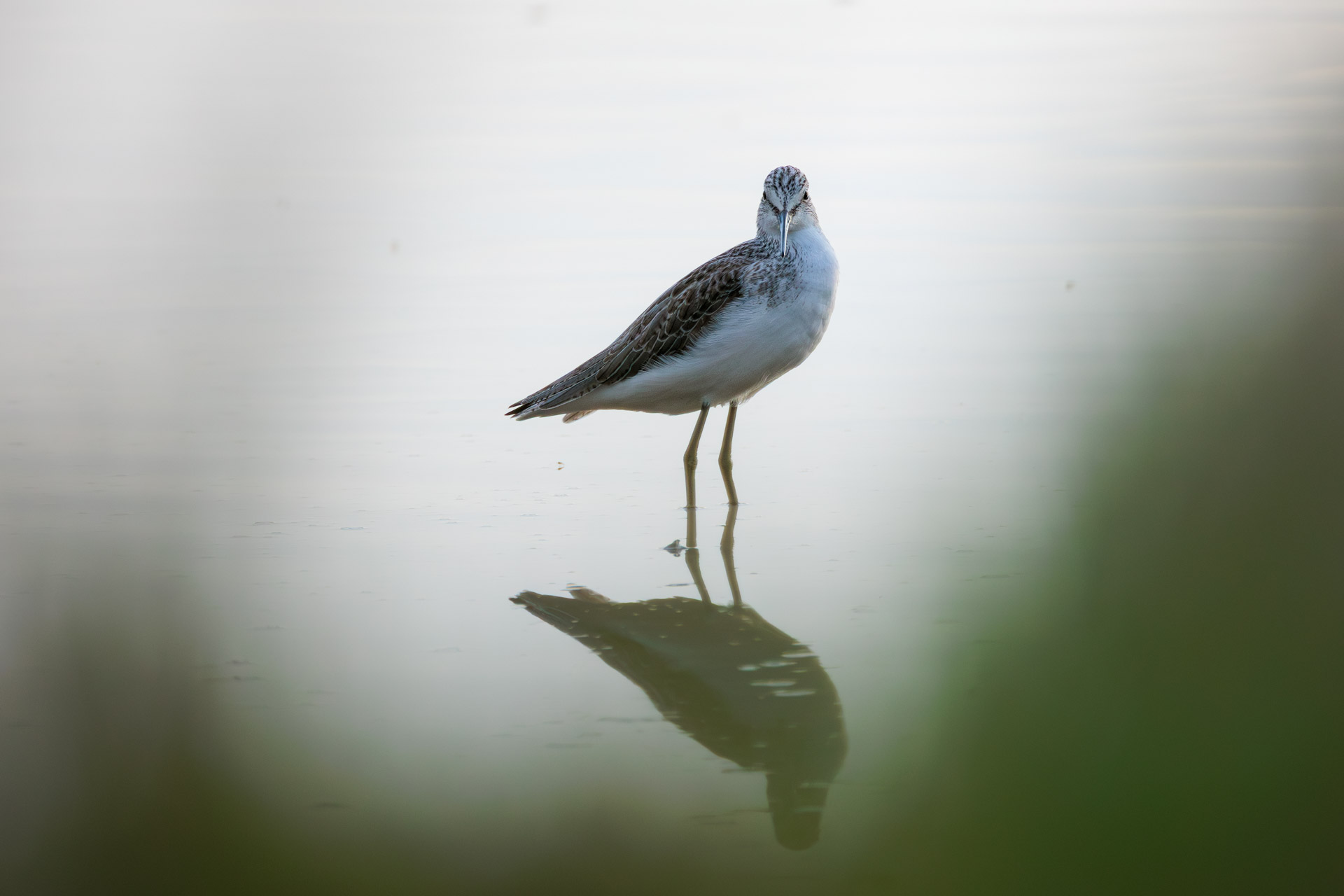
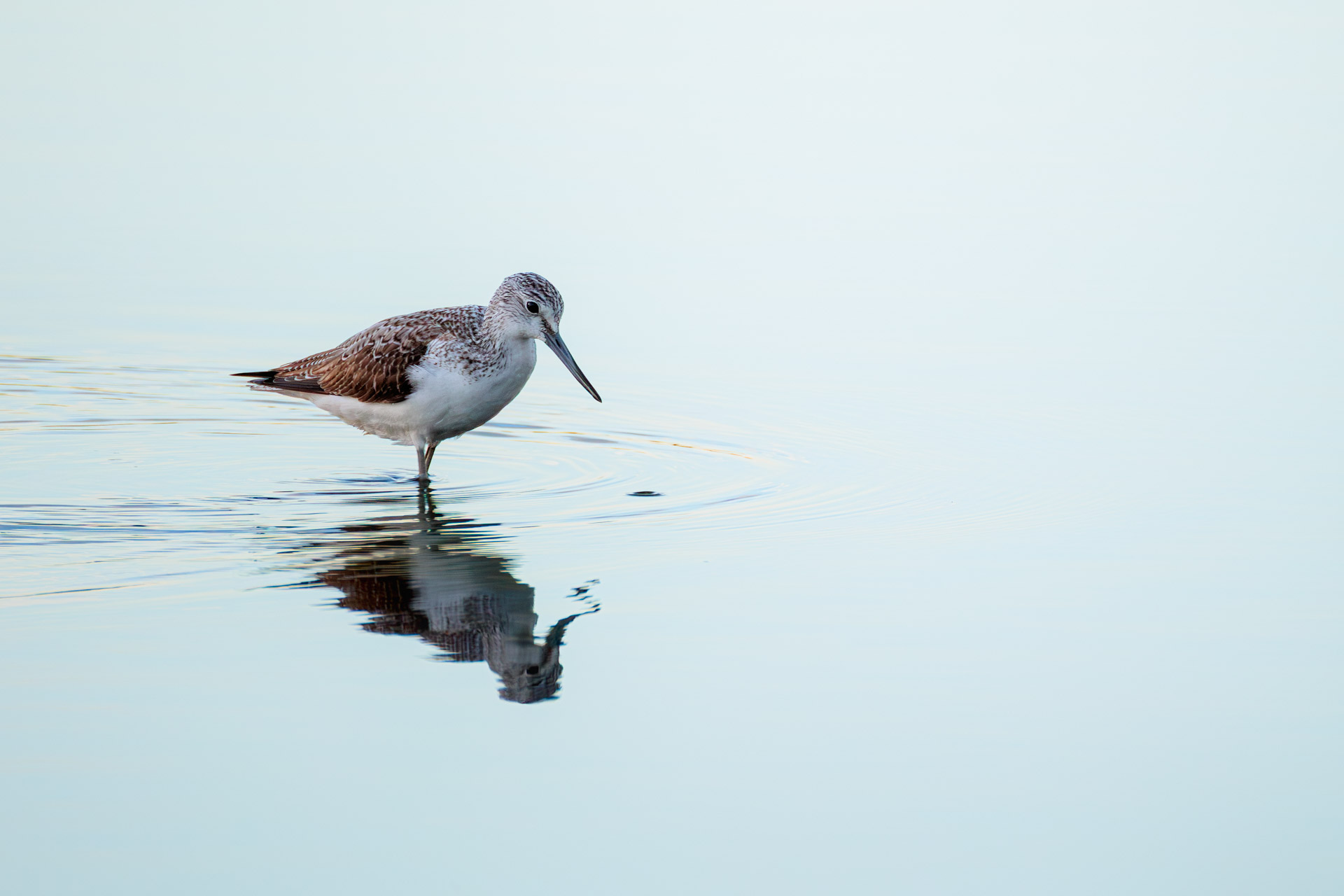
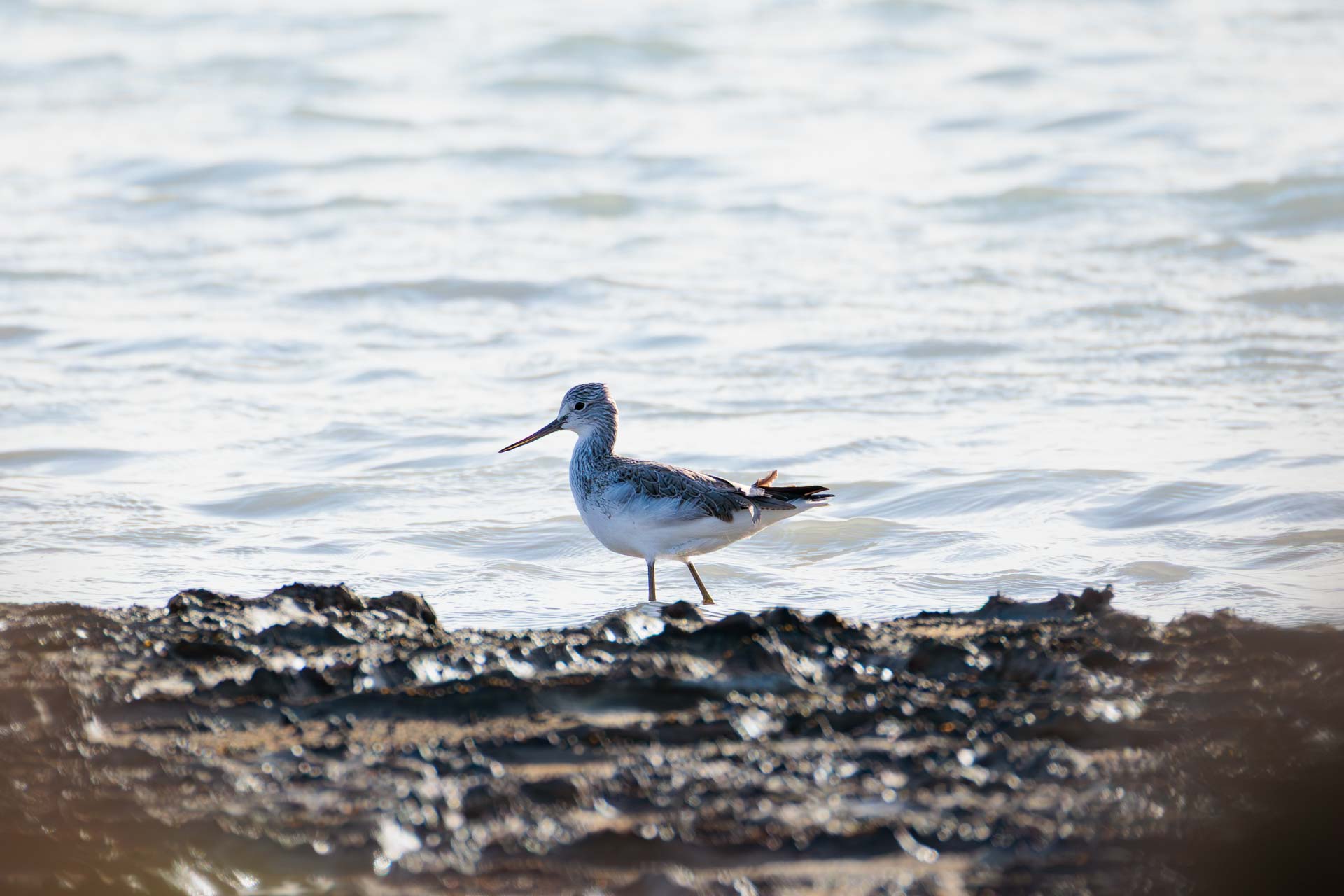
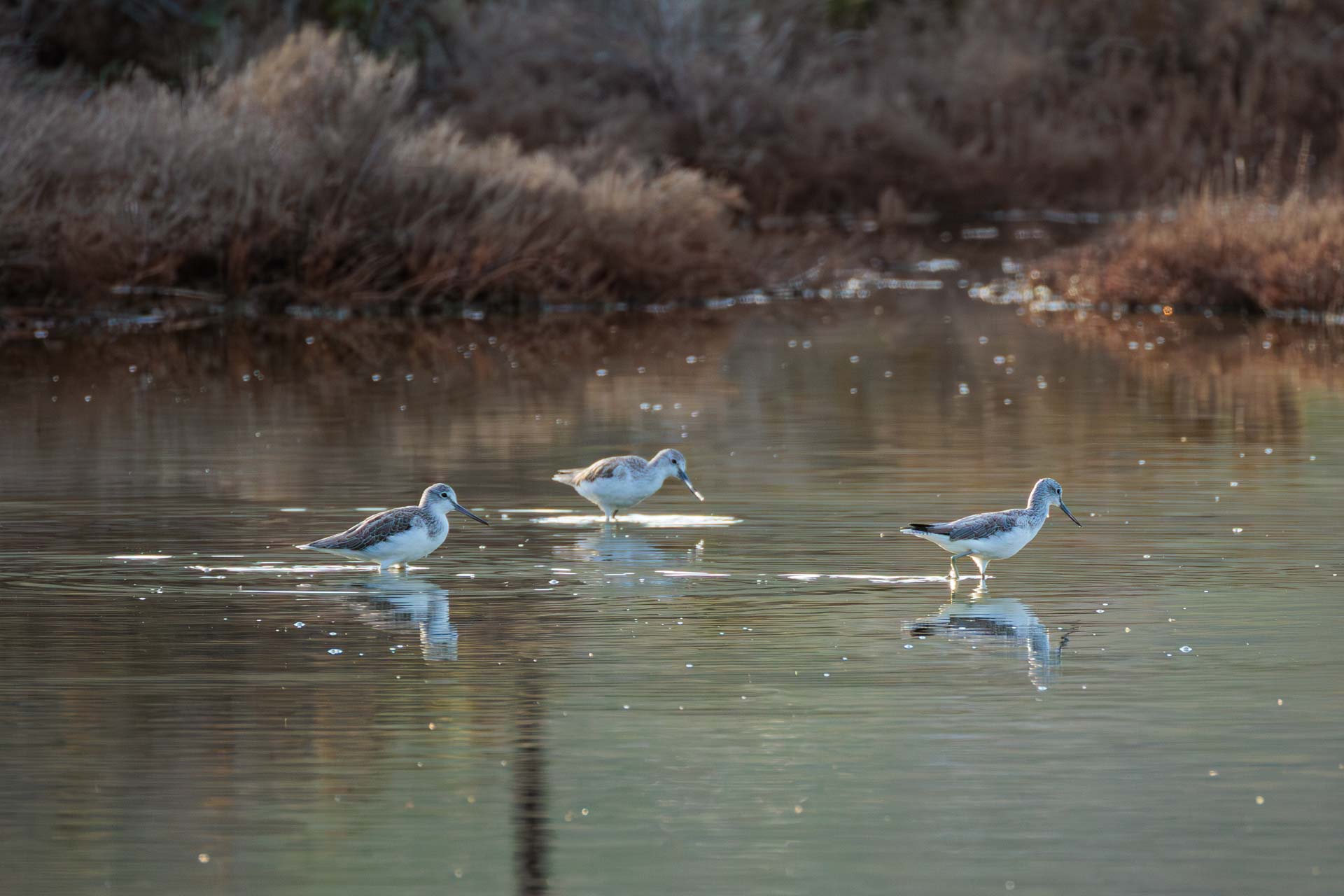
A long-legged wader with inconspicuous plumage, common in salt pans, wetlands and lagoons. It feeds on invertebrates. In Ibiza, it is common during migration and in winter. Although its population is not very large, it is easy to spot in Ses Salines. Its local name derives from the greenish colour of its legs.
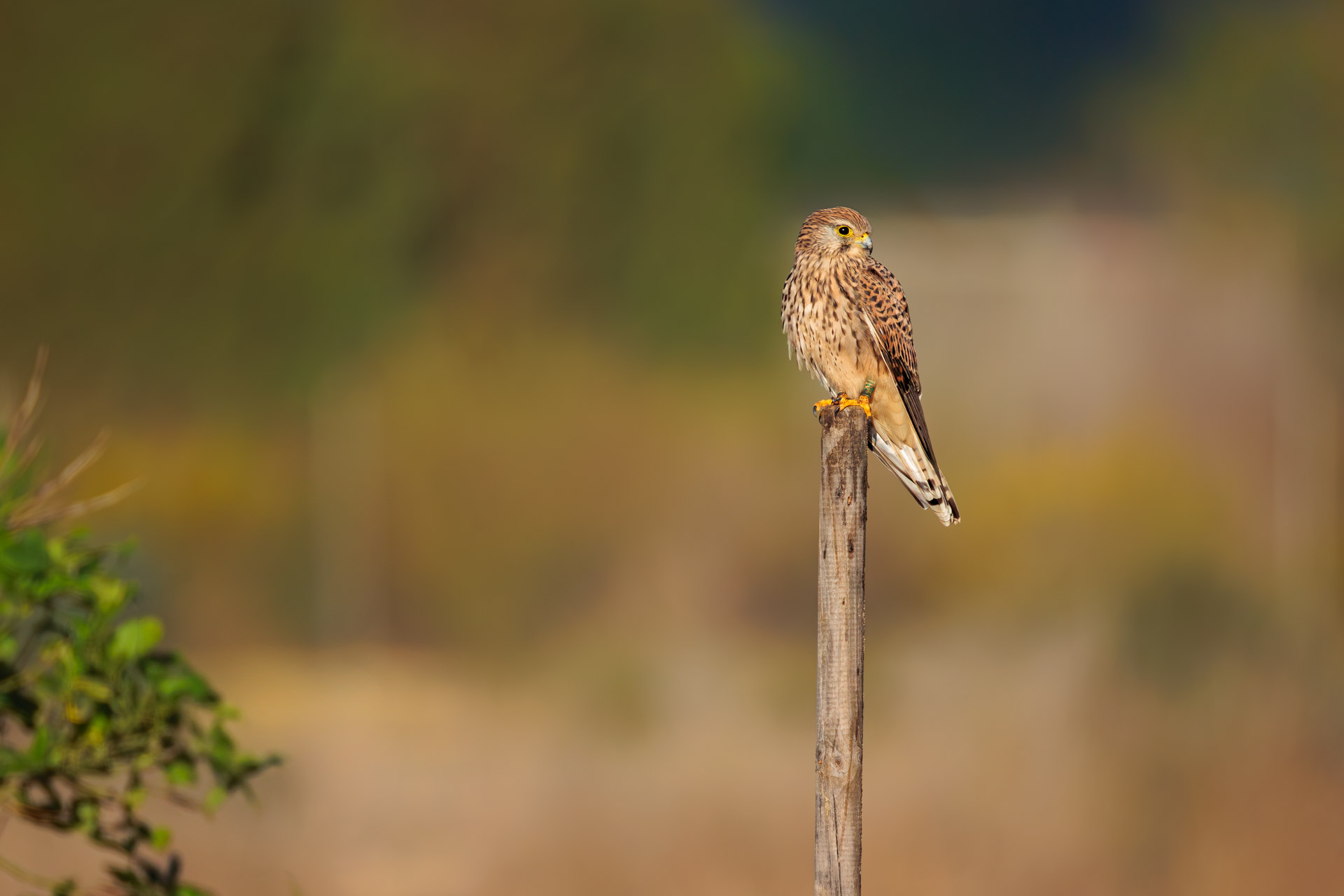
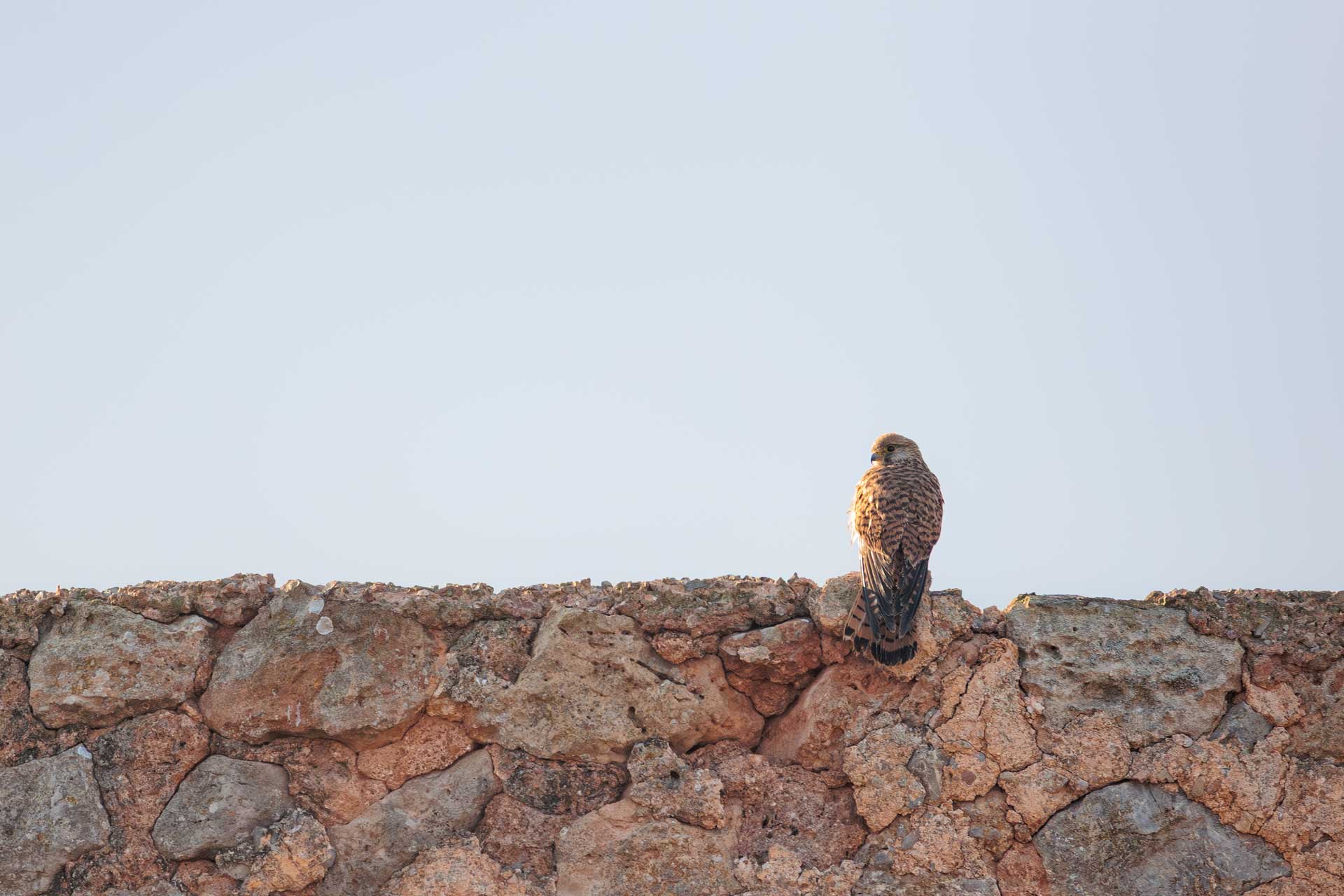
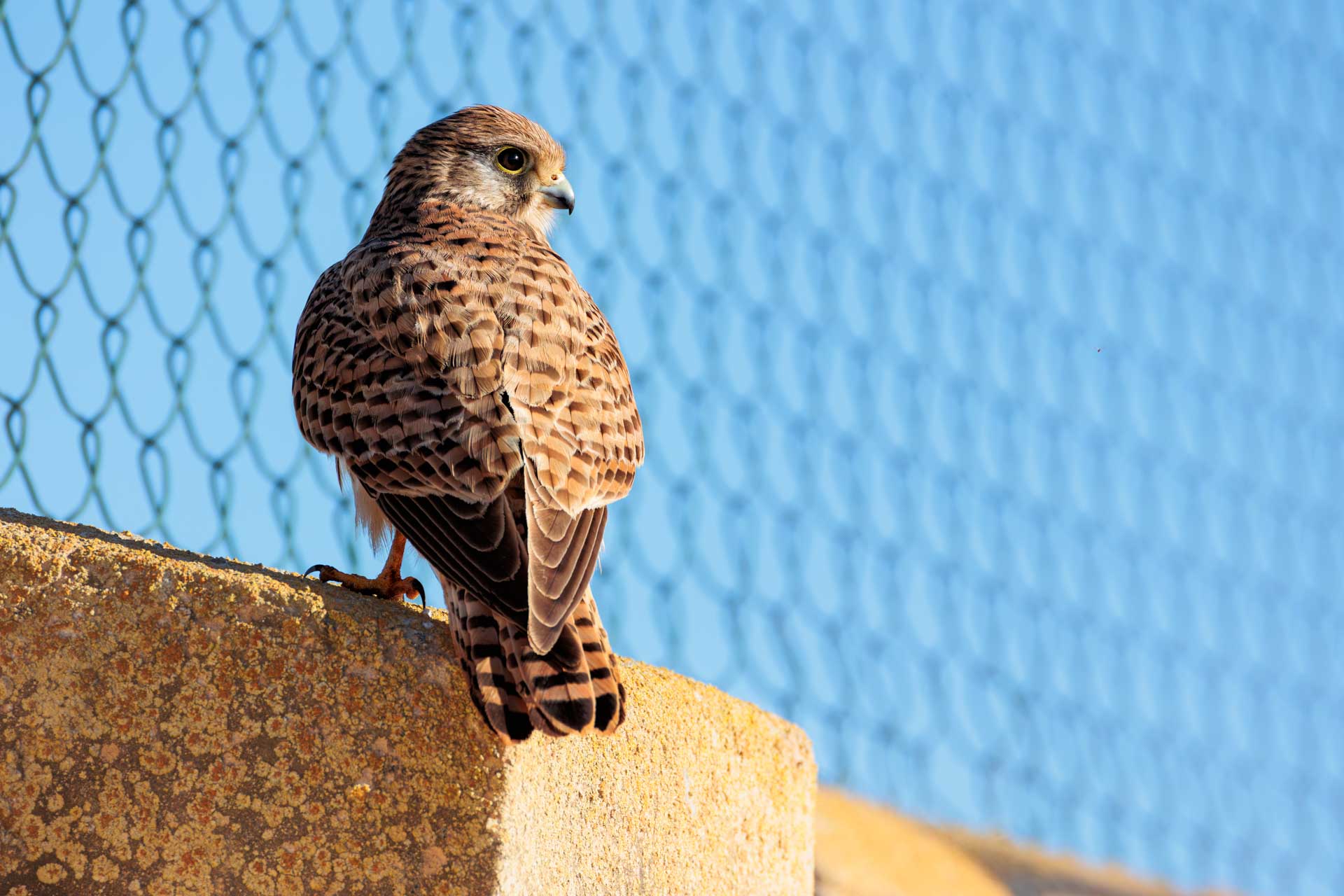
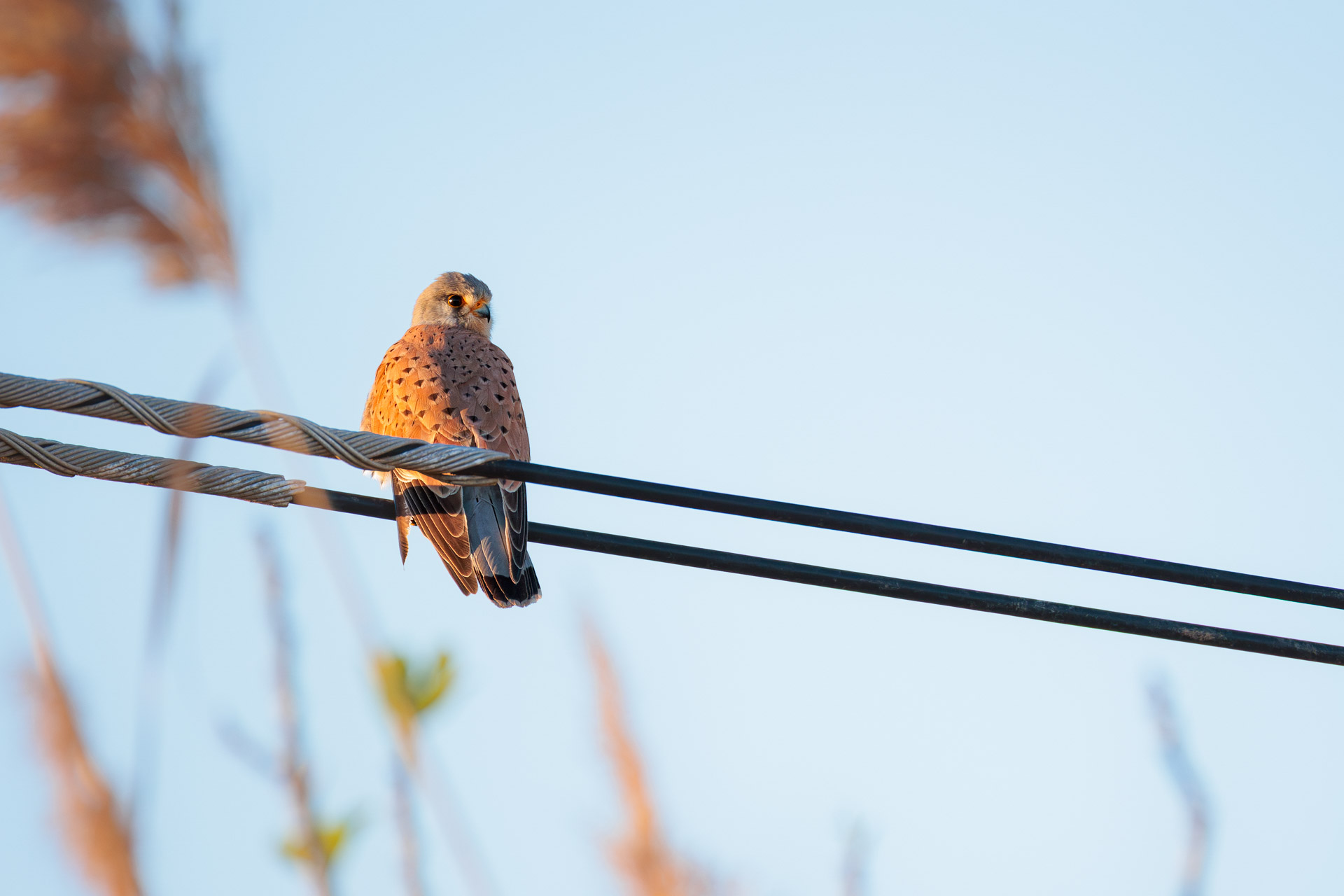
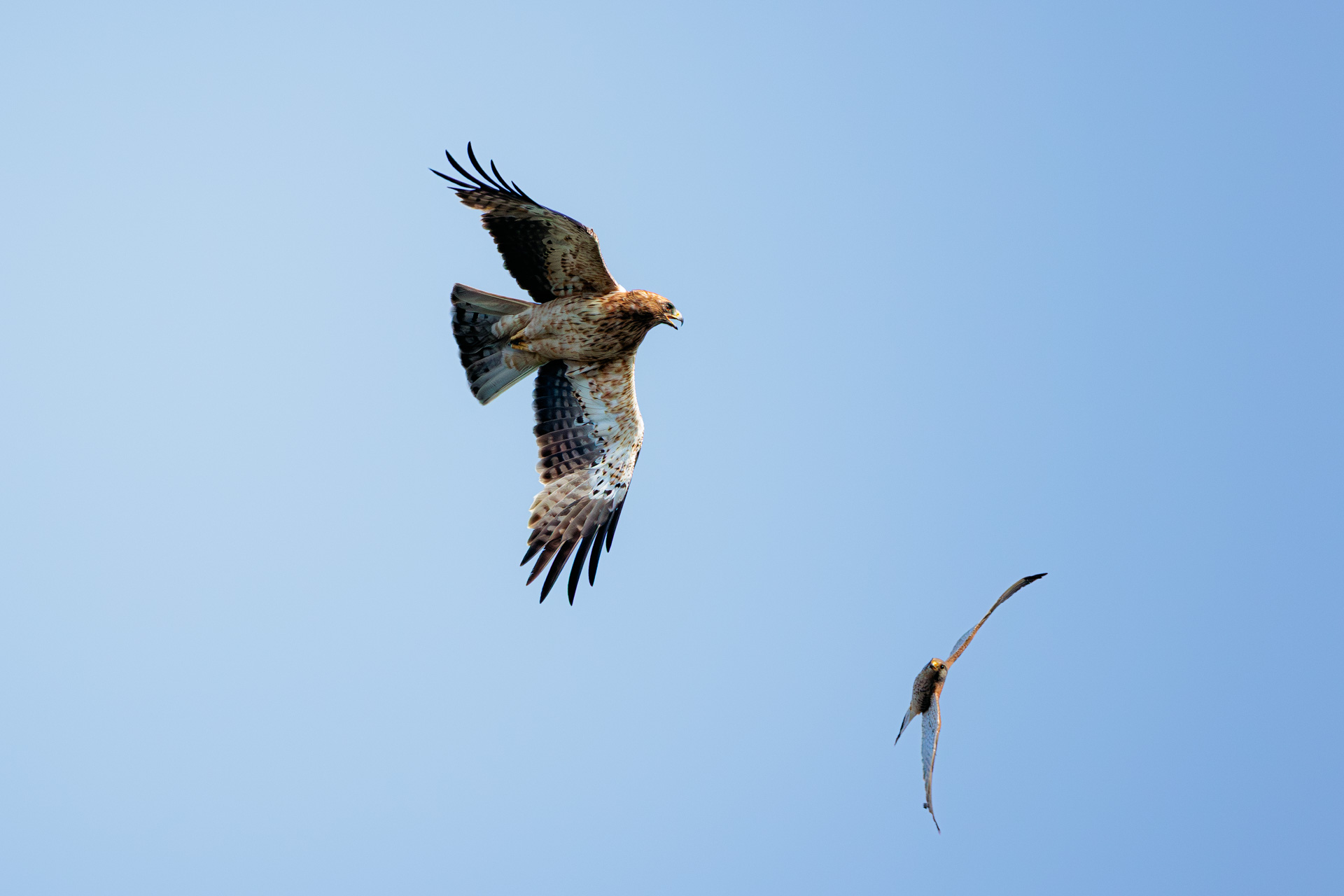
A small bird of prey, highly distinctive for its hovering flight whilst searching for prey. It inhabits open fields, cliffs and agricultural areas, although urban individuals have also been observed, owing to its great adaptability to its habitat. In Ibiza, it is one of the easiest birds of prey to spot, whether perched on posts or flying over open terrain.
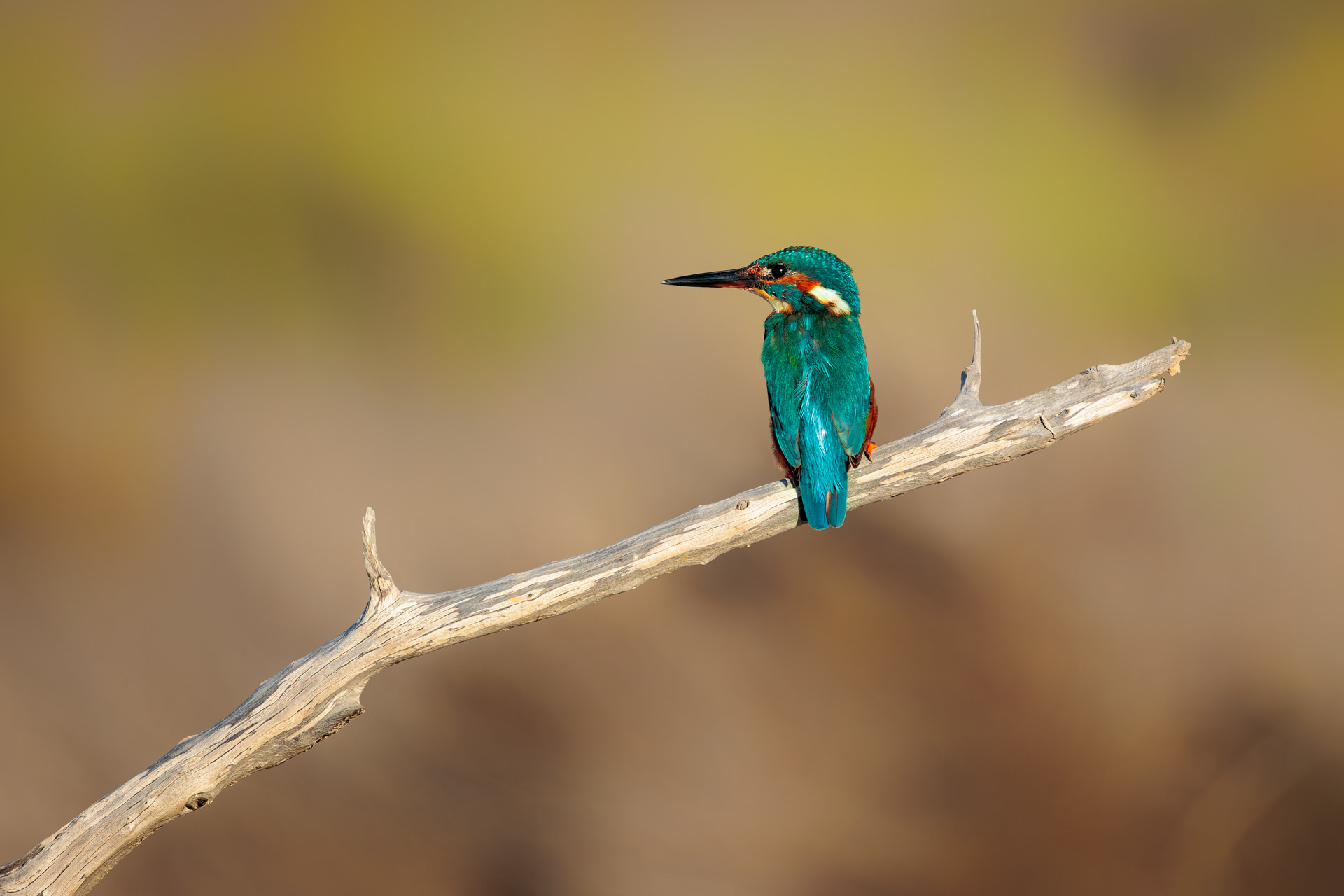
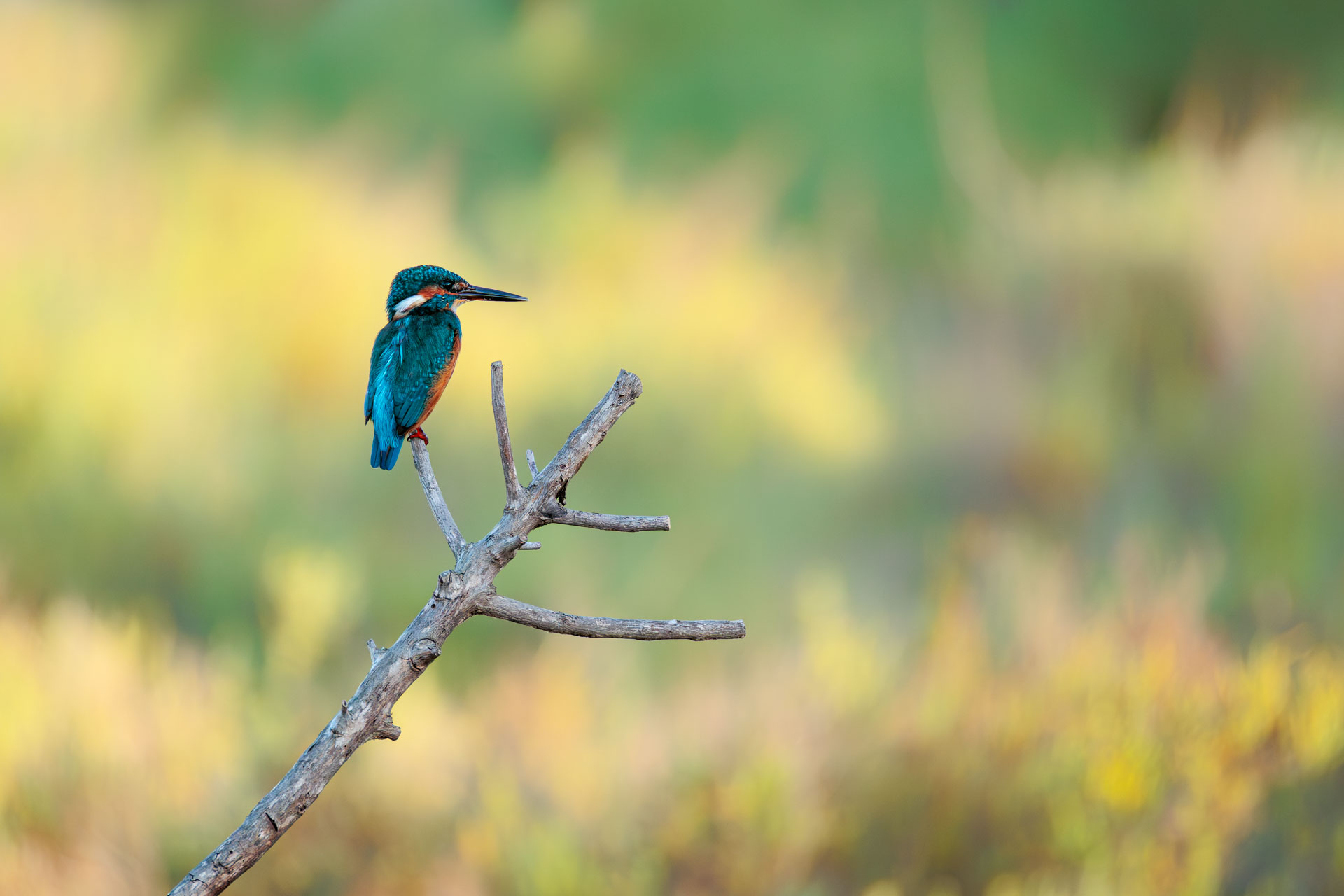
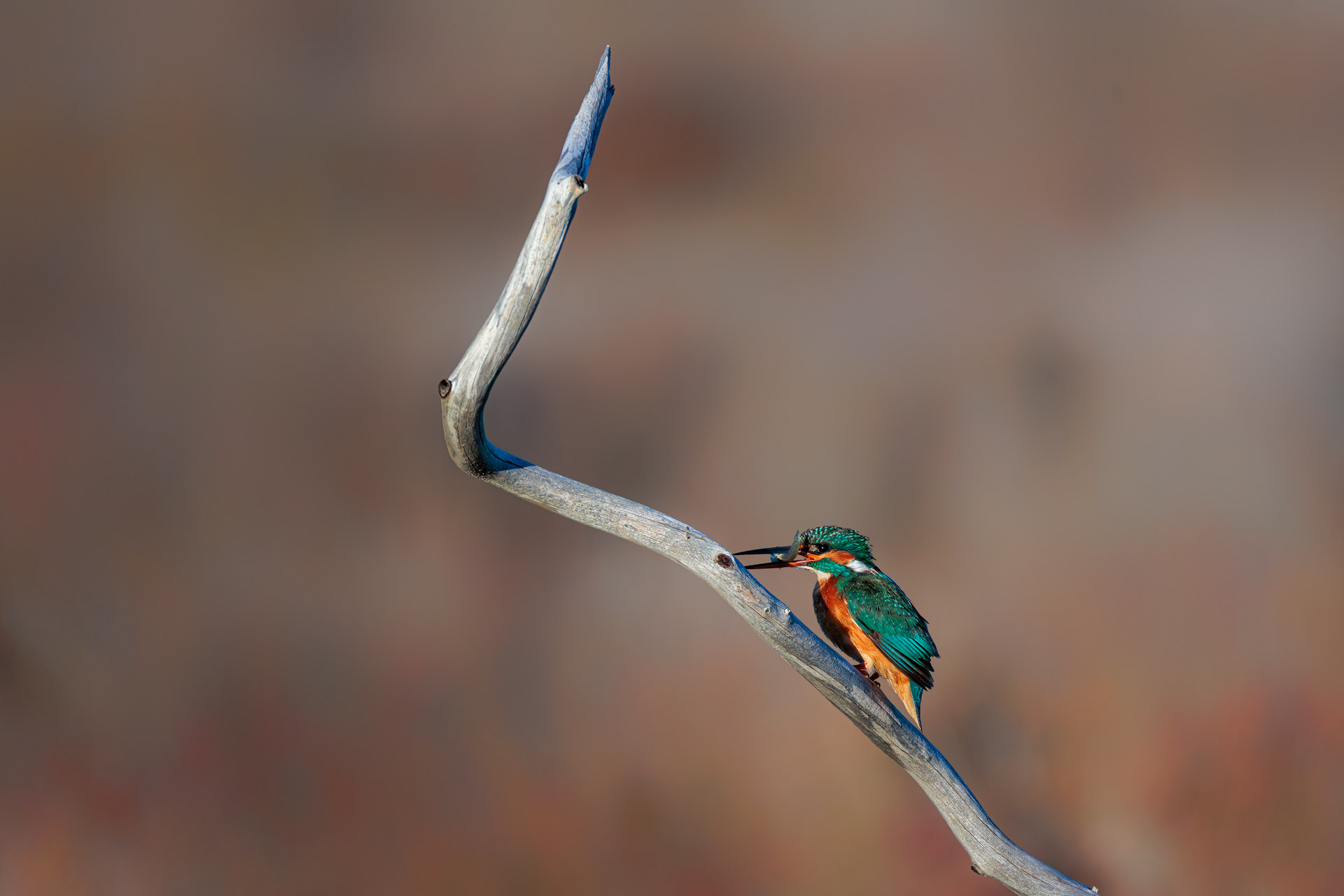
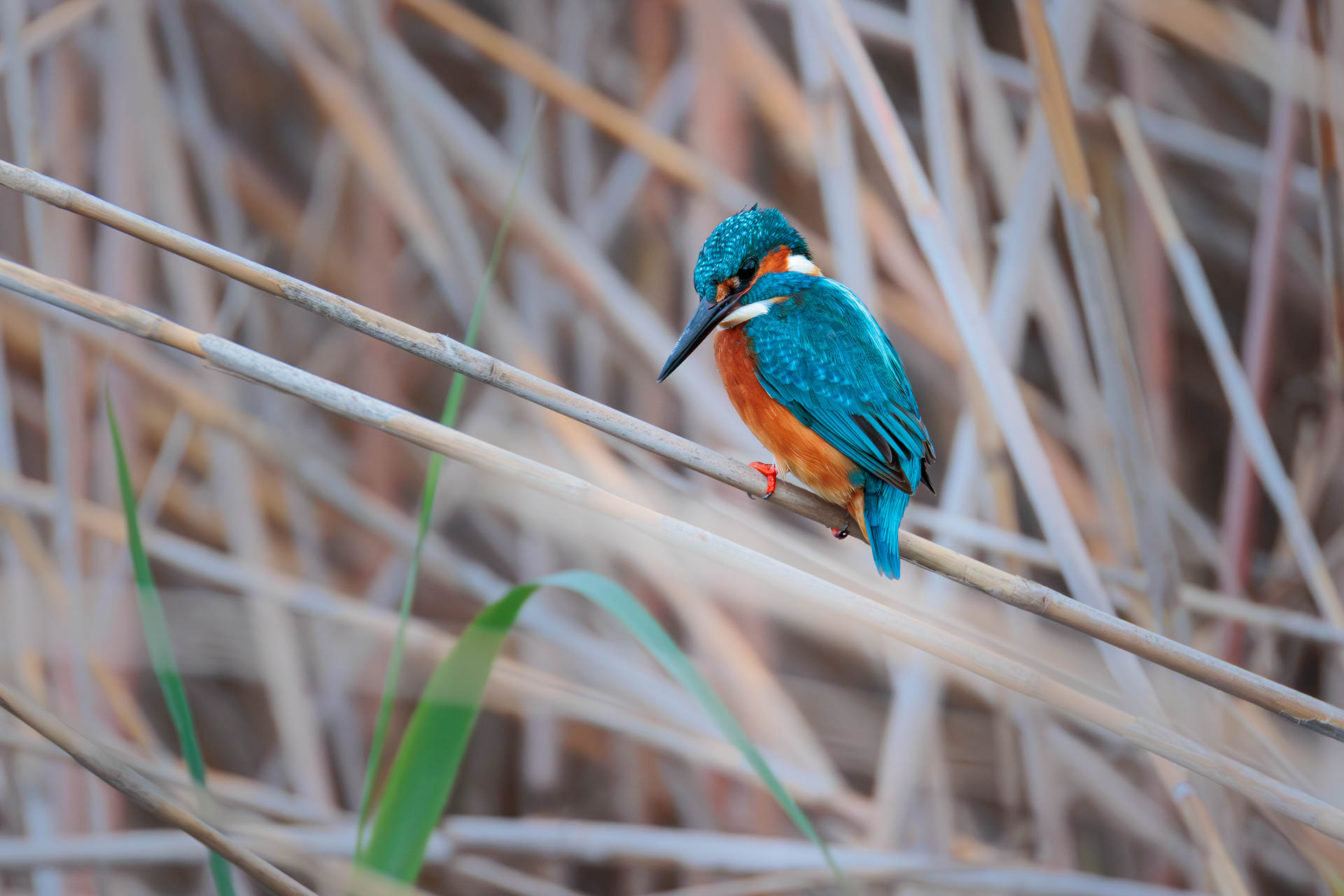
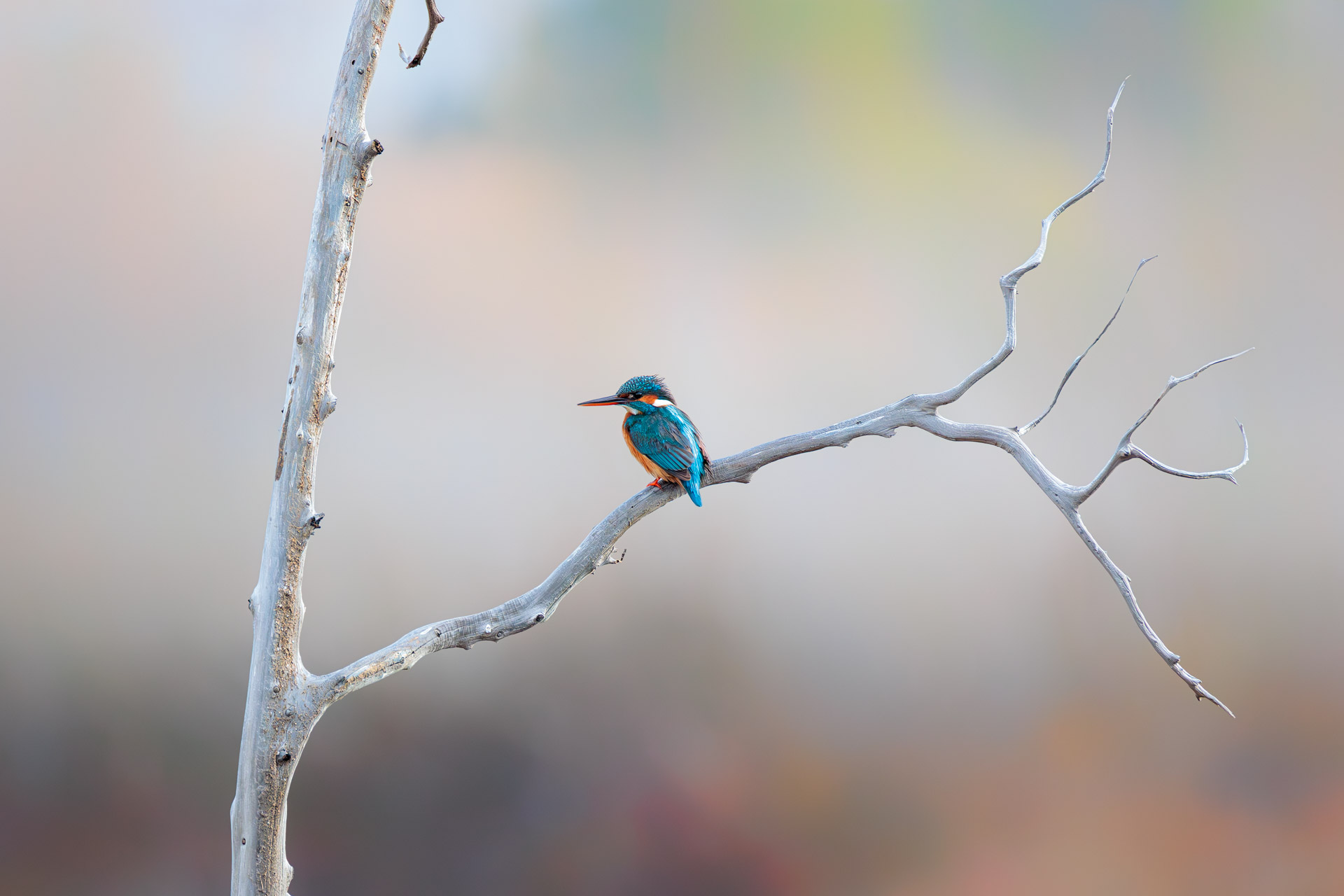
A small, vibrant bird found in wetlands and along rivers. Its swift flight and bright colours make it easy to identify. During the winter, it is often seen in wetlands such as Ses Salines or Ses Feixes and even at the mouth of the Santa Eularia river. During the migratory passage, it is also common to see it in coastal areas away from the crowds. Its local name is derived from its bluish colour, translated as ‘little blue’.
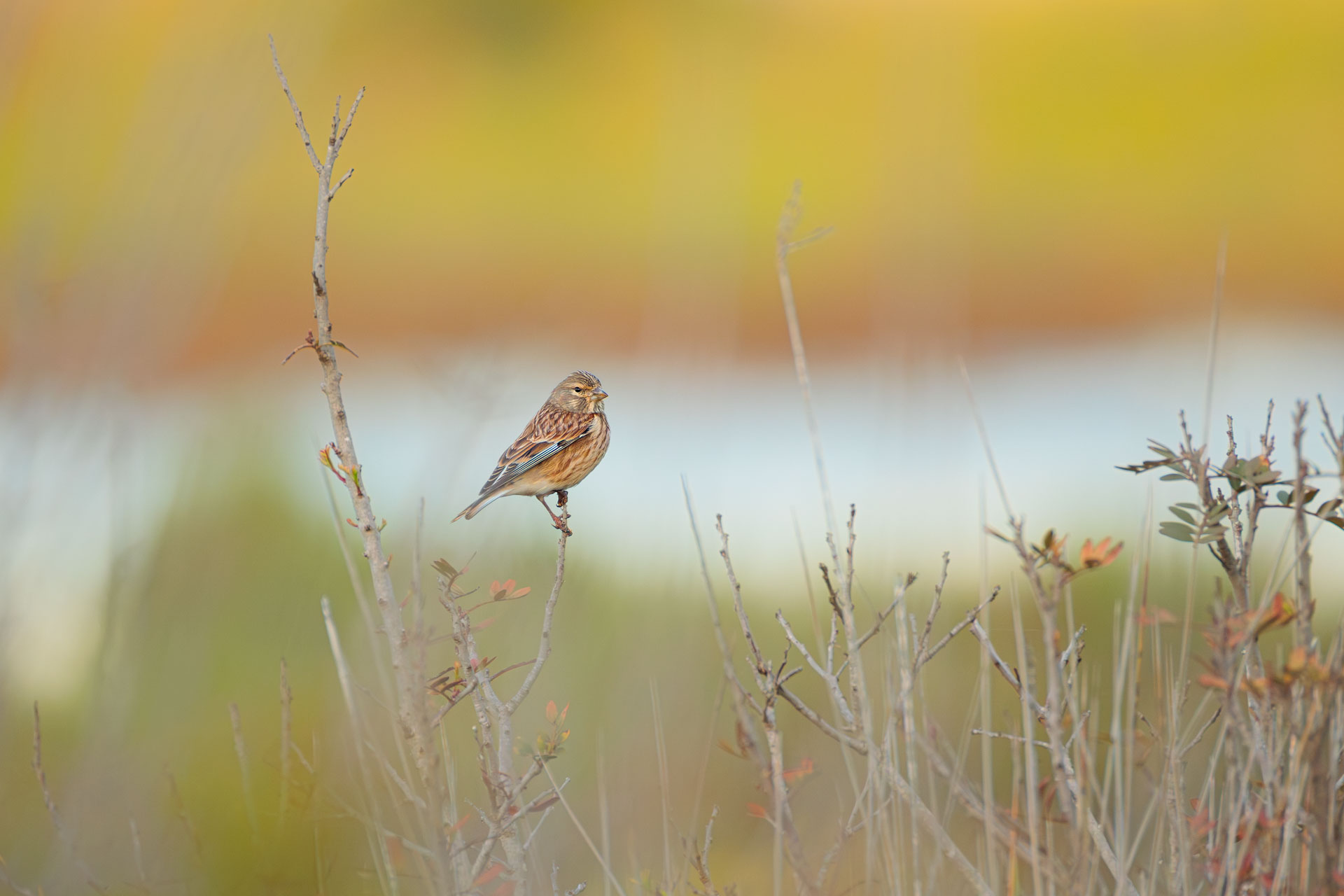
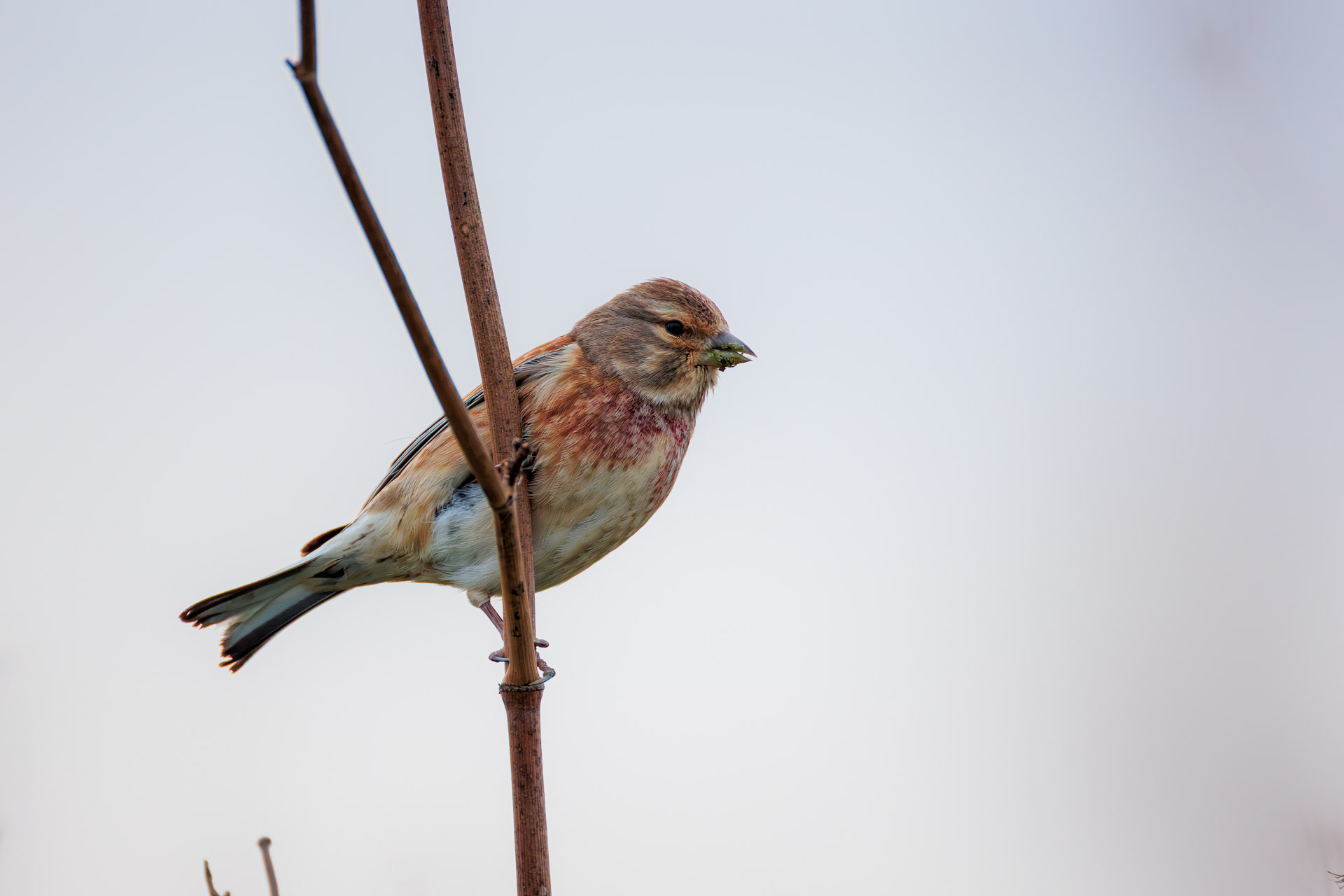
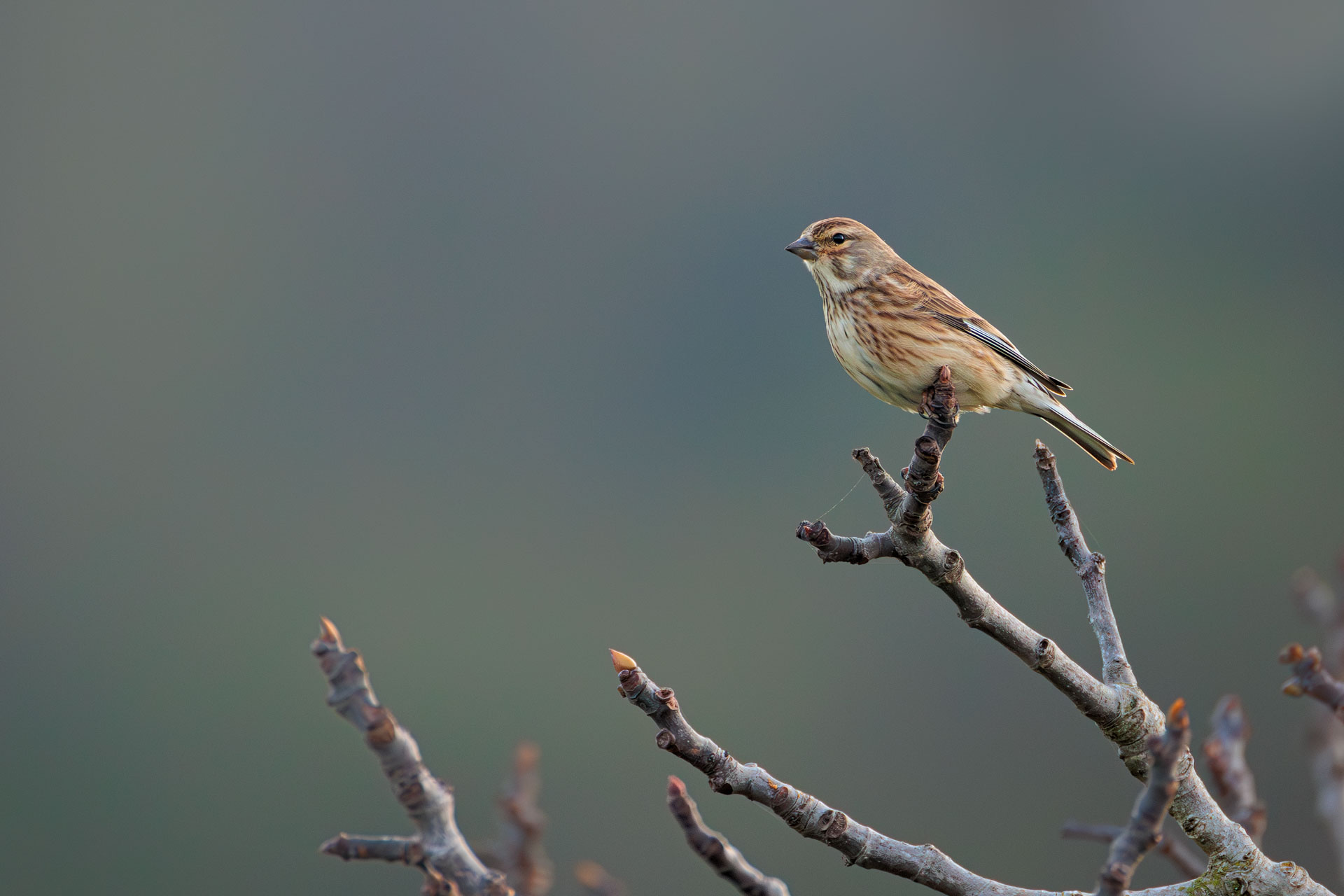
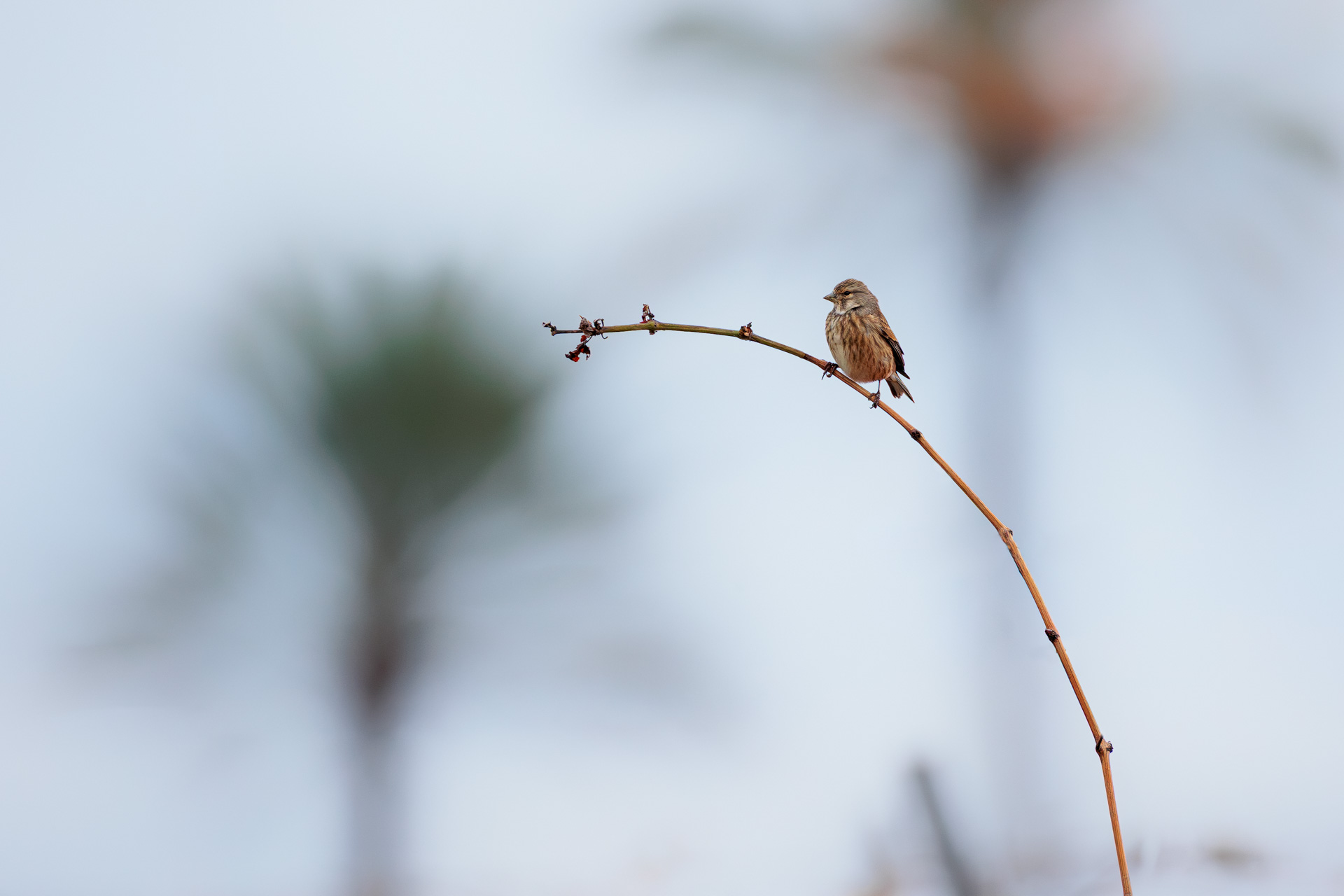
The Common Linnet inhabits open spaces, agricultural fields and areas with low scrub. It feeds mainly on seeds and is usually seen in small flocks. In Ibiza, it is common at certain times of the year, especially in largely undisturbed rural areas.
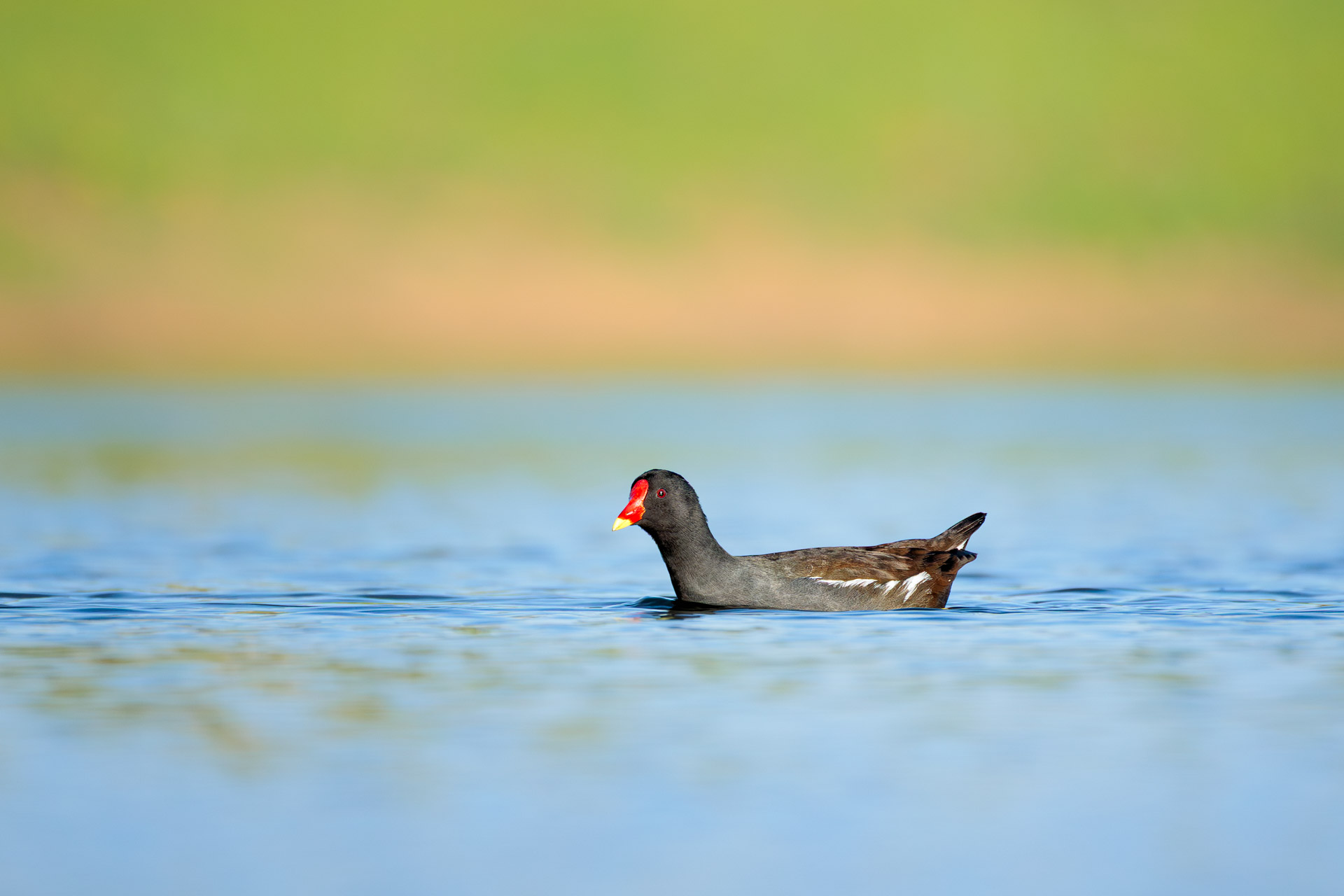
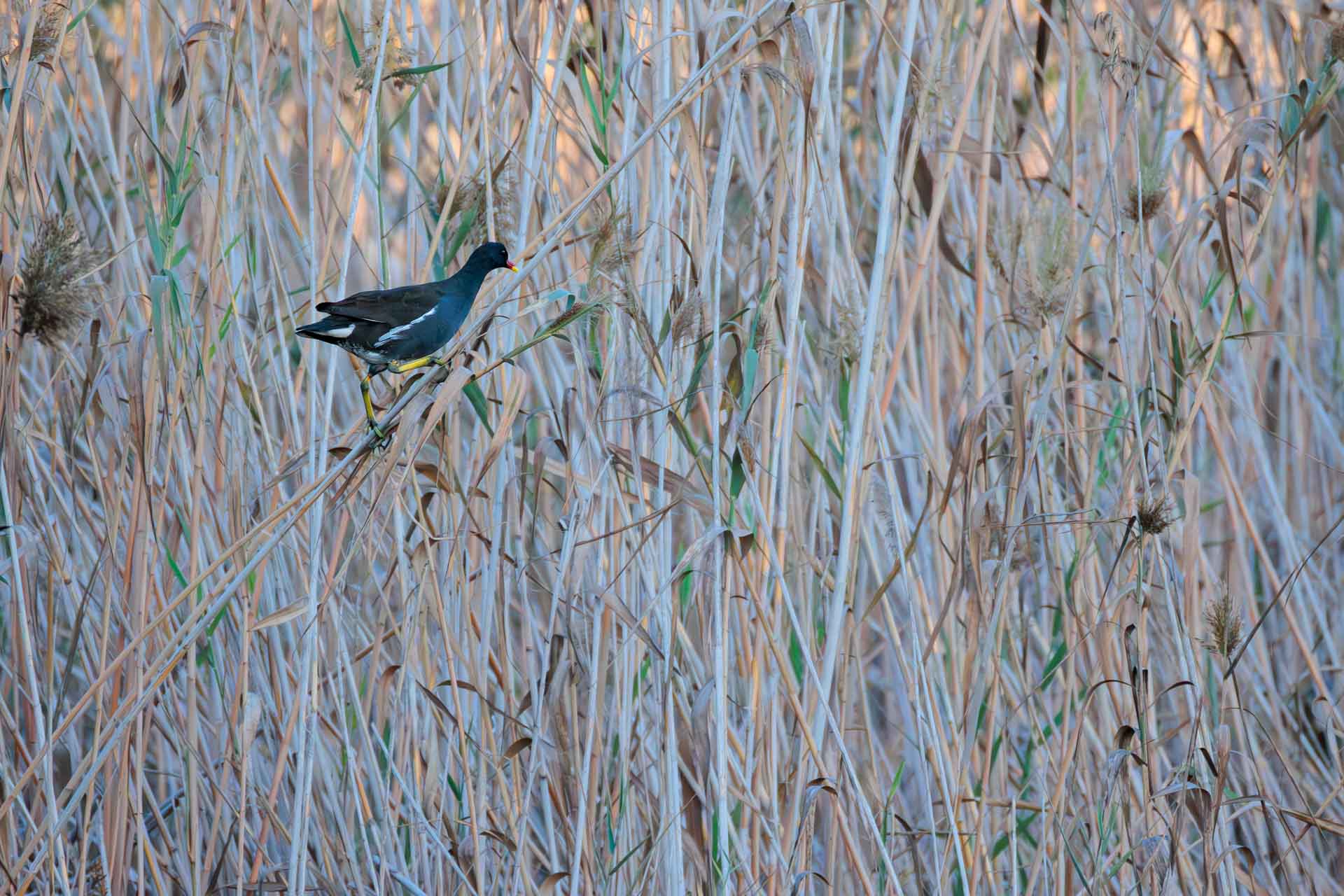
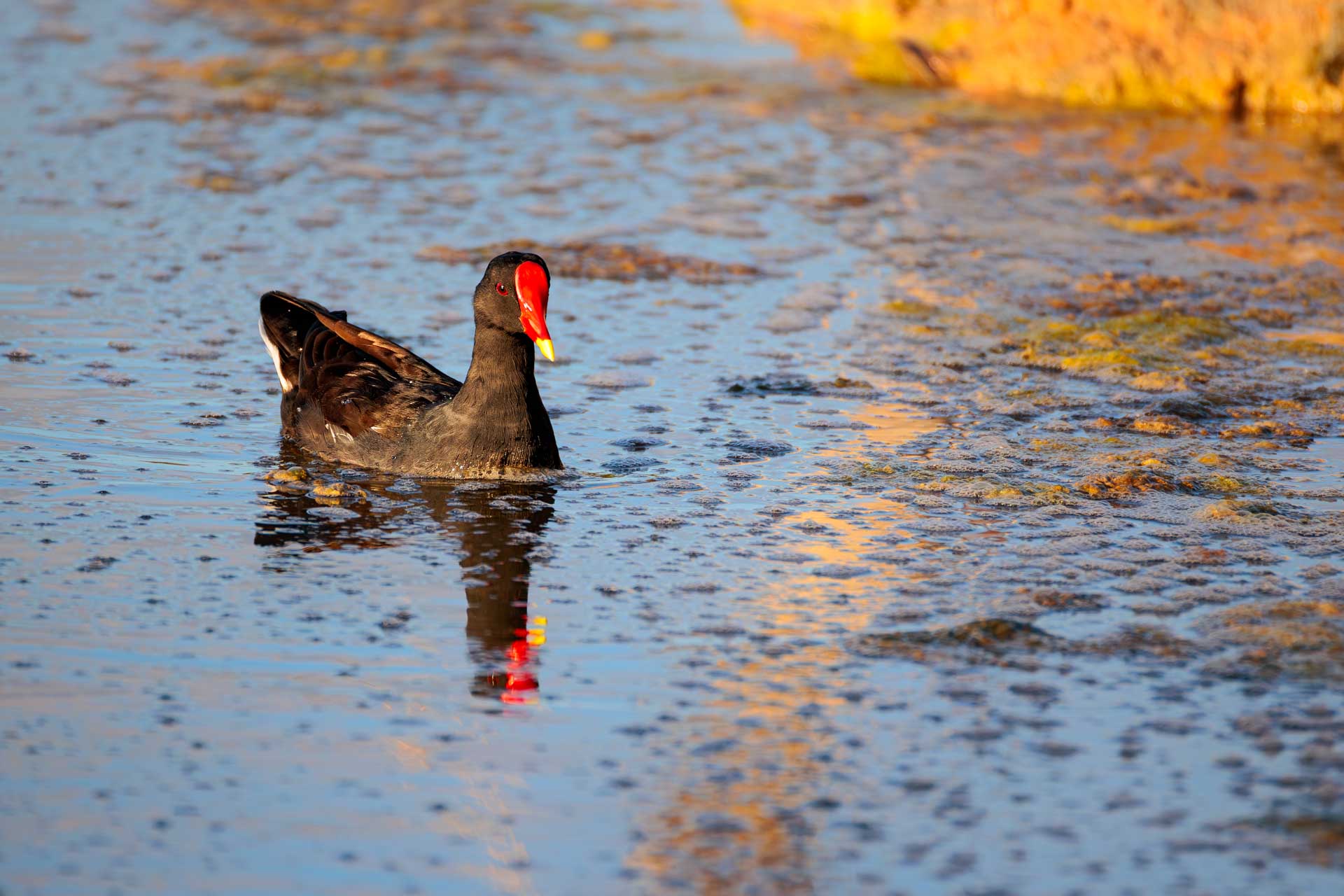
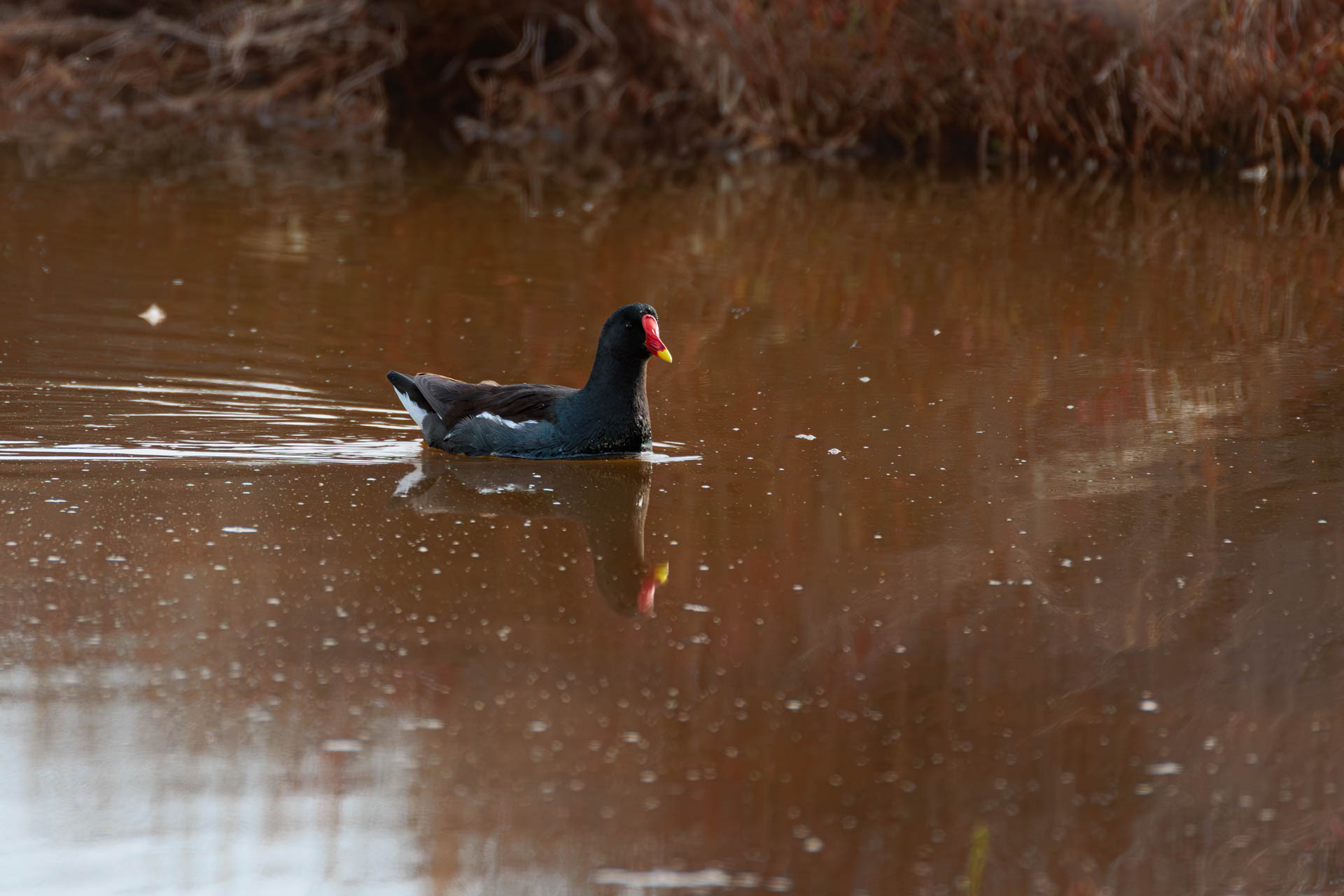
A medium-sized waterbird, common in lagoons, reservoirs and wetland areas with vegetation. In Ibiza, it inhabits wetlands such as Ses Feixes and Ses Salines. It is easier to spot at Ses Feixes due to the size of the site. It is common to see them crossing paths or swimming through the channels.
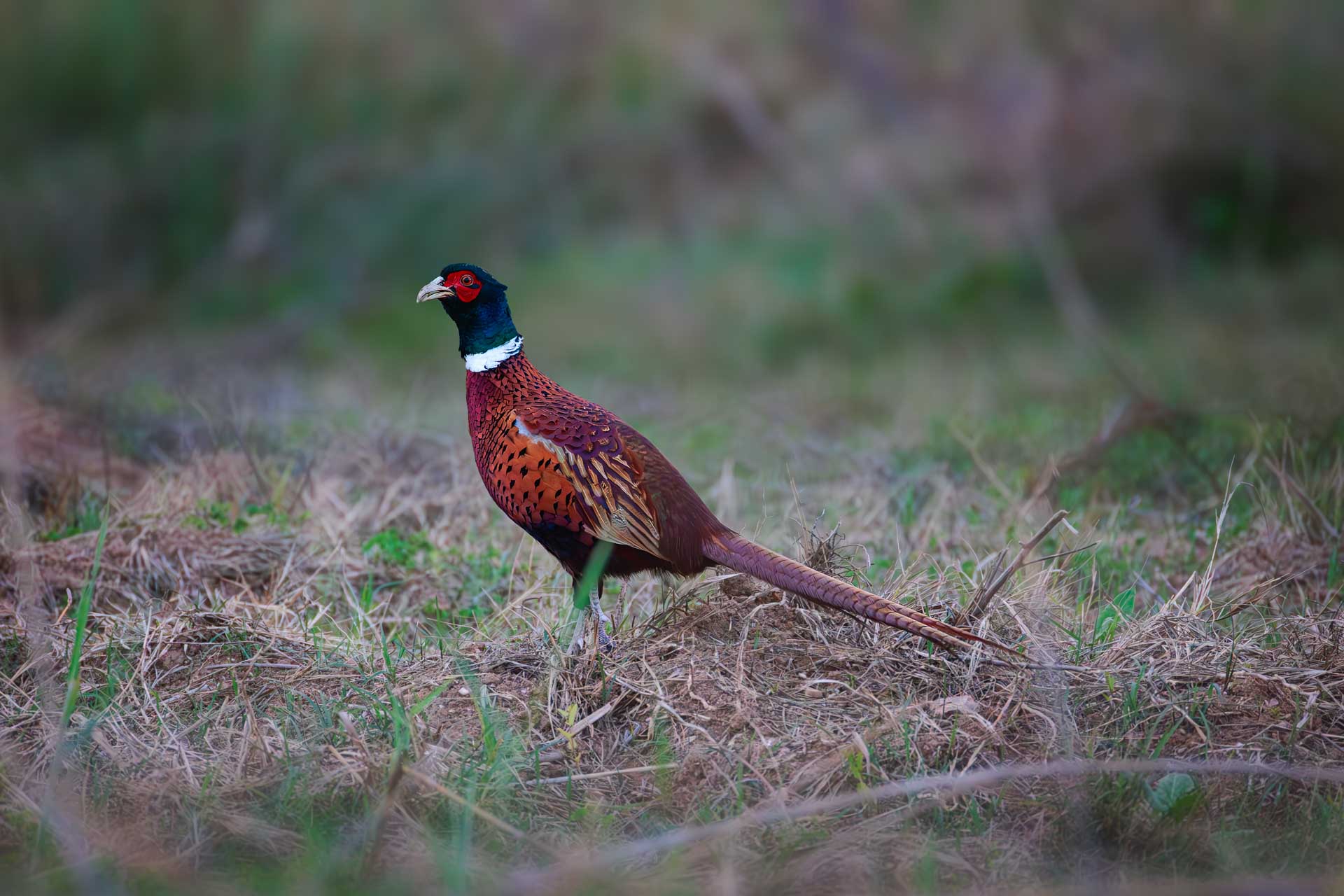
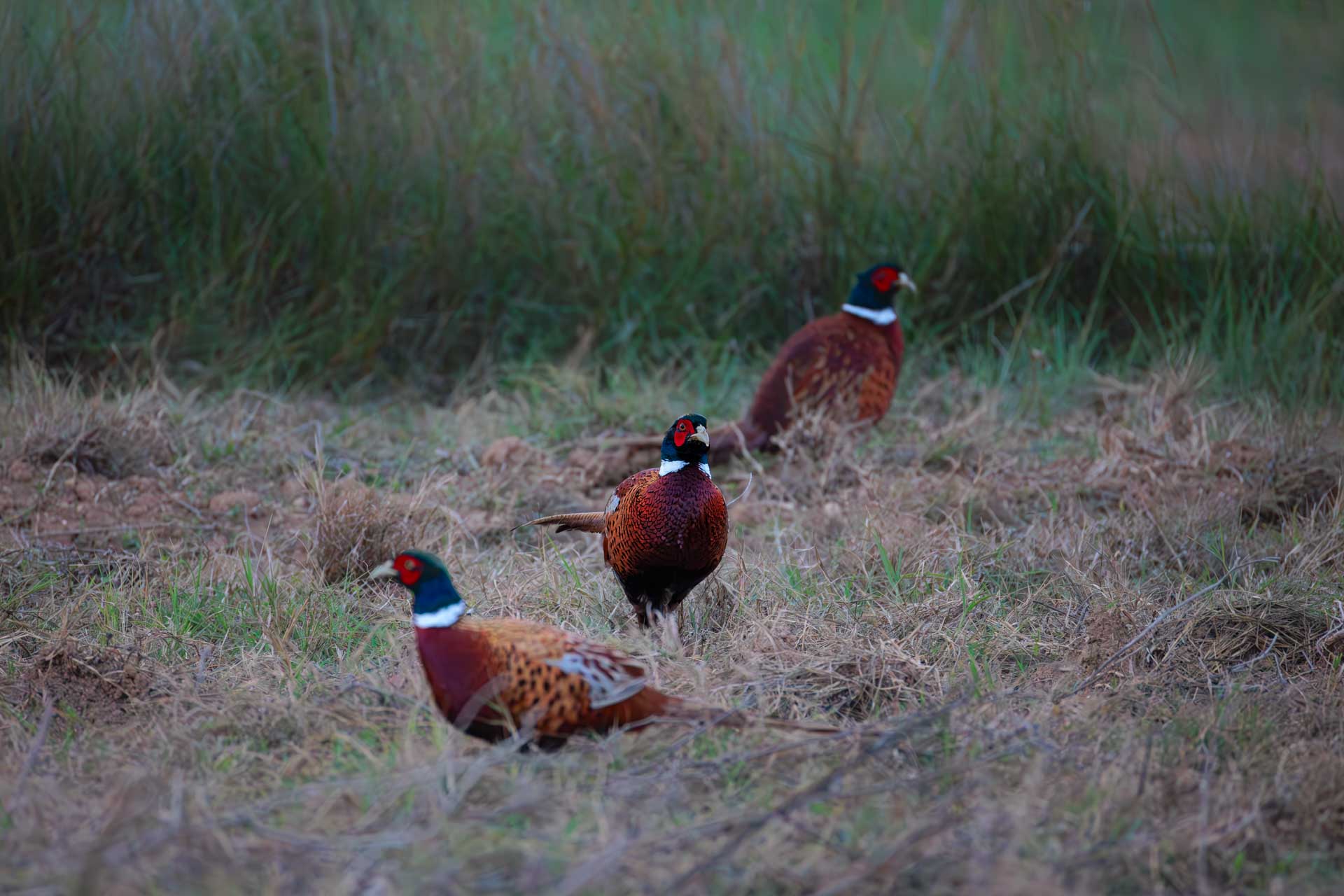
A terrestrial bird with striking plumage (males) and discreet habits. It inhabits farmland, scrubland and rural areas. In Ibiza, it is a species introduced by local hunters. It is rarely seen, but can be found in open countryside at dawn or dusk, such as in the Ses Feixes area.
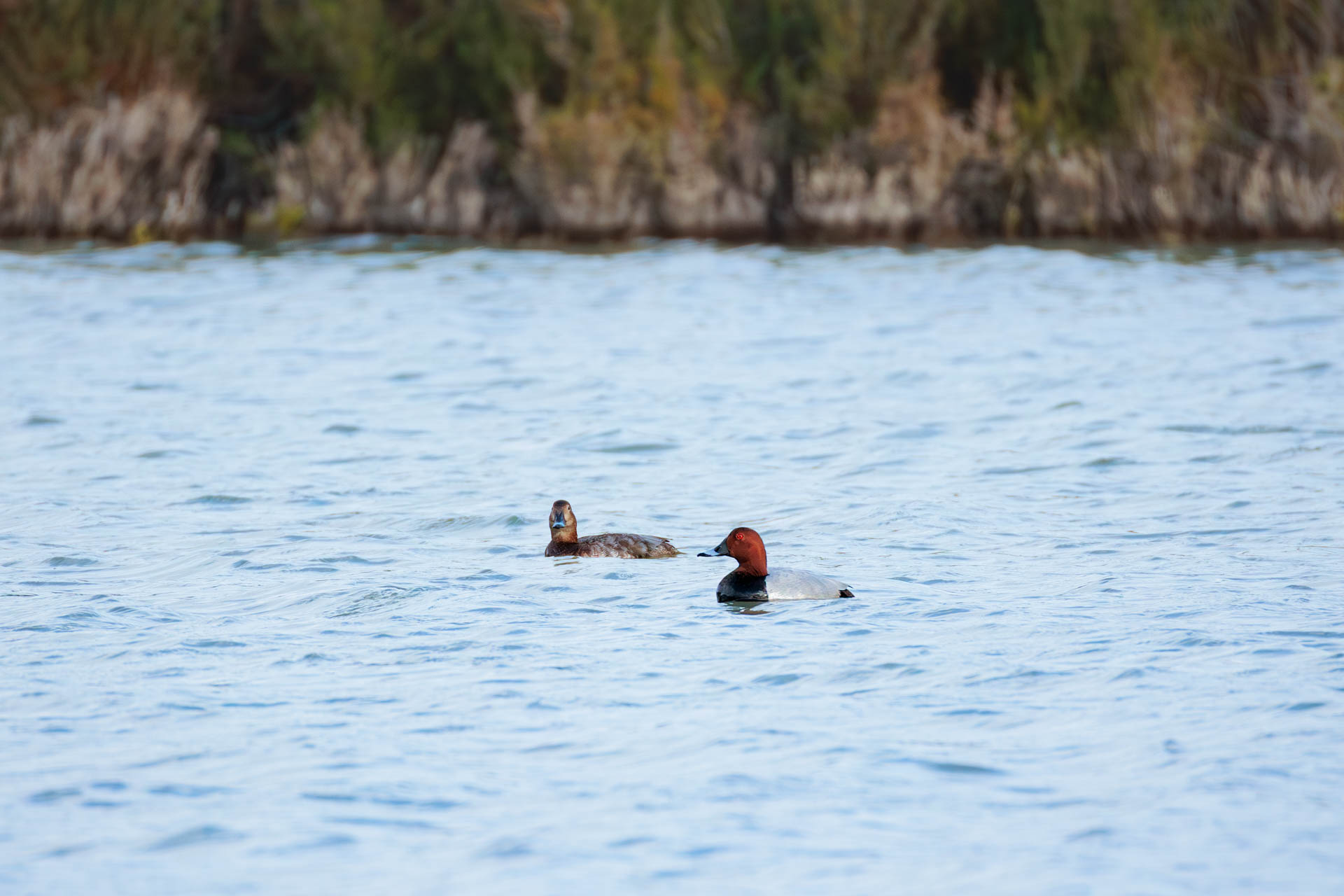
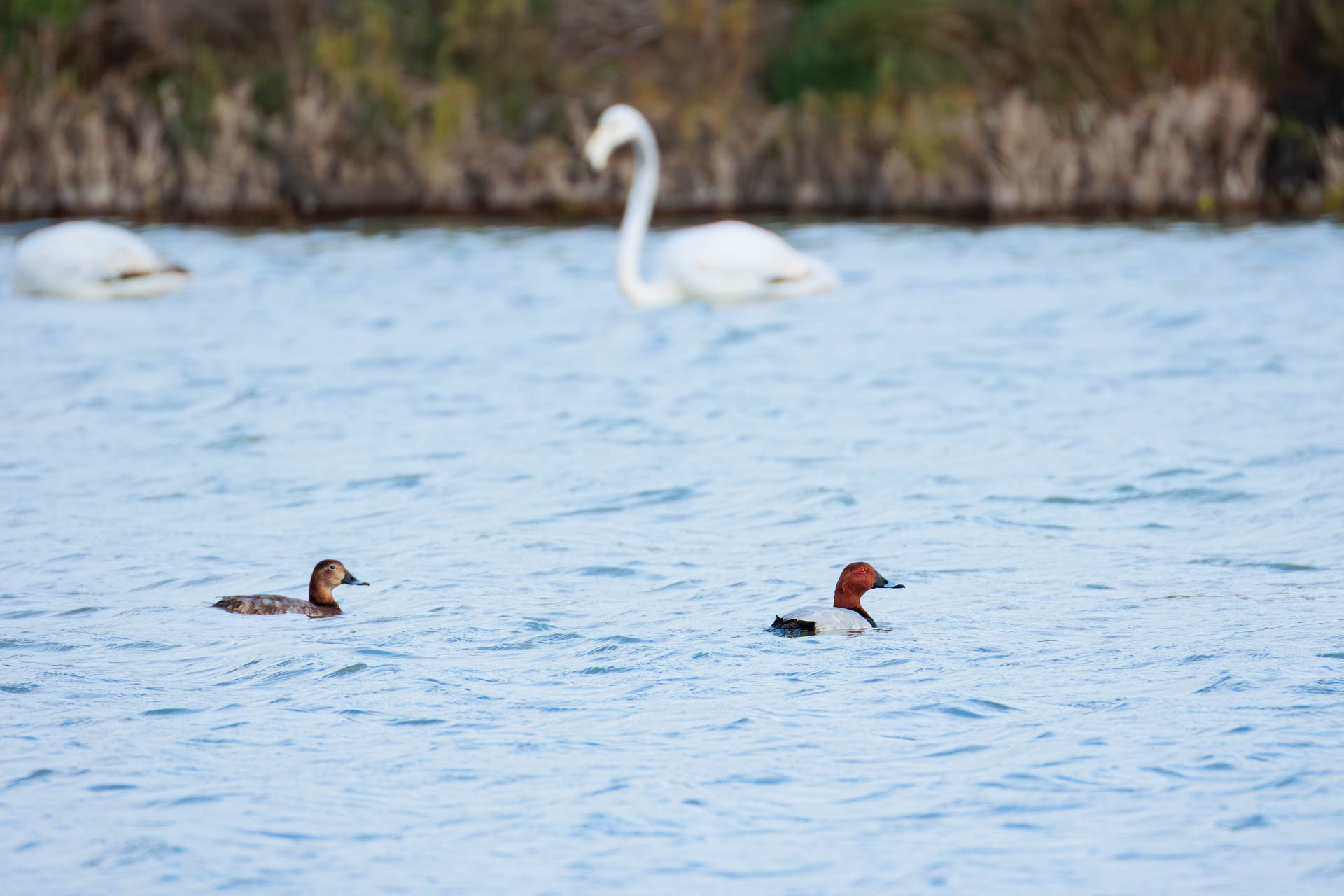
The Common Pochard is a compact-looking diving duck, easily recognised by the male’s reddish head and greyish body. It frequents lagoons, reservoirs and areas of calm water, where it feeds mainly on aquatic vegetation and small invertebrates, which it obtains by diving. In Ibiza, it can be observed during the winter or during migration, particularly in Ses Salines, although it is not a very common species.
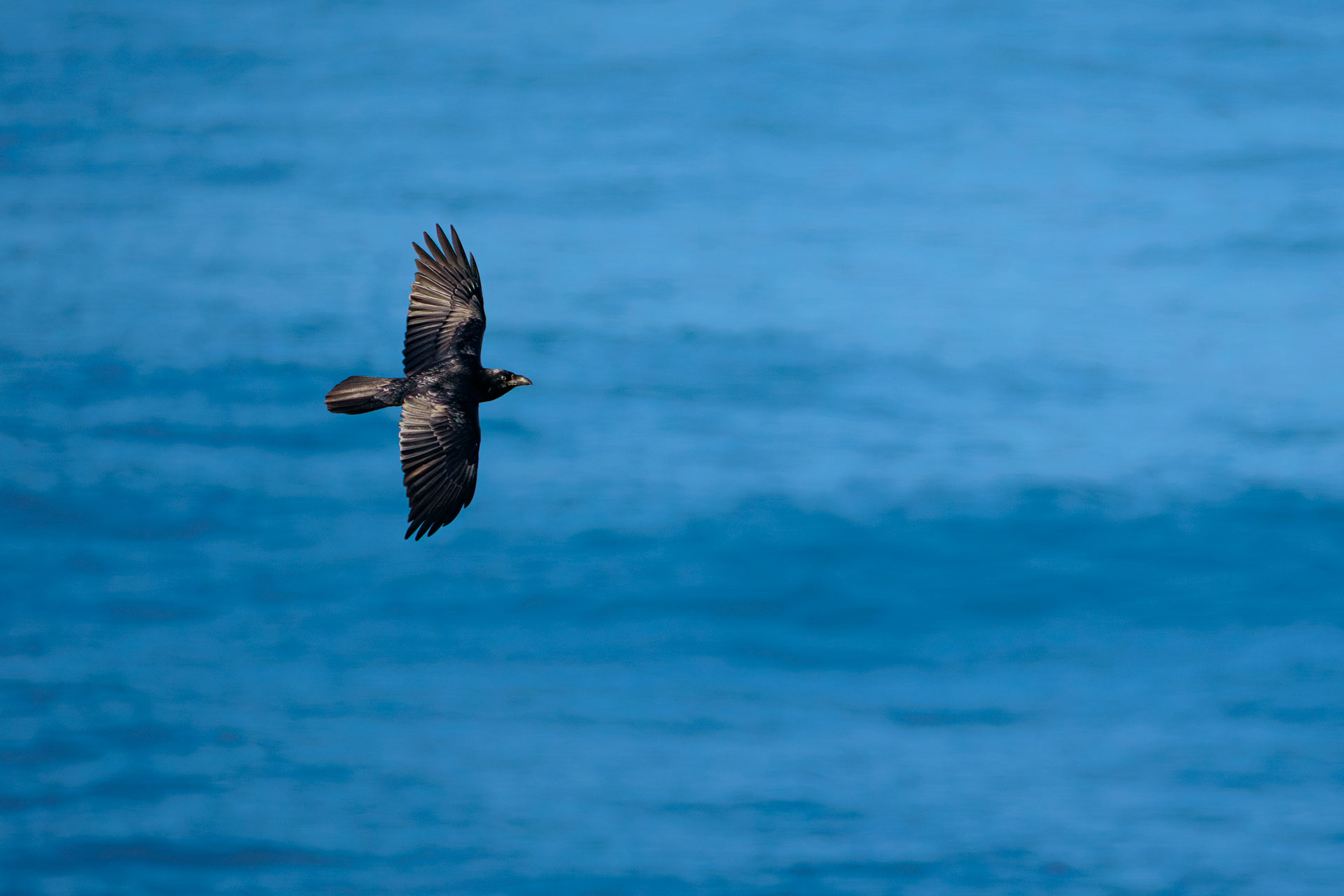
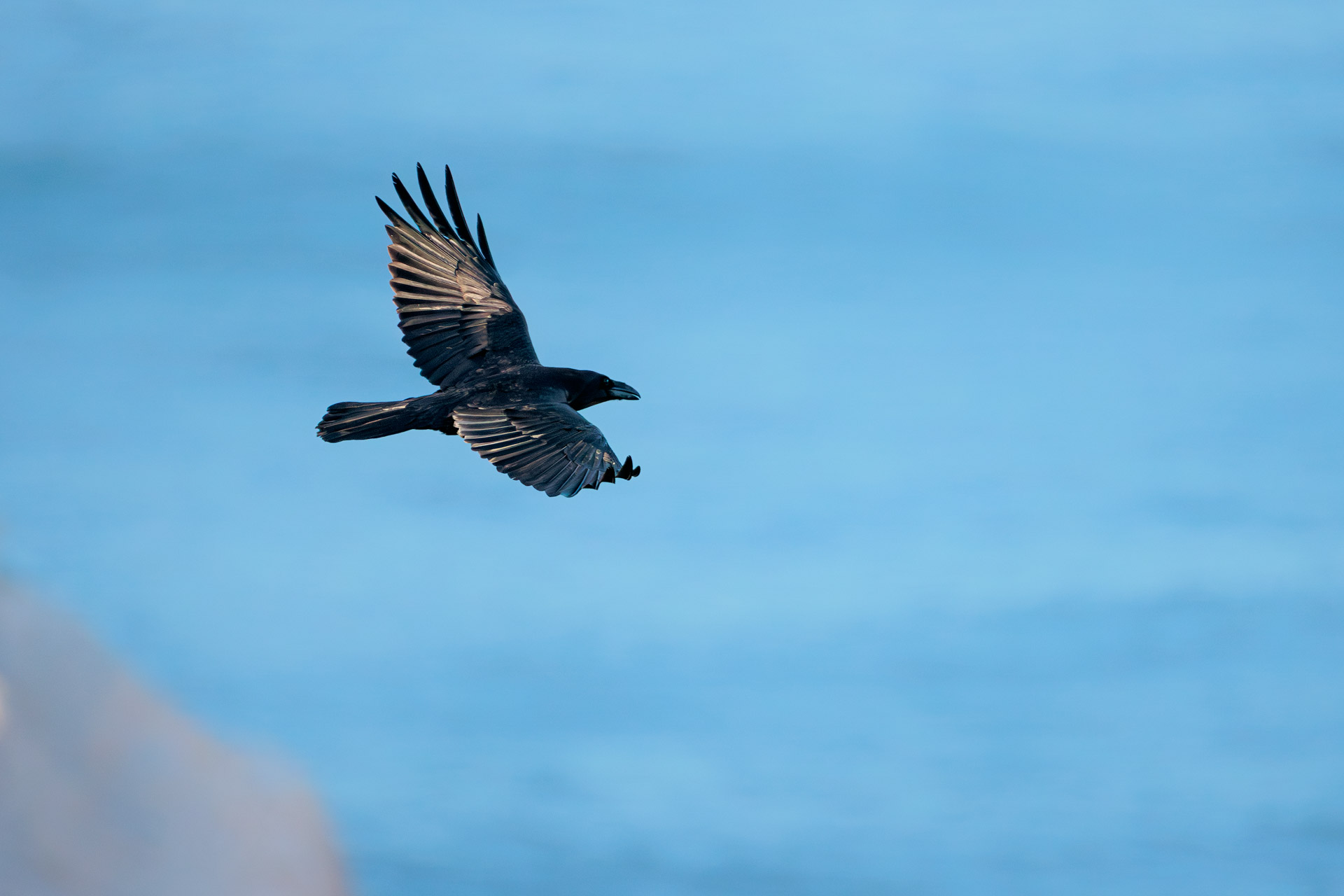
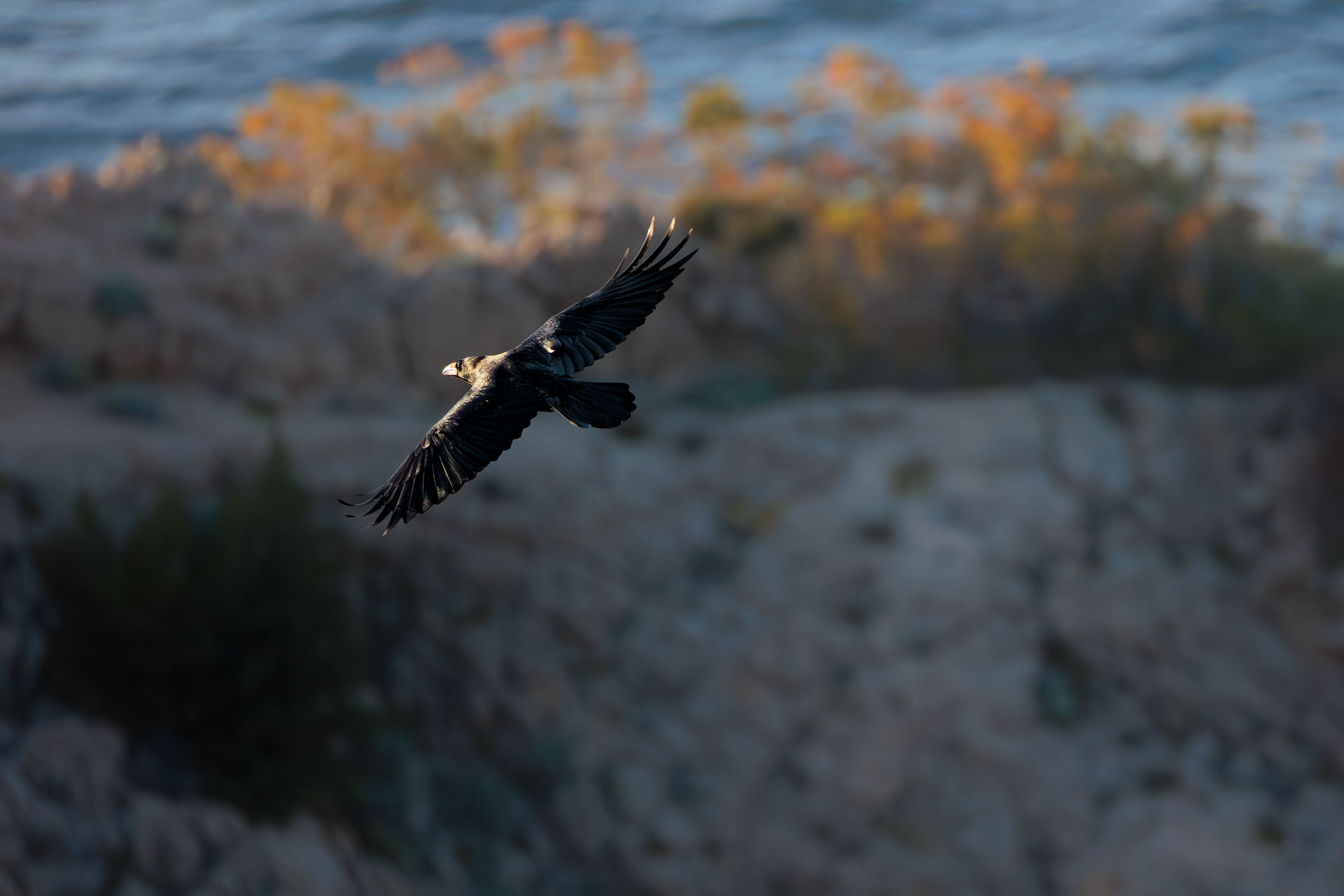
The Common Raven is one of the most intelligent and adaptable birds, easily recognisable by its large size and completely black plumage. It frequents cliffs, mountainous areas and open spaces. It is omnivorous, opportunistic and scavenging, feeding on a wide variety of food sources. In Ibiza, it is present all year round, although there are very few individuals. For a long time, it has been a species persecuted by humans. Due to this, the decline of livestock farming and fierce competition with other species such as gulls, only three pairs are known to exist across the entire island.
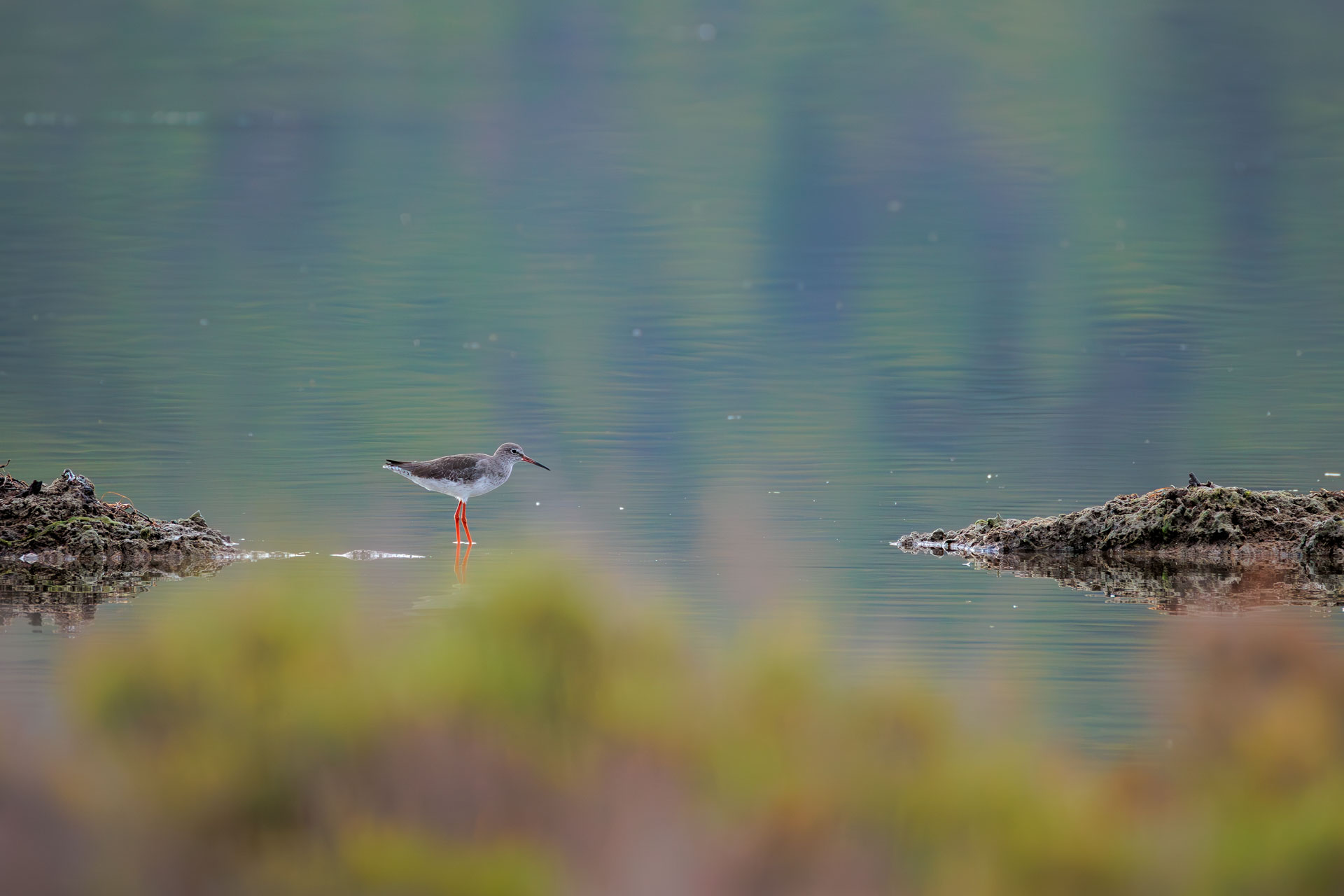
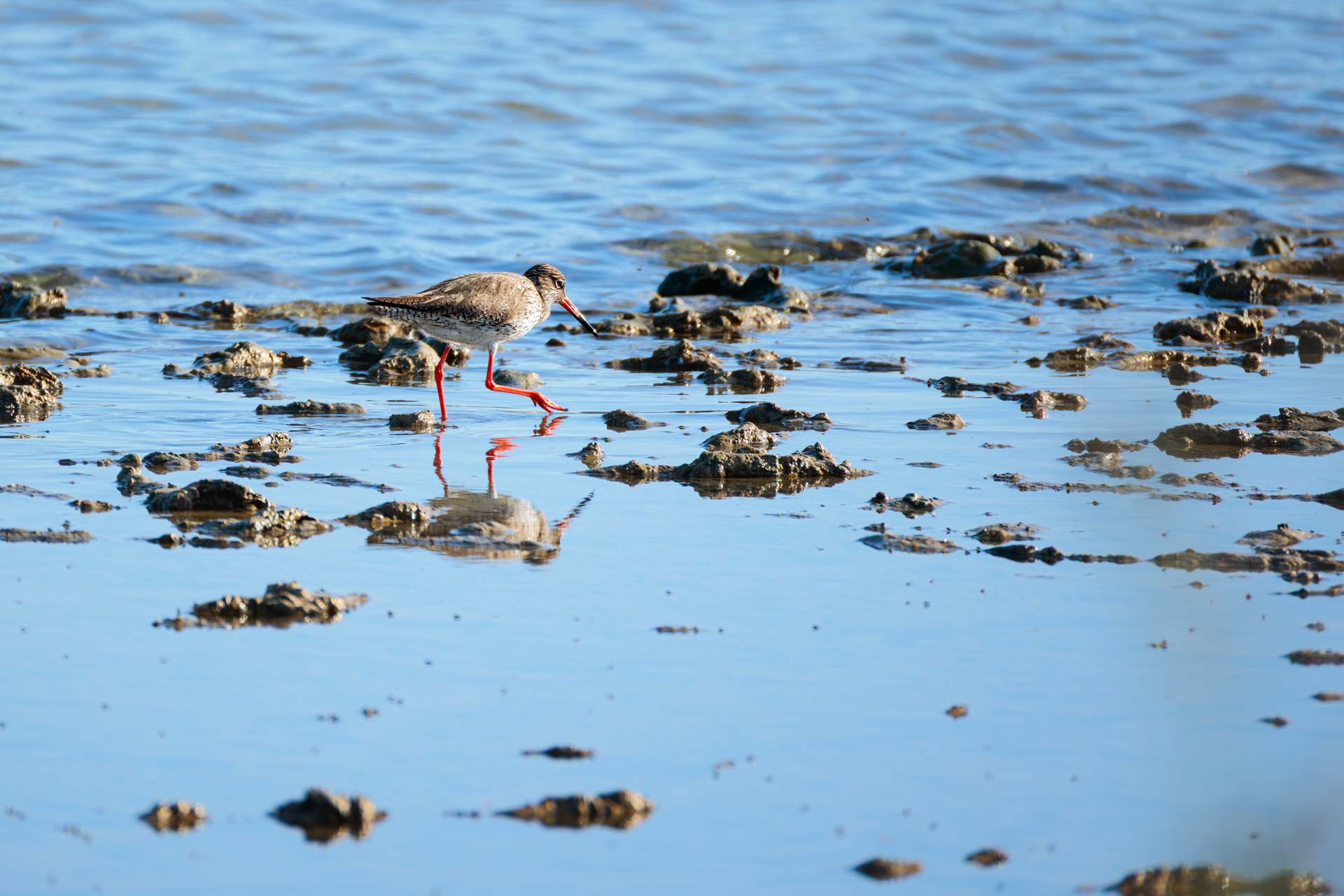
A wader with reddish legs that frequents salt flats, marshes and coastal wetlands. It feeds on small invertebrates and is usually quite vocal. In Ibiza, it can be seen at Ses Salines during the winter, although it is more frequently seen during the migratory passage. Its local name comes from the red colour of its legs.
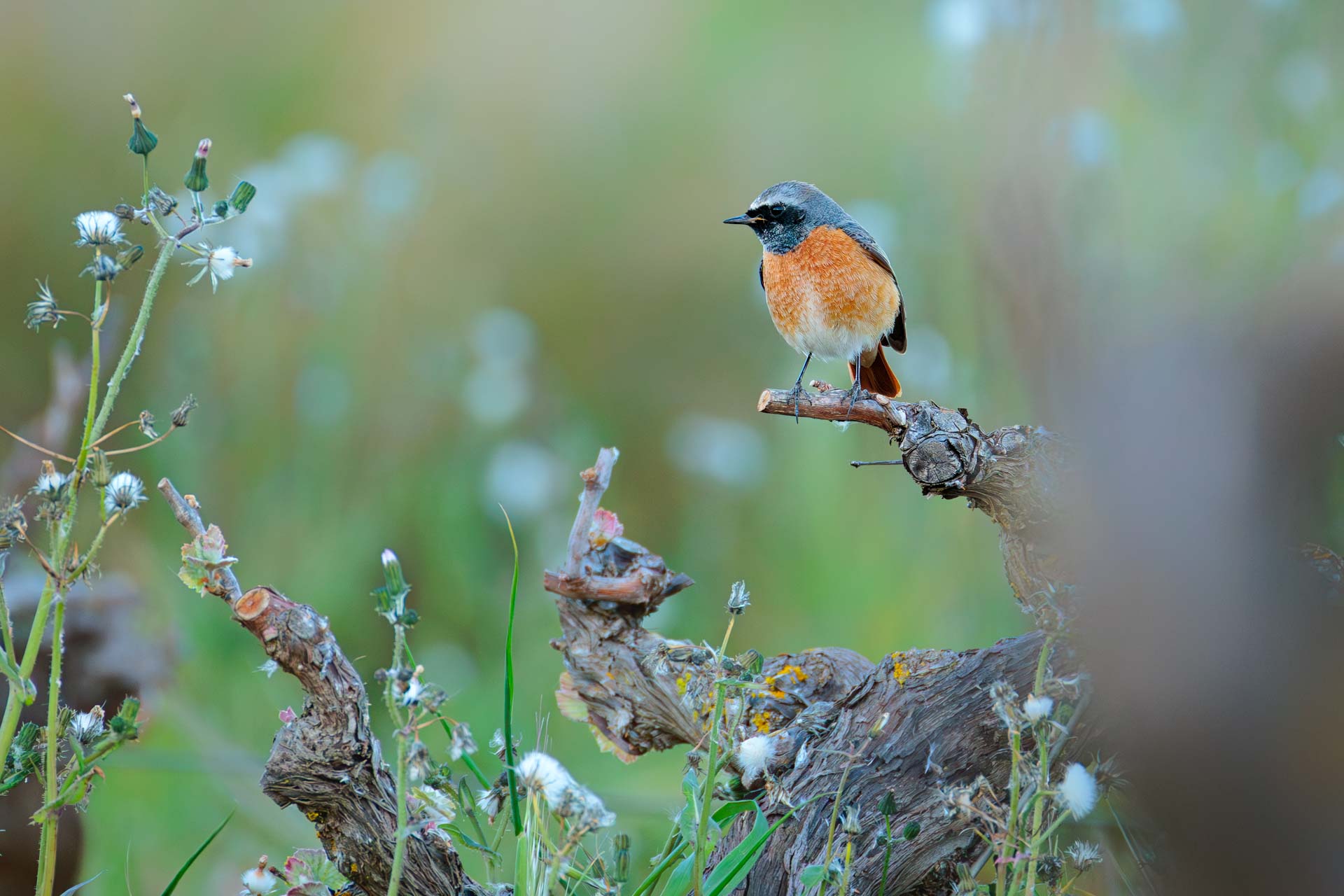
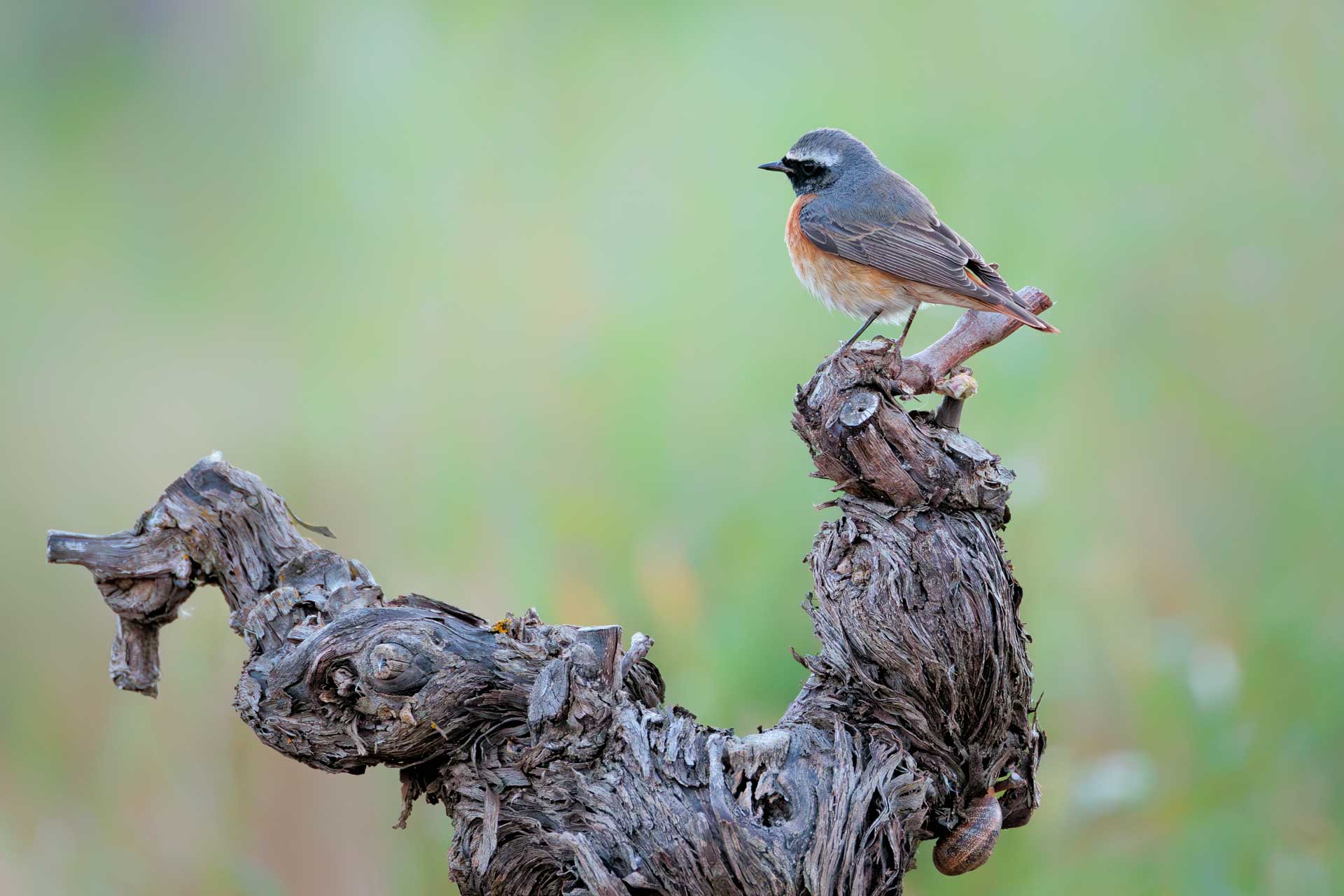
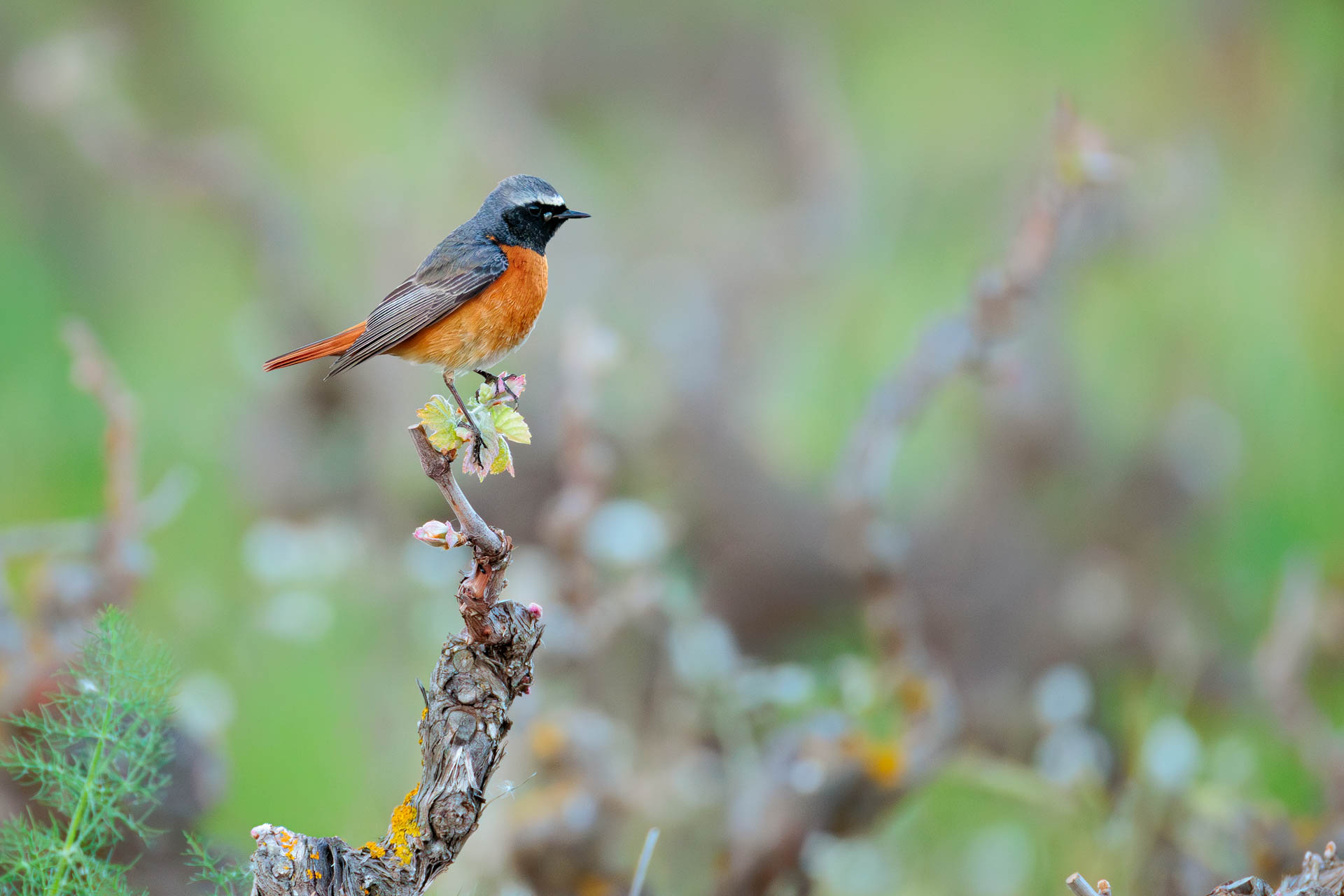
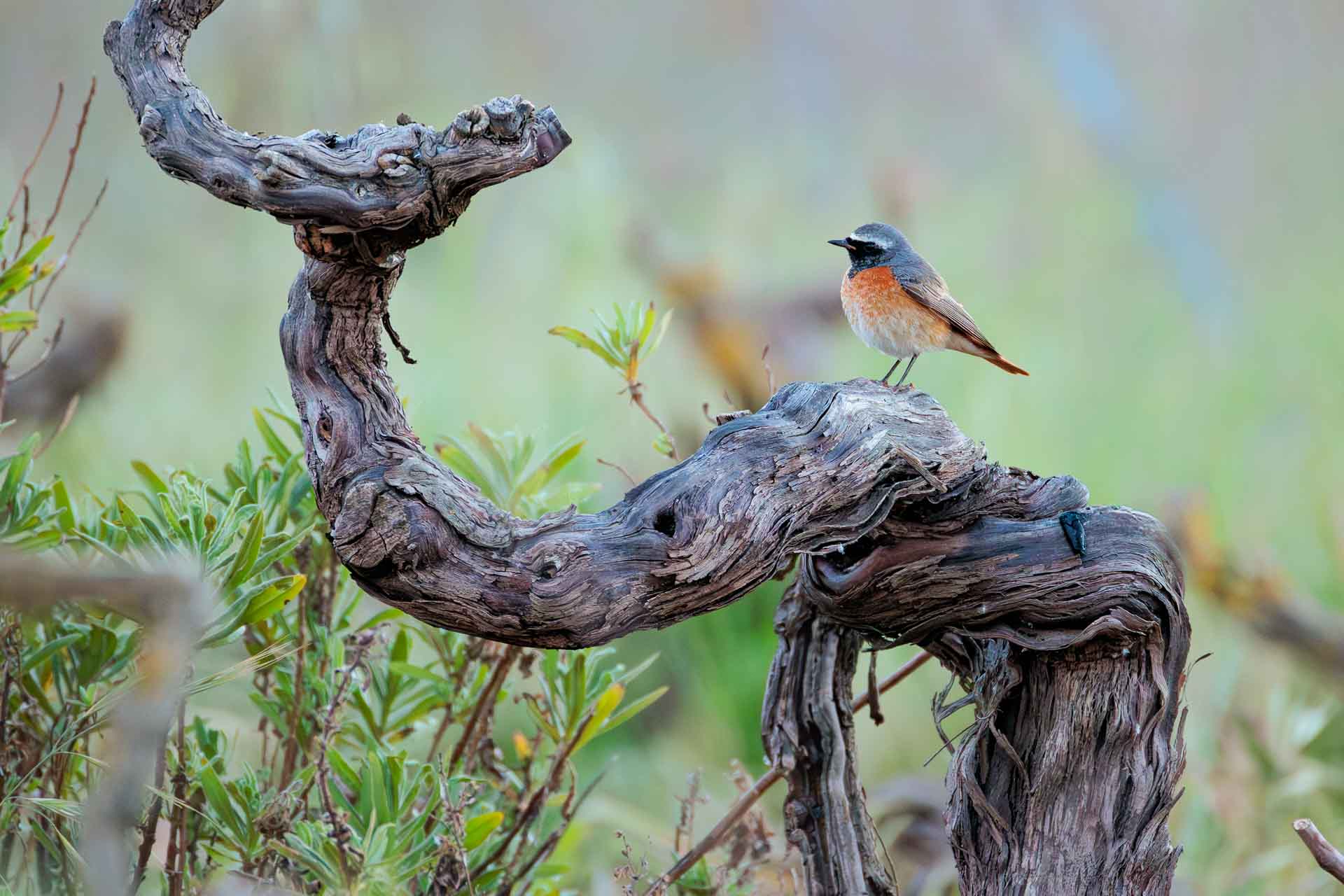
The Common Redstart is a small, elegant-looking migratory bird, with orange and grey tones and a striking reddish tail that characterises it. It generally frequents open woodlands, gardens and wooded areas, where it feeds on insects that it catches whilst perched. In Ibiza, it is mainly seen during migration, in open areas such as vineyards or farmland.
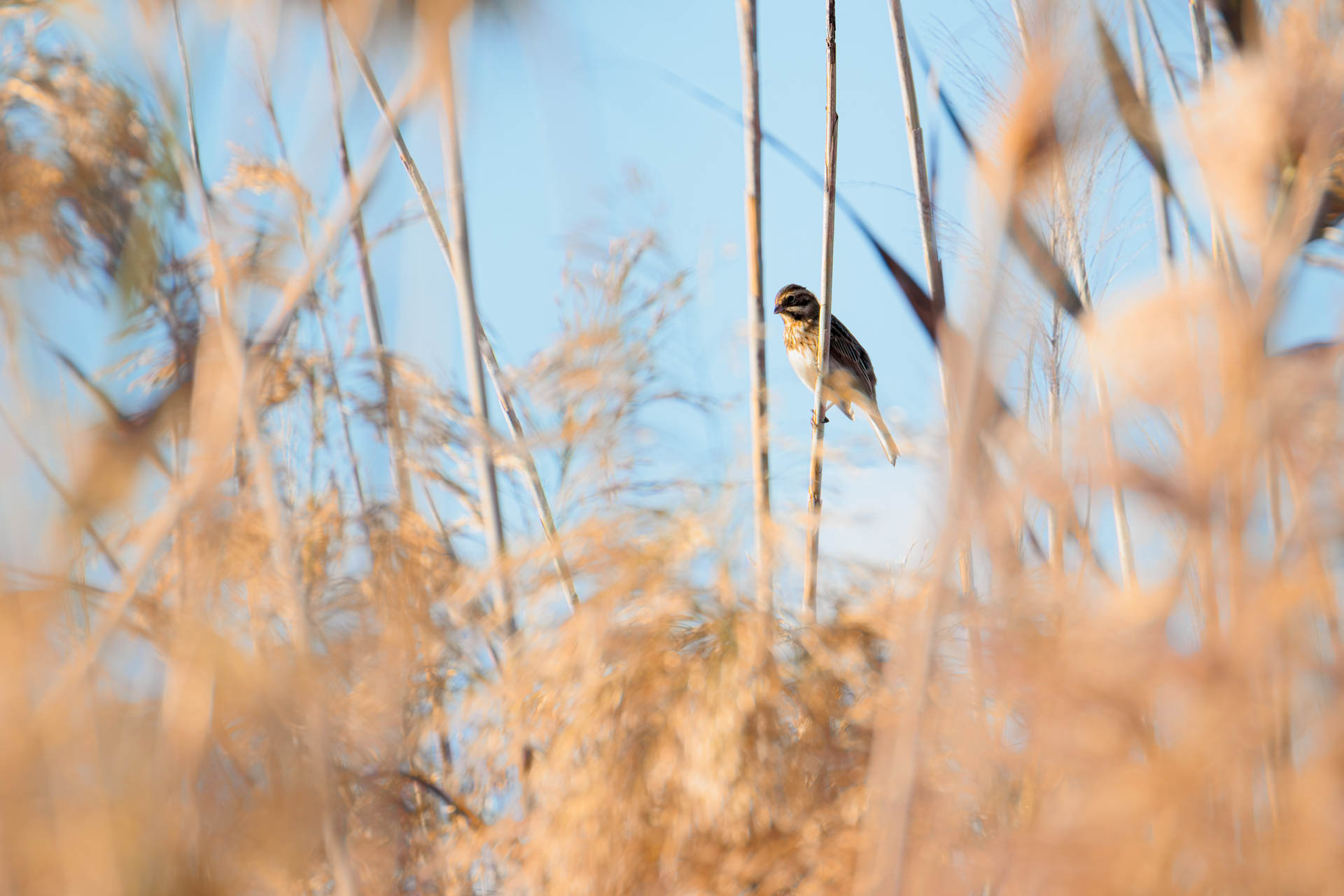
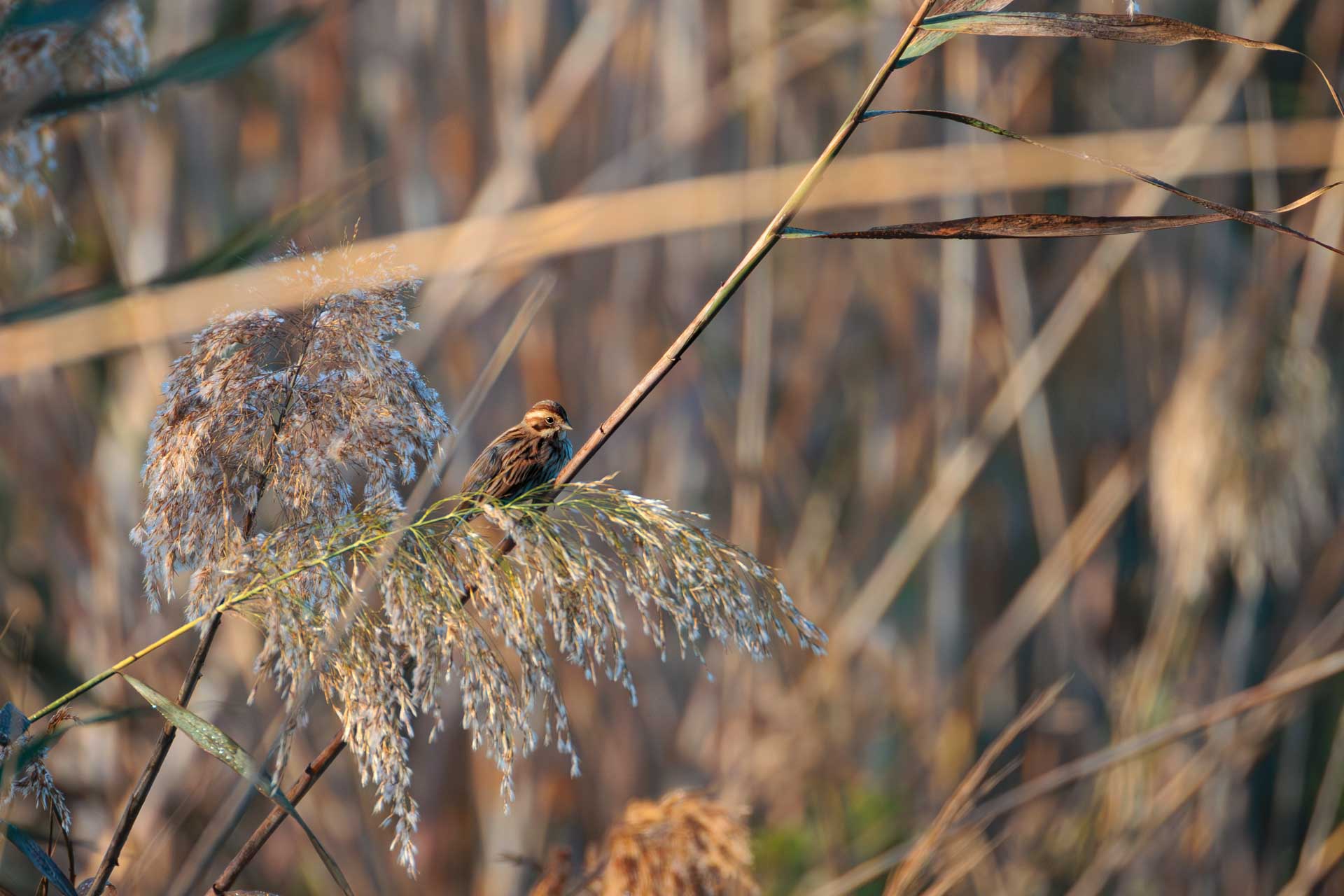
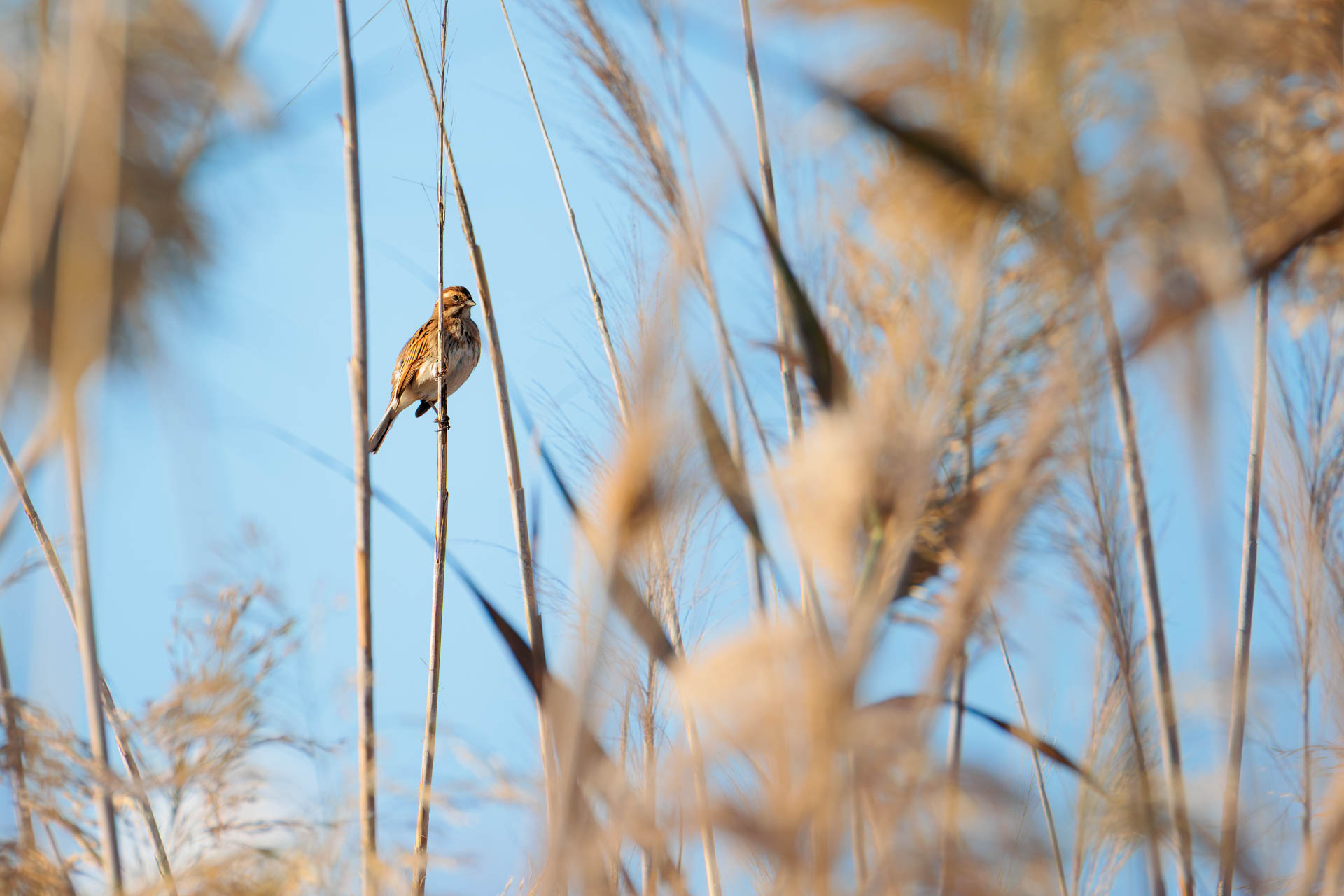
A bird associated with marshes, reed beds and wet grasslands. It feeds on seeds and insects. In Ibiza, it can be seen during the winter, although it is not easy to spot due to the habitats it frequents. A few individuals may also be seen during the migratory season, though this is not very common. The best places to look for them are Ses Salines and Ses Feixes.
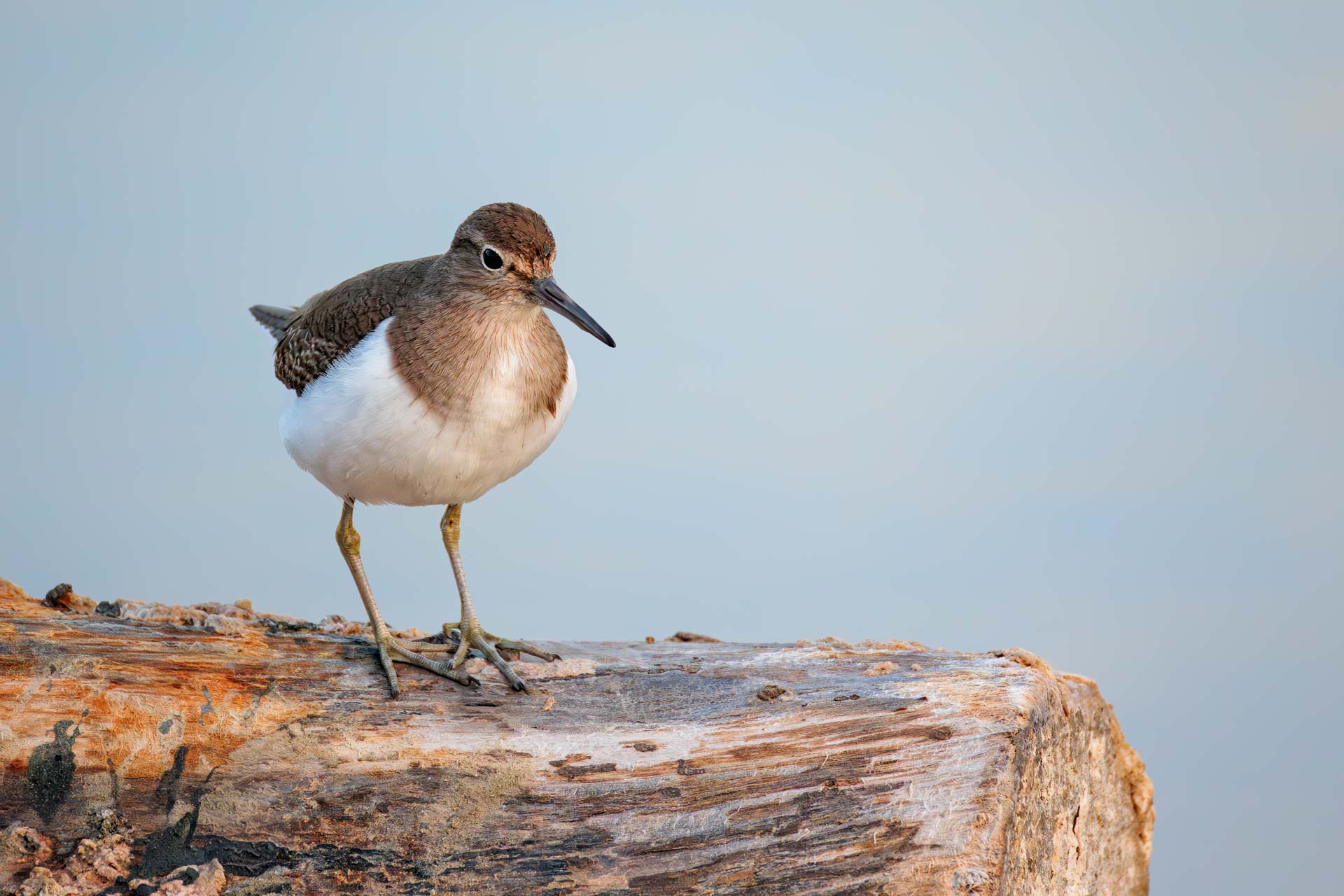
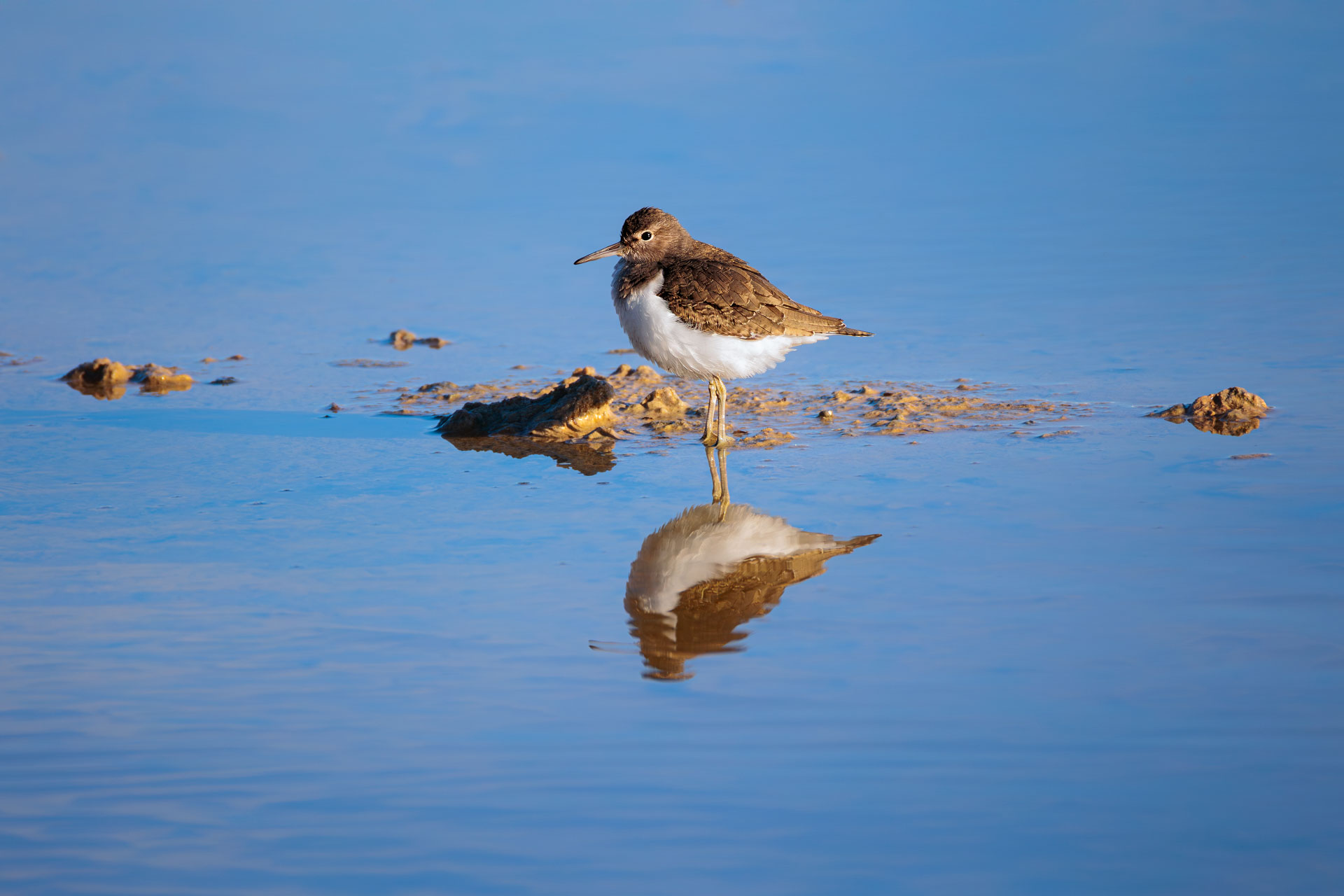
A small wader easily recognised by its constant movement and low flight over the water. It inhabits riverbanks, lagoons and coastal areas. In Ibiza, it can be found in wetlands such as Ses Feixes or Ses Salines, or in puddles within farmland. Even so, it is also sometimes common to find it at coastal spots.
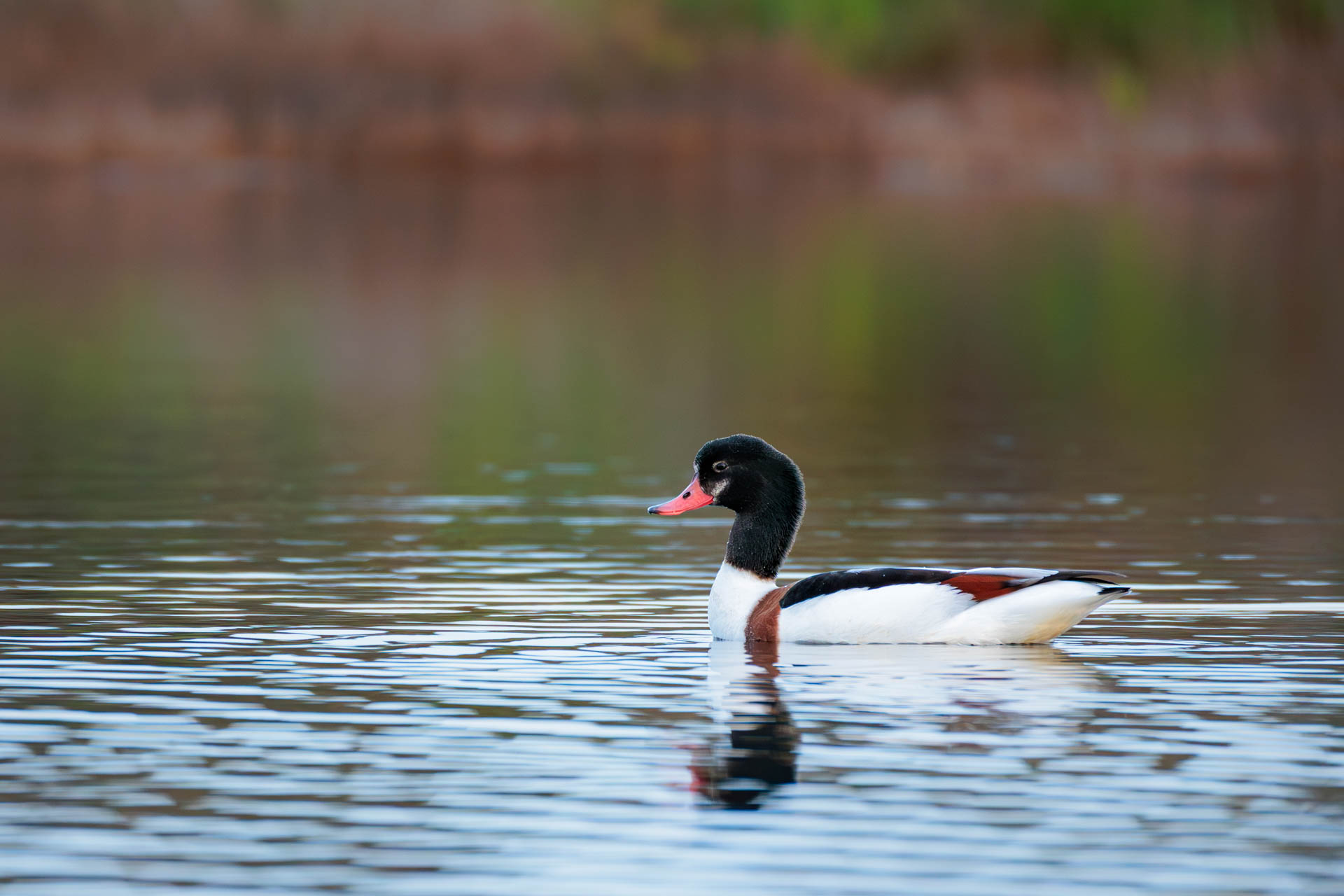
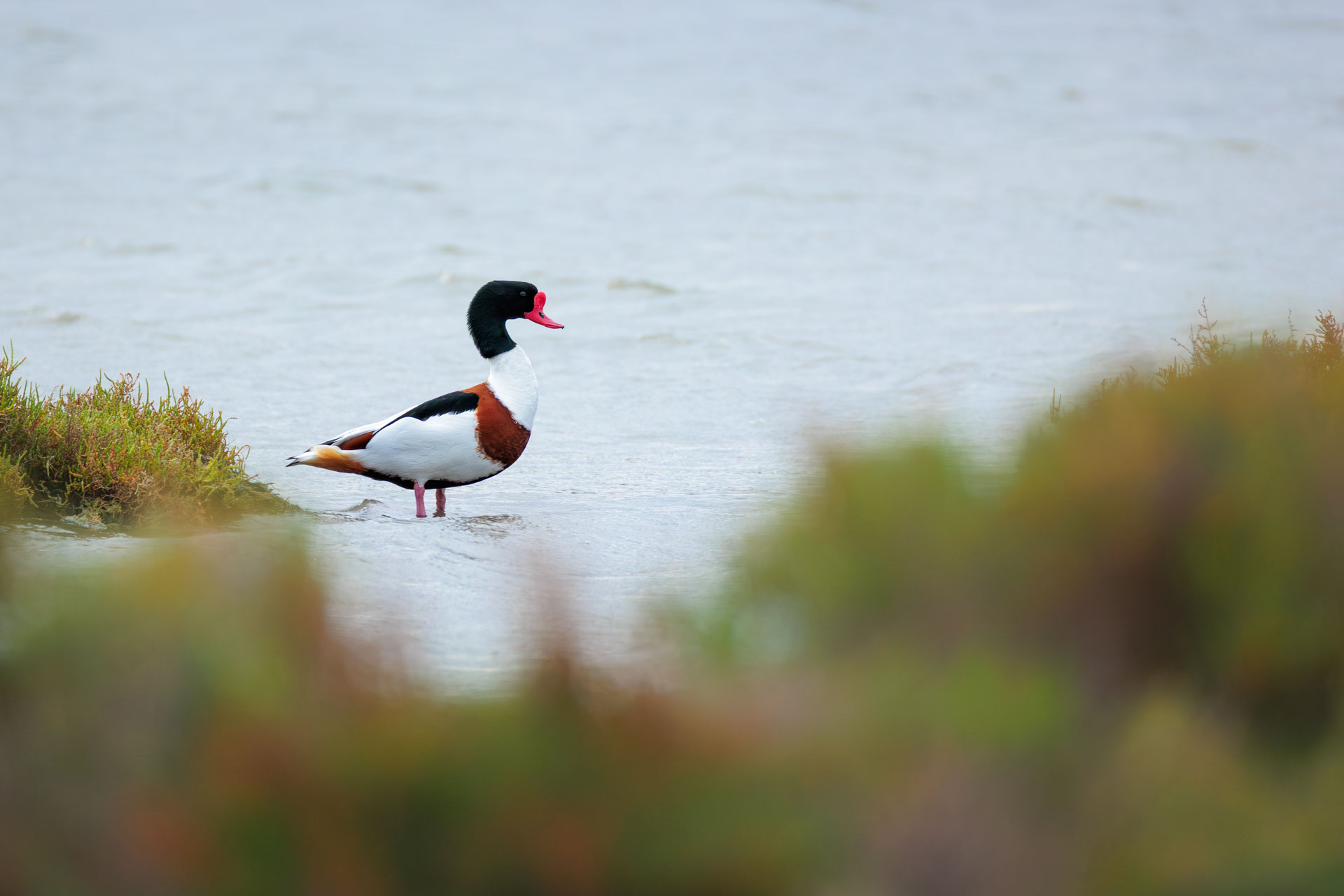
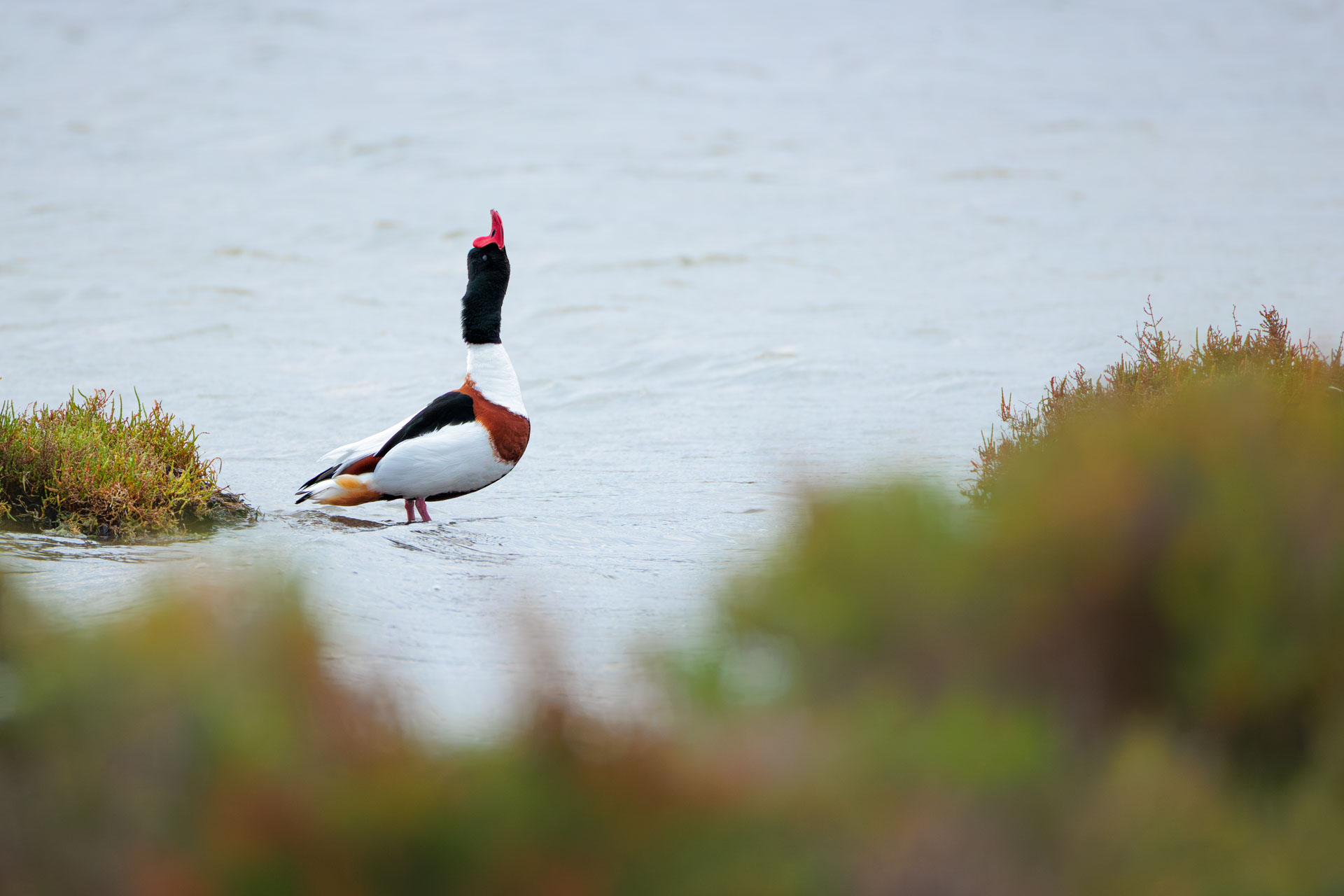
A large duck with contrasting plumage, found in coastal and salt marsh areas. It feeds mainly on invertebrates. In Ibiza, it can be found all year round, although it is more common in winter. It is mainly found in the Ses Salines area.
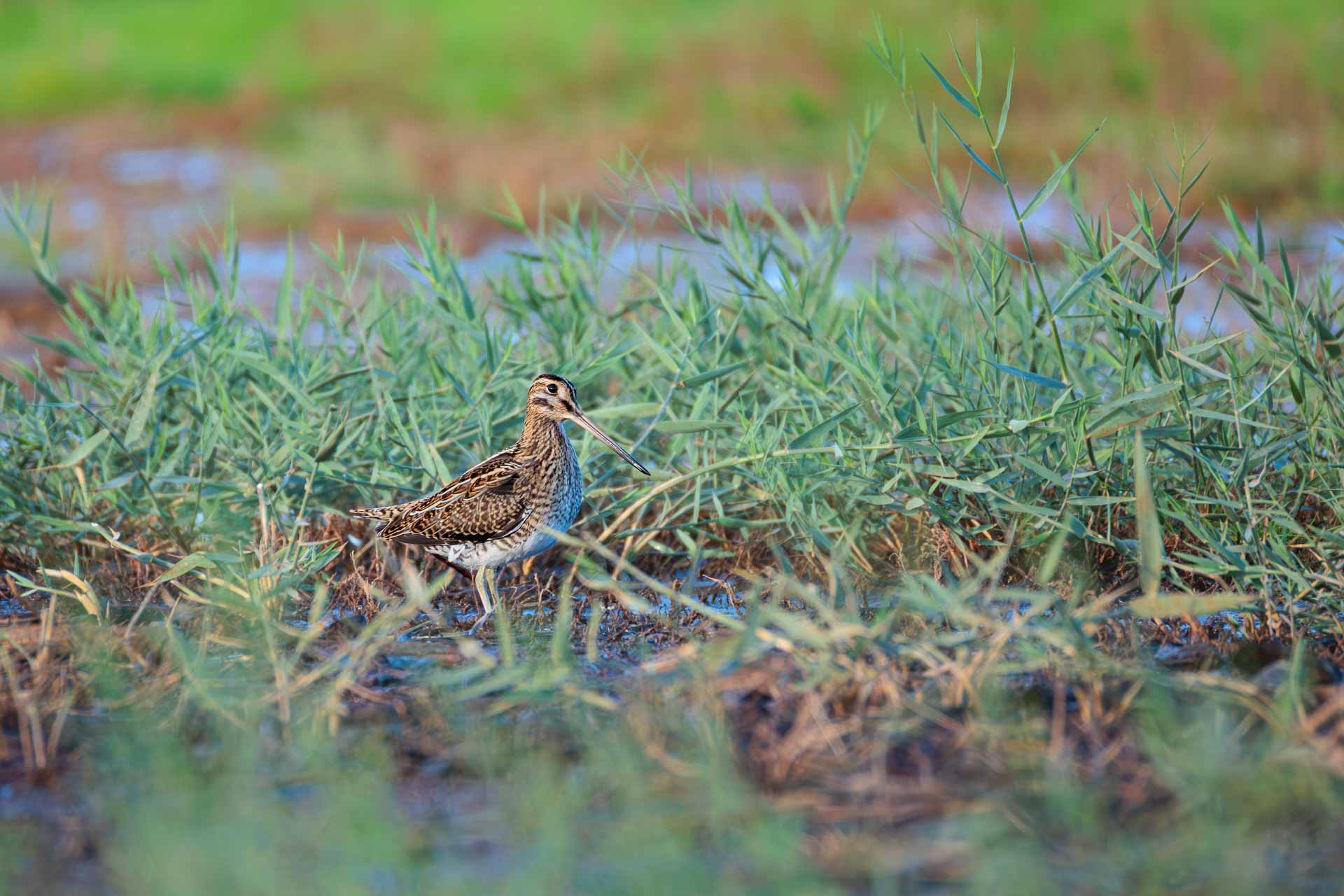
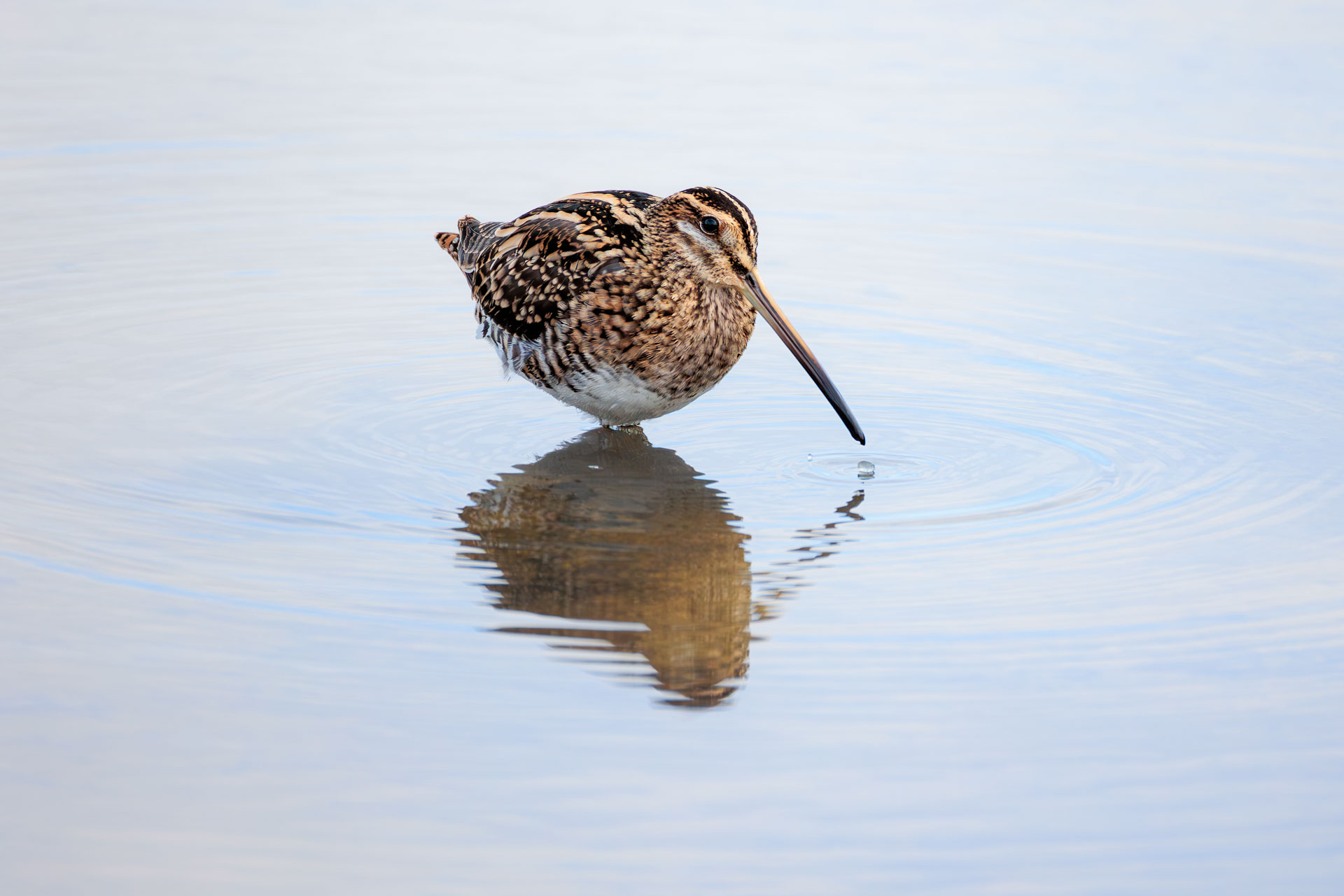
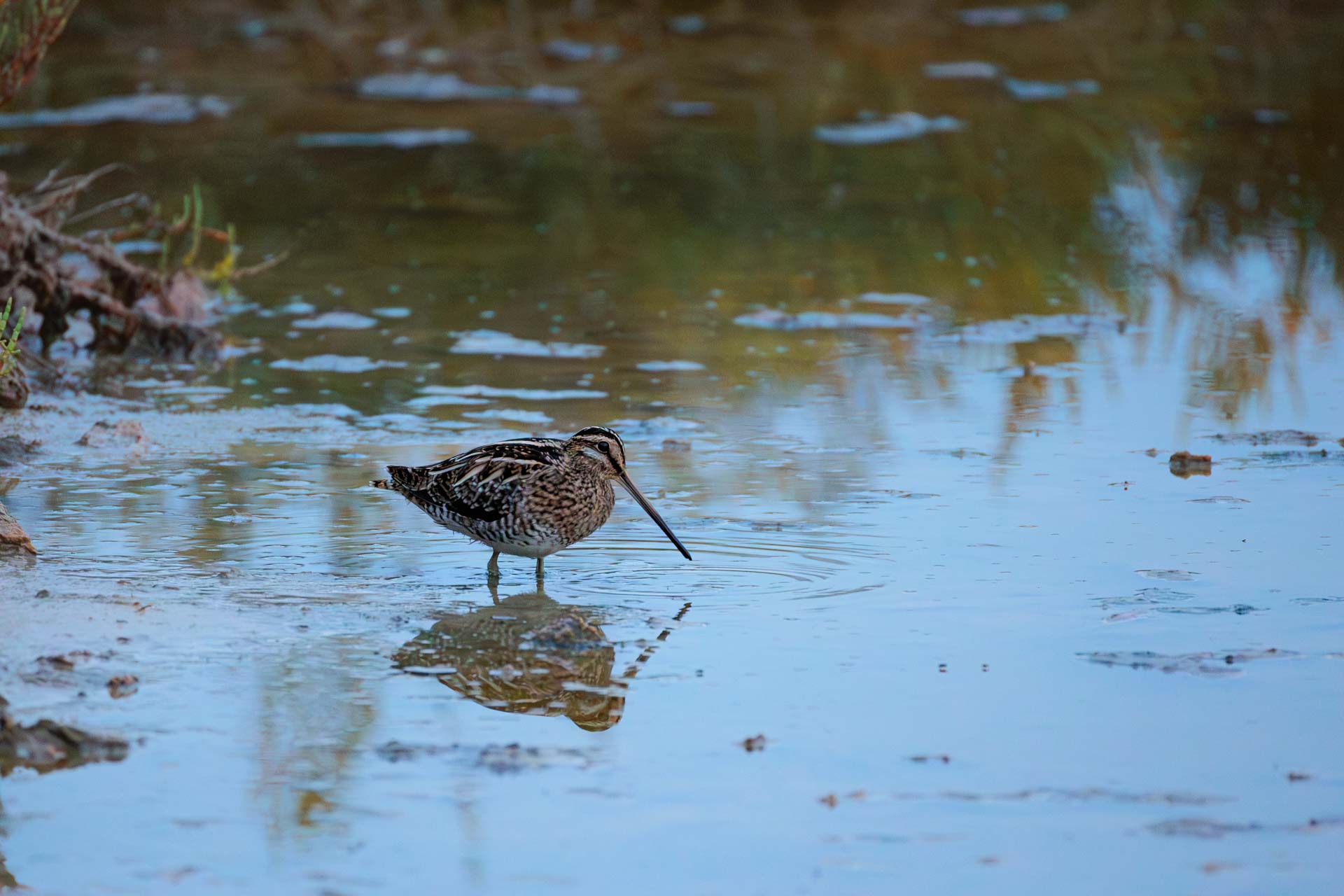
A discreet wader with very elusive habits. It lives in wetlands with dense vegetation, where it blends in perfectly. In Ibiza it appears mainly in autumn and winter, and is often easier to detect when it suddenly takes flight. It can be seen in Ses Salines and especially in Ses Feixes, where it sometimes shows itself.
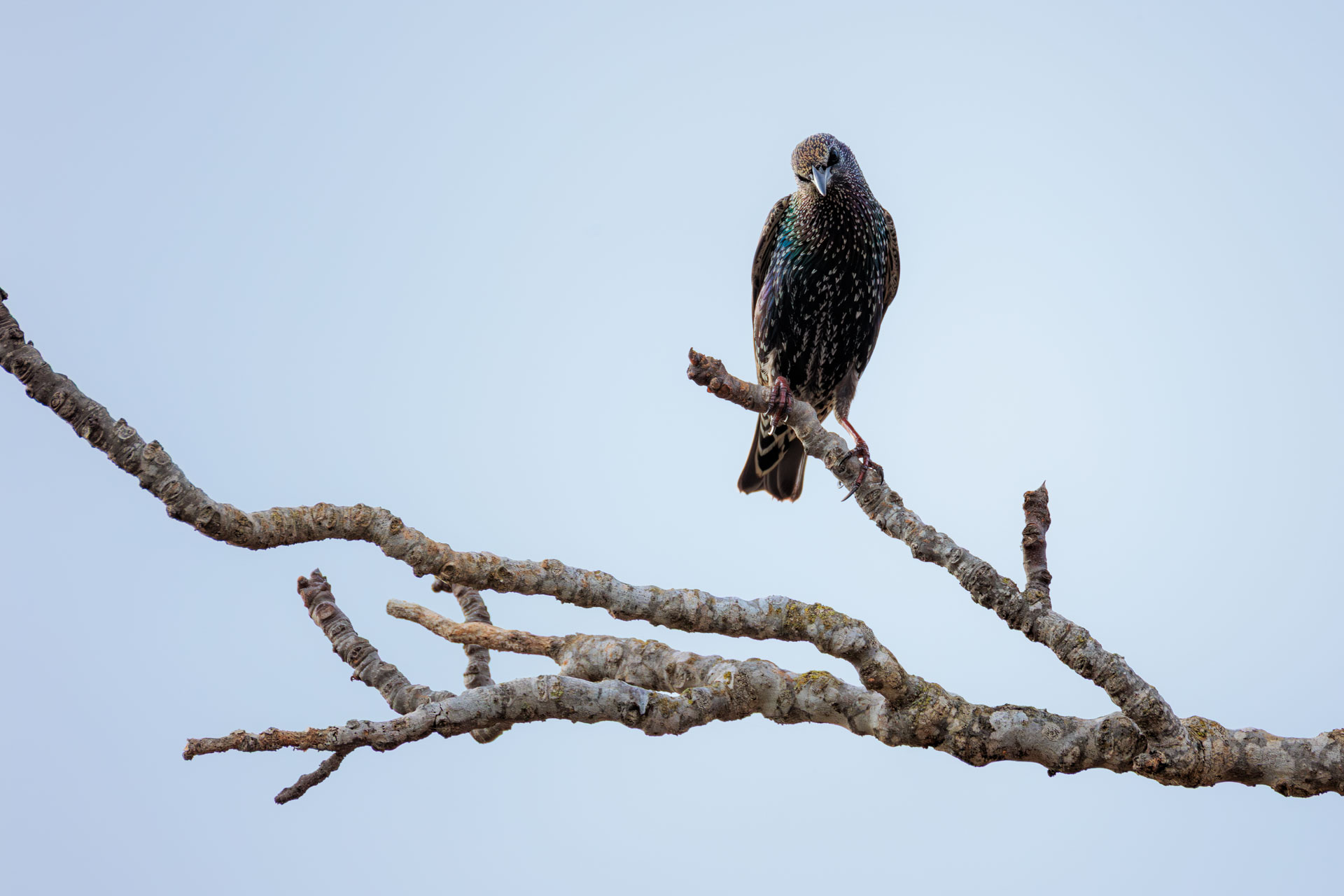
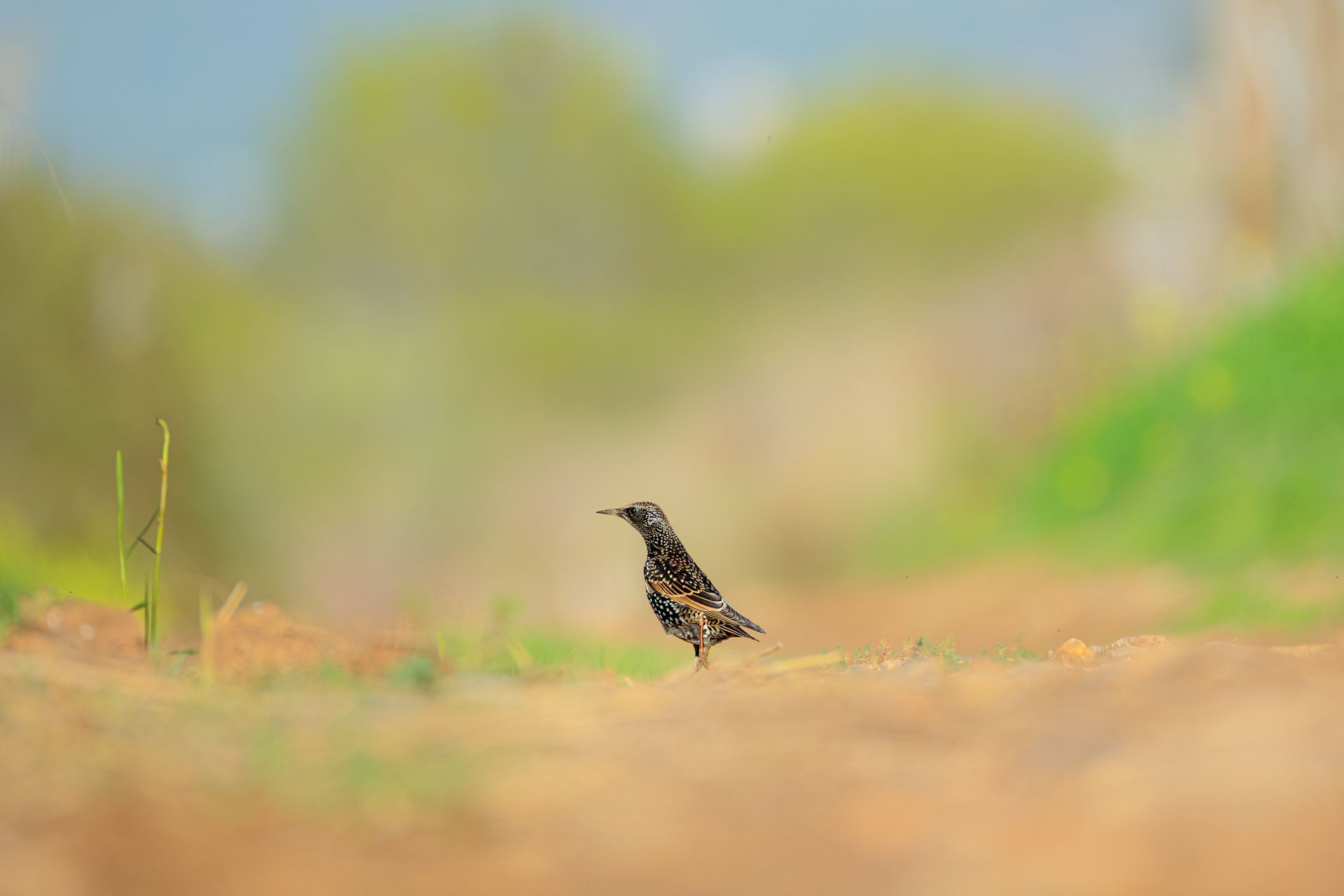
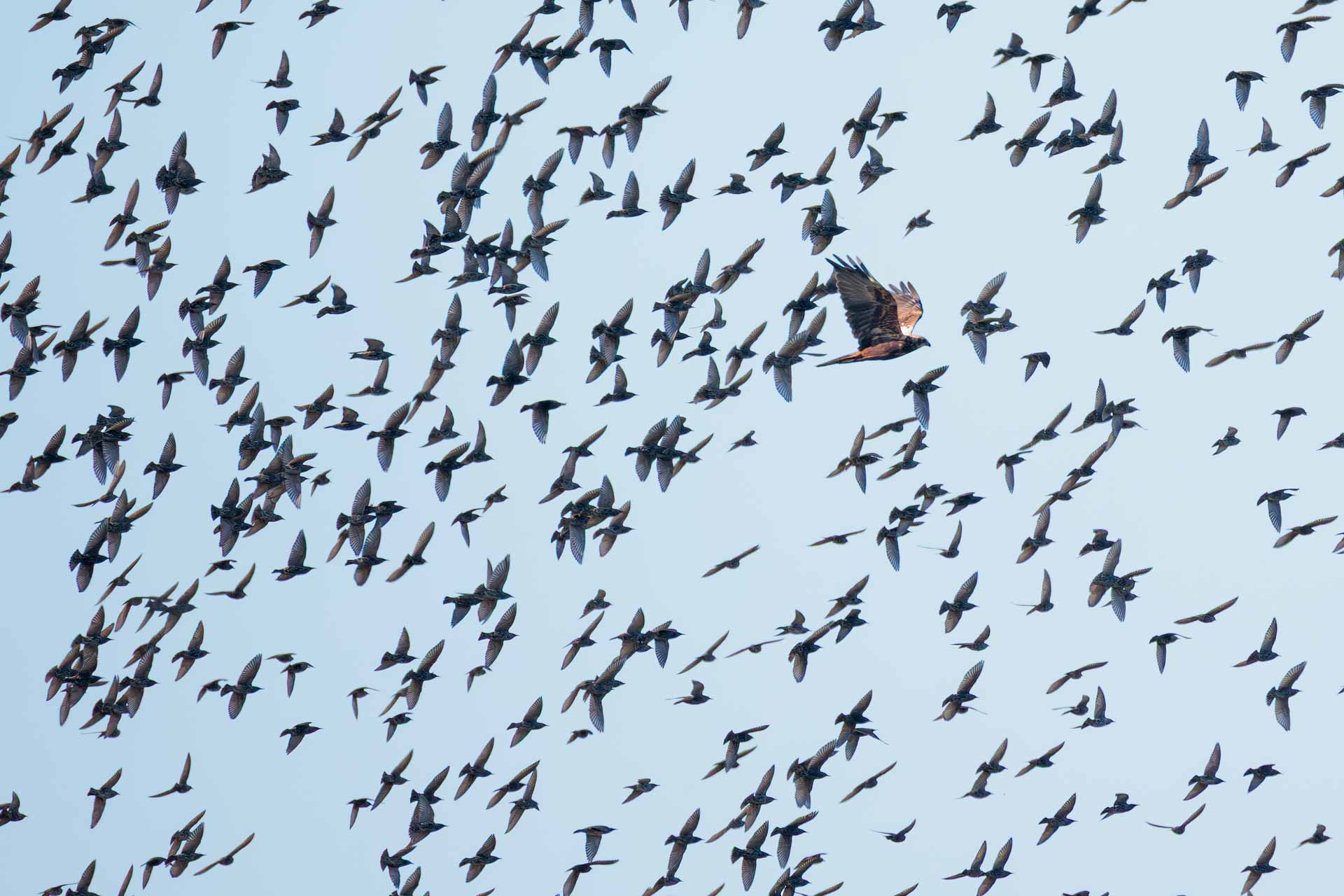
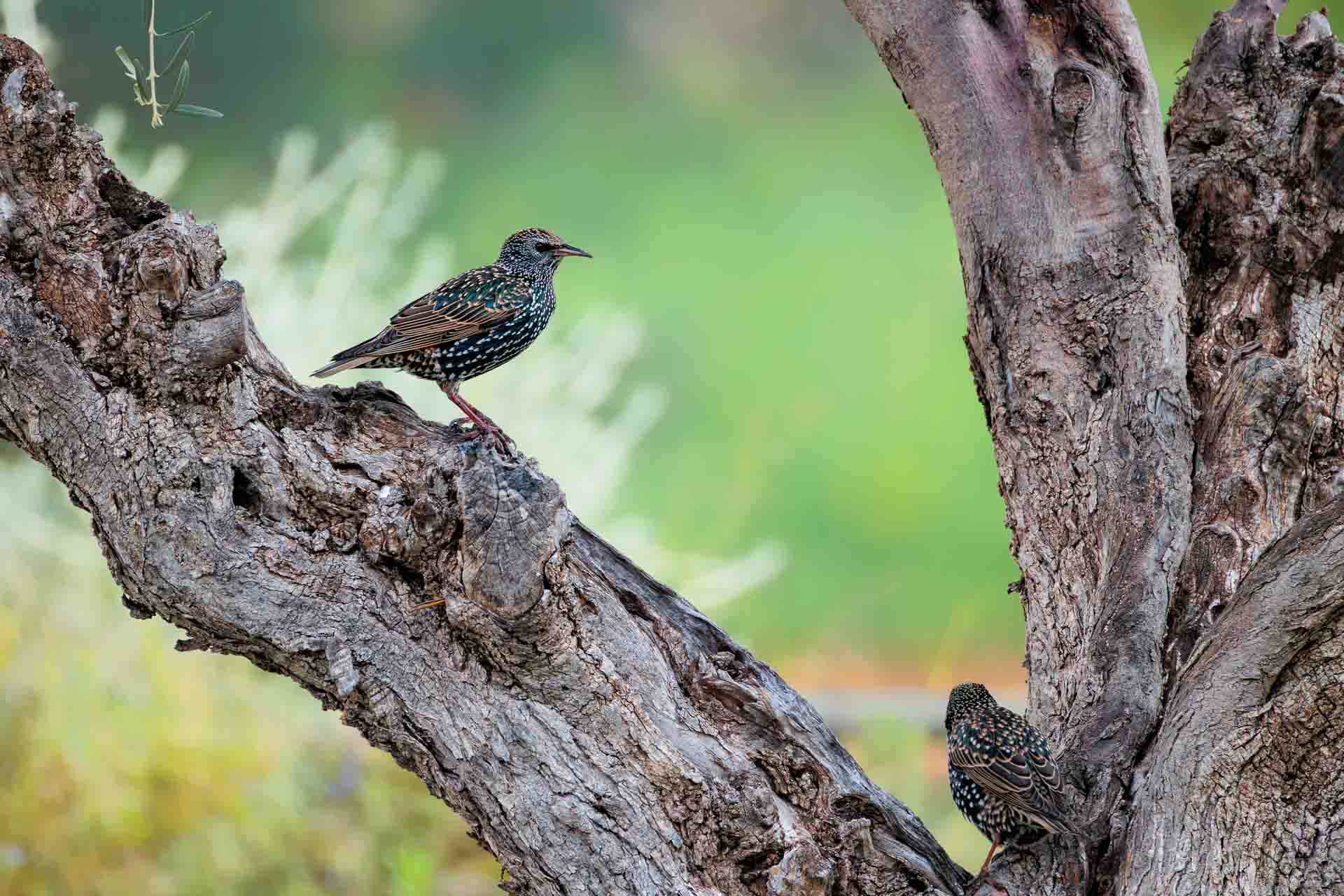
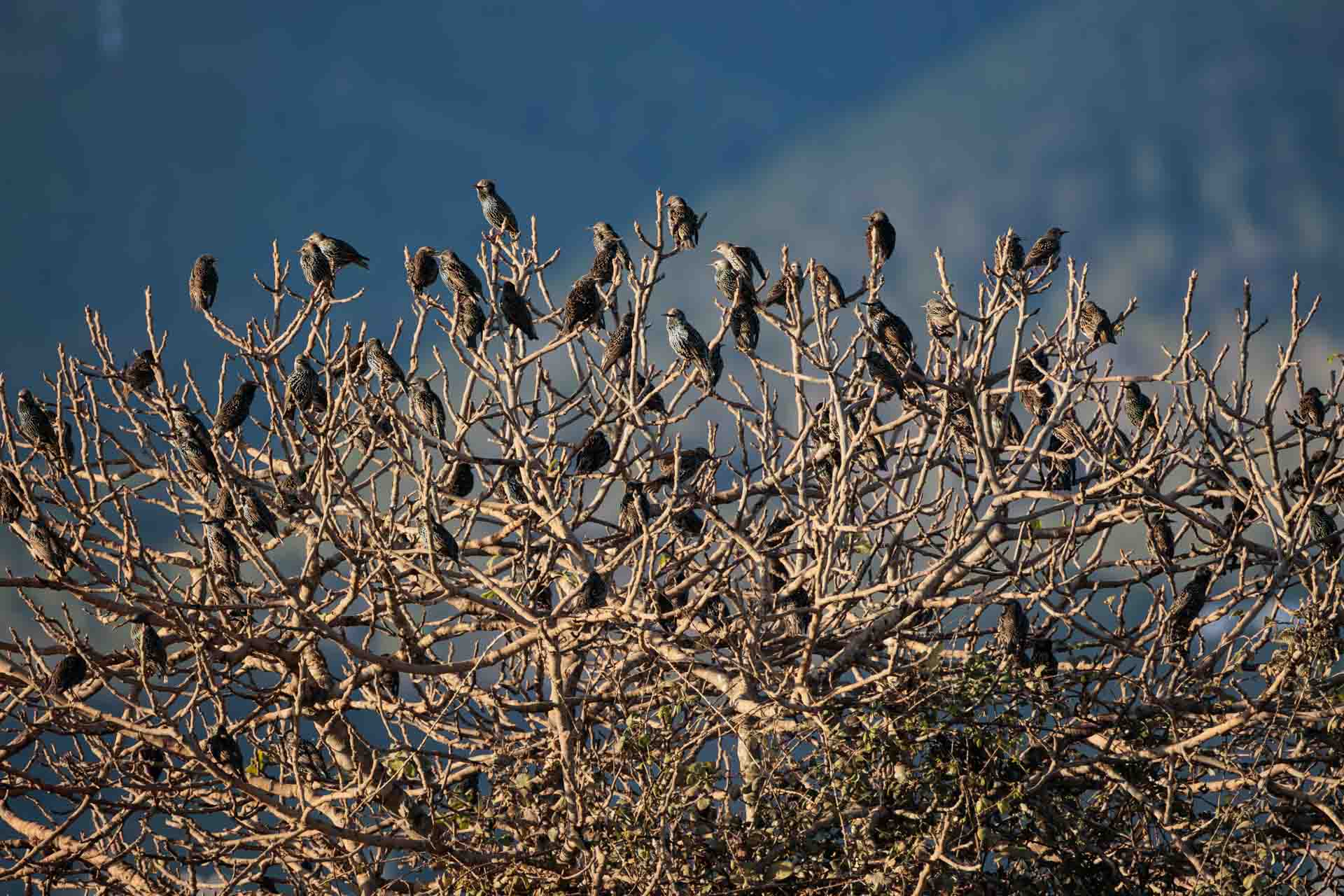
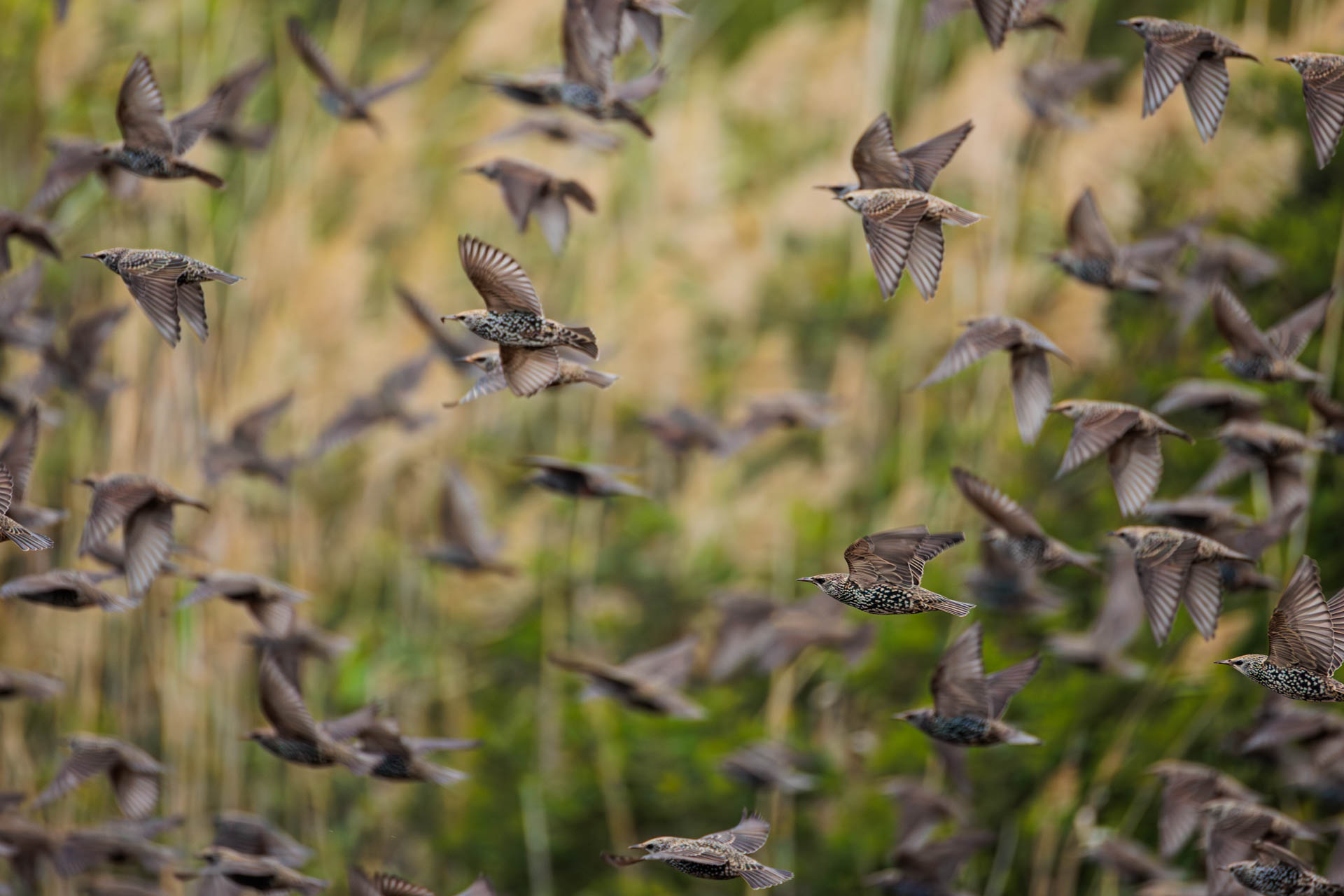
A gregarious bird known for forming large flocks and spectacular synchronised flights. It inhabits farmland, open areas and urban surroundings. In Ibiza it is especially common in winter and during migration, when flocks can gather to feed and roost.
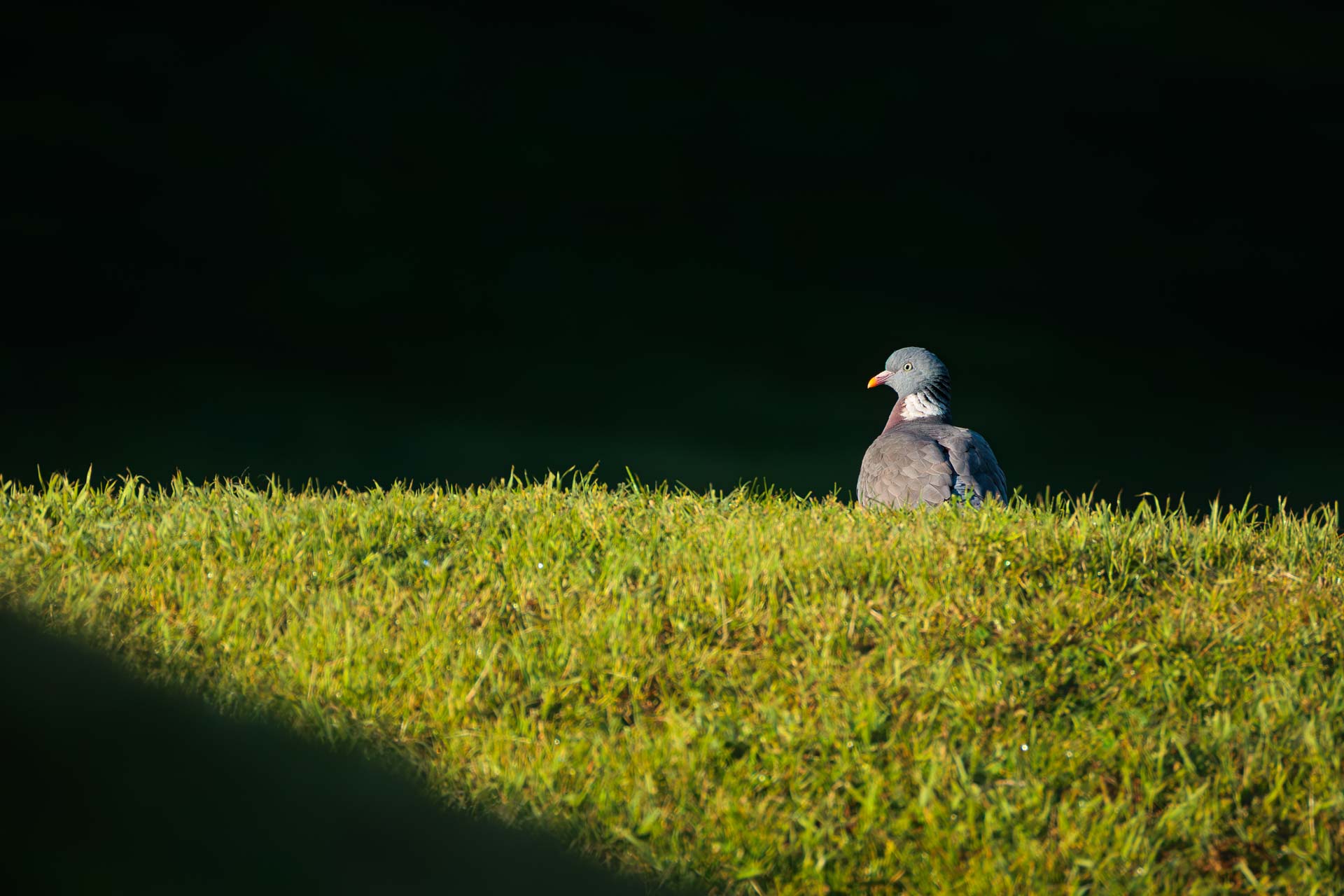
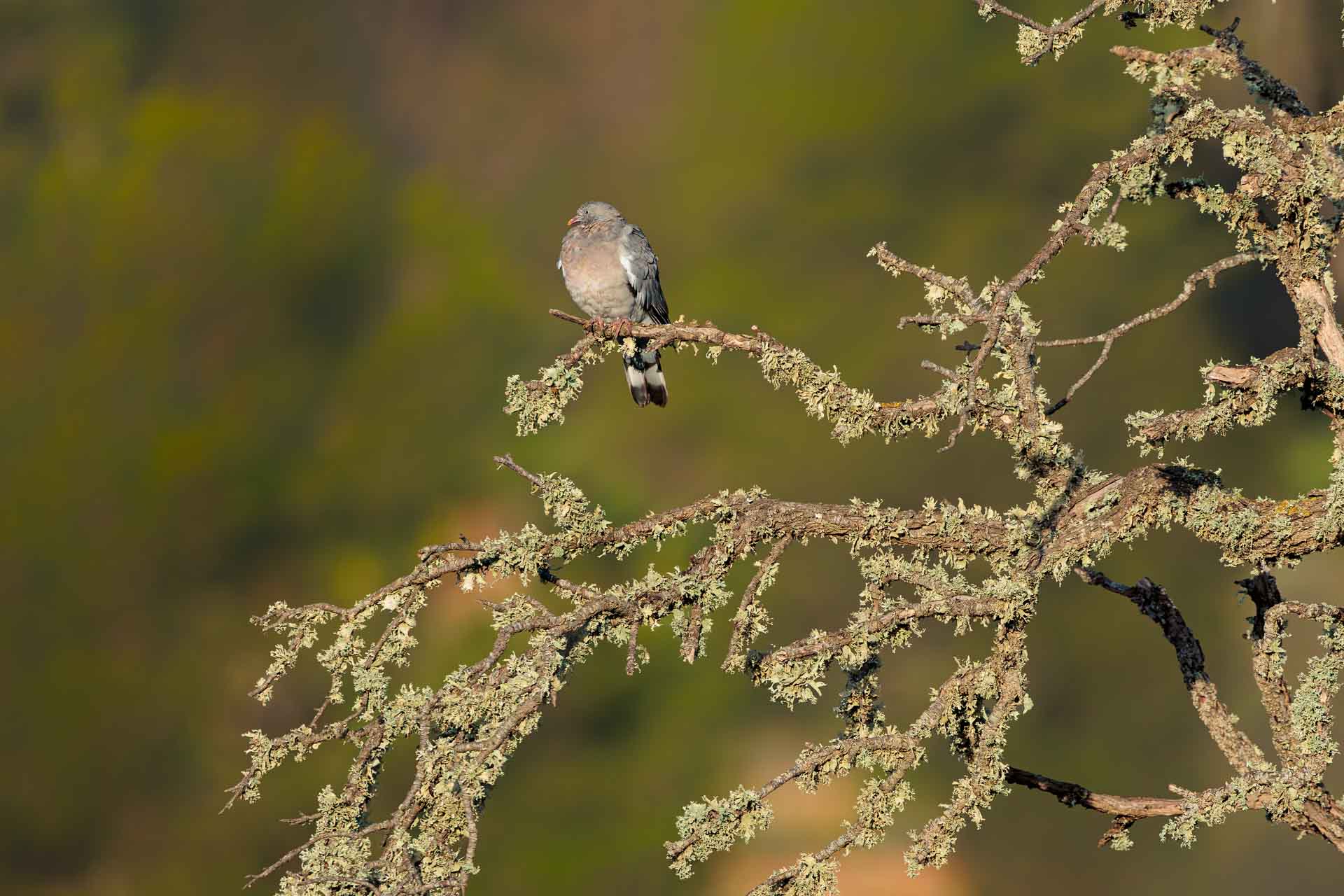
A robust bird with grey plumage and a bluish neck. It mainly inhabits forests and is gradually spreading into rural areas. In Ibiza it is resident and very abundant, and, moreover, thanks to its preference for foods such as figs, grapes and olives, it is the ‘enemy’ of many farmers. Currently its population is constantly growing due to the lack of natural predators, although hunting is permitted as a control measure.
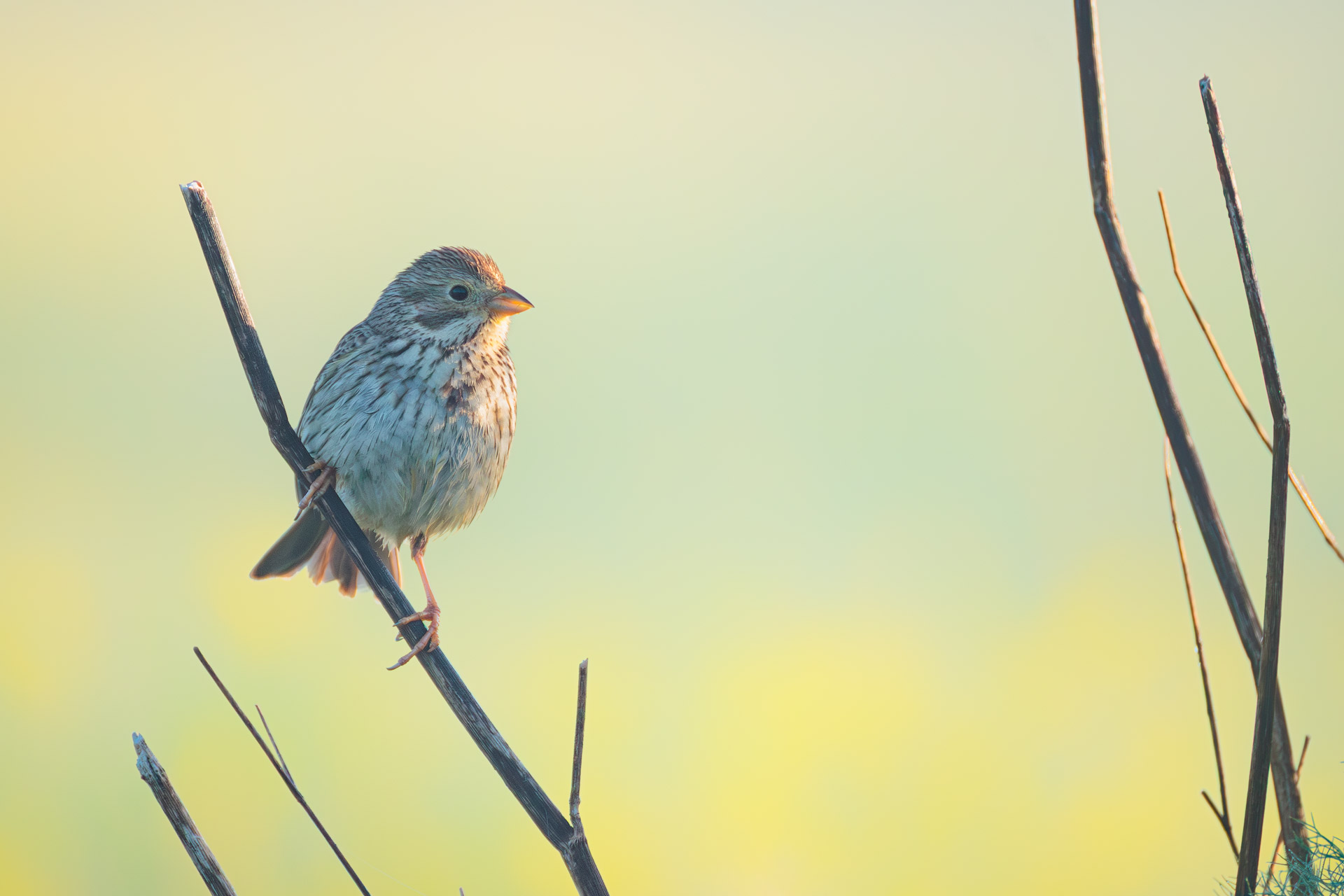
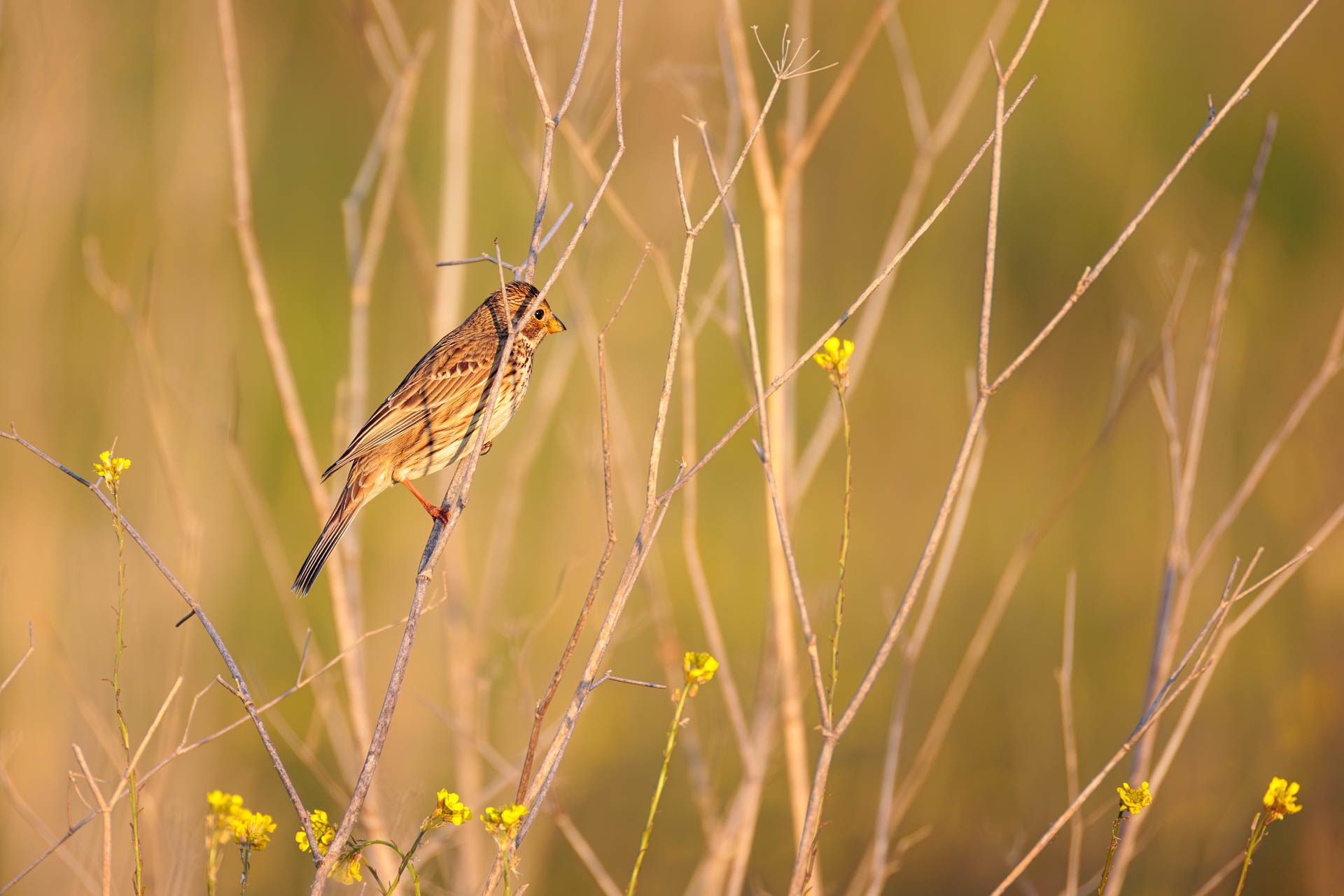
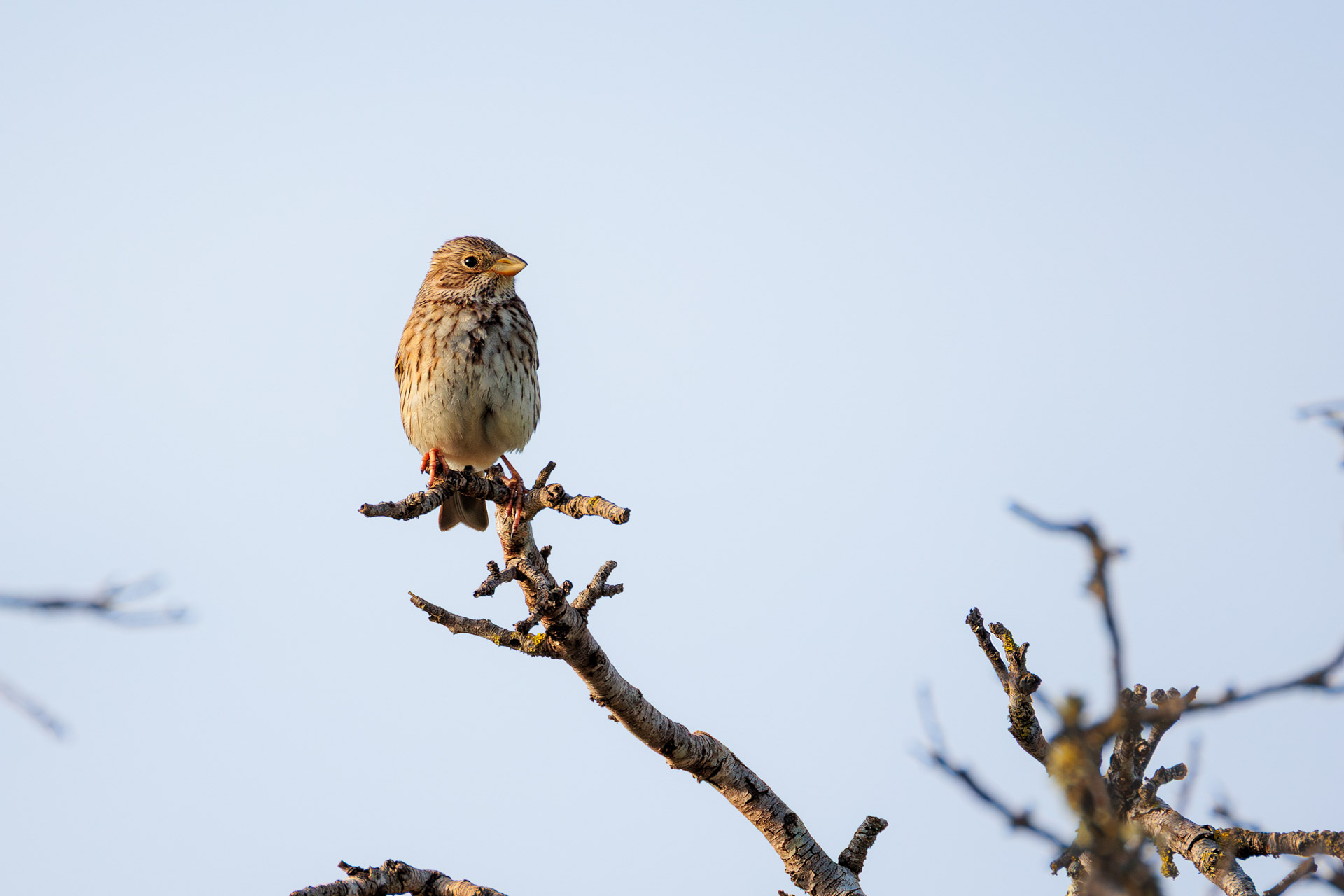
A bird associated with farmland and open areas, recognisable by its metallic song and plain plumage. It feeds on seeds. In Ibiza it is resident and common, especially in agricultural areas. It is a much more active species during spring, when it is easier to spot in areas such as the Pla de Sant Mateu.
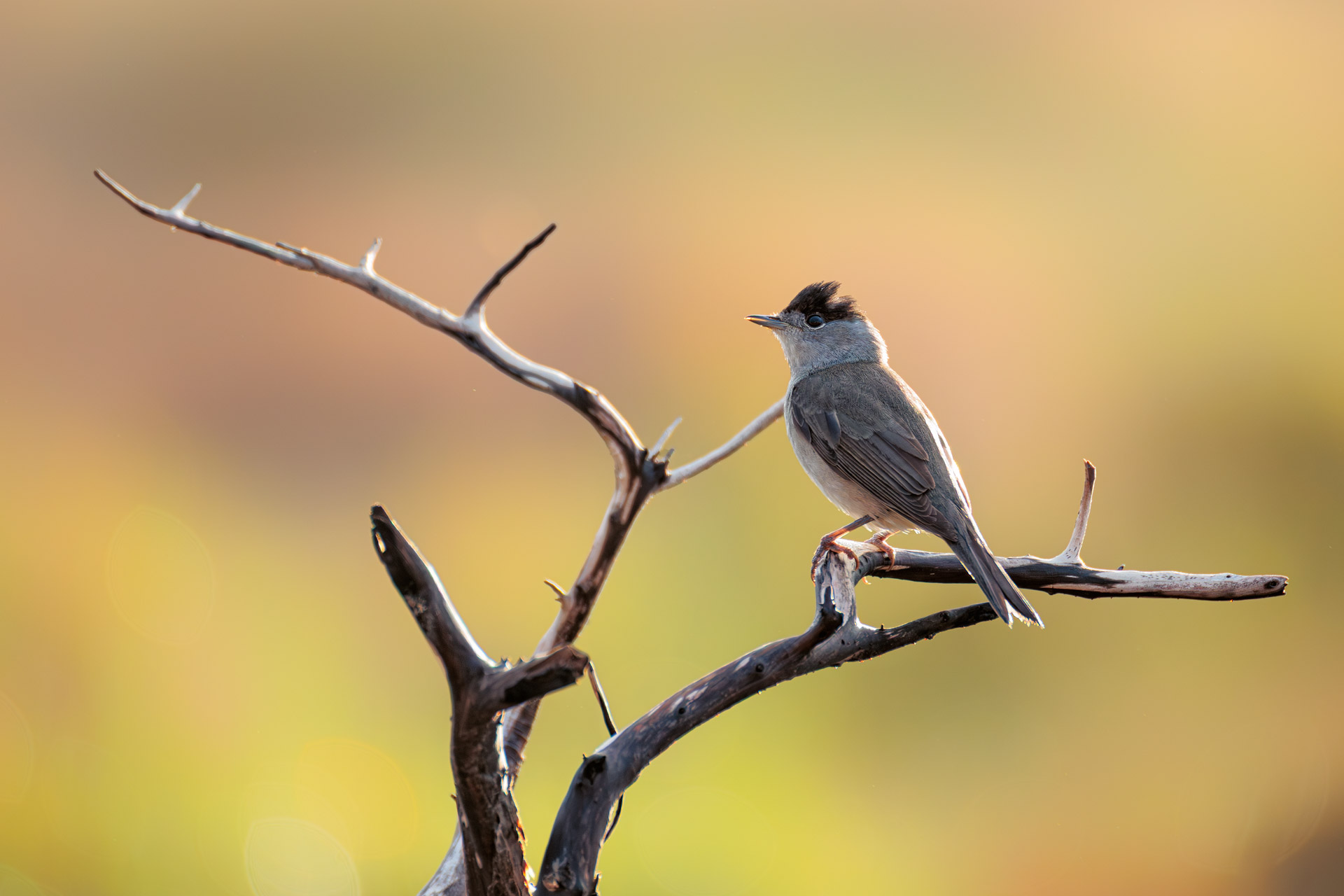
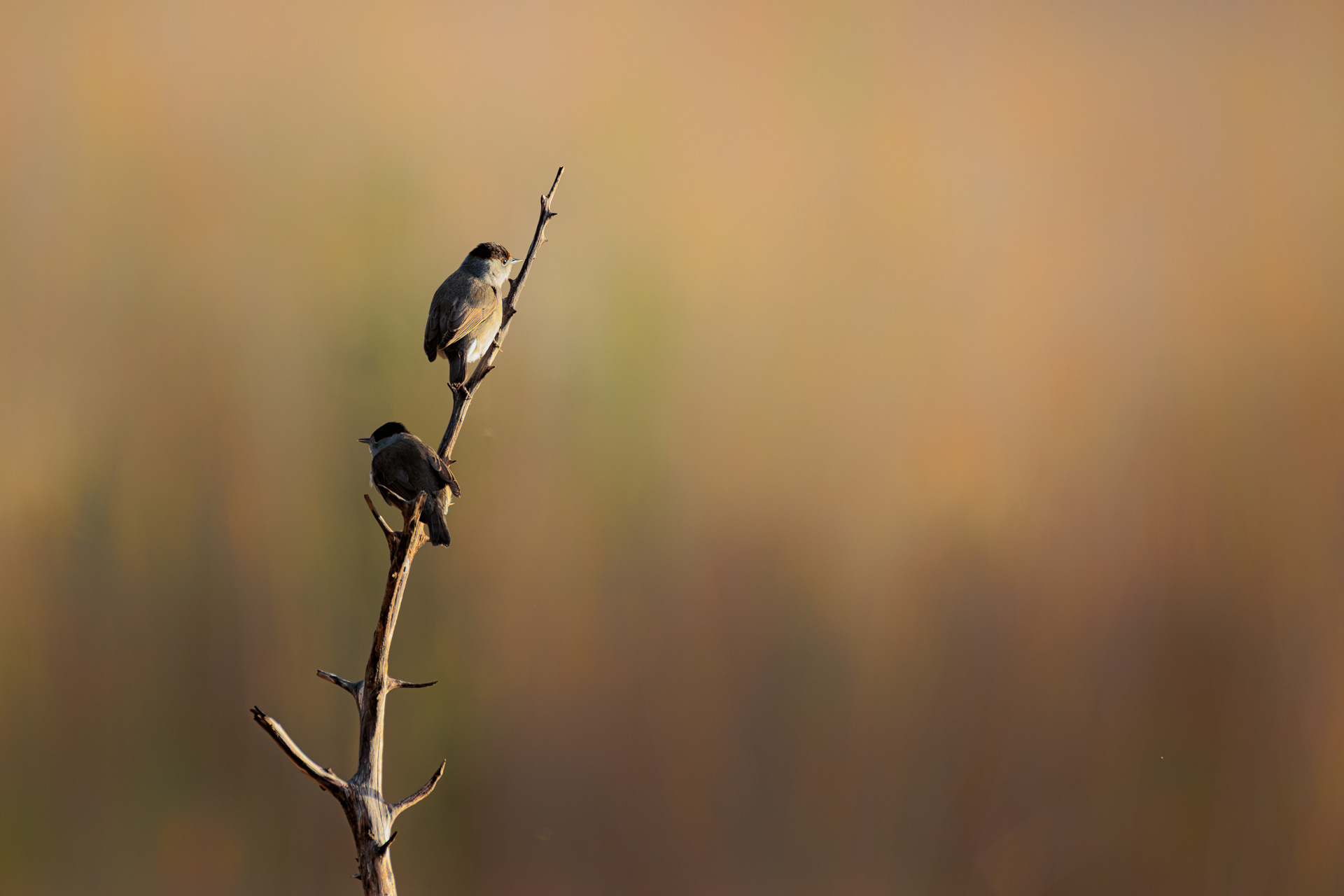
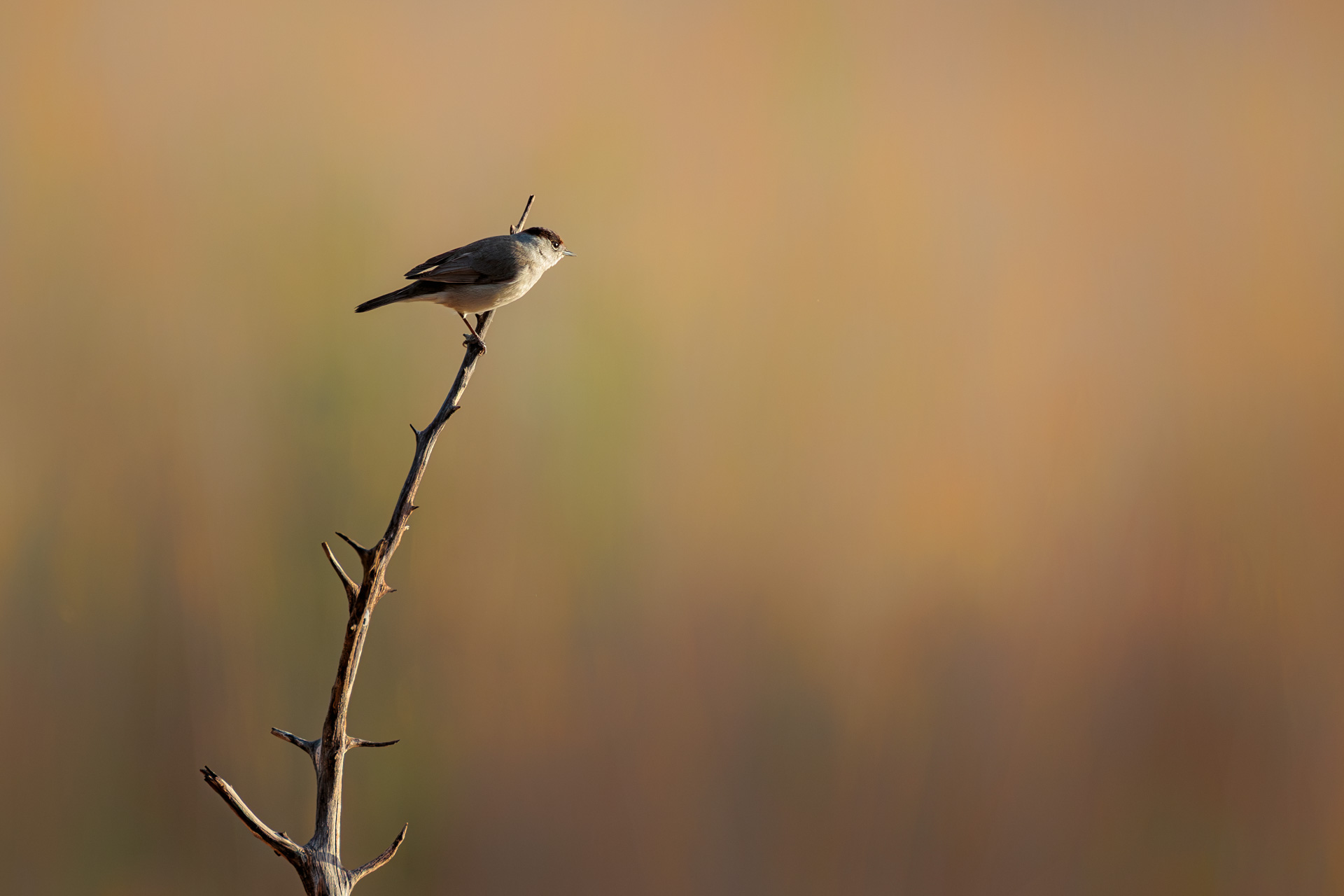
The Eurasian Blackcap is a small, very active bird, recognisable by the characteristic black ‘hood’ of the male and brown ‘hood’ of the female. It frequents wooded areas, gardens and dense scrubland, where it moves amongst the vegetation in search of insects and fruit. It is present in Ibiza all year round, although its numbers increase during the migratory passages and in winter. Its local name is very similar to that of the sardinian warbler, although in this case it also refers to the “hat” or “cap” on its head.
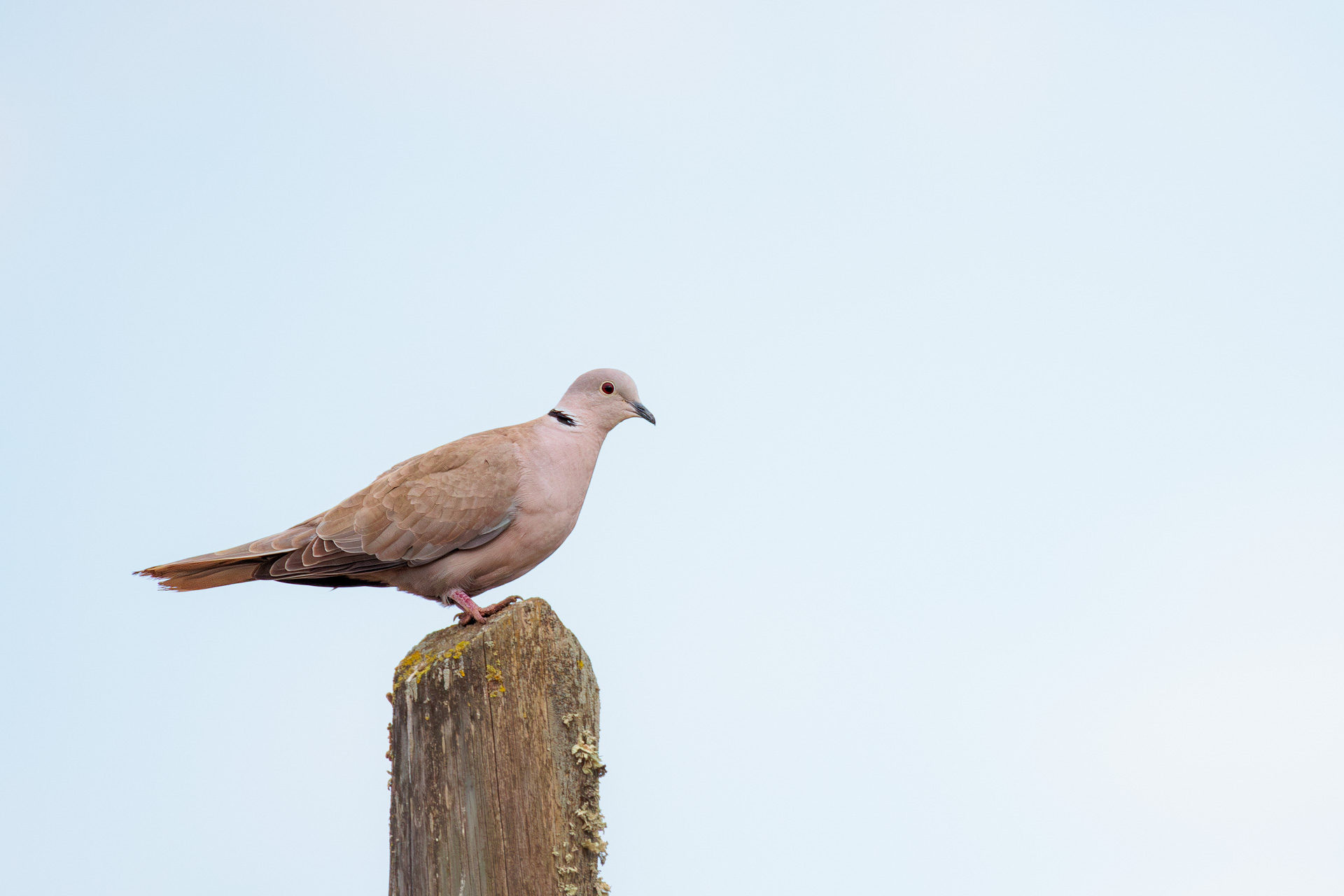
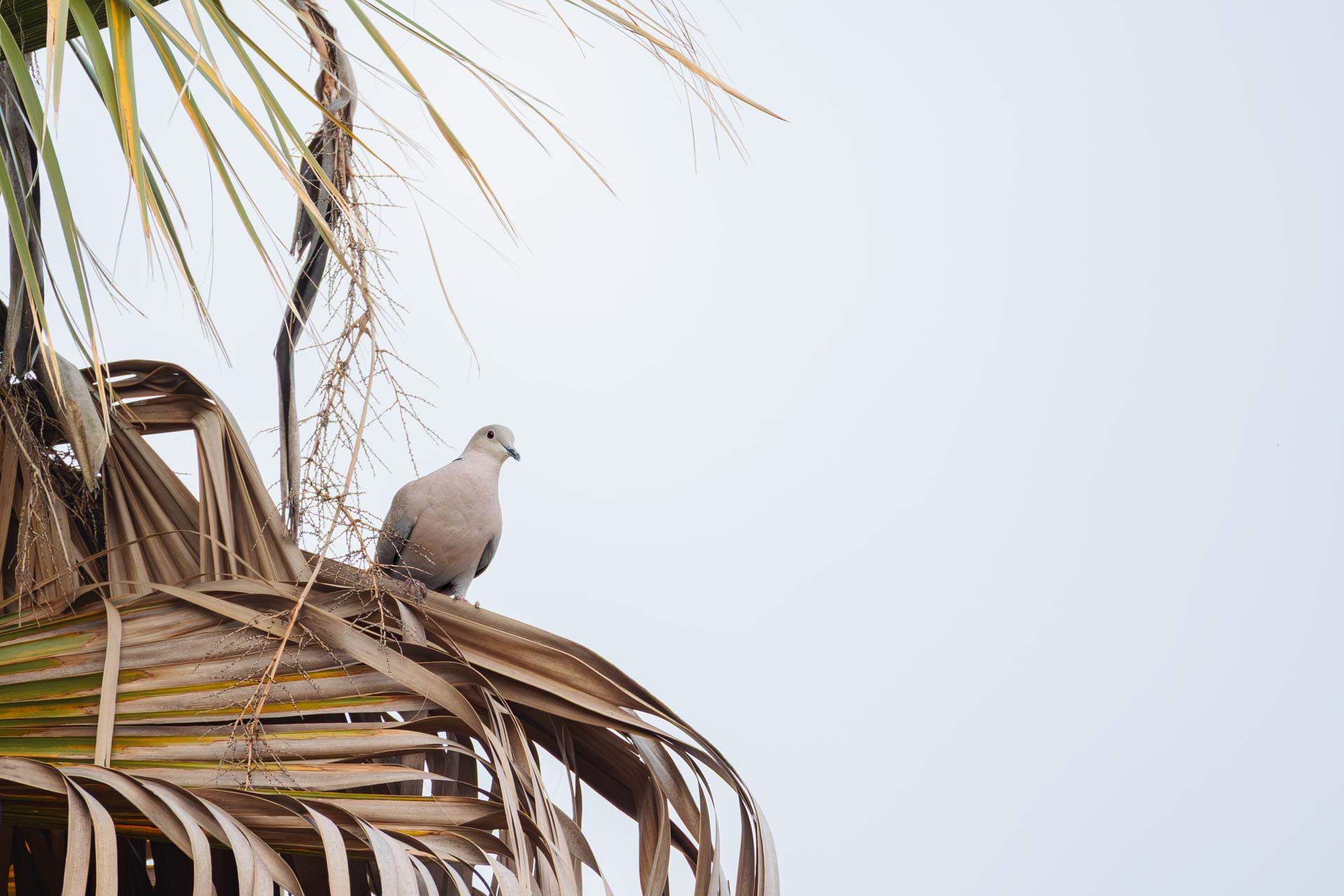
The Eurasian Collared Dove is an elegant and unobtrusive species, easily identifiable by the black collar around its neck. Closely associated with humanised environments, it is found in villages, agricultural areas and wooded areas, although in Ibiza it can also be found in forests. Its population has been growing since it arrived from Mallorca over two decades ago, and it is now an abundant species.
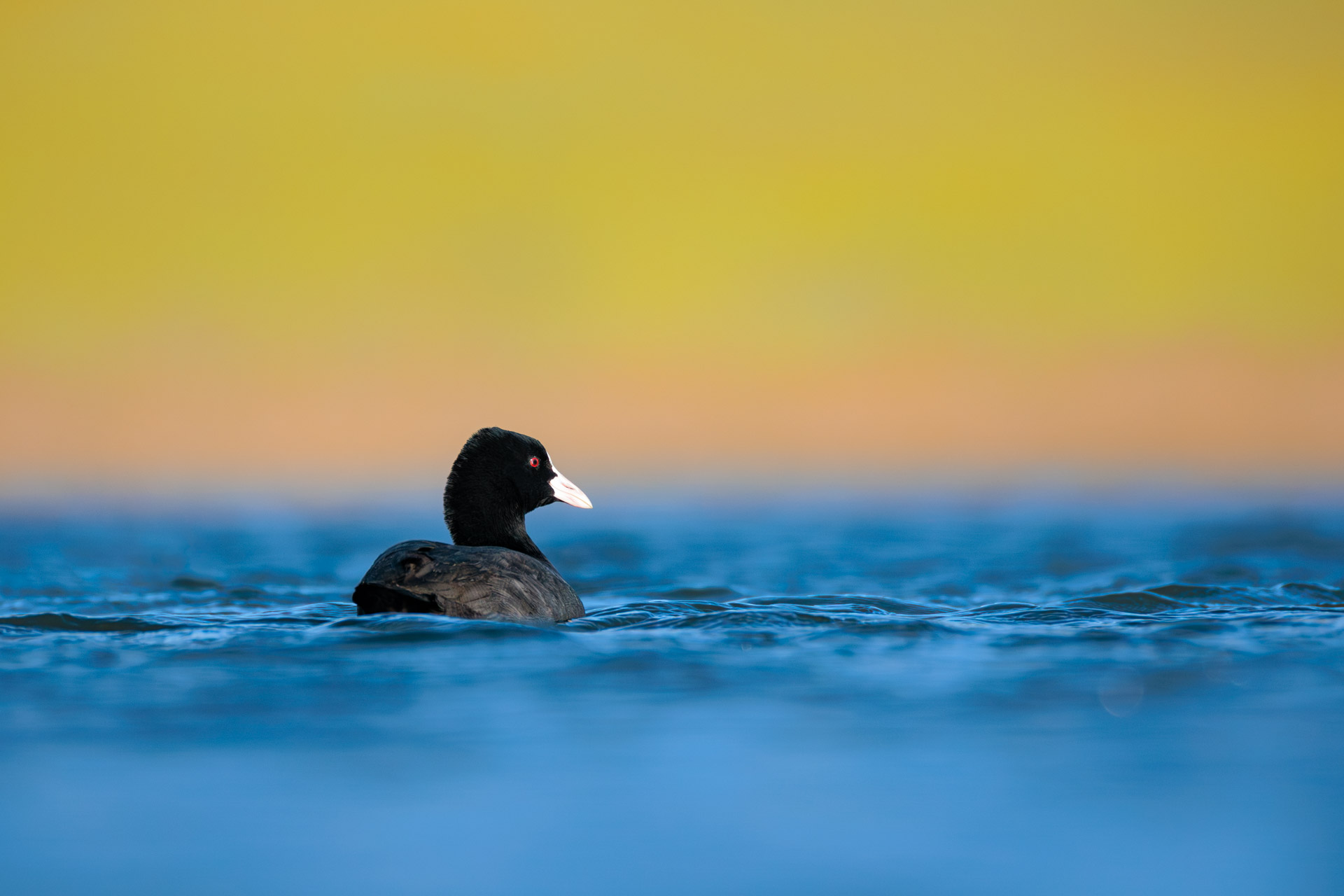
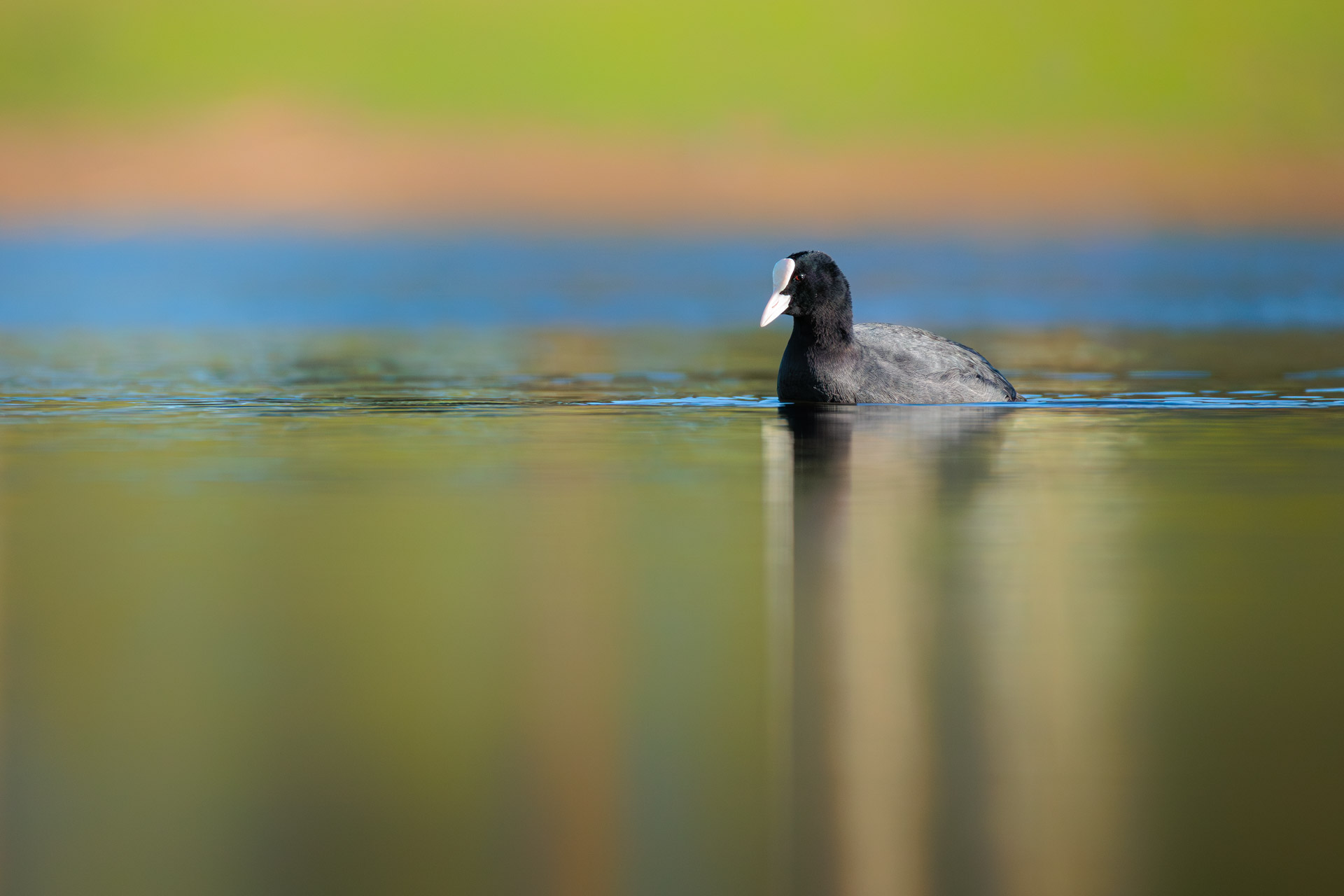
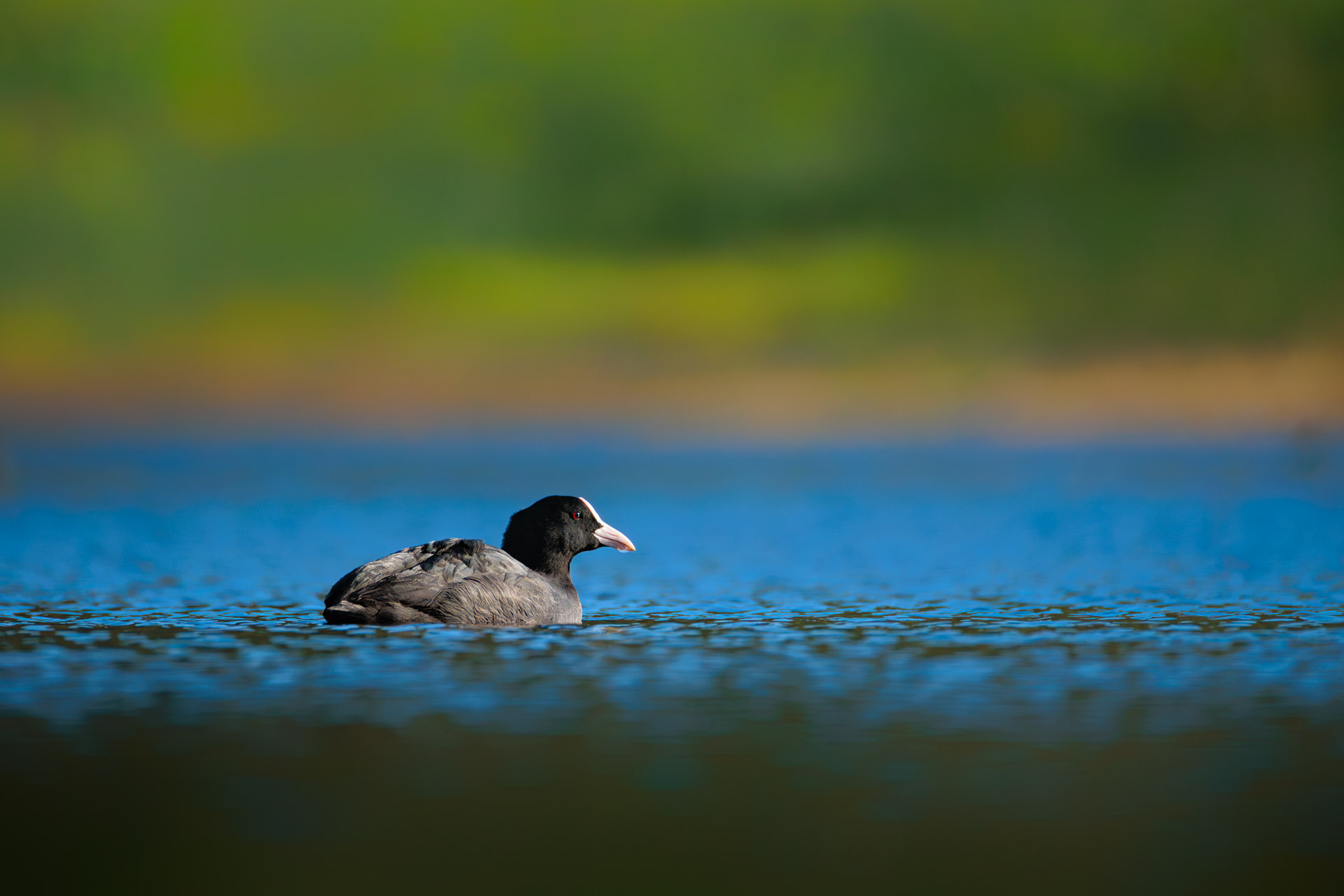
A very characteristic waterbird of lagoons and wetlands. With black plumage and a white bill, it spends much of its time swimming in open water. It feeds mainly on aquatic vegetation, though it also consumes small invertebrates. In Ibiza, it can be observed during winter and migration, seen more frequently in inland freshwater ponds and to a lesser extent in brackish areas such as Ses Salines or Ses Feixes.
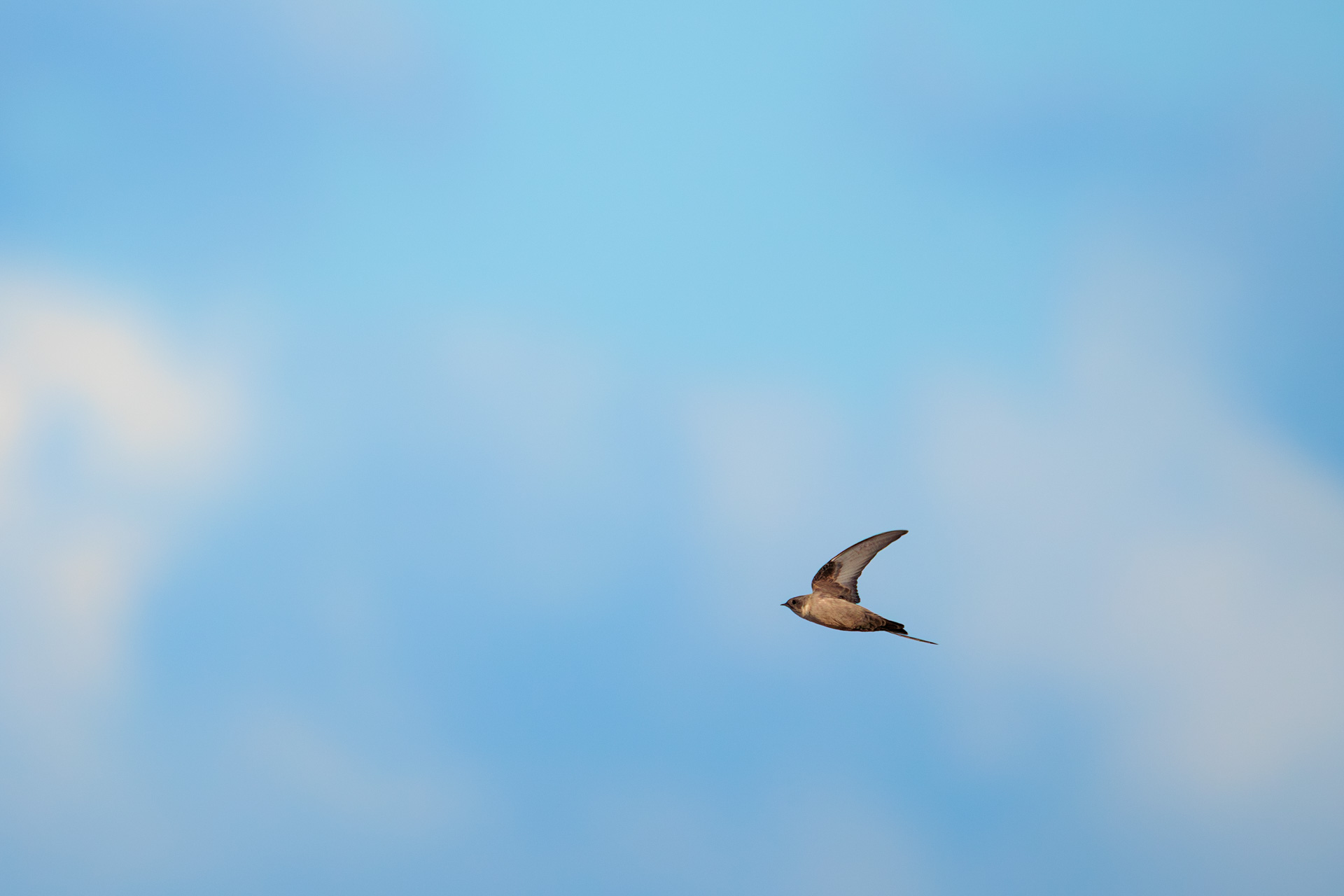
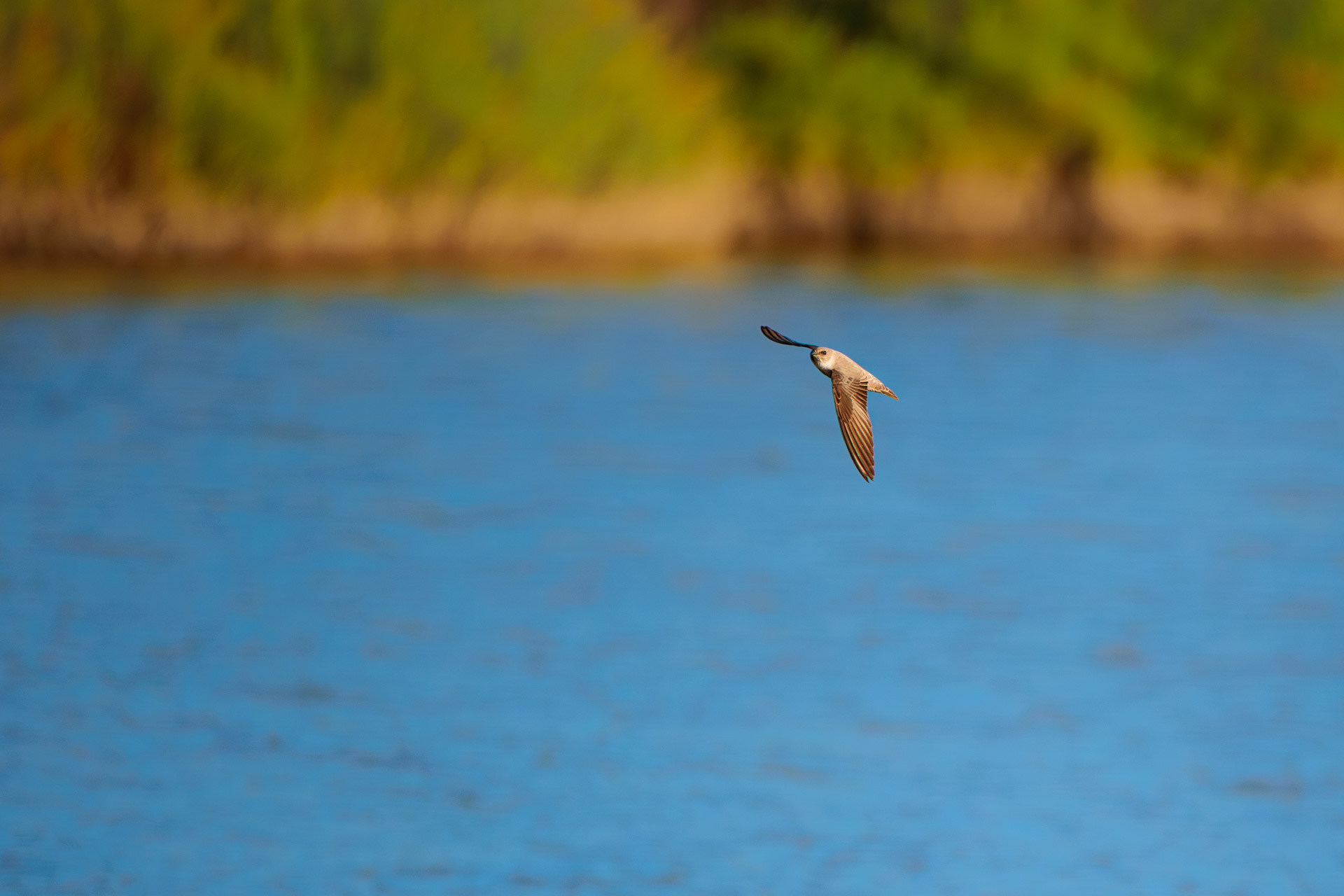
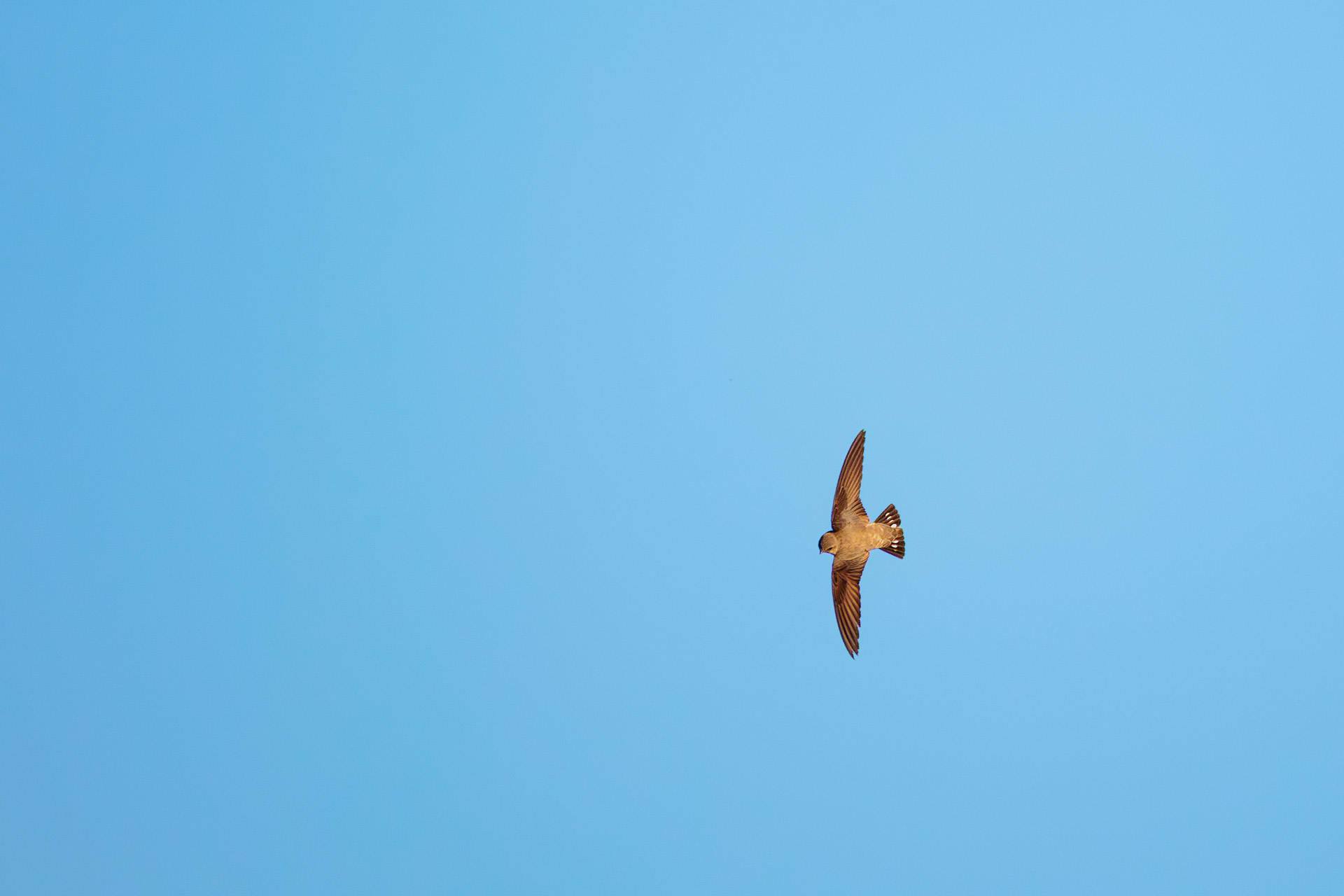
A small insectivorous bird inhabiting cliffs and wetlands. It feeds by hunting insects in flight. Of all the swallows that can be observed in Ibiza, it is the only one present throughout the year. It is easiest to spot during winter, when it appears in large flocks over the ponds of Ses Salines or on some of the island’s cliffs.
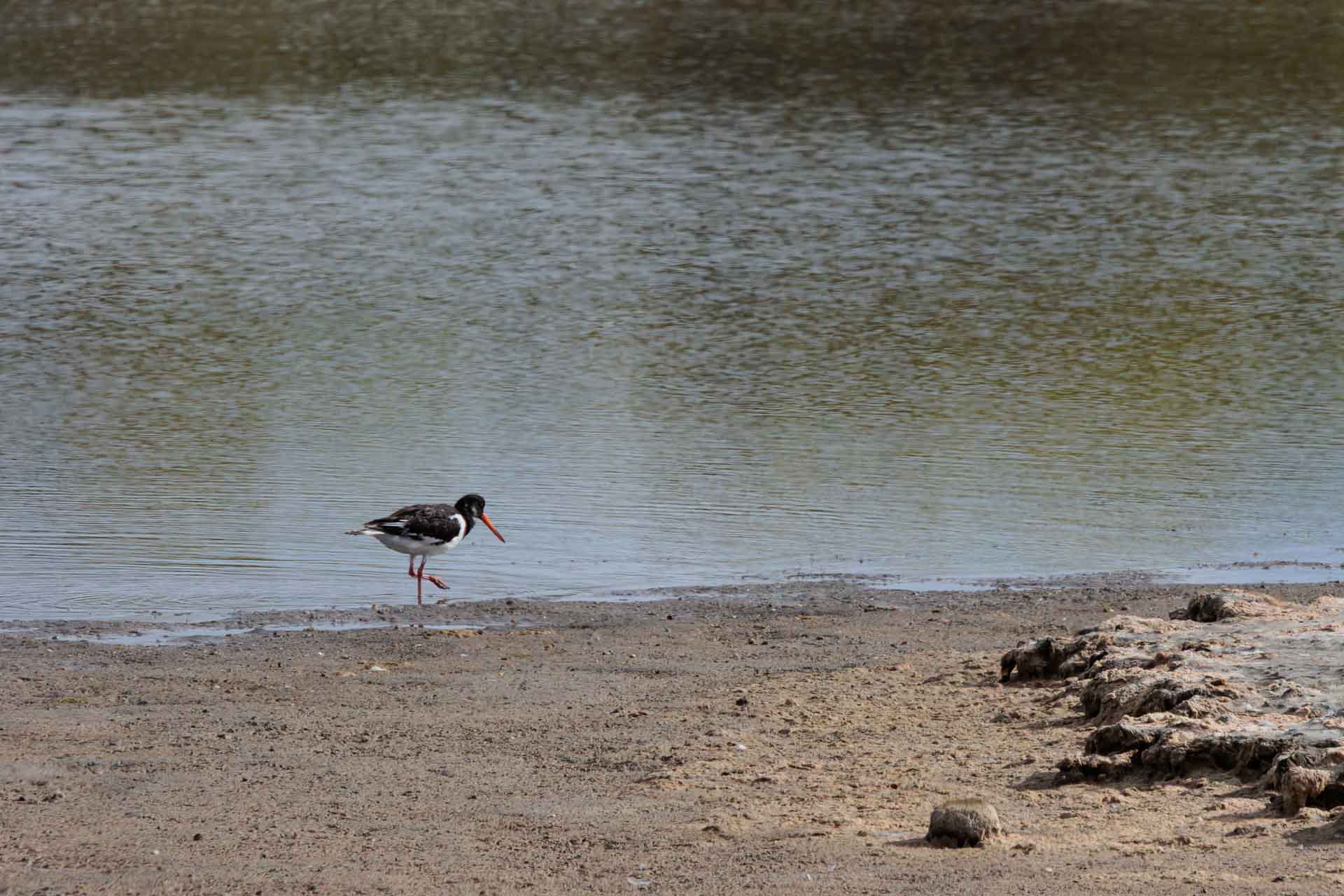
A coastal bird easily recognisable by its long, orange beak. It inhabits beaches and estuaries, feeding on molluscs and crustaceans. This species is considered rare in Ibiza and can only be seen during migratory passages in ponds near the coast of Ses Salines.
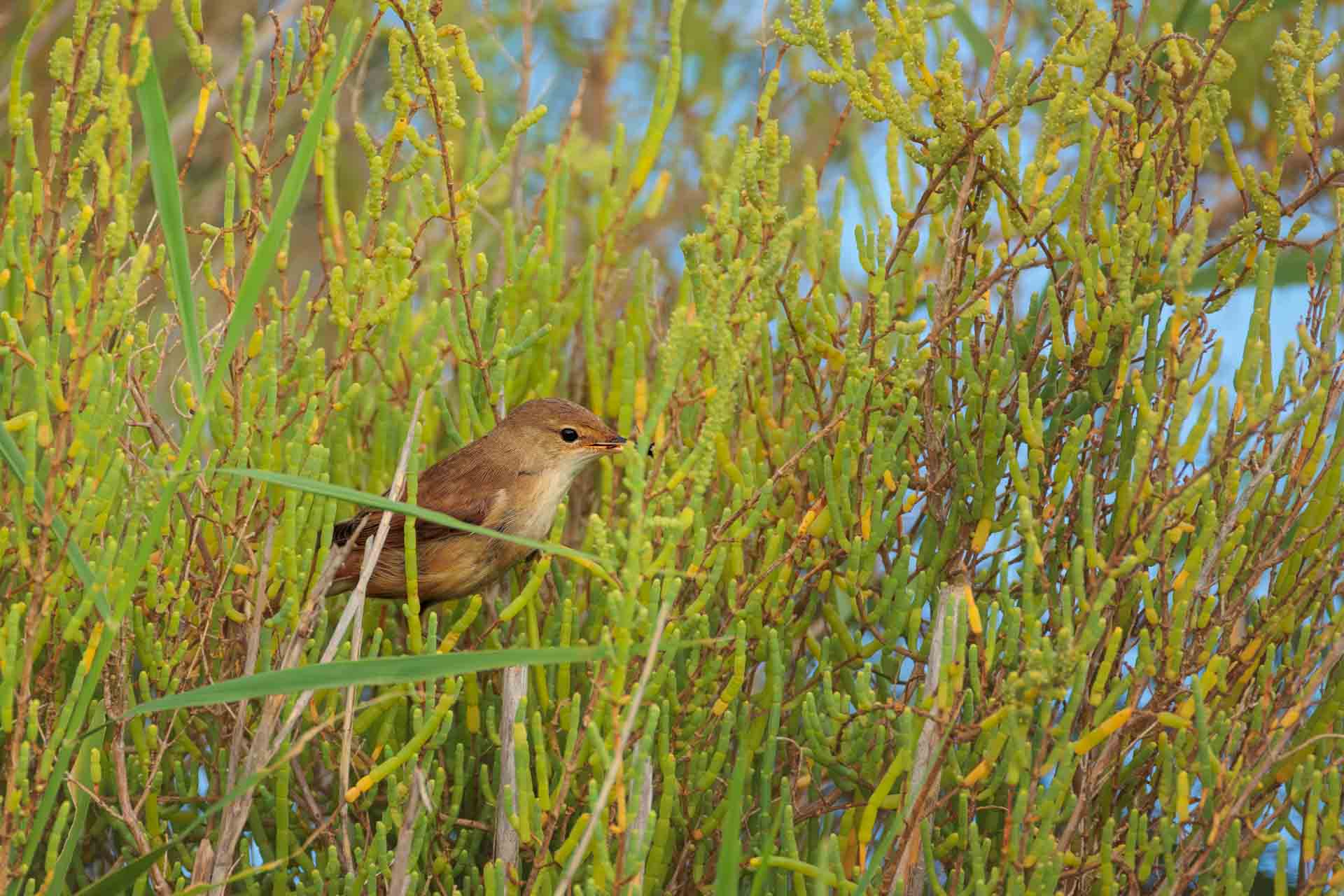
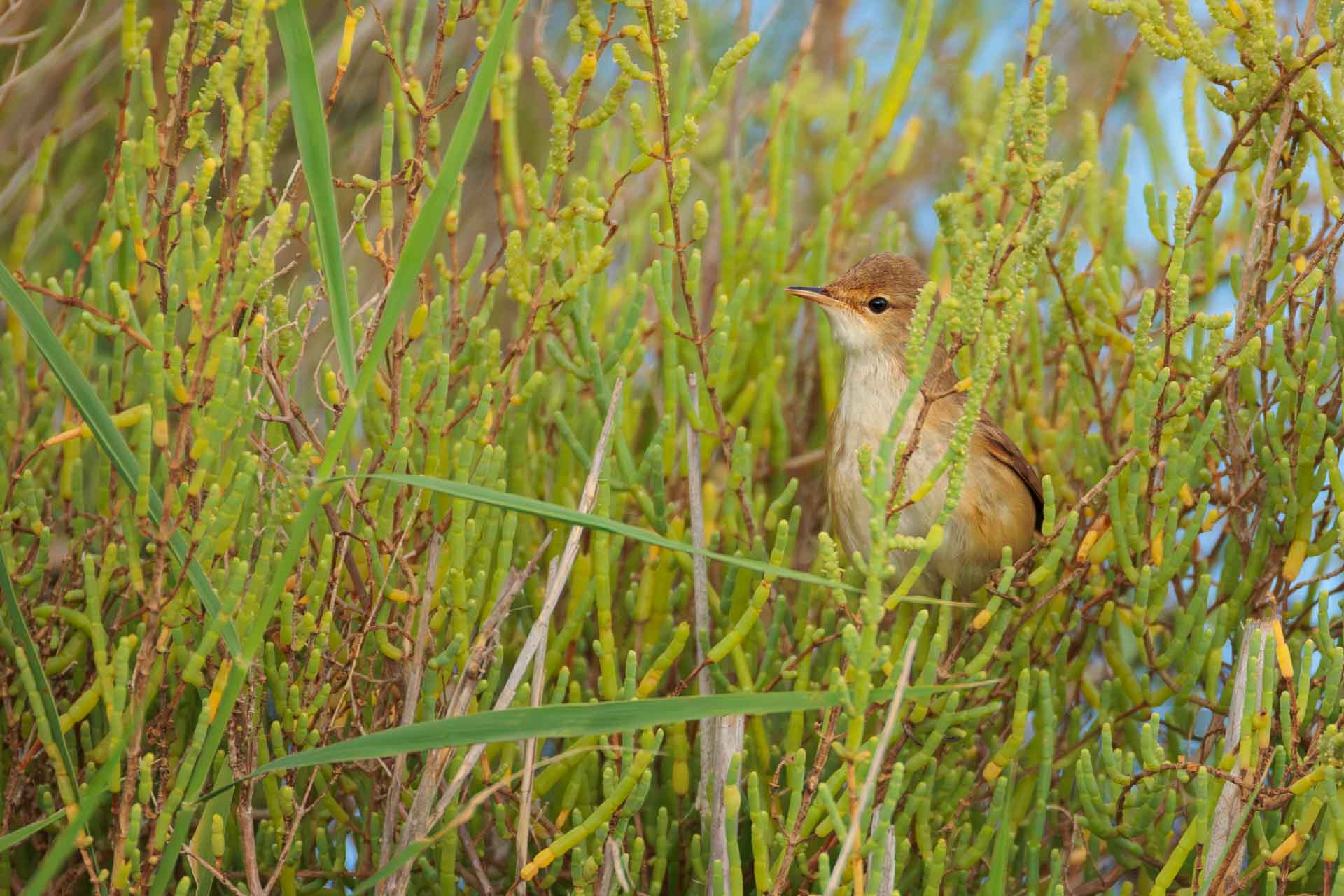
A small migratory bird closely associated with reed beds and dense vegetation. It feeds on insects. In Ibiza, it can be observed during migration and in summer, when it breeds. It is active and elusive, so it is not an easy bird to spot, although it is easily detected by its song. It frequents the areas of Ses Salines and Ses Feixes.
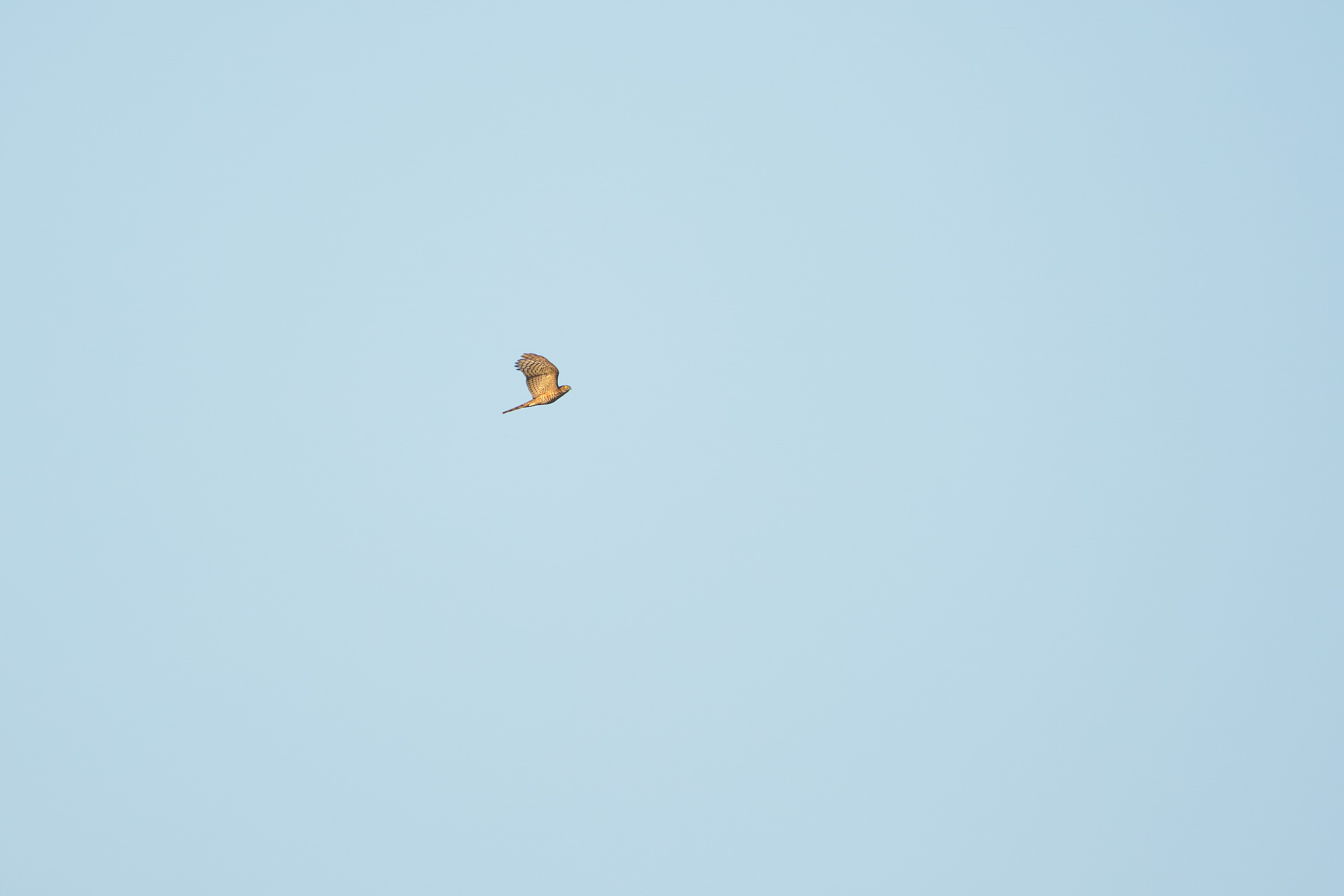
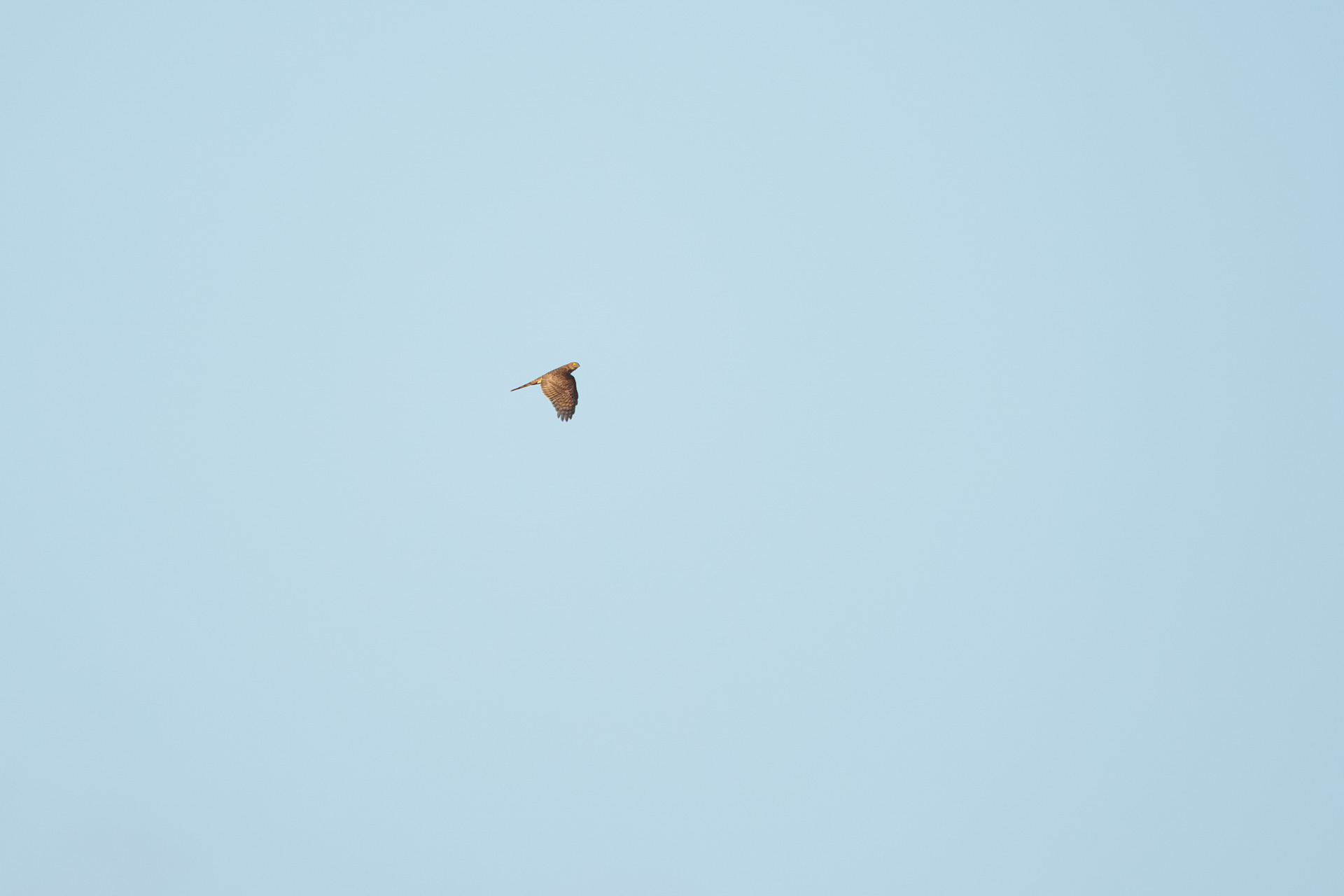
A small bird of prey with an agile and swift flight, specialising in hunting small birds. It inhabits forests and wooded areas. In Ibiza, it is a visitor during migration and occasionally in winter, though it is difficult to spot due to the small number of individuals that overwinter on the island and the habitat they choose: the dense forests of Ibiza.
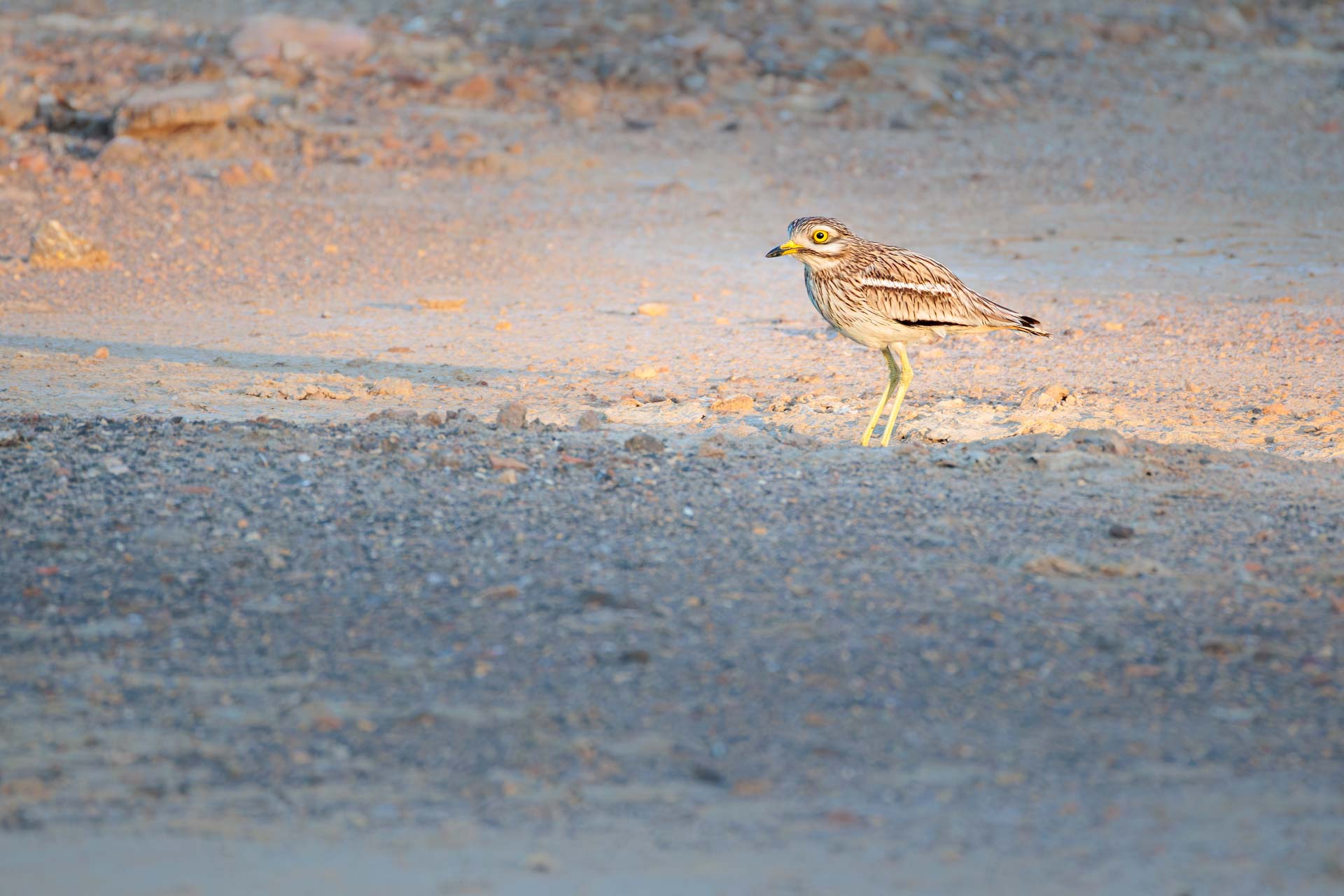
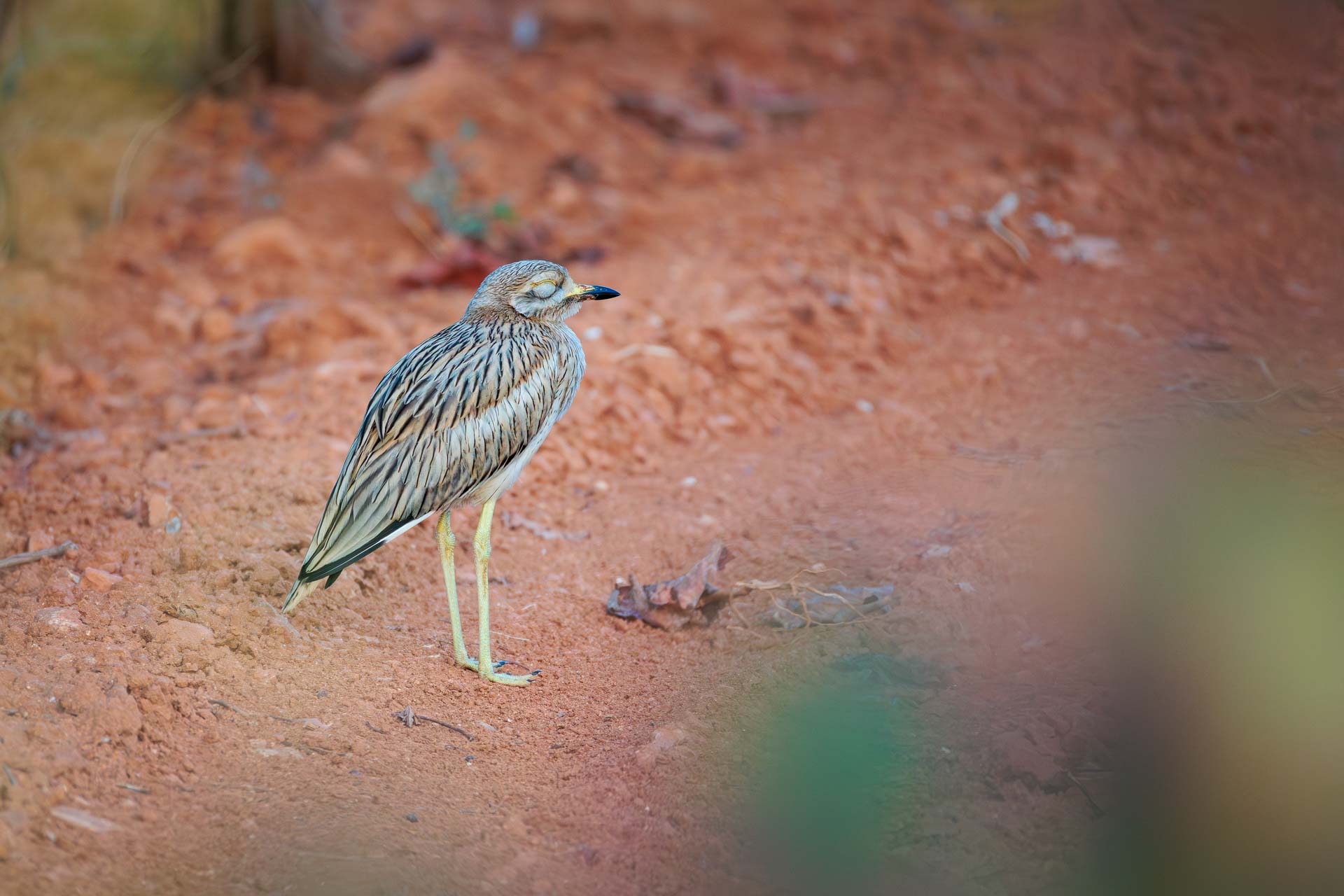
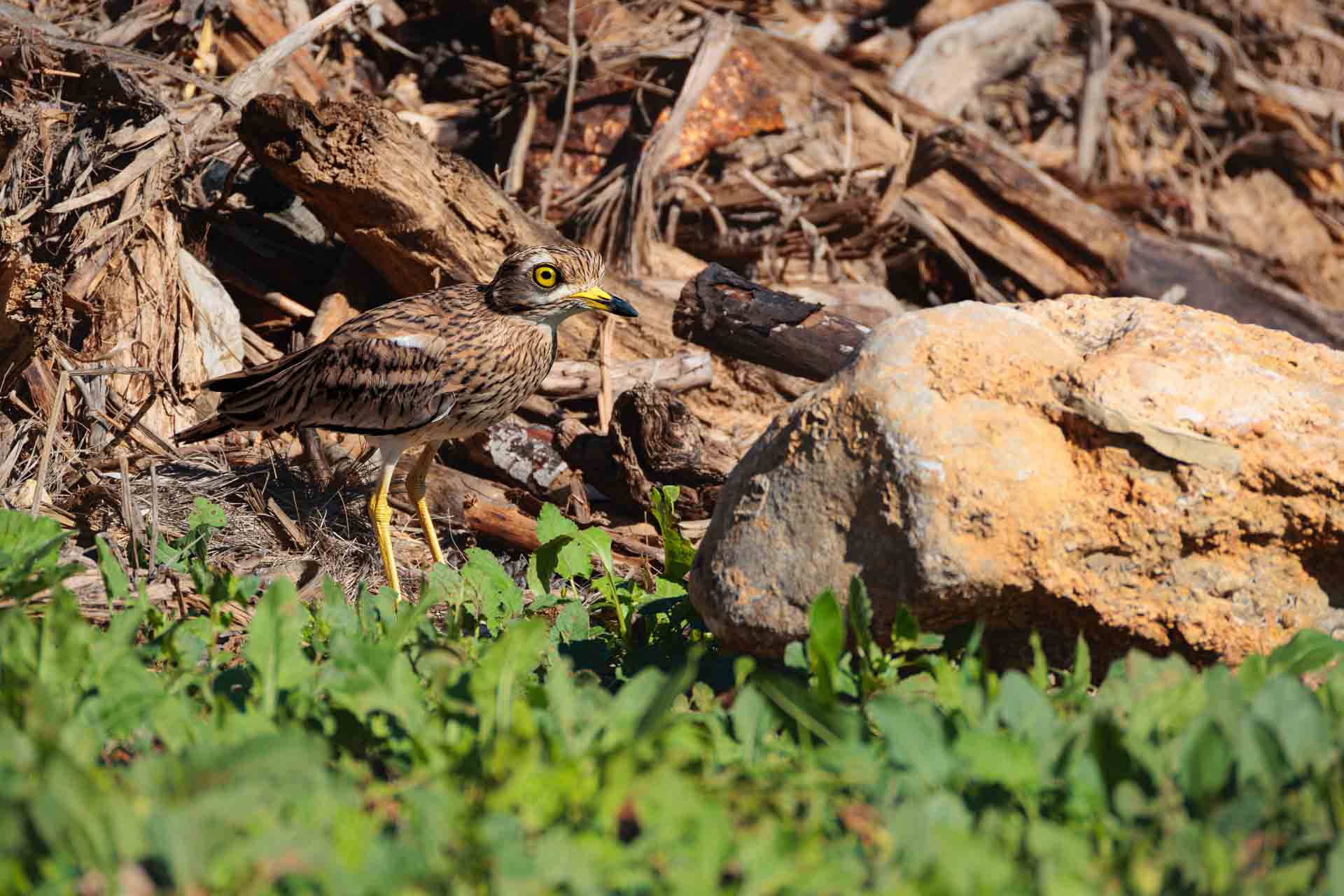
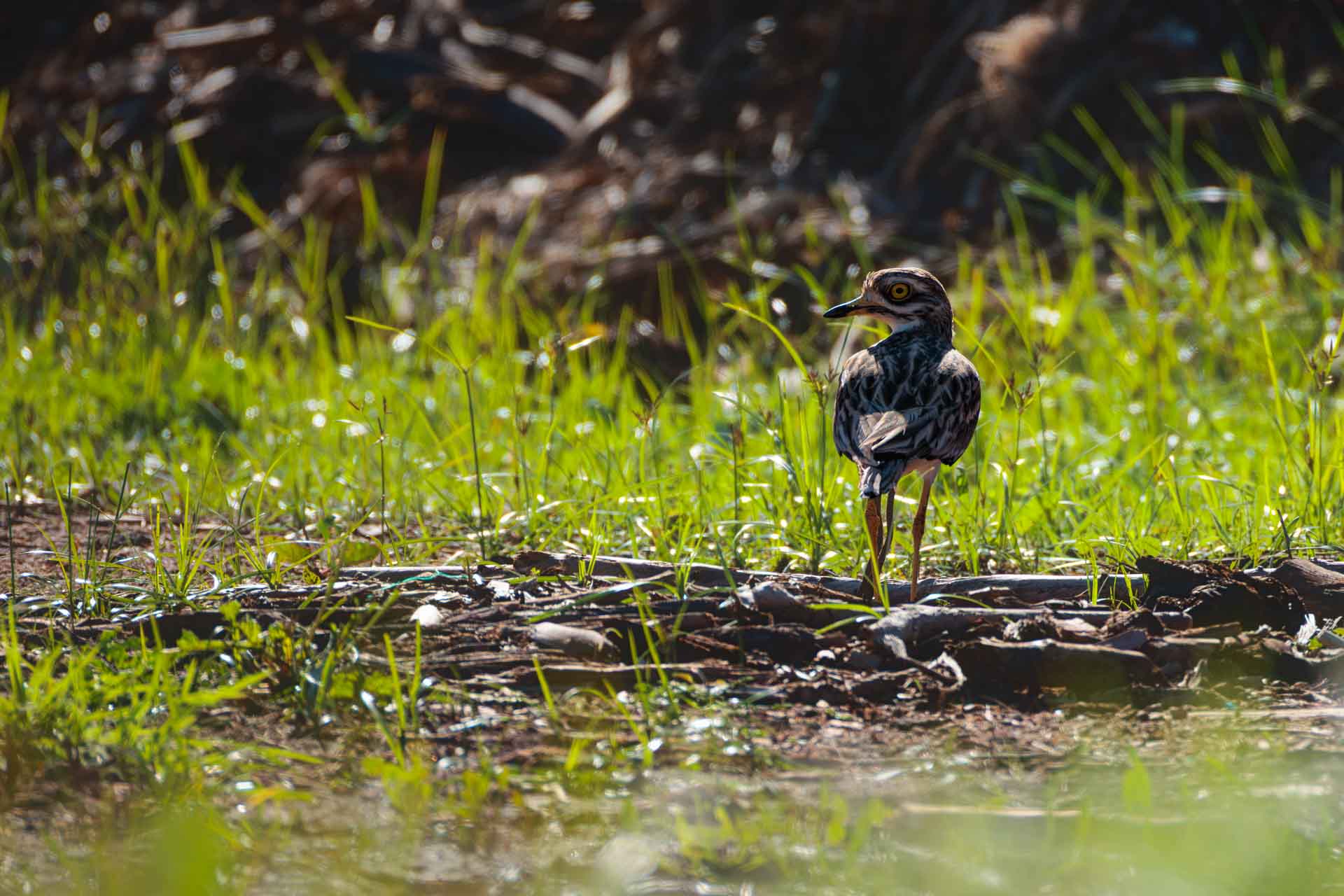
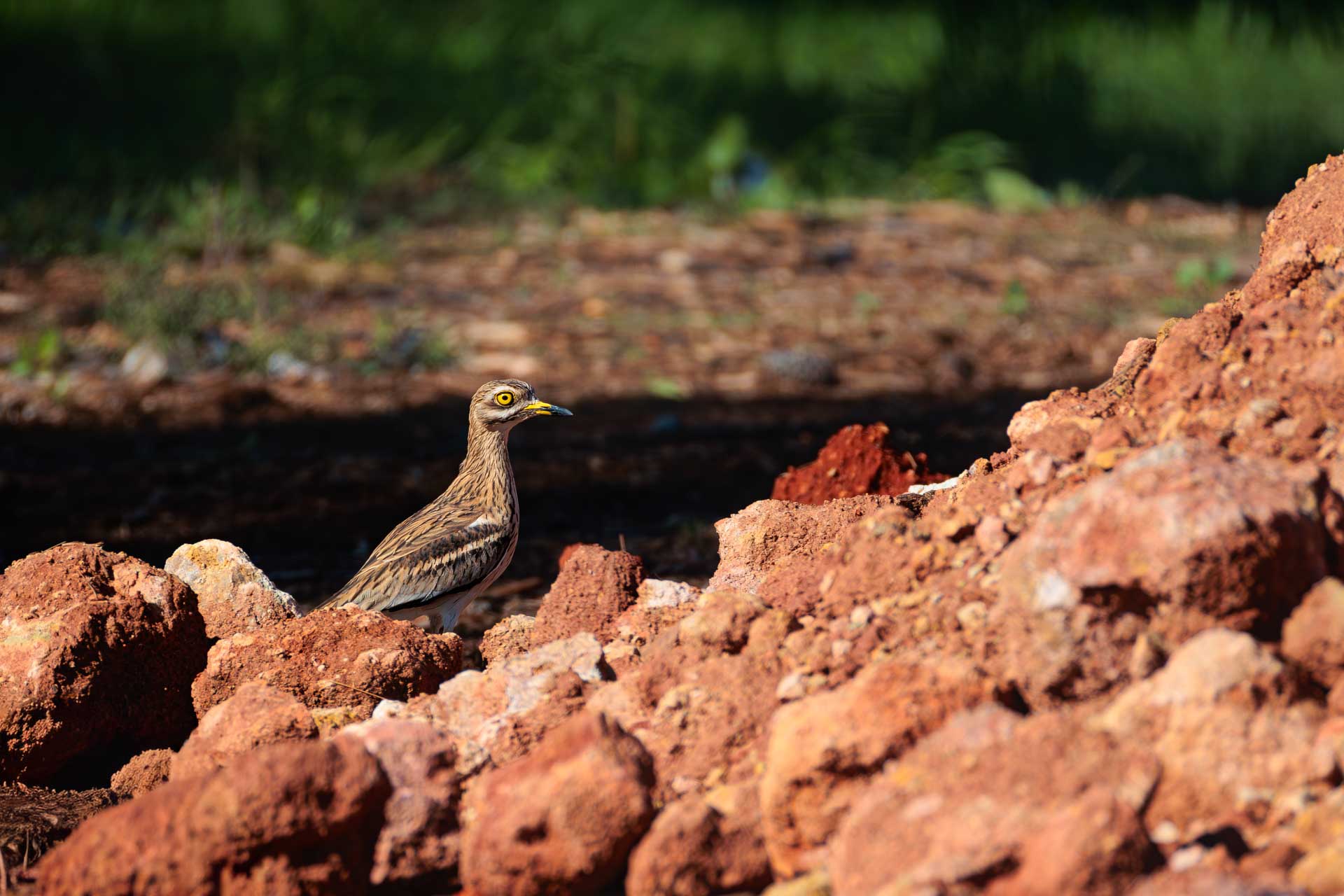
A medium-sized, nocturnal and discreet bird, associated with open fields and agricultural areas. Its unmistakable call is one of the most characteristic sounds of spring and summer evenings and nights in the island’s countryside. Nevertheless, due to its elusive and shy behaviour and nocturnal habits, it is a species that is difficult to spot.
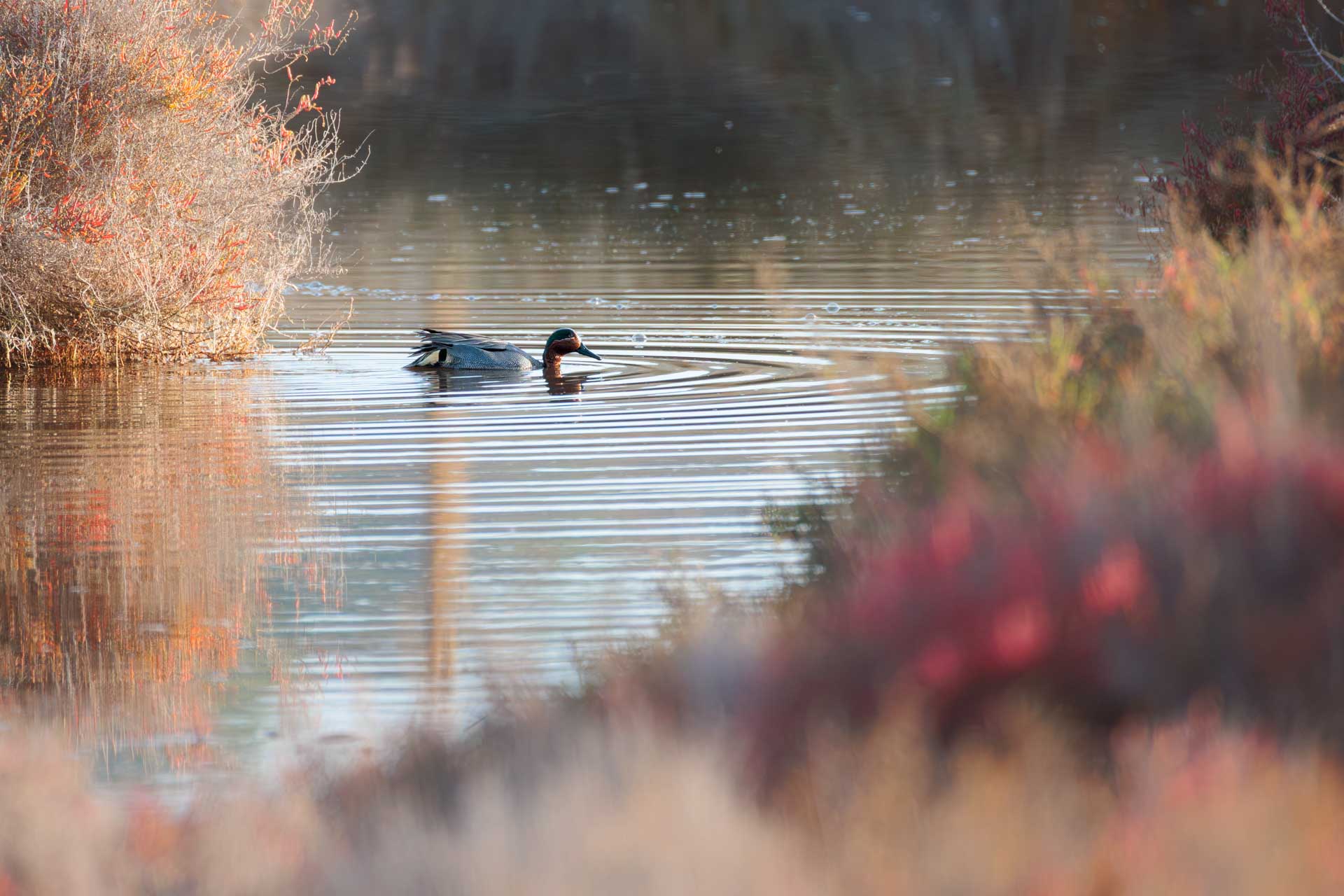
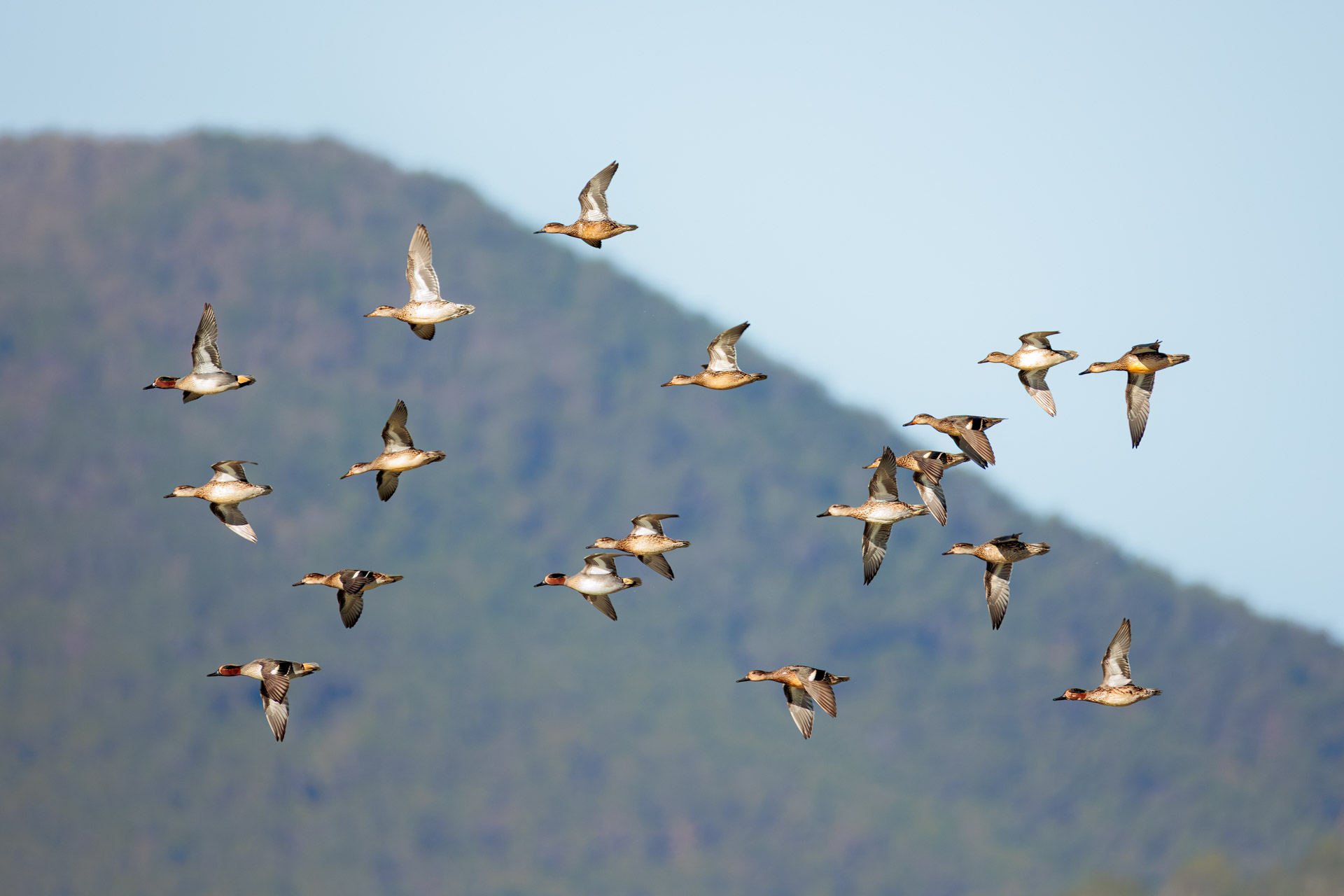
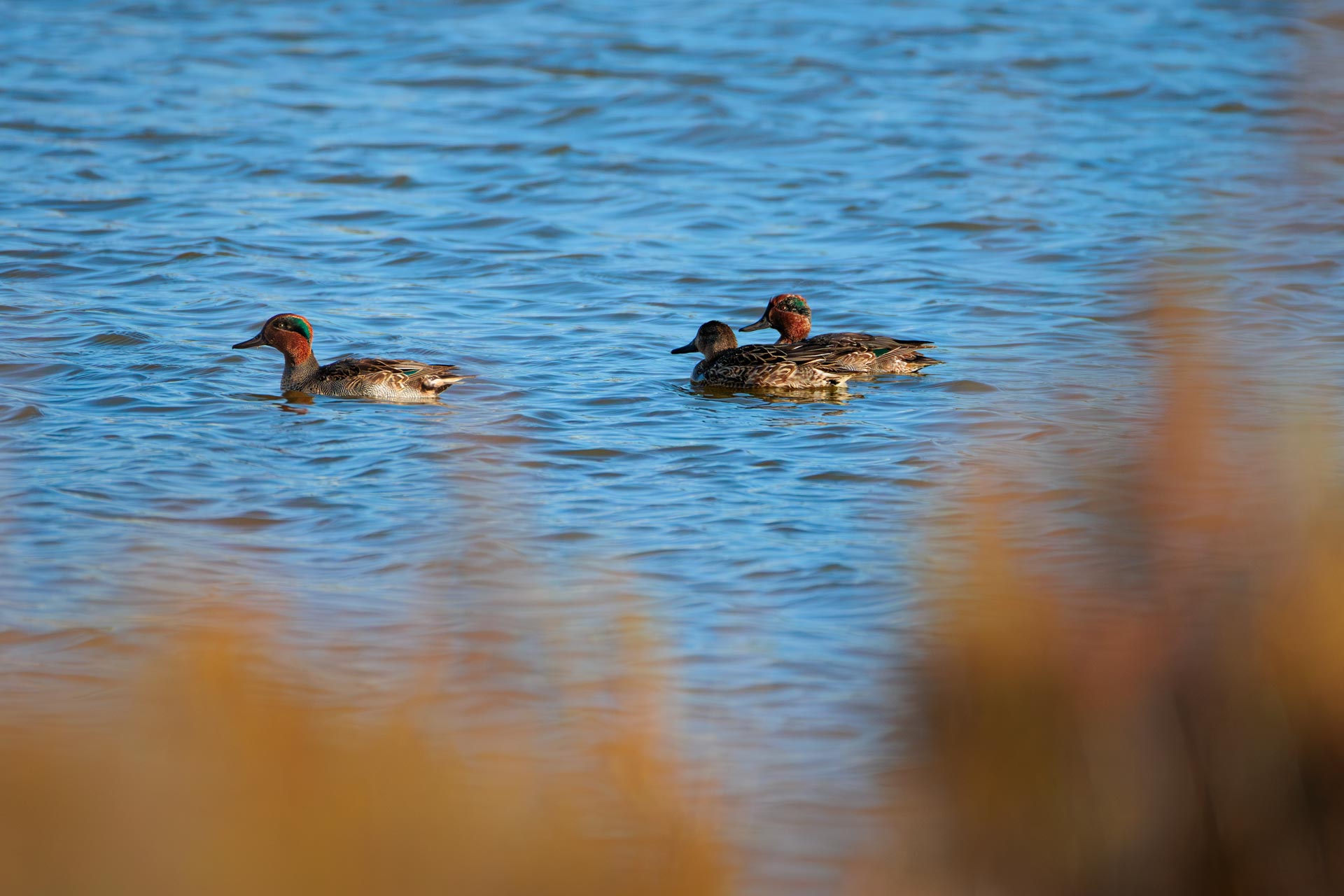
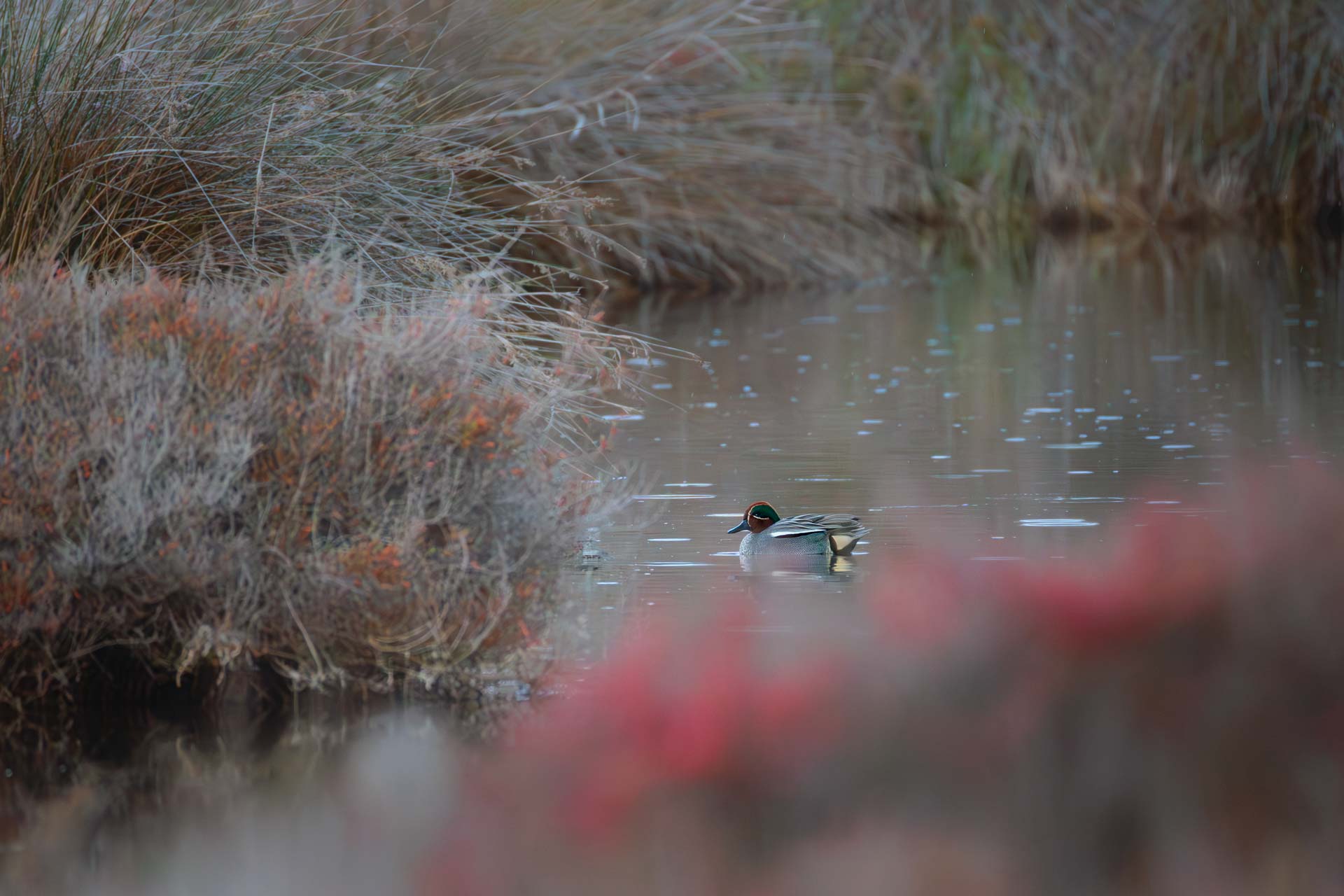
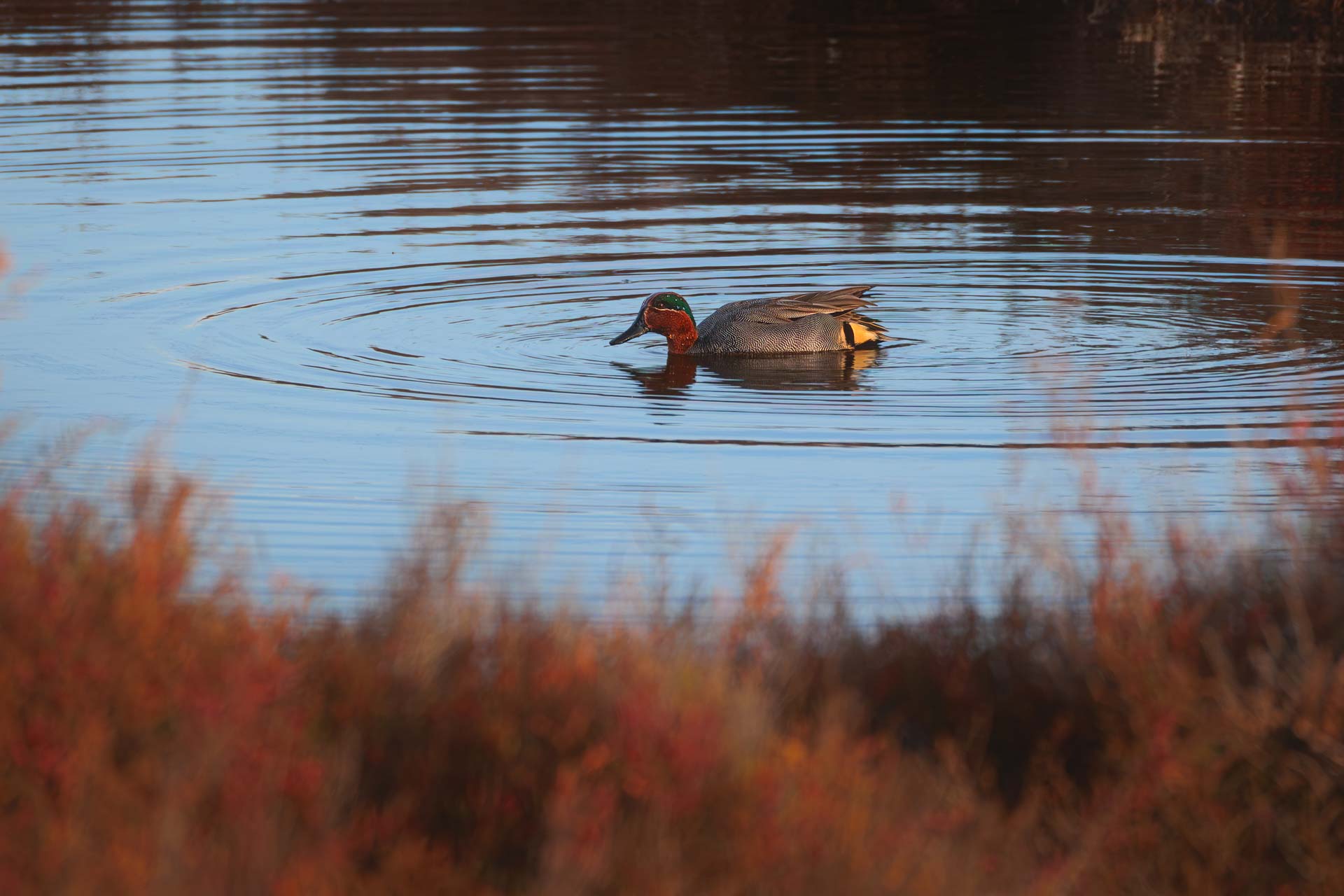
A small, elegant duck, associated with wetlands and freshwater lagoons. It feeds on seeds and small invertebrates. In Ibiza it is common during winter and migration, often in groups in lagoons and salt flats. The number of birds remaining on the island usually depends heavily on the amount of freshwater available and on weather conditions.
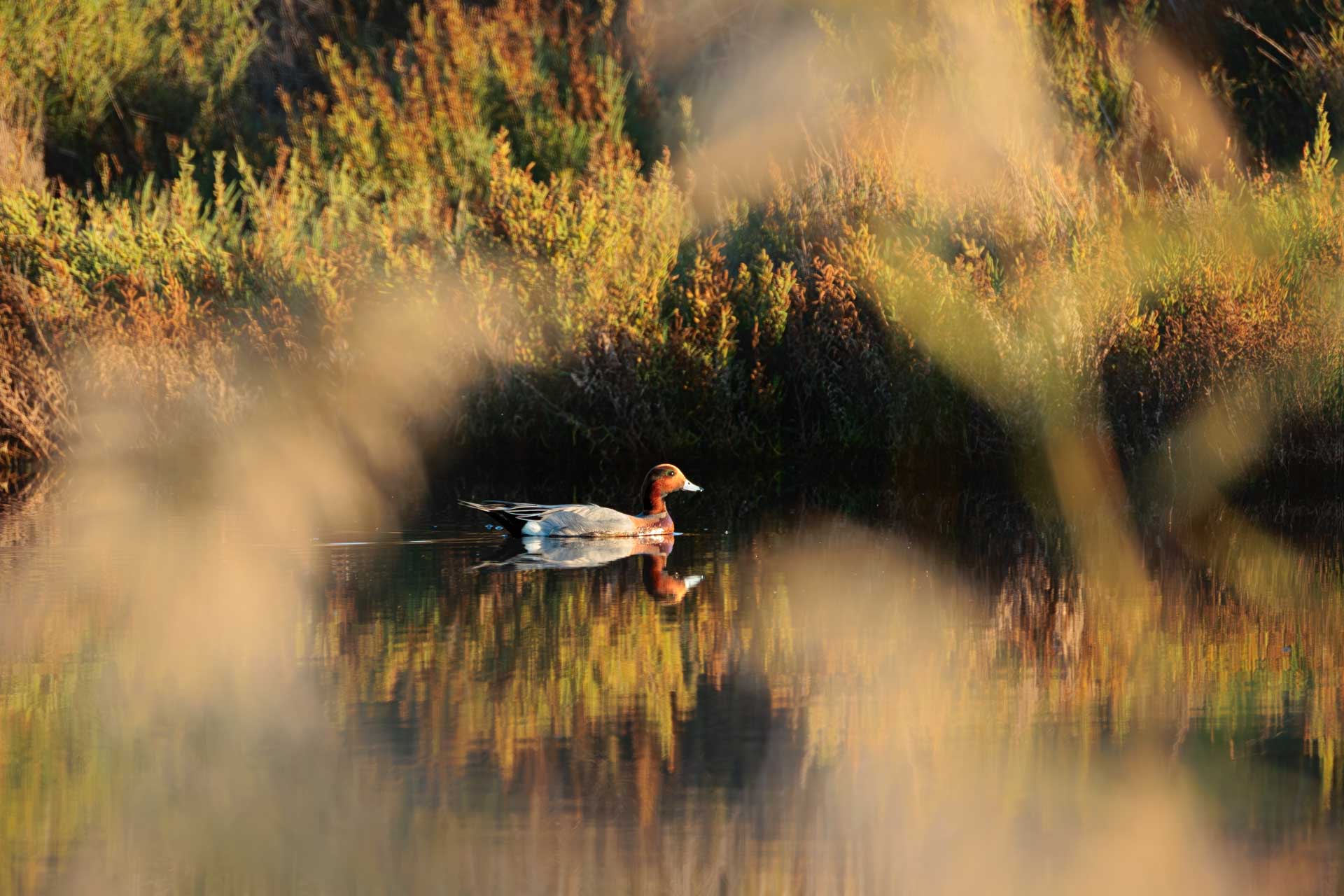
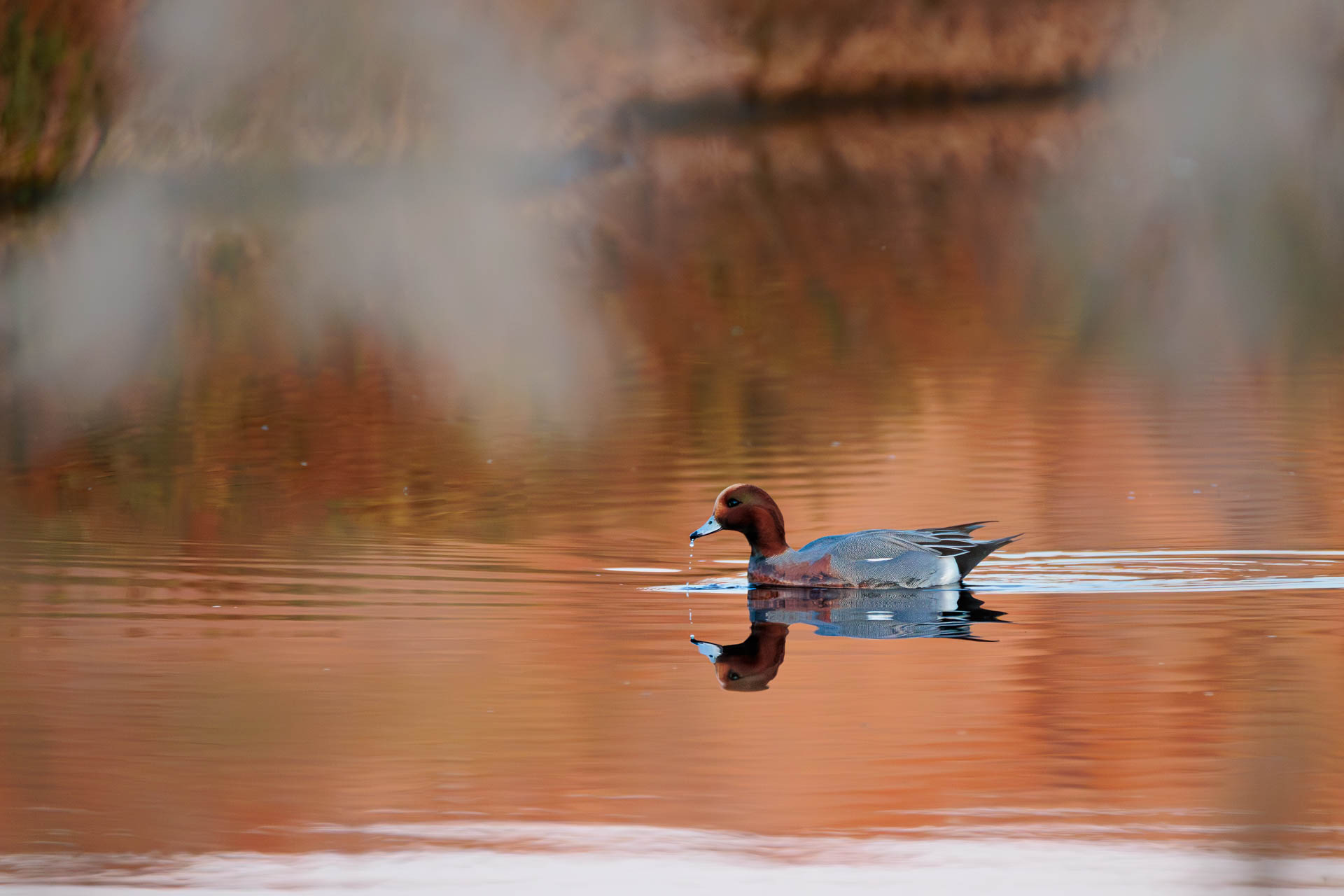
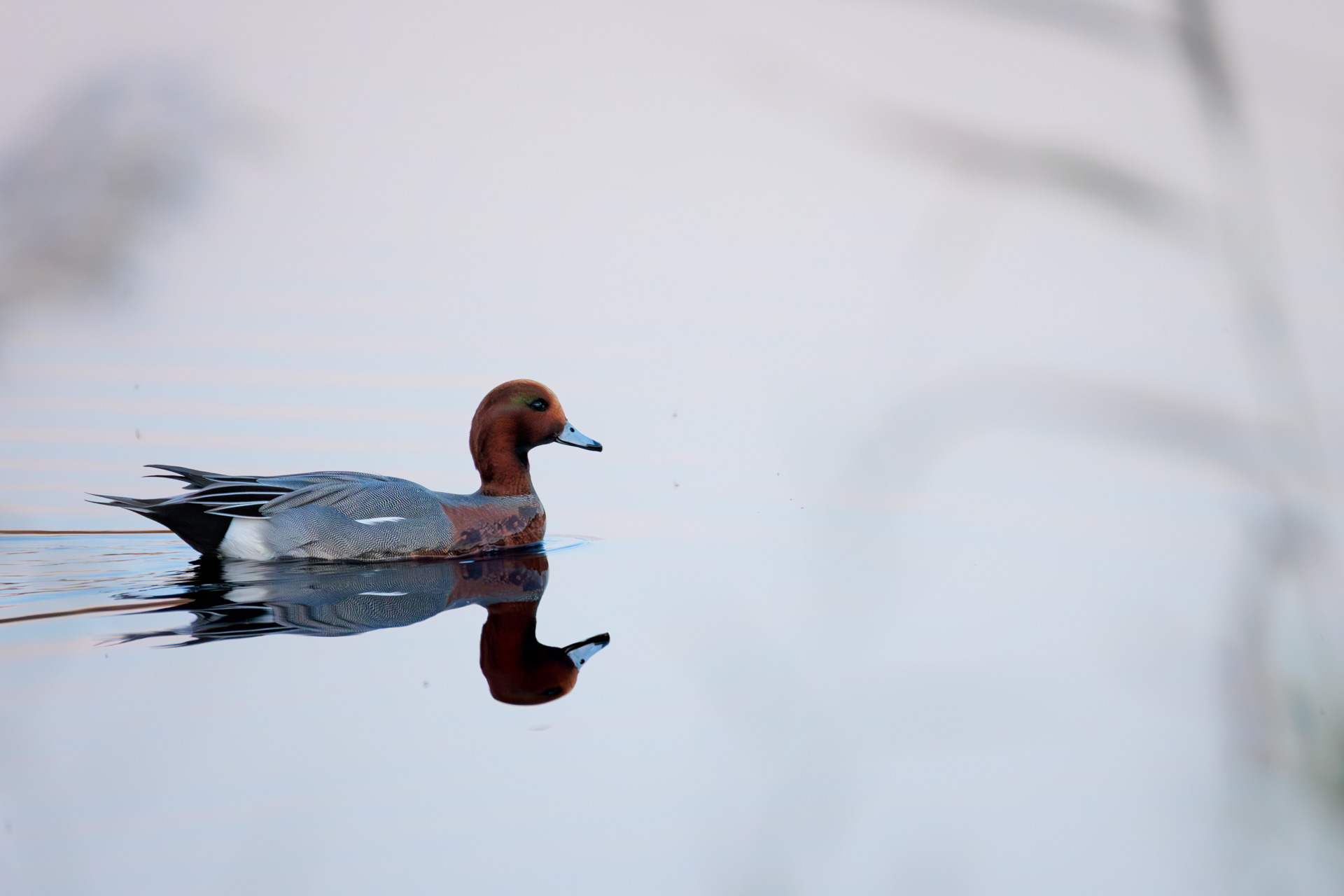
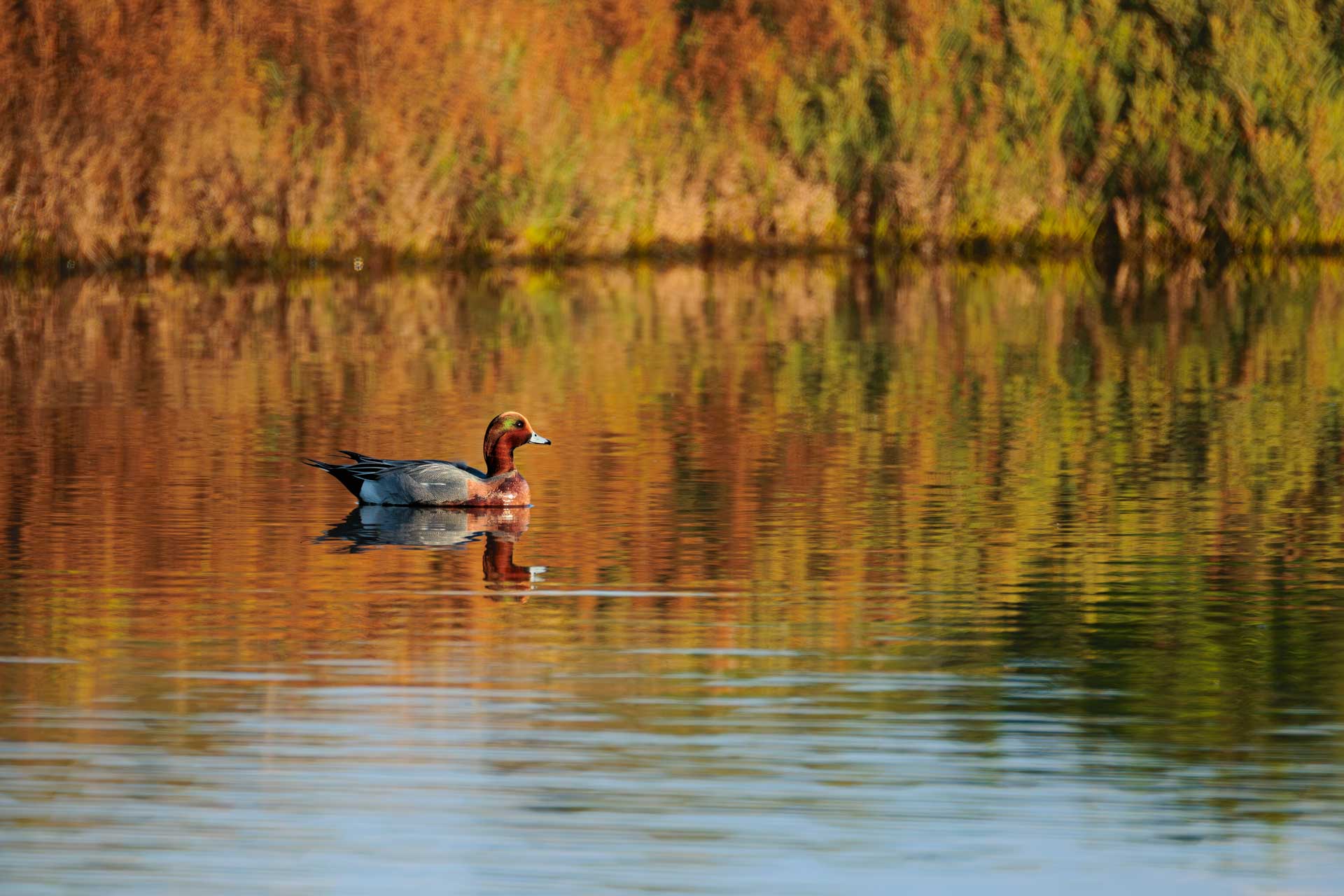
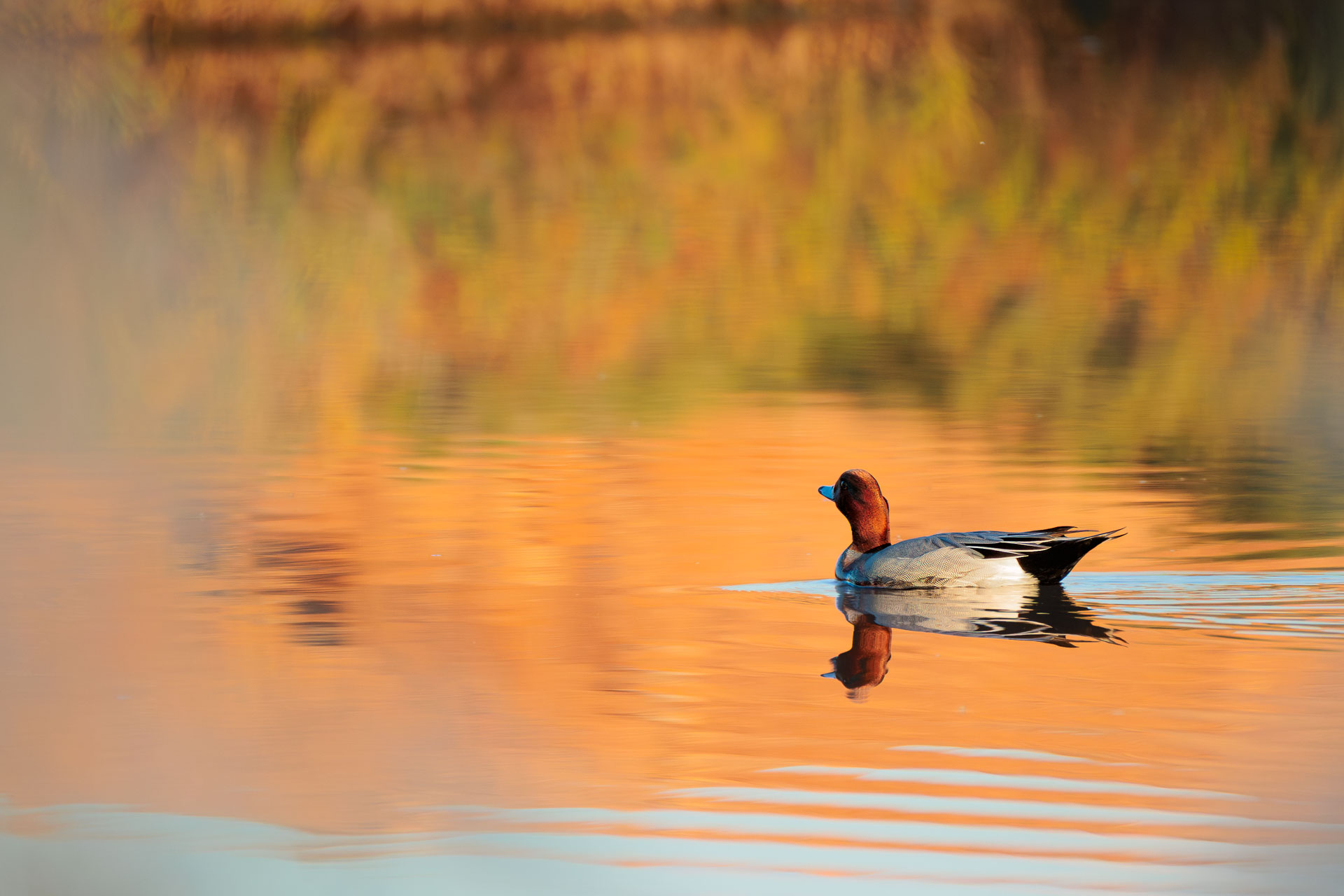
A medium-sized migratory duck, associated with wetlands and lagoons. It feeds on seeds and small invertebrates. In Ibiza it appears during the winter, usually alone, though groups can occasionally be seen. Its population depends largely on the number of freshwater lagoons available on the island. Its local name comes from its characteristic call, as it sounds as though it is whistling.
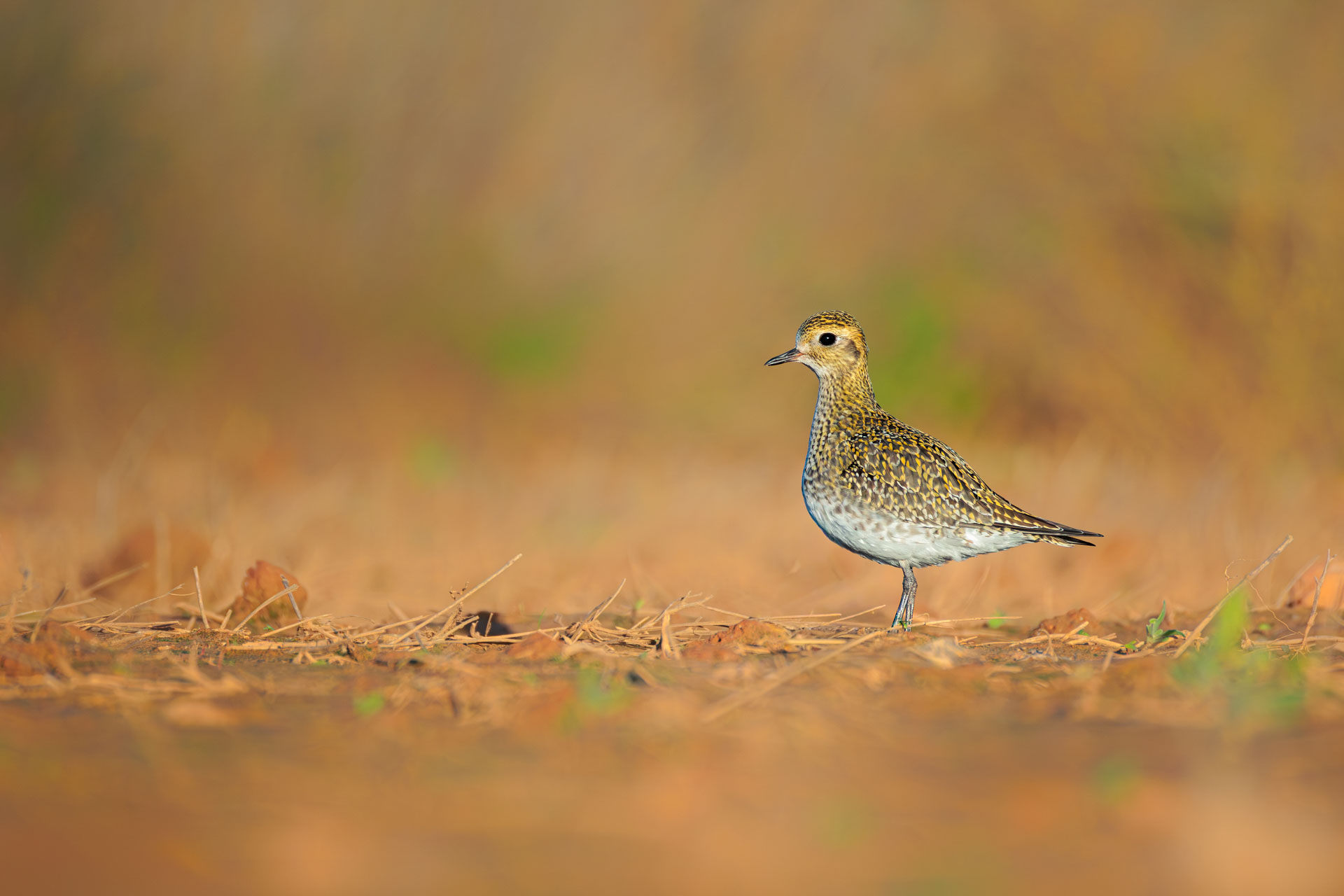
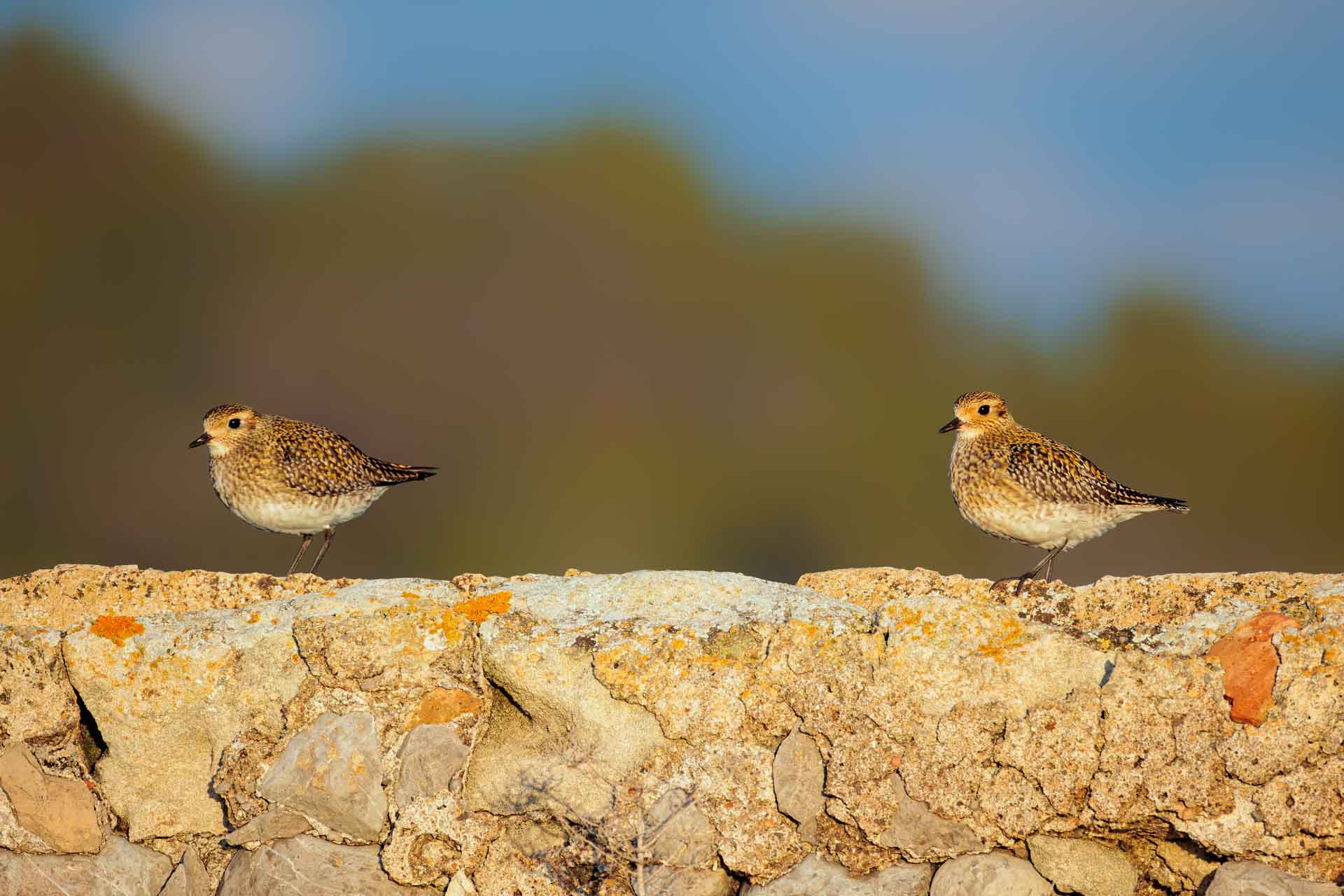
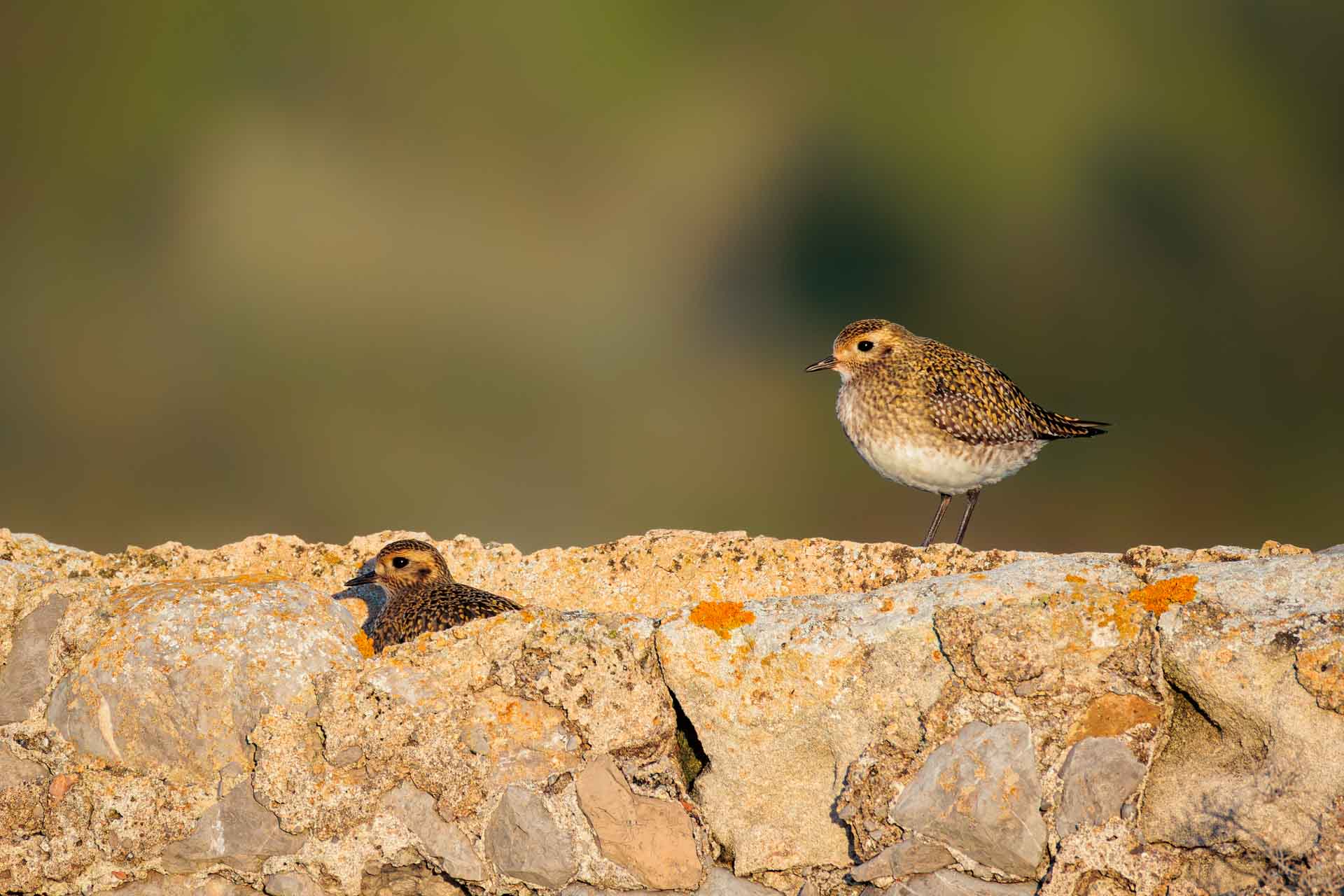
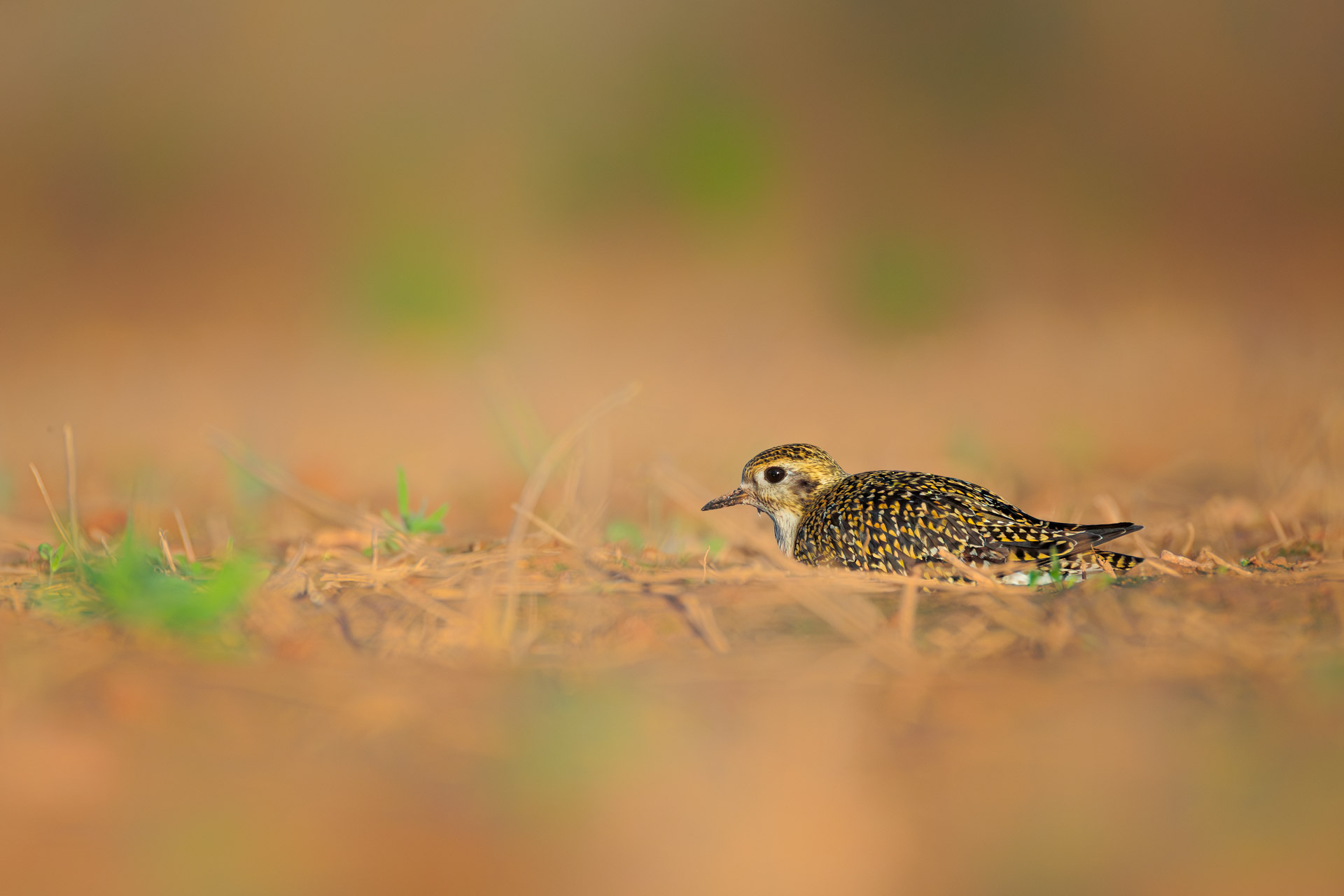
A wader with golden plumage that becomes more intense in summer, associated with wet grasslands and open areas. It feeds on insects and small invertebrates. In Ibiza it is a visitor during the migratory passages, but is particularly notable in winter, when it can be seen in flocks of up to two hundred individuals in the Ses Salines salt pans. It is also common to see this species in inland agricultural areas. Thanks to its tame and trusting nature, it is a very easy species to observe, especially when in small flocks.
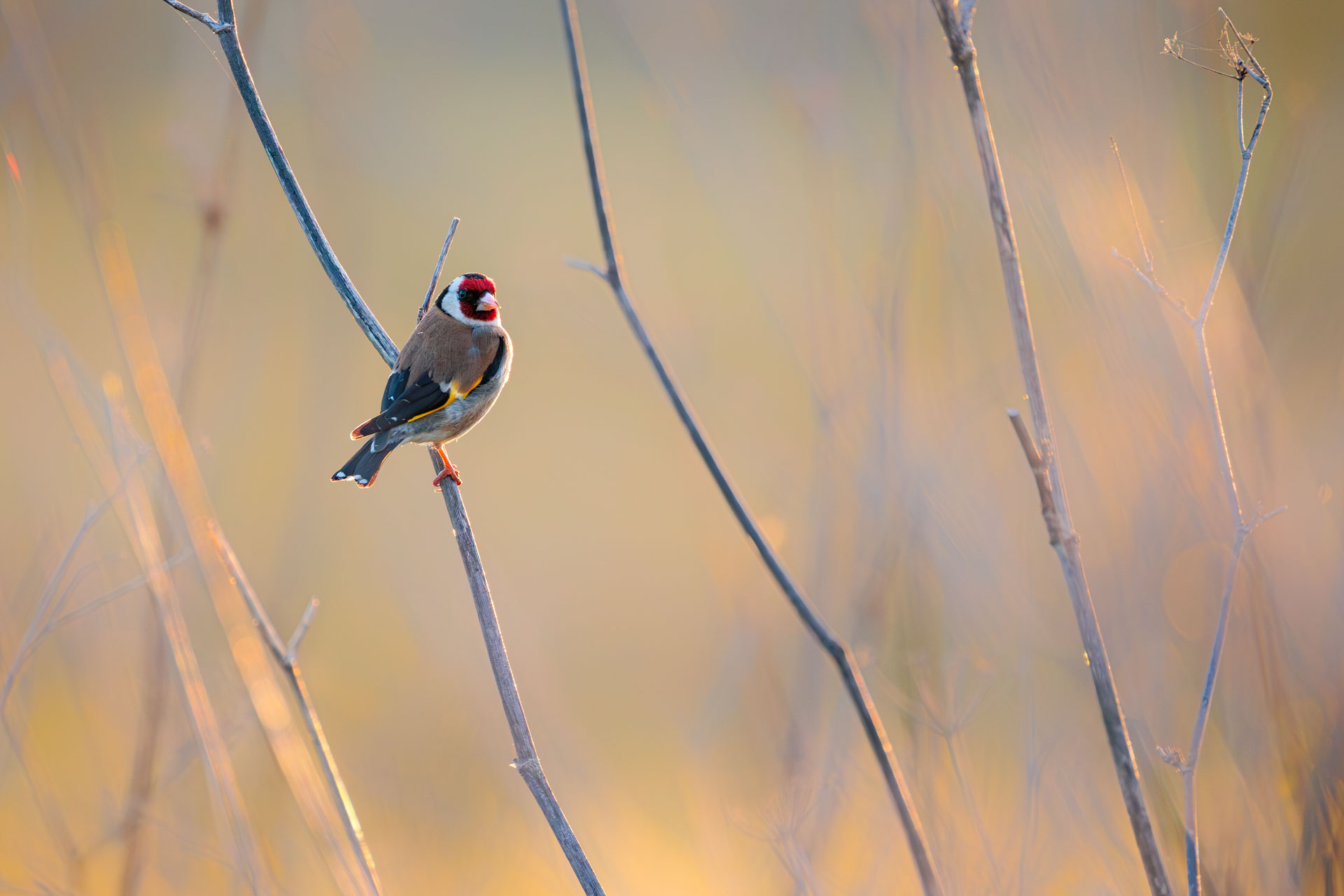
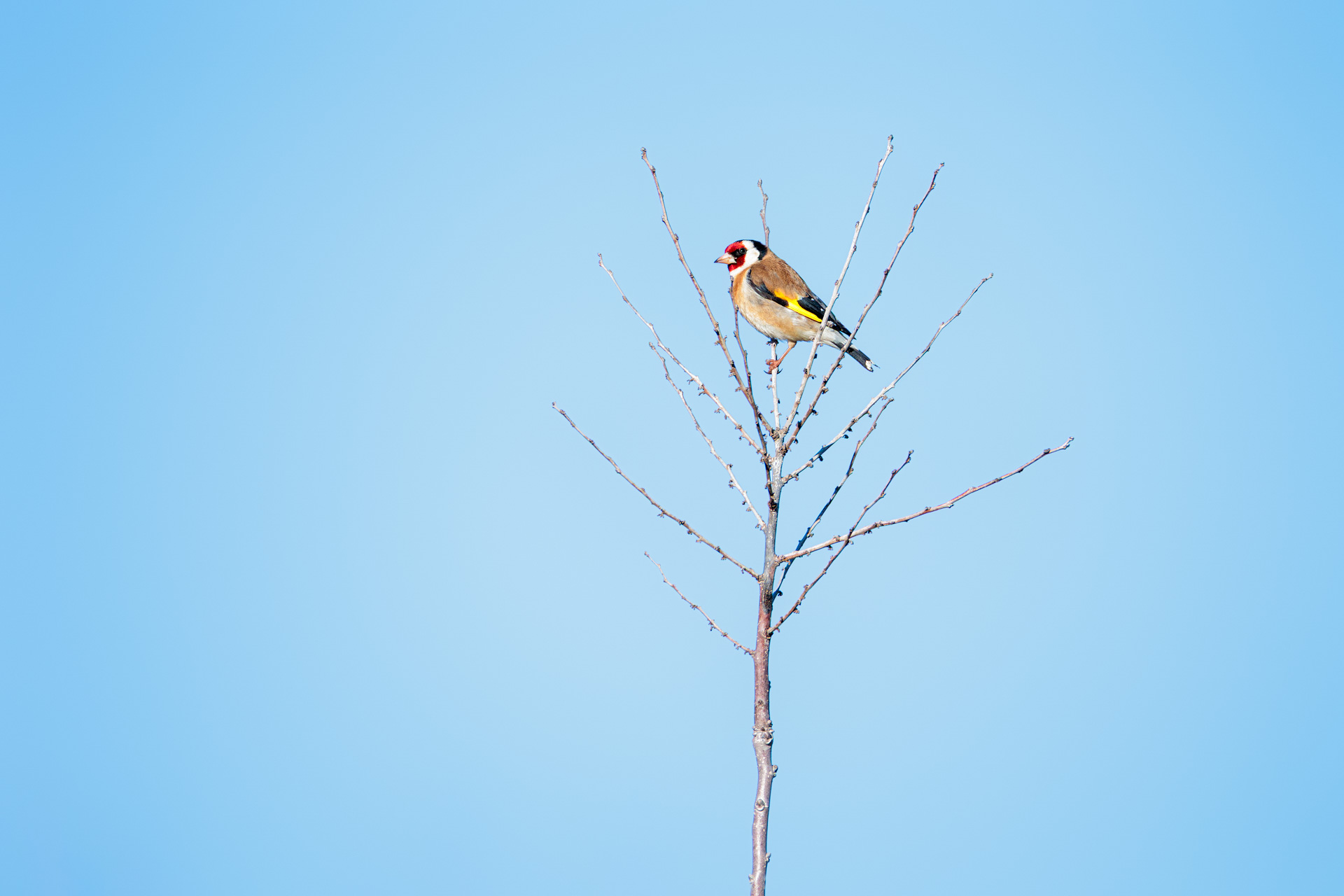
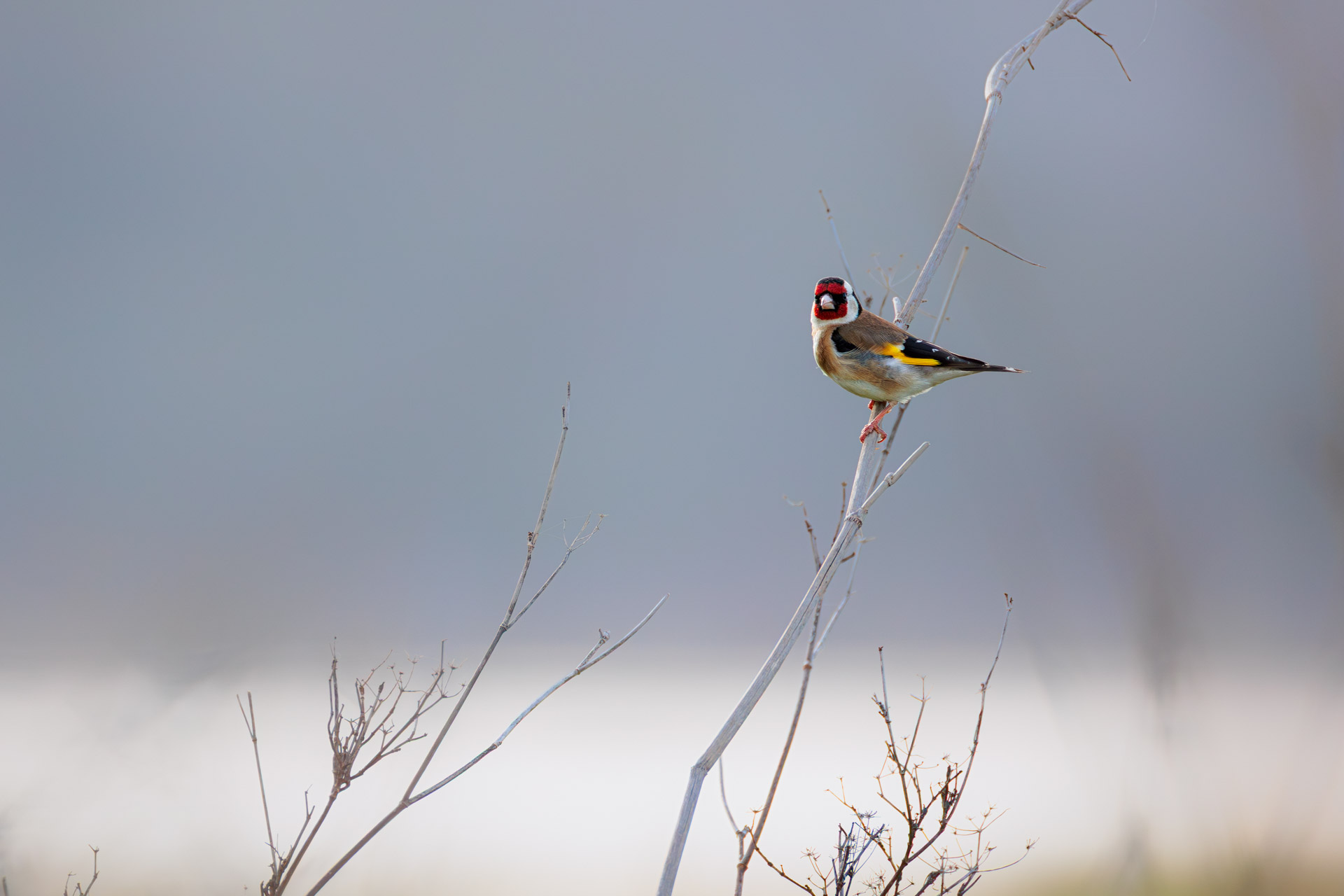
The European Goldfinch stands out for its colourful plumage and melodious song. It inhabits open fields, farmland and woodland edges, feeding mainly on seeds. In Ibiza it is abundant throughout the year and breeds widely across the island.
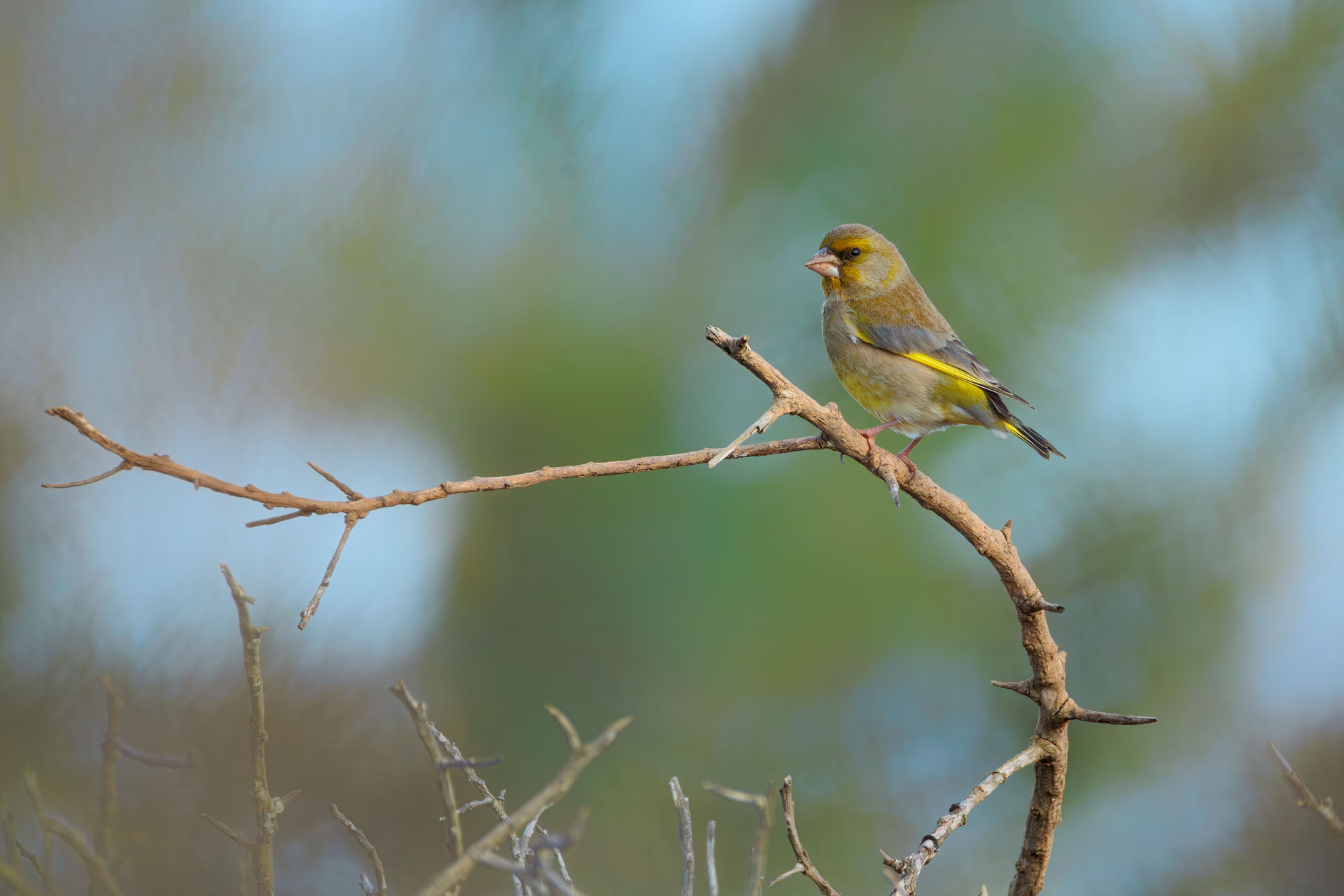
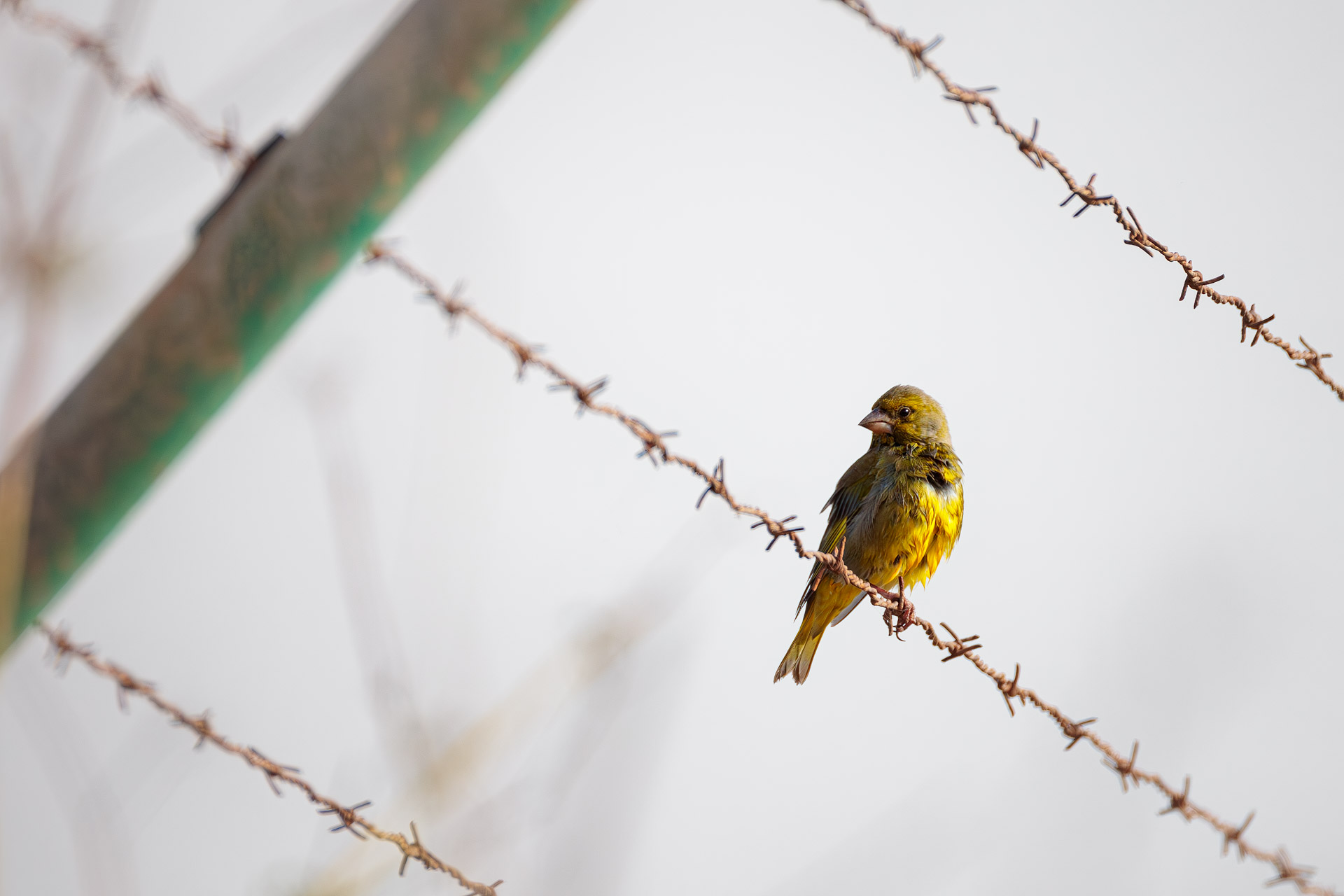
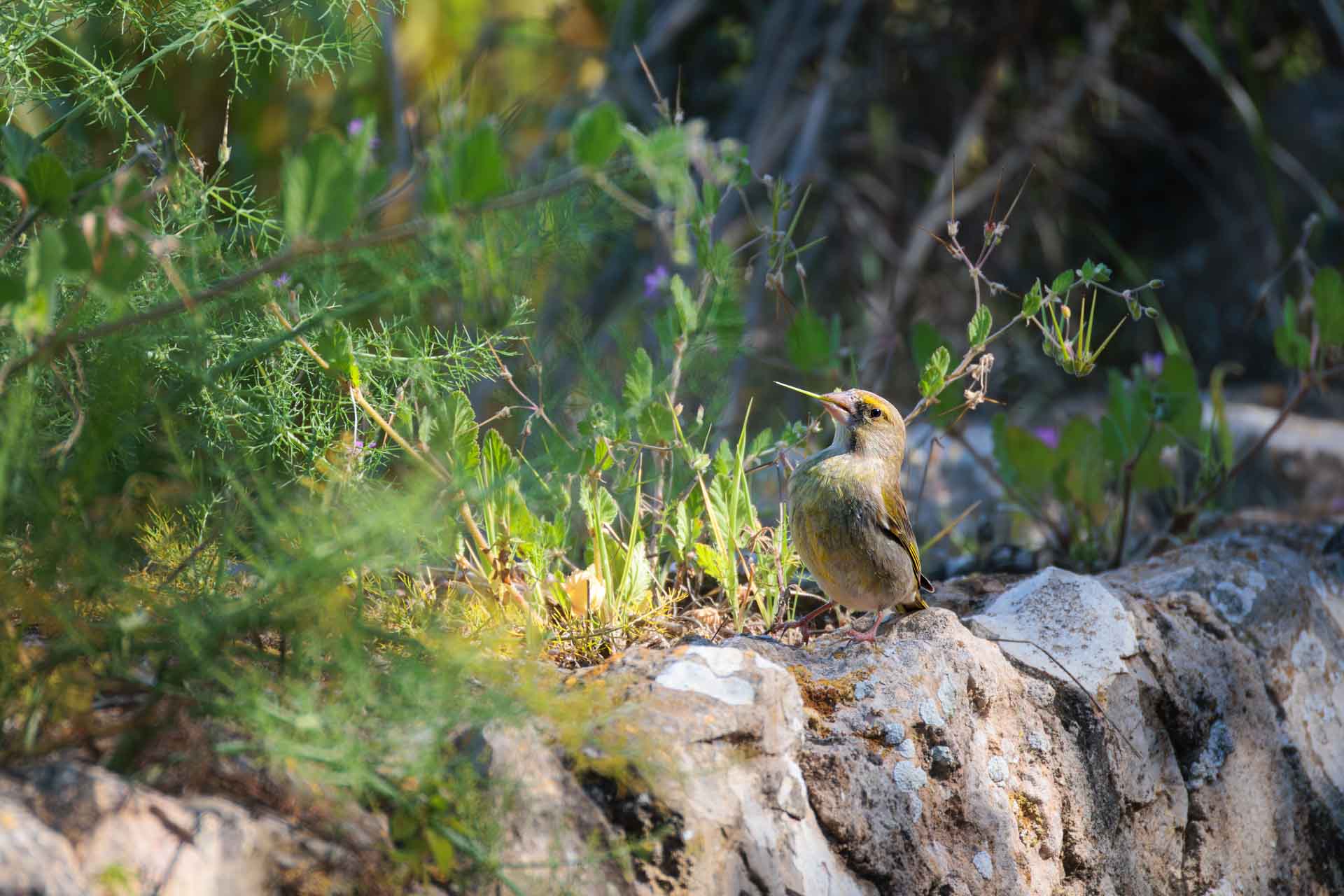
A finch with green and yellow colours, present in gardens, woodland and agricultural areas. It feeds on seeds and fruit. In Ibiza it is abundant and resident, often seen in groups and heard singing from trees during spring.
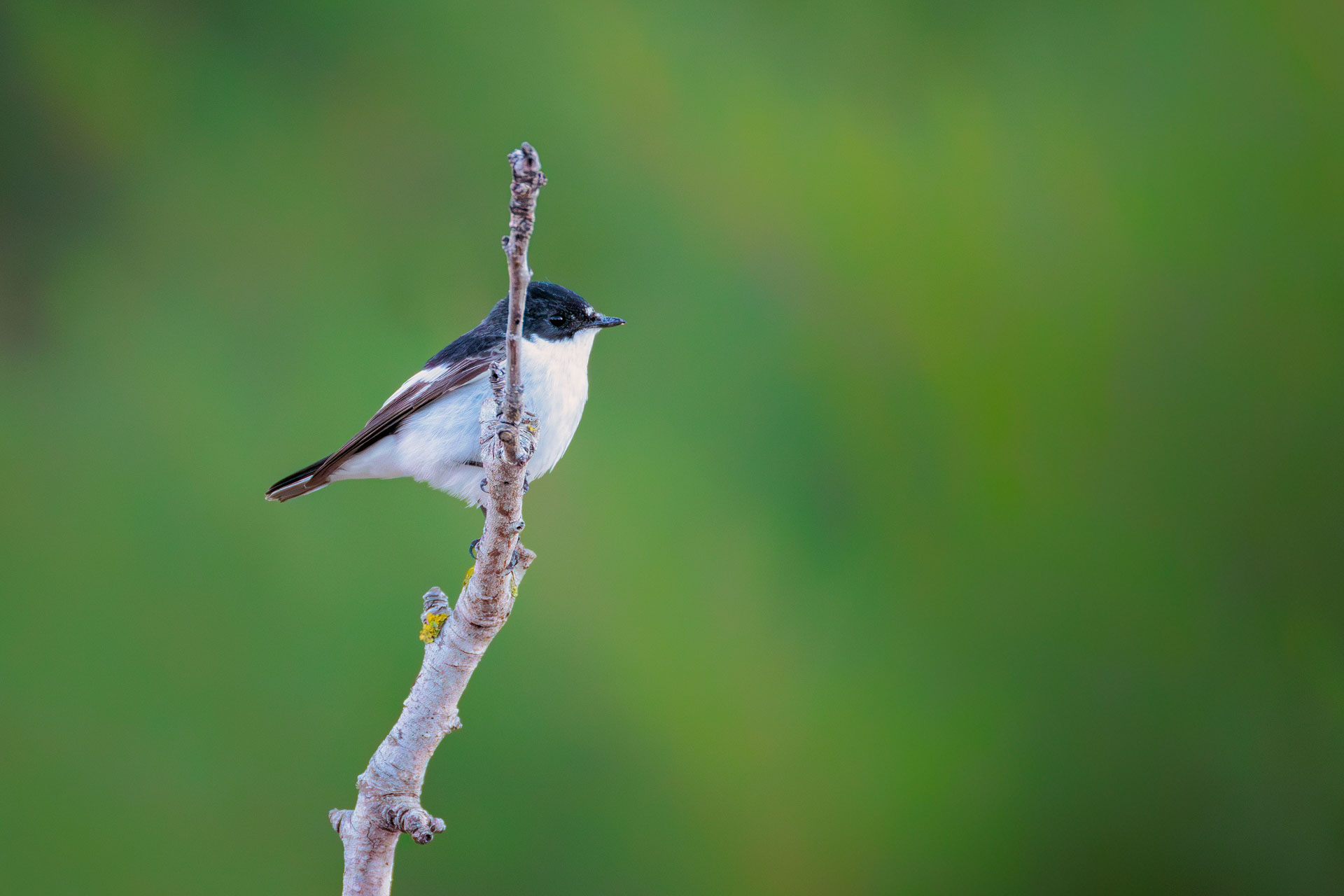
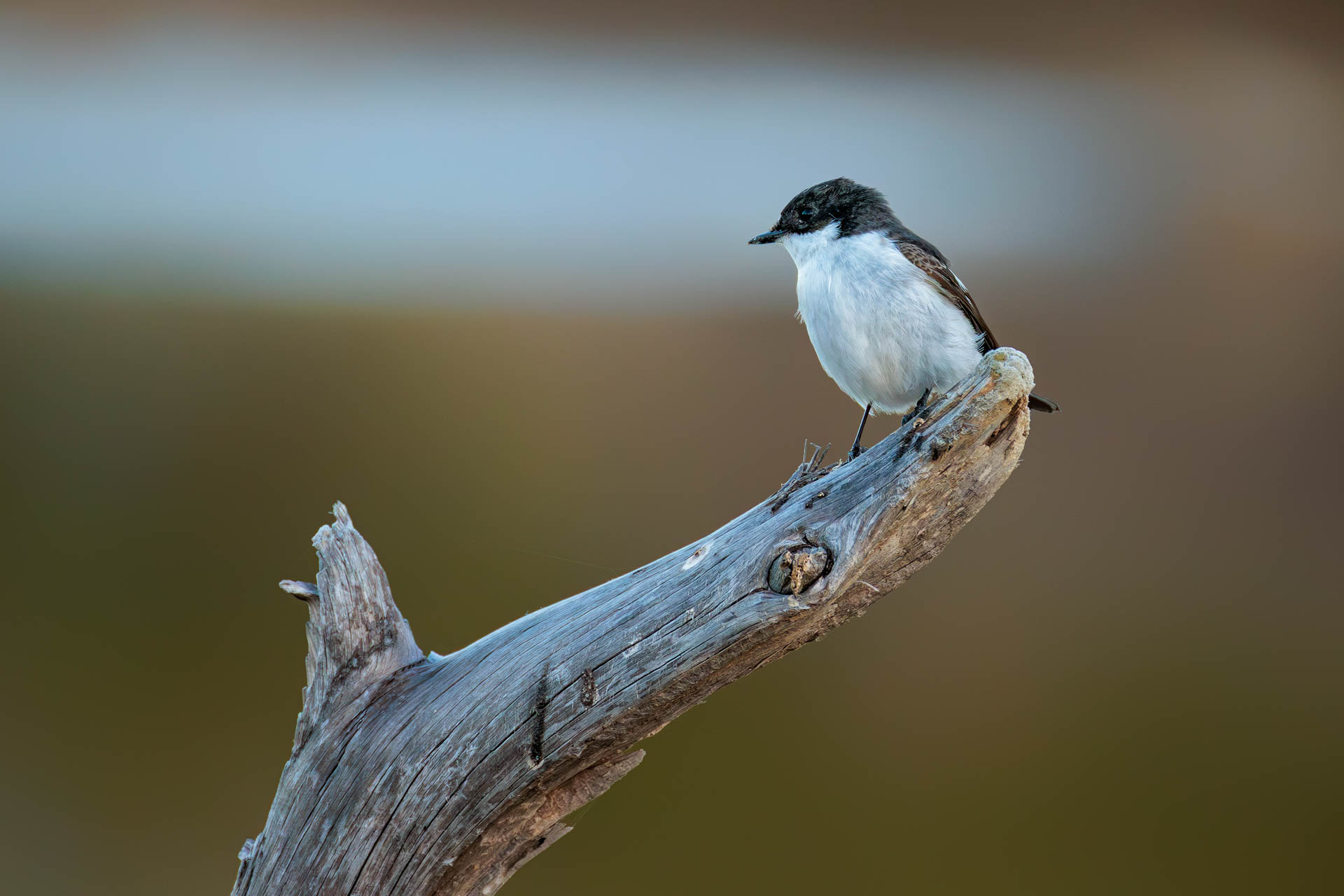
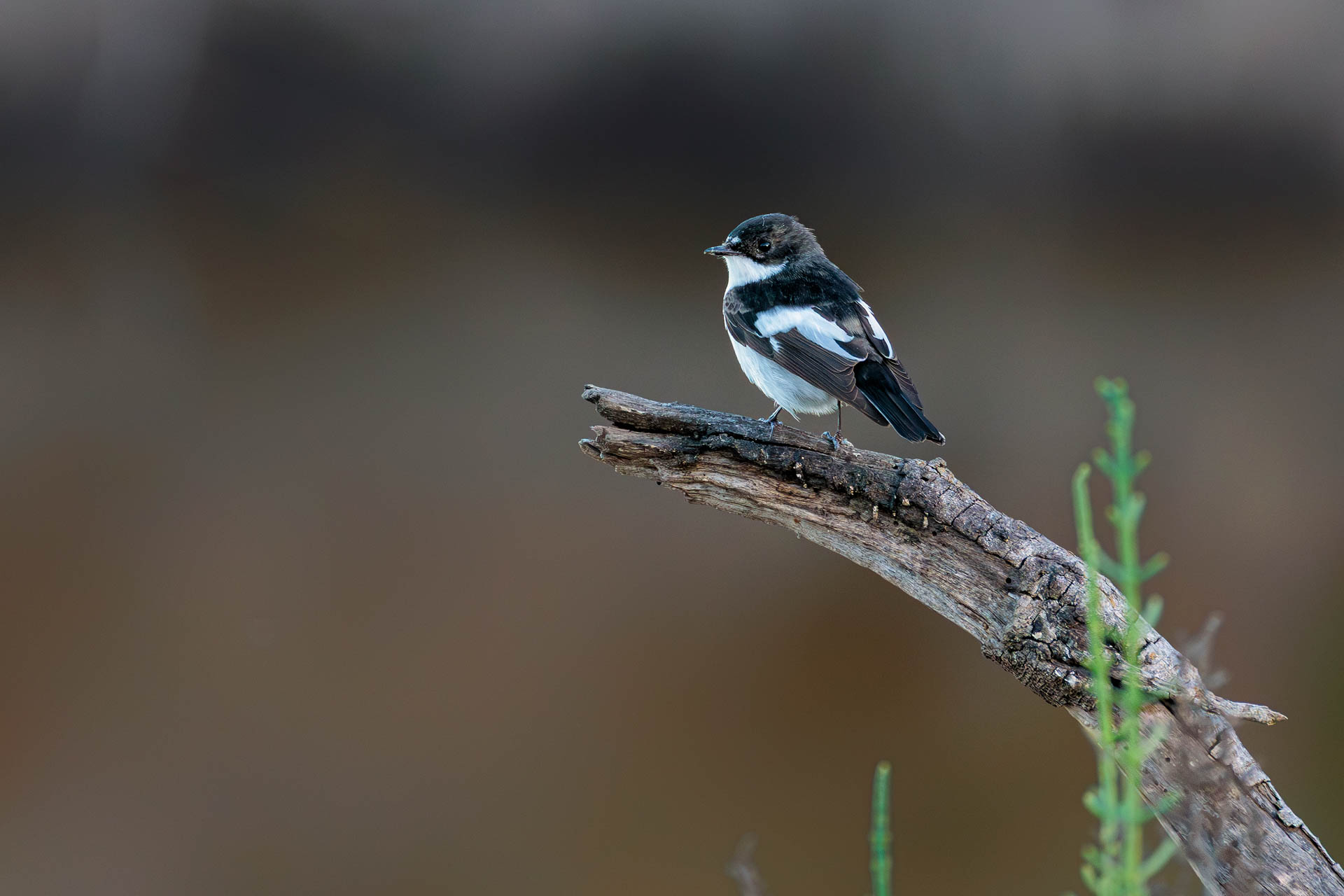
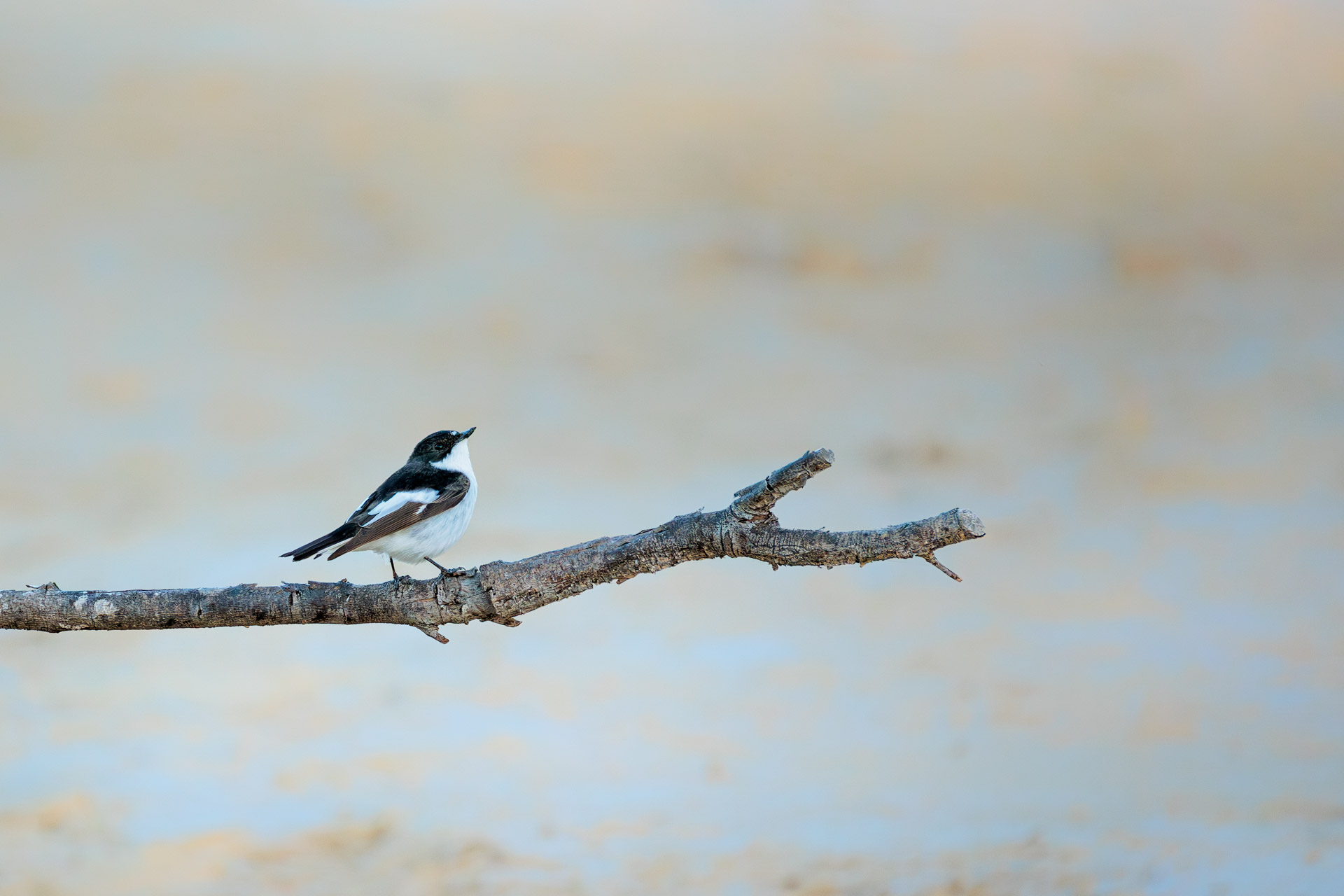
The European Pied Flycatcher is a small migratory bird with contrasting plumage, especially in males, with black and white tones. It feeds on insects, often catching them from exposed perches. In Ibiza it is seen during migration in wooded areas, gardens and rural landscapes.
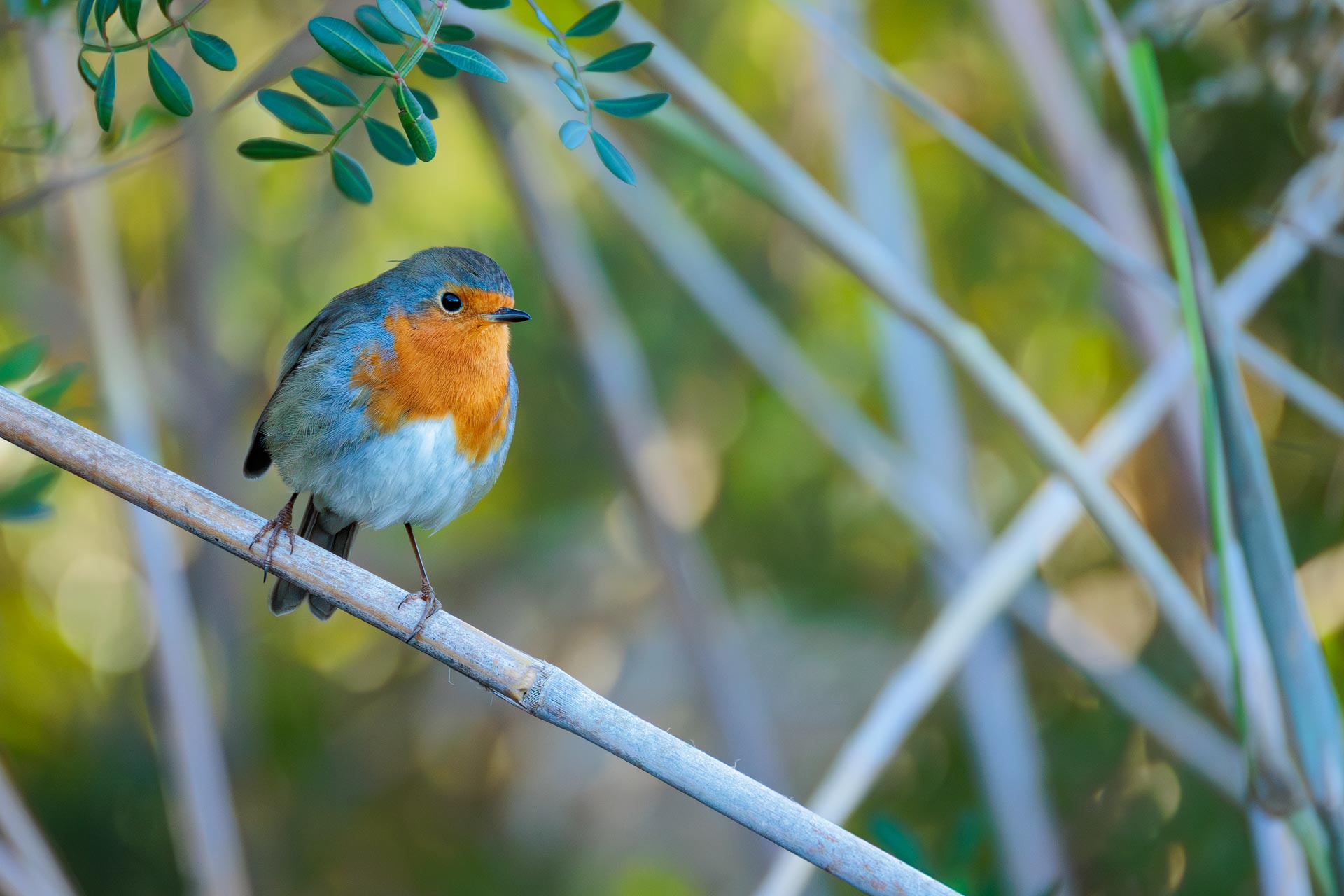
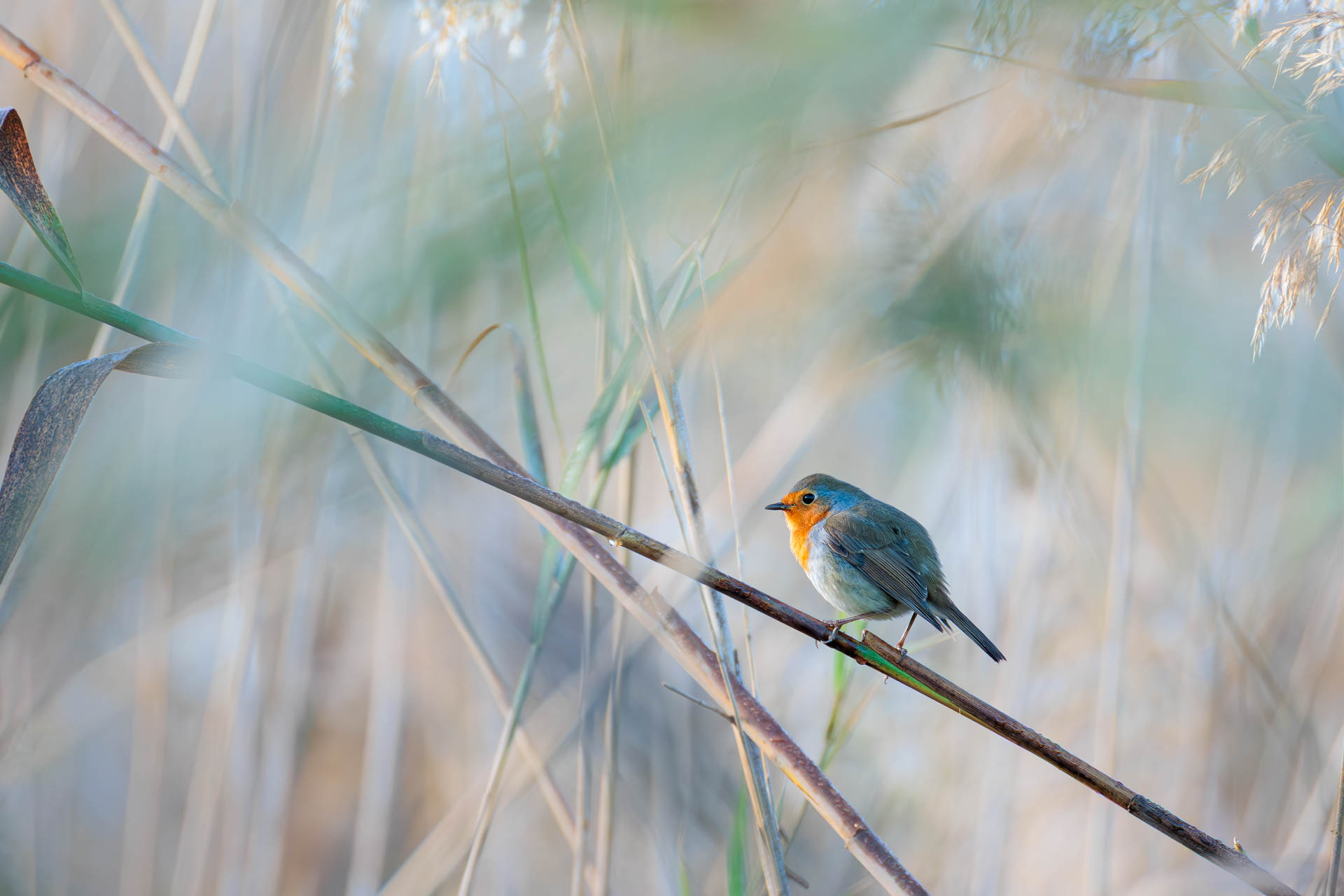
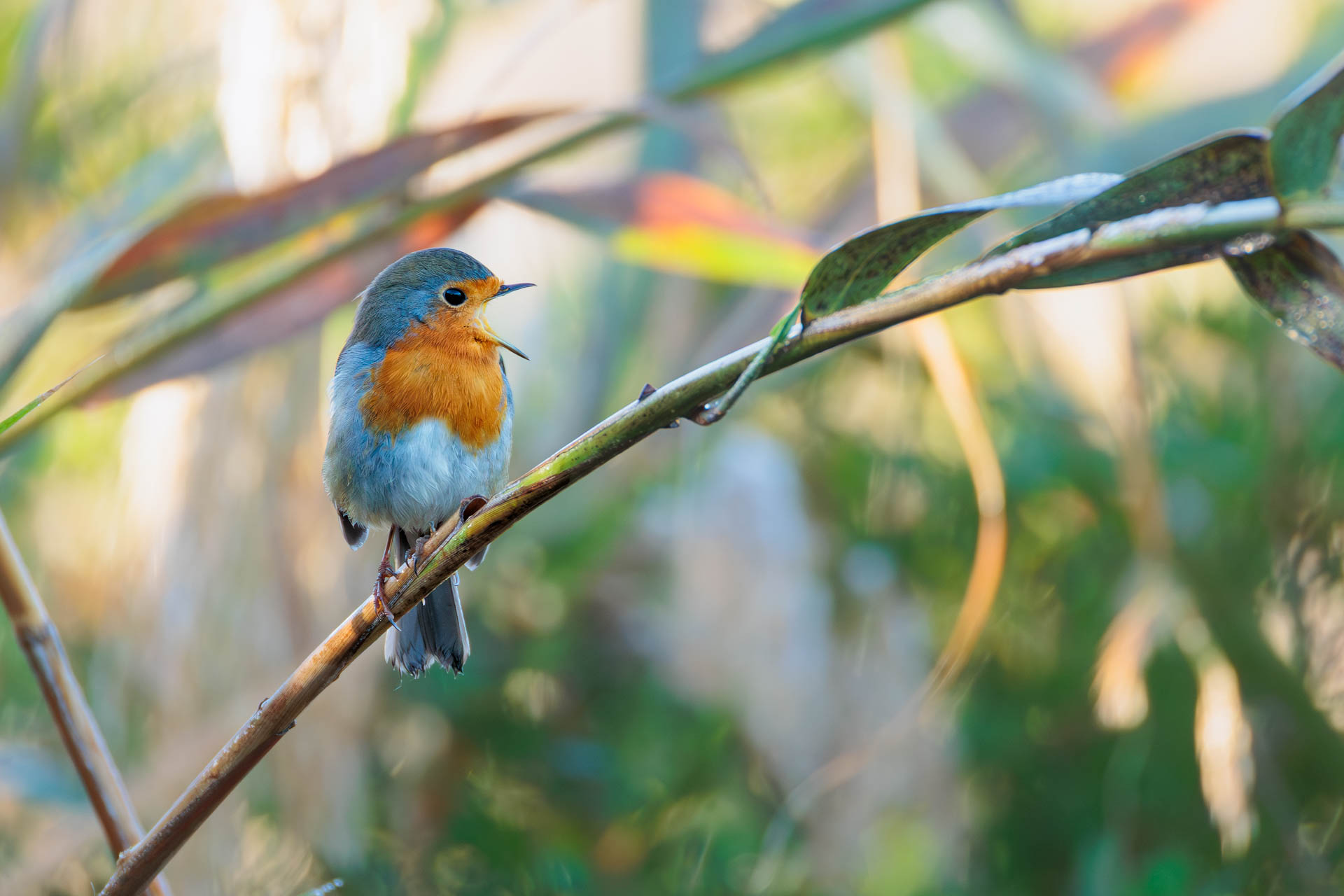
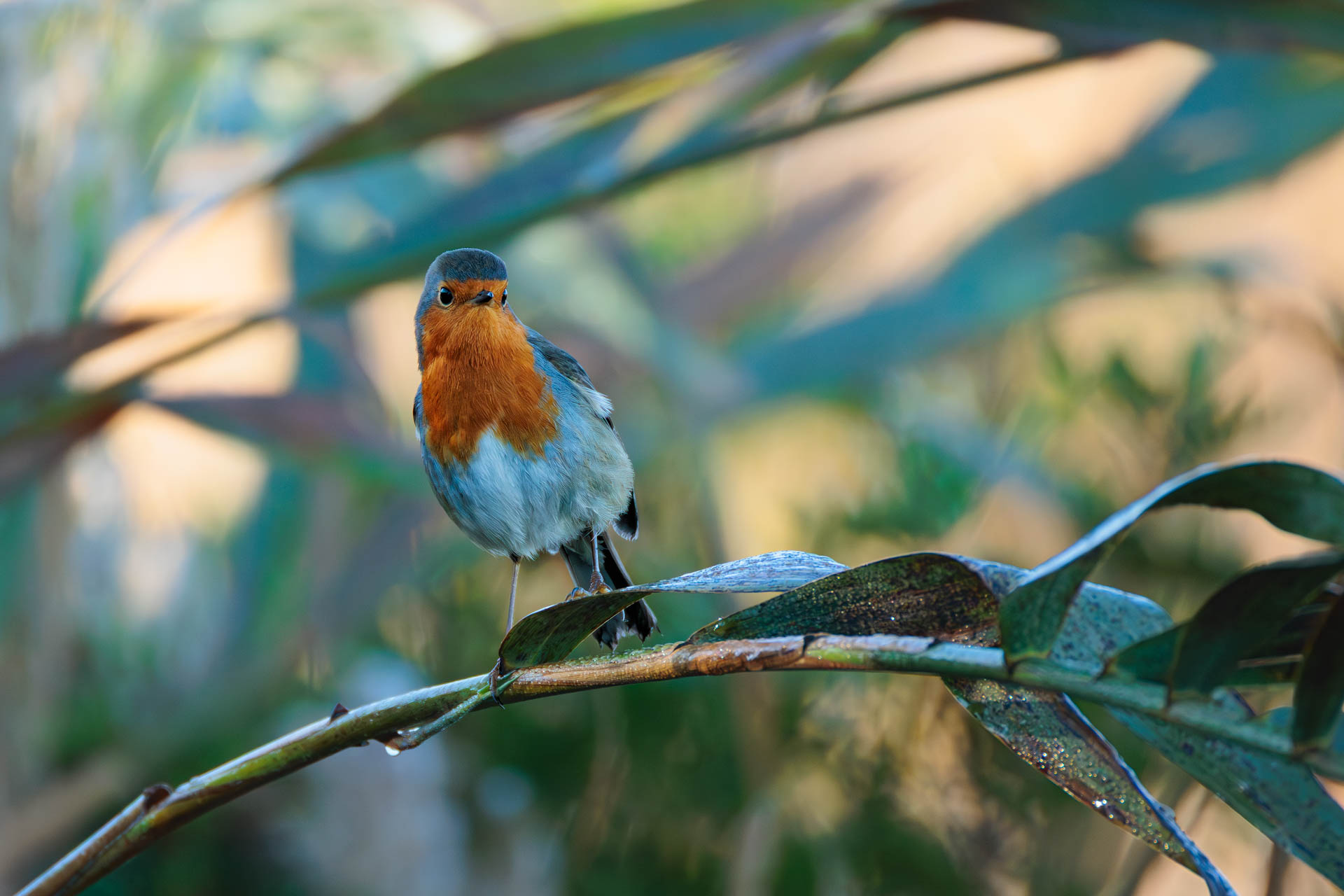
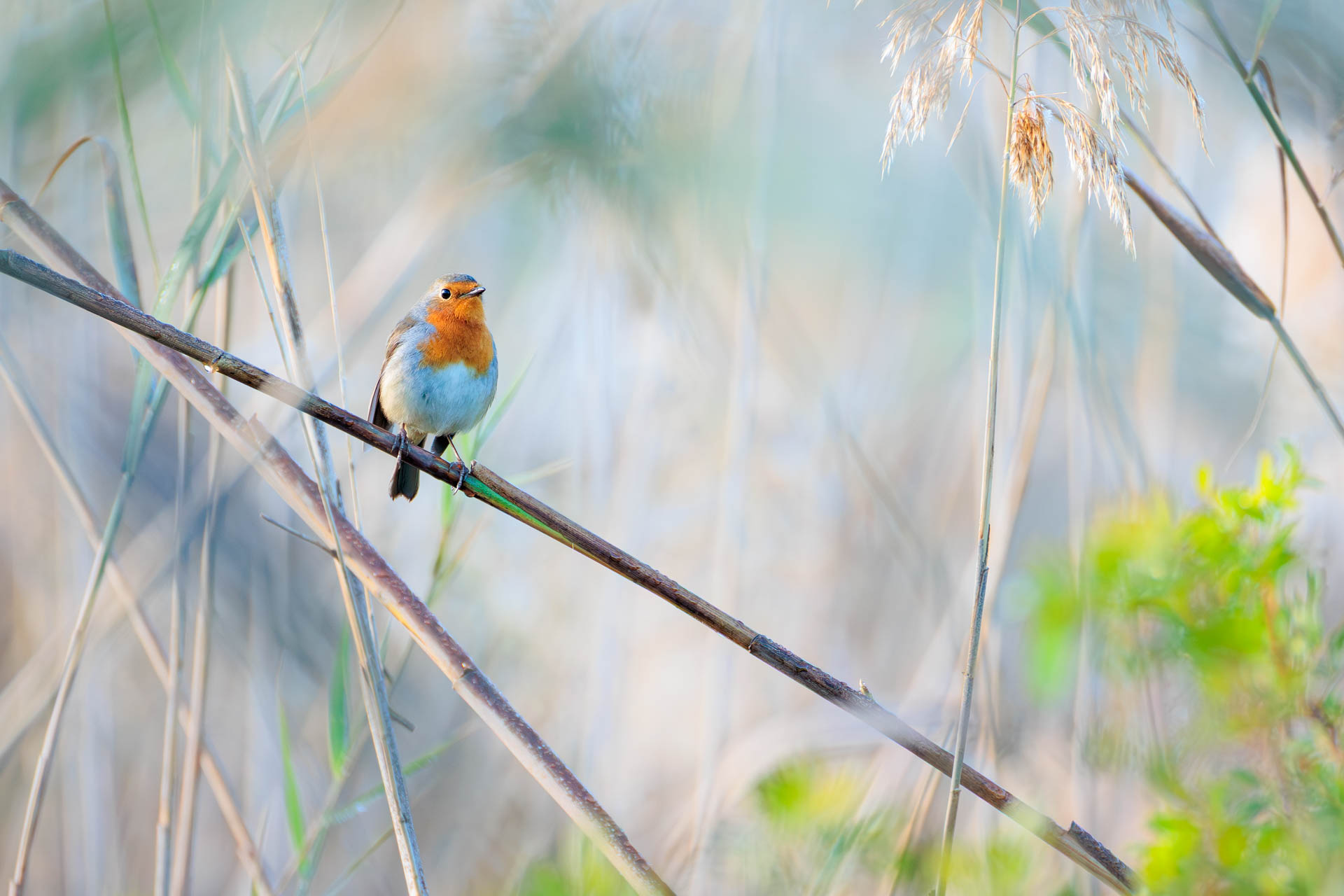
The European robin is a small, confident bird, easily recognisable by its orange breast. It is usually seen in wooded areas, gardens and scrubland, where it moves close to the ground searching for insects and other small invertebrates. In Ibiza, it heralds the arrival of winter and is easy to spot and hear thanks to its territorial behaviour: it guards its territory and makes its presence known.
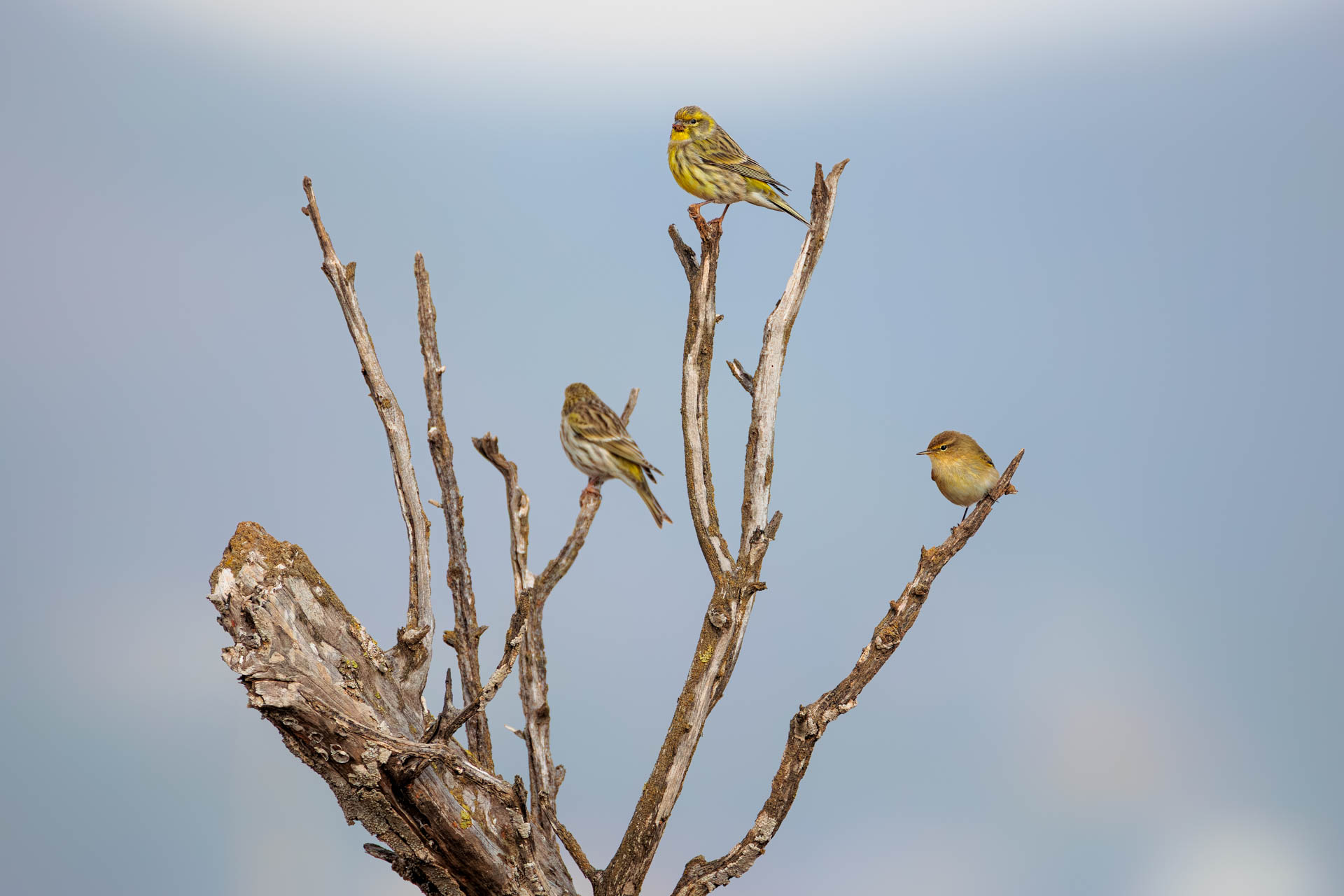
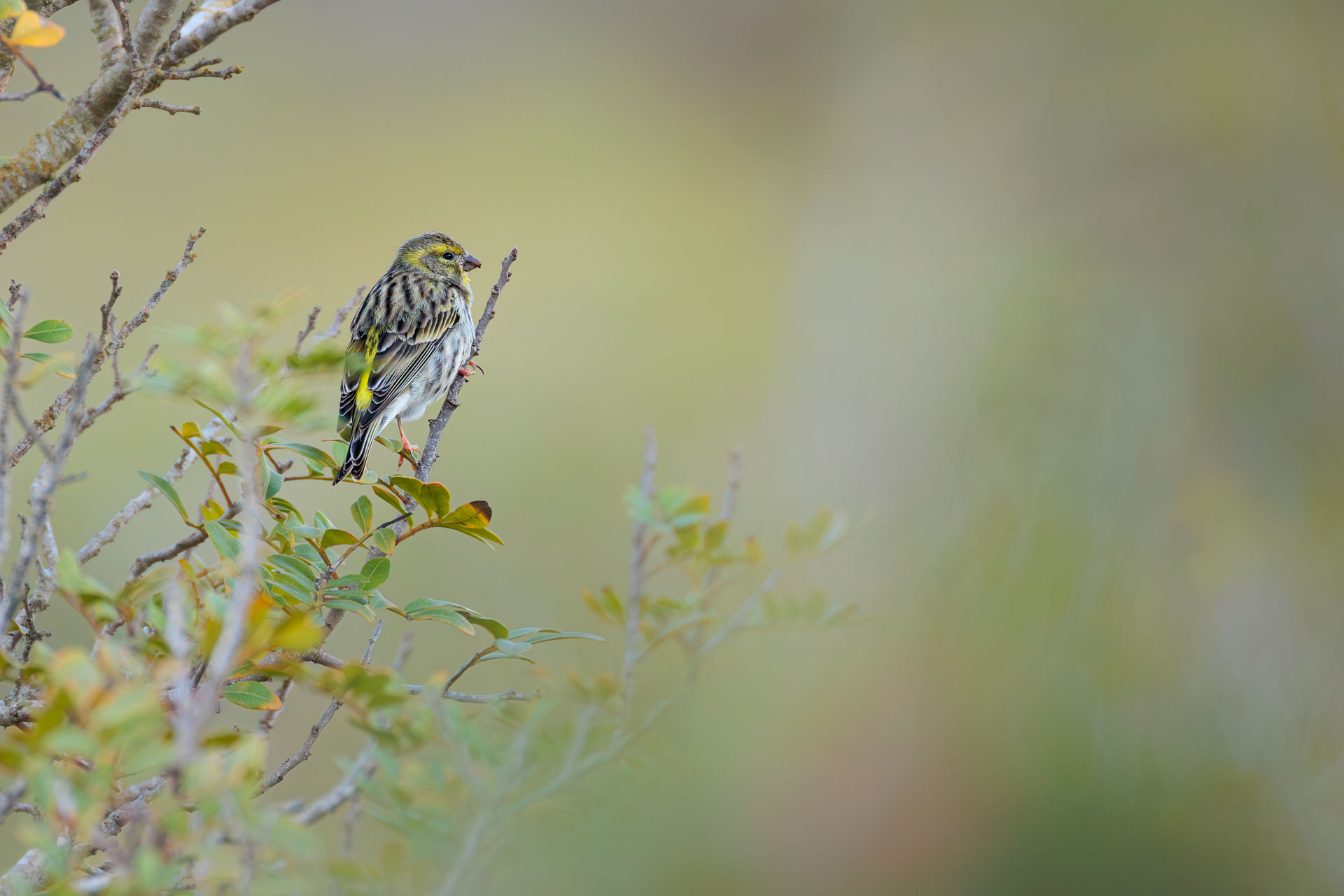
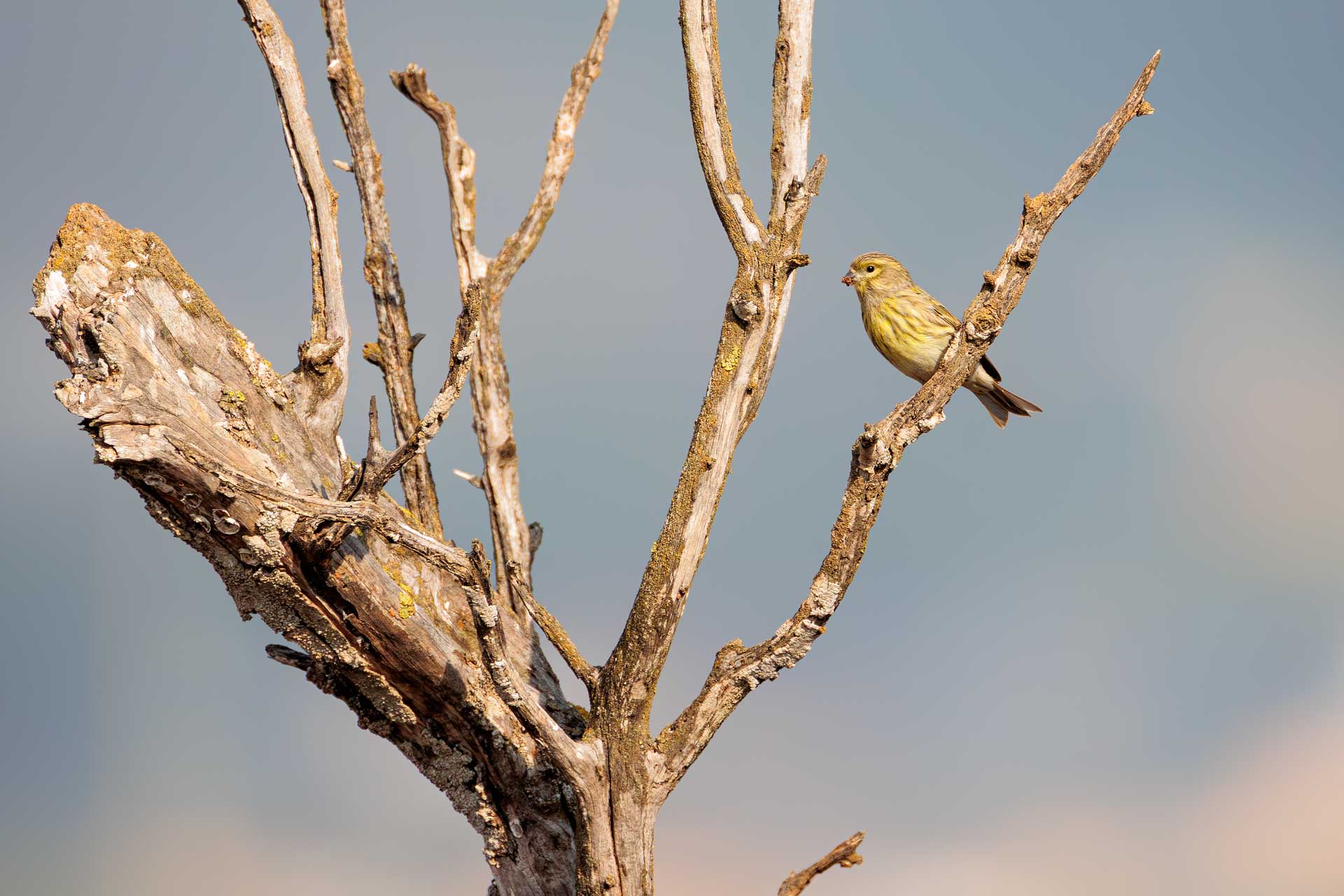
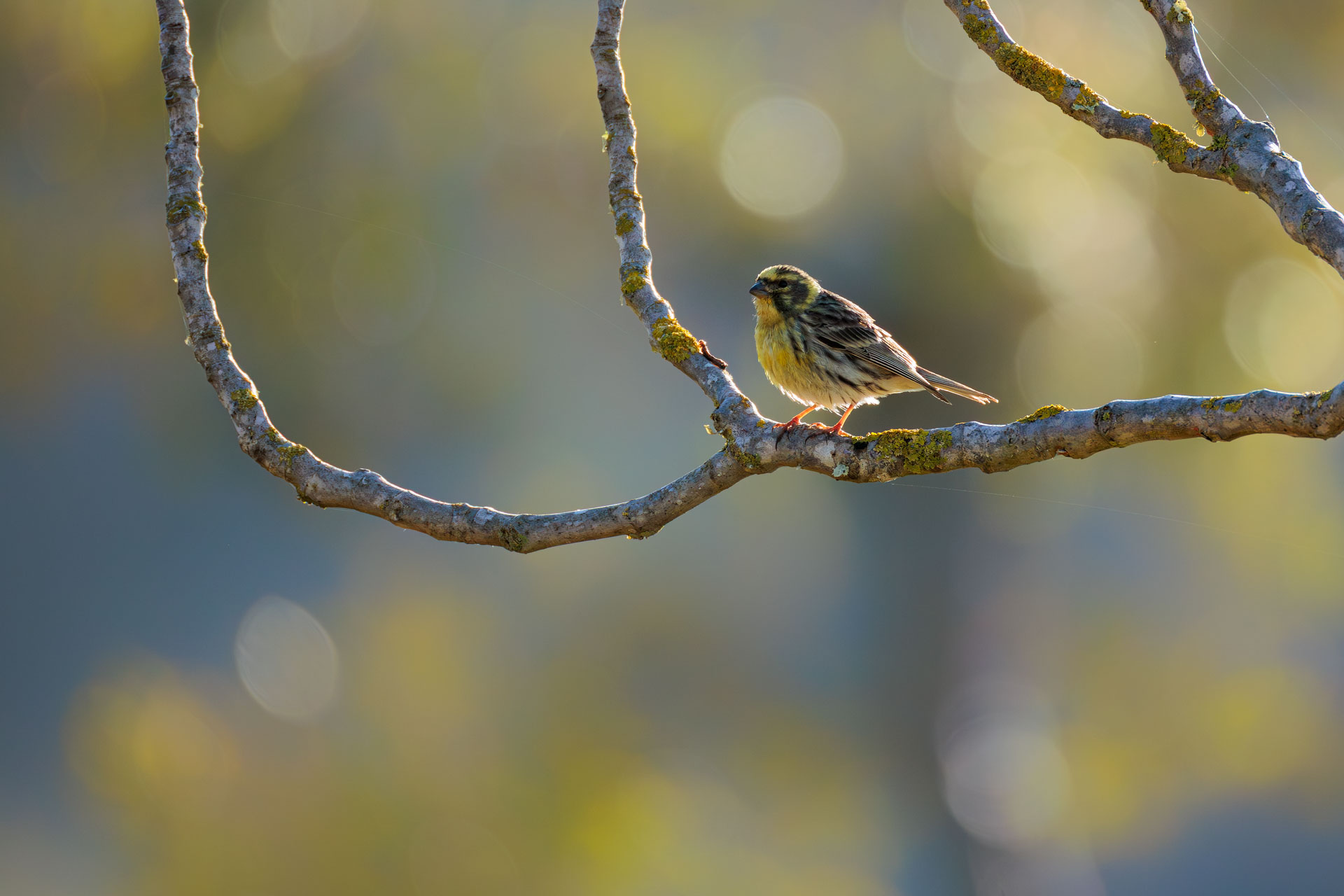
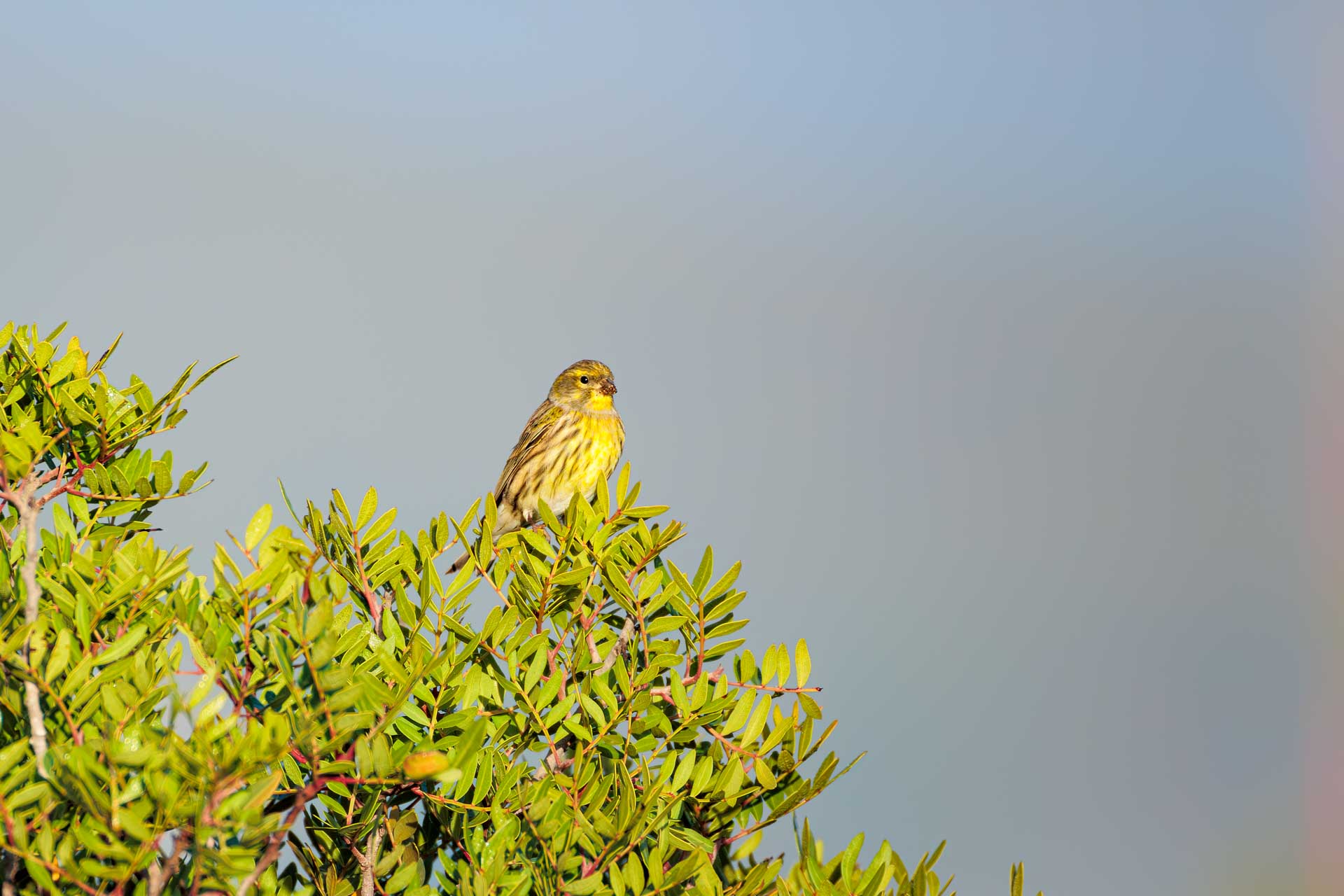
A small finch with yellow plumage and a vibrant song. It frequents open areas, farmland, pine forests and rural areas. In Ibiza it is a common species, easily identified by its constant song during spring, when it is usually seen perched in trees or bushes. They can also be seen in flocks.
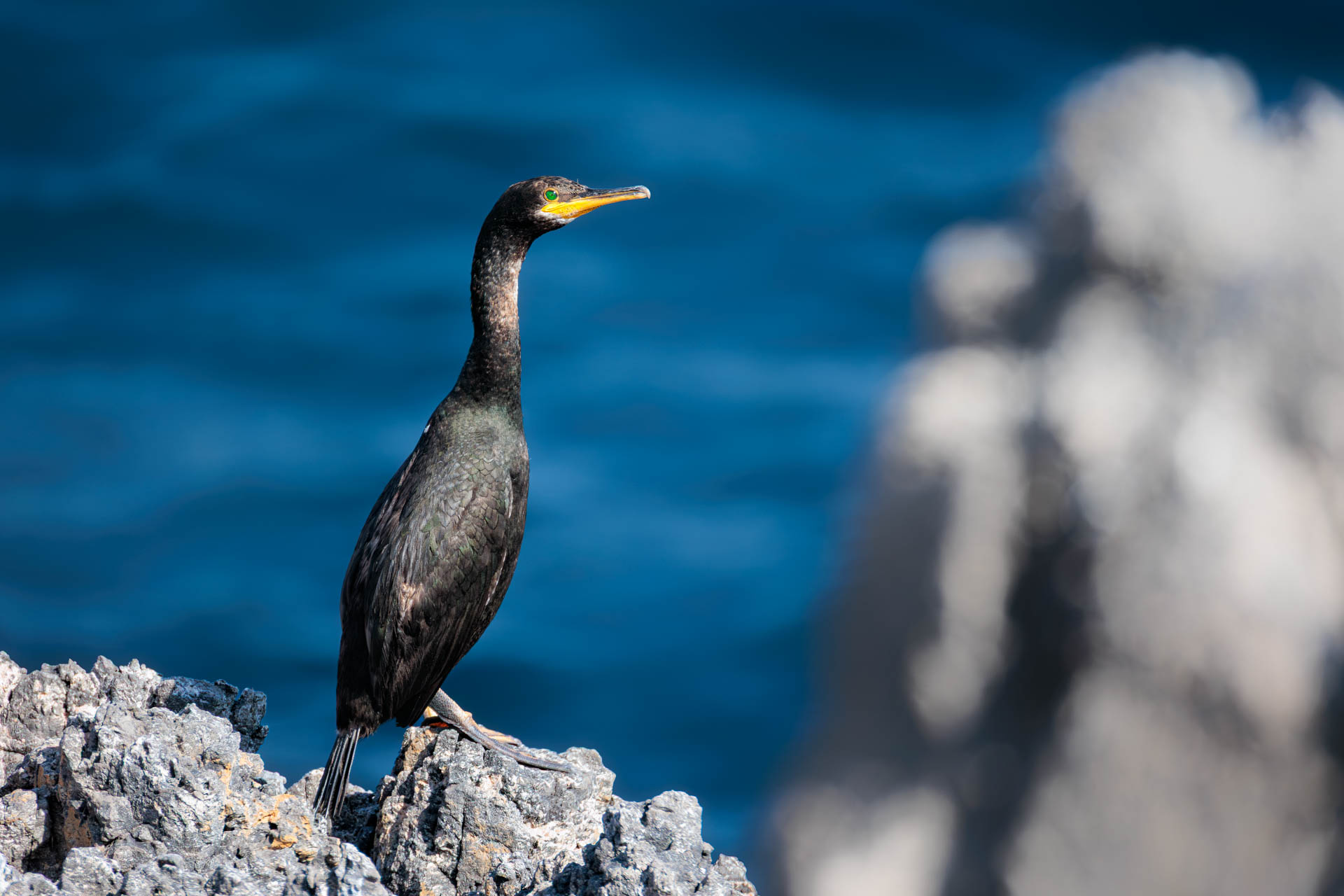
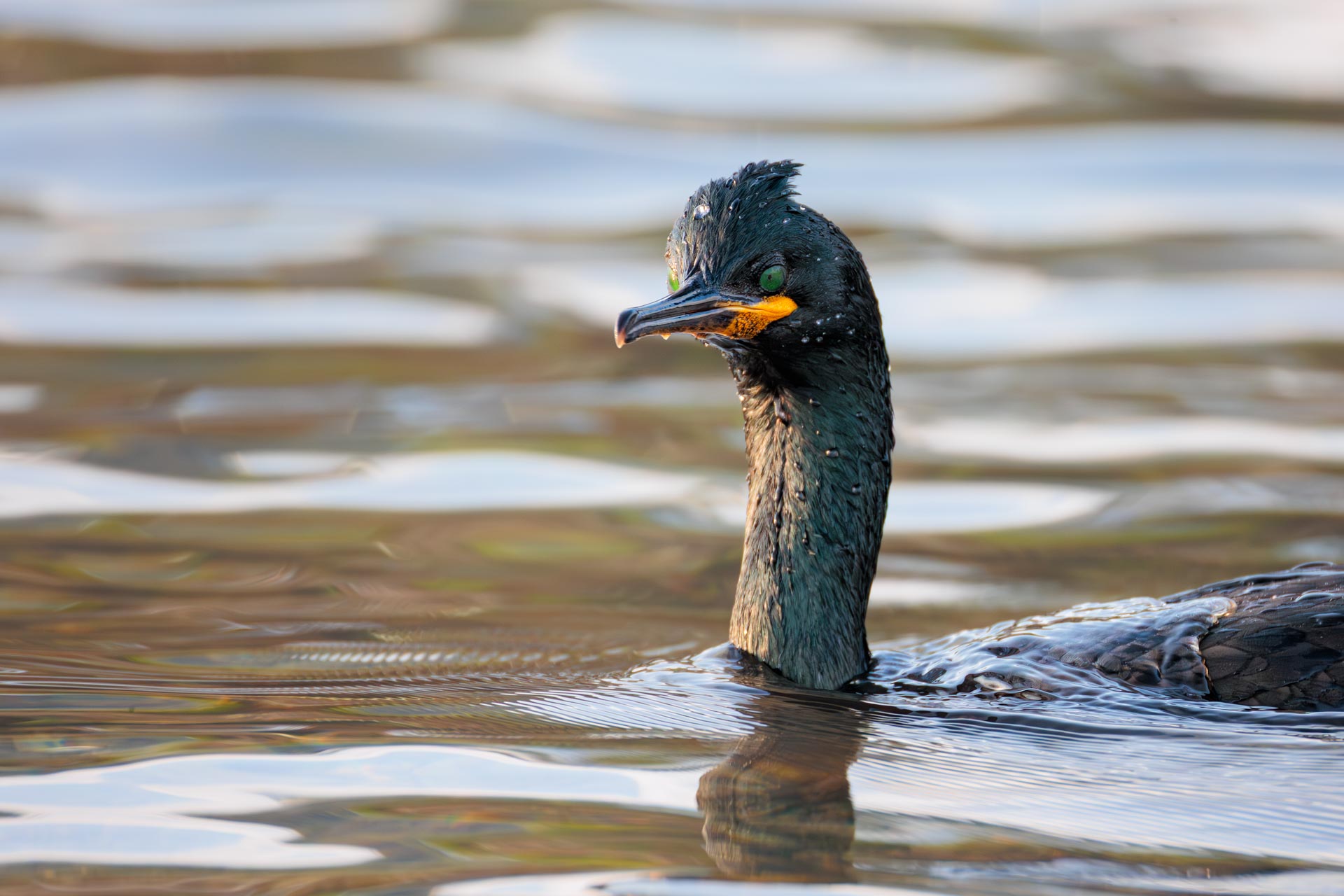
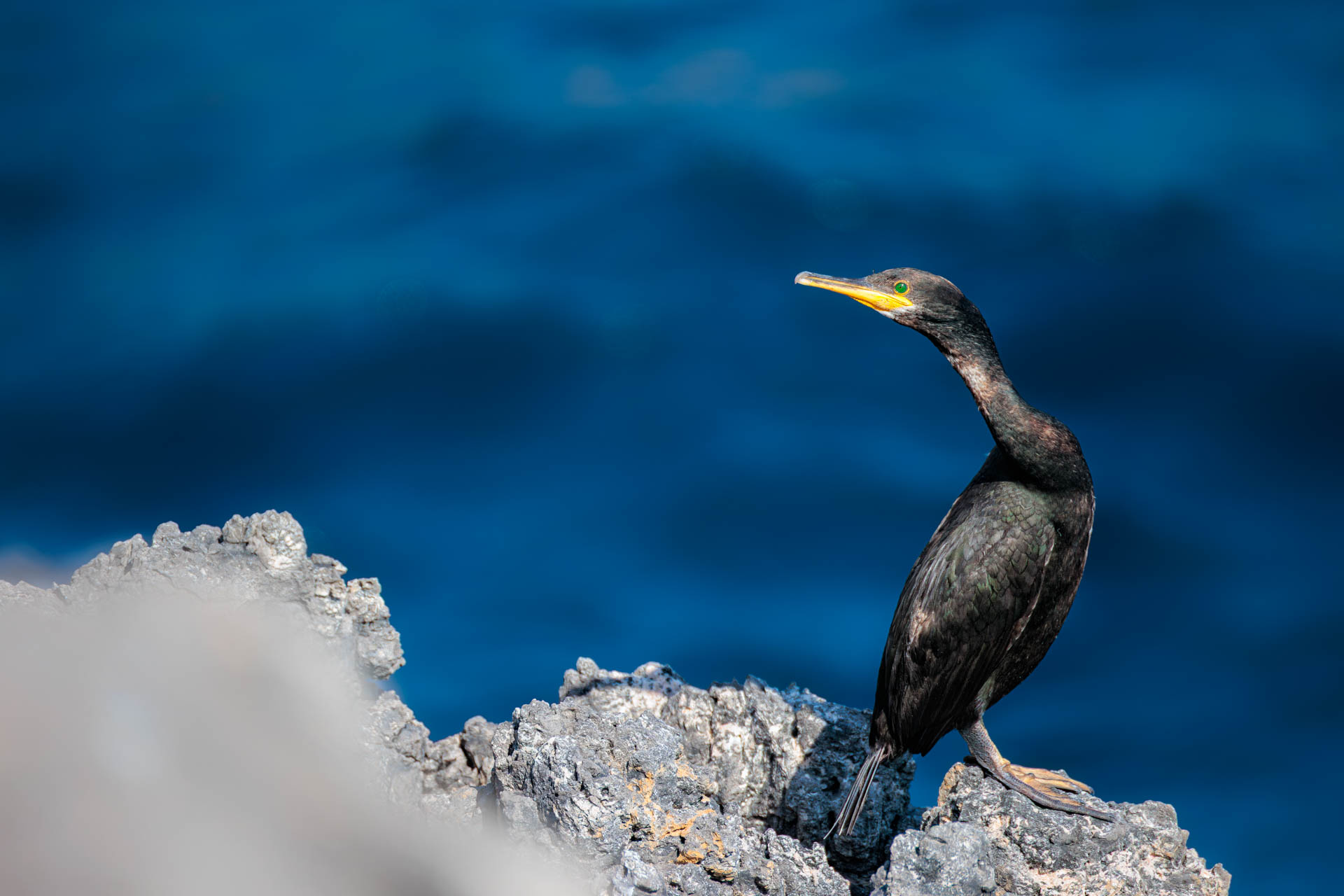
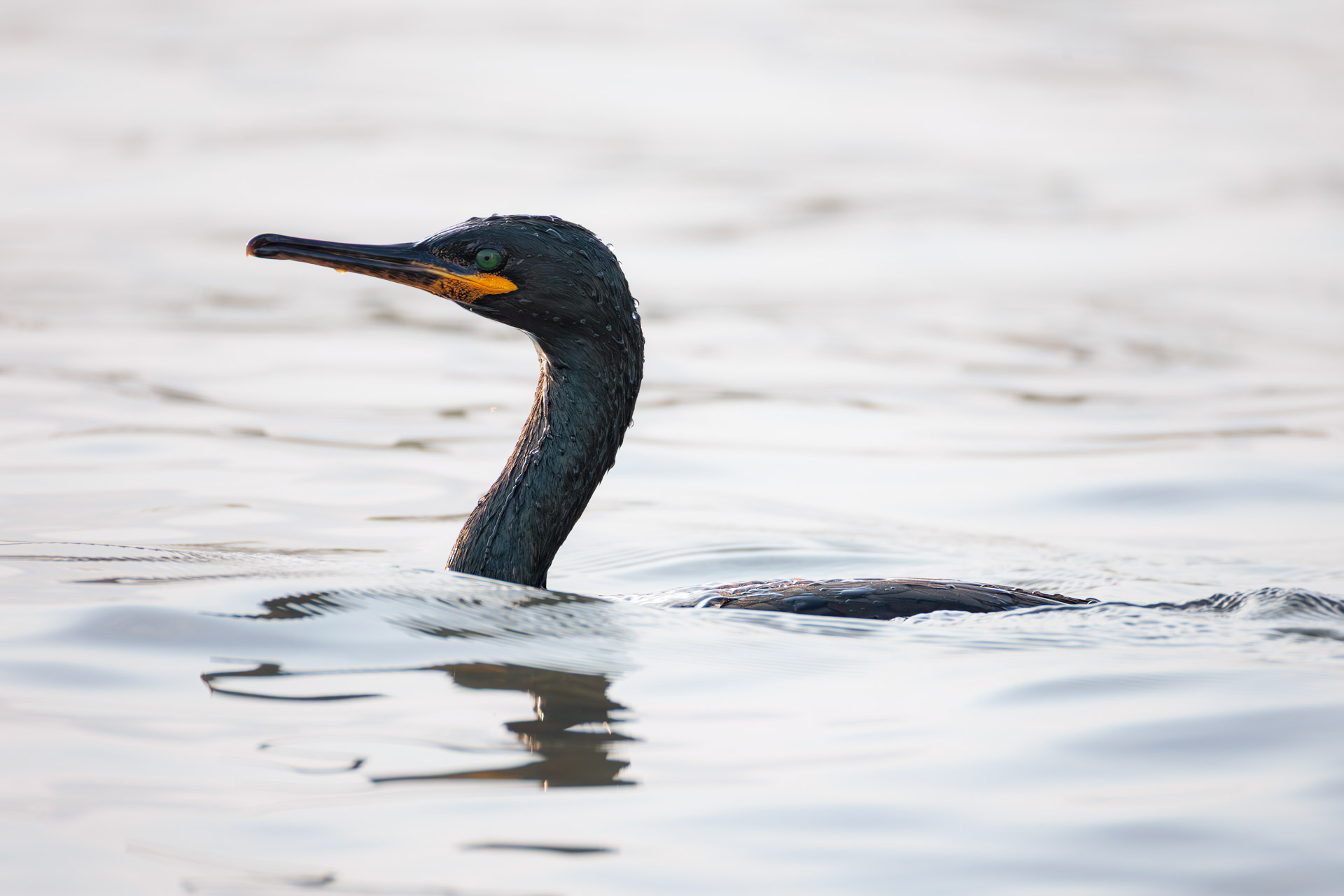
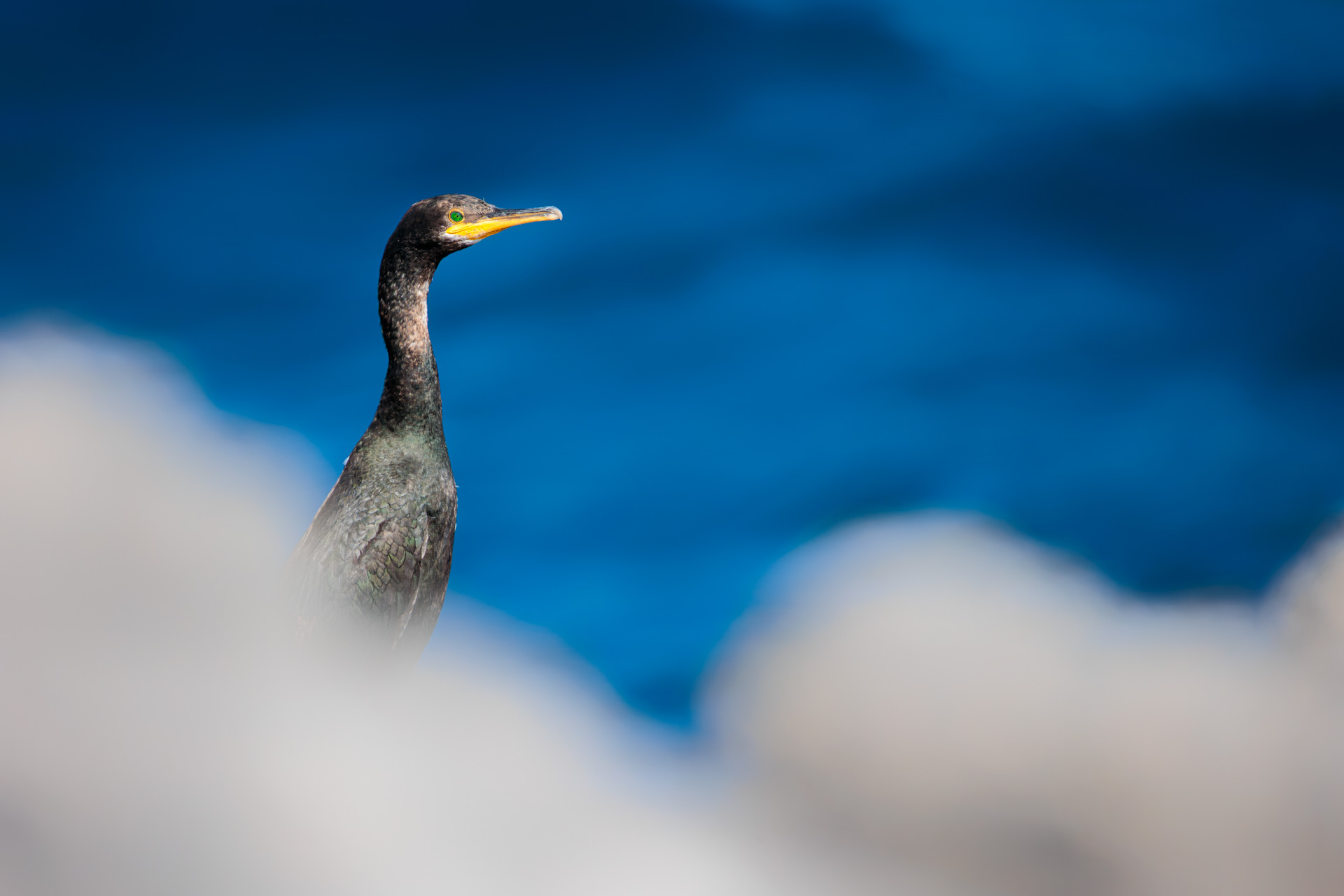
A coastal waterbird with dark plumage and a small crest on its head. It feeds on fish by diving into the sea. In Ibiza, it is common to see it perched on the rocks near the cliffs, drying its wings. With a bit of luck, they can also be seen diving. A good way to distinguish them from the great cormorant is their flight style, which is always very low and close to the sea. Their local name derives from their dark plumage, which resembles that of a crow, translating as ‘sea crow’.
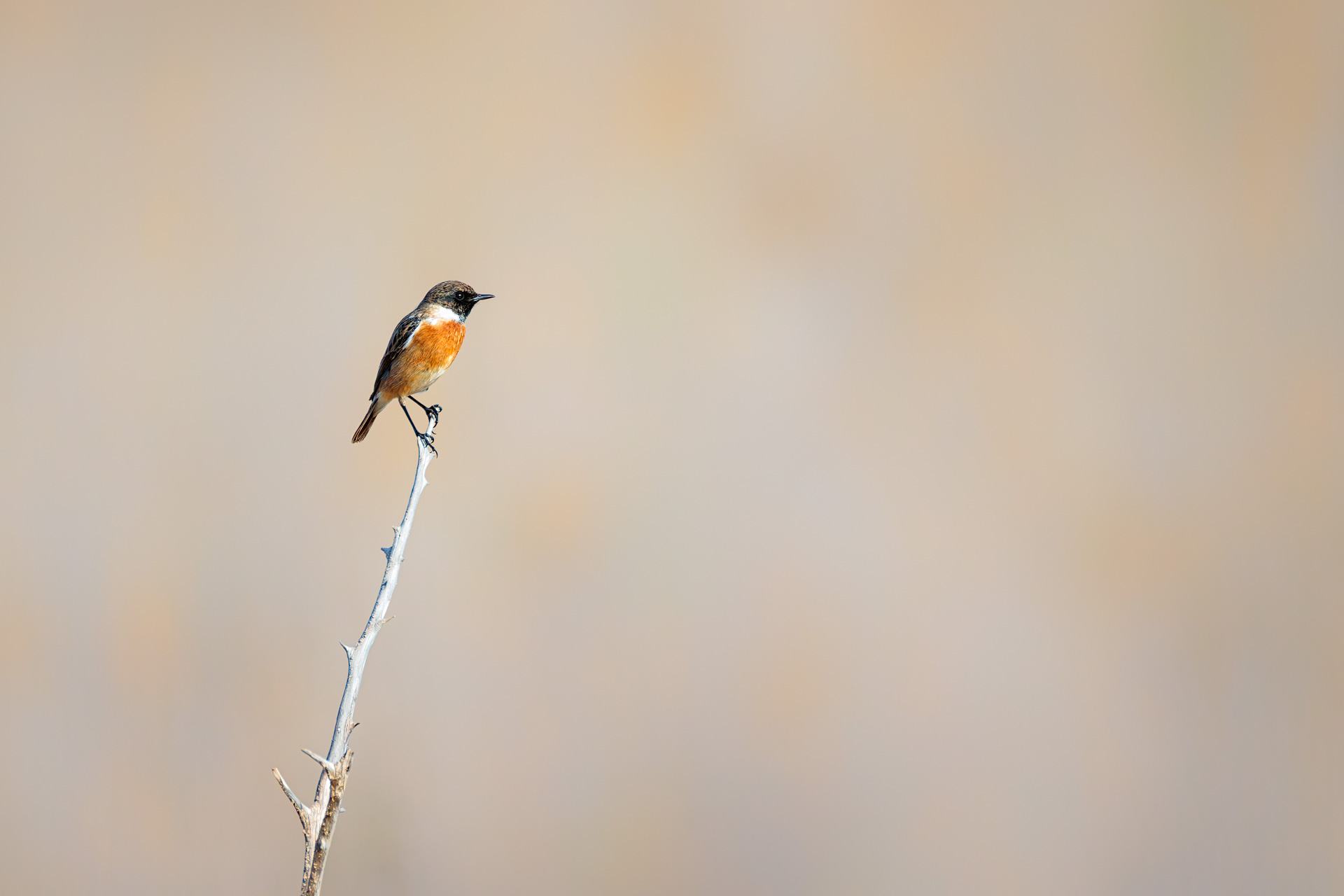
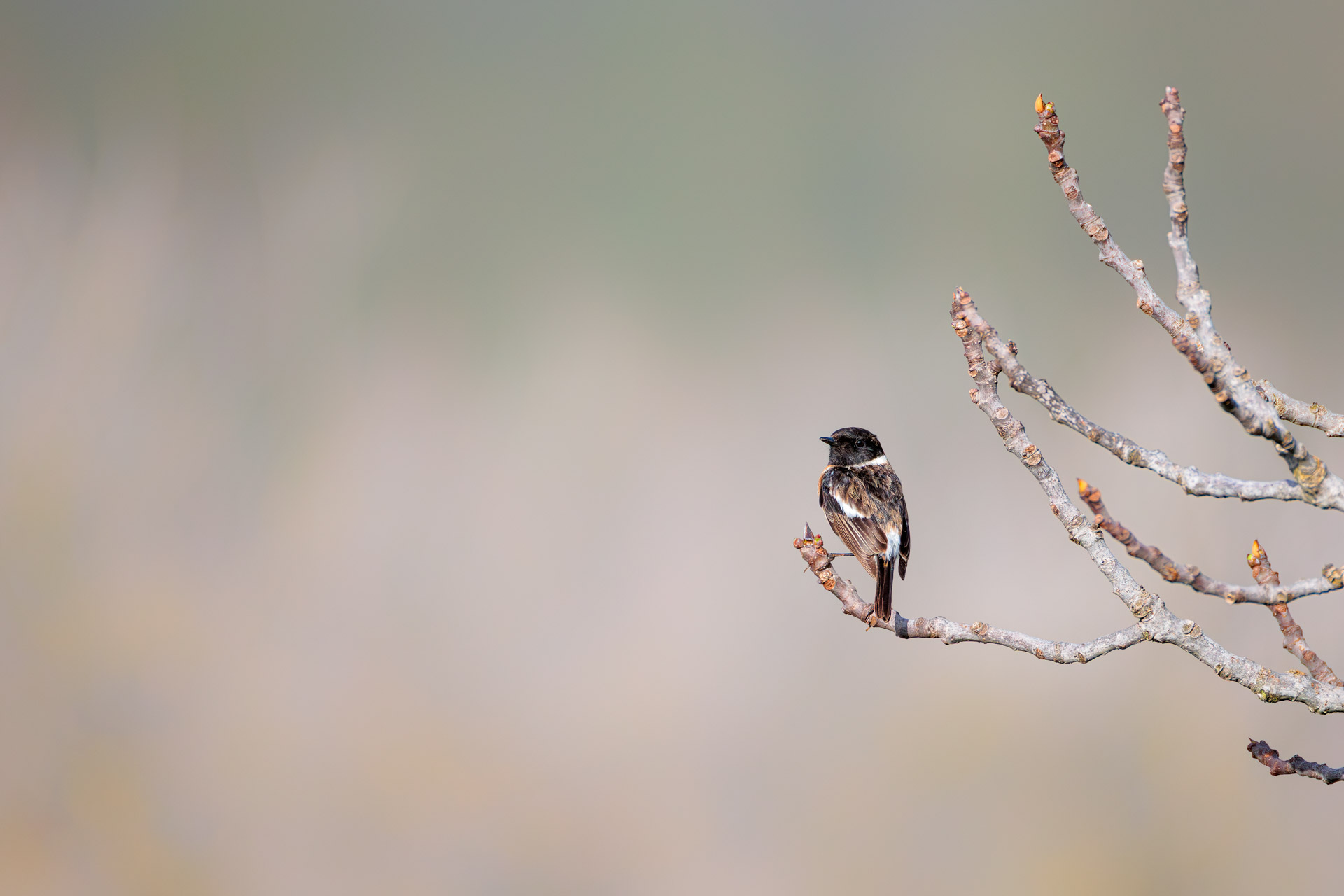
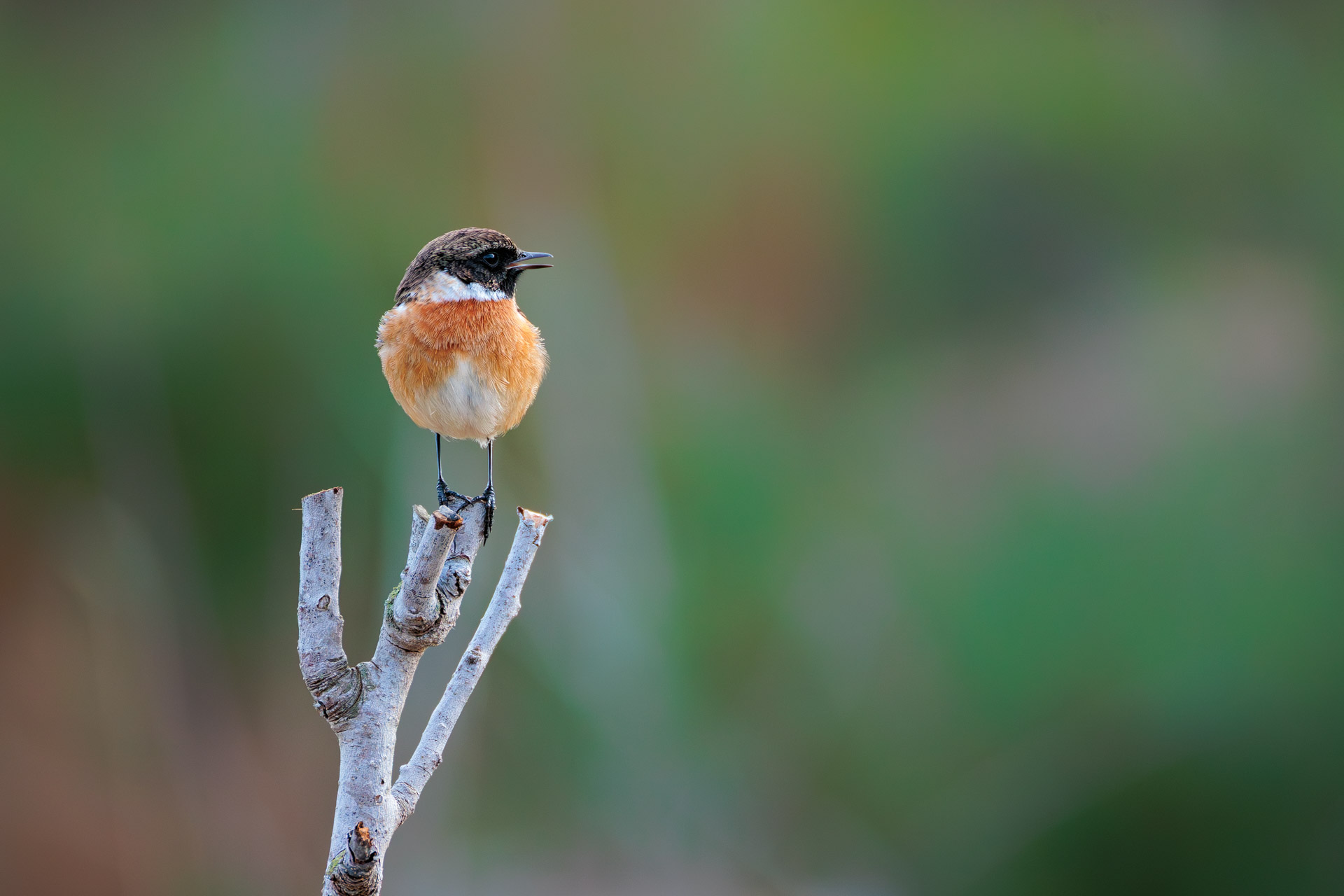
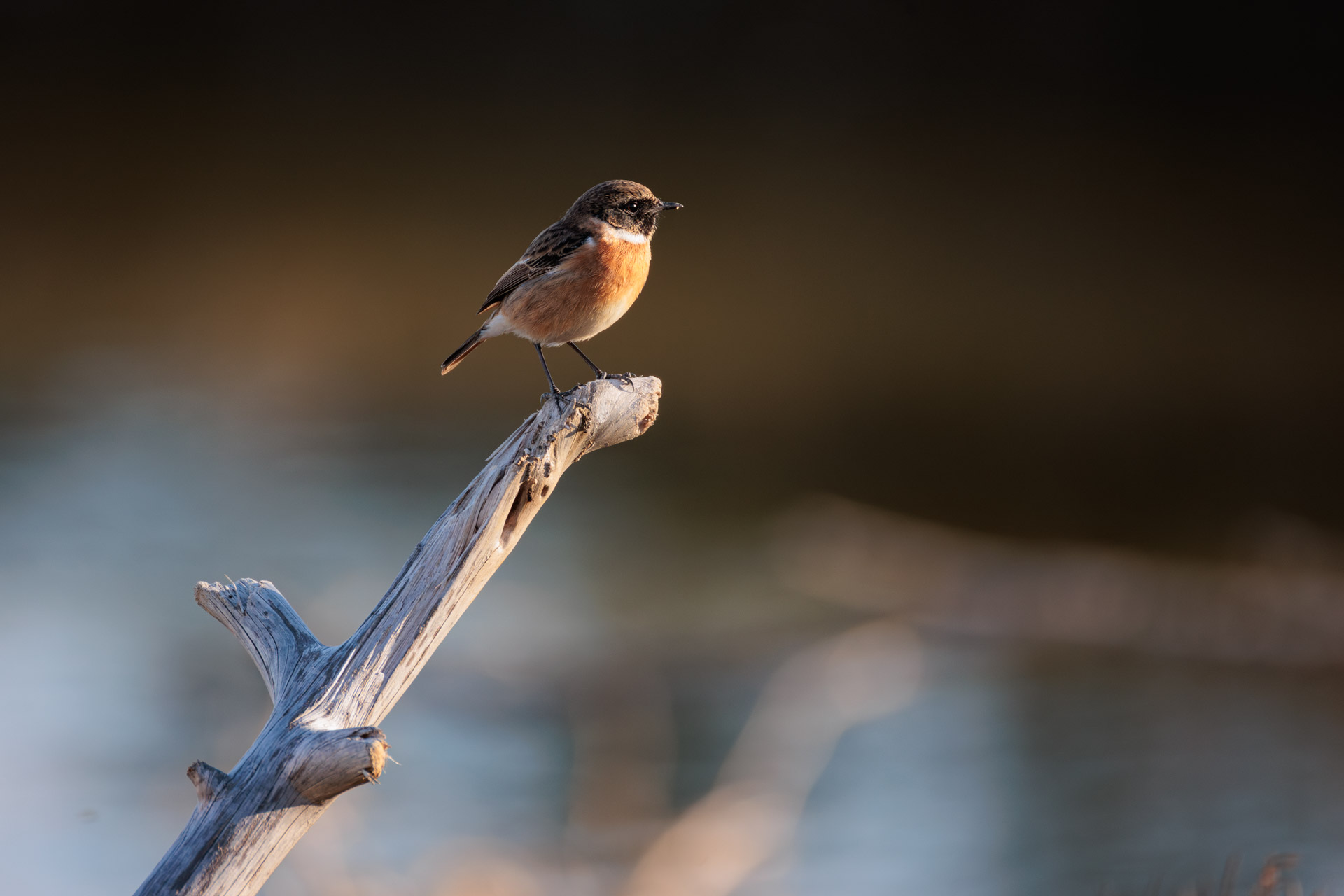
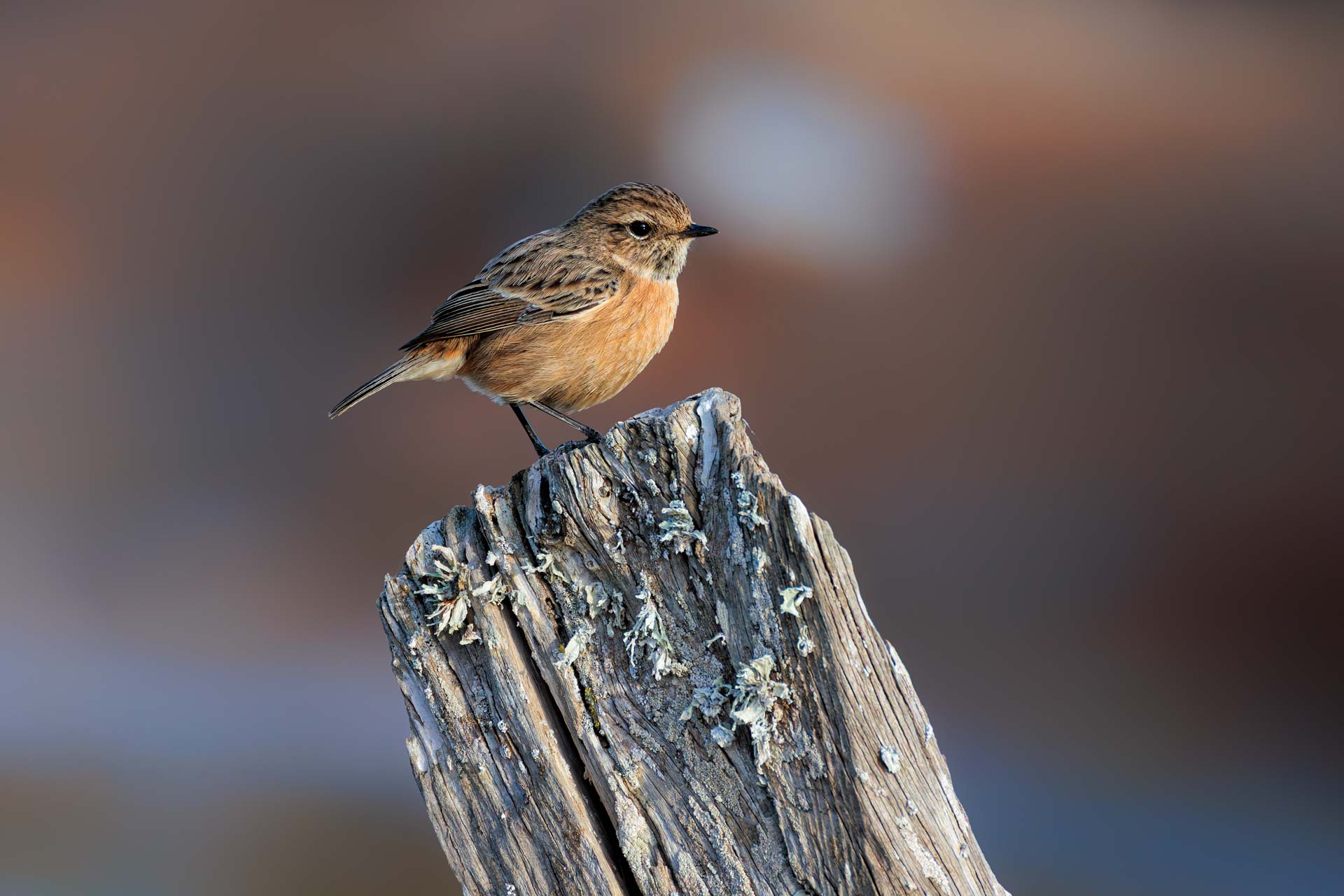
A small insectivorous bird found in open fields and wetlands. It usually perches on posts and stones to hunt for insects. In Ibiza, it is a very common bird and easy to spot, as it is not overly shy and is unafraid of people. Its local name translates as ‘handle pooper’, referring to the handles of farming tools.
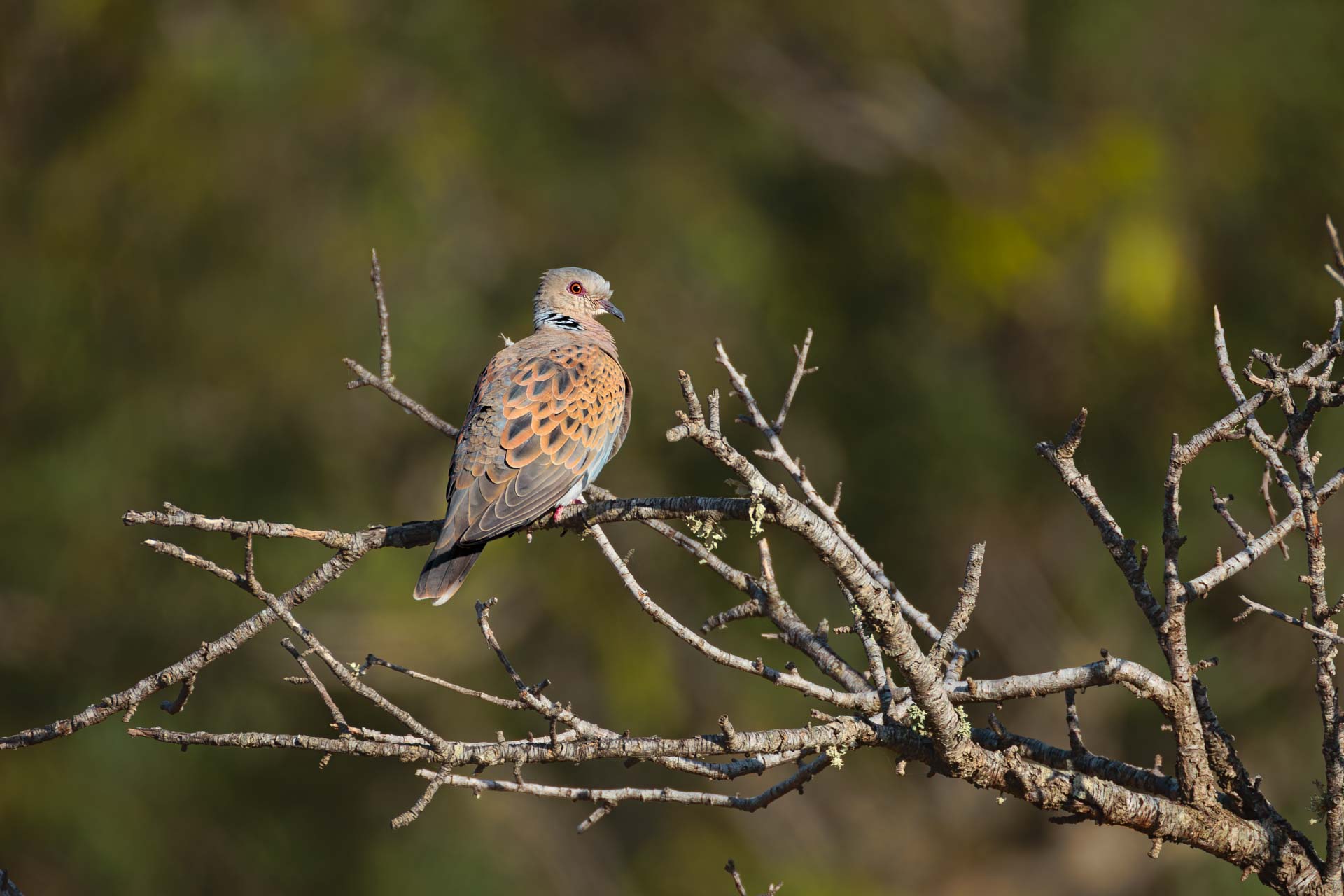
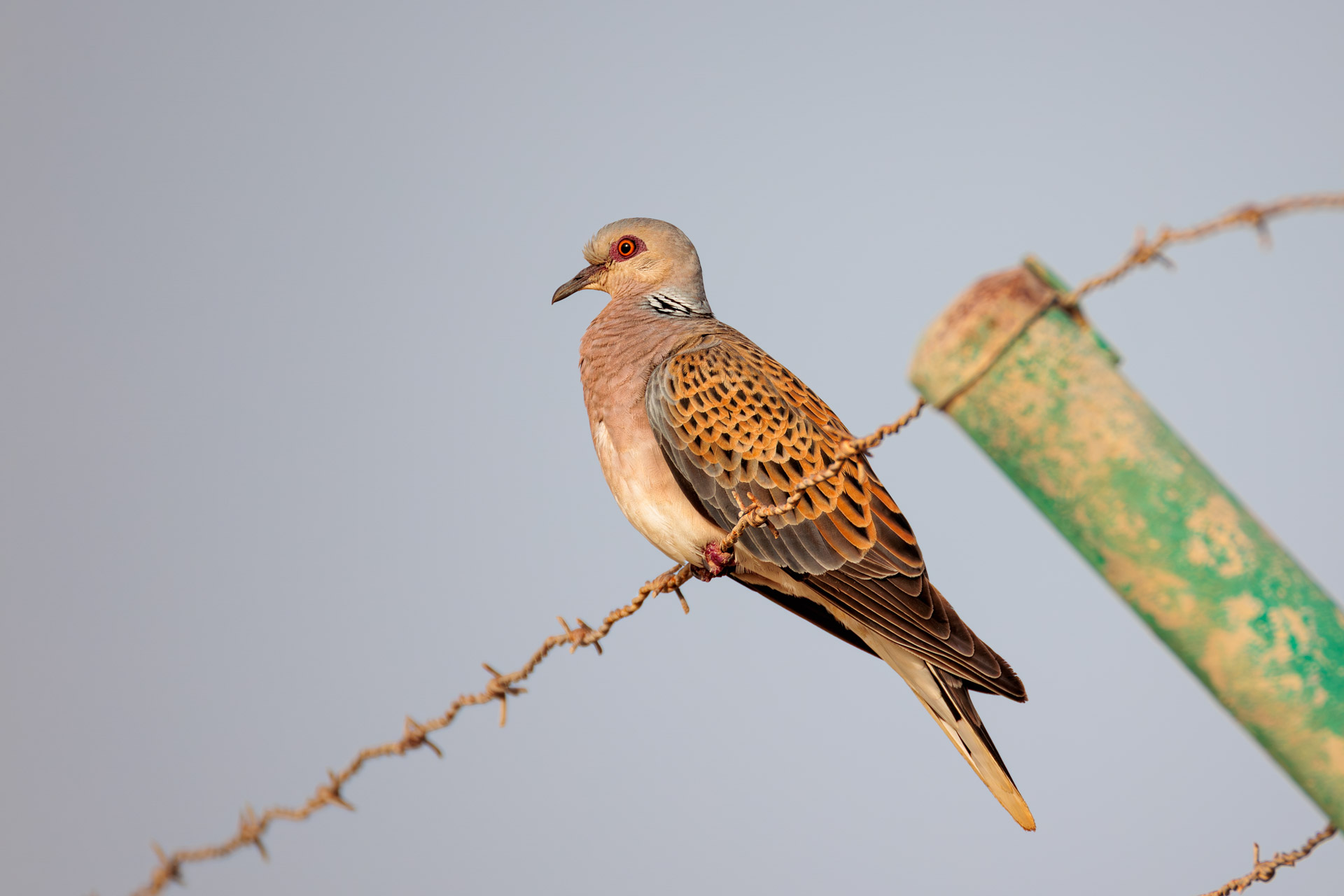
A medium-sized migratory bird, known for its distinctive song, which fills the forests of Ibiza during the summer, its main habitat. It is common in spring and summer, returning each year from Africa. Globally, it is a species in sharp decline, so efforts are being made to regulate hunting.
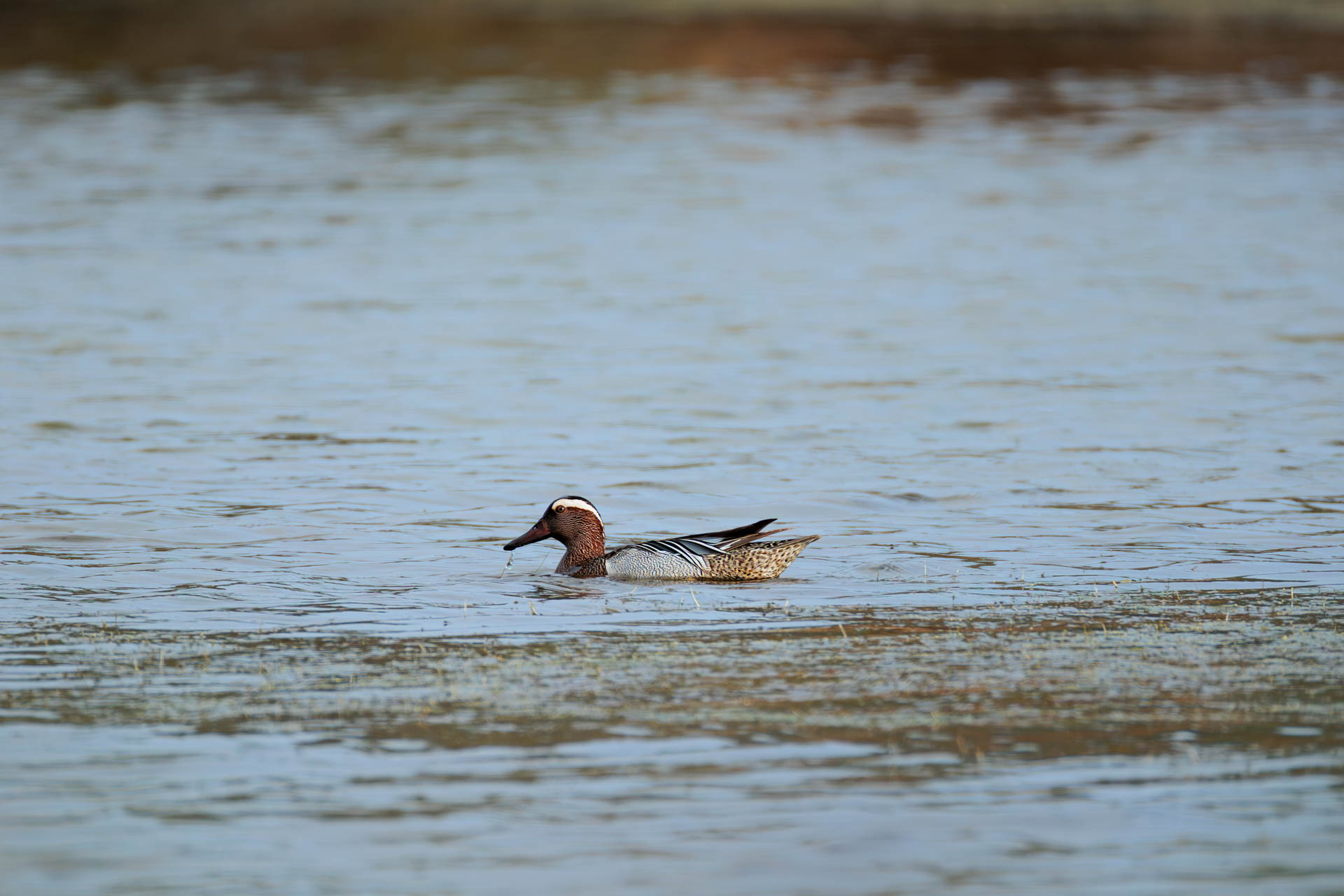
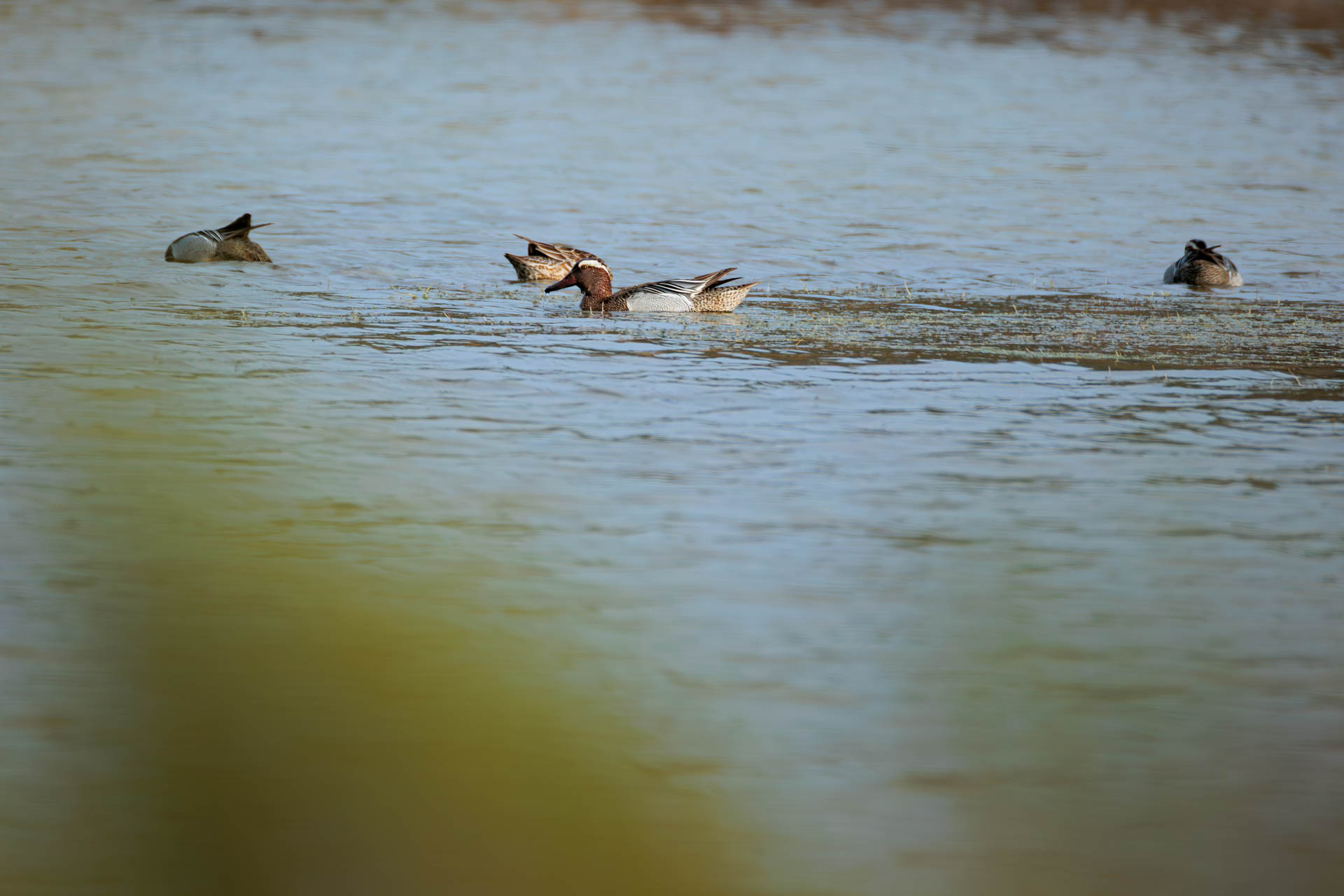
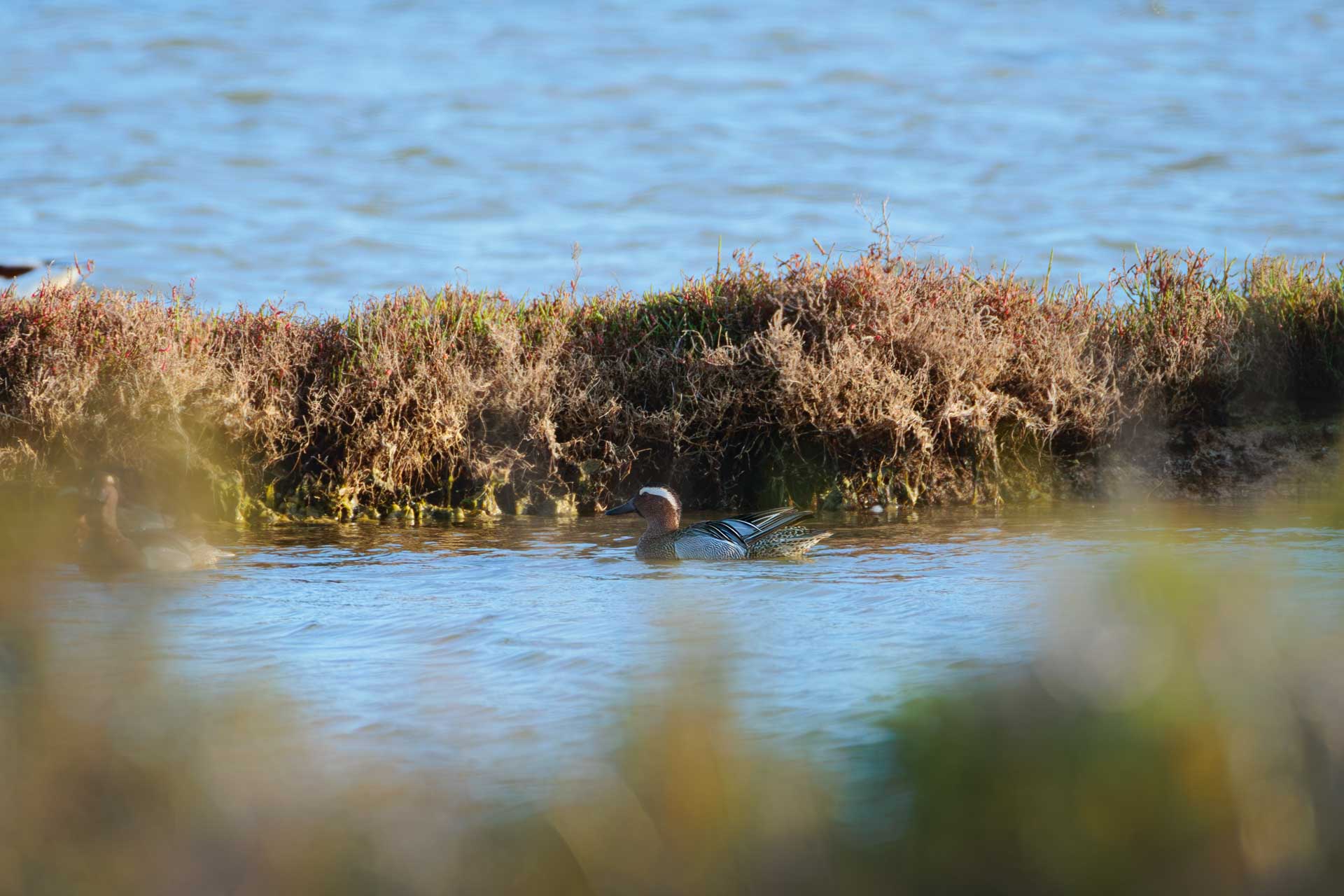
The Garganey is a small, elegant and unobtrusive migratory duck, the male being recognisable by the distinctive white stripe above the eye. It frequents lagoons, marshes and shallow water areas, where it feeds on small invertebrates and plant matter. In Ibiza, it is mainly seen during migratory passages, being more common in spring in wetlands such as Ses Salines.
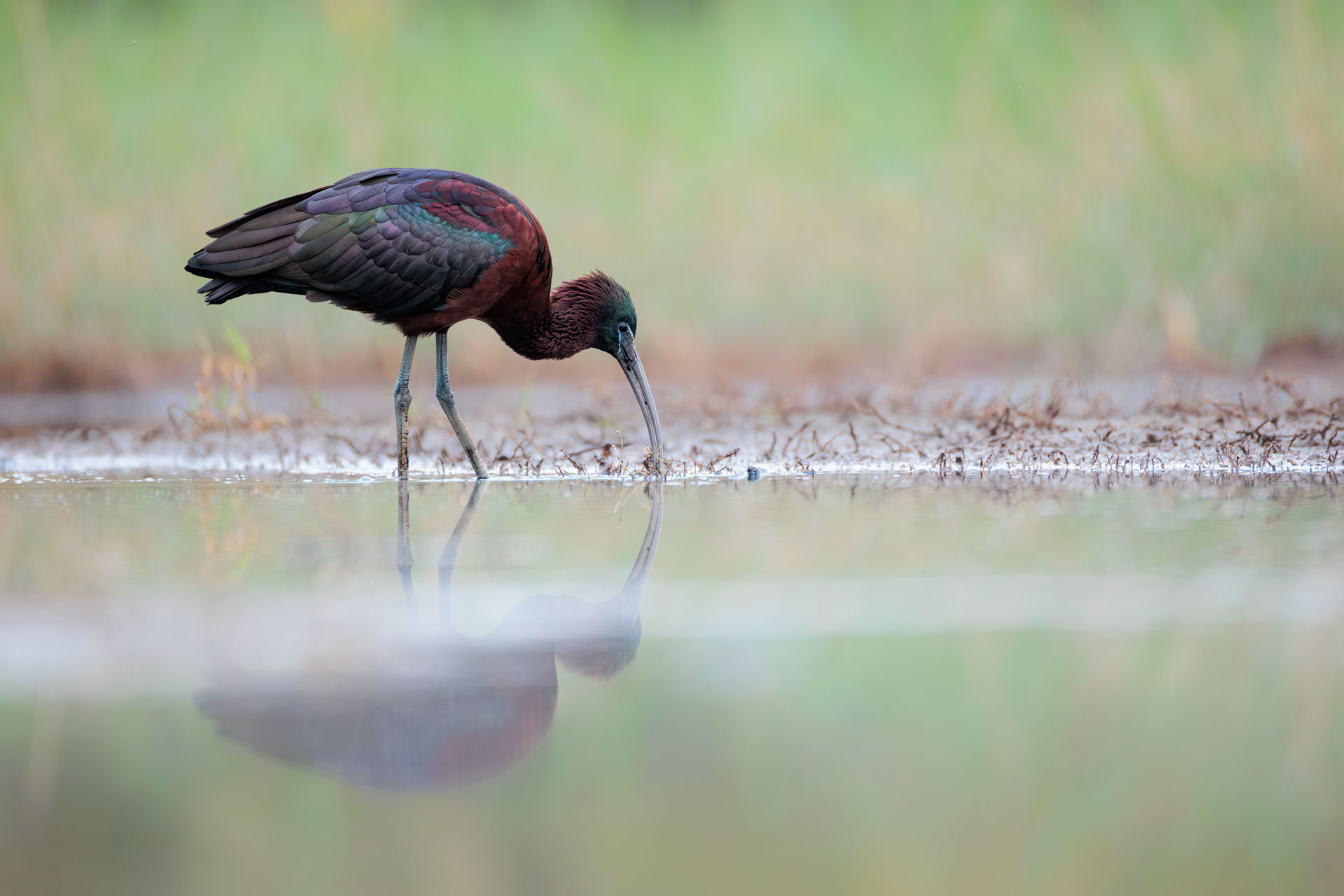
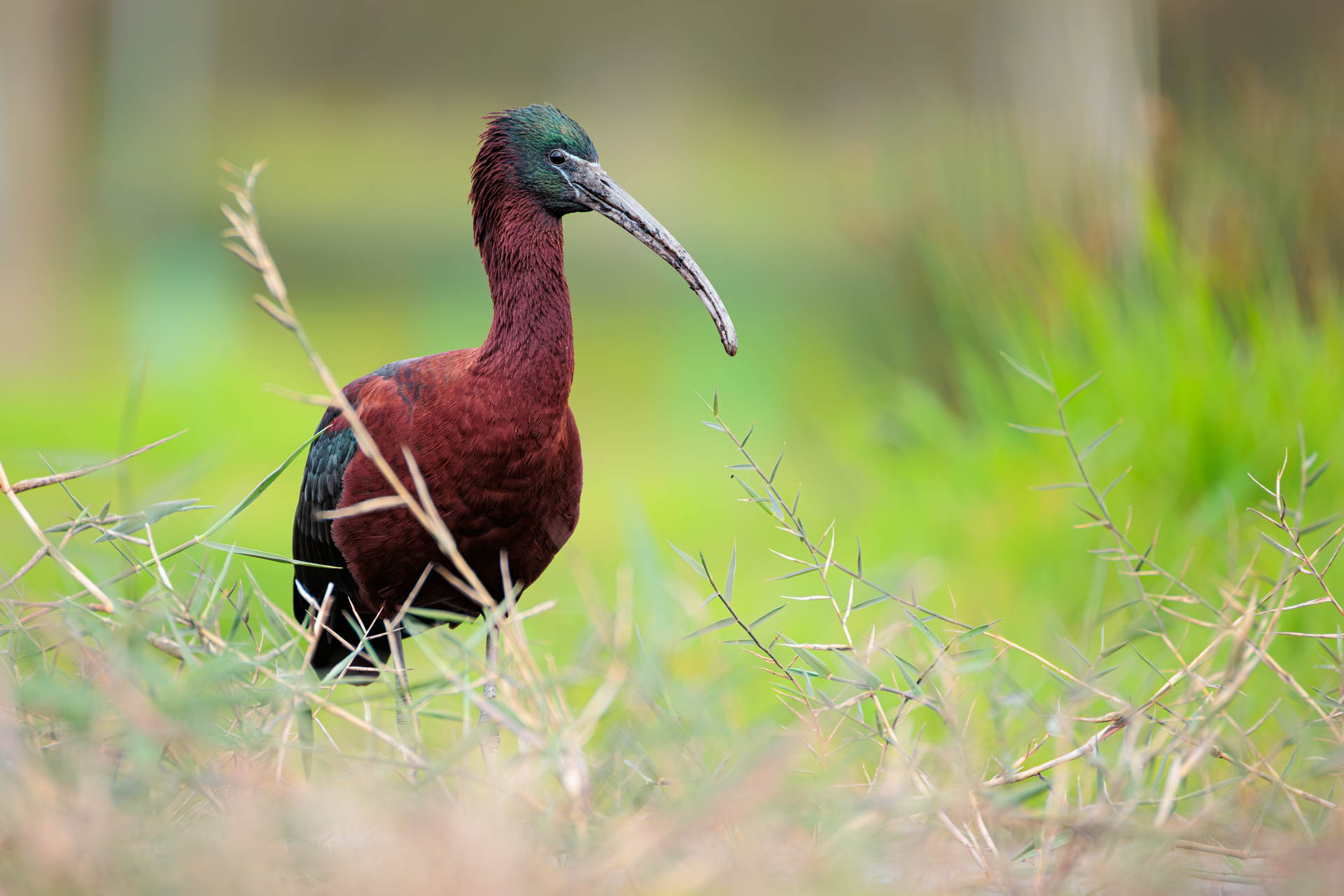
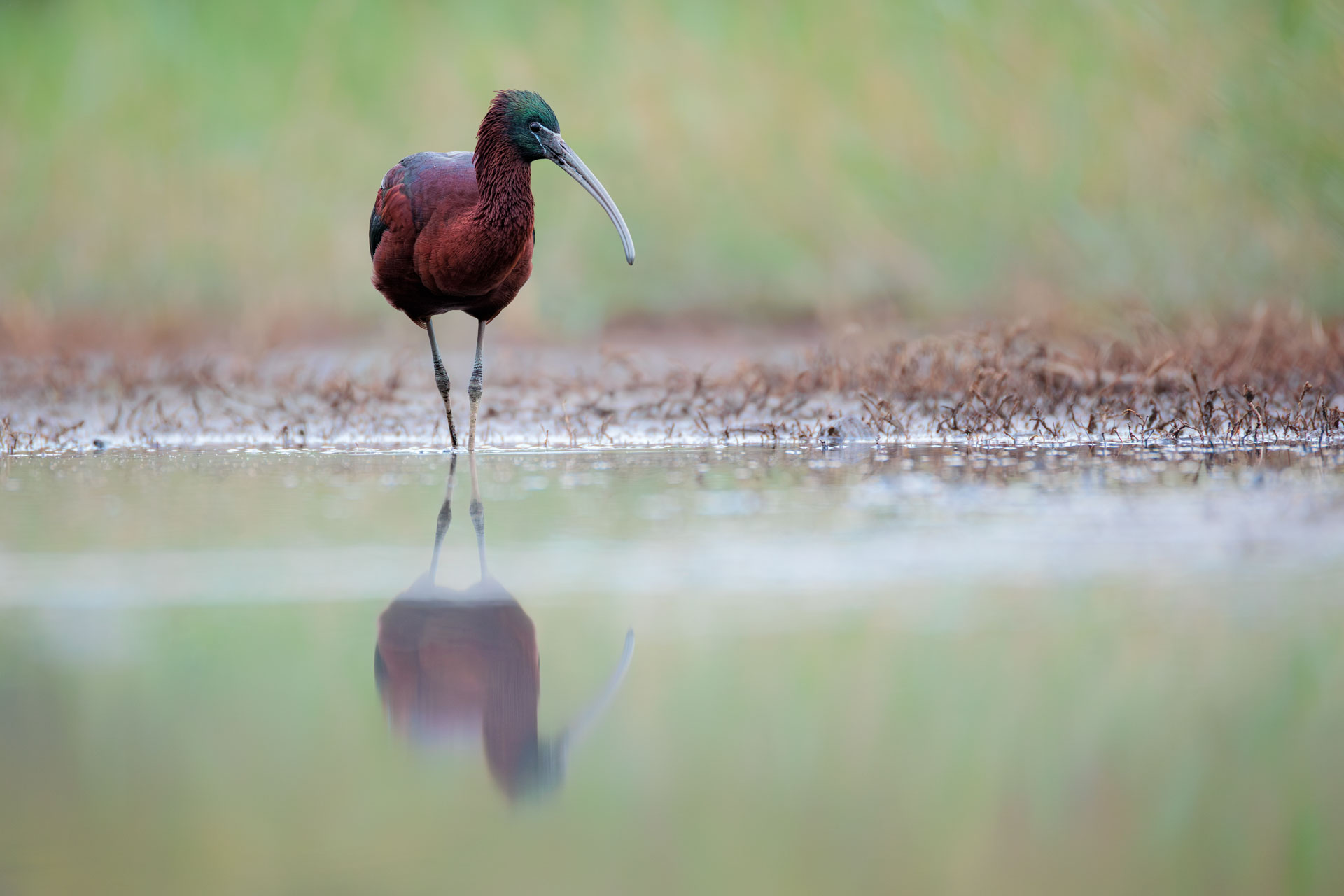
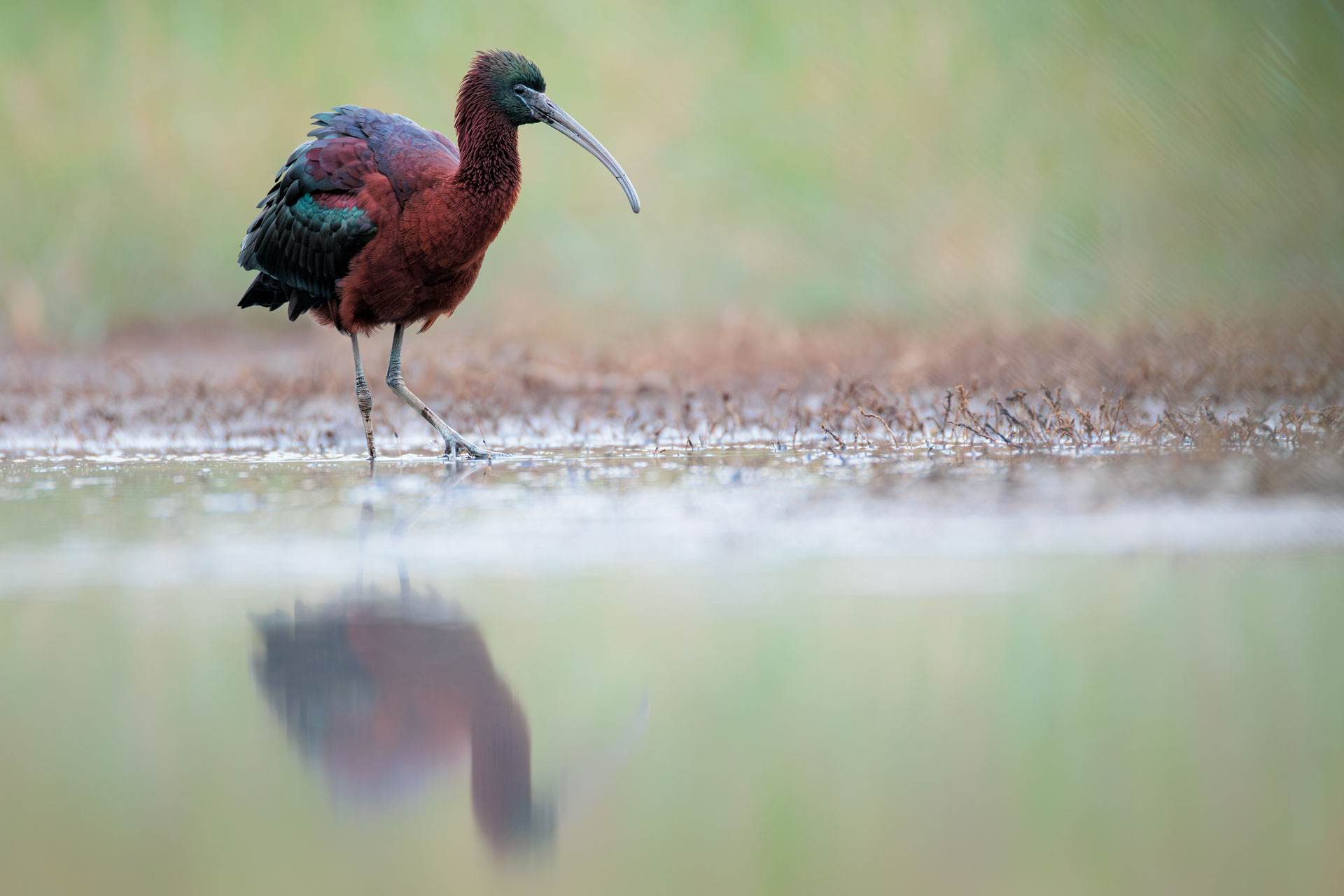
The Glossy Ibis is an unmistakable bird due to its dark plumage with metallic sheen and its long, downward-curving bill. It frequents wetlands, marshes and flooded areas, where it feeds on insects, small invertebrates and amphibians that it catches by probing the mud. In Ibiza, its presence is rare and, so far, it has only been seen during migratory passages, a time when individuals can be observed alone or in small groups.
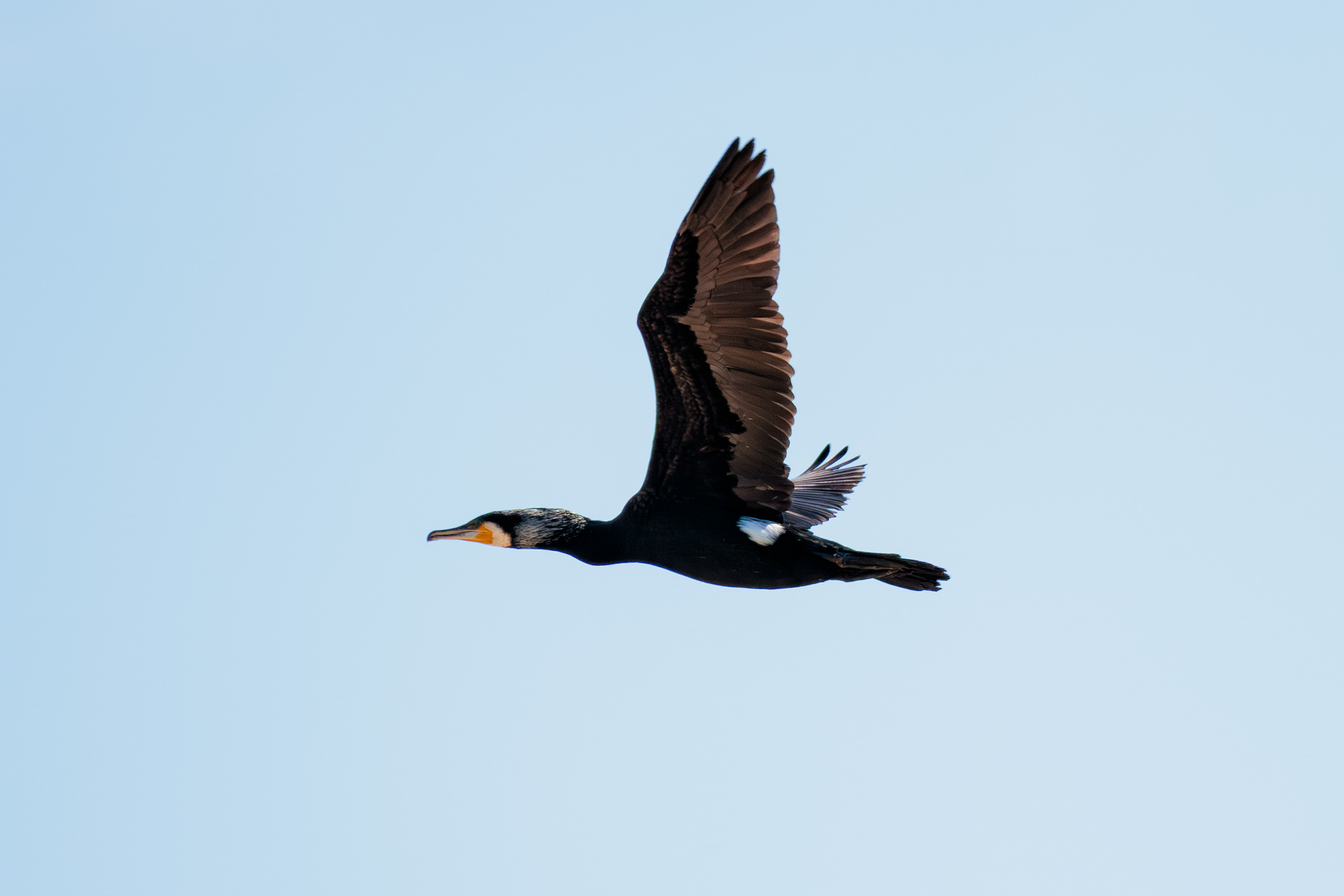
A large coastal and wetland waterbird with dark plumage. It feeds on fish by diving. In Ibiza, it can be seen during the winter or during migratory passages. A good way to distinguish it from the crested cormorant, apart from its chest colouring, is its flight style; in this case, it can be seen flying at a much greater height and may occasionally fly over land areas.
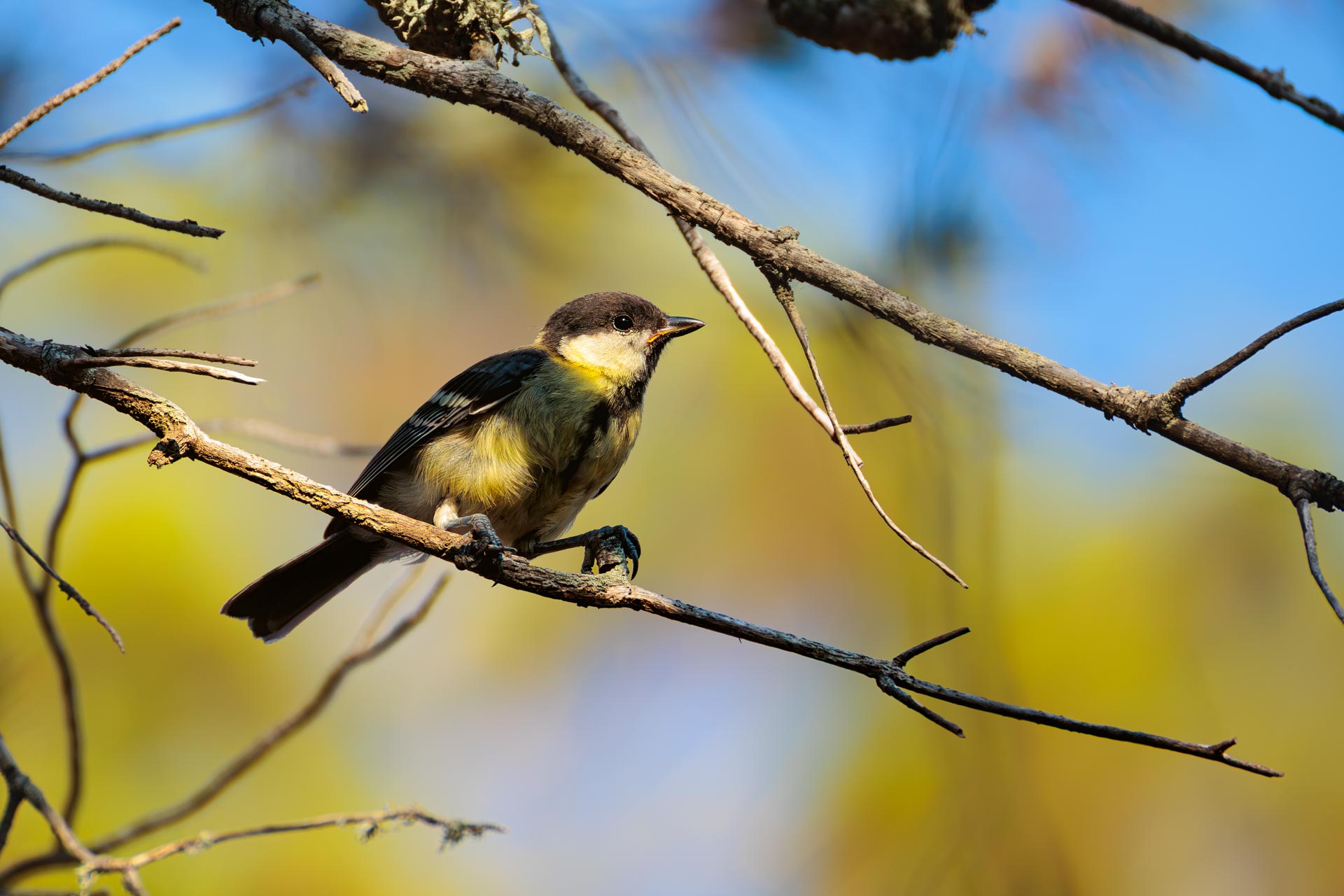
A small, colourful bird, frequent mainly in woodland, although it also adapts to human presence and can be seen in orchards and gardens. In Ibiza it is difficult to observe because it stays high in pine canopies, but it is easily detected by its characteristic calls. Its local name comes from the habit of tits pecking at cheeses left by Ibizans on porches to dry; it means “cheese pecker”.
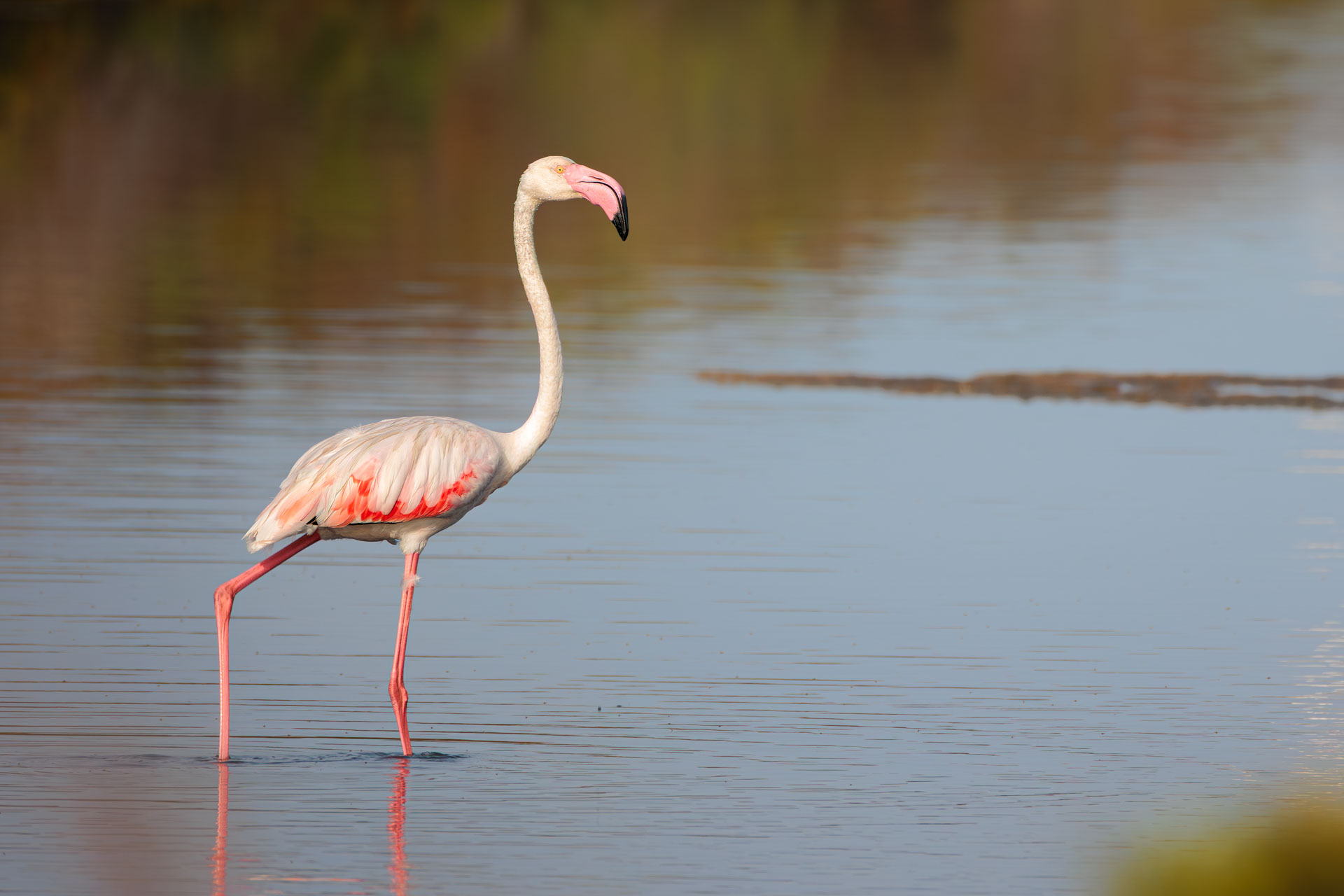
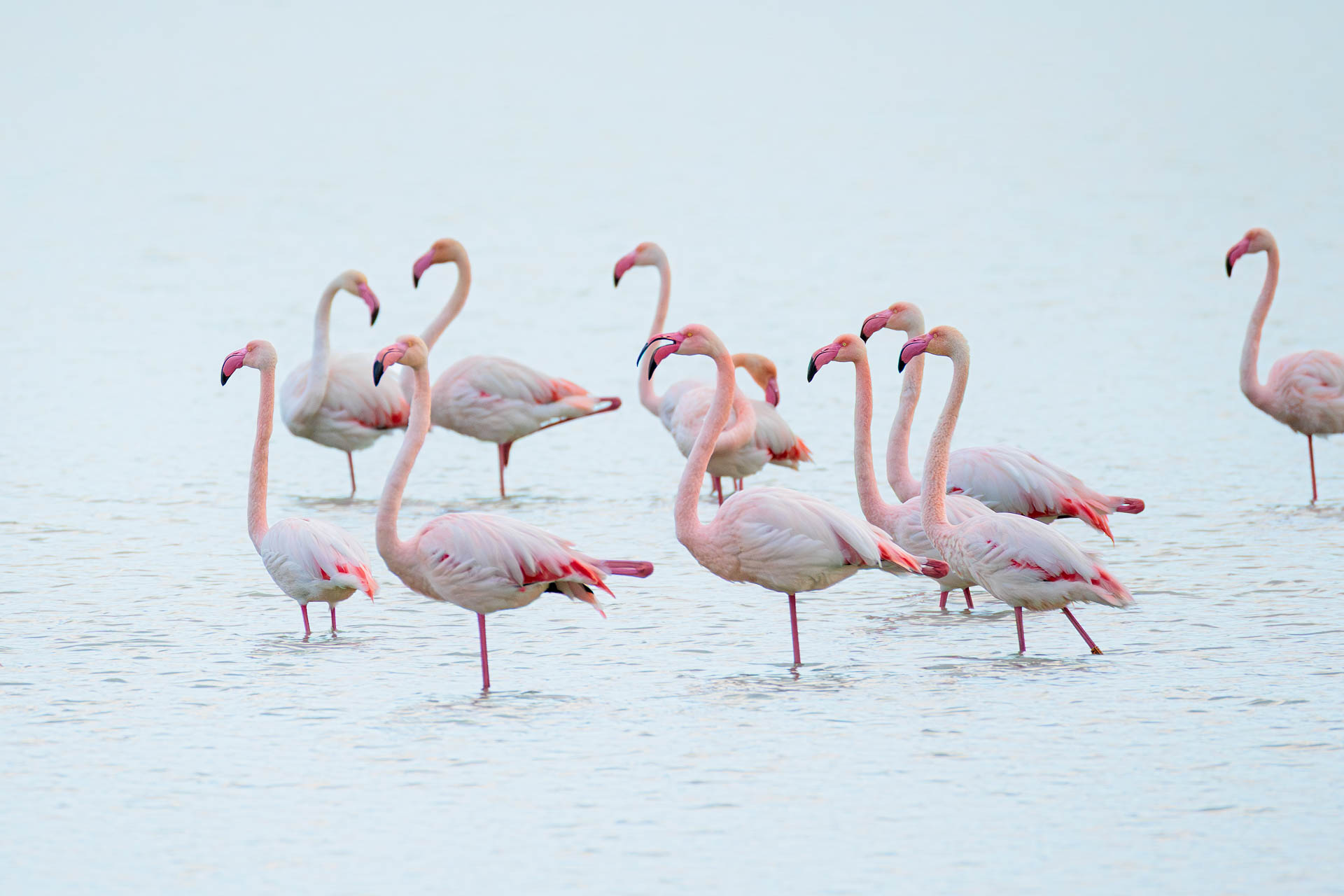
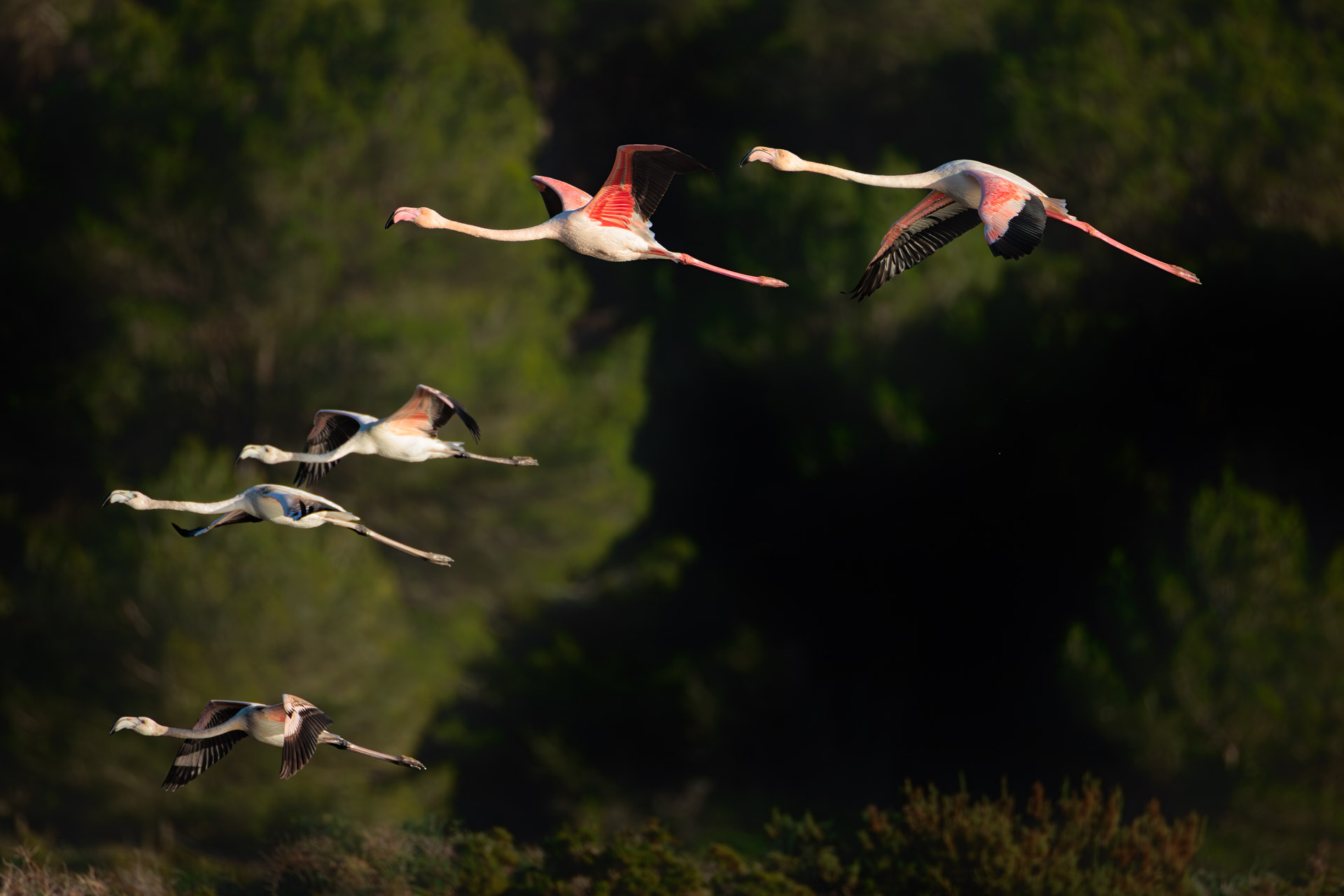
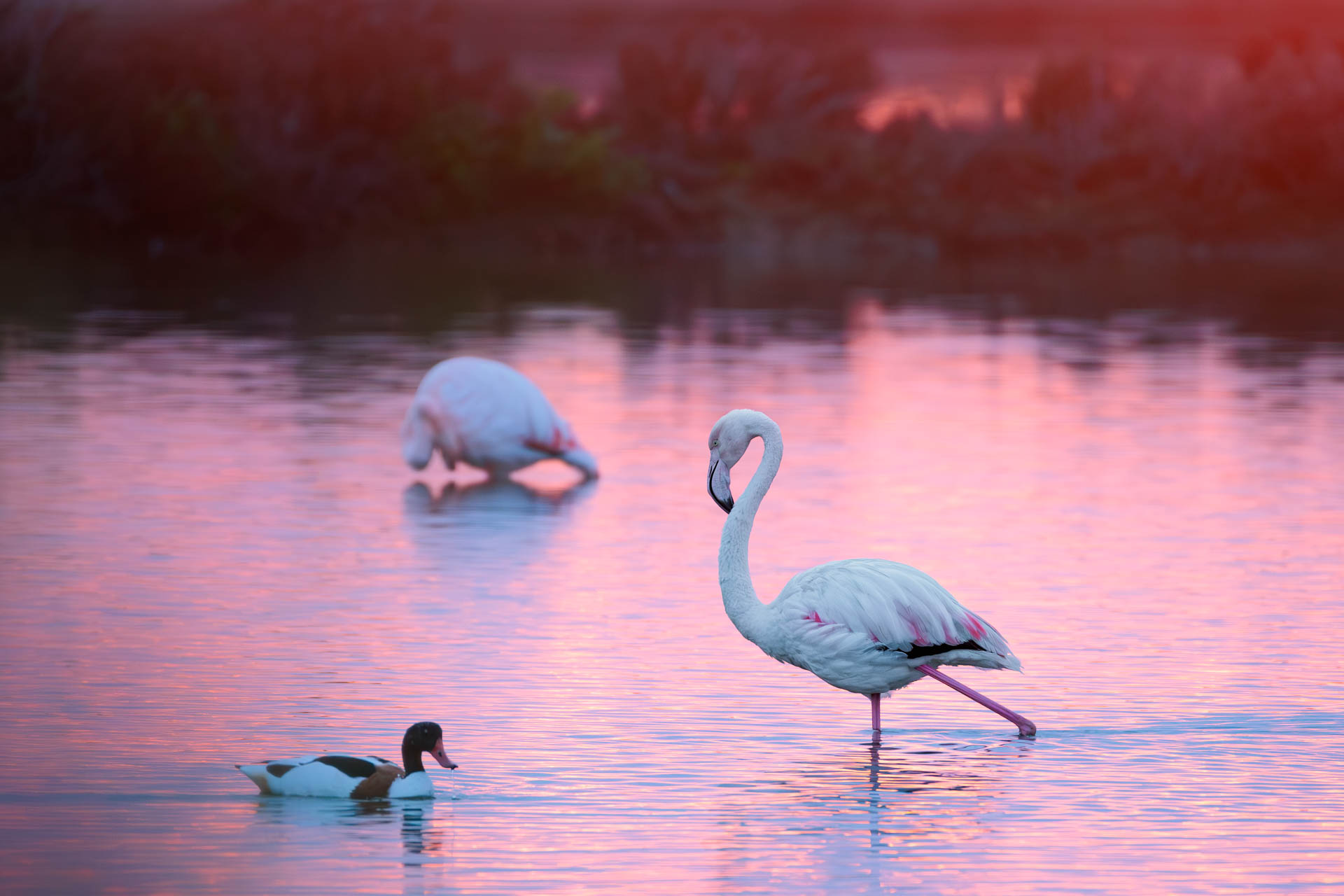
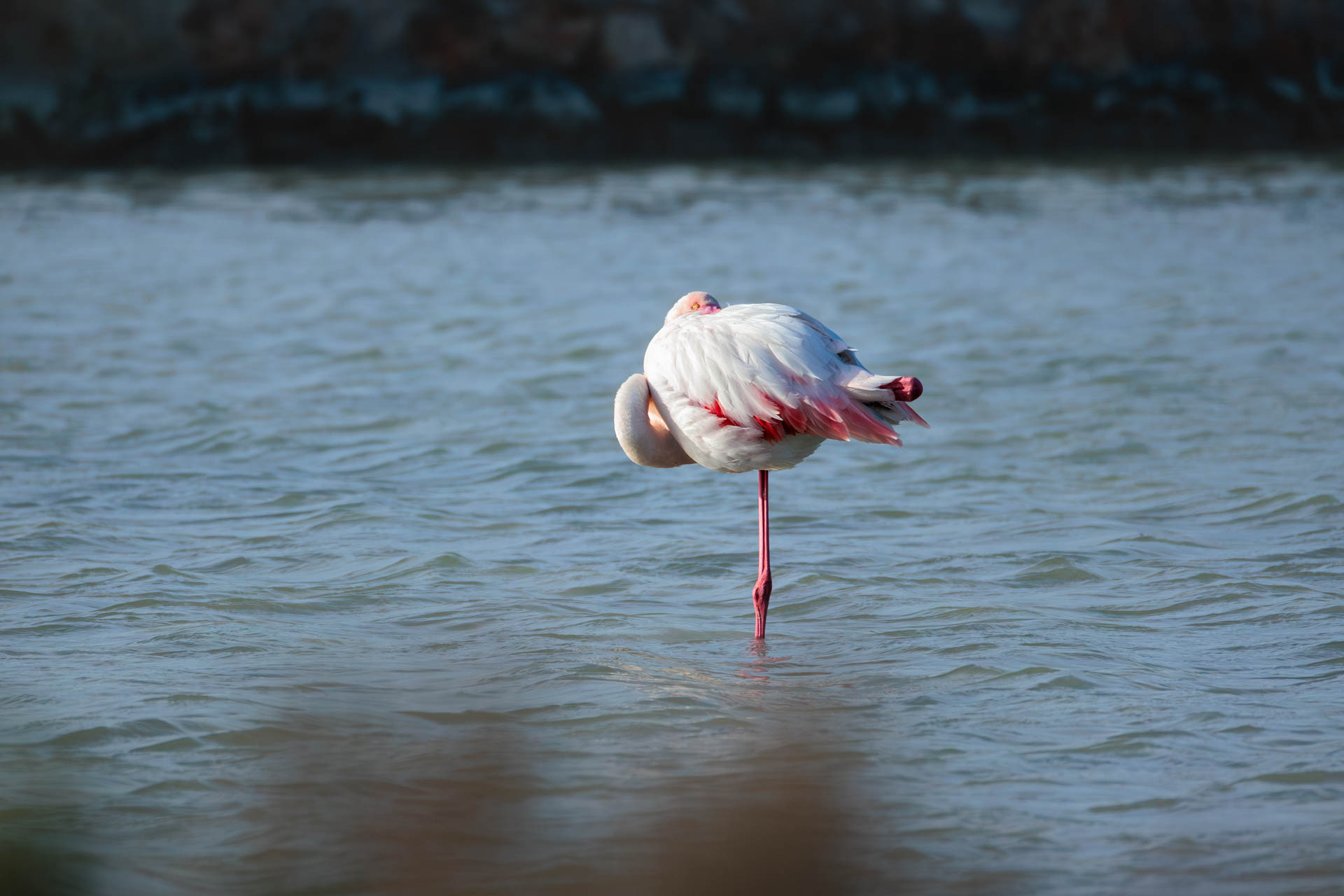
An iconic bird of saline wetlands, easily recognisable by its size and pink colour. In Ibiza, it is common in the Ses Salines Nature Reserve, where it feeds in shallow waters. Observing large flocks is one of the island’s major ornithological attractions. Although it is becoming increasingly common year-round, it does not breed in Ibiza.
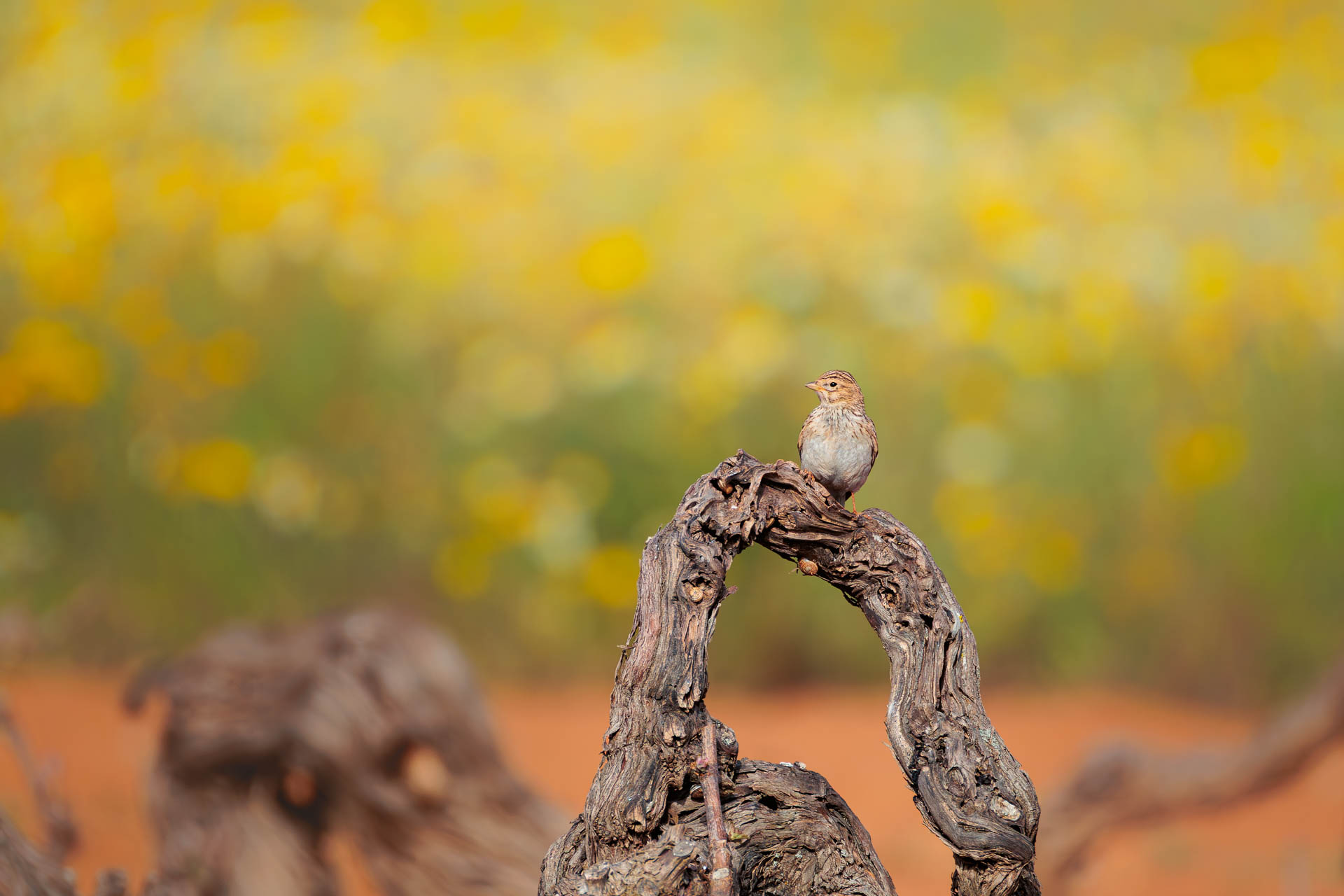
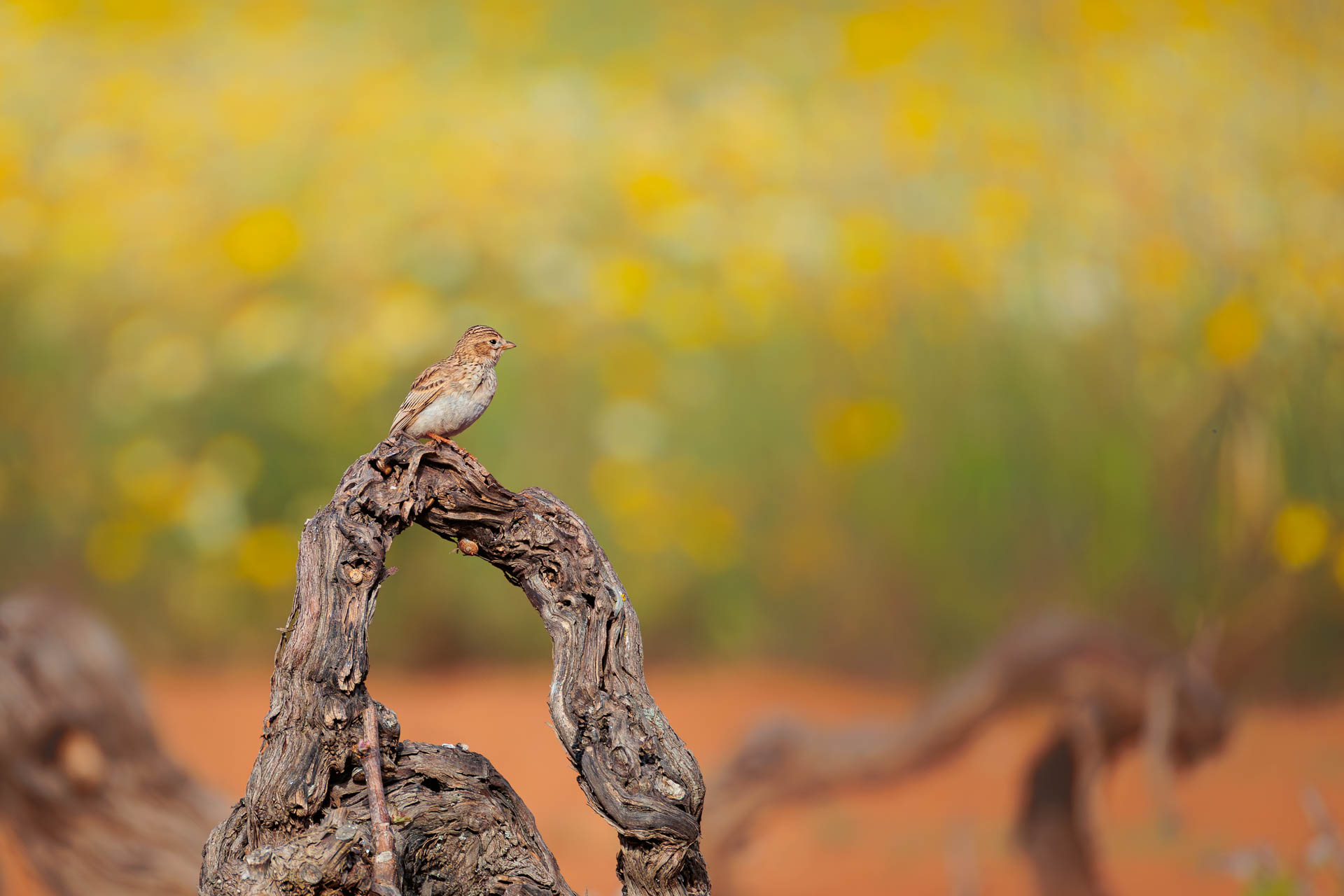
The Greater Short-toed Lark is a small bird associated with open, dry environments, such as cultivated fields, plains and steppe-like areas. With its inconspicuous, well-camouflaged plumage, it spends much of its time on the ground, where it feeds on seeds and insects. In Ibiza, it is mainly seen during migration and in summer, when it breeds. This bird is frequently seen in open areas with cultivated fields, such as the Pla de Sant Mateu.
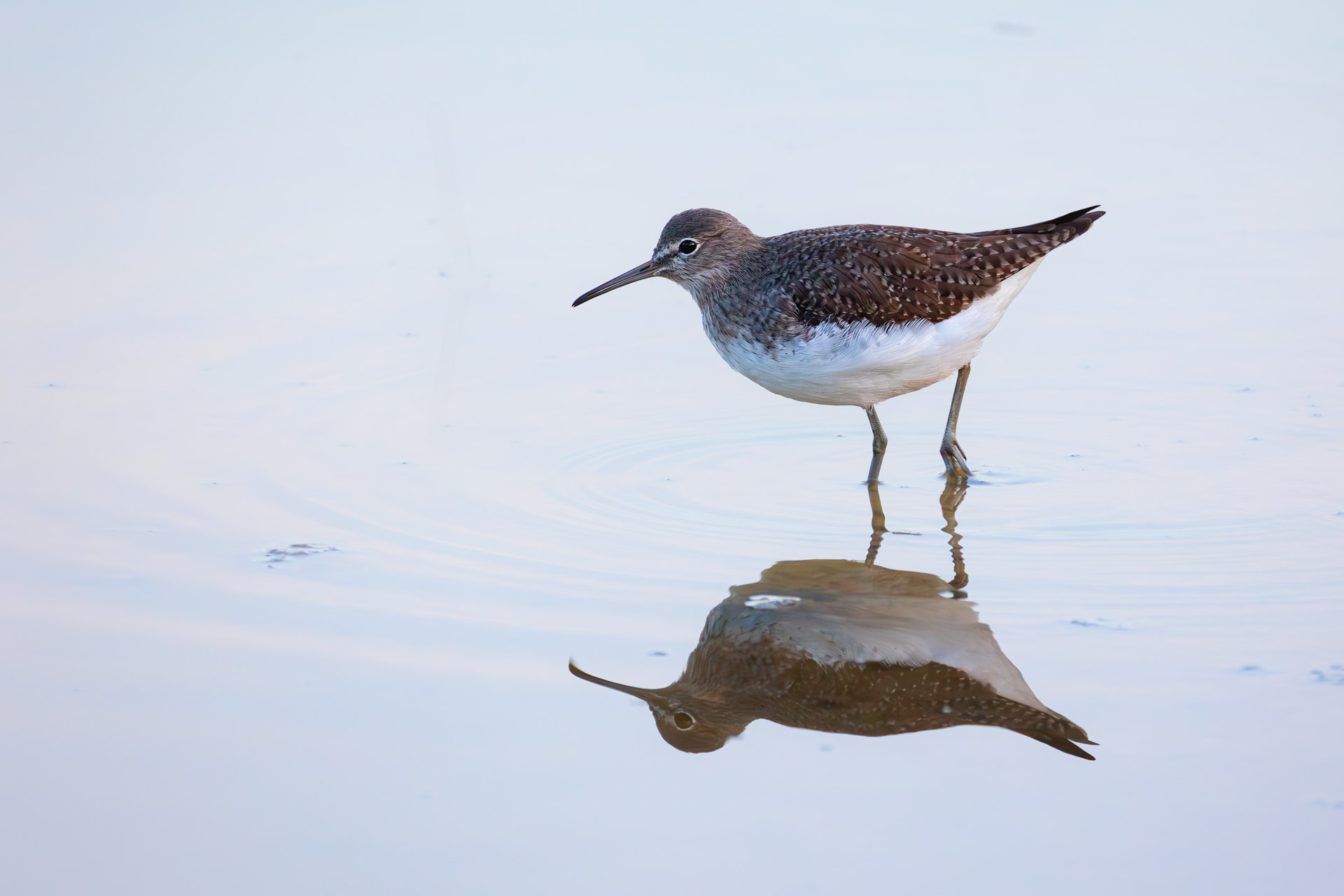
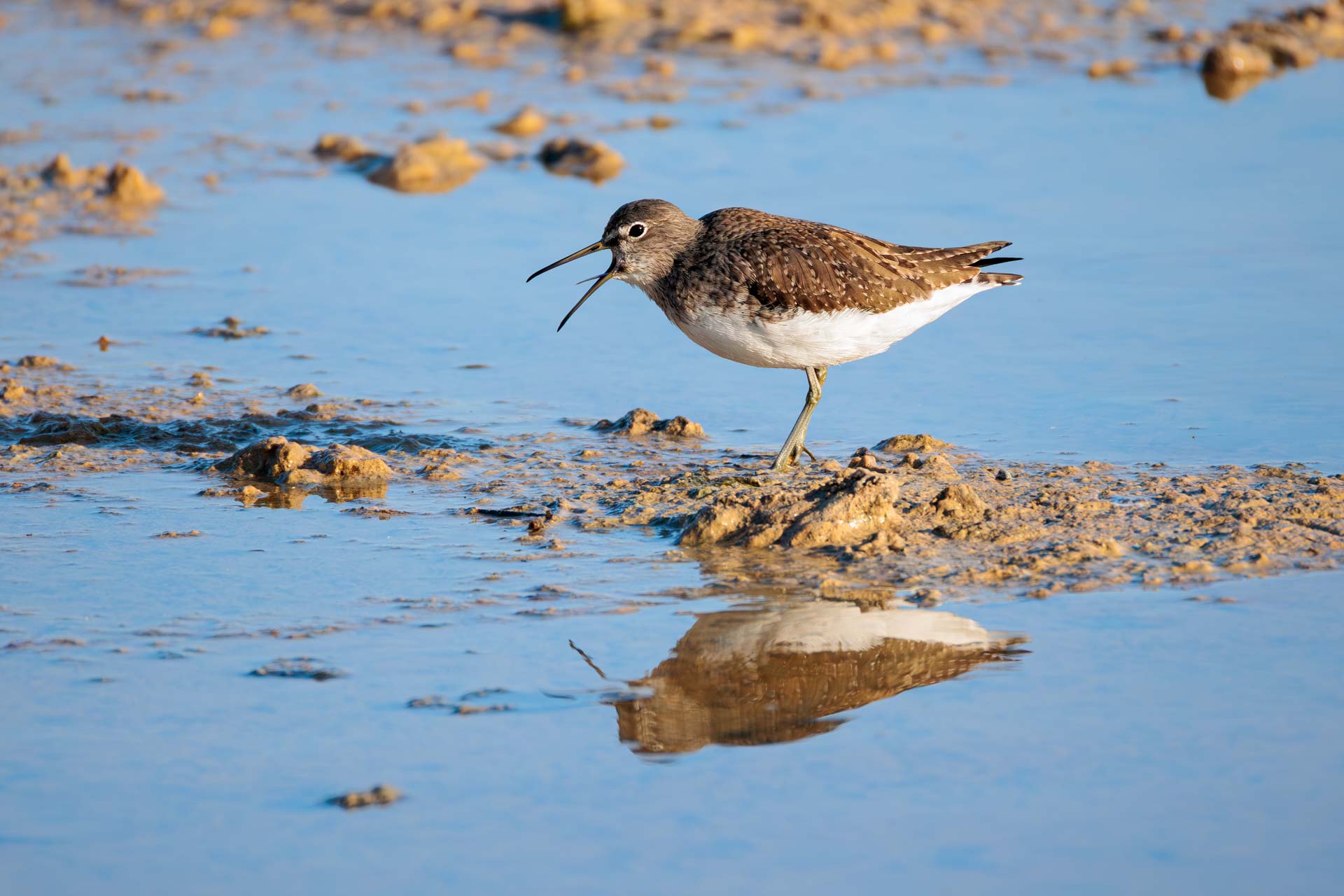
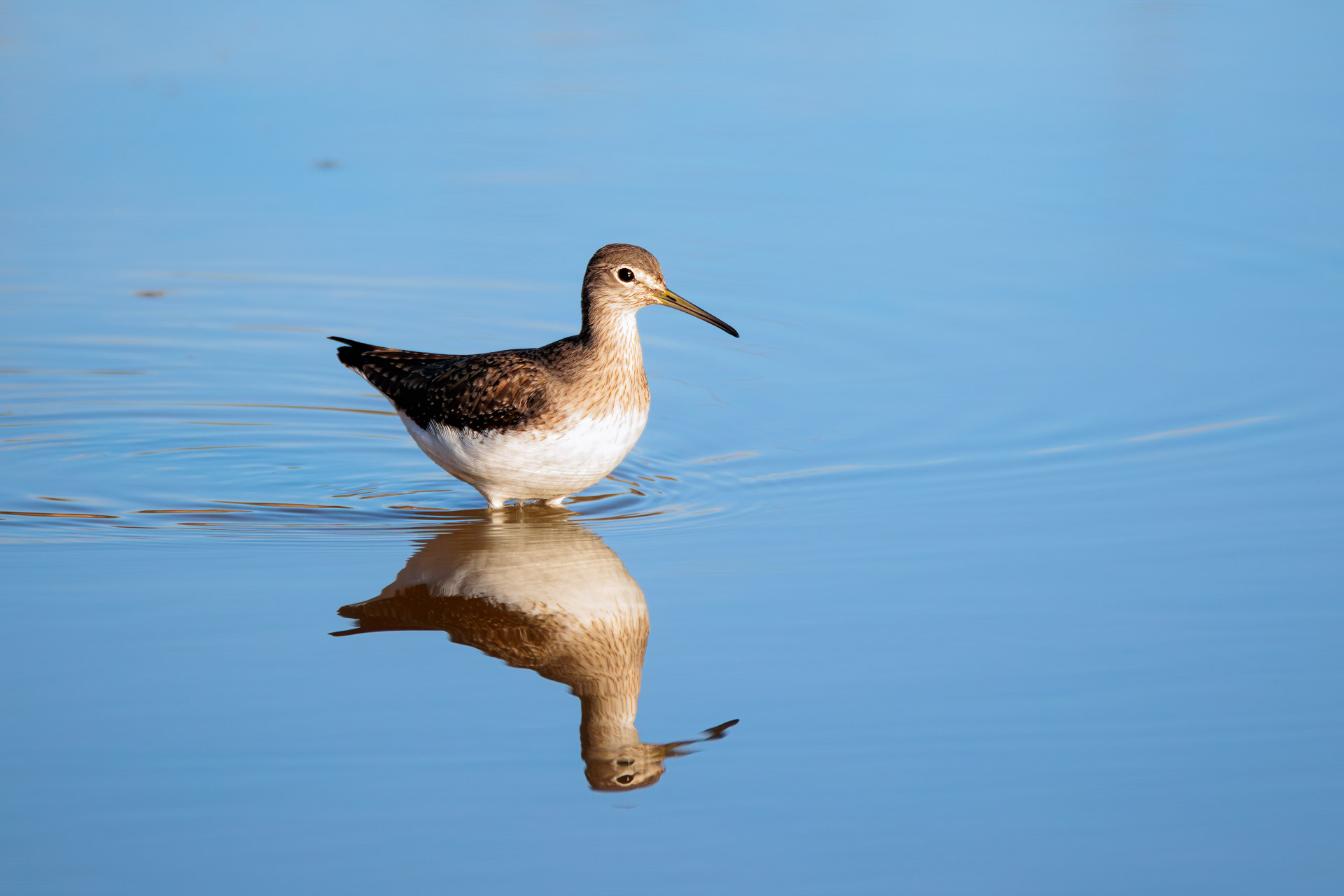
A solitary wader associated with inland wetlands. It prefers quiet reservoirs and lagoons. In Ibiza it appears mainly during migration and winter, and can be seen in Ses Feixes and some areas of Ses Salines Natural Park.
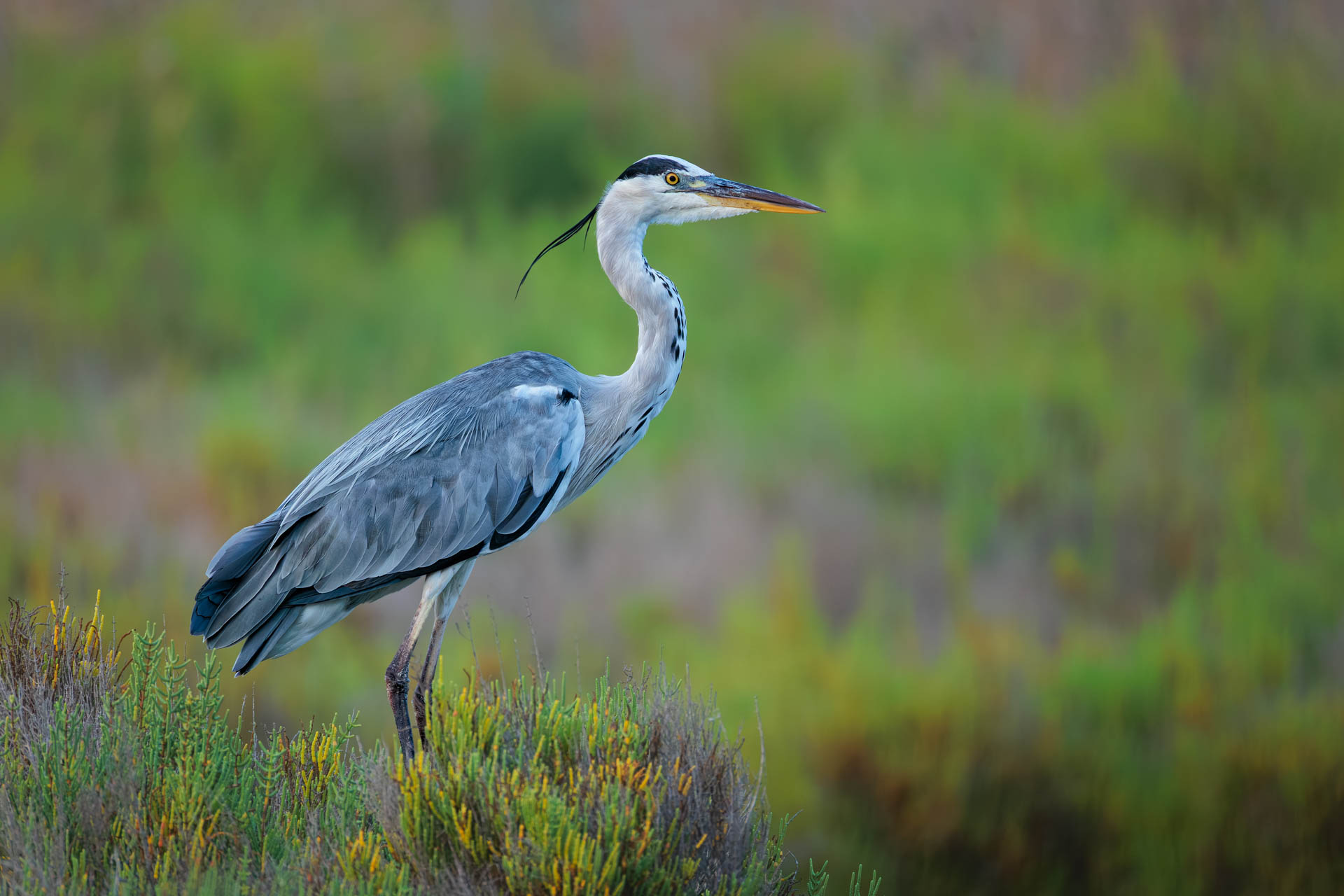
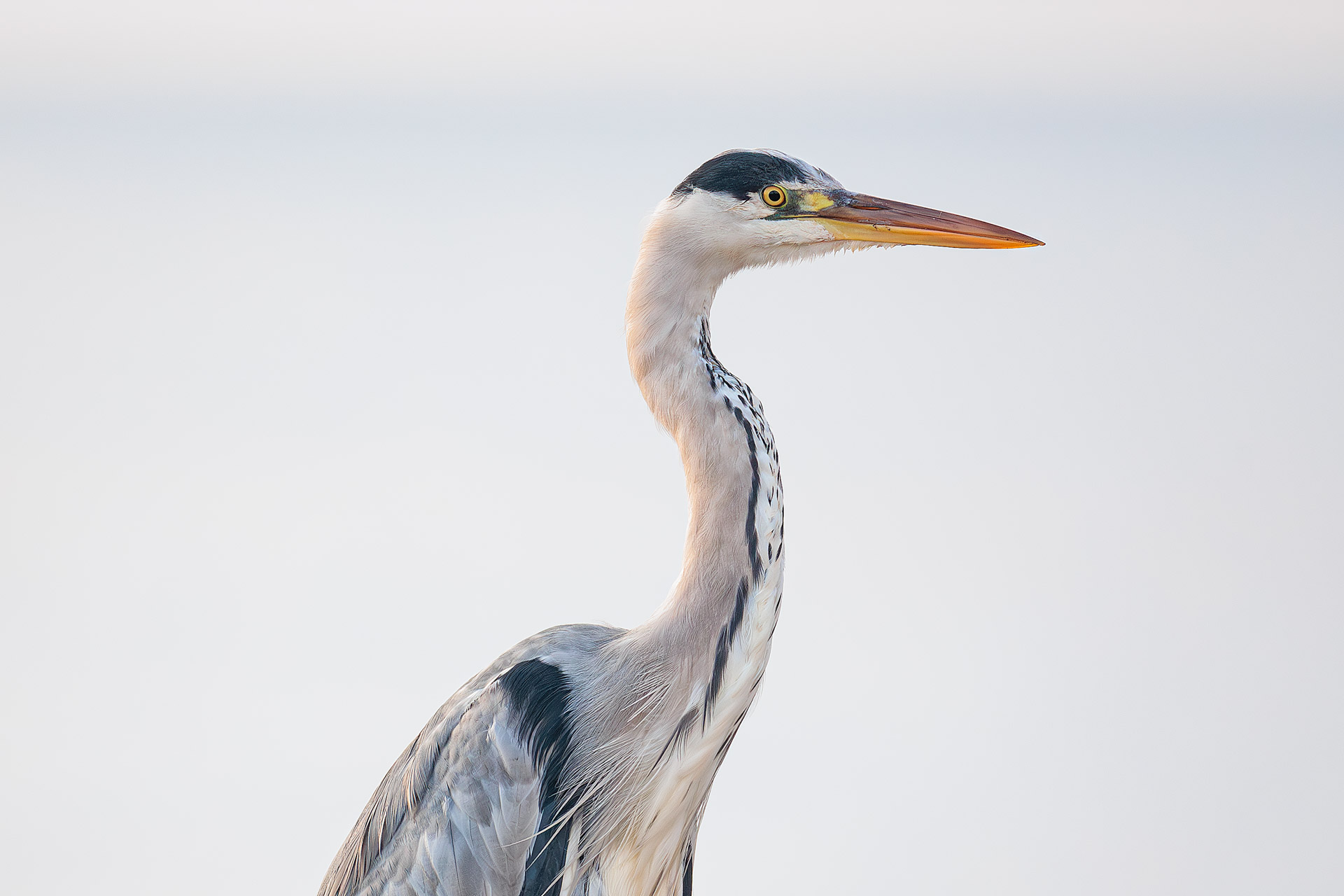
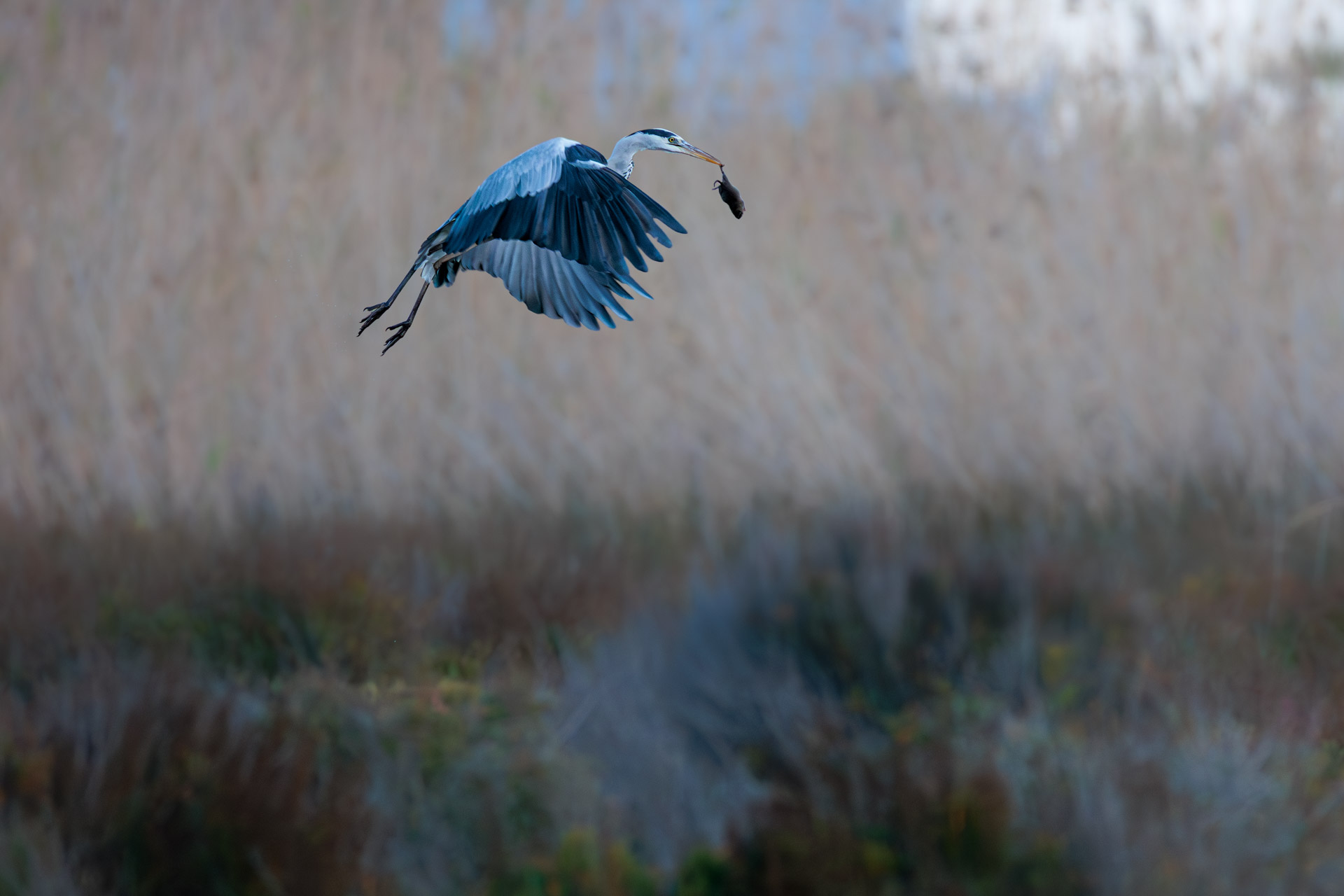
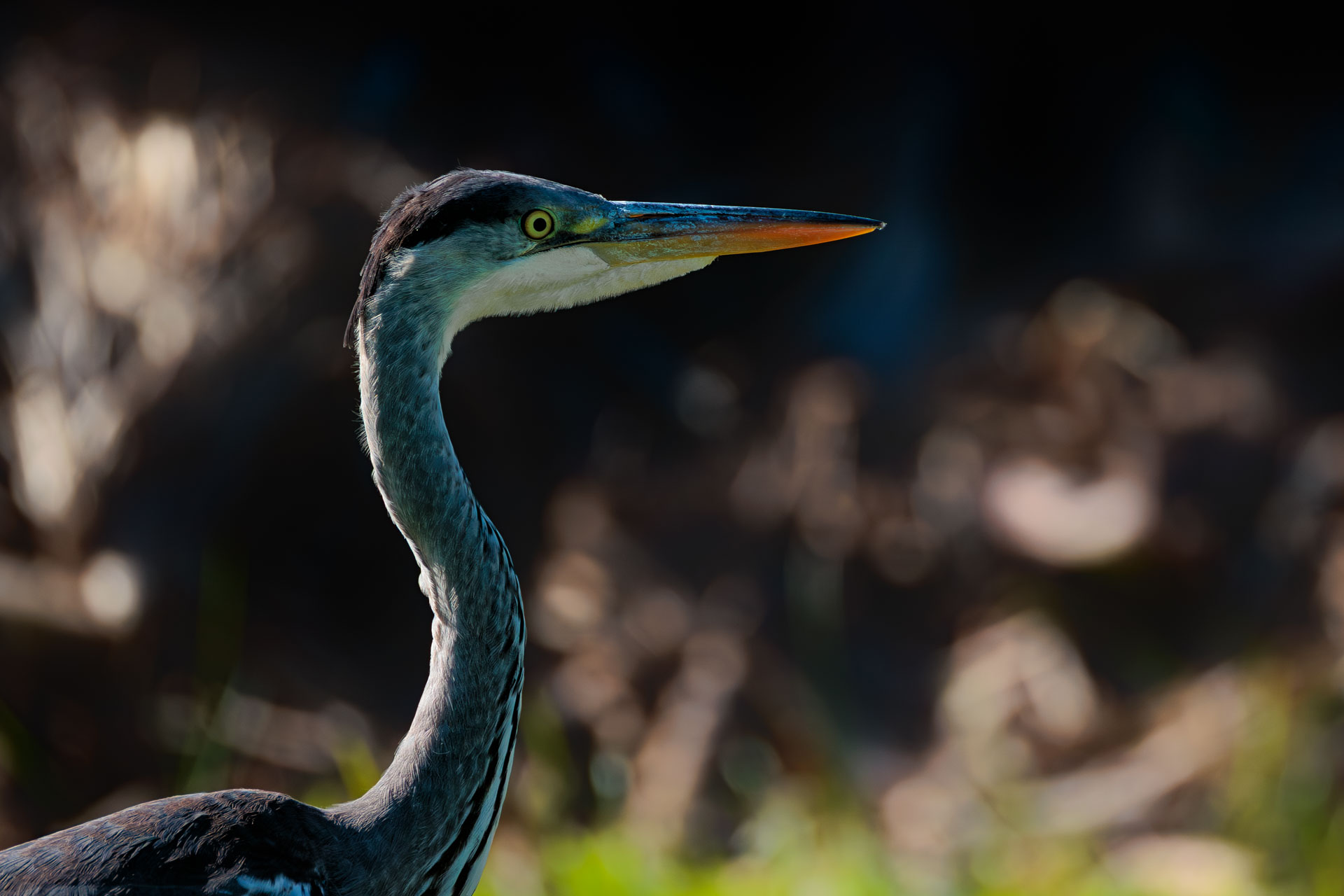
A large, elegant-looking waterbird, commonly found in wetlands, salt flats and coastal areas. It feeds on fish, amphibians and small vertebrates. In Ibiza, it is easy to spot during the winter, particularly in wetland areas such as Ses Feixes or Ses Salines, and during the migratory passage it can also be seen along the coast.
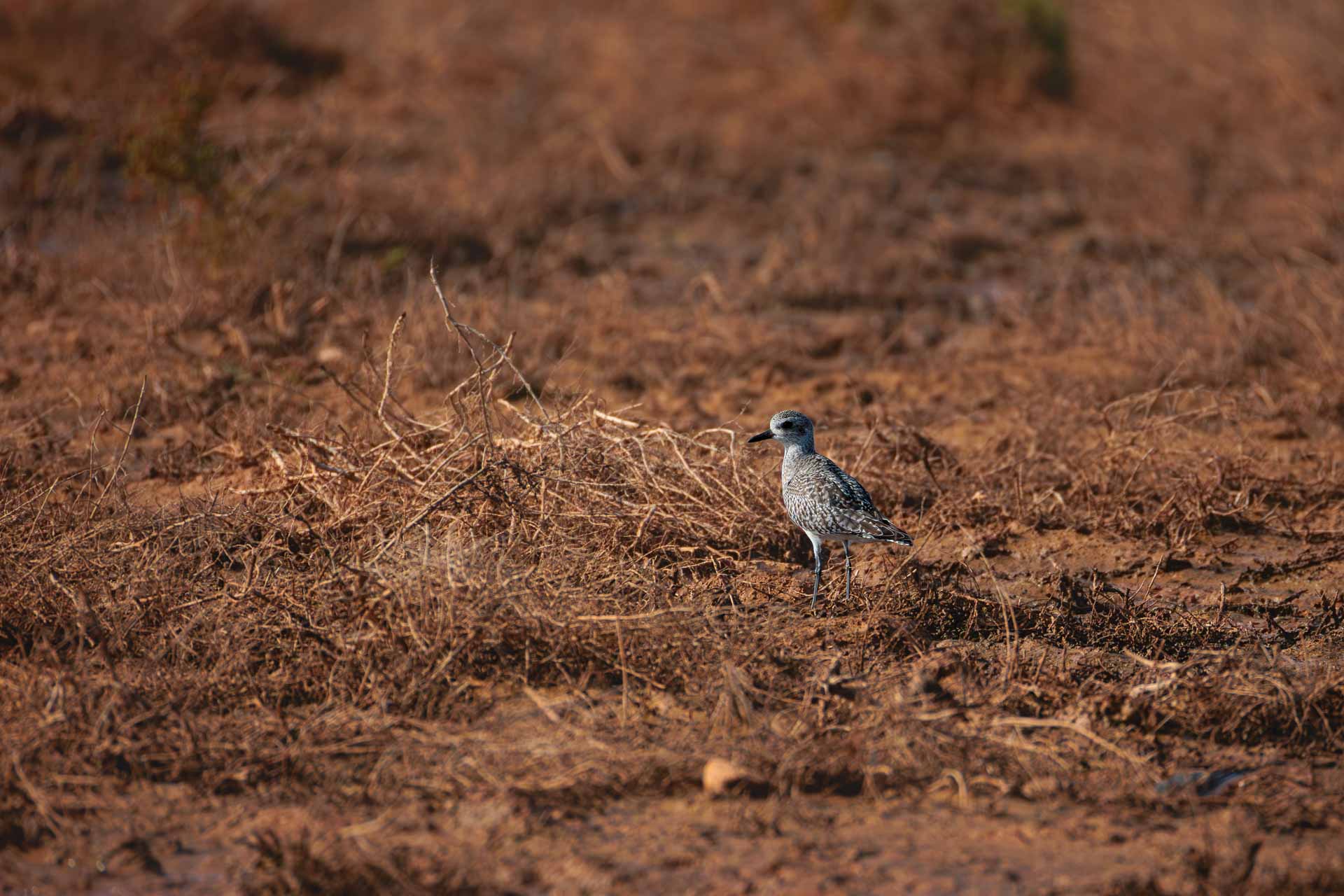
A coastal bird inhabiting beaches, salt flats and estuaries. It feeds on invertebrates and small crustaceans. In Ibiza, it can be observed during migration and in winter, sometimes in small flocks. It is mainly seen in Ses Salines, both in the salt flats and in open, flooded farmland, although it is not a species typically associated with agricultural areas.
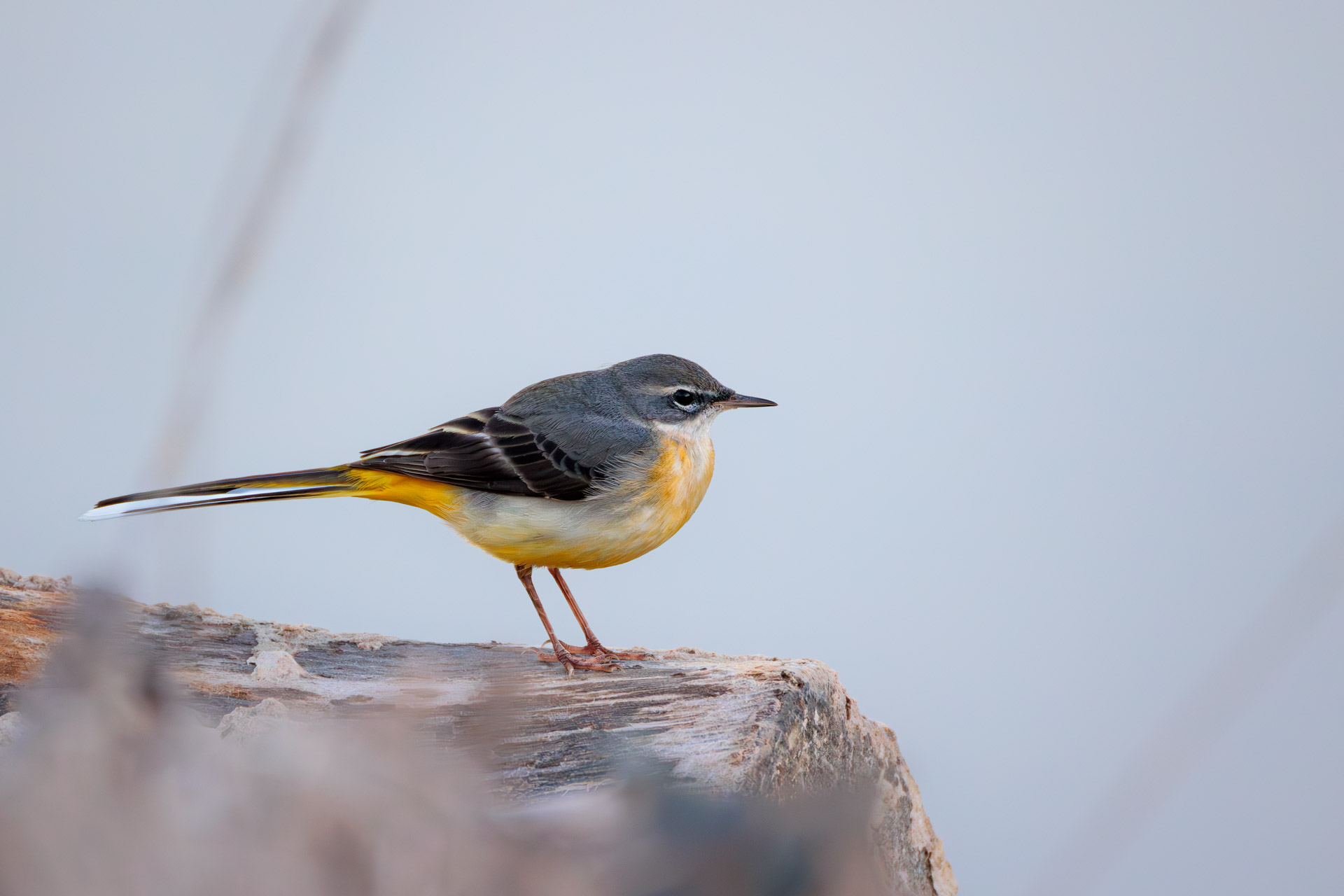
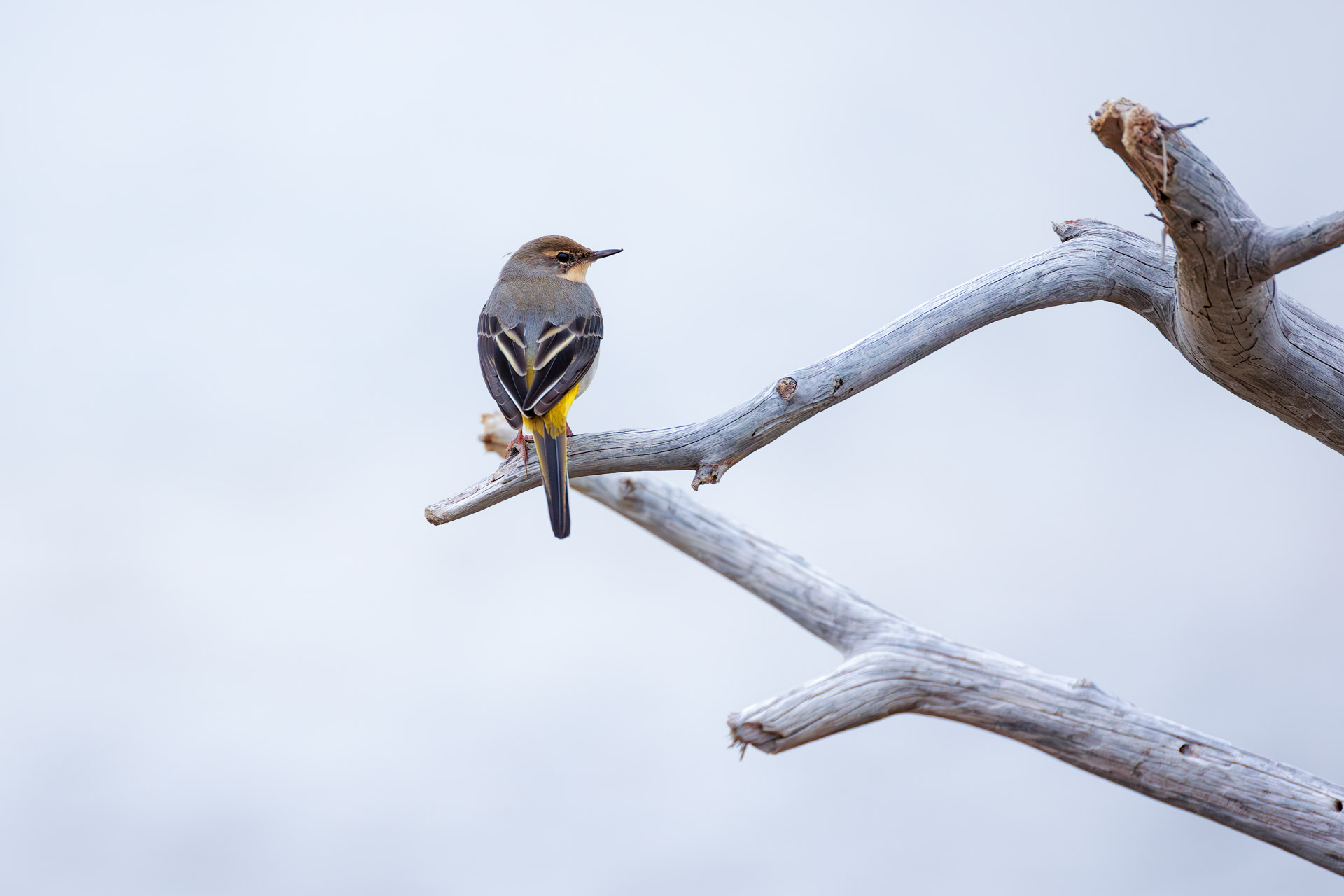
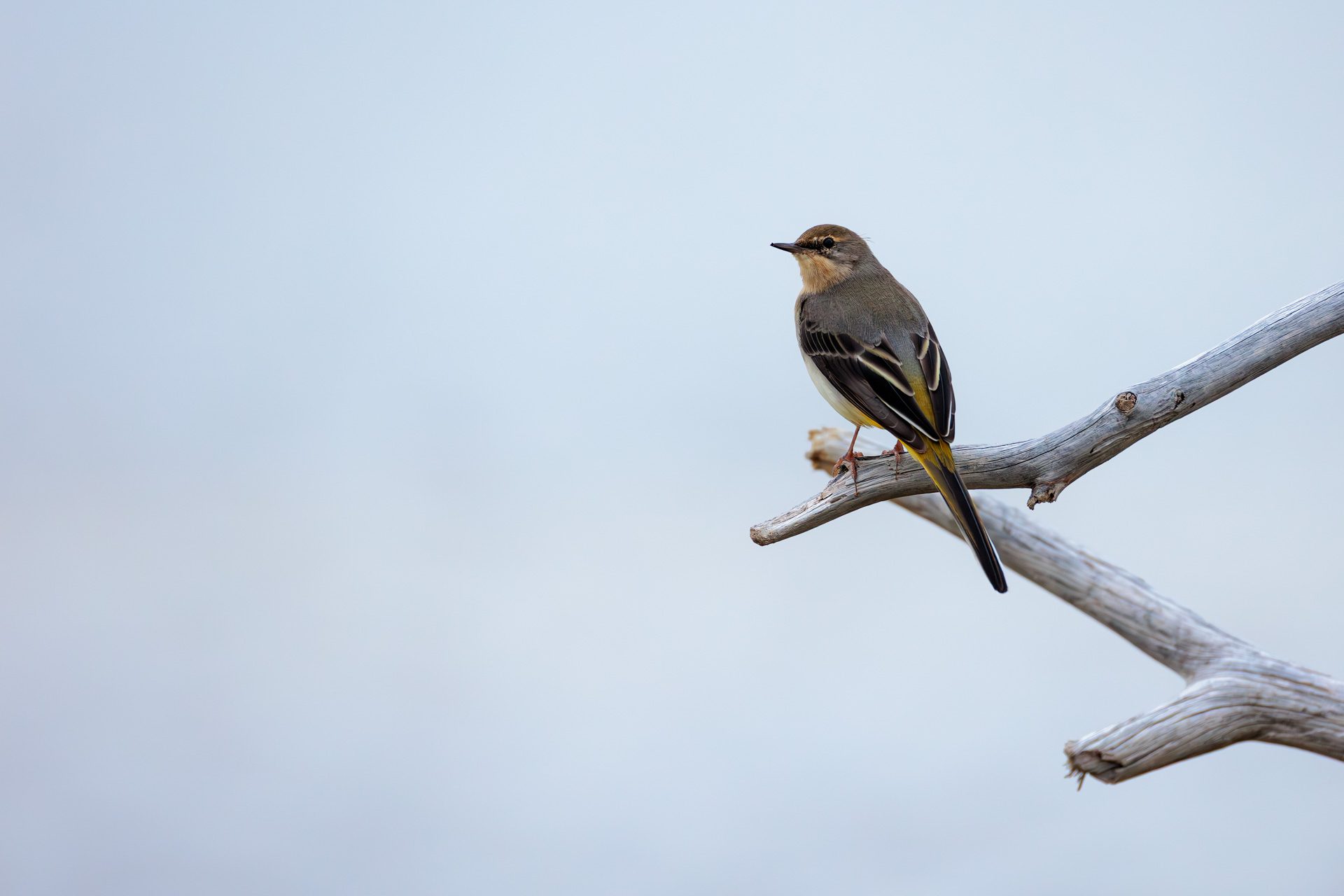
A slender bird associated with watercourses, reservoirs and wetlands. It moves constantly, bobbing its tail. In Ibiza, it is not very common to see this species, although it visits during migration and winter, especially in areas such as Ses Feixes or Ses Salines.
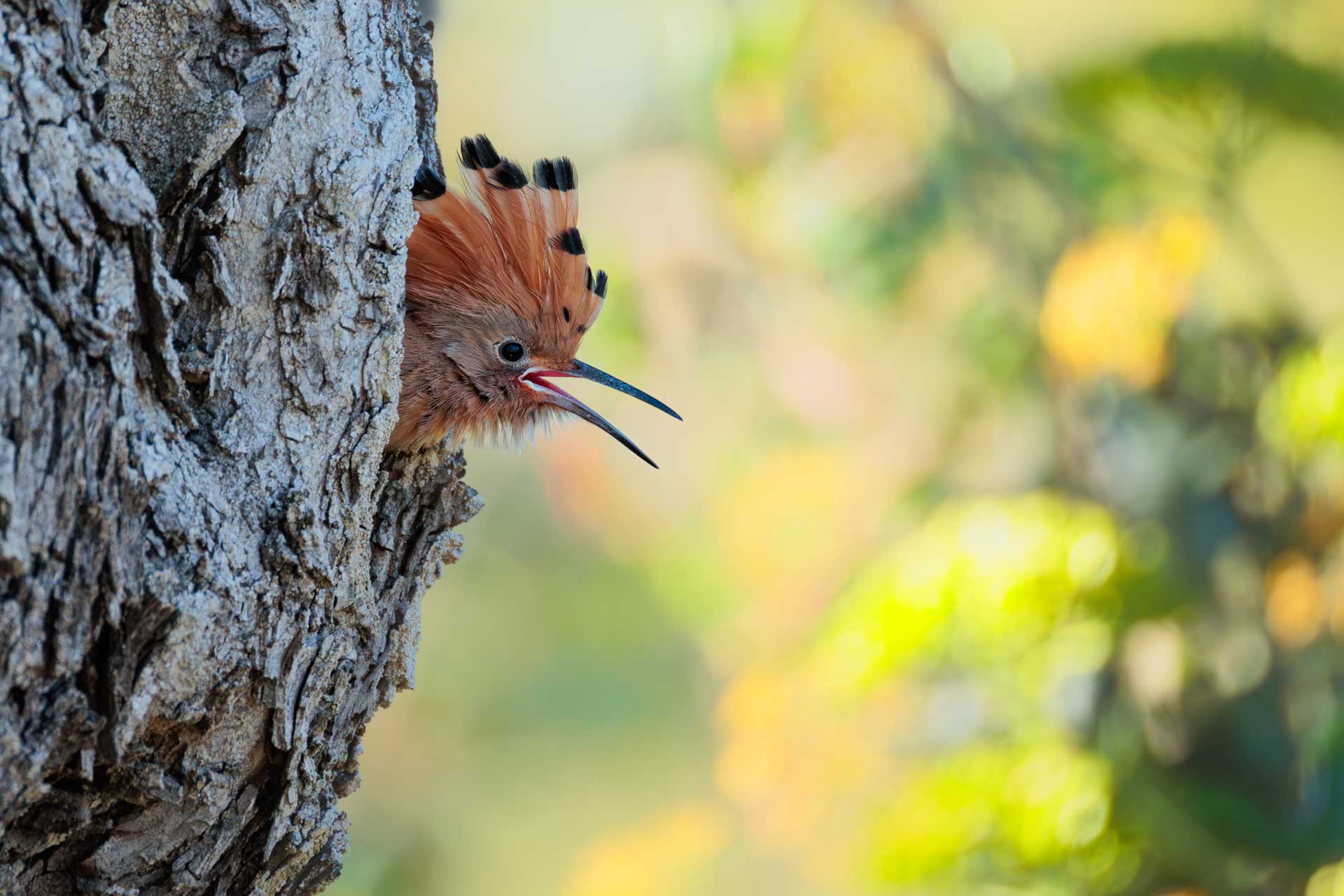
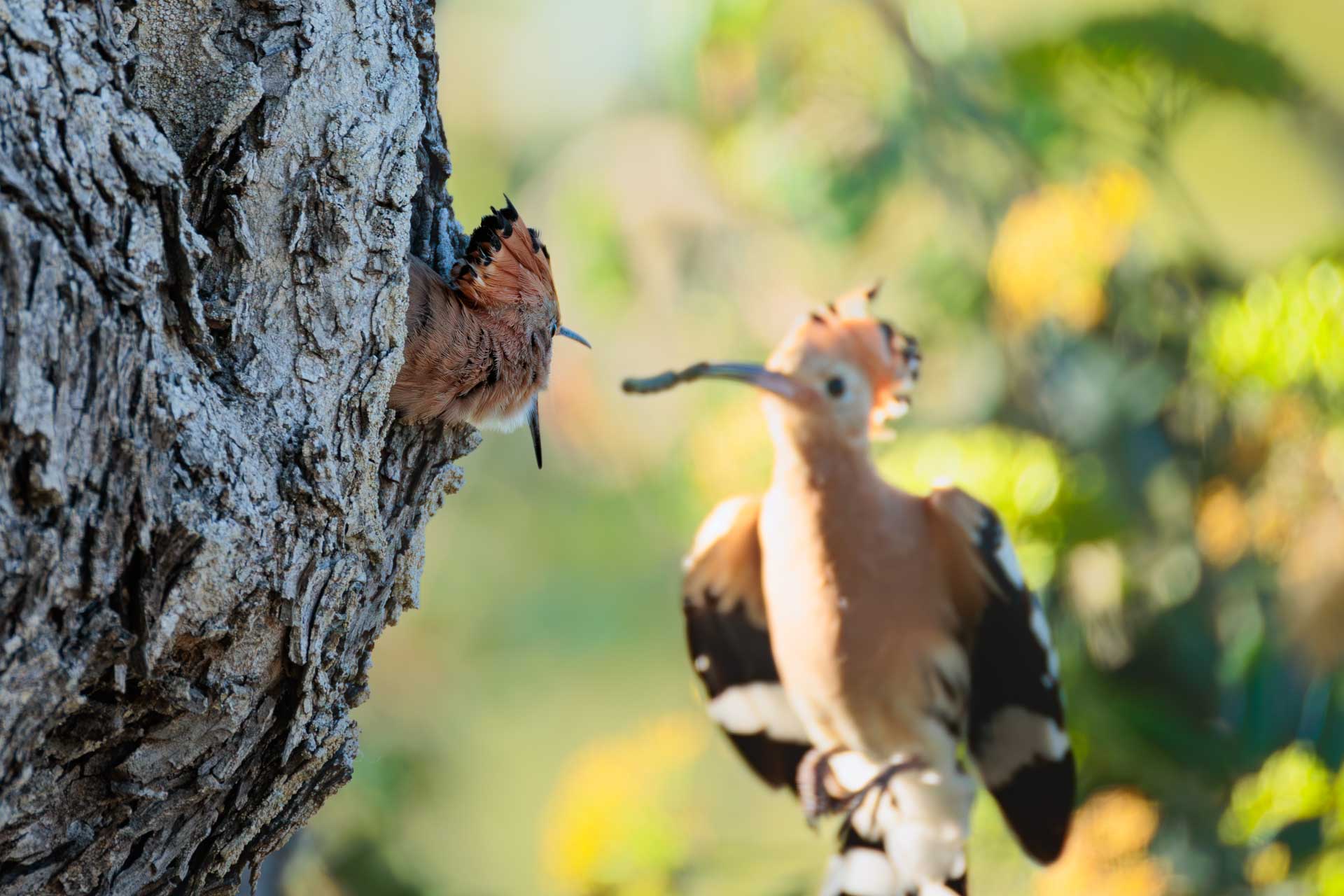
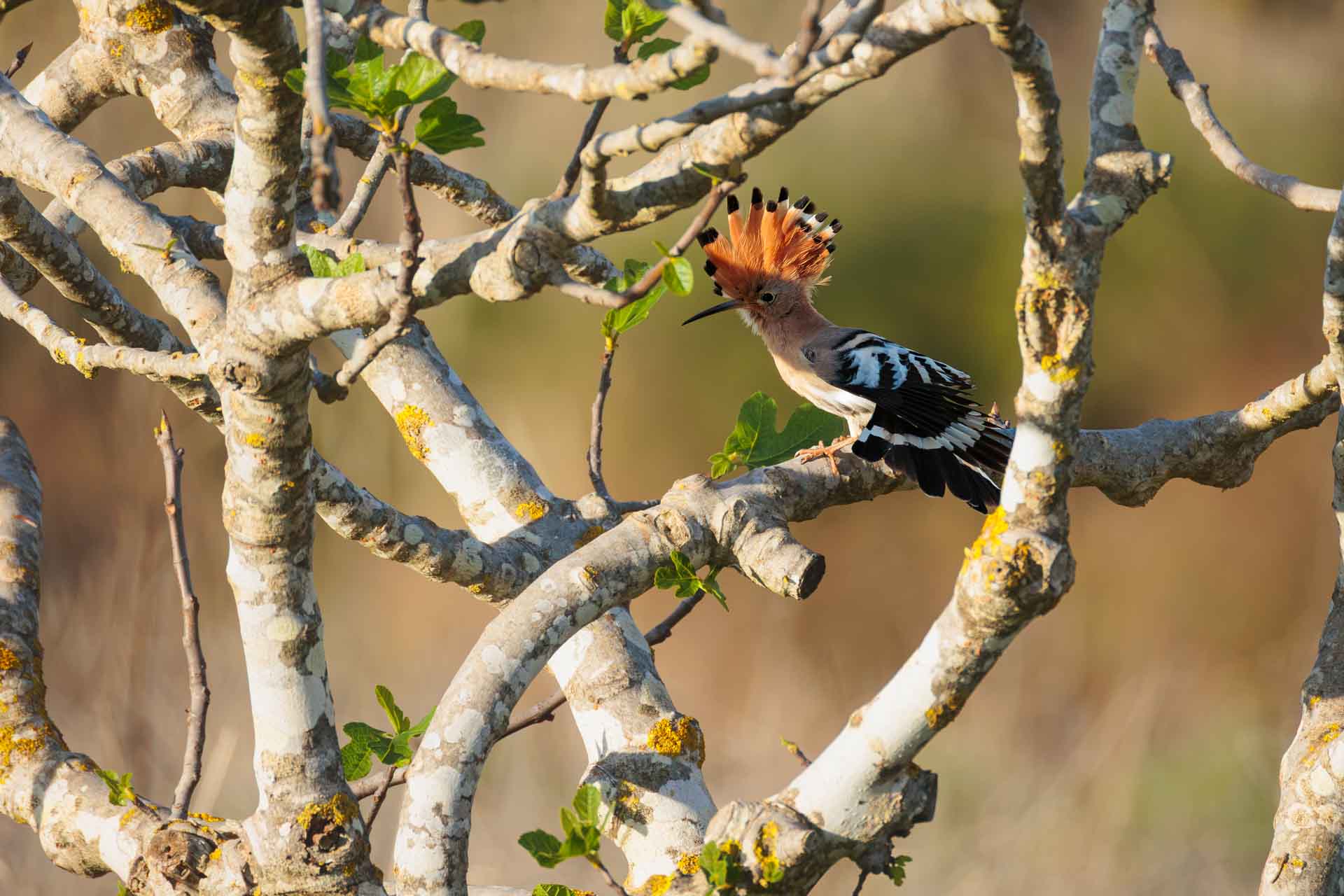
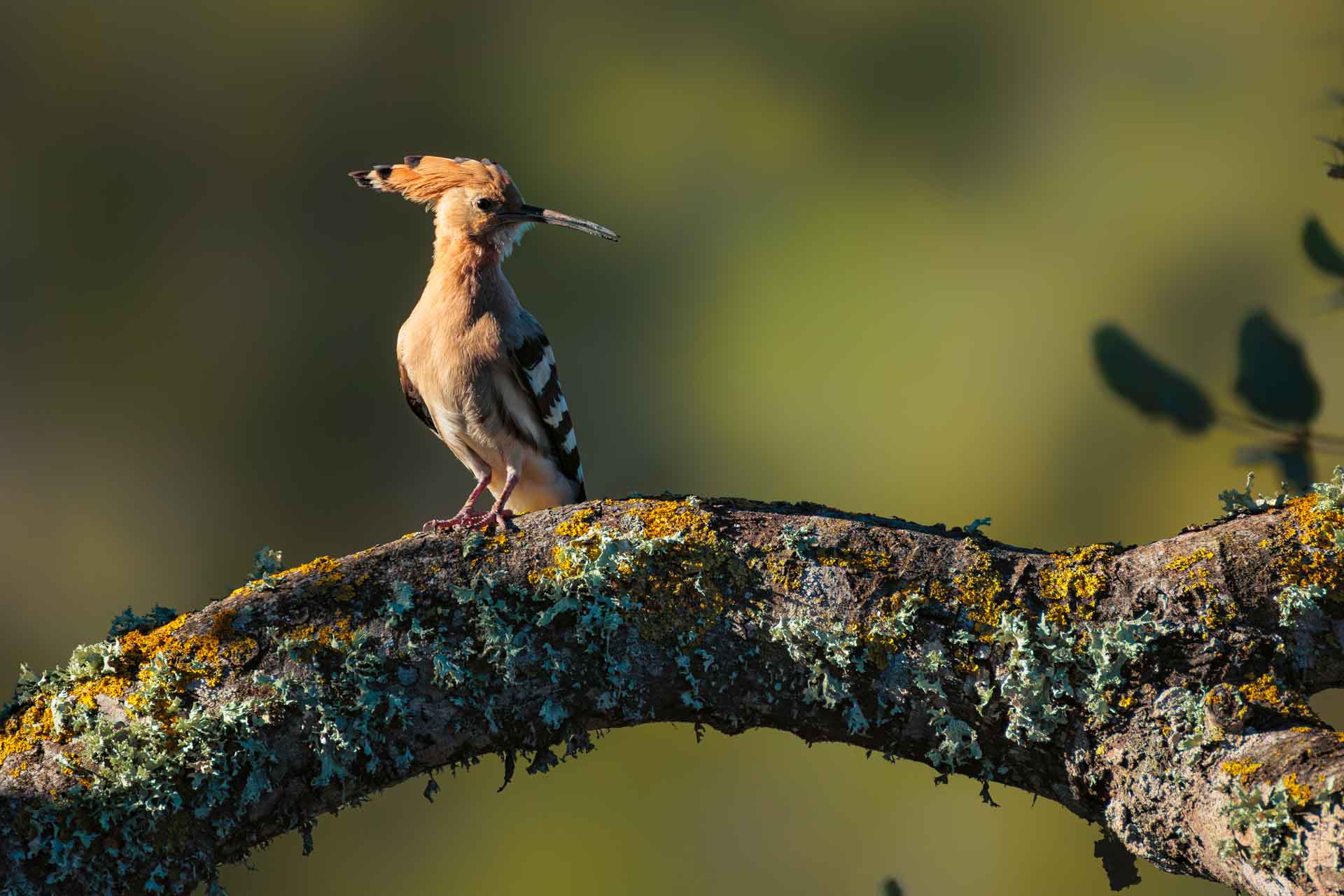
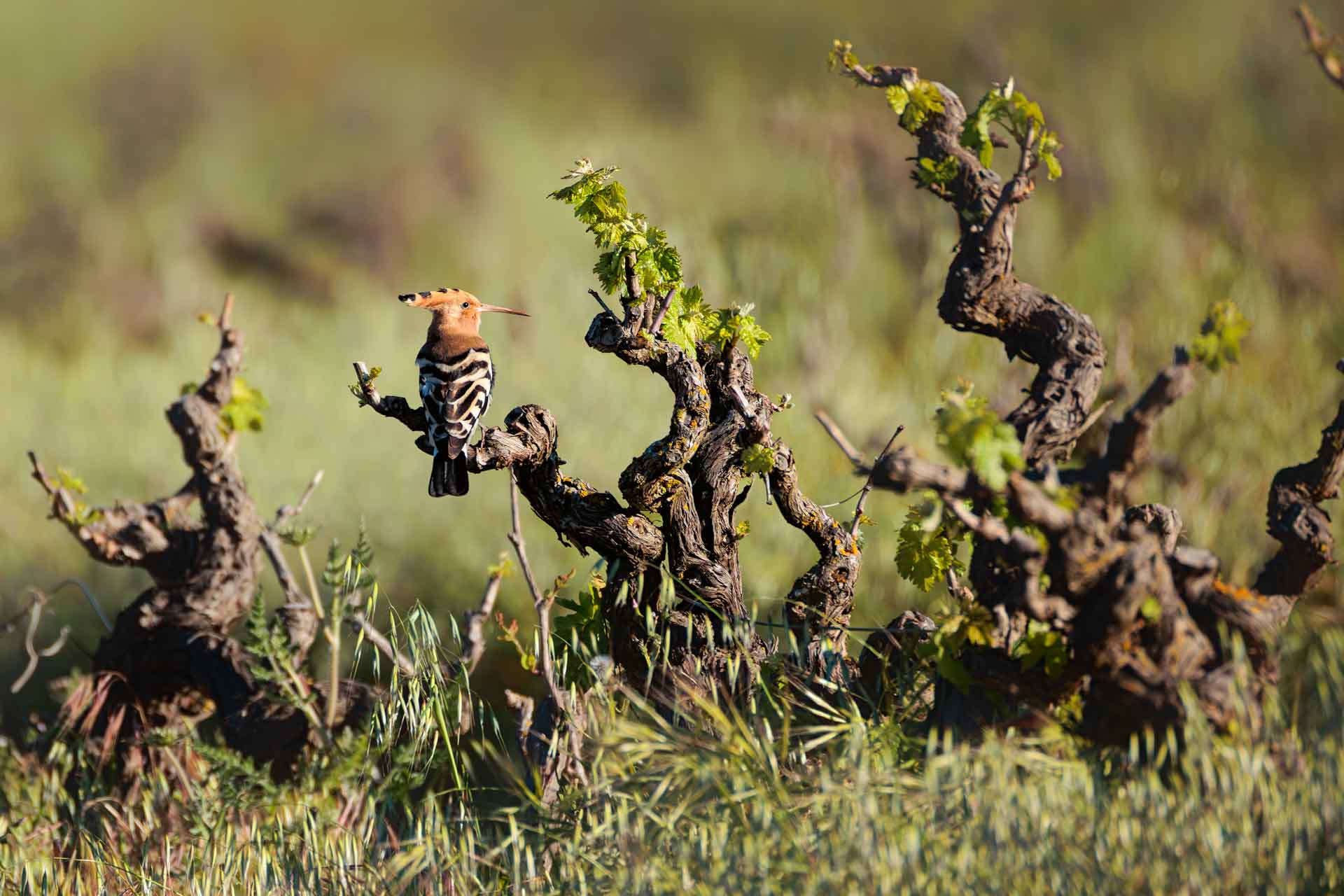
An elegant and striking bird, easily recognised by its crest and orange tones. It feeds on insects in open ground and farmland. In Ibiza it frequents agricultural areas throughout the year, with numbers increasing during migration. It is often seen on the ground searching for food or perched in trees such as almond and carob trees, where pairs nest in cavities. Its local name is an onomatopoeia of its distinctive call.
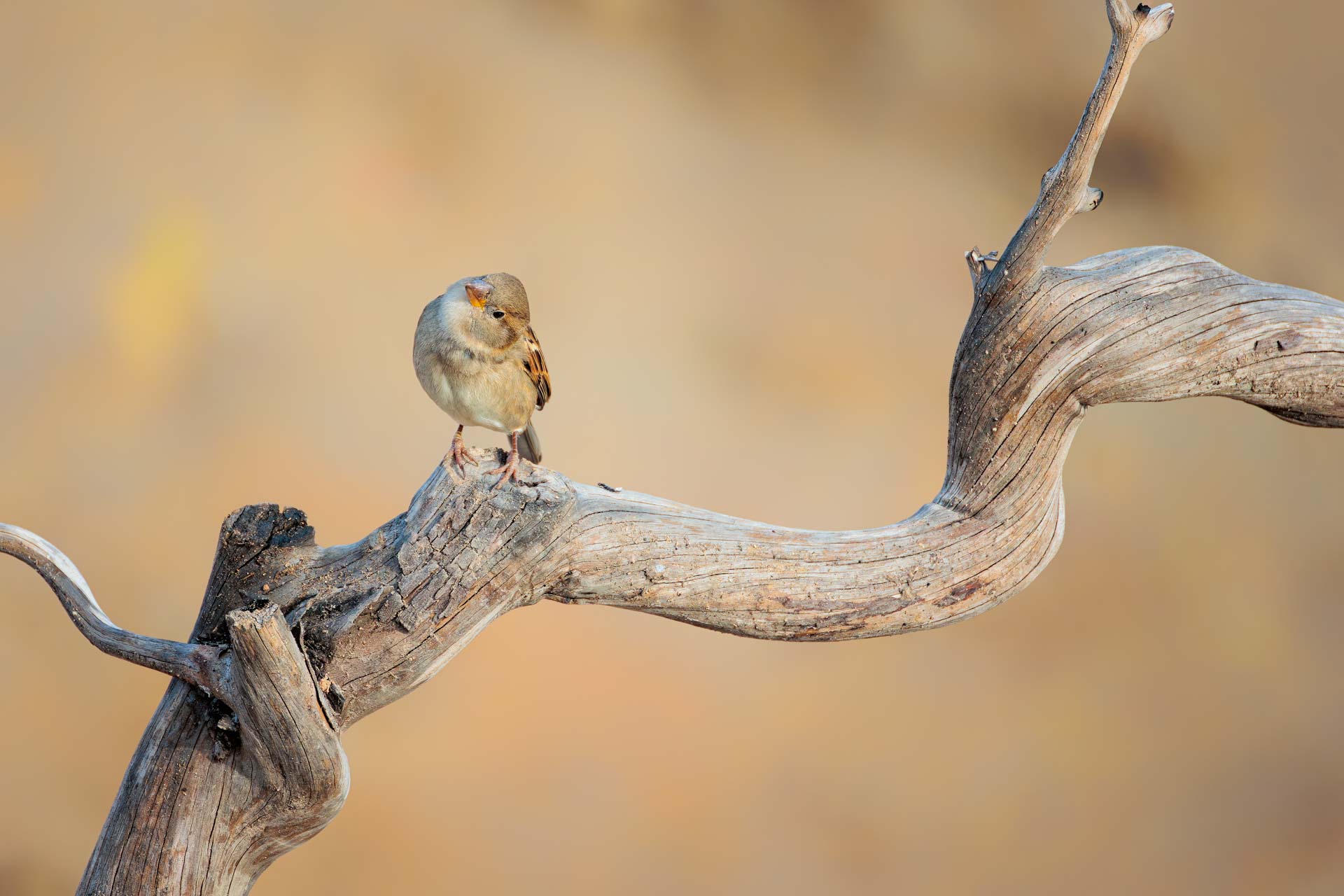
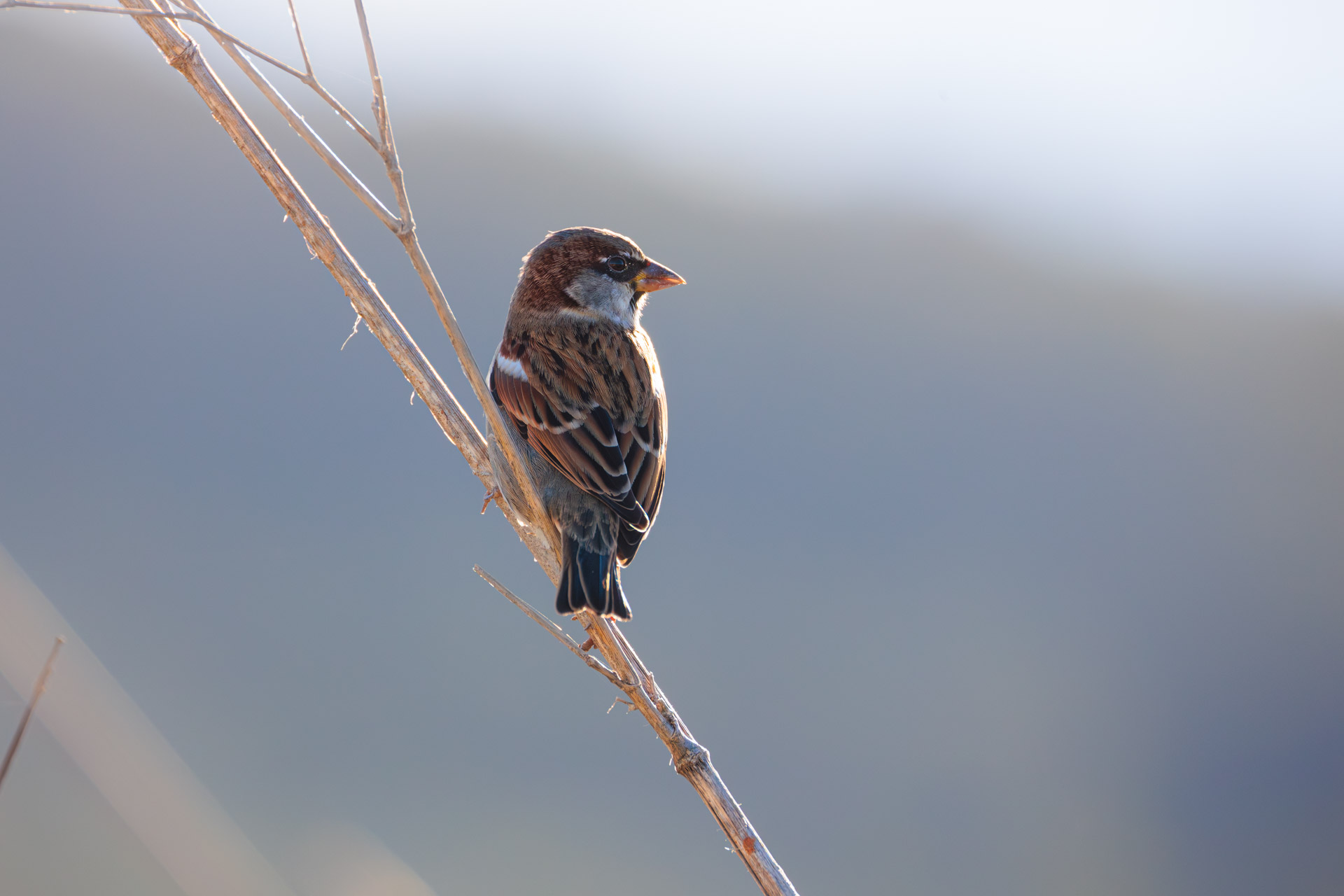
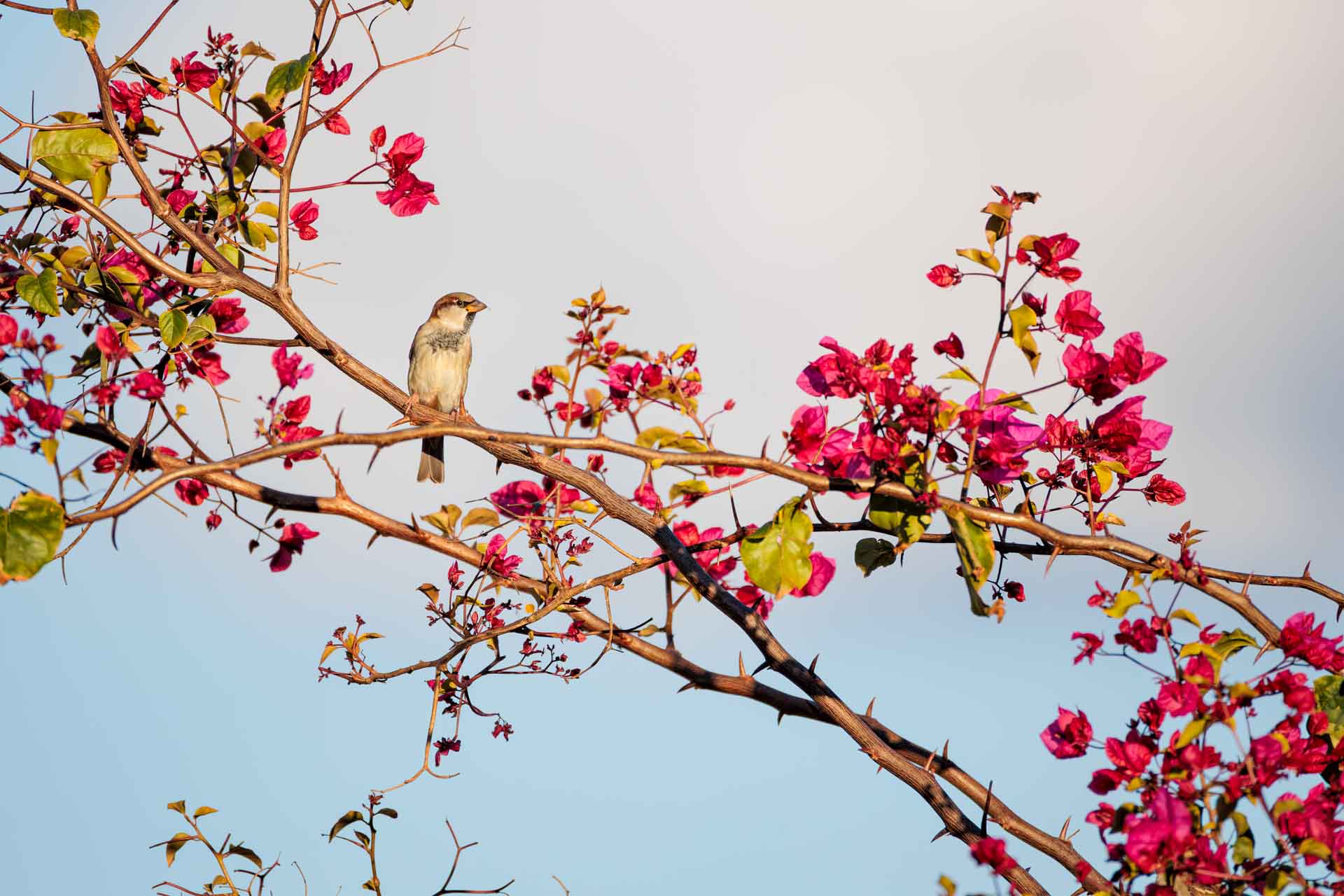
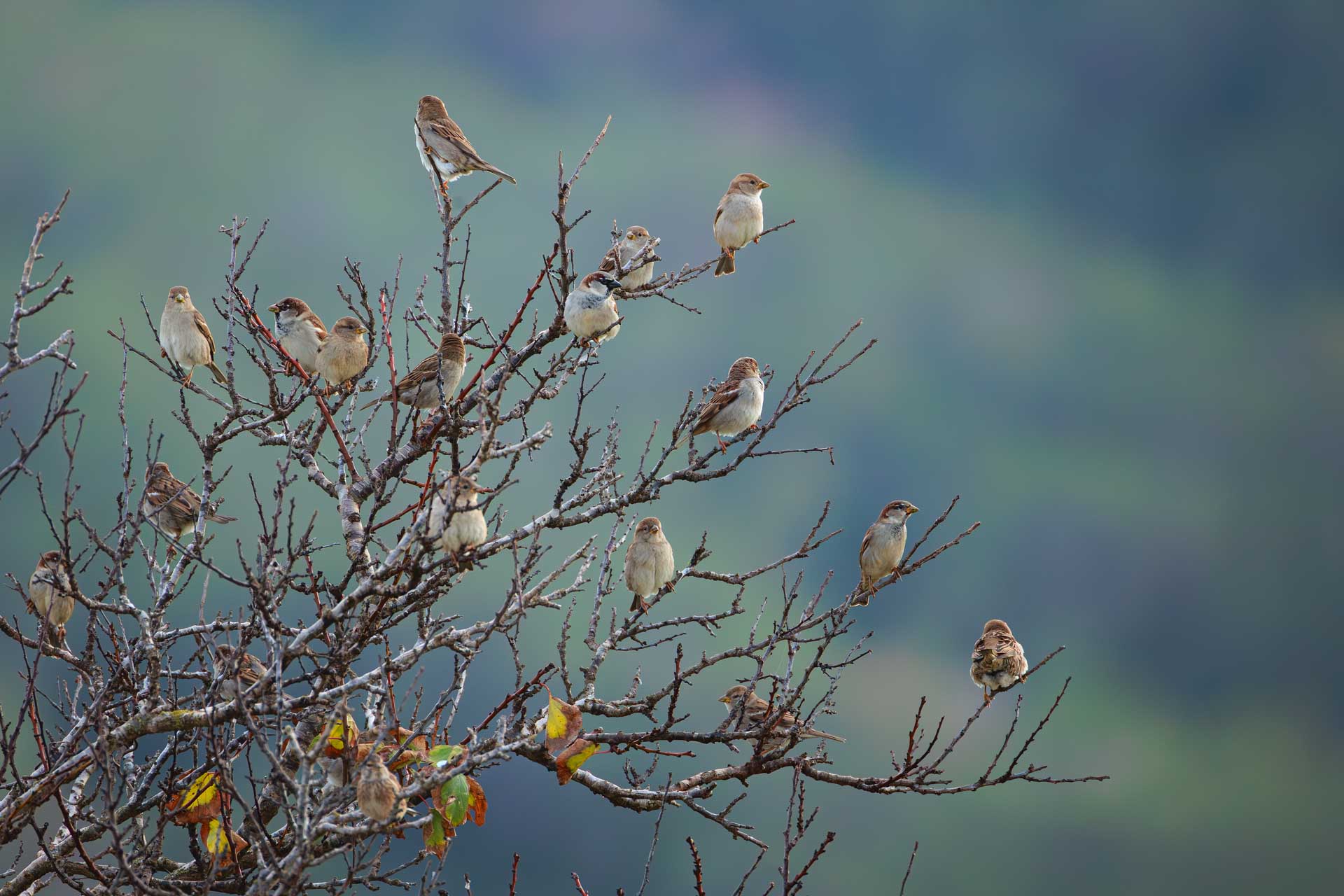
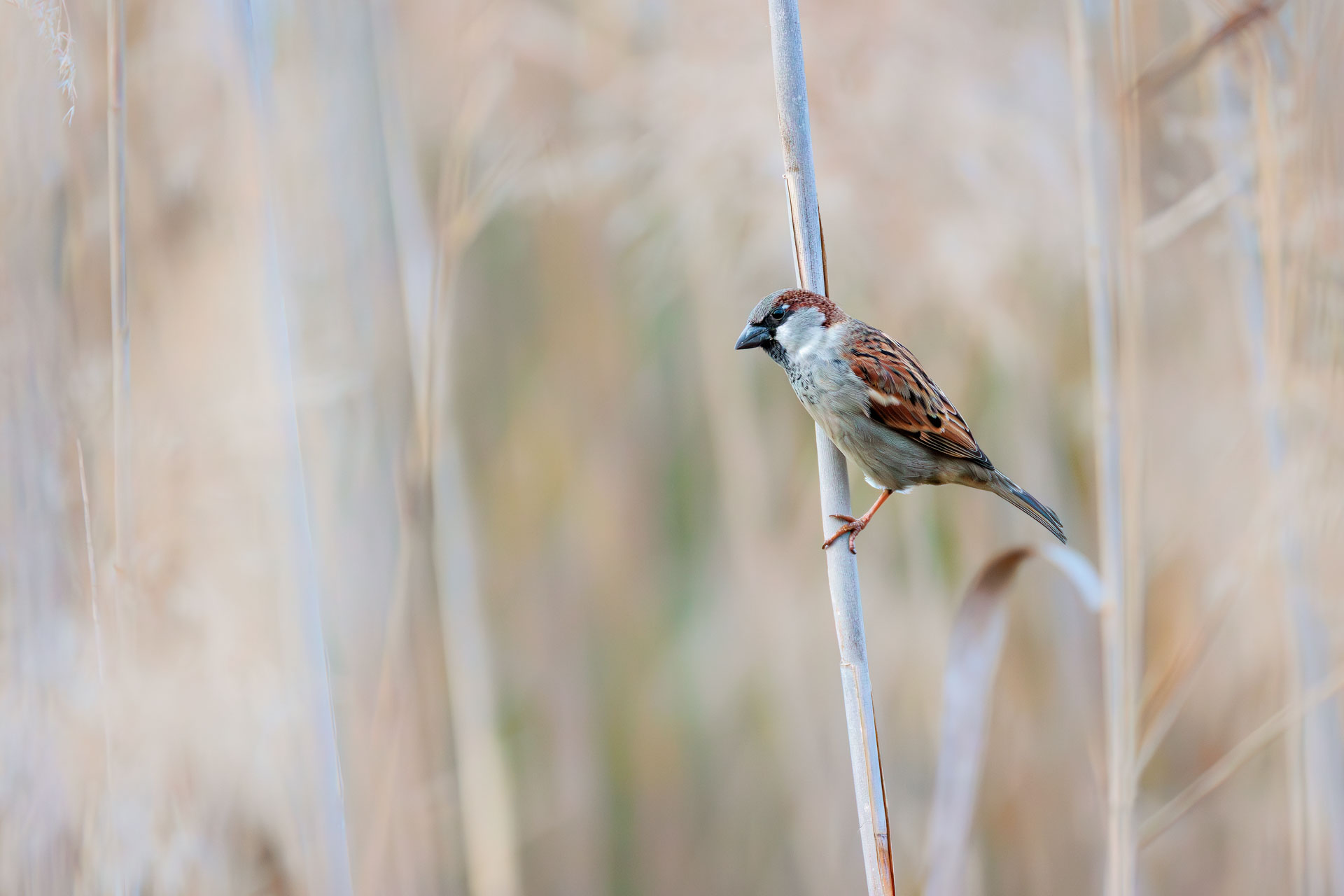
The house sparrow is one of the most adaptable birds and the one closest to humans. It frequents villages, agricultural areas and urban areas, where it feeds on seeds and insects. In Ibiza it is present all year round and is usually seen in noisy flocks, being one of the easiest species to spot, especially near urban centres. Its local name ‘Teulat’ may be because they often nest on the ‘roofs’ of houses.
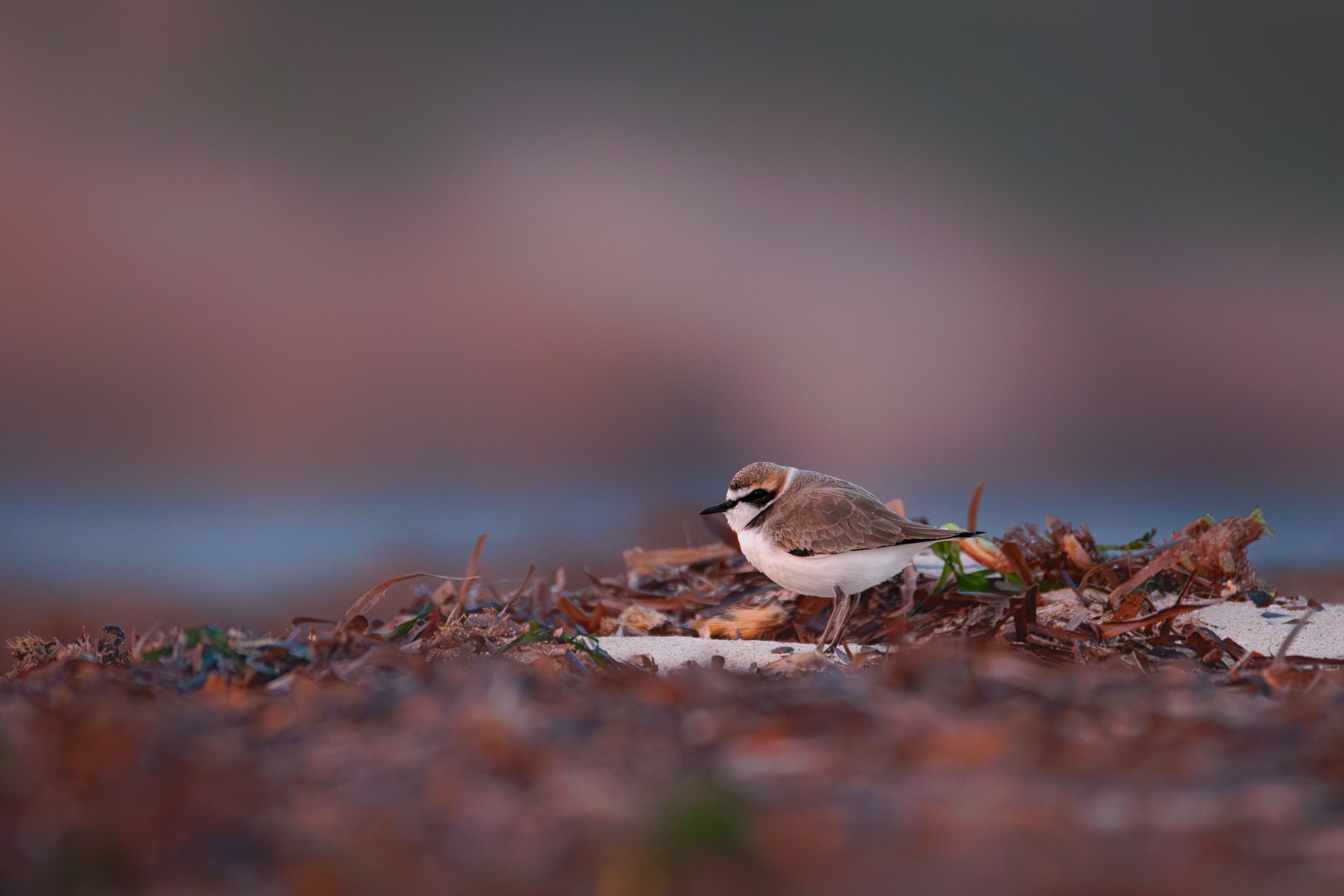
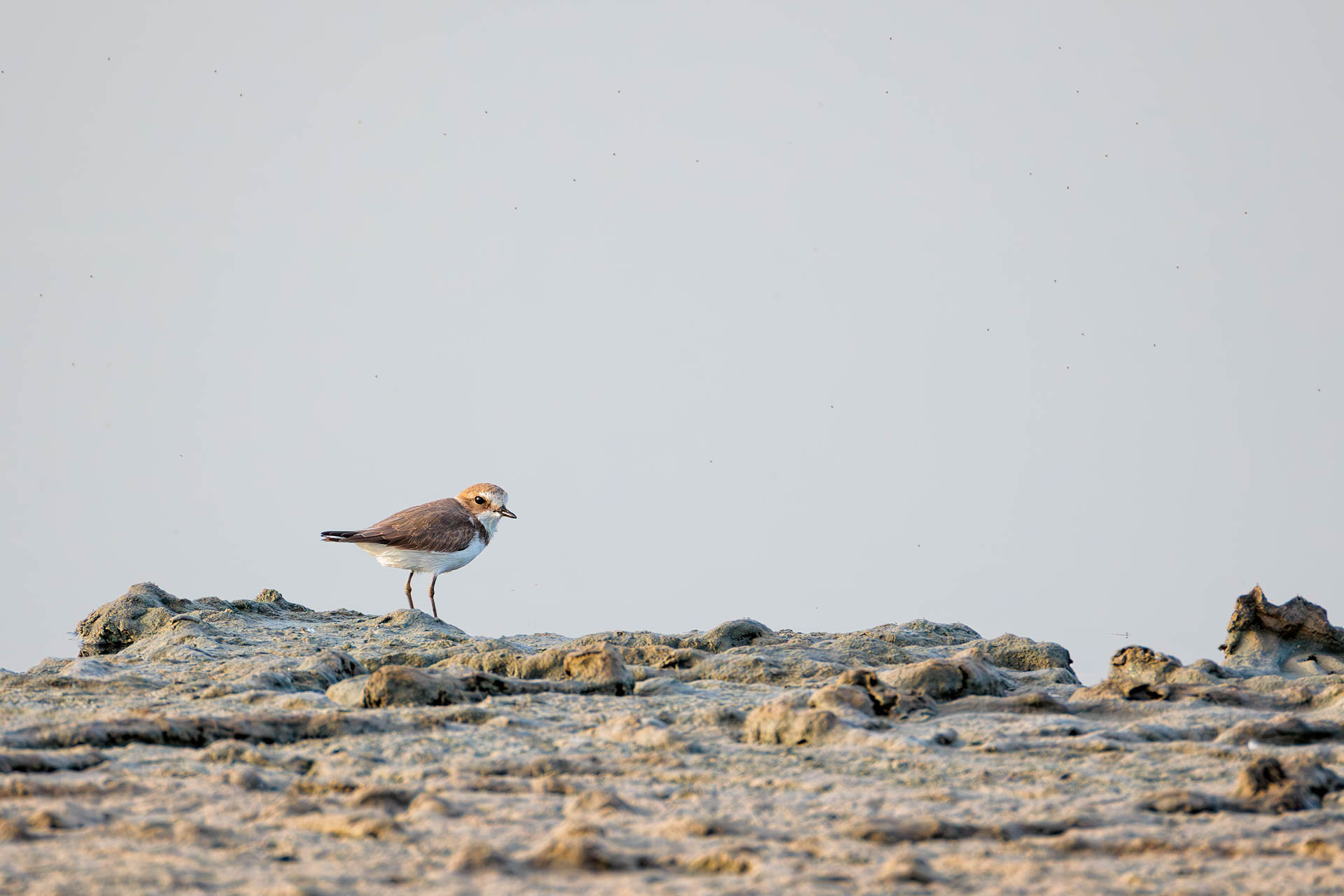
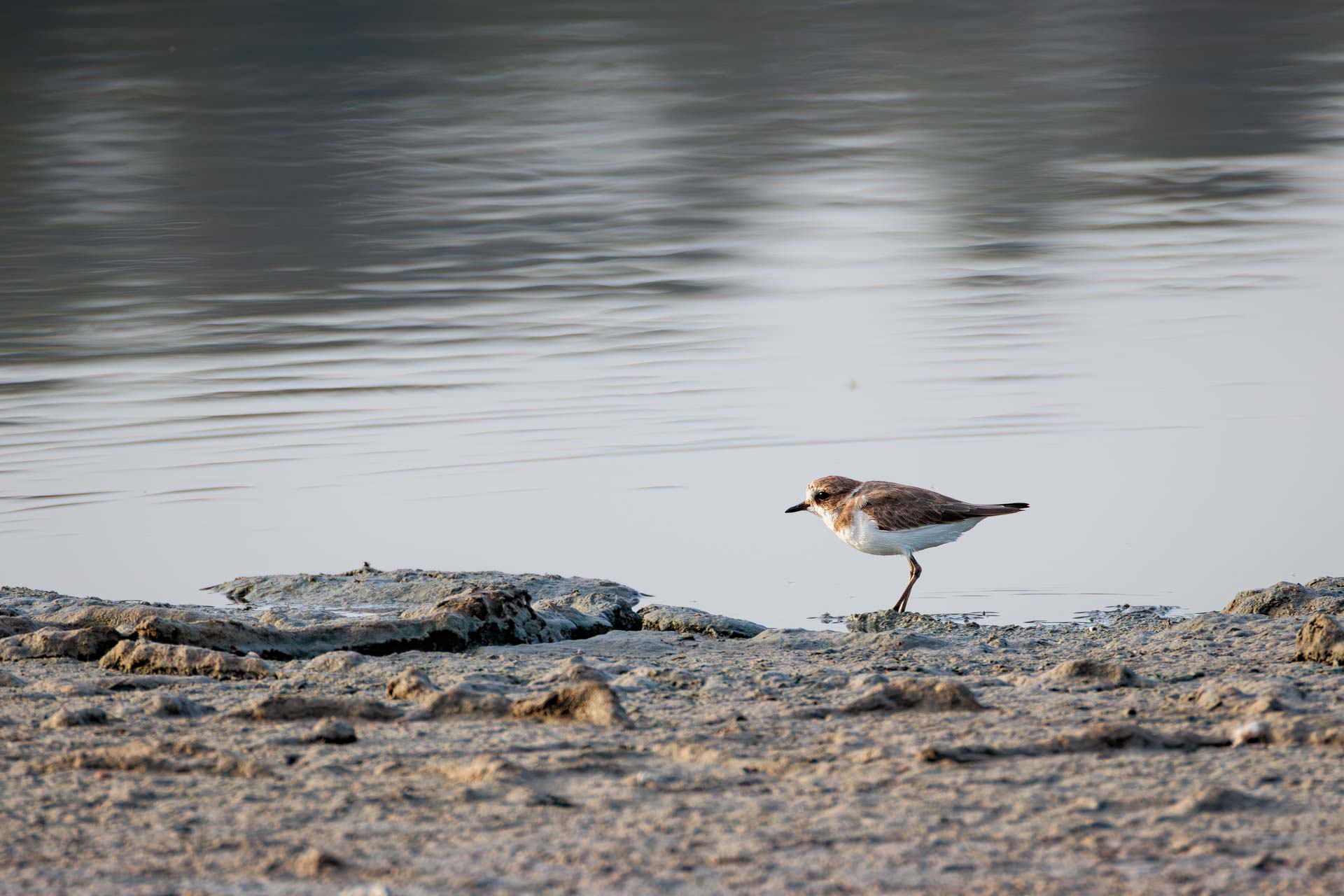
A small coastal wader with pale plumage. It inhabits beaches and dunes, feeding on invertebrates. Despite its migratory nature, it is a fairly stable species in Ibiza and can be observed throughout the year, although numbers increase during the winter. It can be seen scurrying along the shores of the beaches or the ponds of Ses Salines, either alone or in groups. Its local name derives from its association with beaches and its behaviour, translating as “beach peckers”.
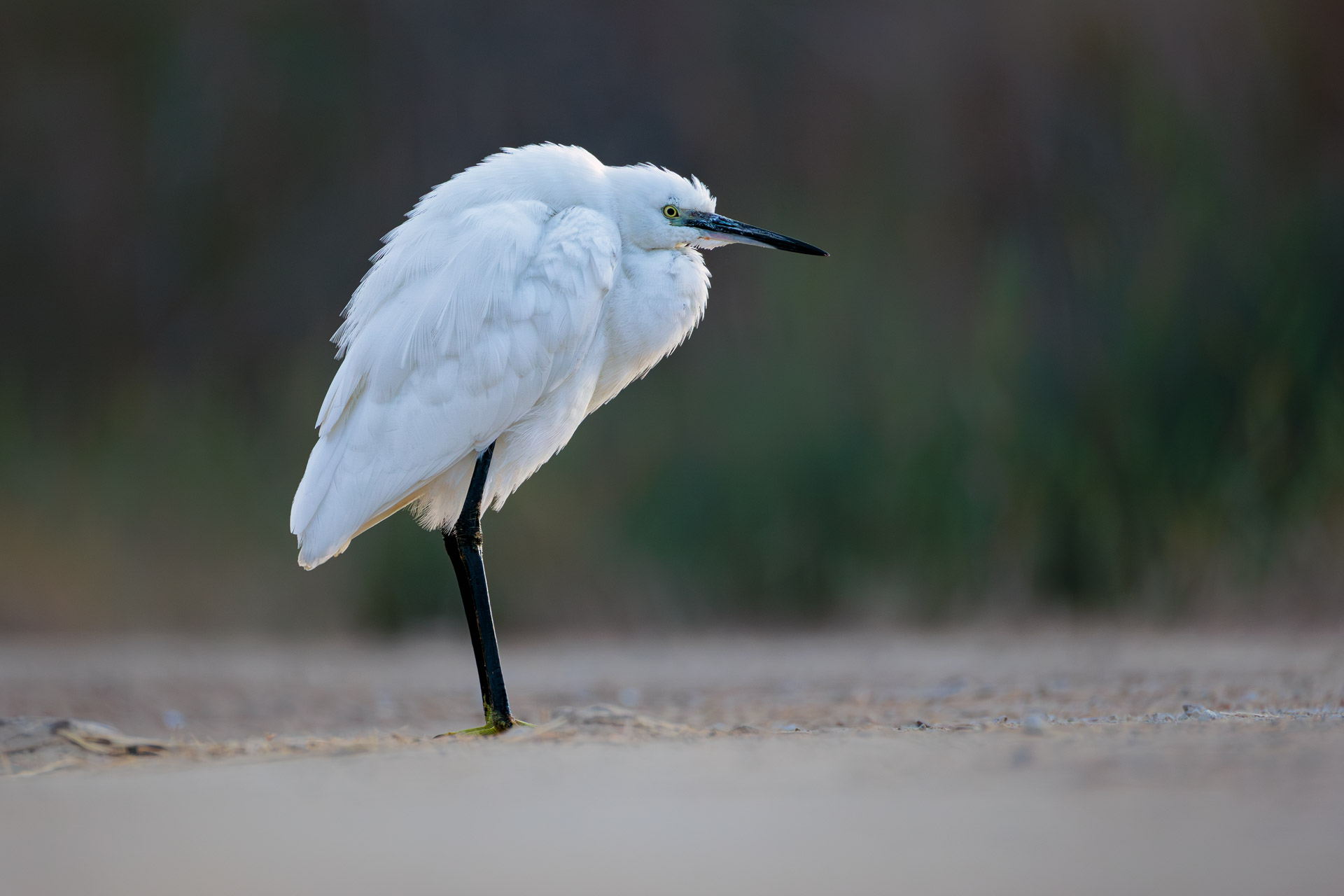
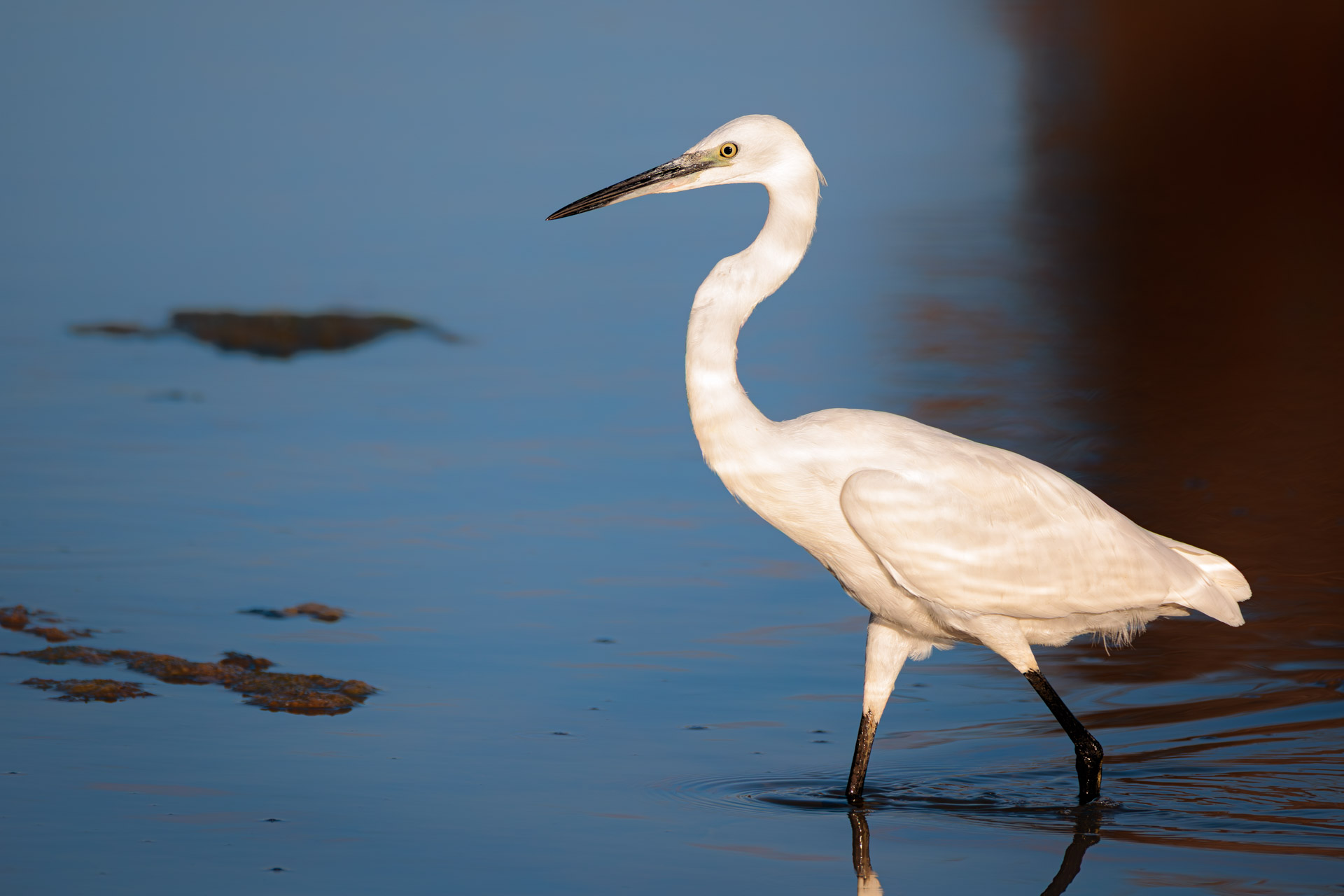
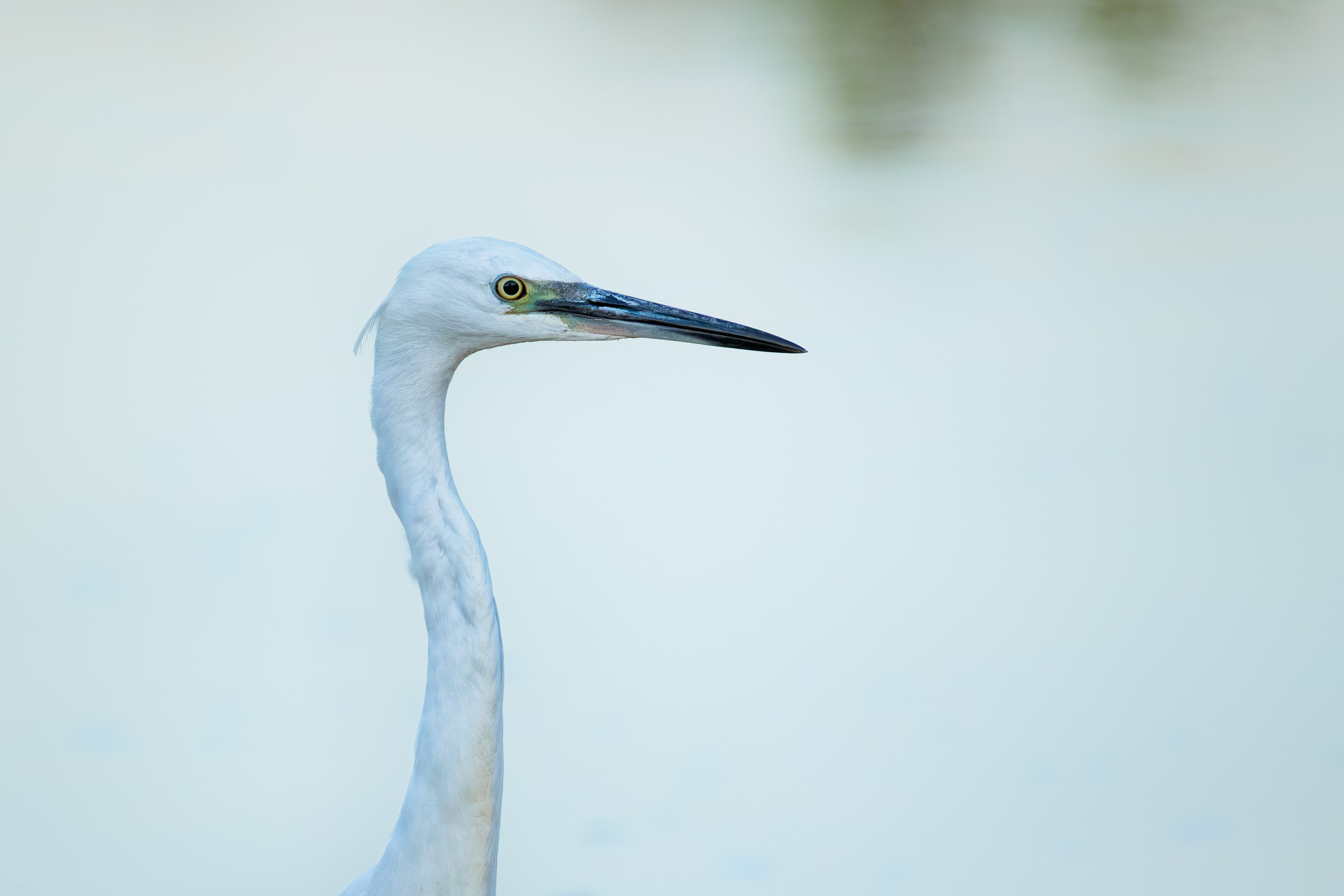
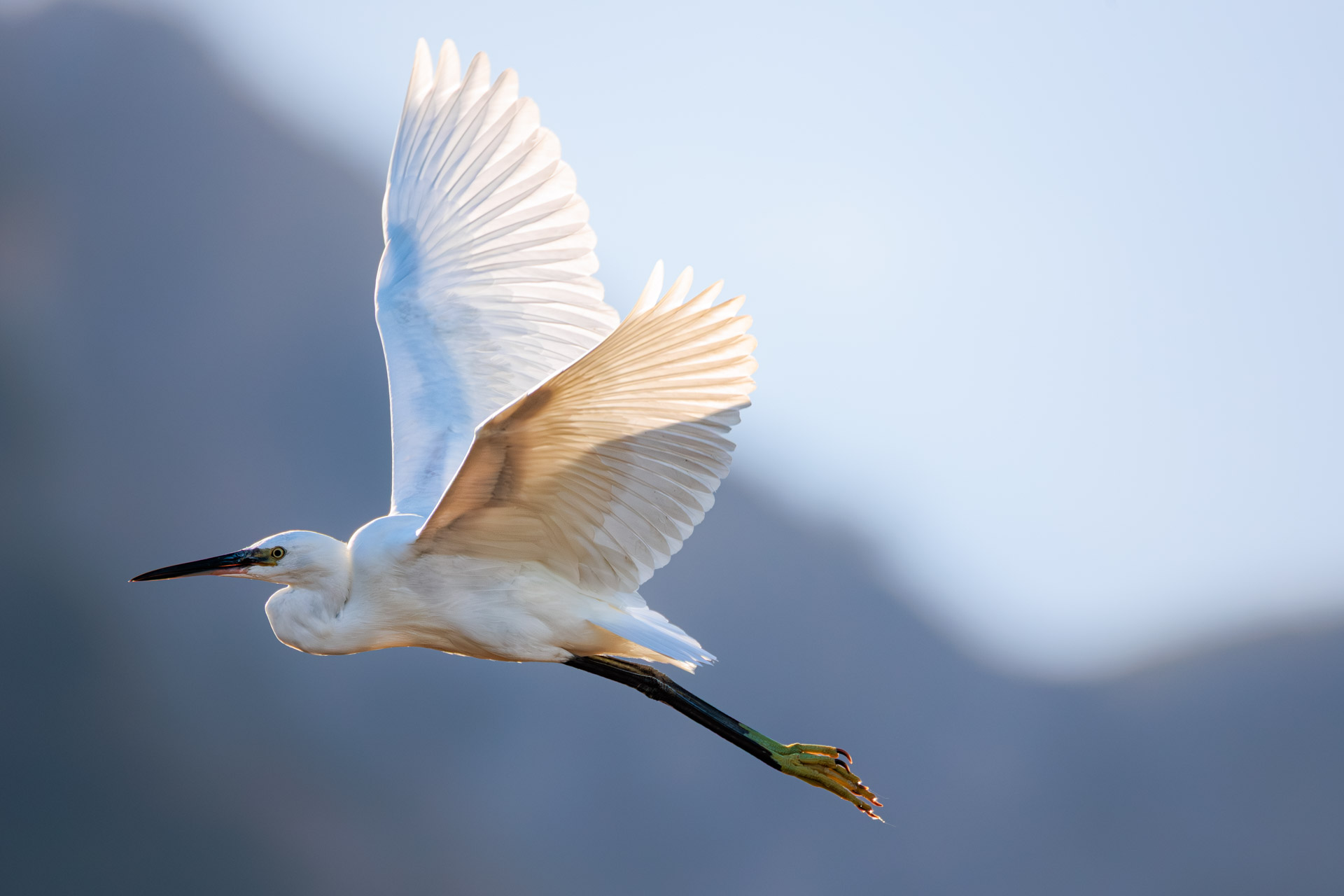
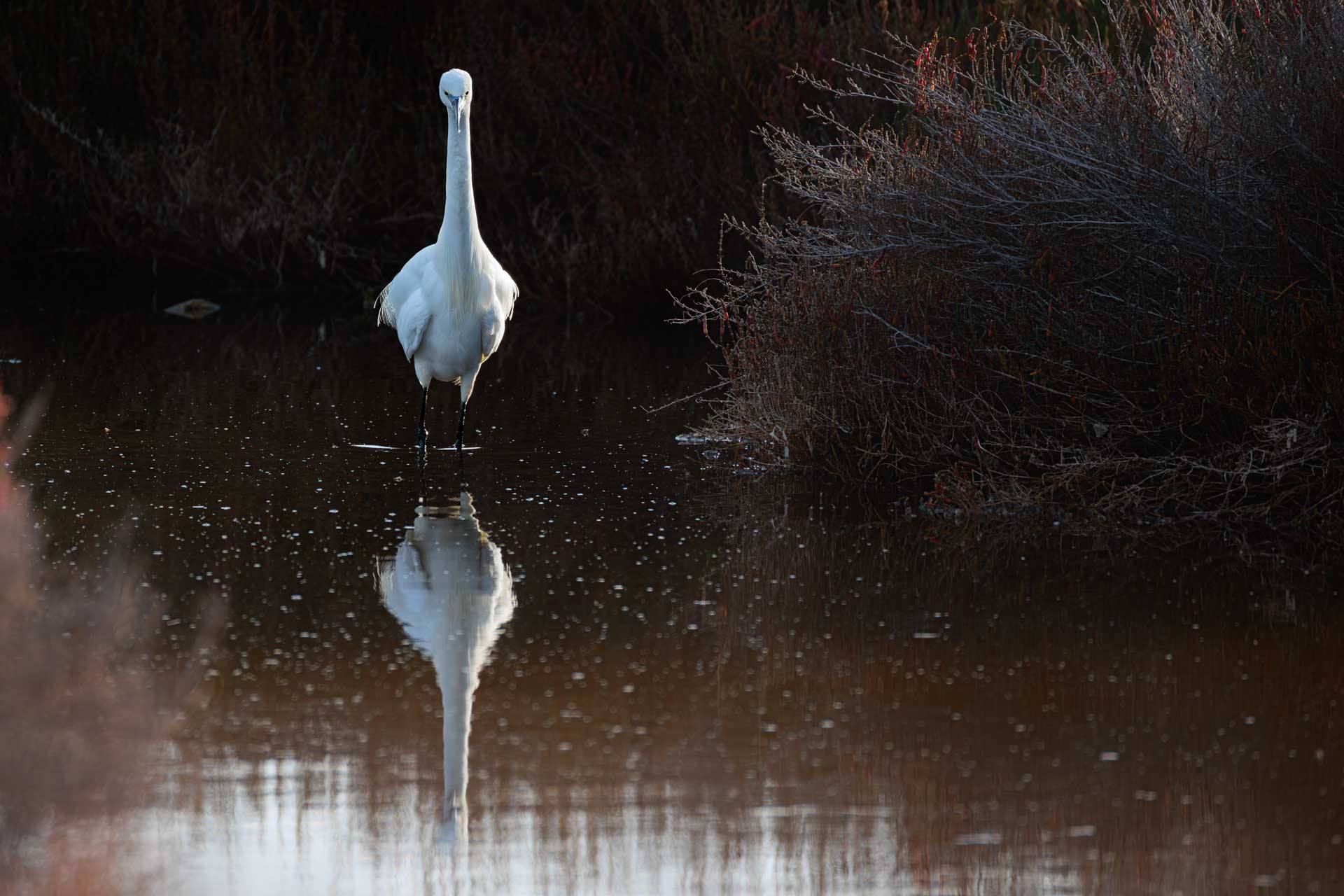
An elegant white waterbird, frequent in wetlands, salt pans and coastal areas. It feeds on fish and small invertebrates, hunting in shallow water. In Ibiza it is mainly a wintering visitor, seen in Ses Salines, Ses Feixes and along the coast.
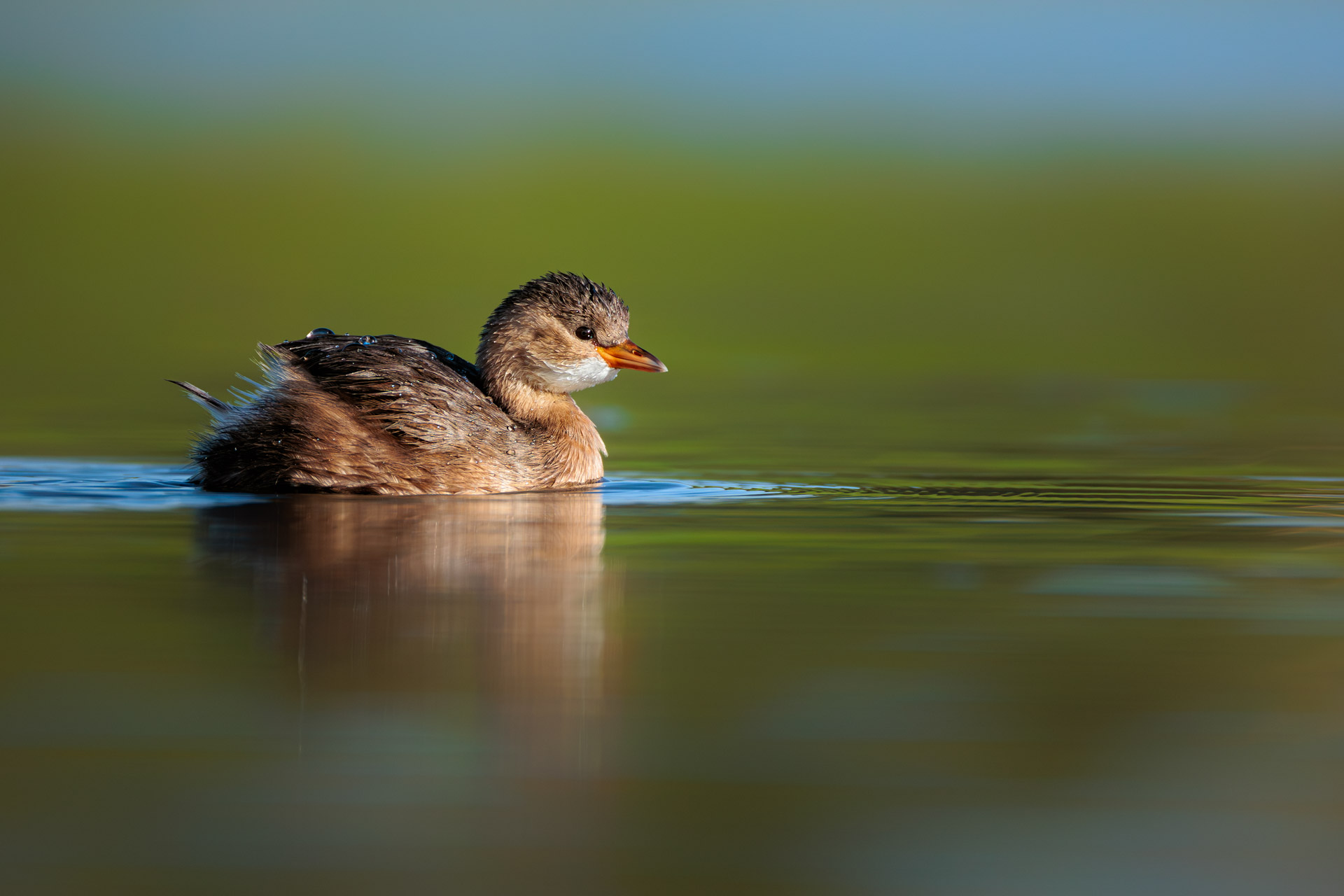
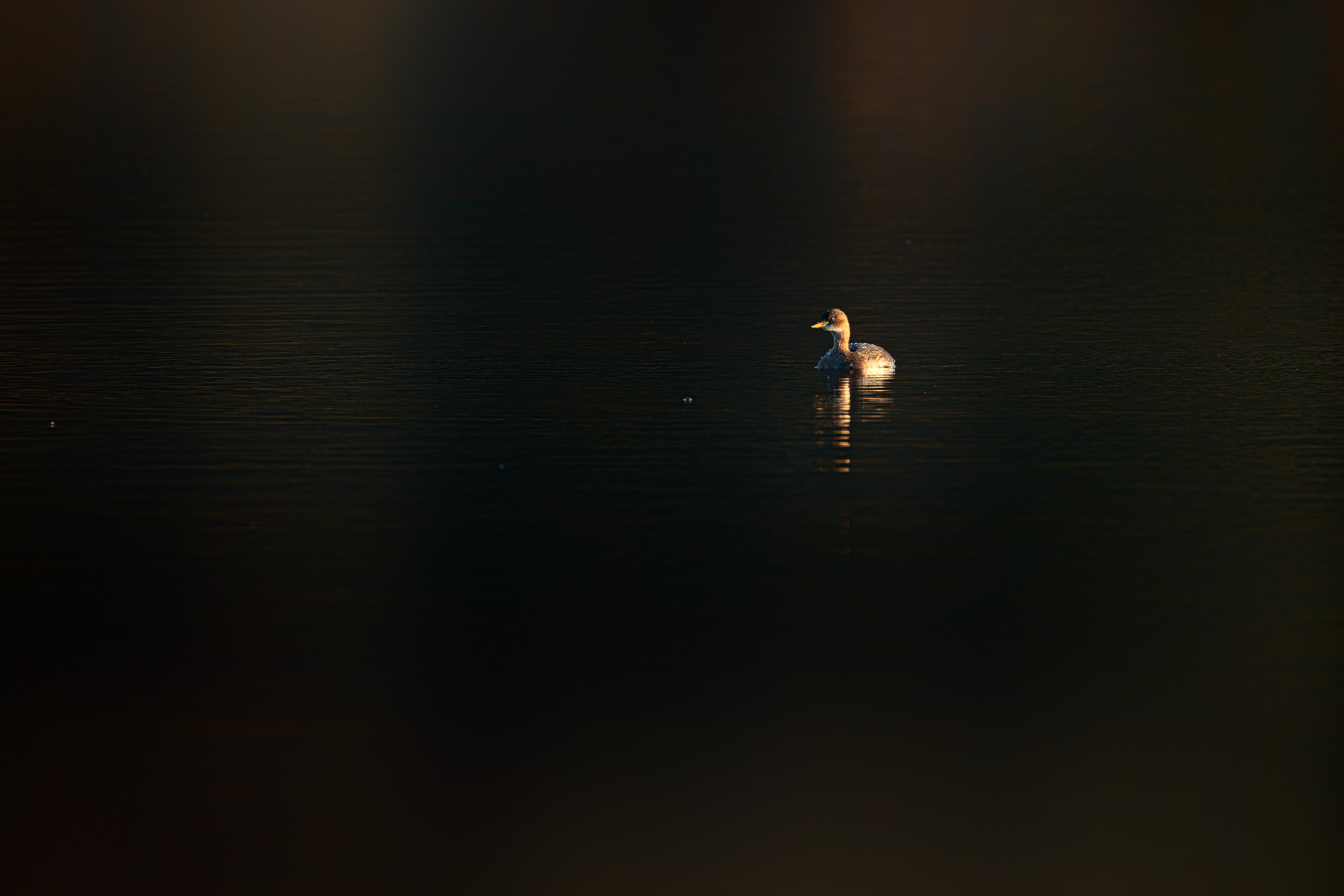
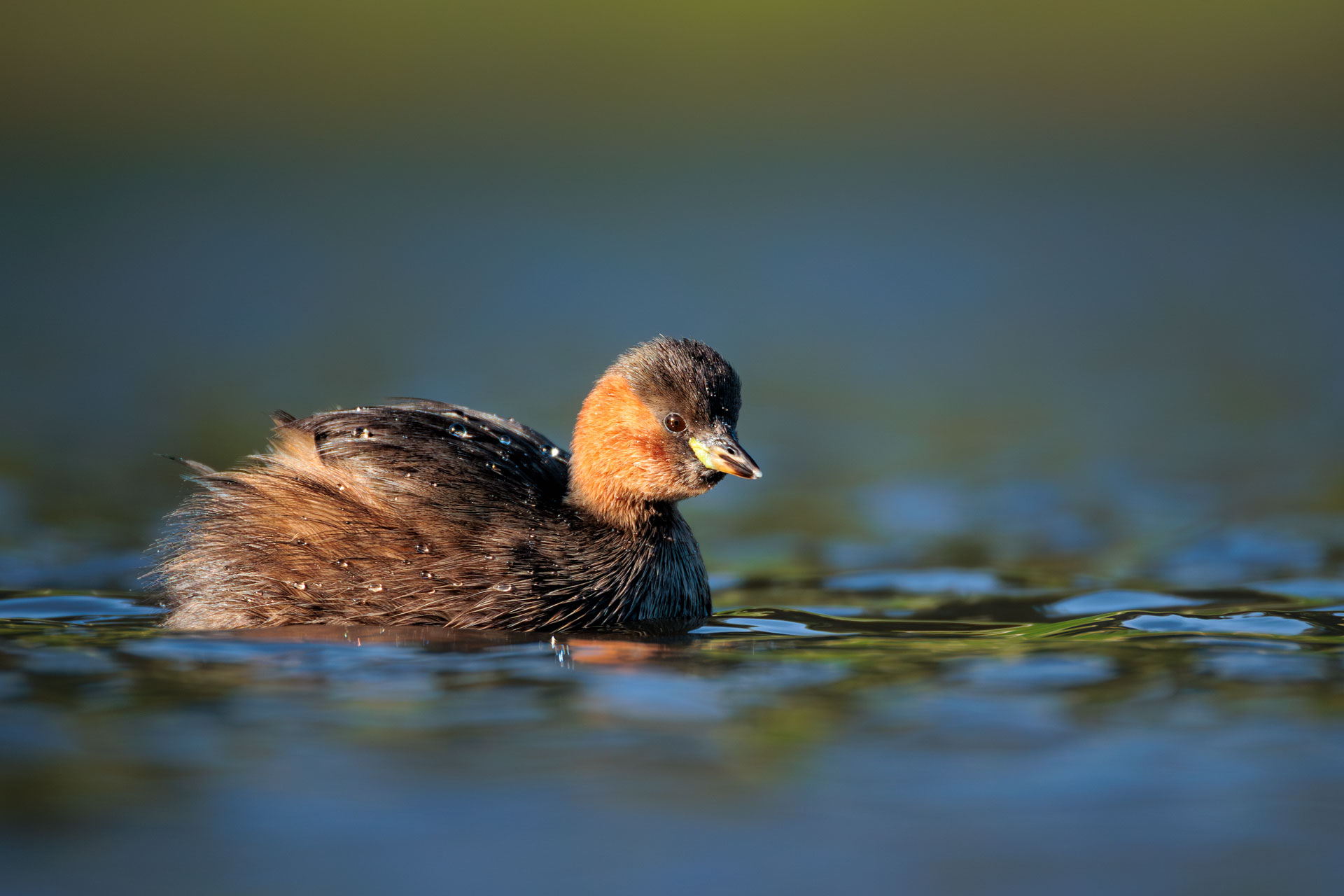
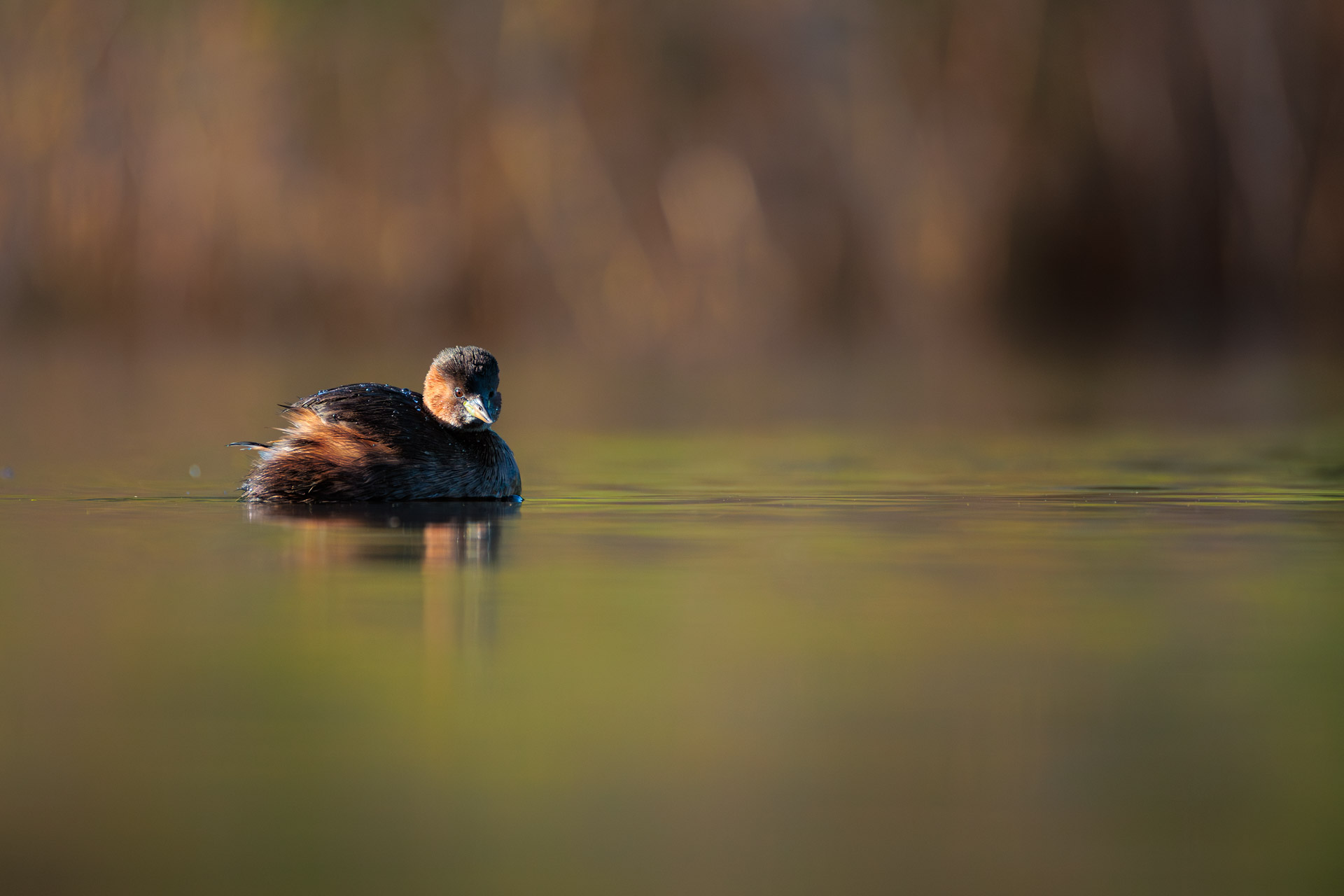
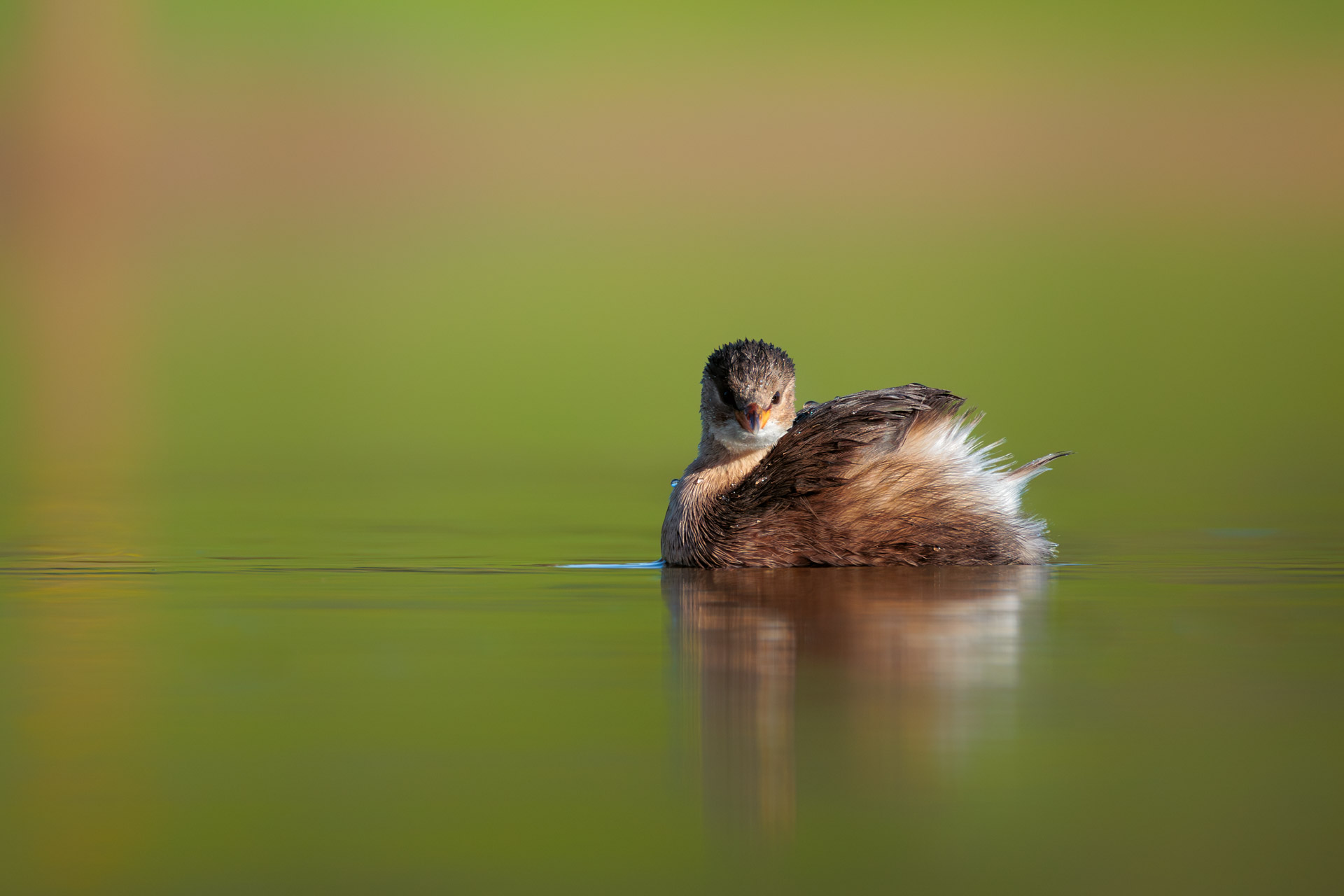
A small waterbird inhabiting lagoons and wetlands. It can be observed all year round in Ibiza, in the freshwater ponds of Ses Salines, Ses Feixes and in inland reservoirs, where they usually breed. It is shy, although it is a species that avoids flying, so it is not difficult to spot provided we can find it after it has dived. Its local name comes from the fact that it dives to catch fish and crustaceans or to hide, making ‘dives’.
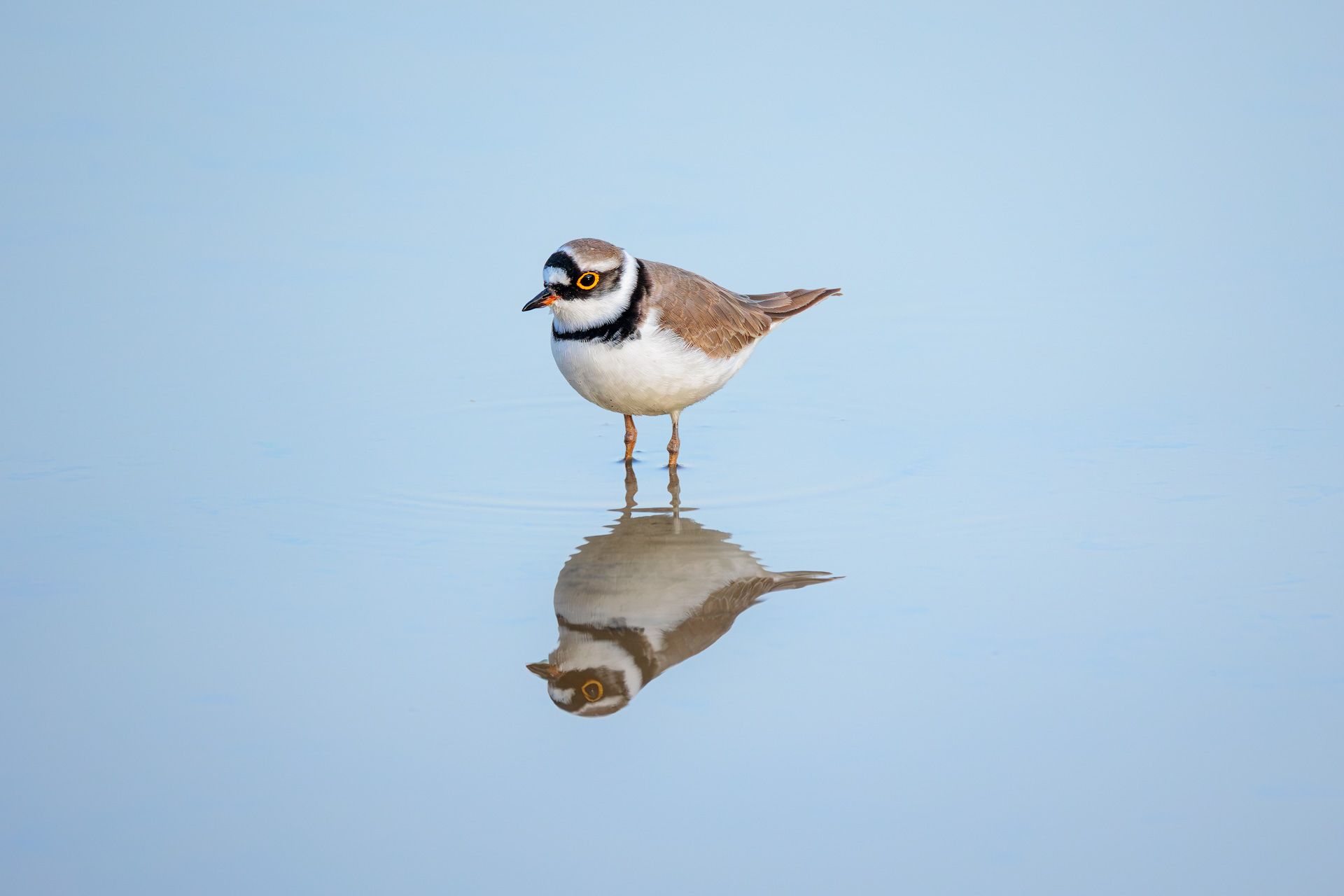
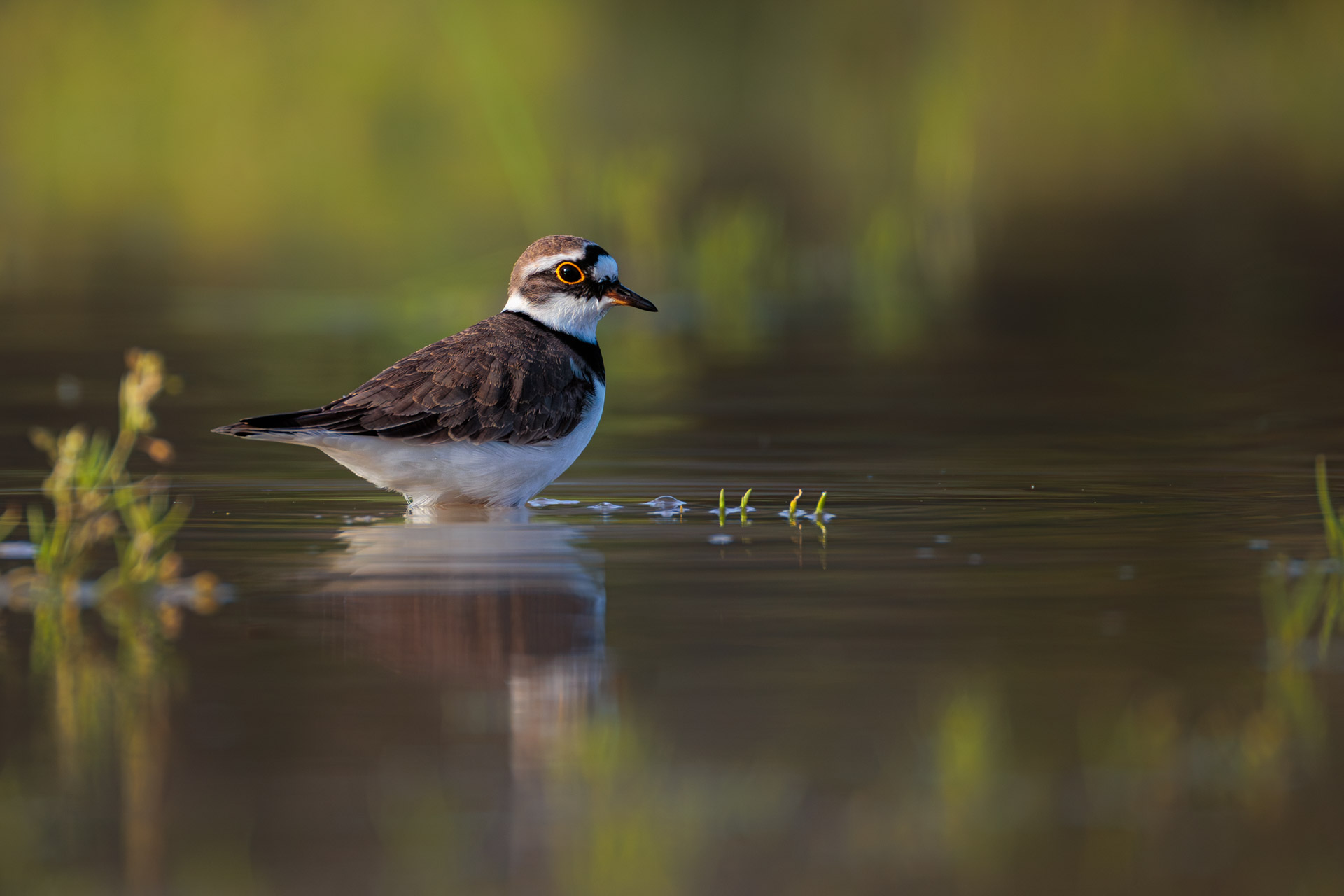
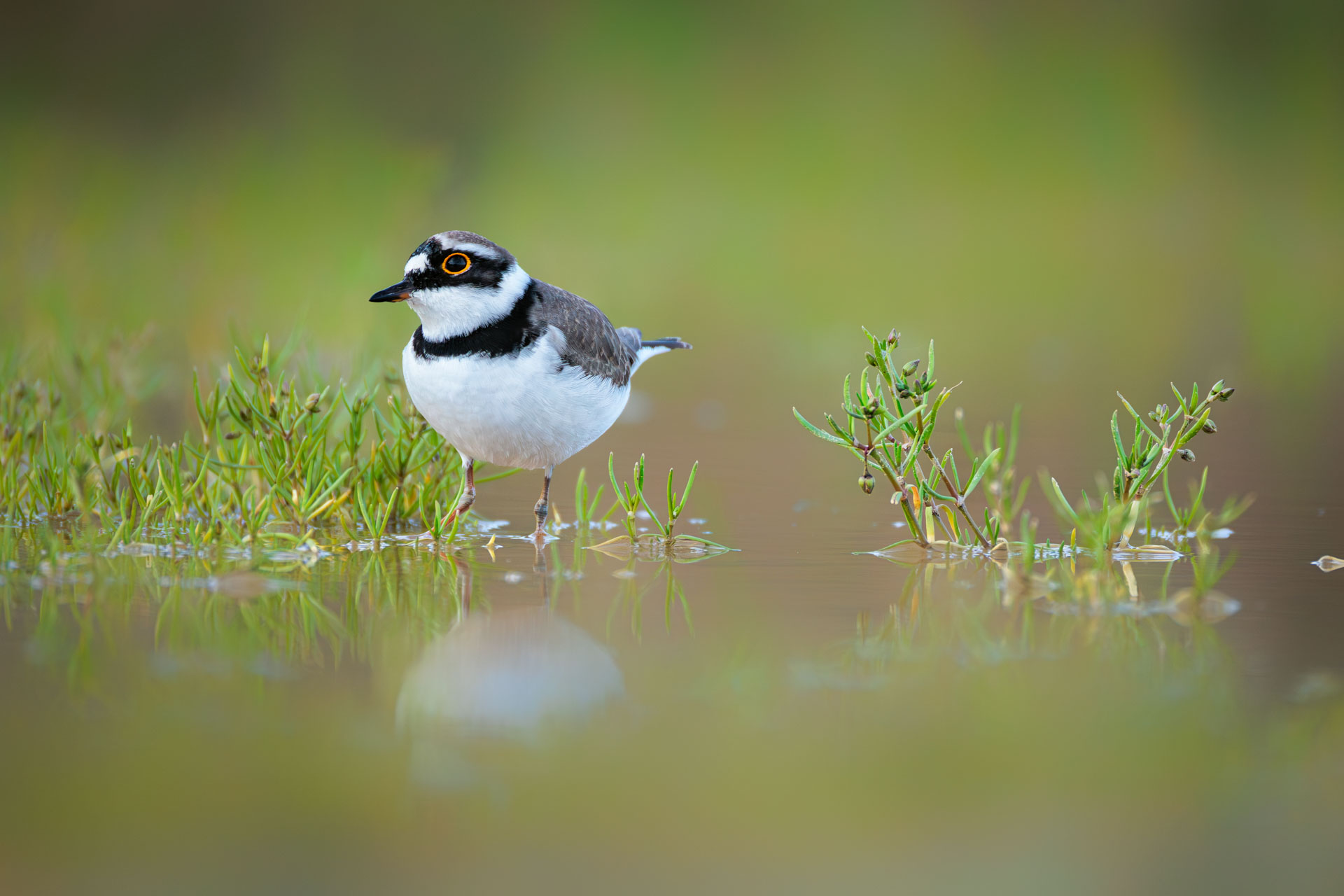
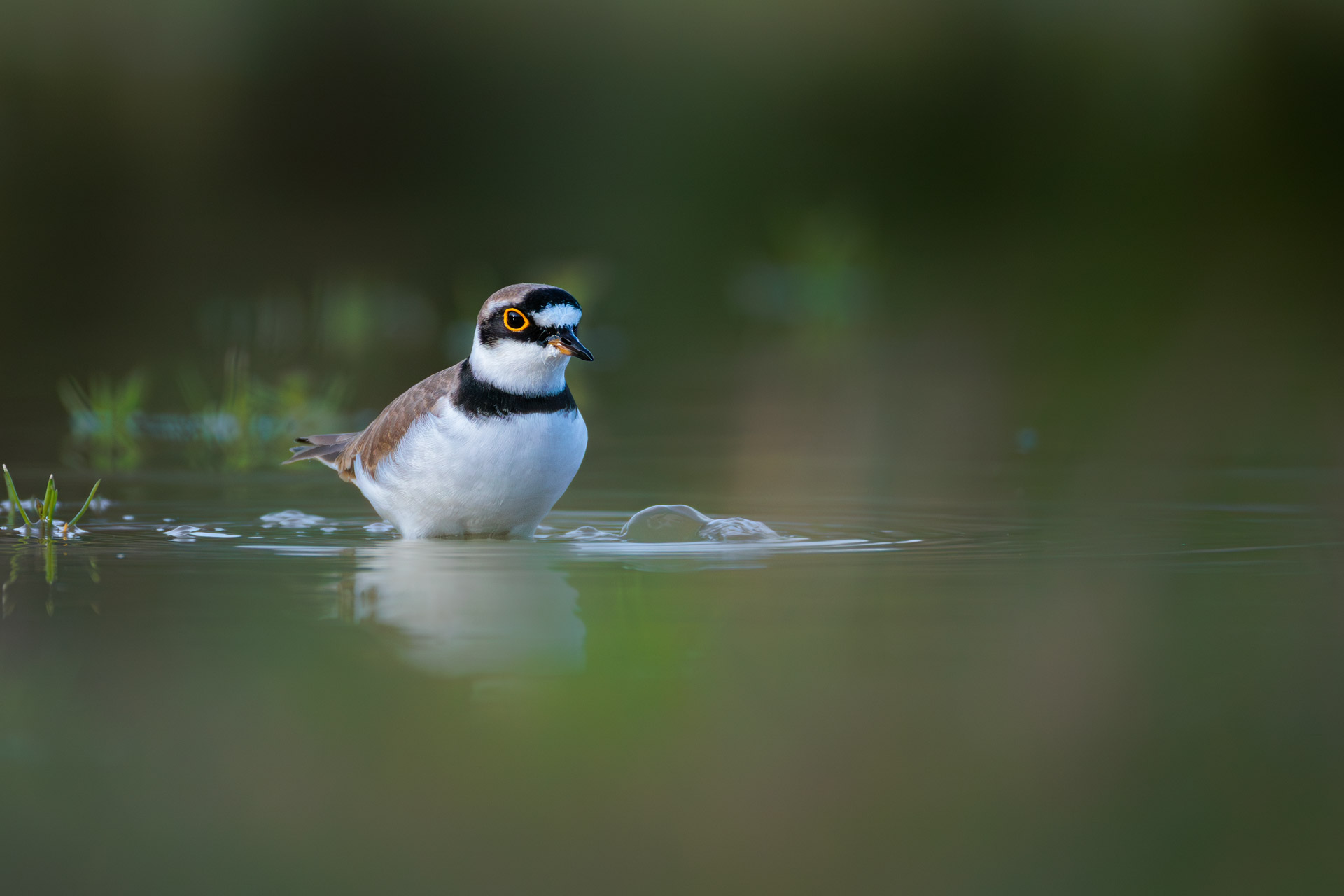
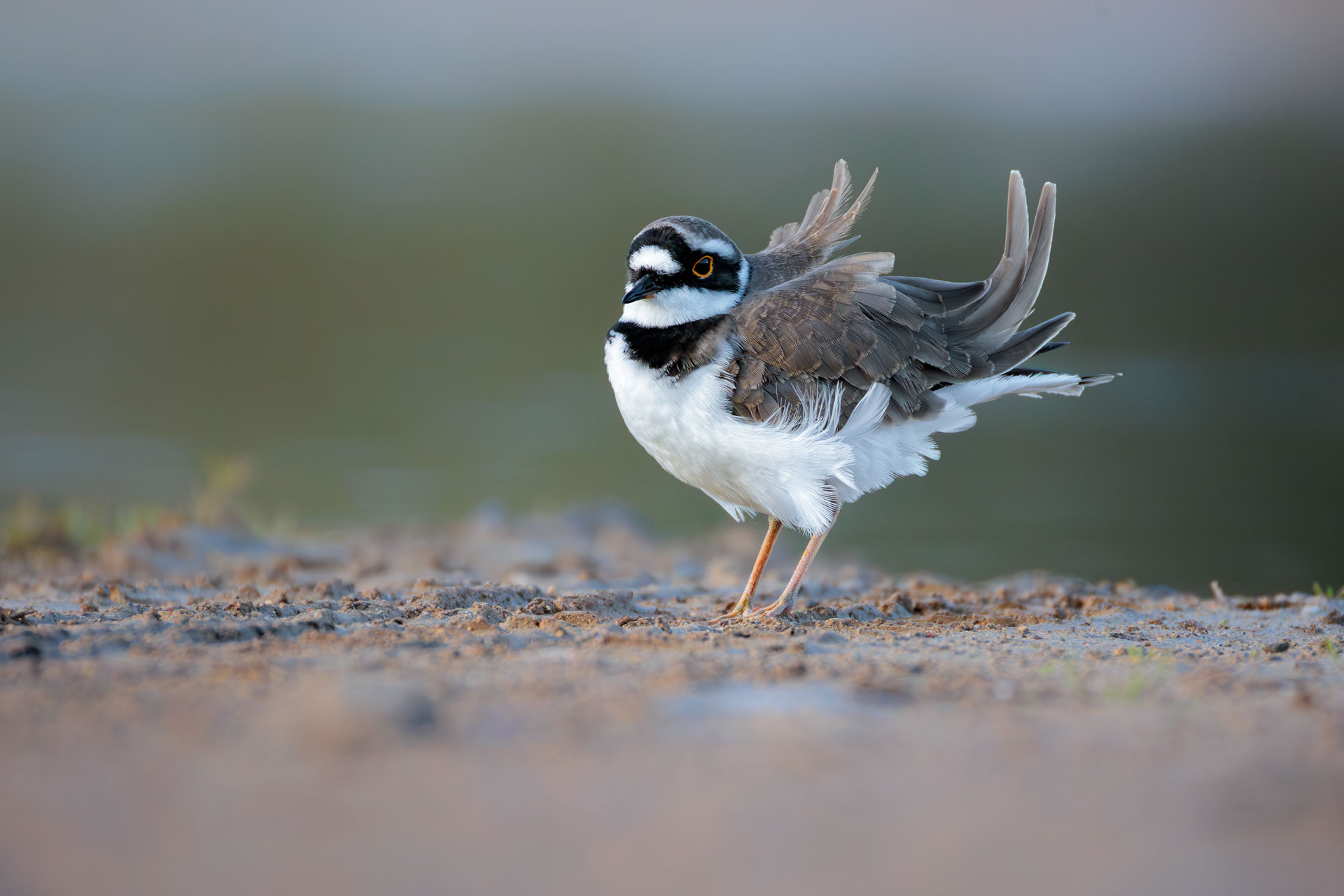
A small wader that frequents the shores of lagoons, salt flats and freshwater areas. It is characterised by its nervous behaviour and rapid movements. In Ibiza, it is mainly seen during migration and the breeding season at Ses Feixes or Ses Salines. It is also possible to spot a few individuals during the winter. Its local name derives from its association with beaches and its behaviour, translating as ‘beach pecker’.
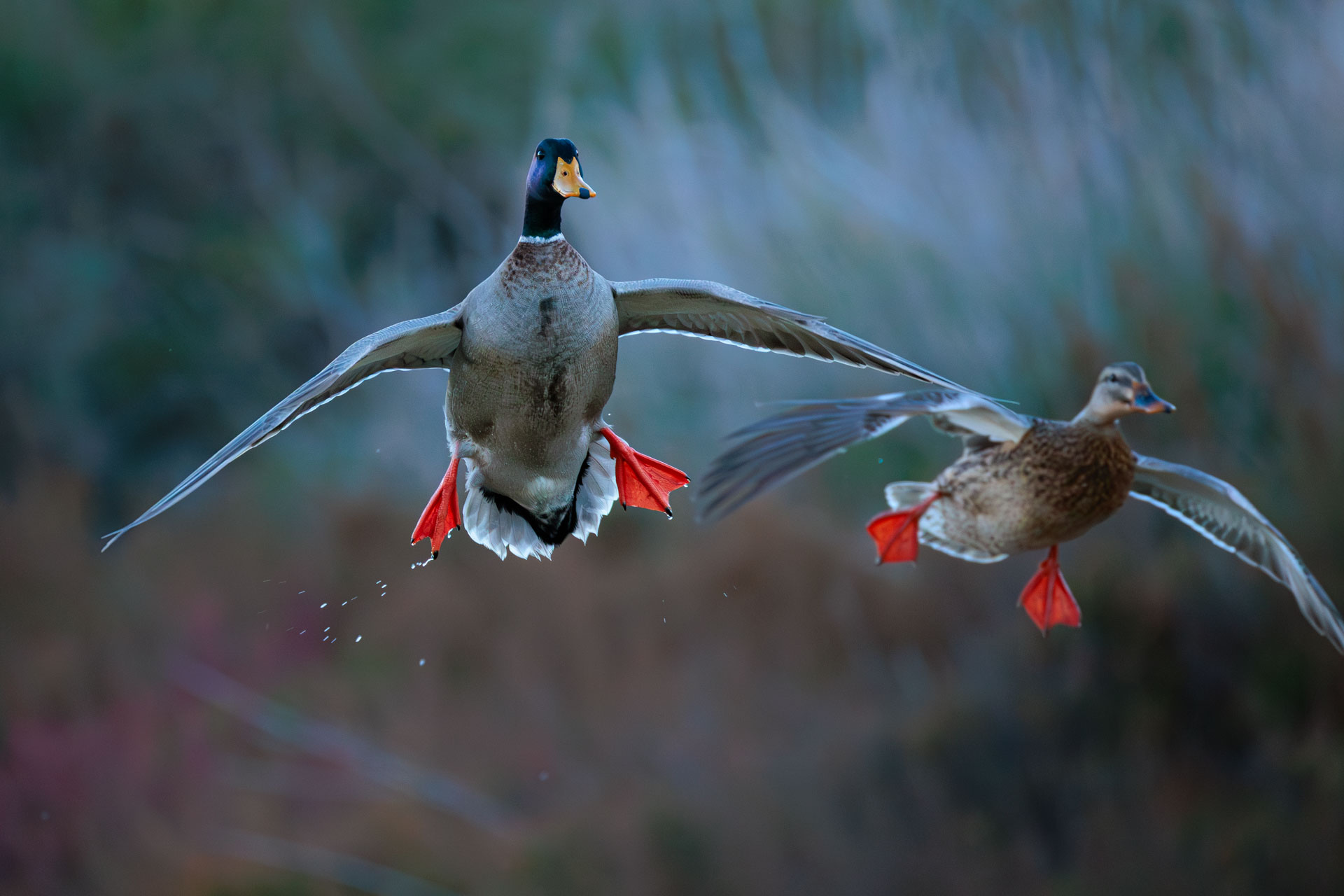
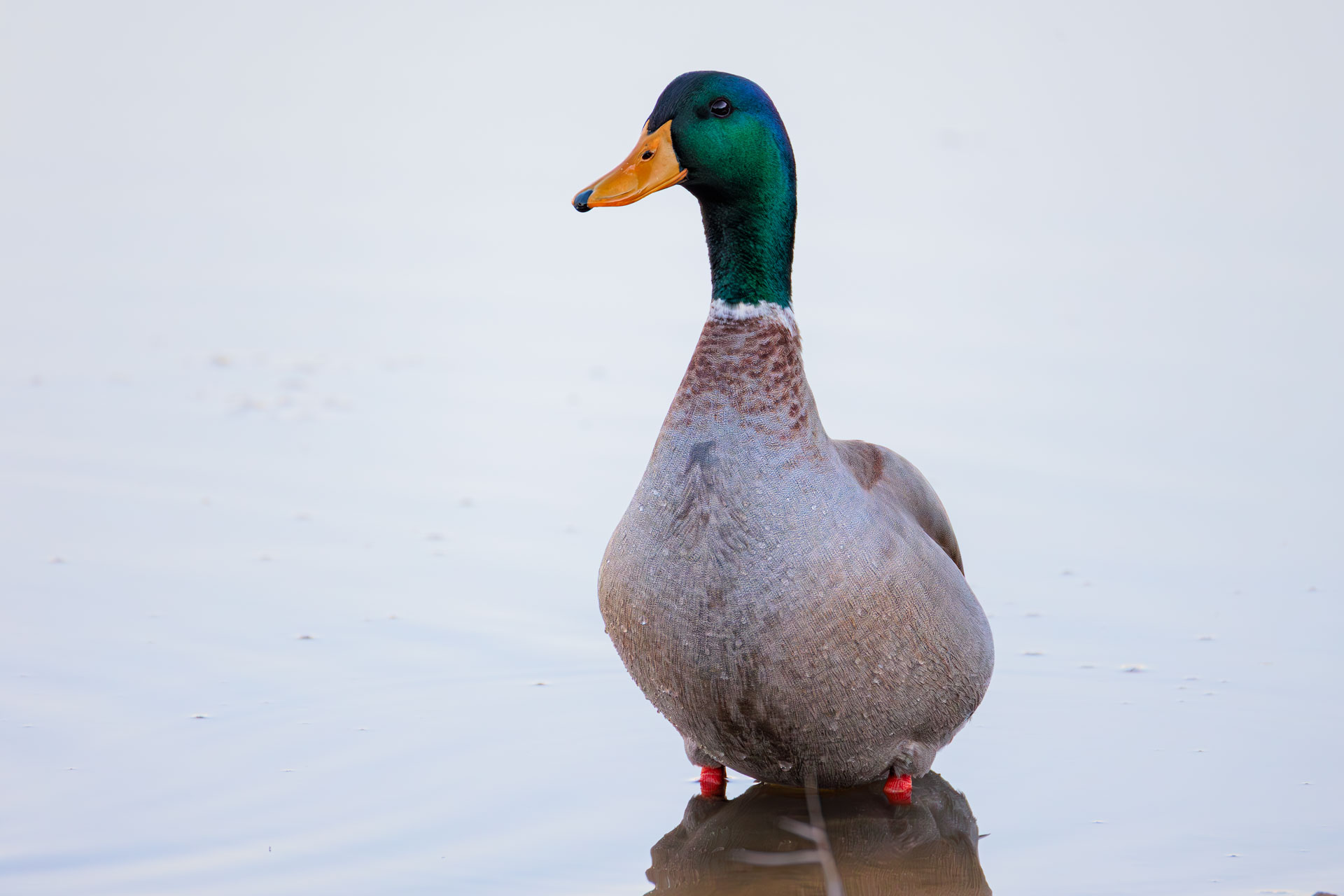
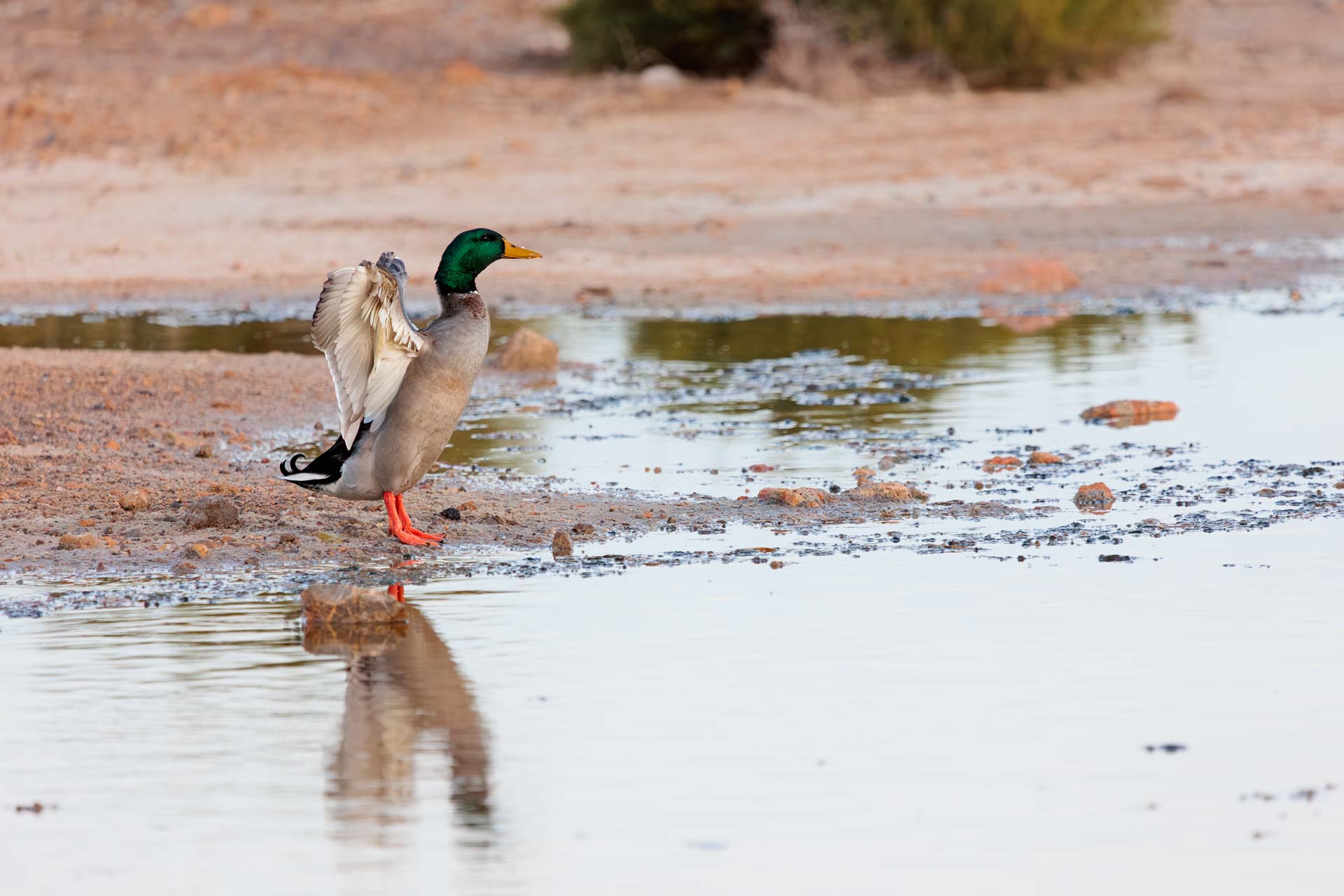
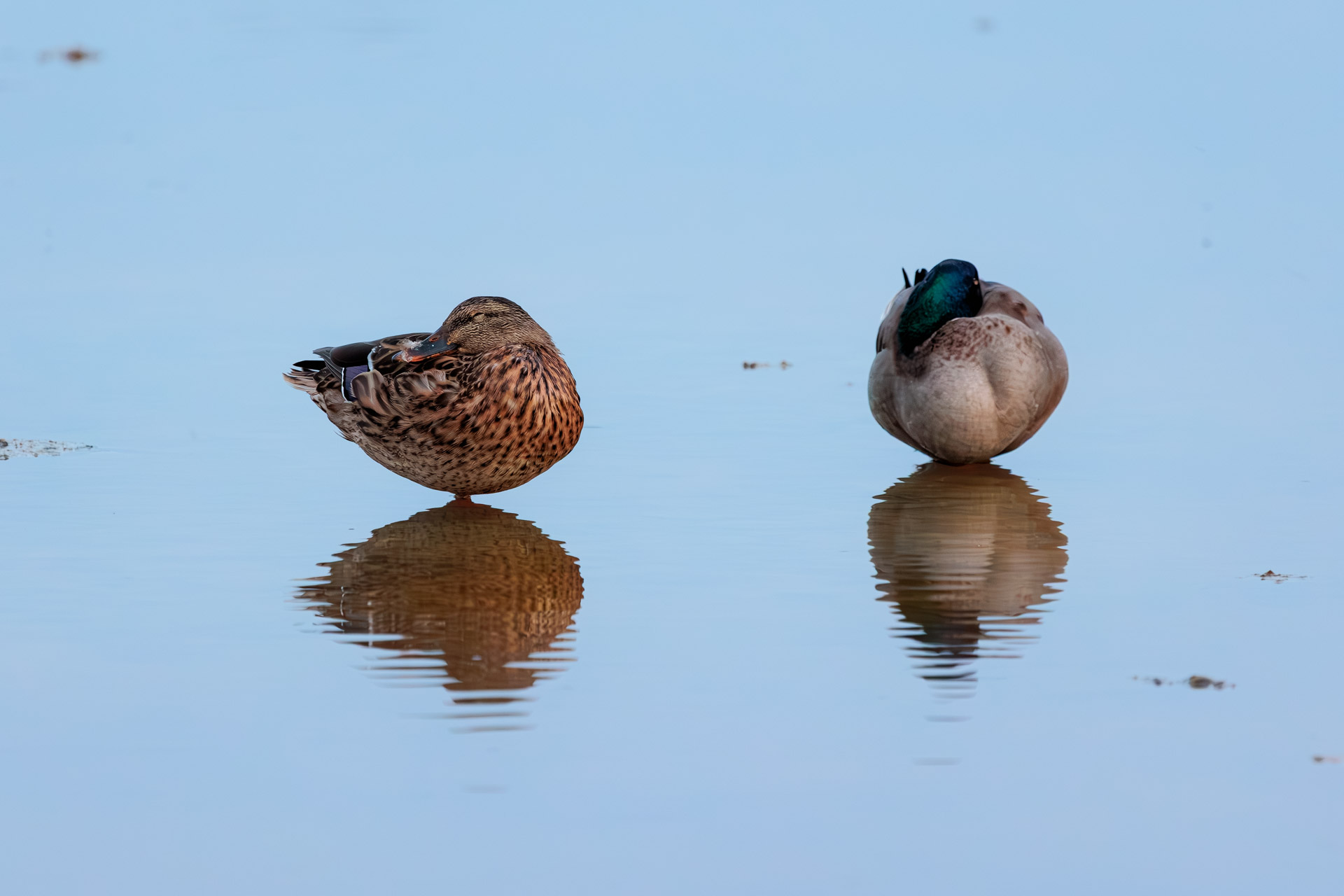
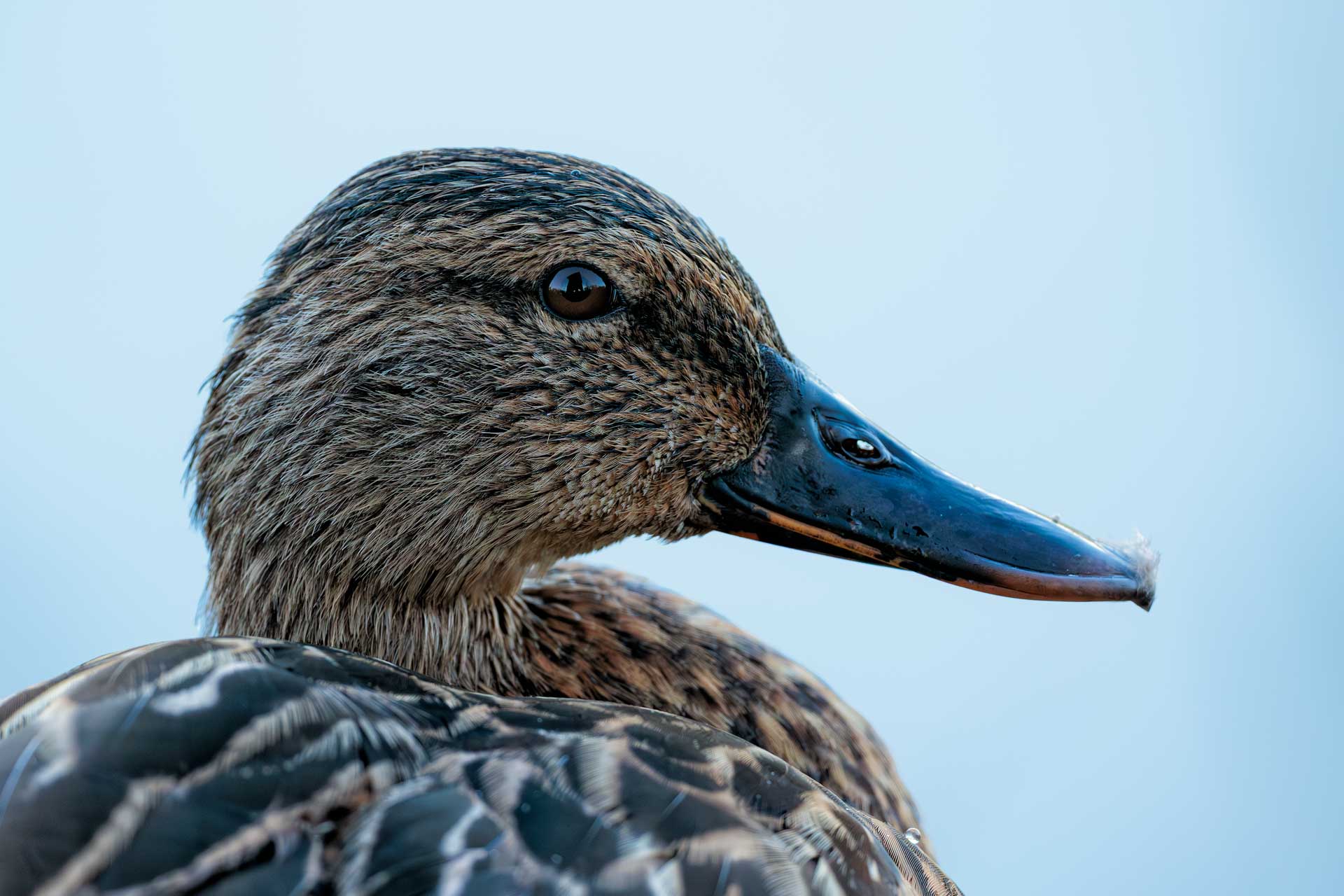
The Mallard is the most common and recognisable duck. It frequents lagoons, reservoirs and freshwater wetlands. In Ibiza it is present all year in wetlands such as Ses Salines and Ses Feixes, where it is easily seen swimming or resting on the banks. Its local name refers to the green plumage on the neck.
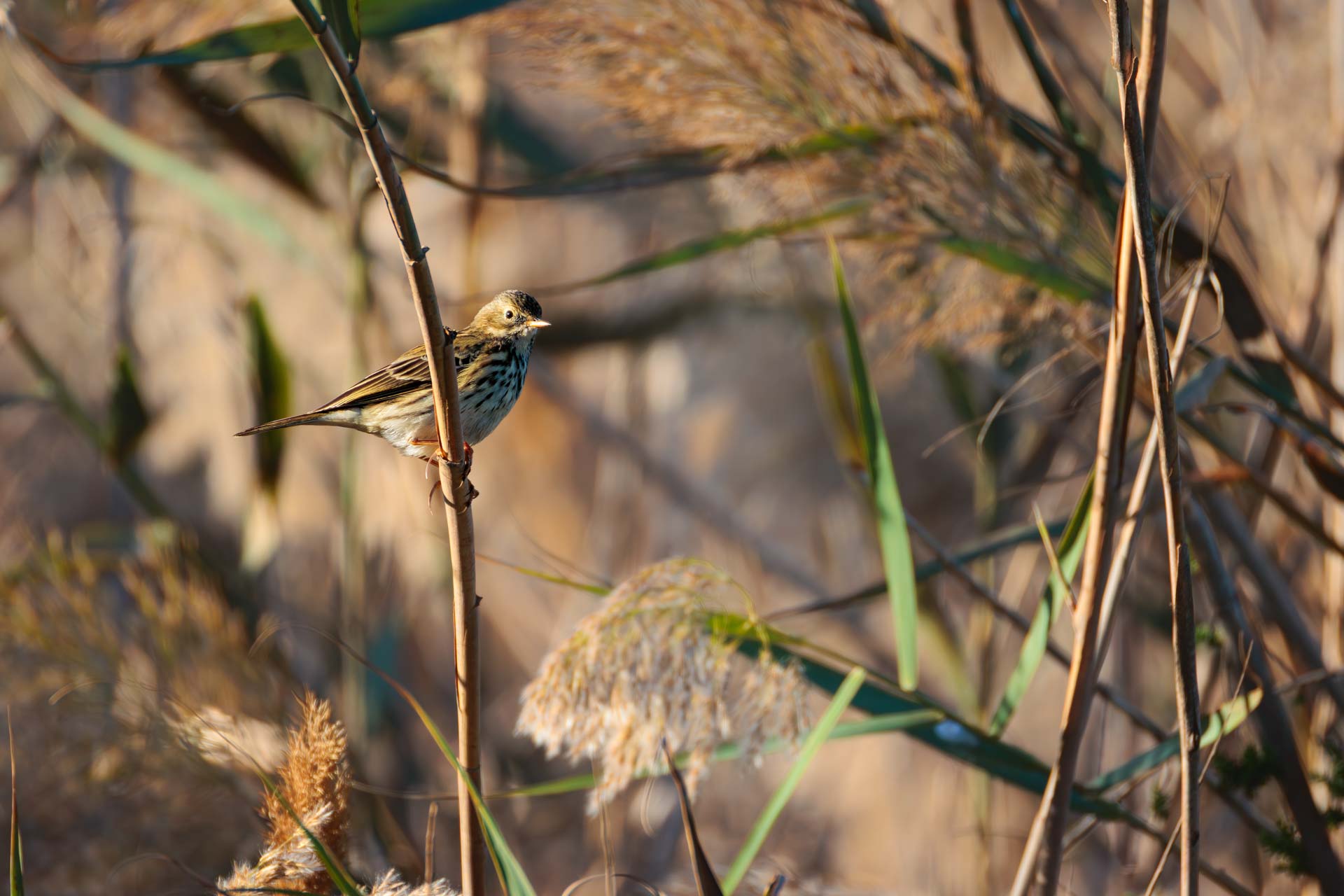
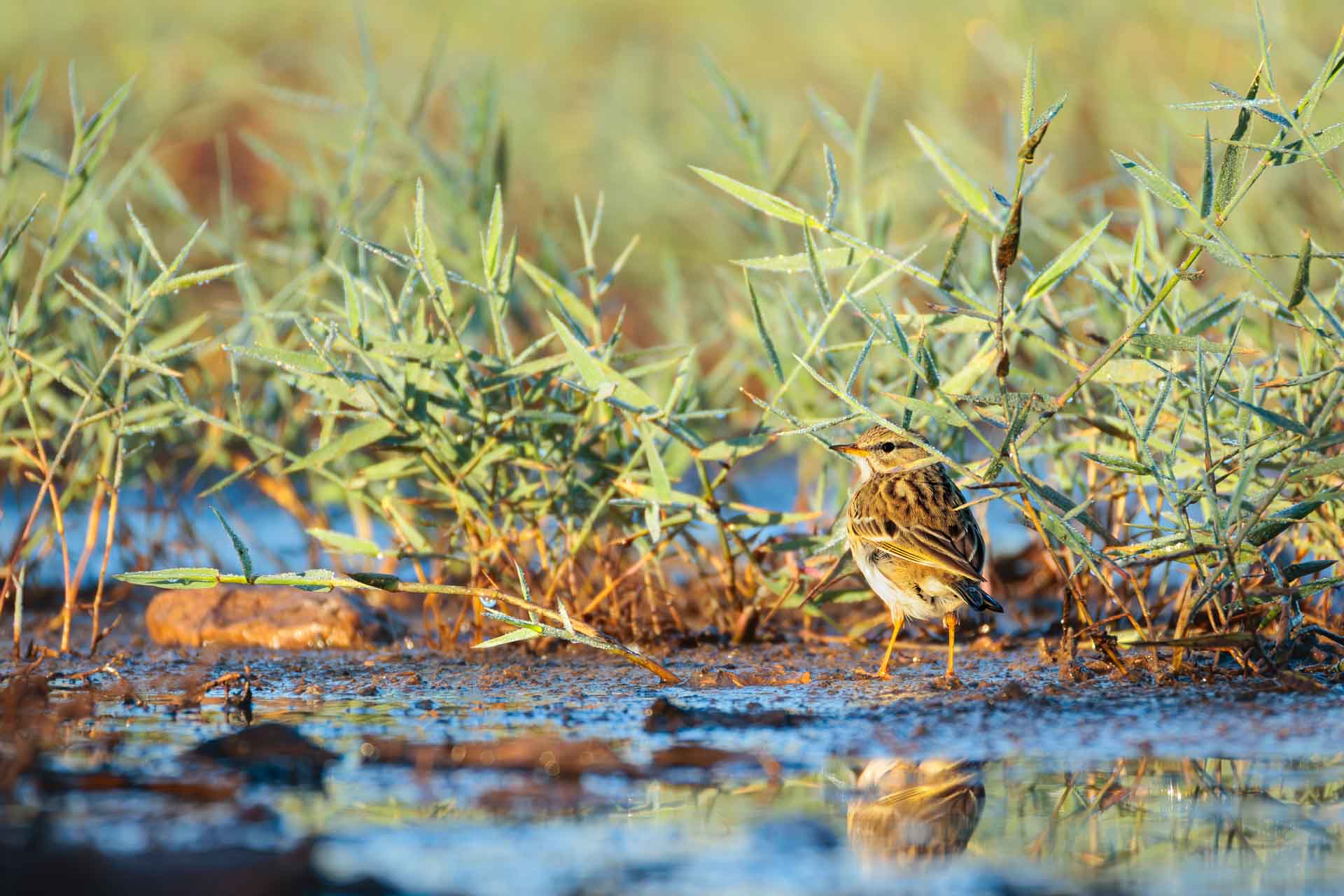
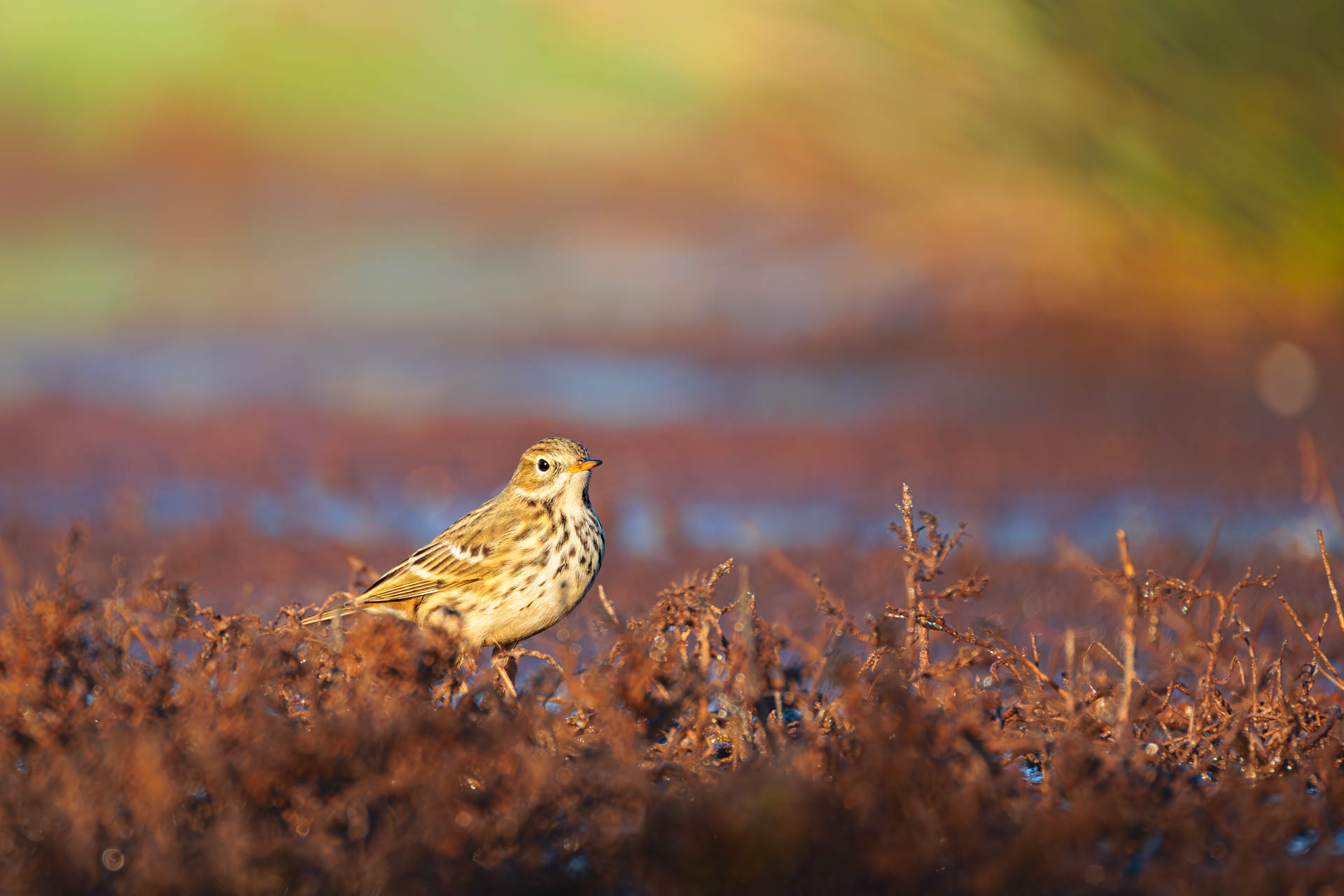
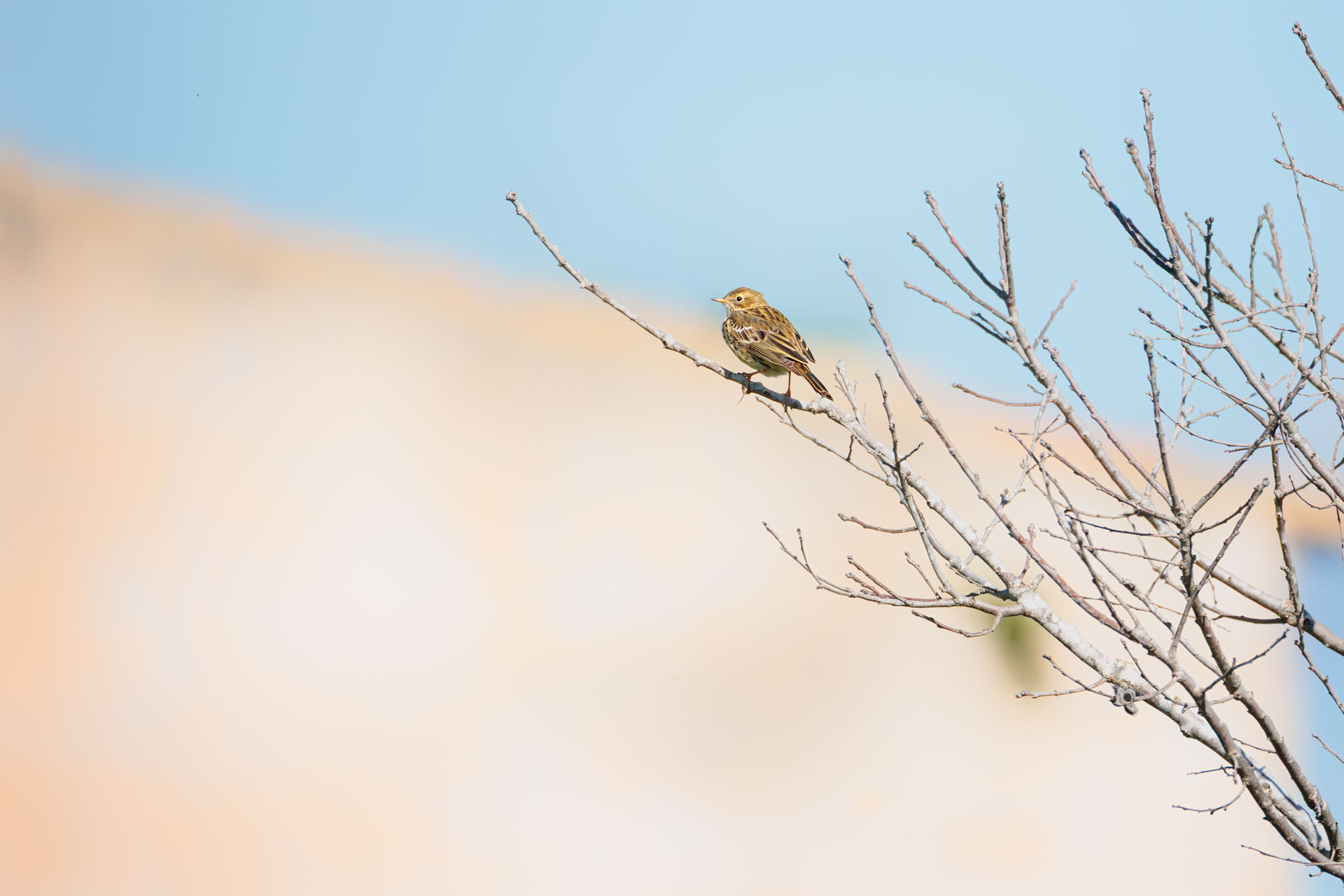
A small bird with inconspicuous plumage, inhabiting damp grasslands and open meadows. It feeds on insects. In Ibiza, it is a visitor during migration and winter, where it is usually seen in open fields and along the edges of wetlands such as Ses Feixes or Ses Salines. During the winter it is a very common bird and is easily distinguished by its song.
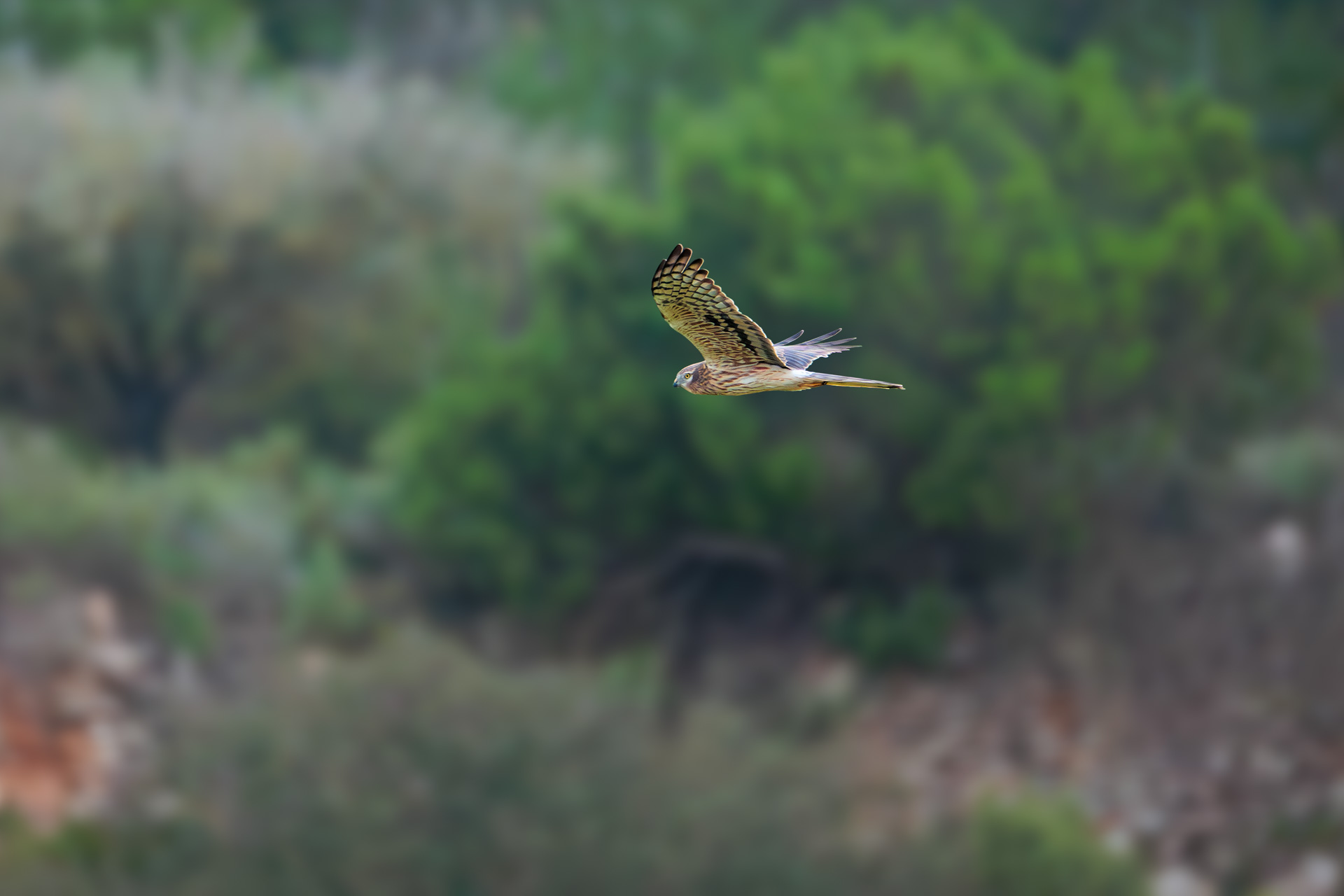
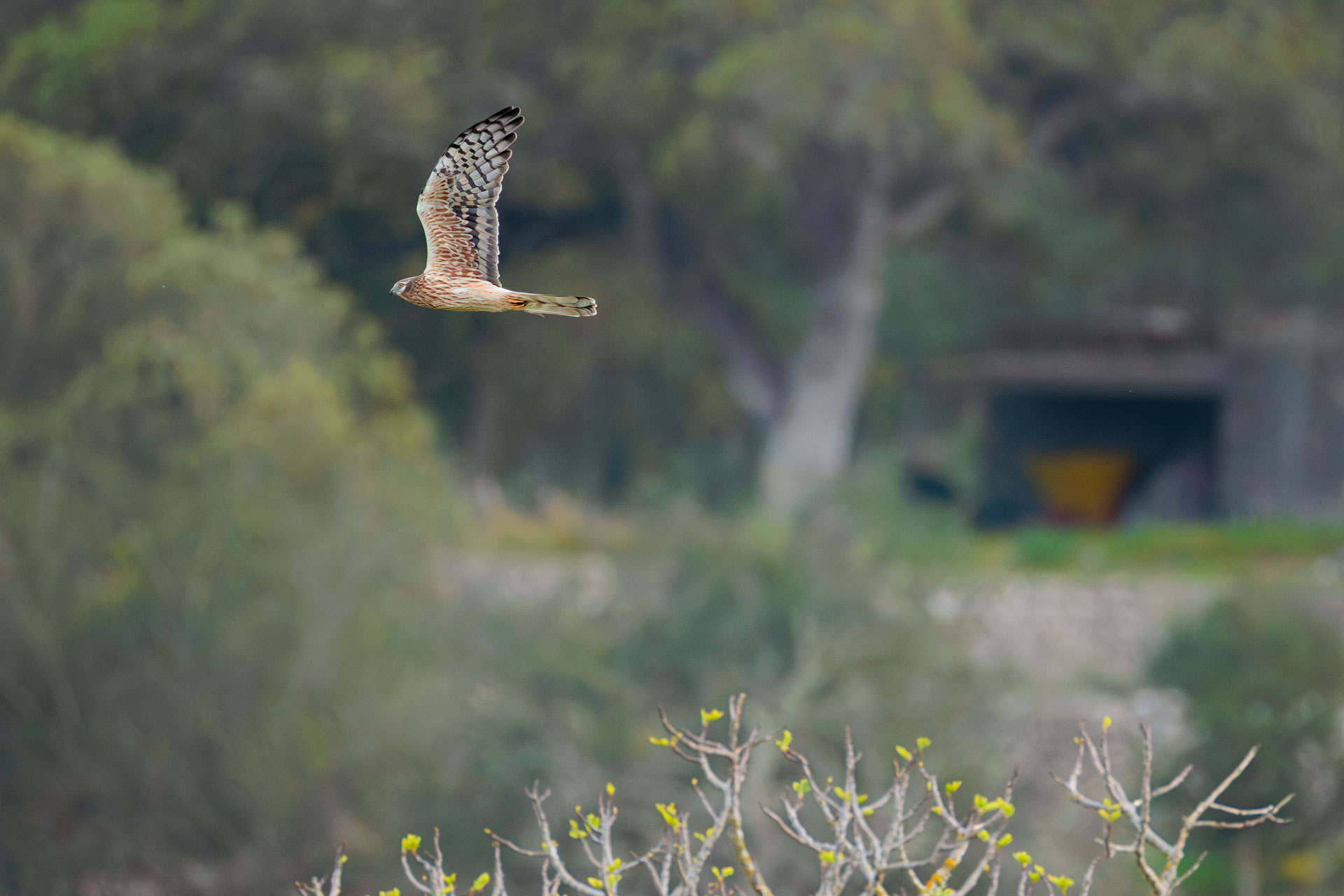
Montagu's Harrier is a slim and elegant raptor with a light, low flight, quartering open fields and agricultural areas in search of prey. It feeds mainly on small to medium-sized vertebrates and insects. In Ibiza it is seen during migration, especially in open farmland such as the Pla de Sant Mateu, where it patrols the ground with smooth, continuous movements.
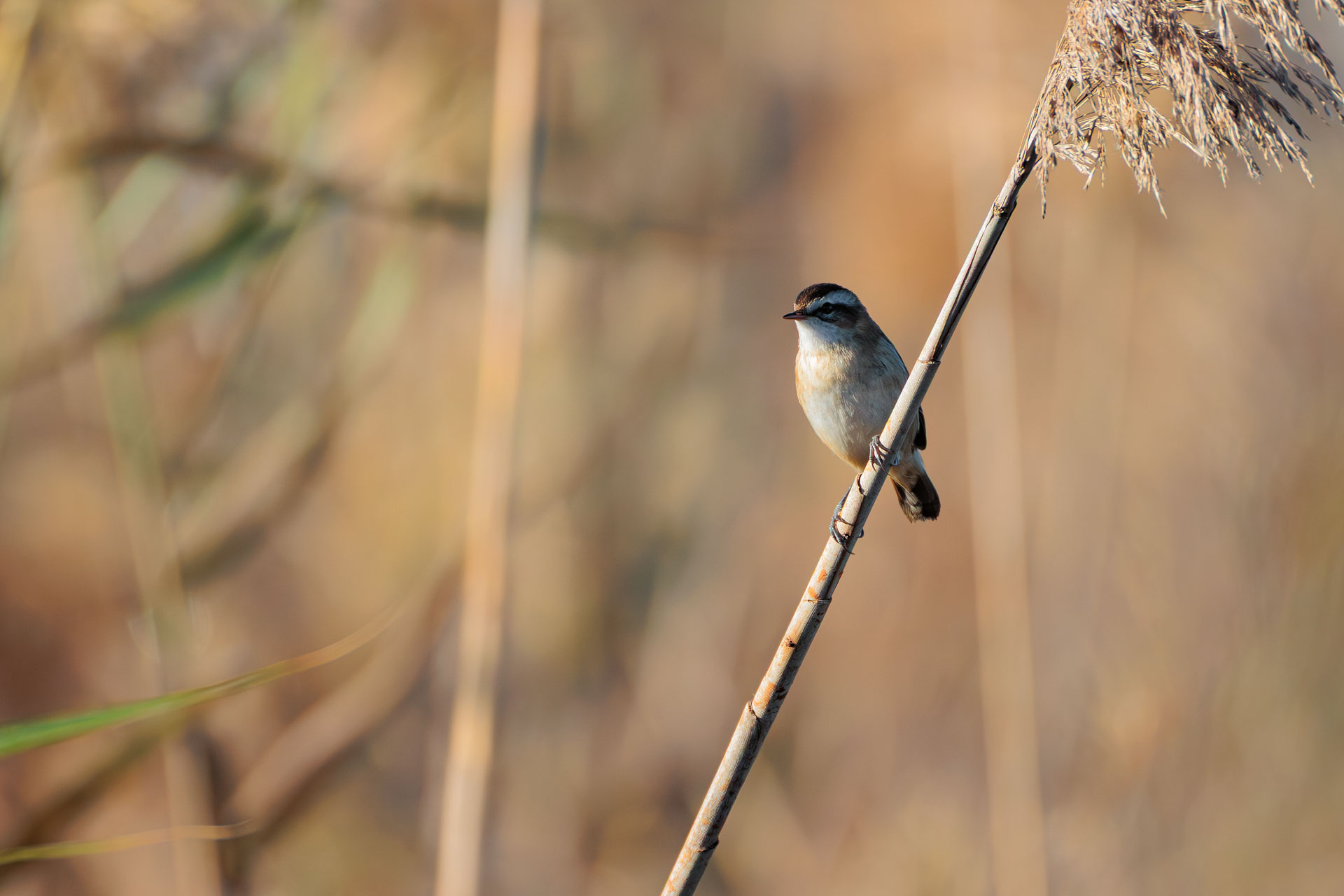
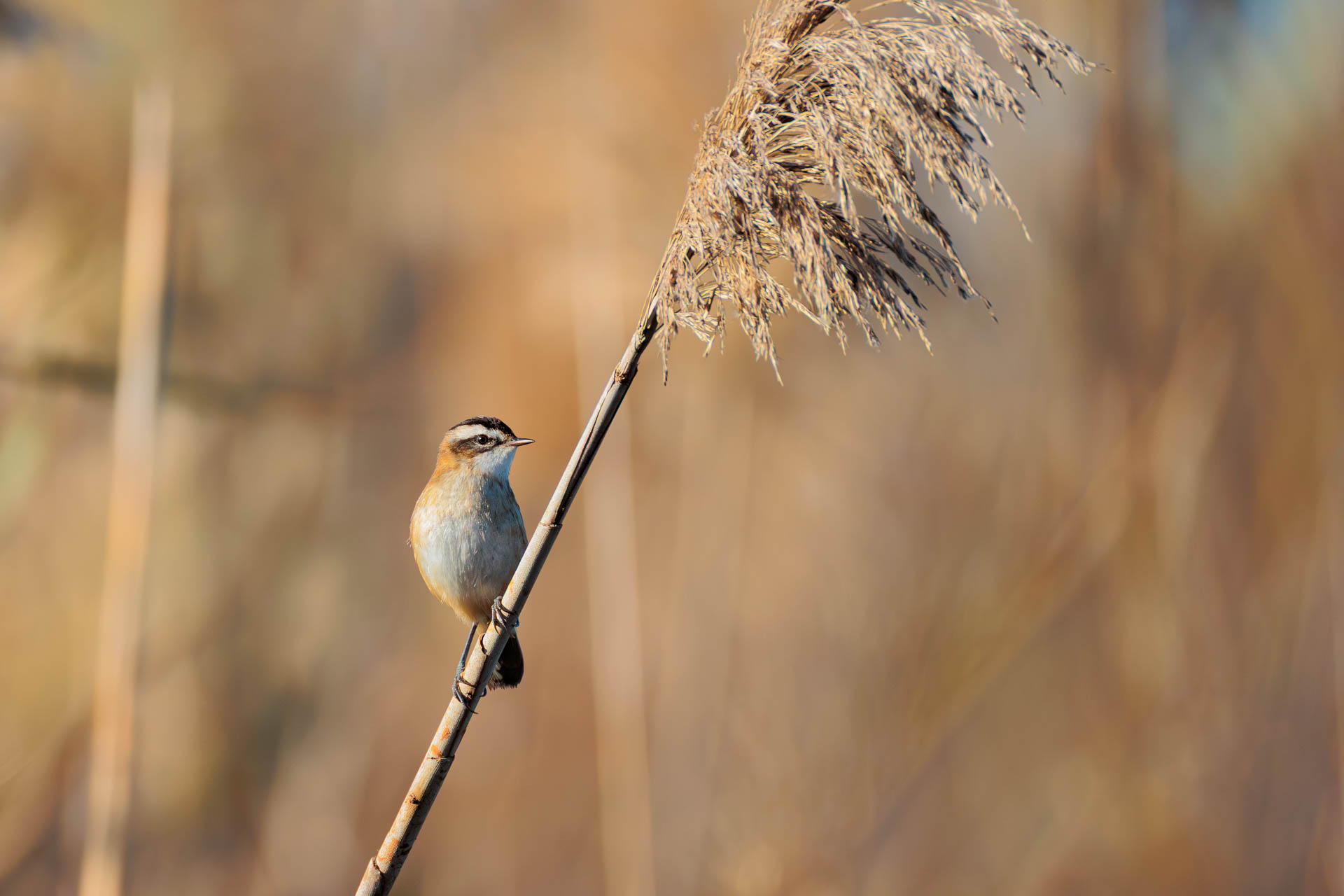
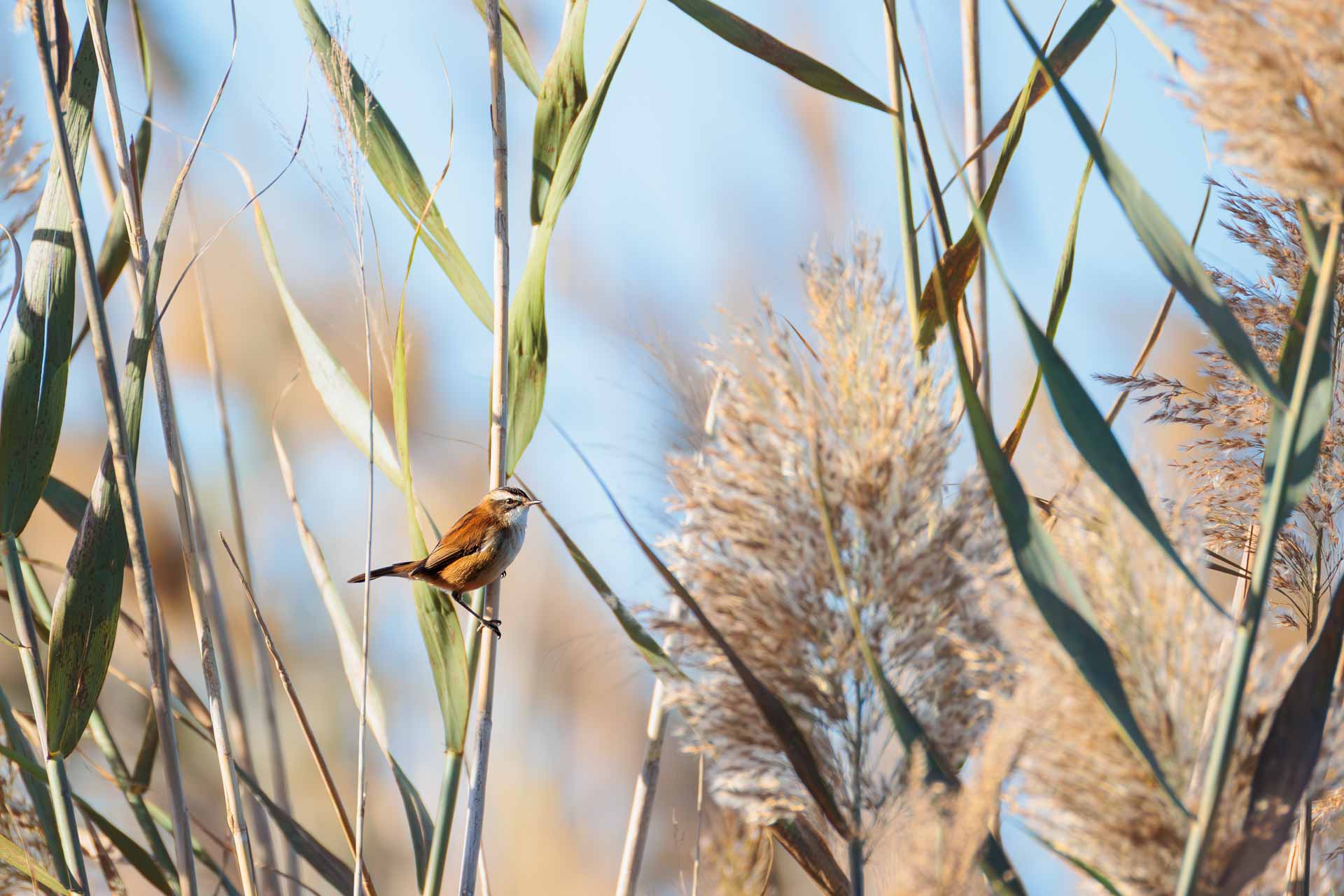
A small insectivorous bird linked to reedbeds and dense wetland vegetation. It is difficult to see, but its song reveals its presence. In Ibiza it is a winter visitor and can only really be seen in very dense reedbeds in Ses Salines Natural Park, with occasional records from Ses Feixes.
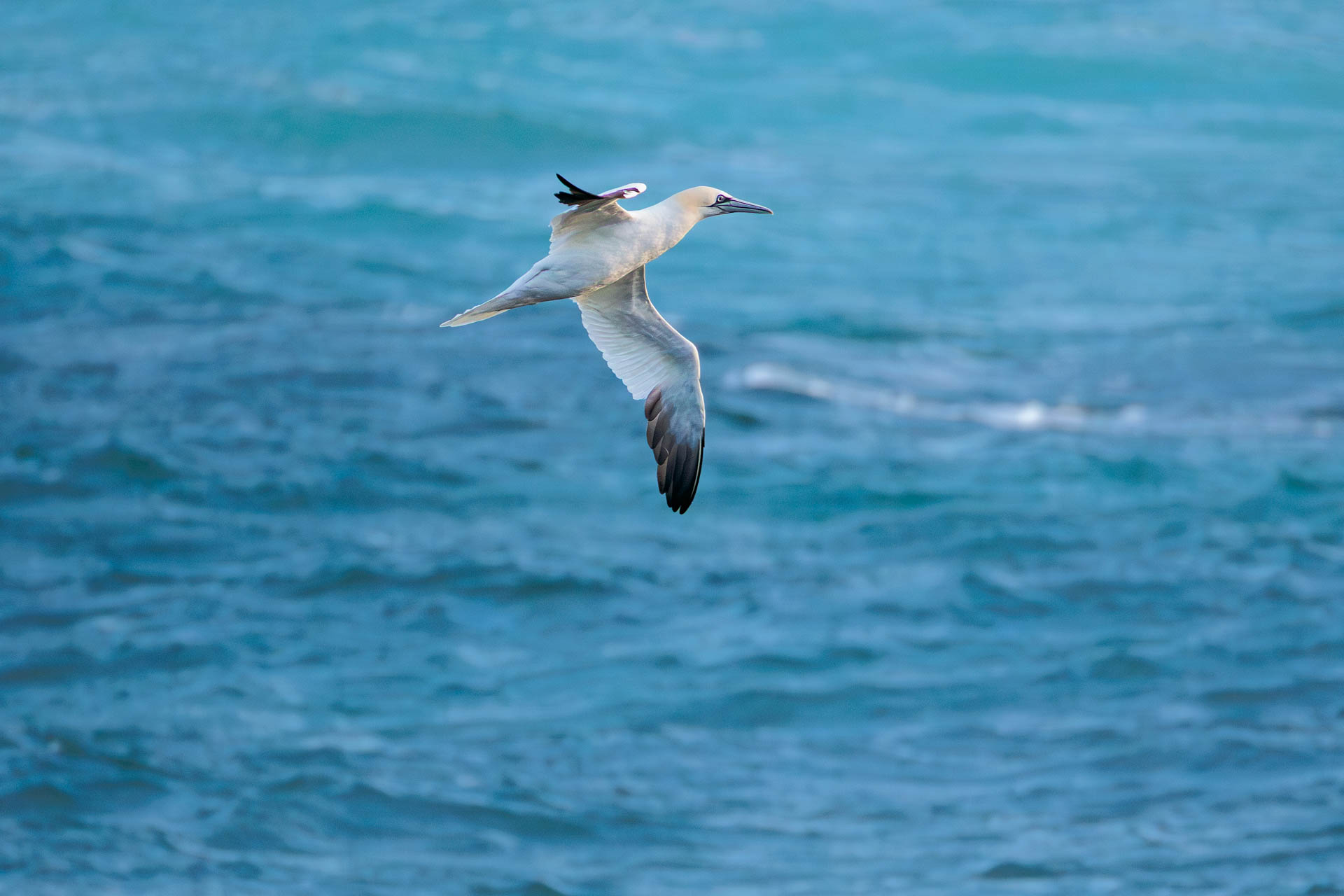
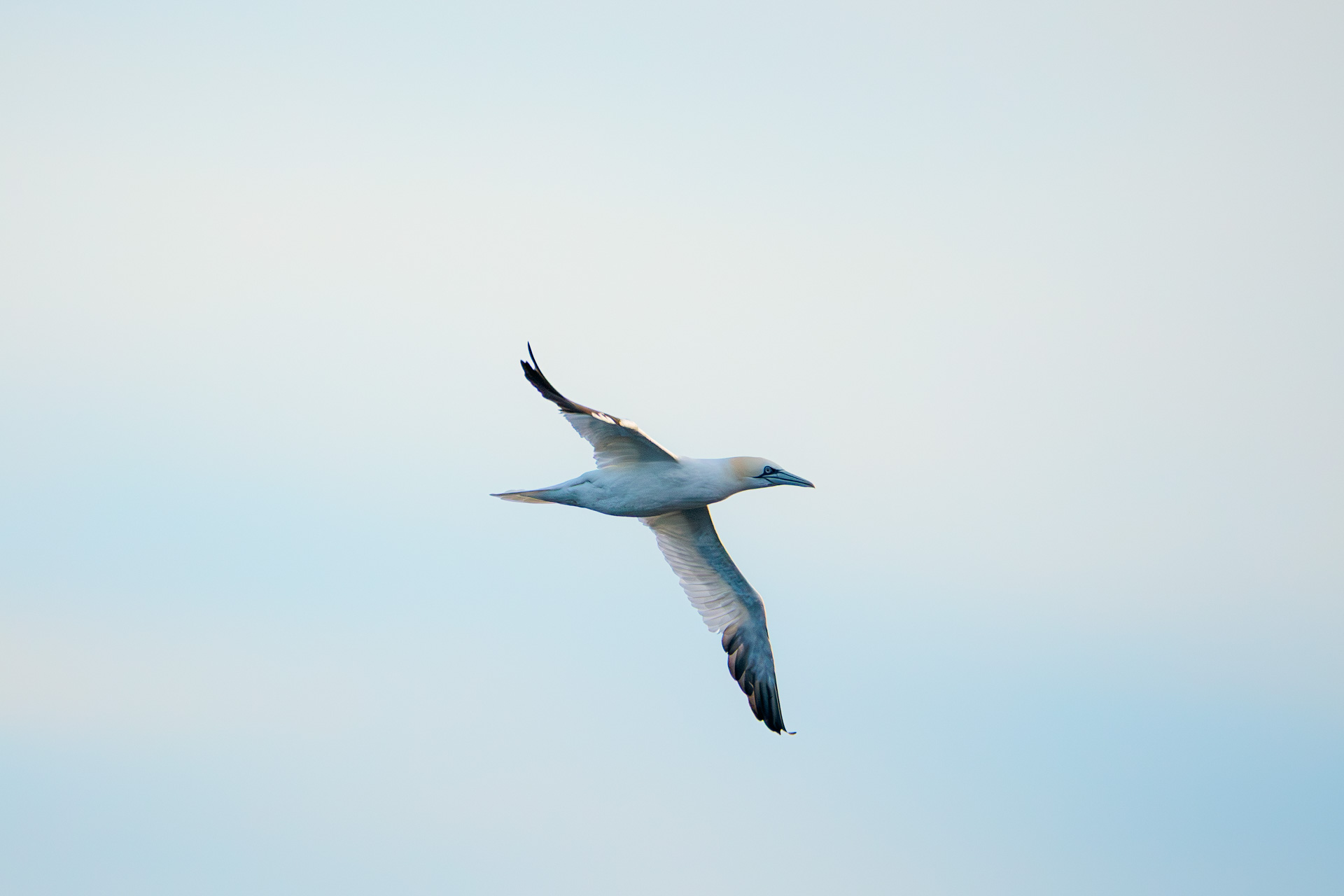
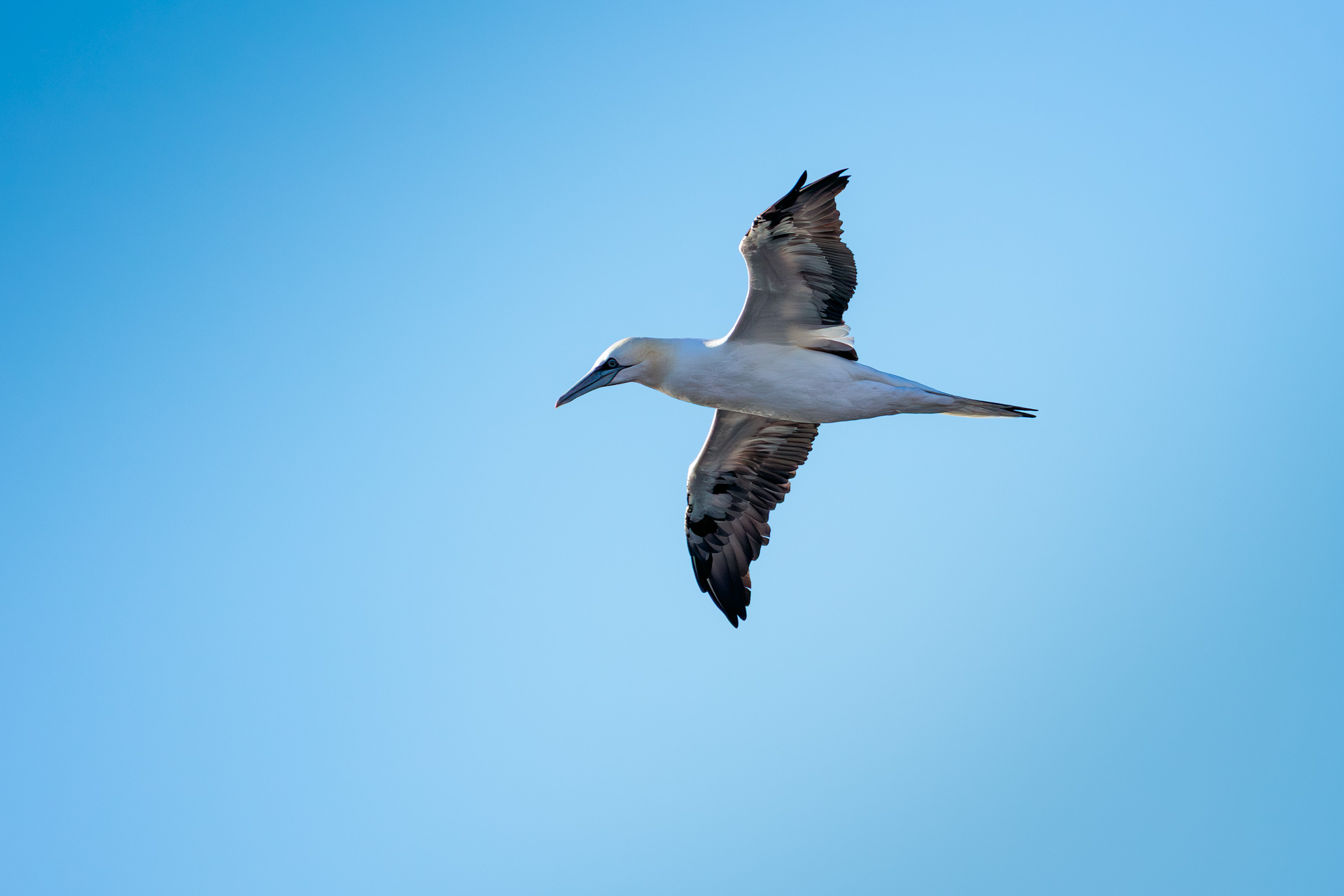
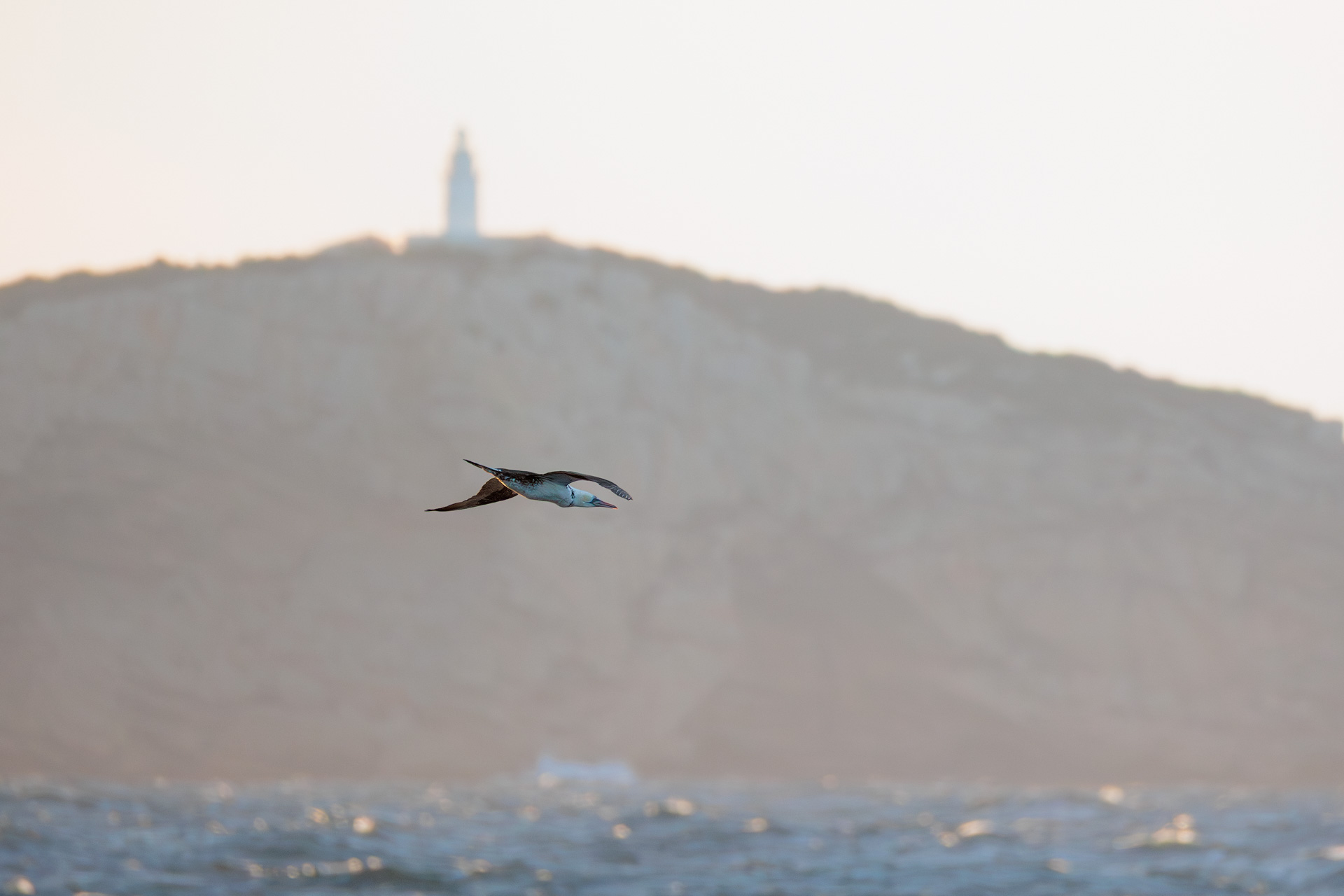
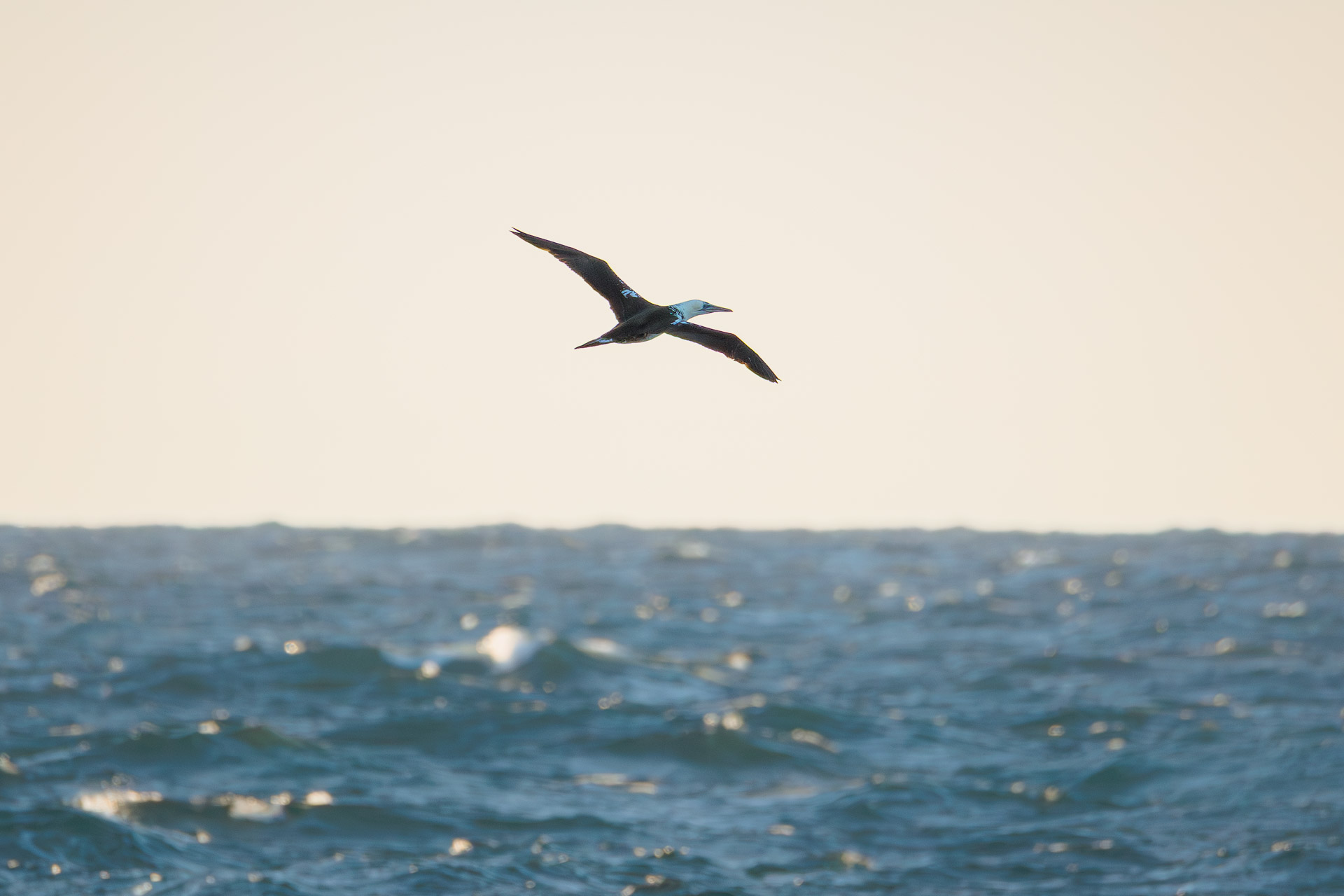
A large seabird with black-and-white plumage. It feeds on fish caught by diving. In Ibiza it visits only in winter, after leaving its breeding areas and migrating towards warmer waters. During this period it spends most of its time offshore and rarely comes to land. The chances of seeing it increase sharply on windy and stormy days, when birds approach the coast. The origin of the local name “Boix” is unknown, although it may refer to sightings from the beach known as Cala Boix.
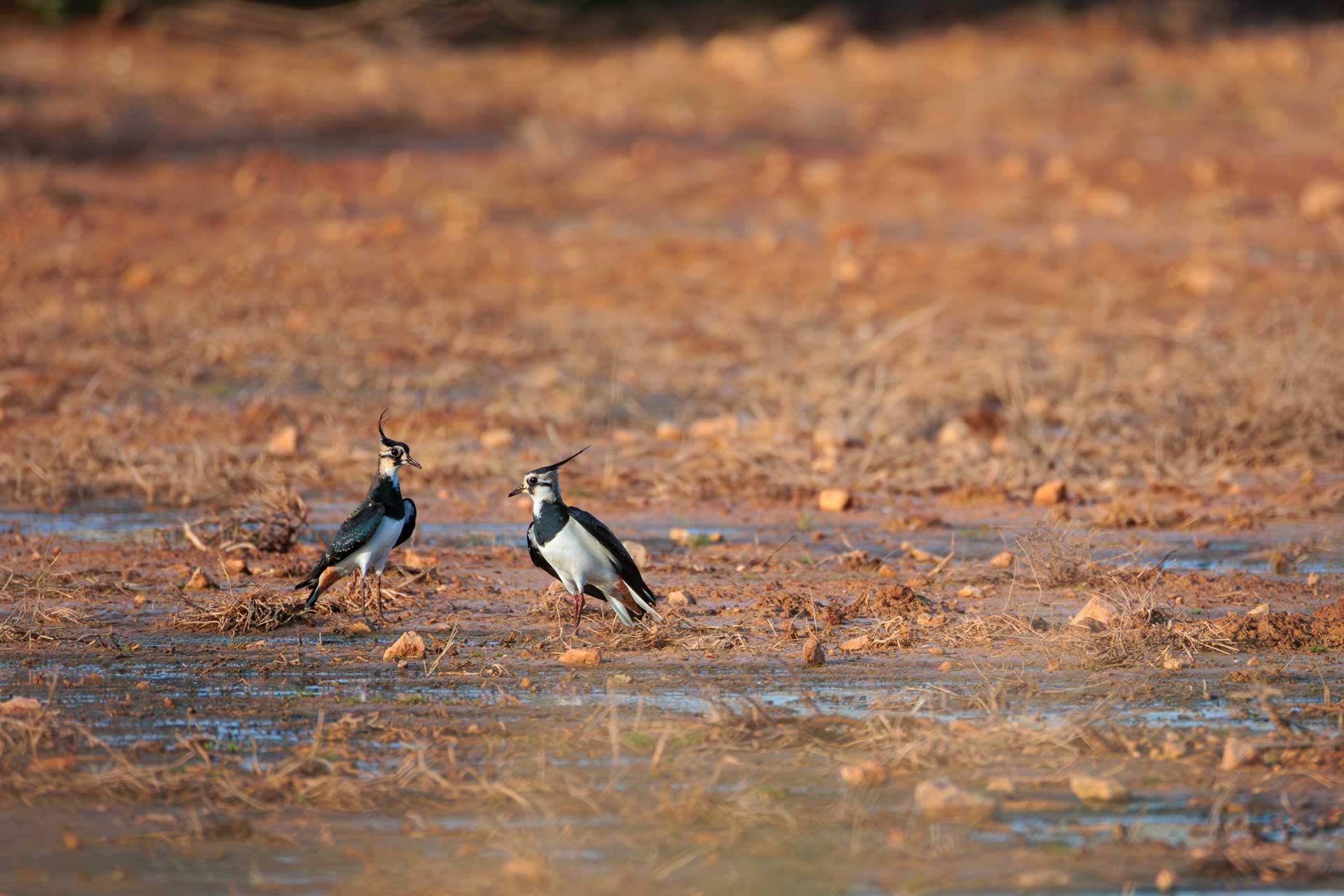
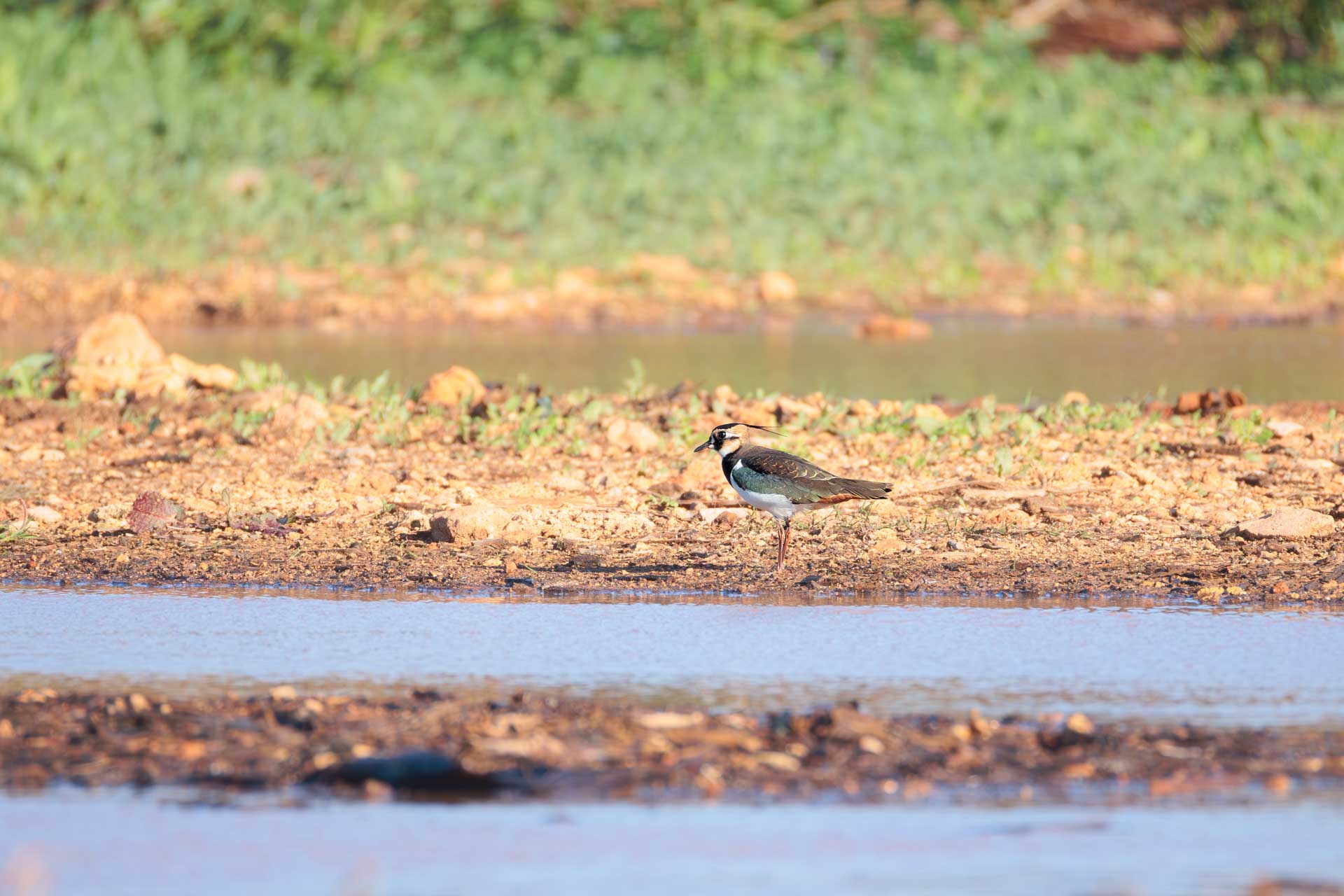
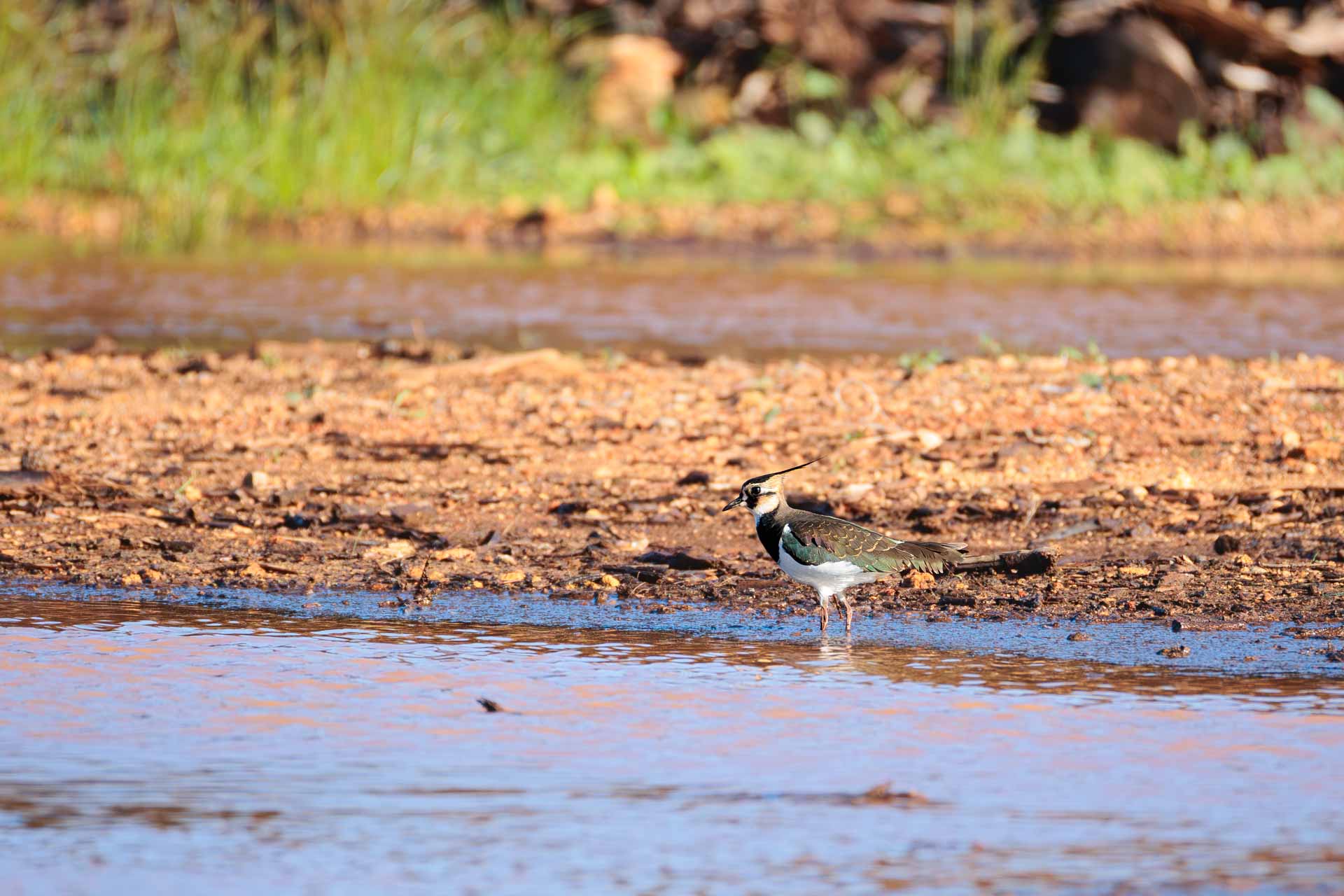
A wader with long legs and a distinctive crest. It inhabits grasslands, open fields and wetlands. In Ibiza, it is a visitor during migration, and some individuals remain throughout the winter, where they can be observed feeding in open country. They are easily recognised in flight thanks to their distinctive flying style. They frequent the Ses Salines area, although they can also be seen in other parts of the island’s interior where large pools have formed.
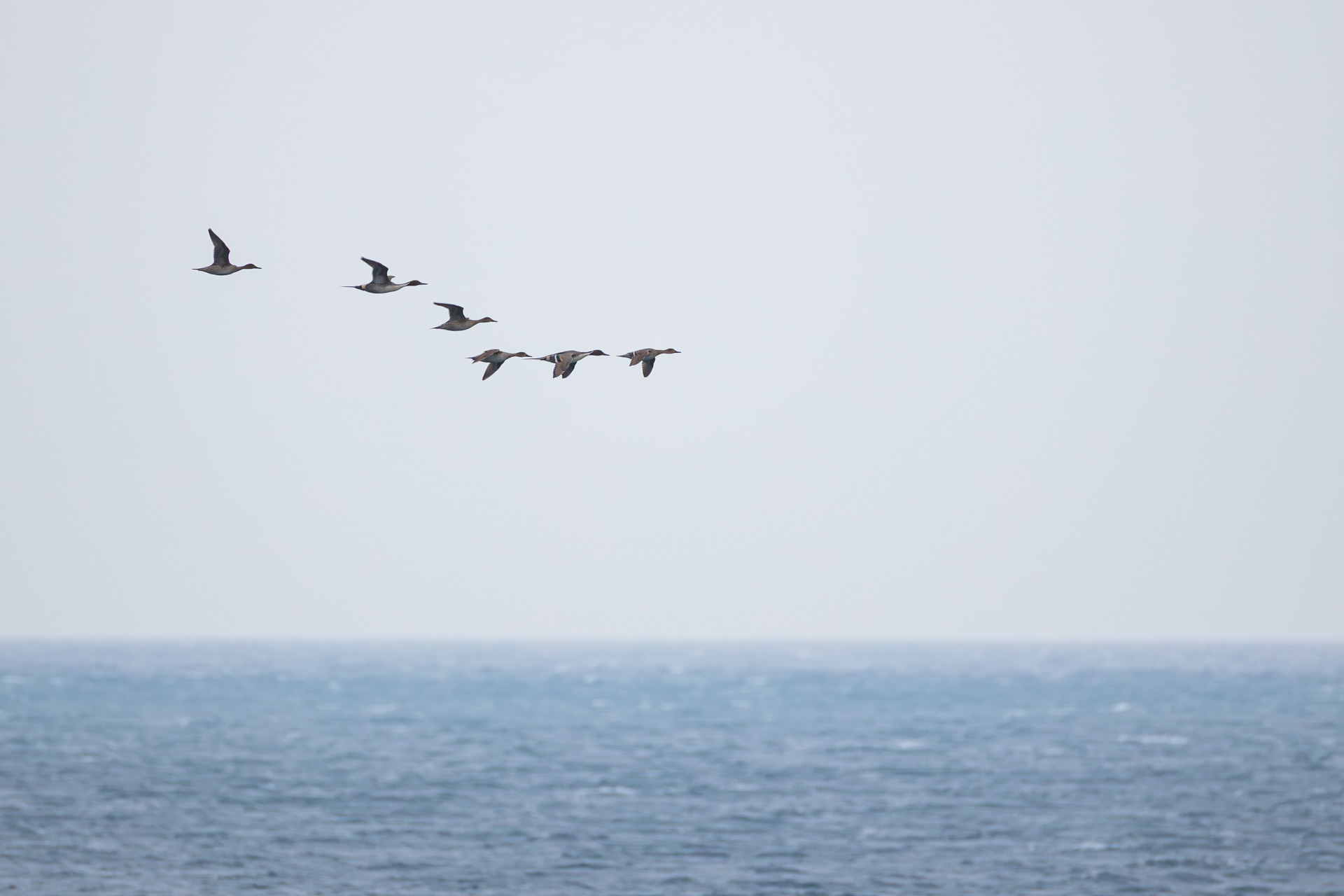
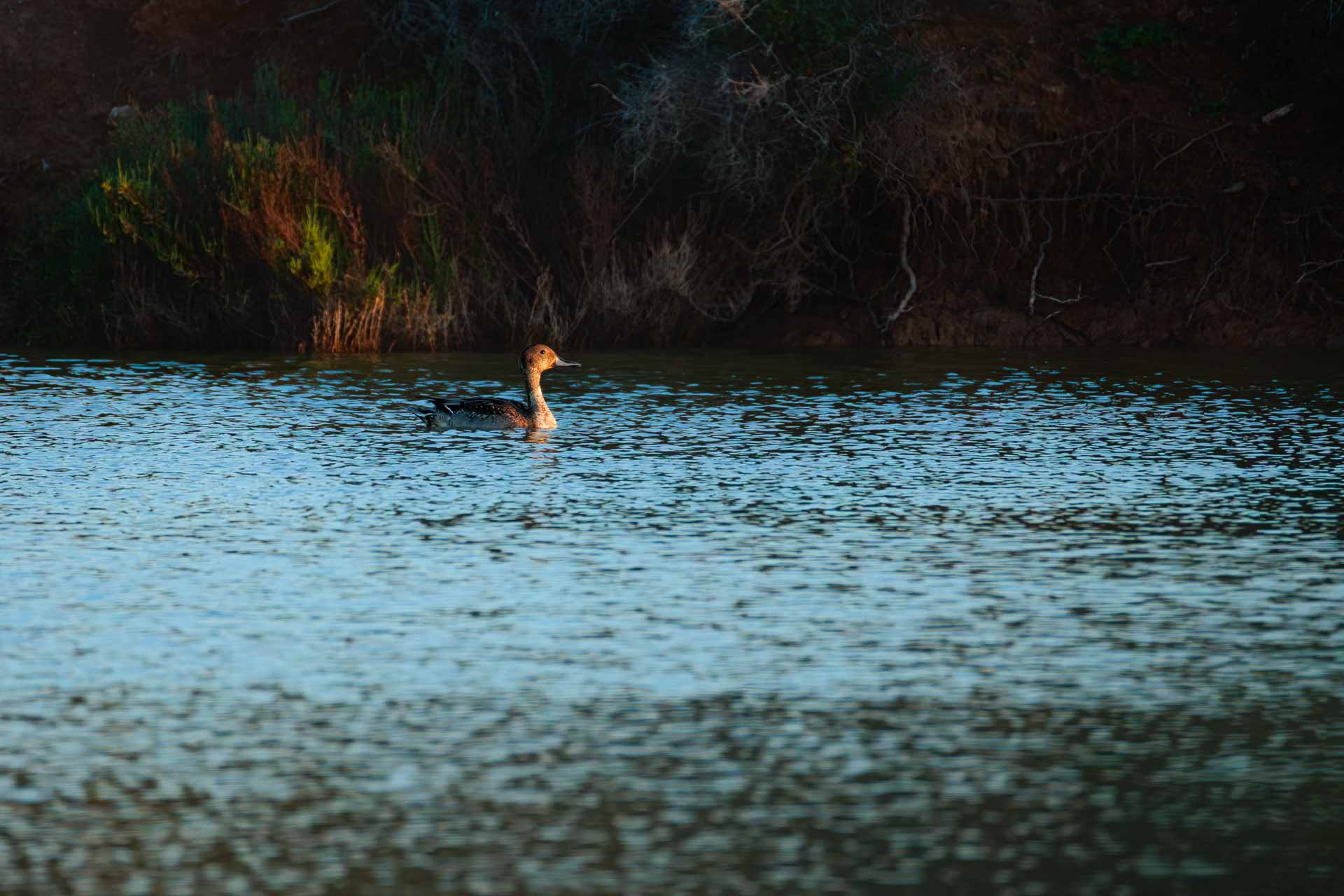
A medium-sized, migratory duck associated with wetlands and lagoons. It feeds on seeds and small invertebrates. In Ibiza, it can be seen during migration or in winter, although it is not a very common species. The best places to see it are Ses Salines or Ses Feixes. It can be seen both alone and in groups.
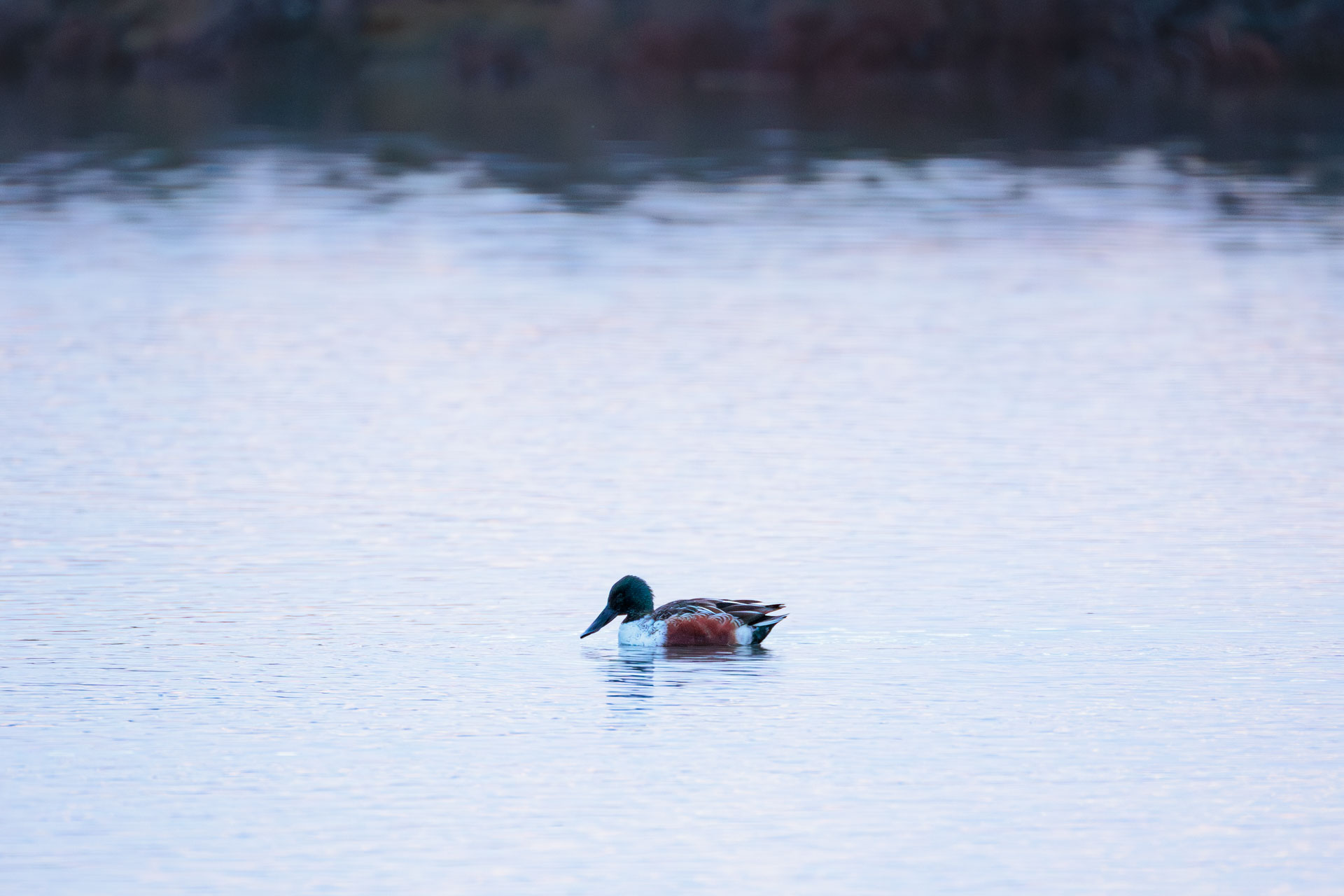
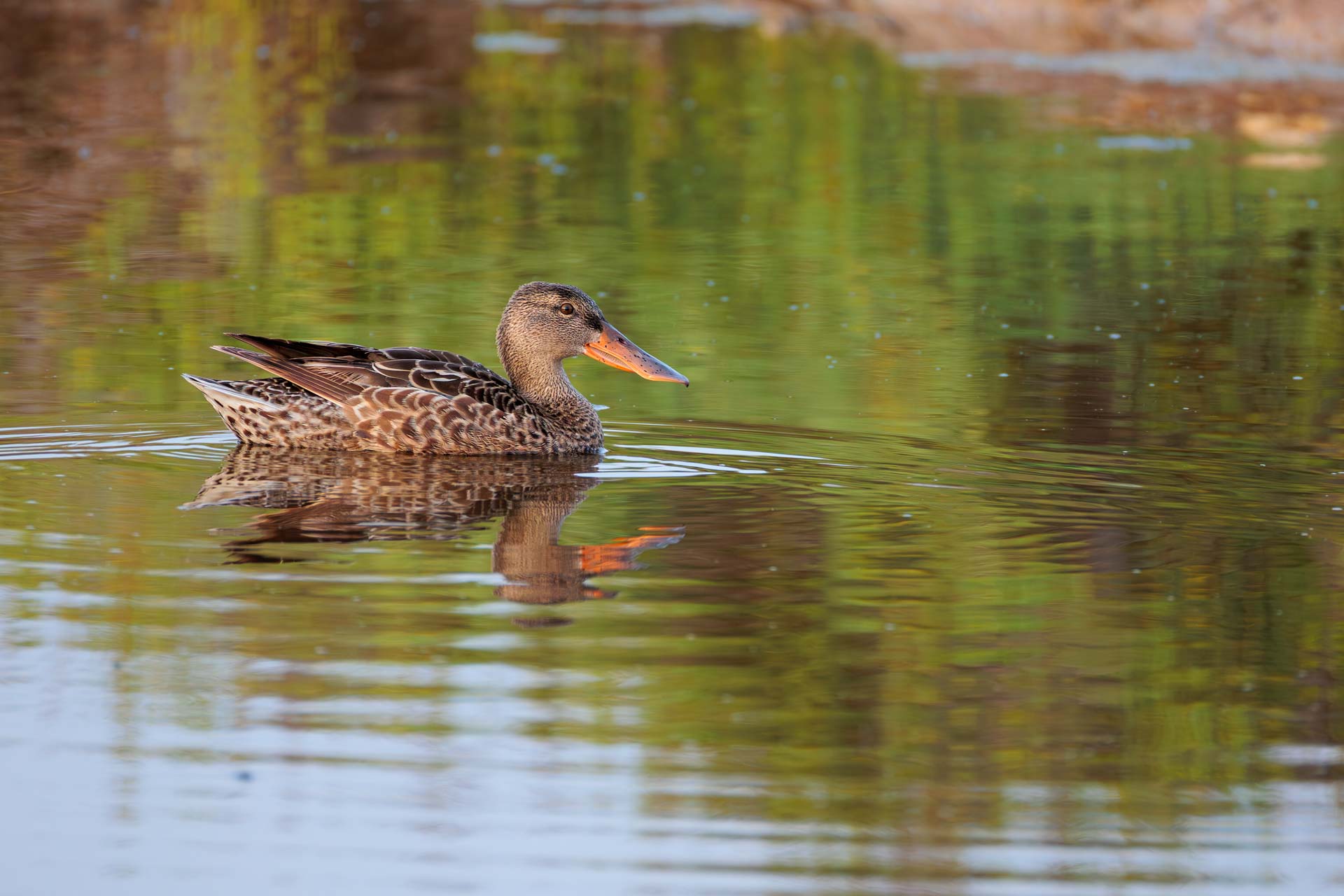
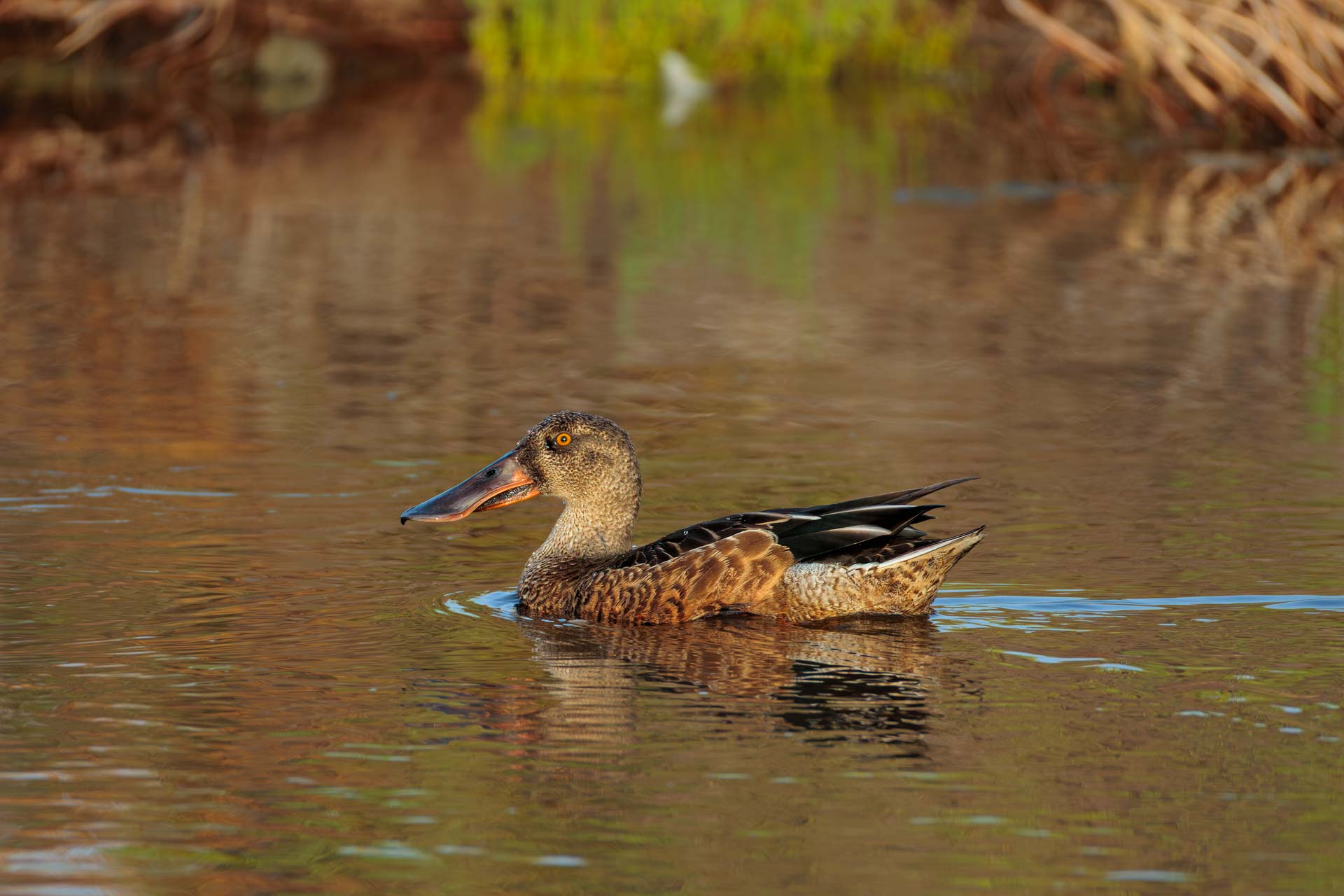
A medium-sized duck with a distinctive broad bill. It inhabits wetlands, lagoons and salt marshes, feeding by filtering small invertebrates from the water. In Ibiza, it is a regular visitor during the migratory seasons and in winter, and can easily be spotted in flocks on the waters of the Ses Salines ponds or even the Ses Feixes wetlands. Its local name refers to the characteristic shape of its bill, which resembles a ‘spoon’
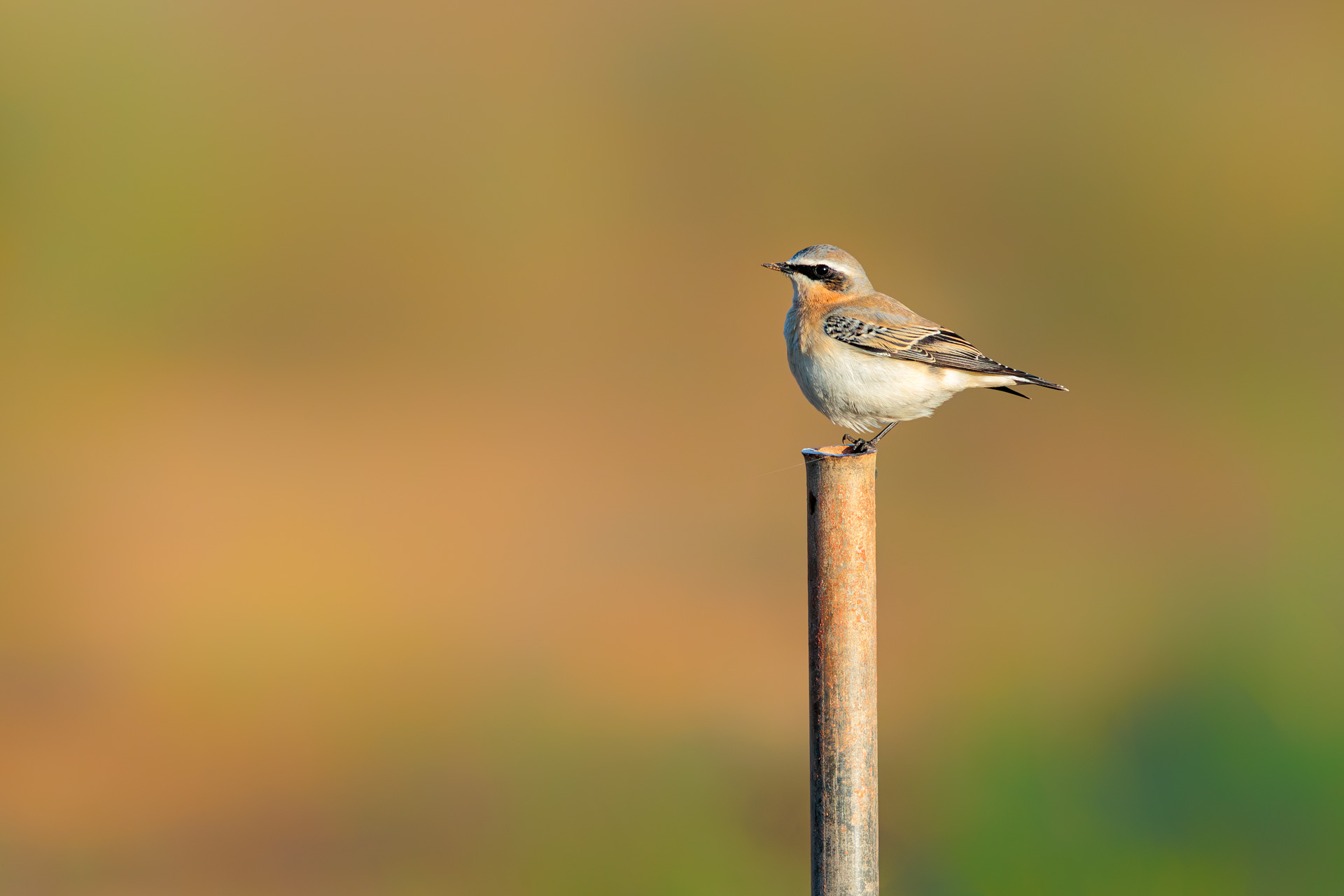
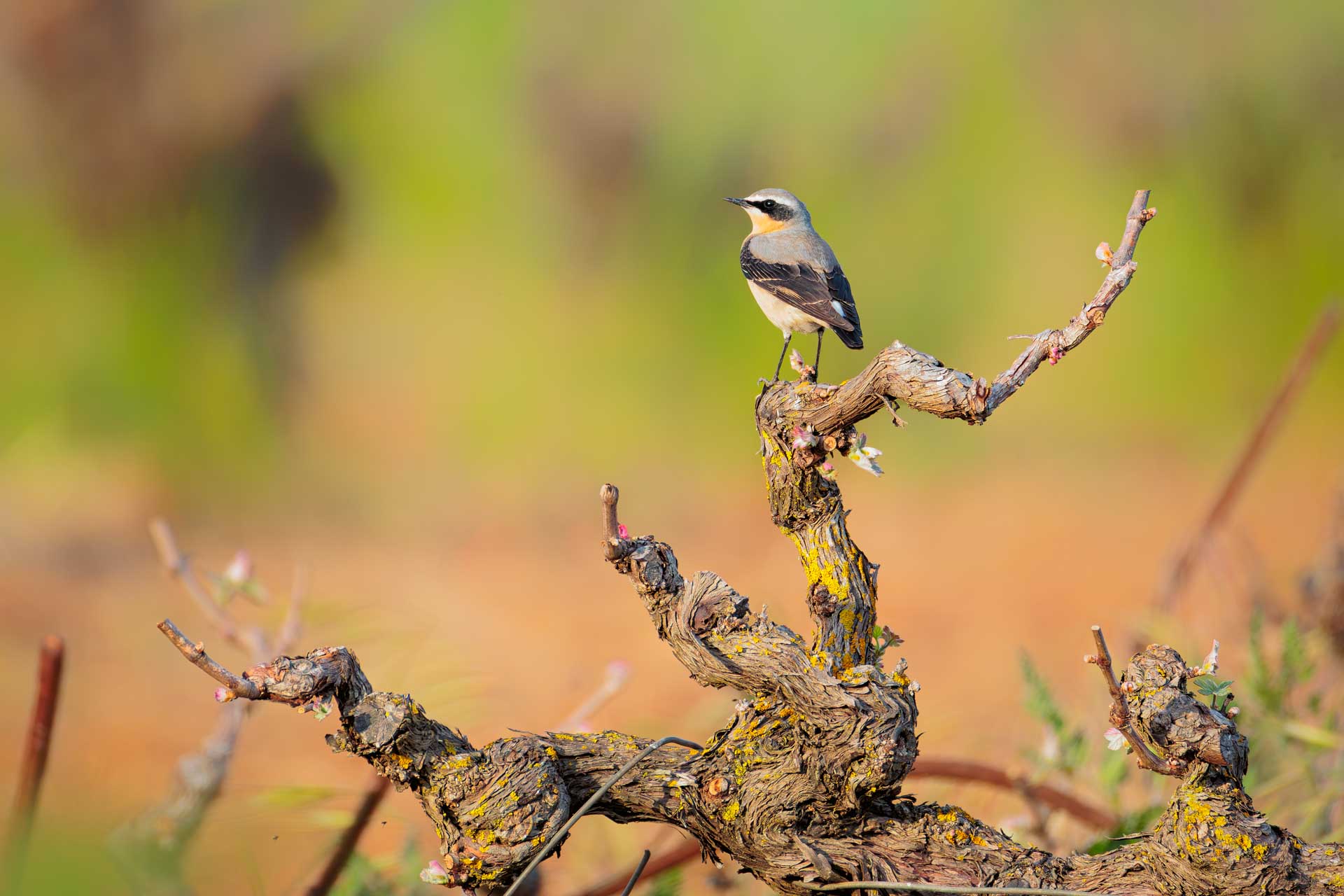
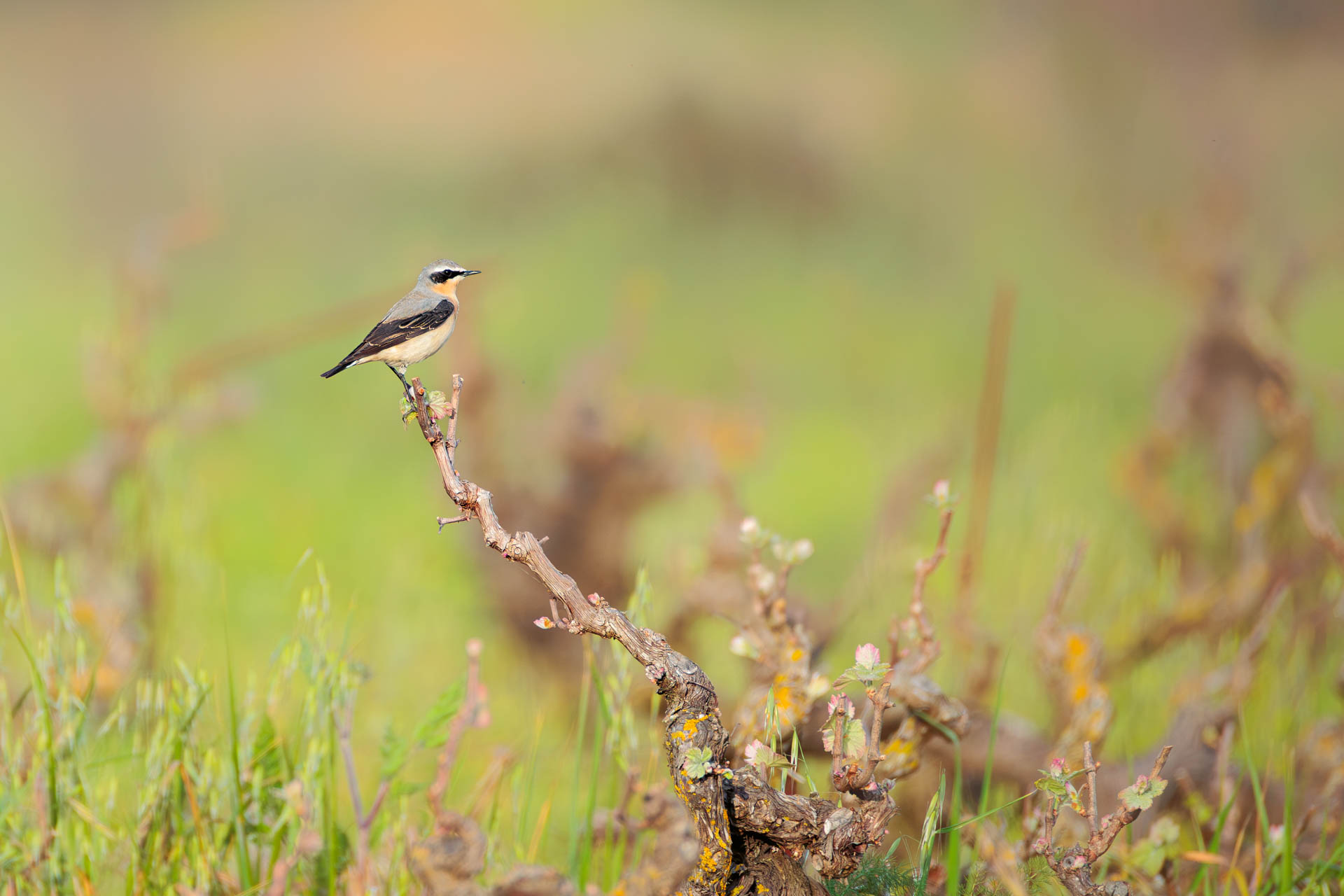
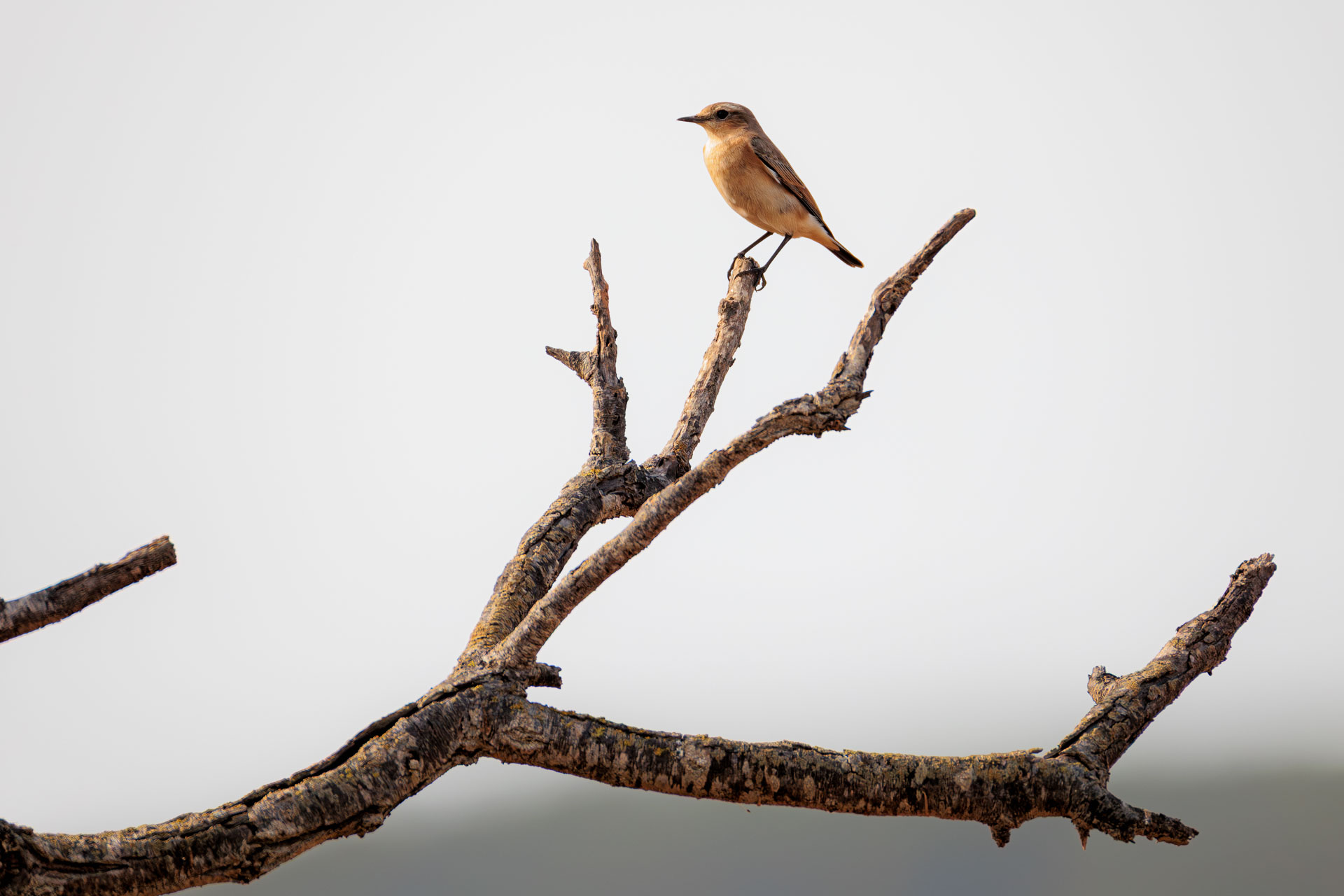
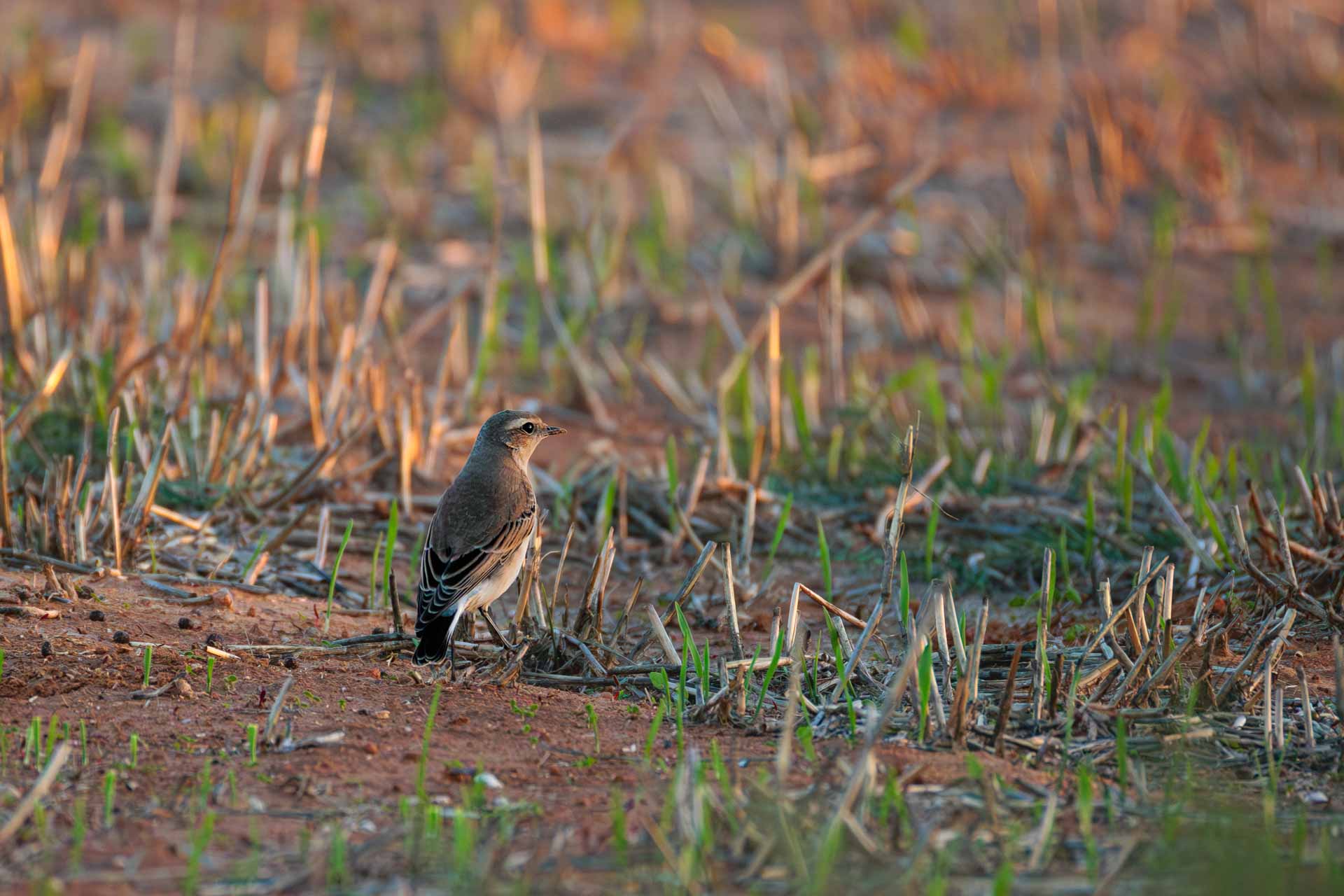
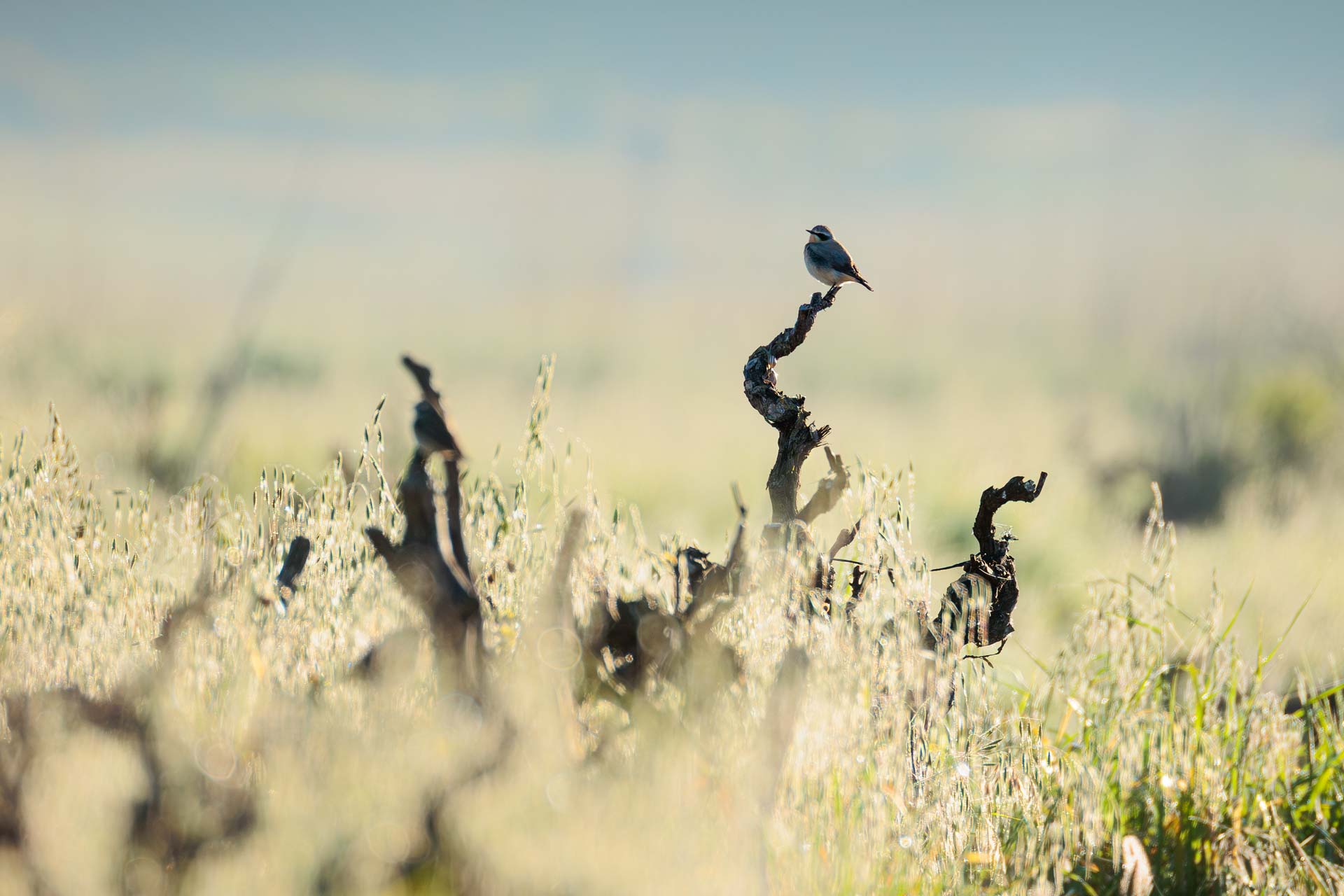
A migratory bird that inhabits open spaces, stony ground and agricultural areas. It frequently perches on stones or low posts. In Ibiza, it is common during migration, when it is relatively easy to spot in open areas. Its local name derives from the white patch on its tail, a characteristic feature.
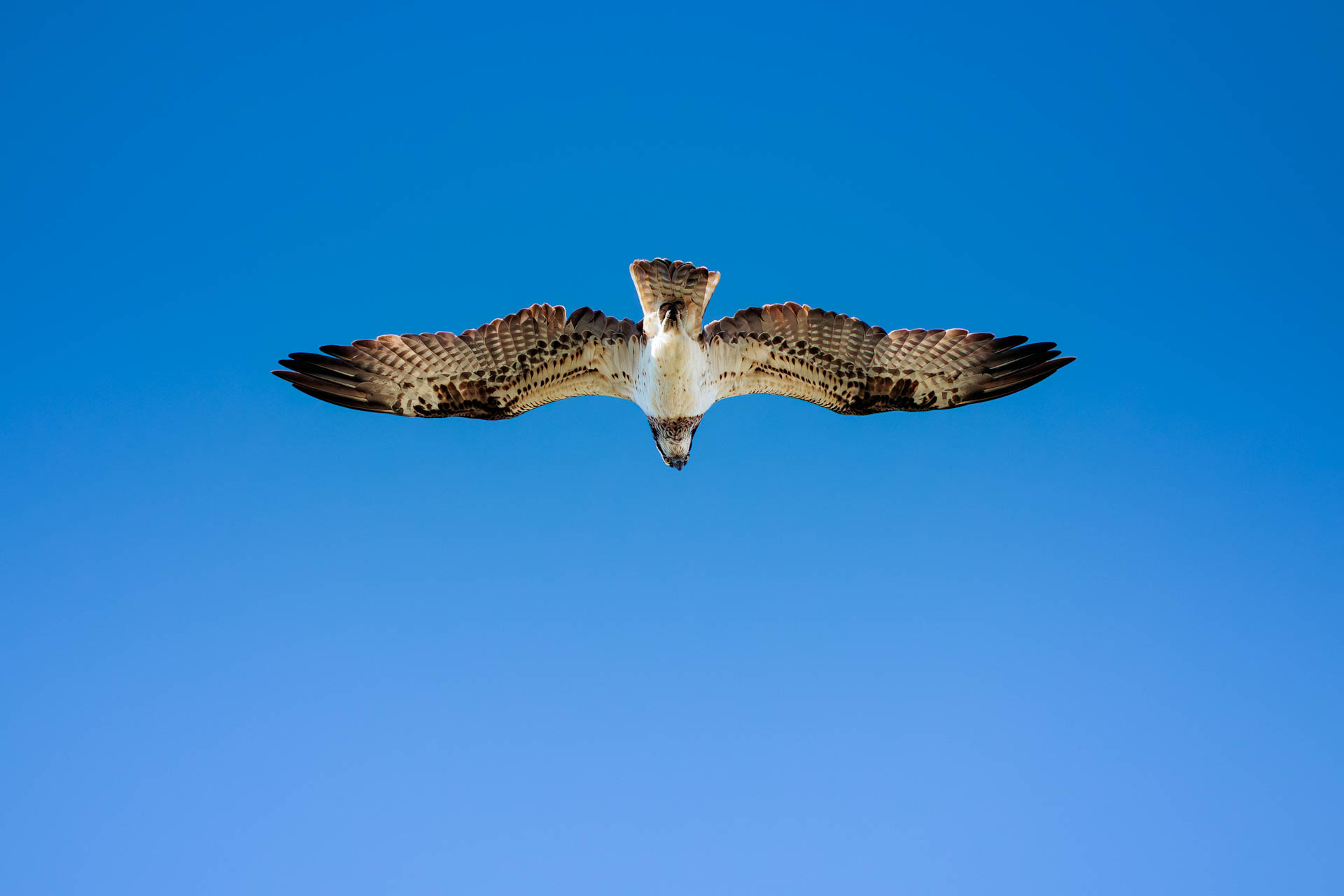
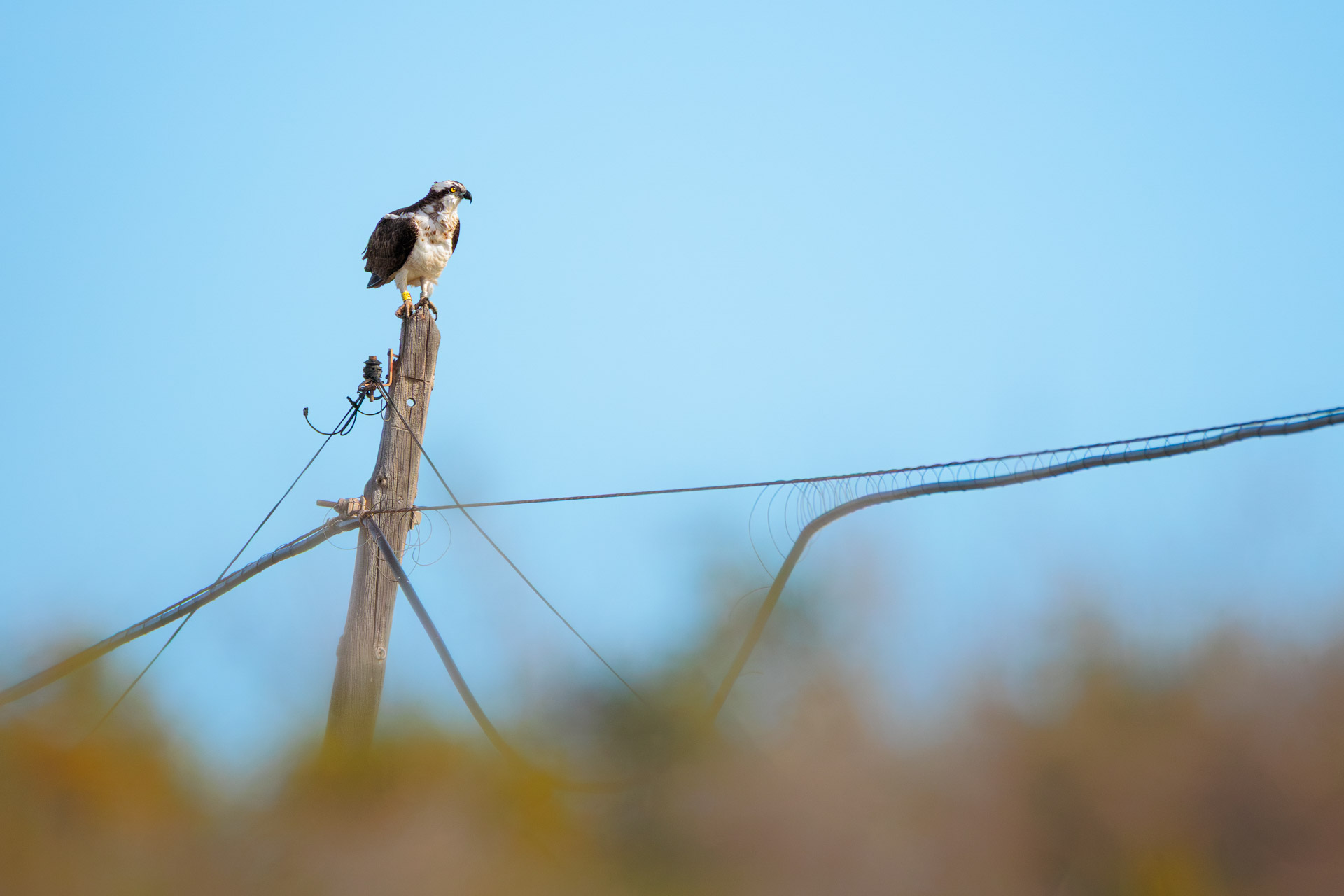
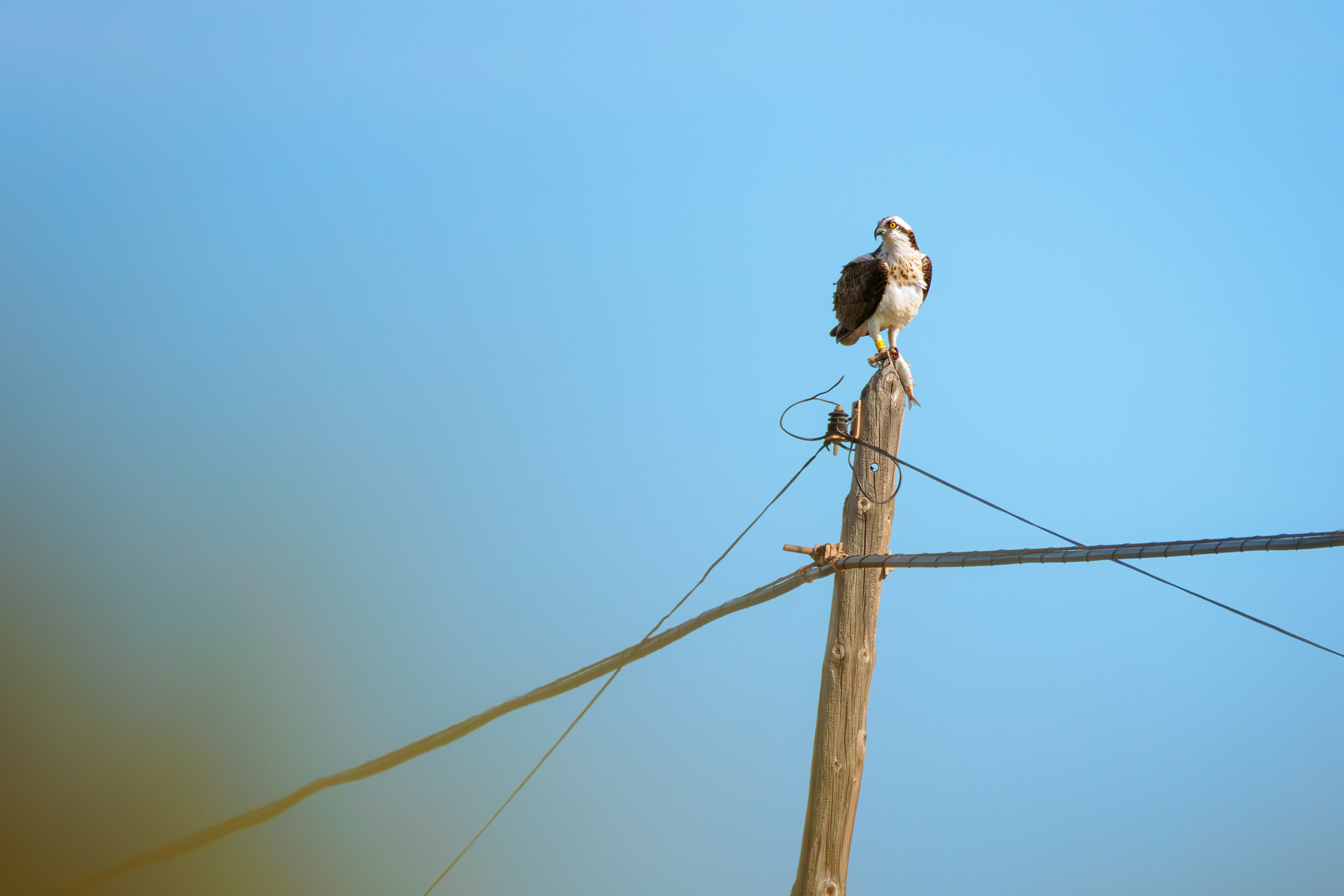
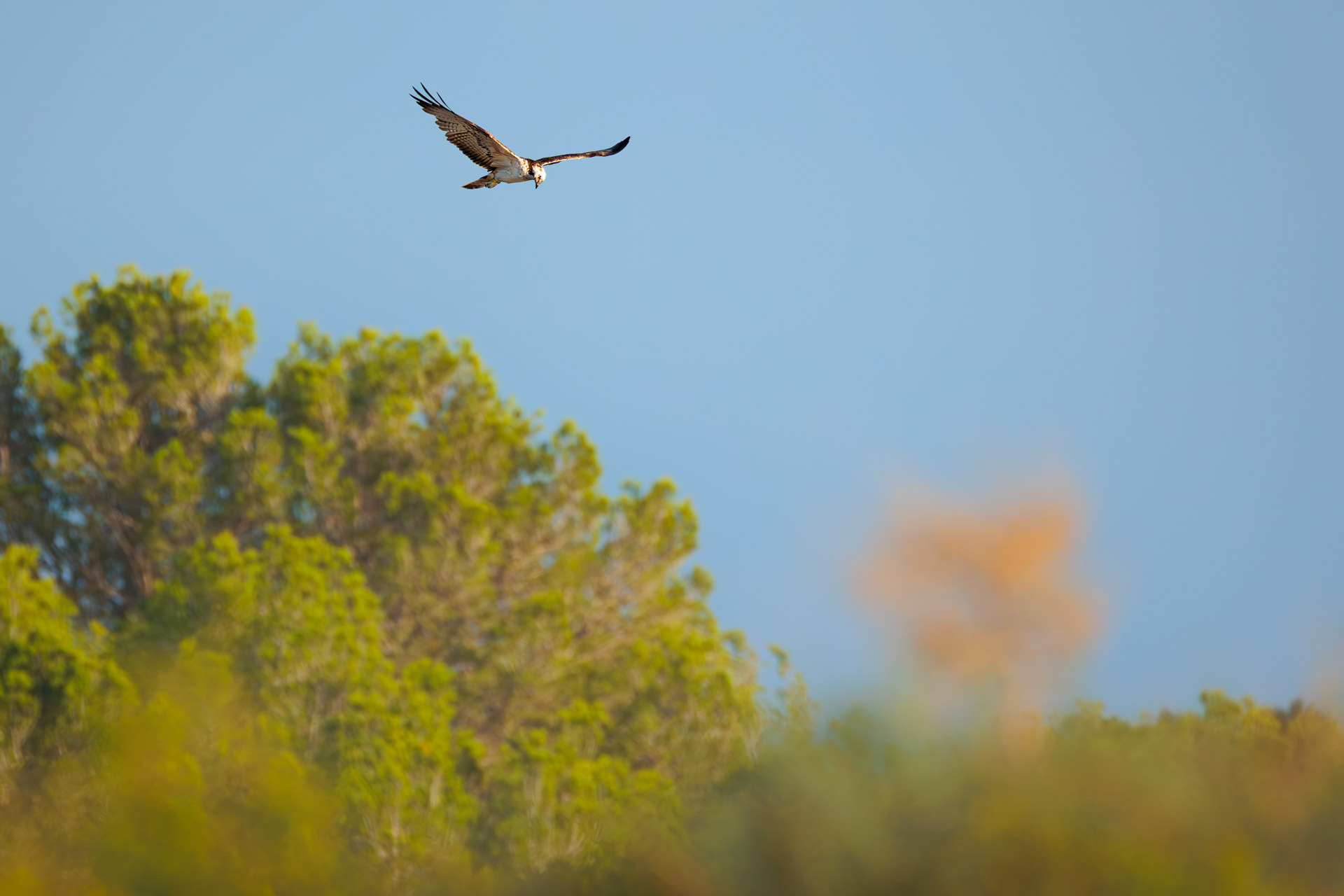
An emblematic raptor linked to the marine environment and coastal areas. It feeds almost exclusively on fish, which it catches by plunging into the water. In Ibiza it was extinct as a breeding species for many years, but has gradually recovered thanks to conservation work. Many of the individuals found on the island come from Mallorca or Menorca.
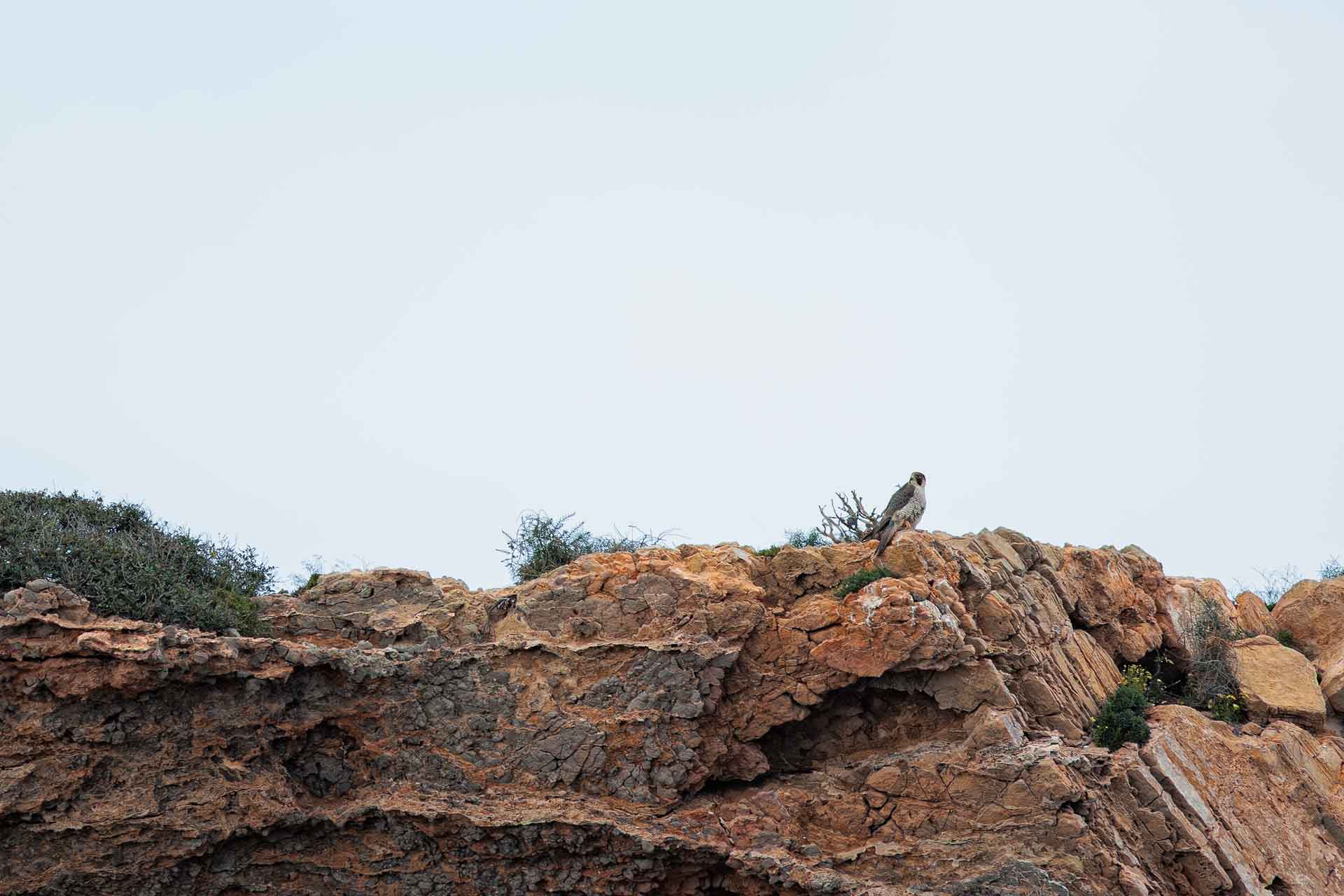
An iconic bird of prey, recognisable by its swift, acrobatic flight. It feeds on medium-sized birds caught in flight. Three subspecies can be seen in Ibiza: brookei, callidus and peregrinus, although the only resident is the first; the others are considered rare winter visitors. They use ledges on cliffs or old abandoned crow’s nests for their nests, making them easily observable in coastal areas or, on occasion, inland.
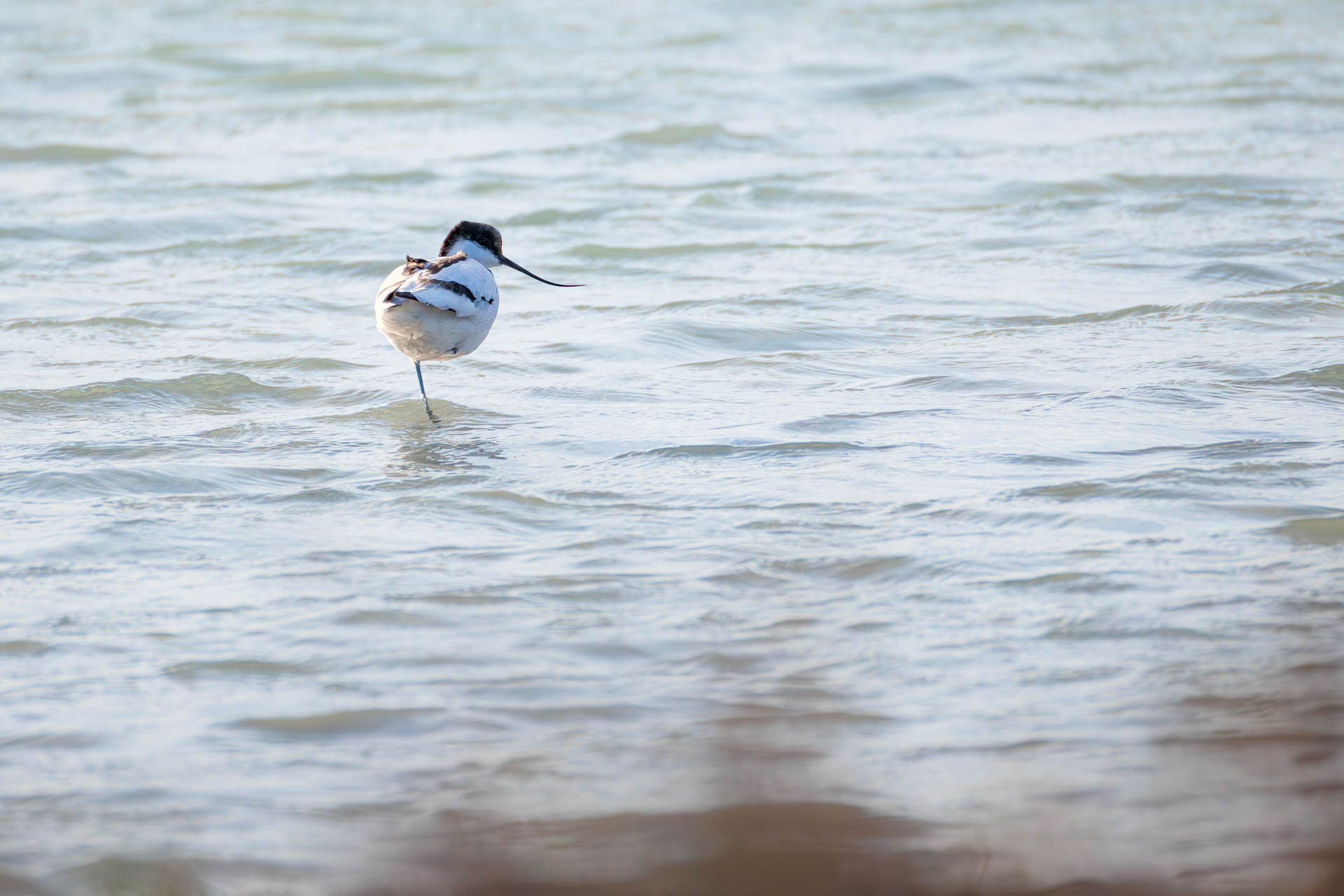
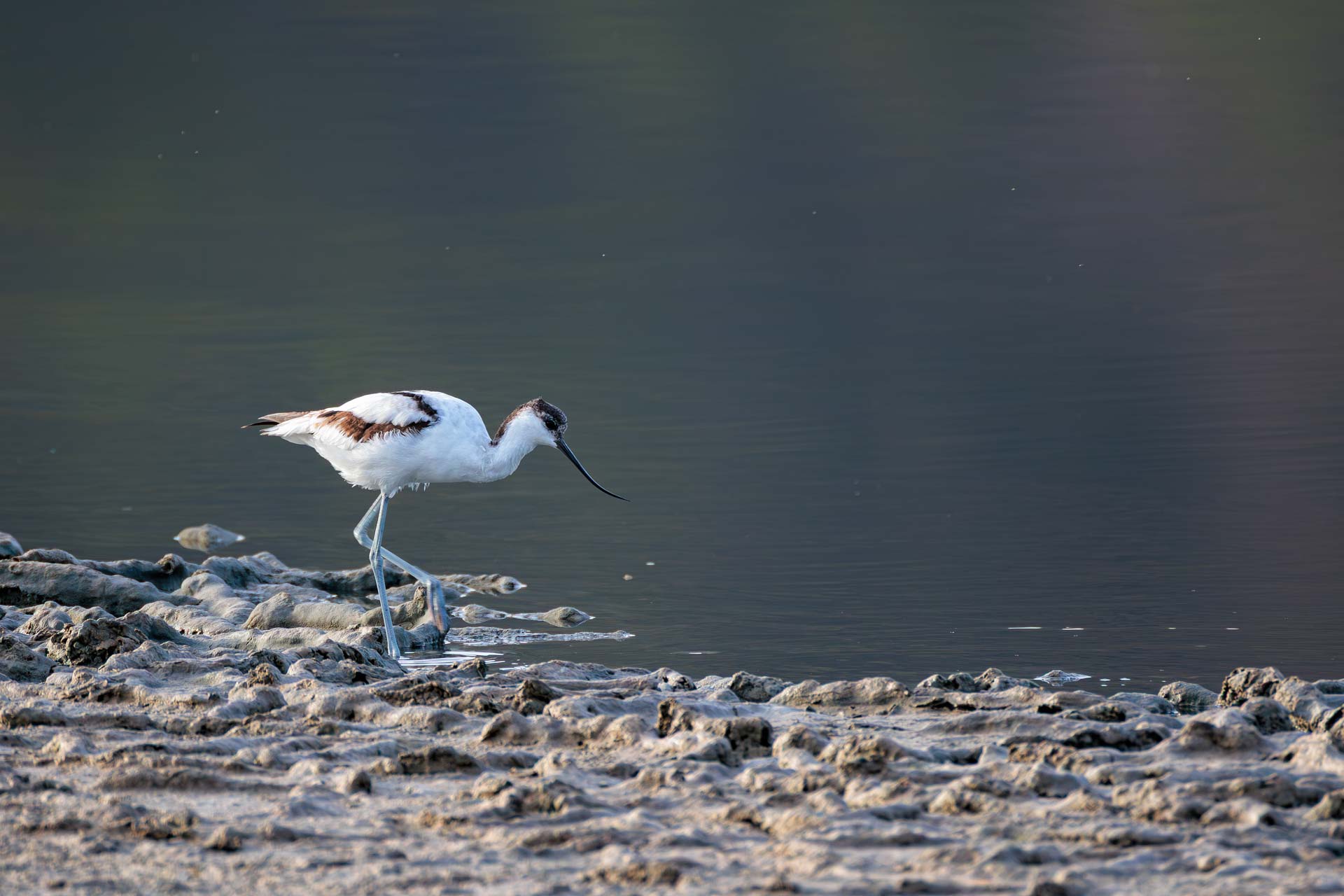
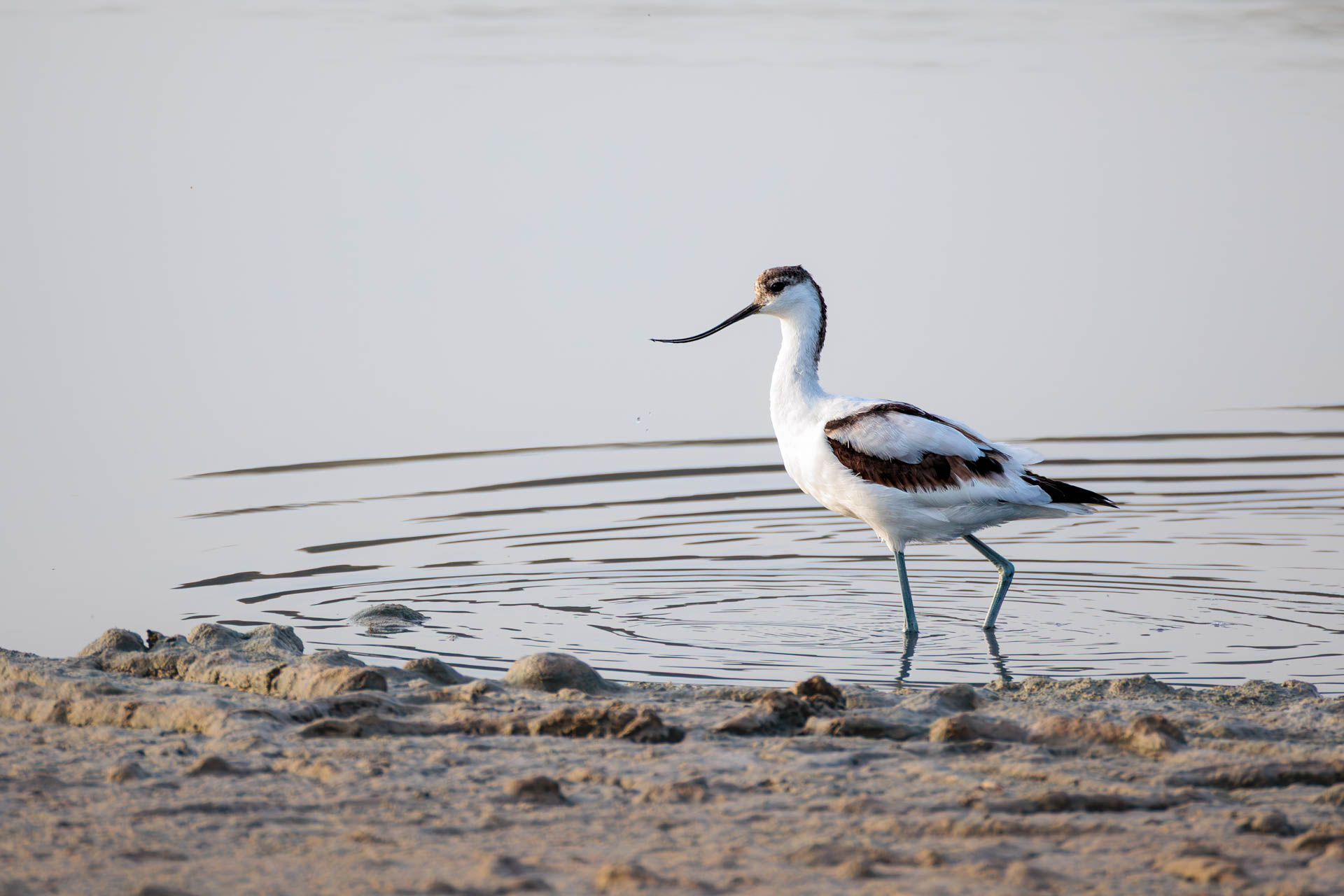
A long-legged wader with an upcurved bill. It frequents salt pans, lagoons and coastal wetlands, where it feeds on invertebrates. In Ibiza it is considered rare, although it can be easy to observe in the ponds of Ses Salines, especially during the breeding season, when it selects sites near several hides. Its local name refers to the shape of its bill, which resembles an awl used by shoemakers.
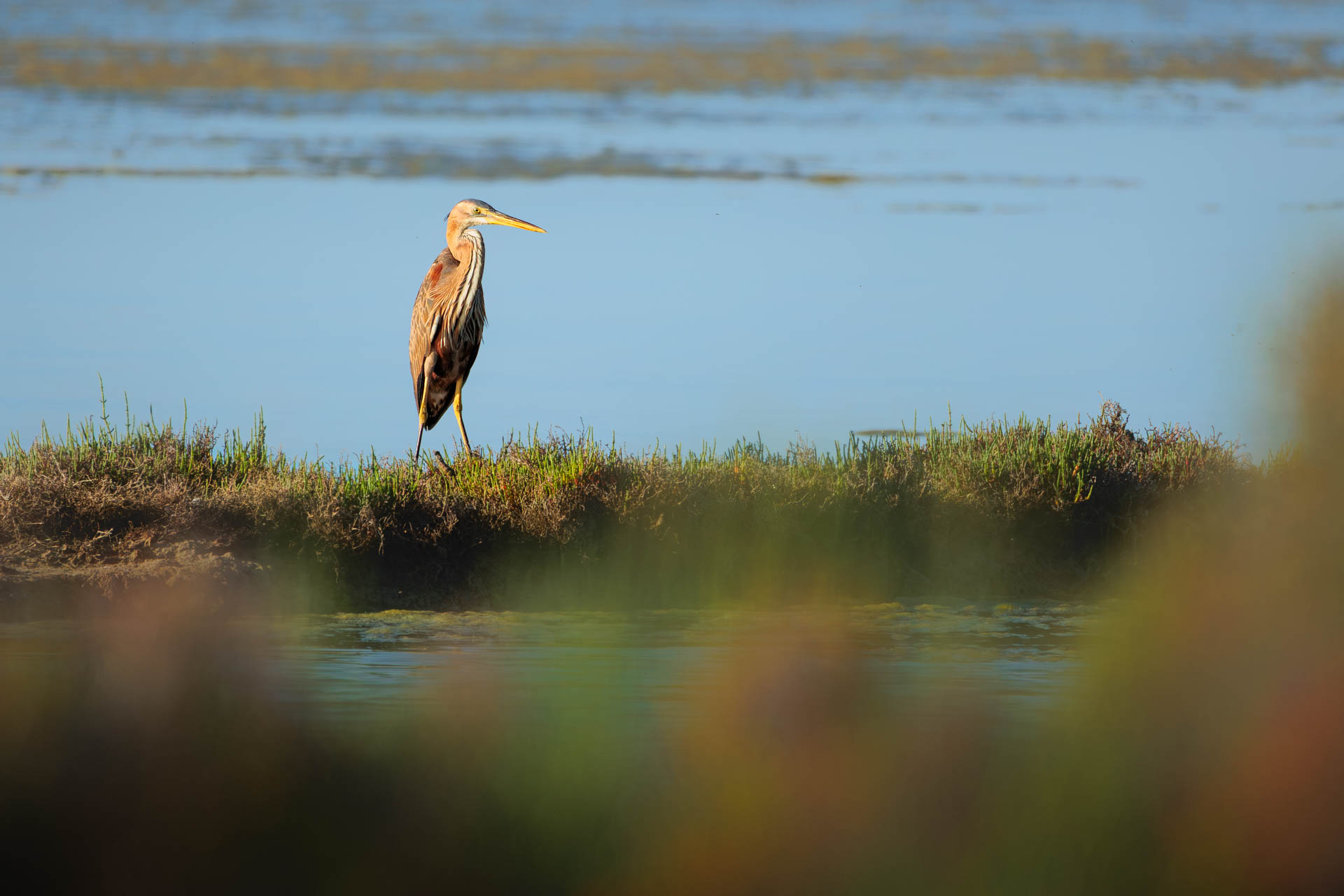
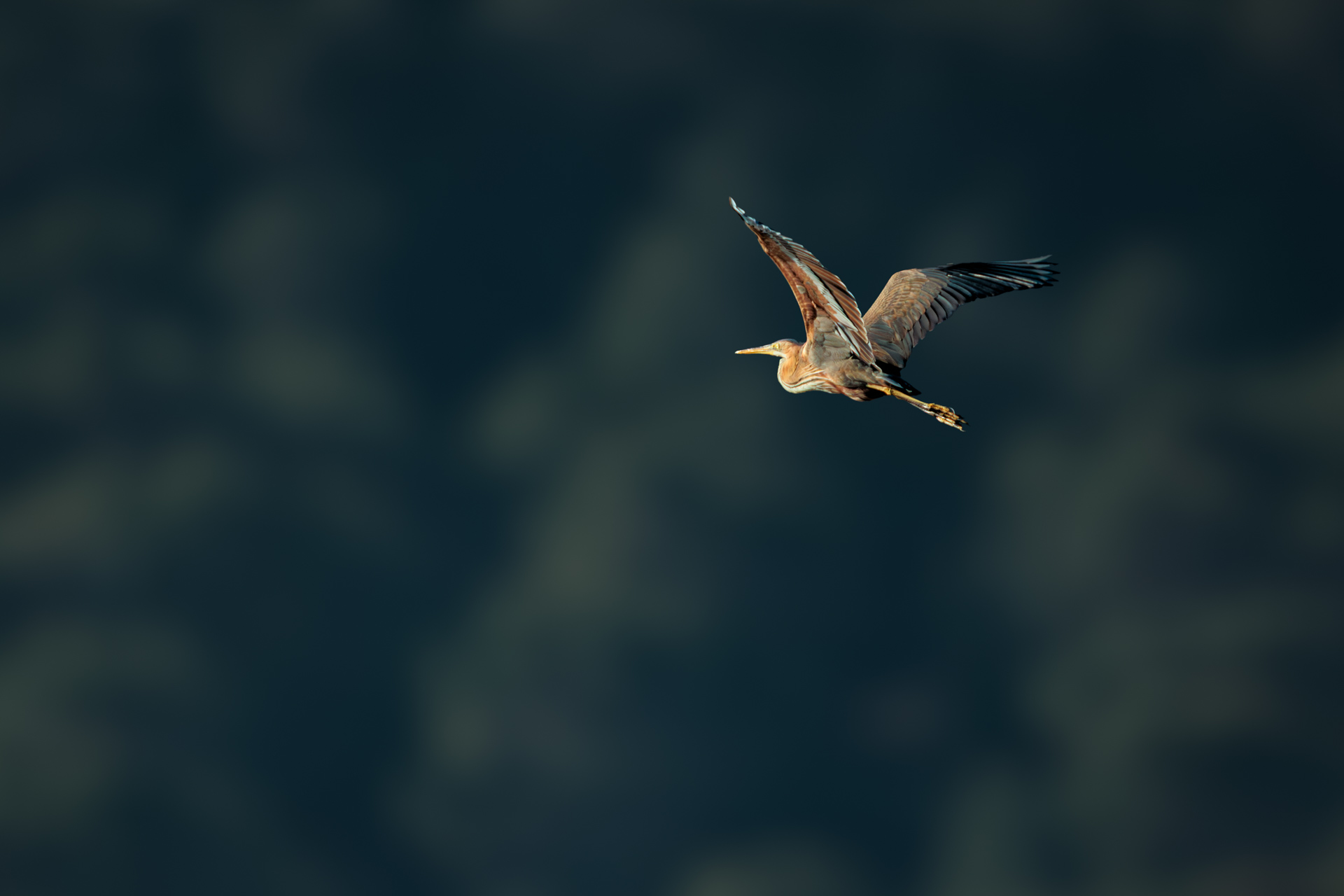
The great bittern is an elegant, large waterbird, associated with reed beds and wetlands with dense vegetation. Its plumage features reddish and brown tones that allow it to blend in easily. It feeds on fish, amphibians and small vertebrates. In Ibiza, it is mainly observed during migratory passages in areas such as Ses Fexies or Ses Salines, although its elusive behaviour makes it difficult to spot.
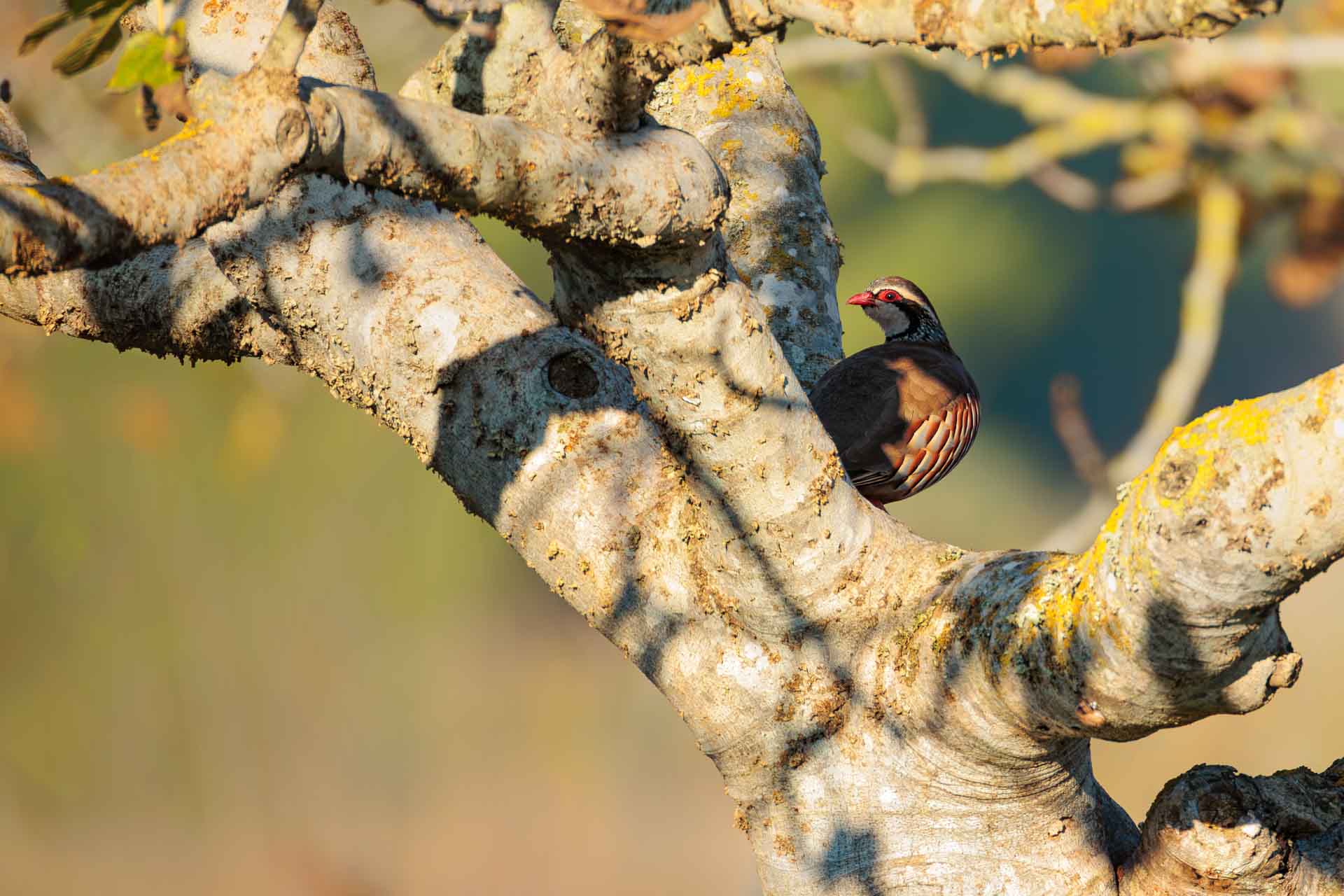
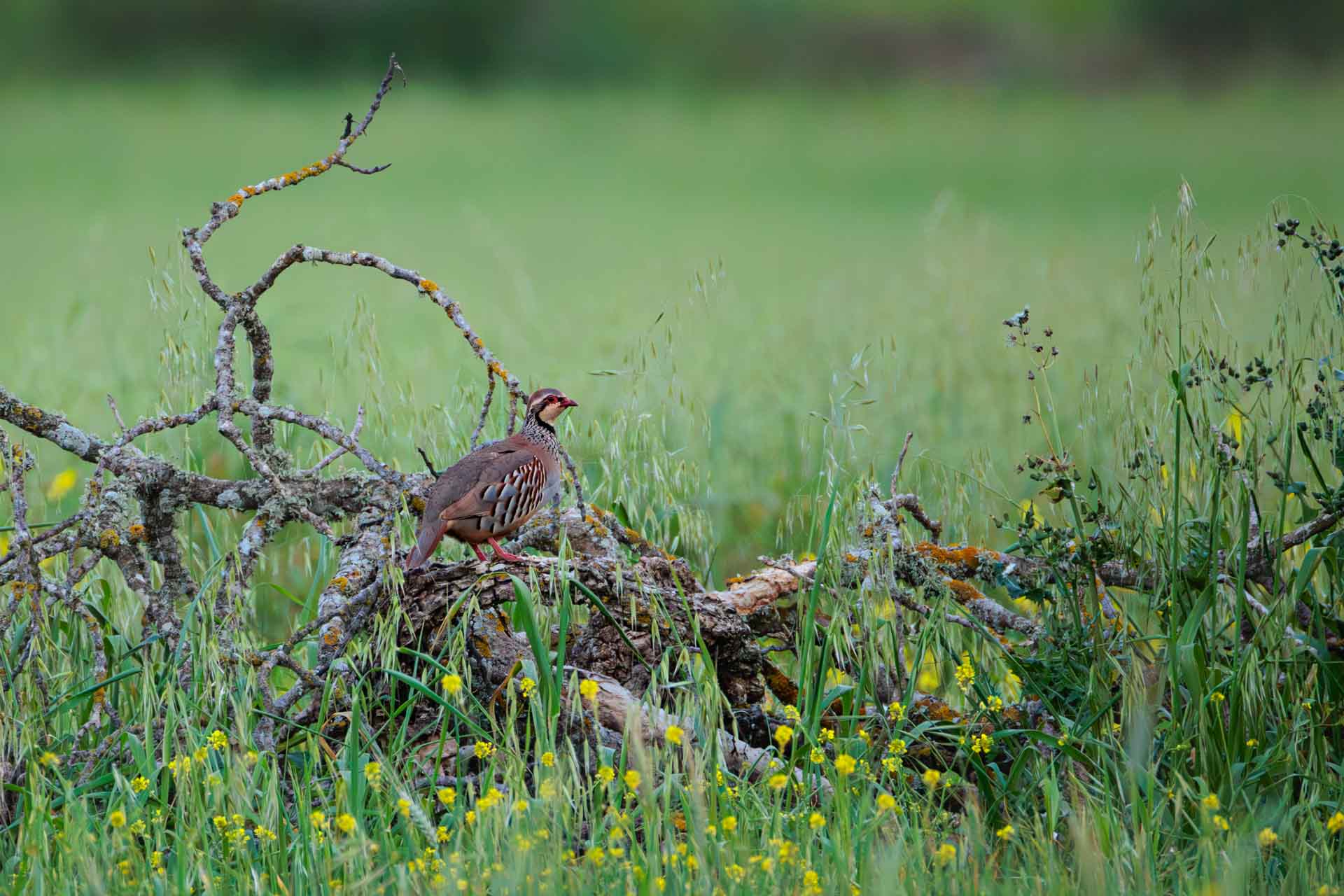
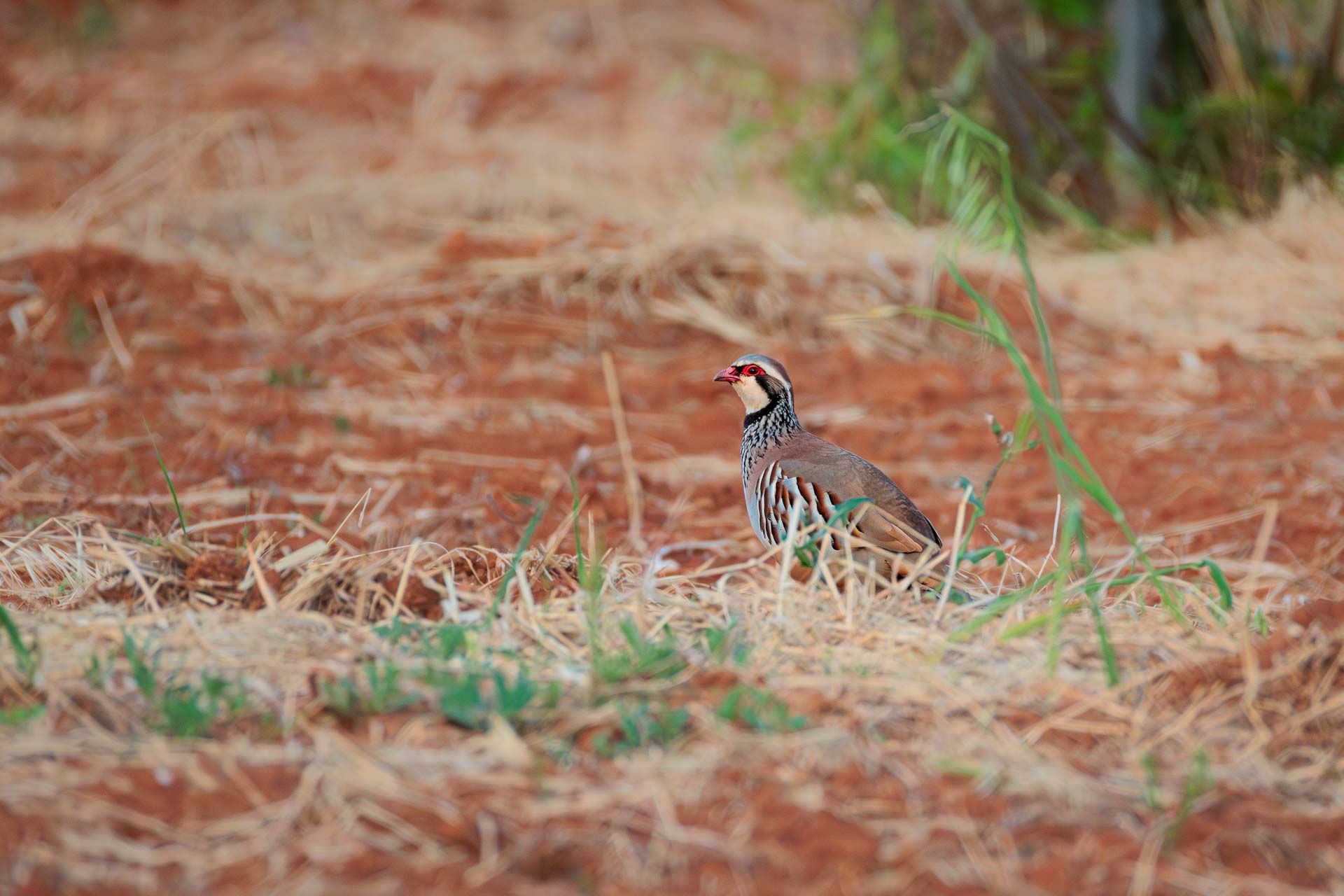
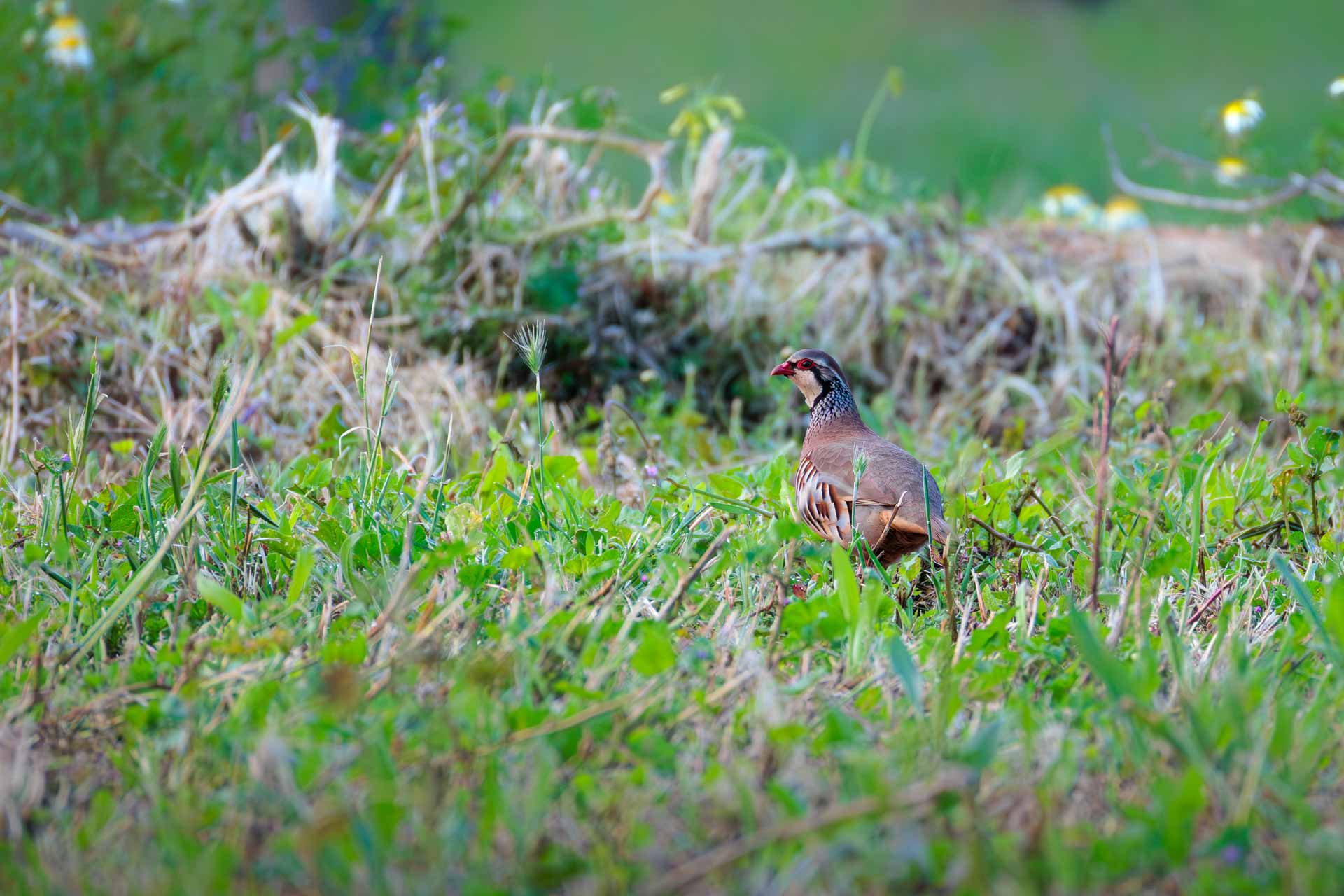
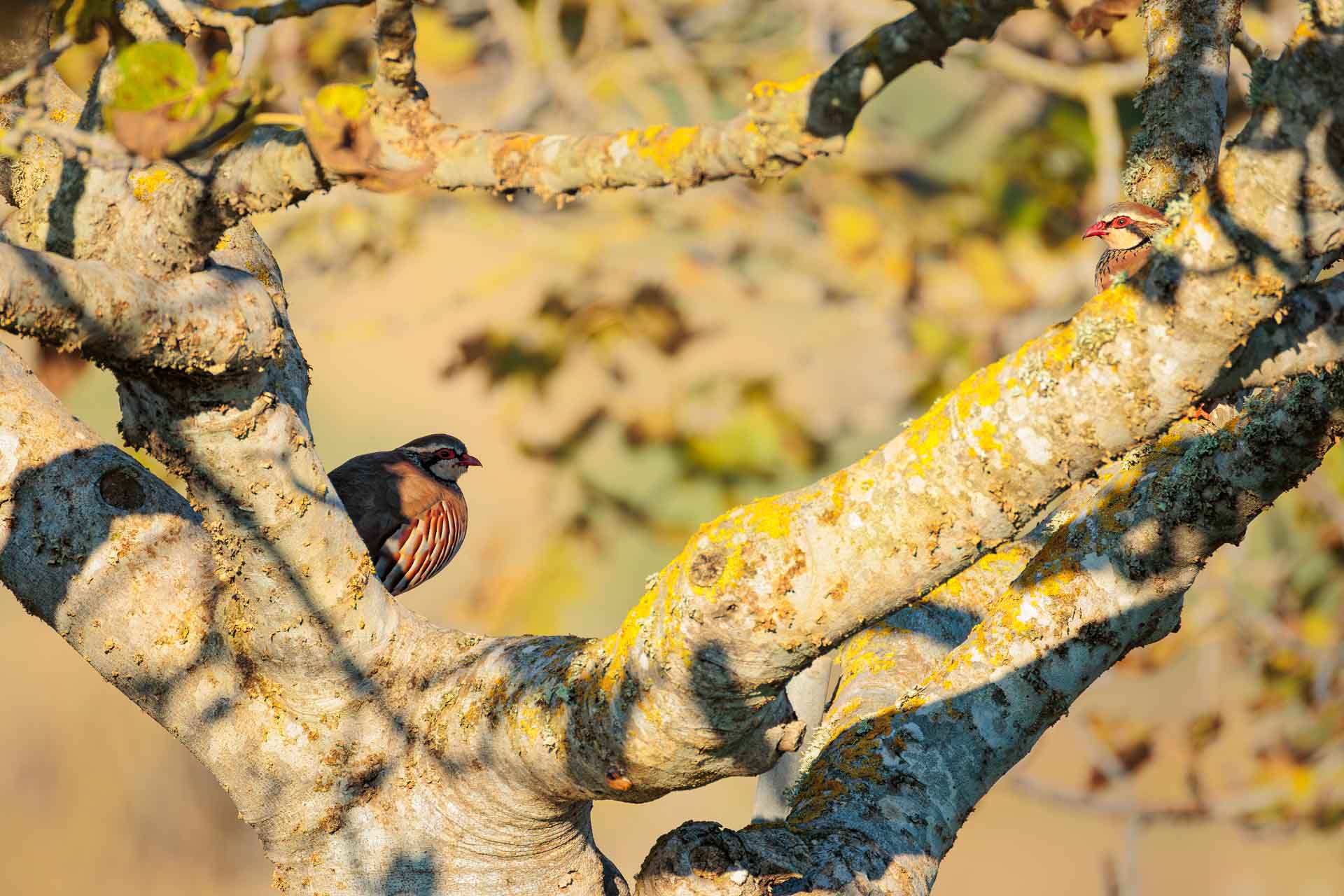
A robust ground-dwelling bird, common in scrubland, open fields and rocky slopes. It feeds on seeds and insects. In Ibiza it is relatively common and is usually seen in groups, hiding amongst the tall vegetation of agricultural areas. Nevertheless, it is very shy due to the intense hunting pressure it has endured. However, many specimens have been released for hunting in Ibiza, which has helped to keep the population fairly stable.
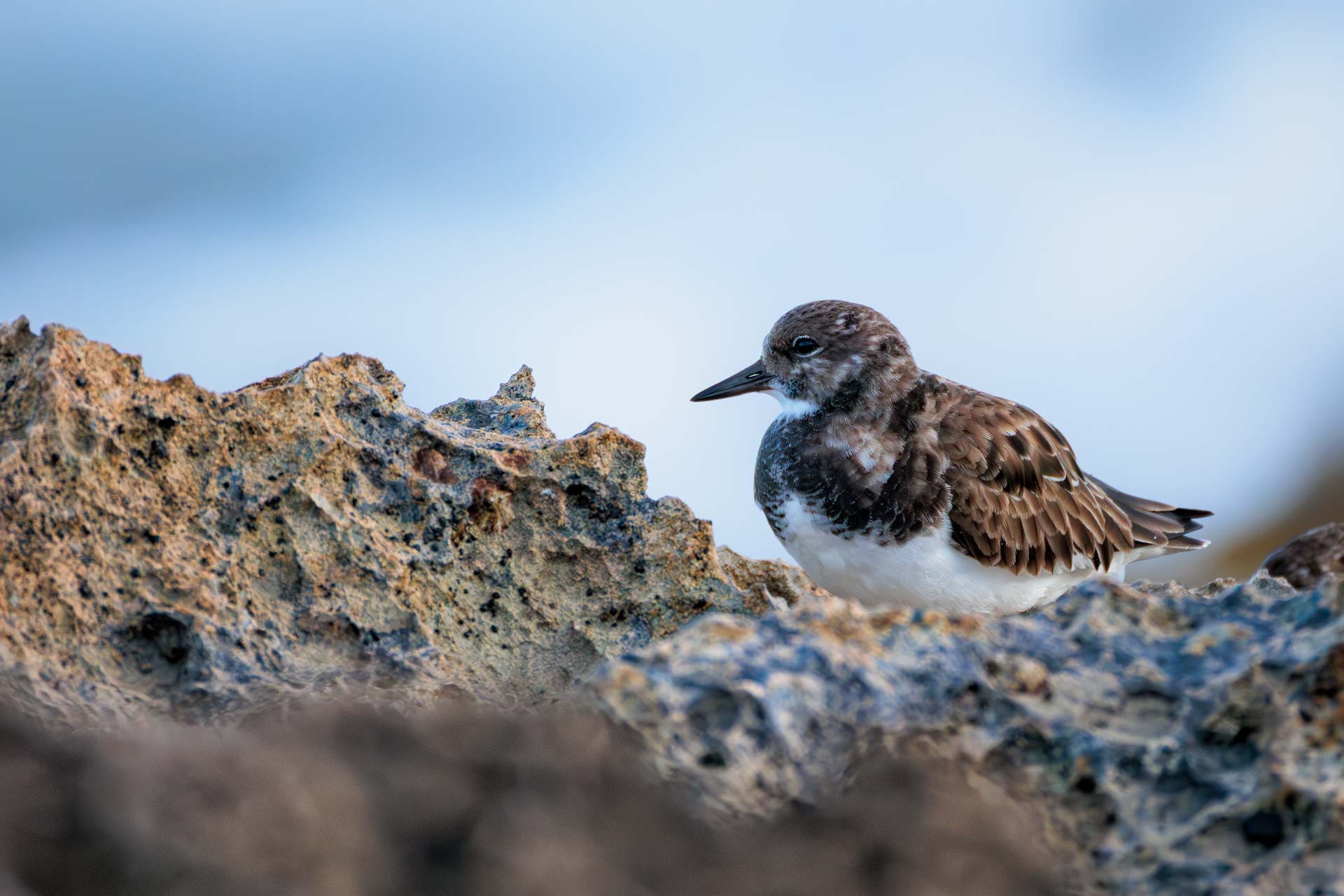
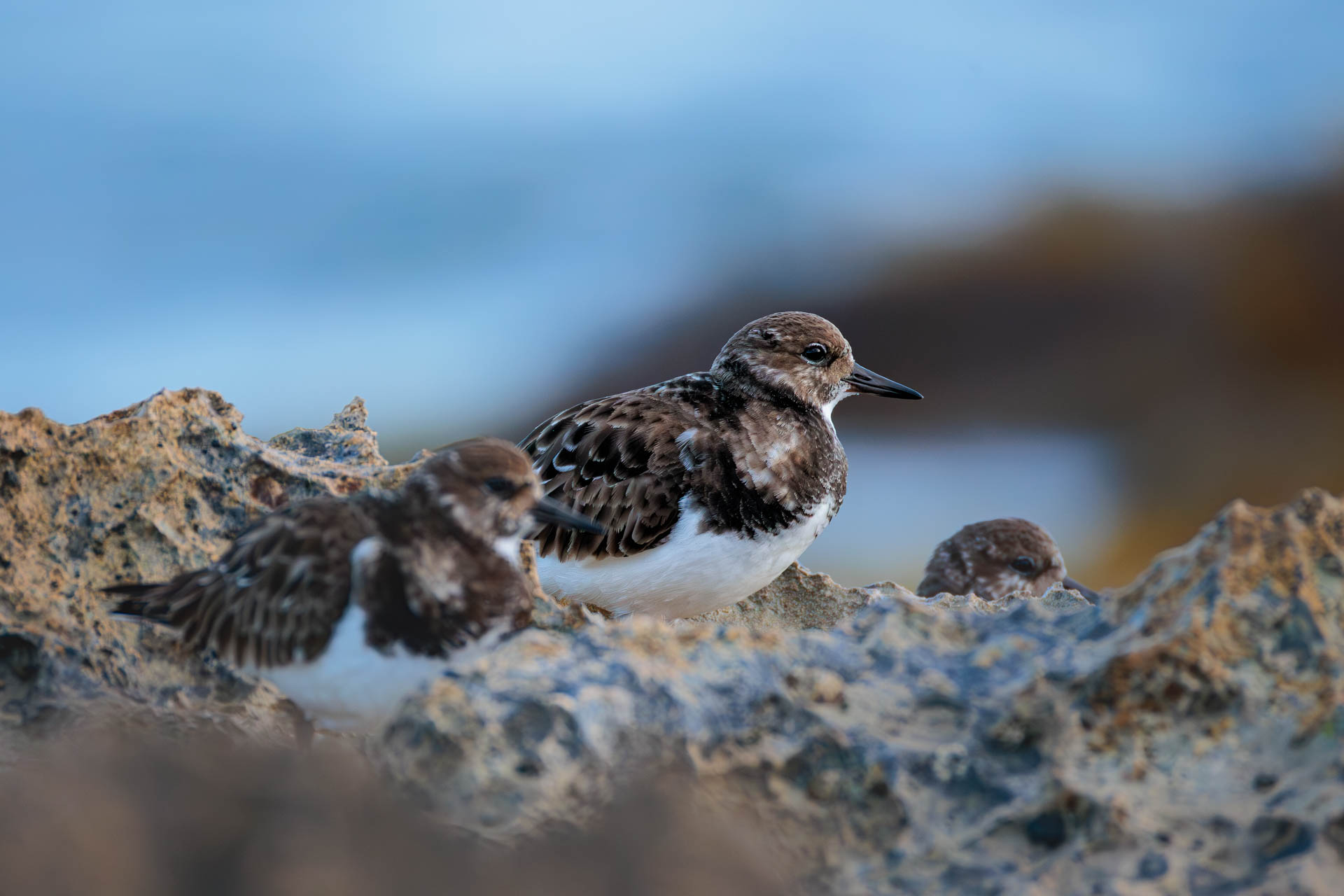
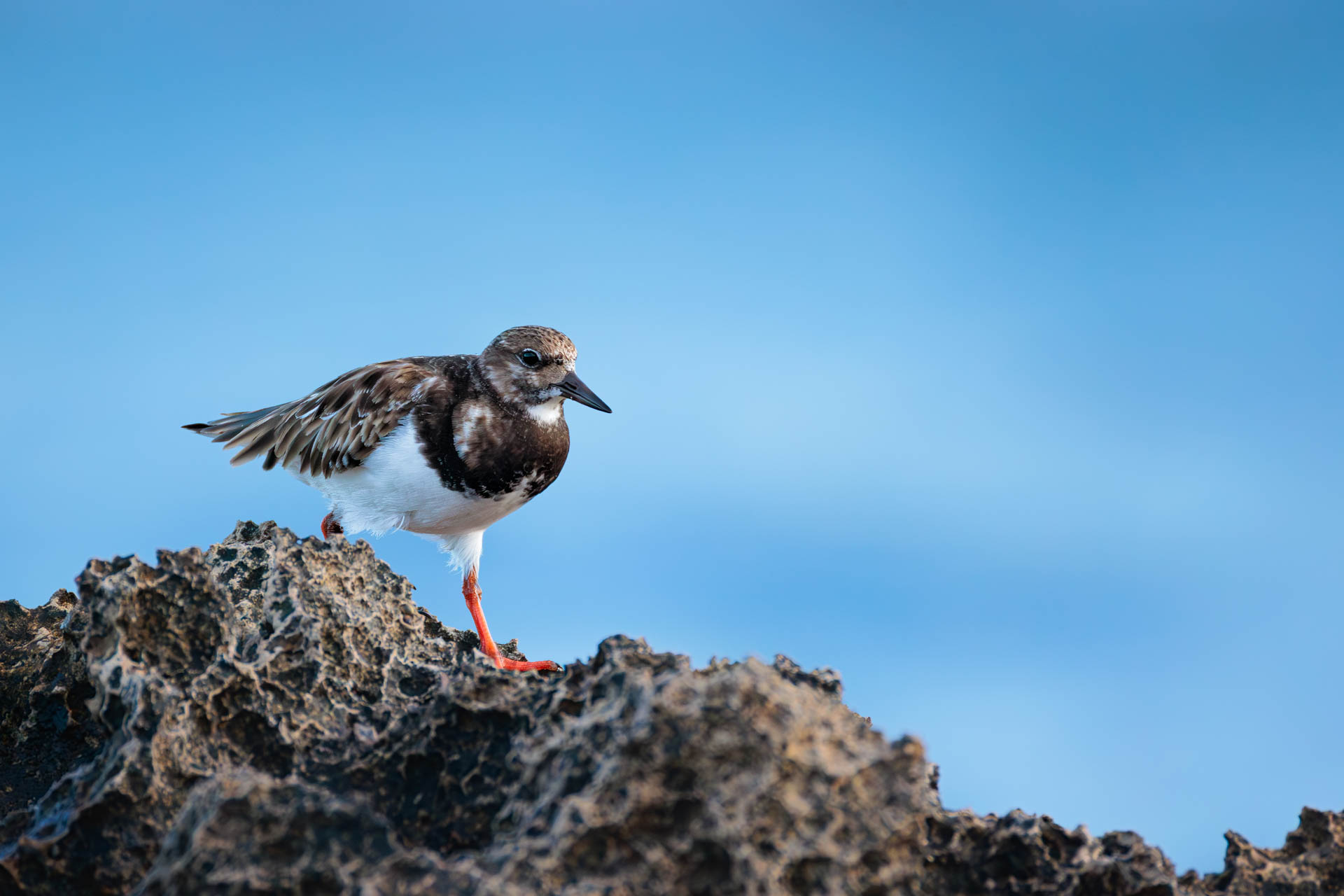
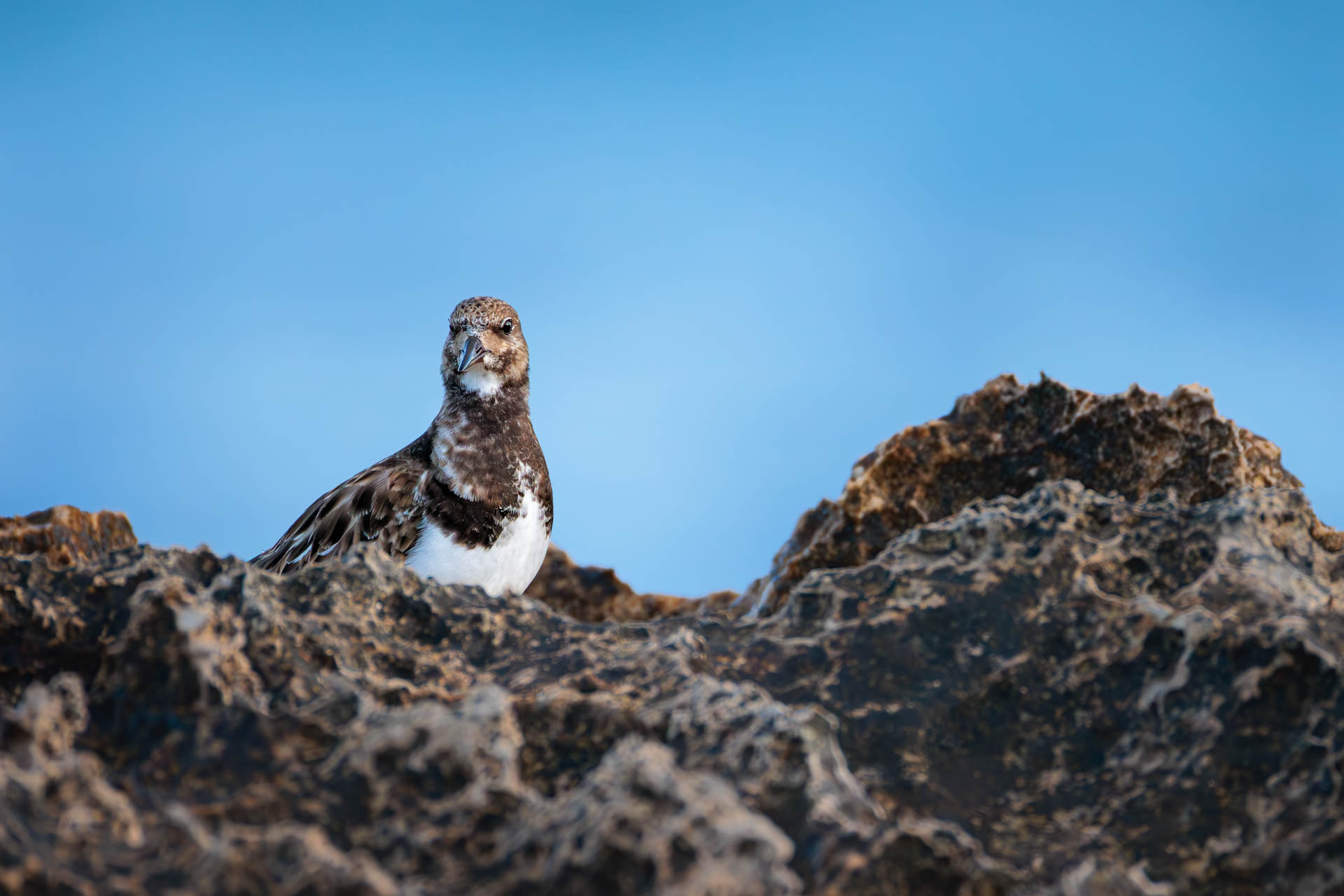
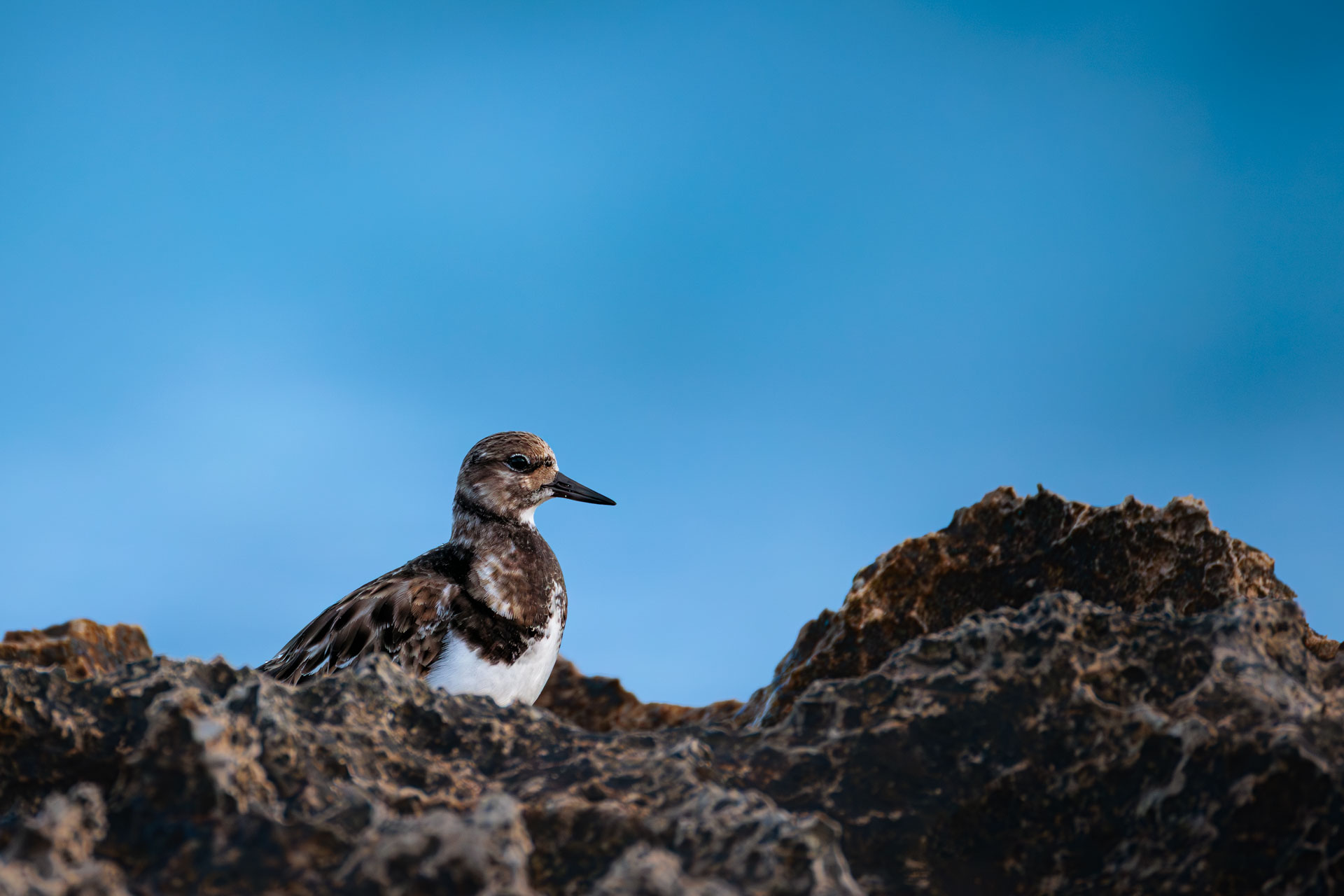
A coastal wader recognisable by its slender bill and short legs. It feeds on small invertebrates on rocks and beaches. In Ibiza it is rare, a migratory and winter visitor, mainly observed in specific areas of the Ses Salines coast. They are not particularly shy, which makes them easy to spot if encountered. Its local name comes from the way it finds food: it uses its strong beak to turn over, move or flip stones, shells and small seaweed.
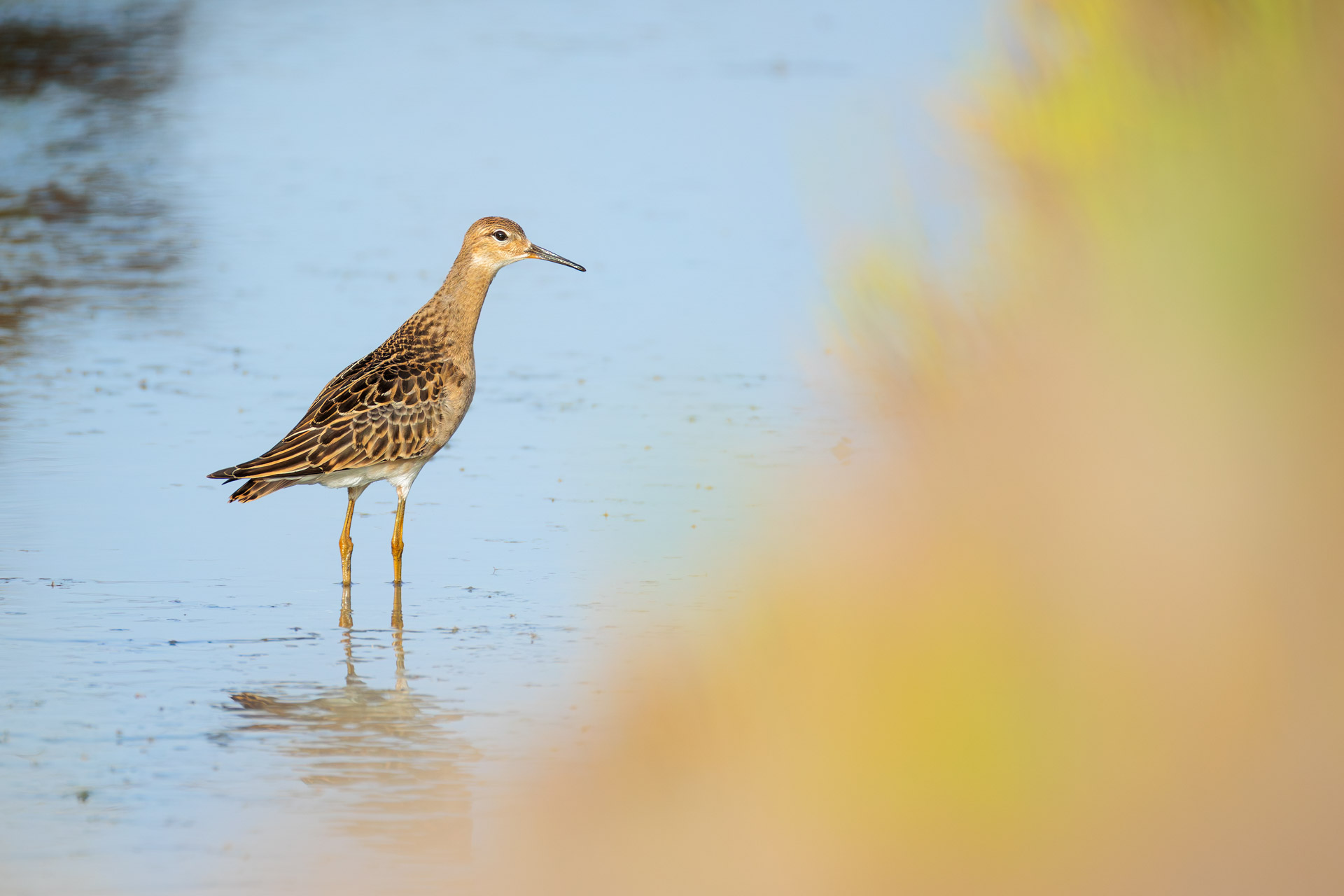
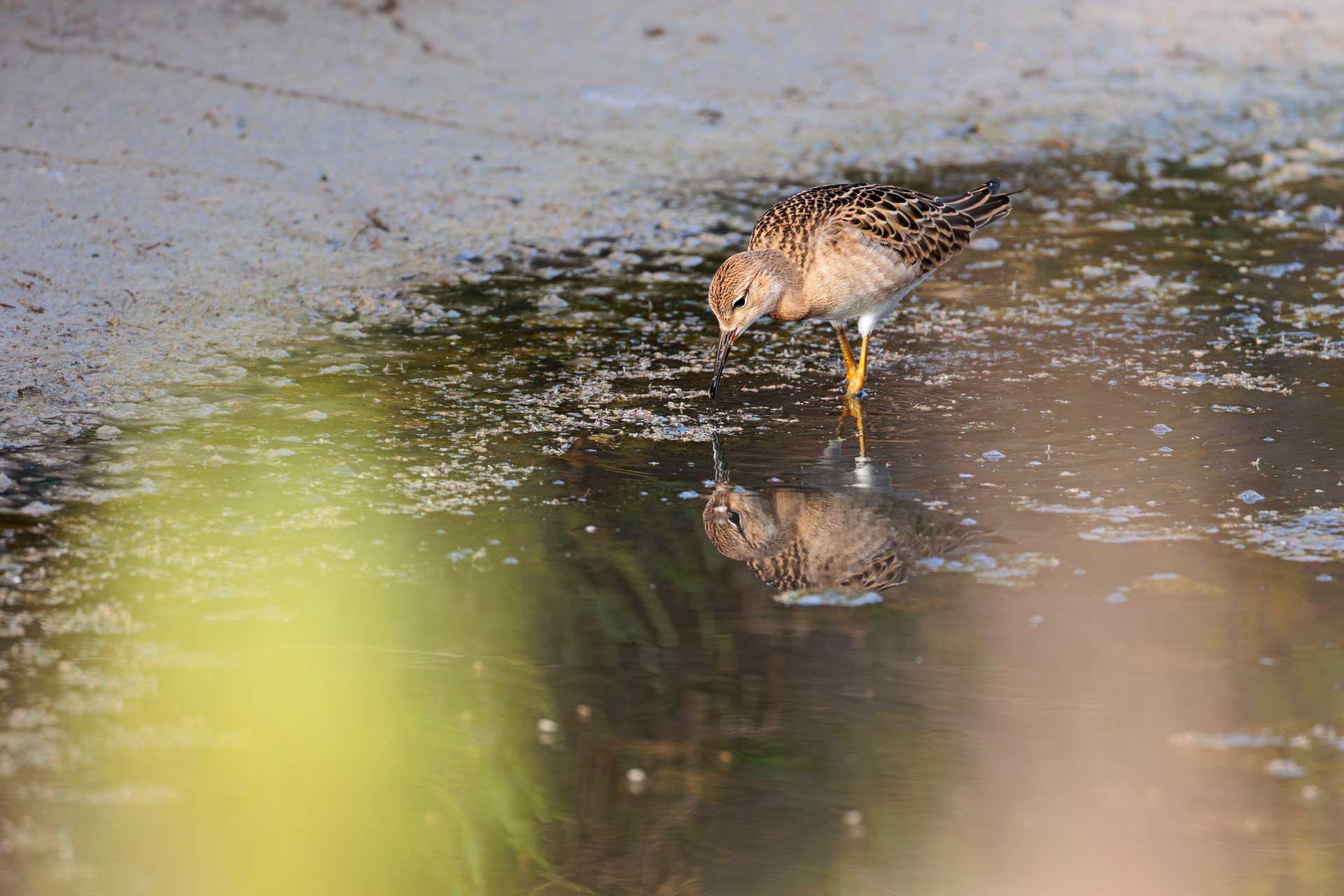
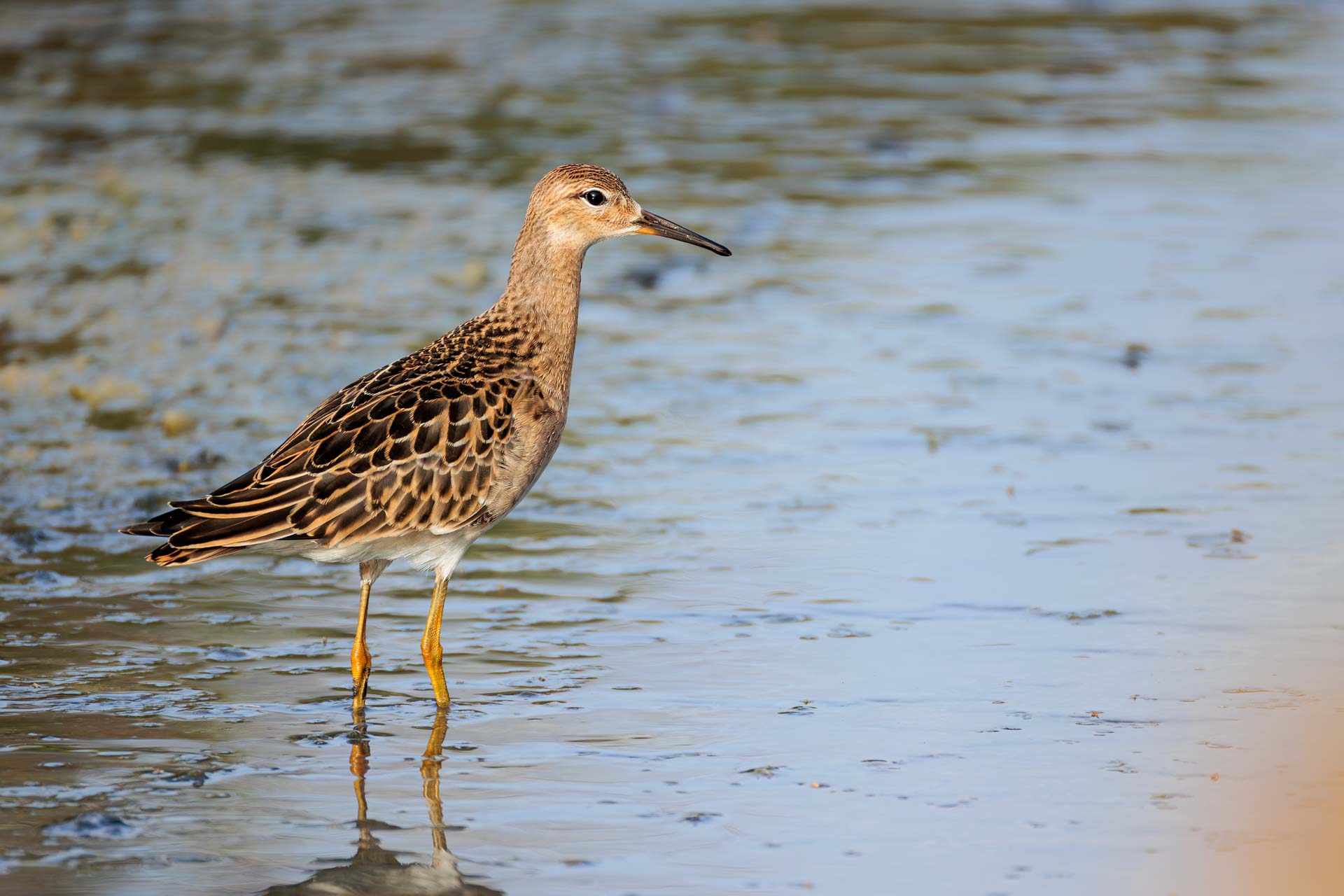
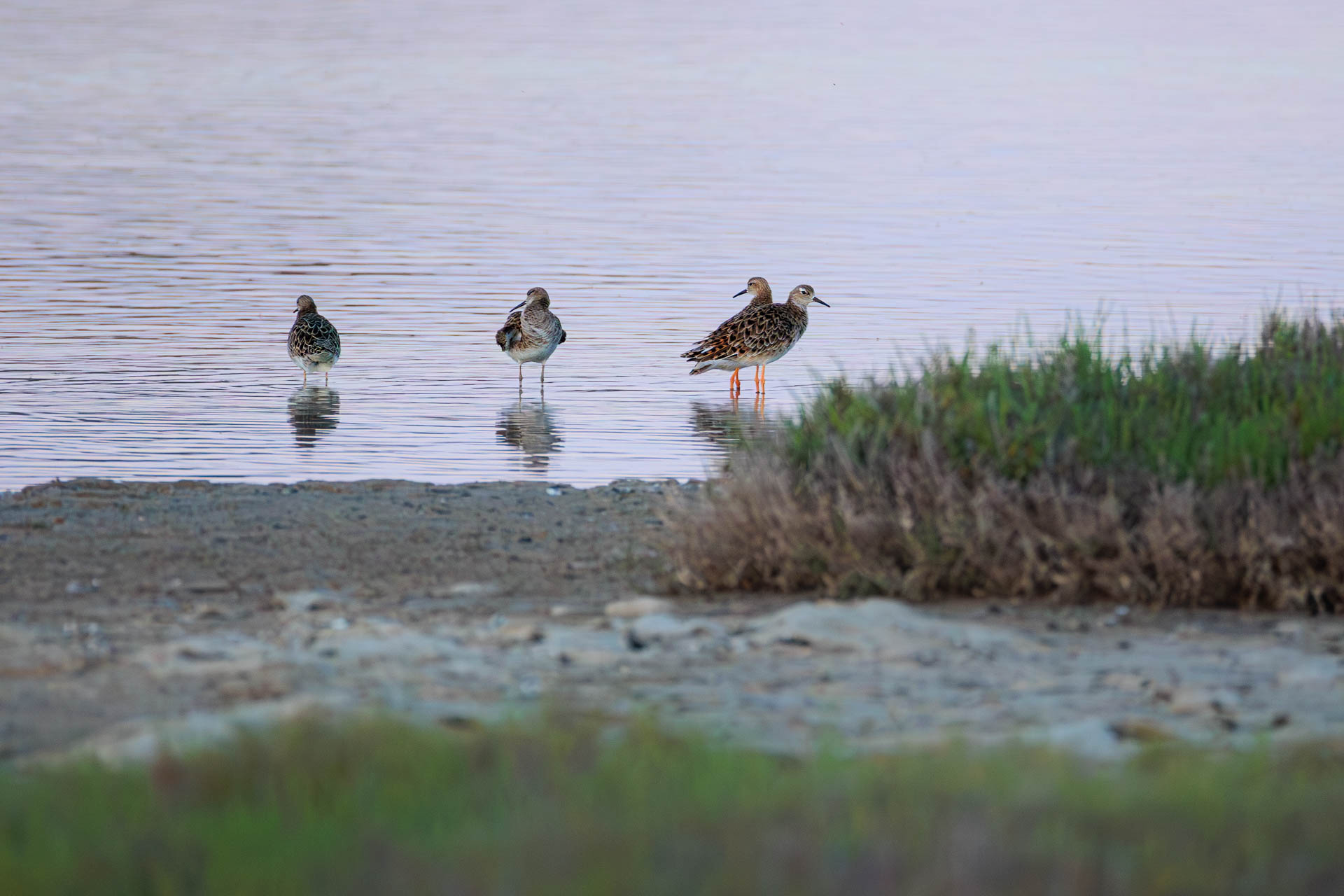
A small migratory wader that frequents wetlands and marshes. It feeds on insects and larvae. In Ibiza, it appears during migration and winter, often alone or in small groups, on the banks and muddy areas of the Ses Salines salt pans. Although there are some individuals during the winter, this species is more frequently observed during migratory passages.
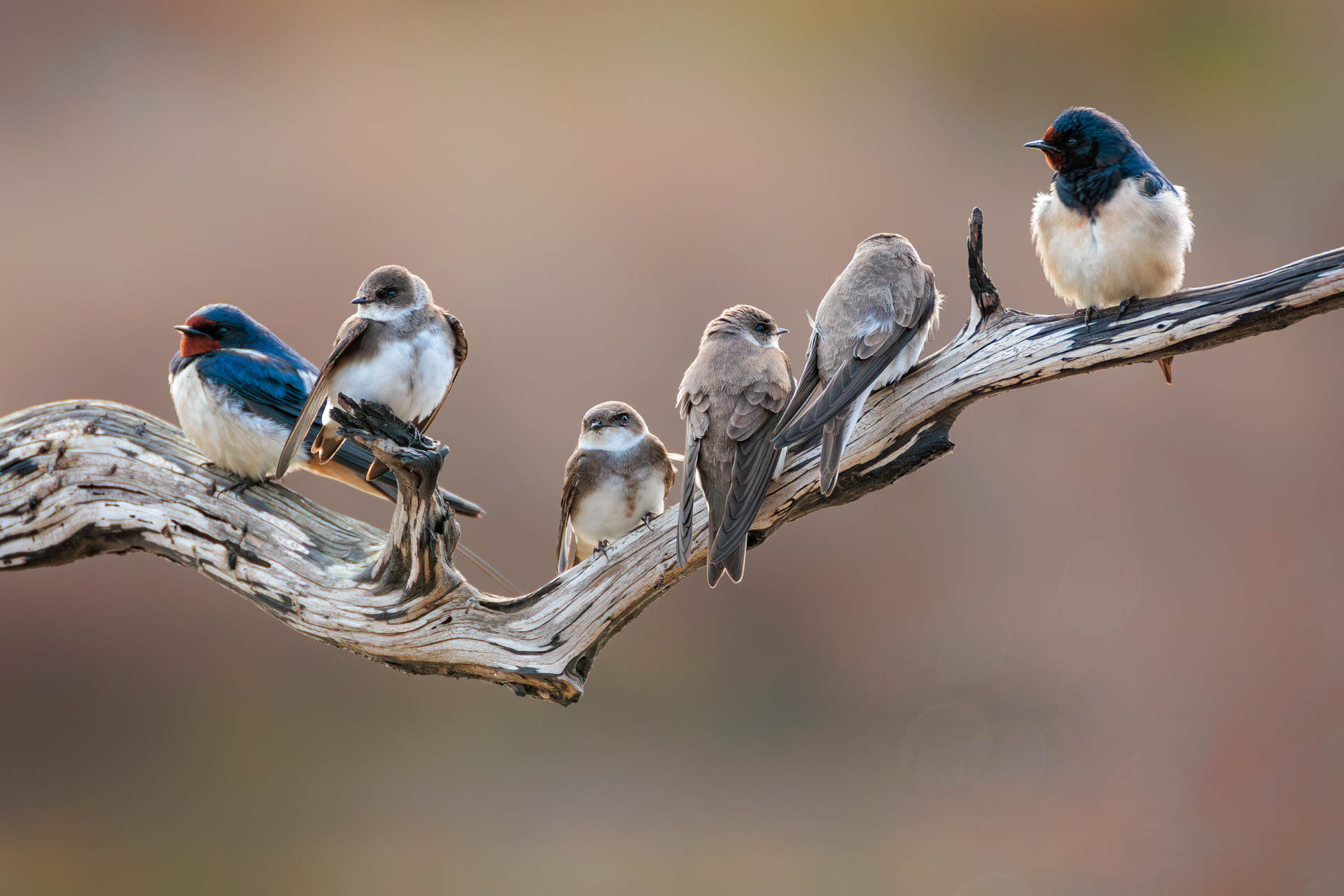
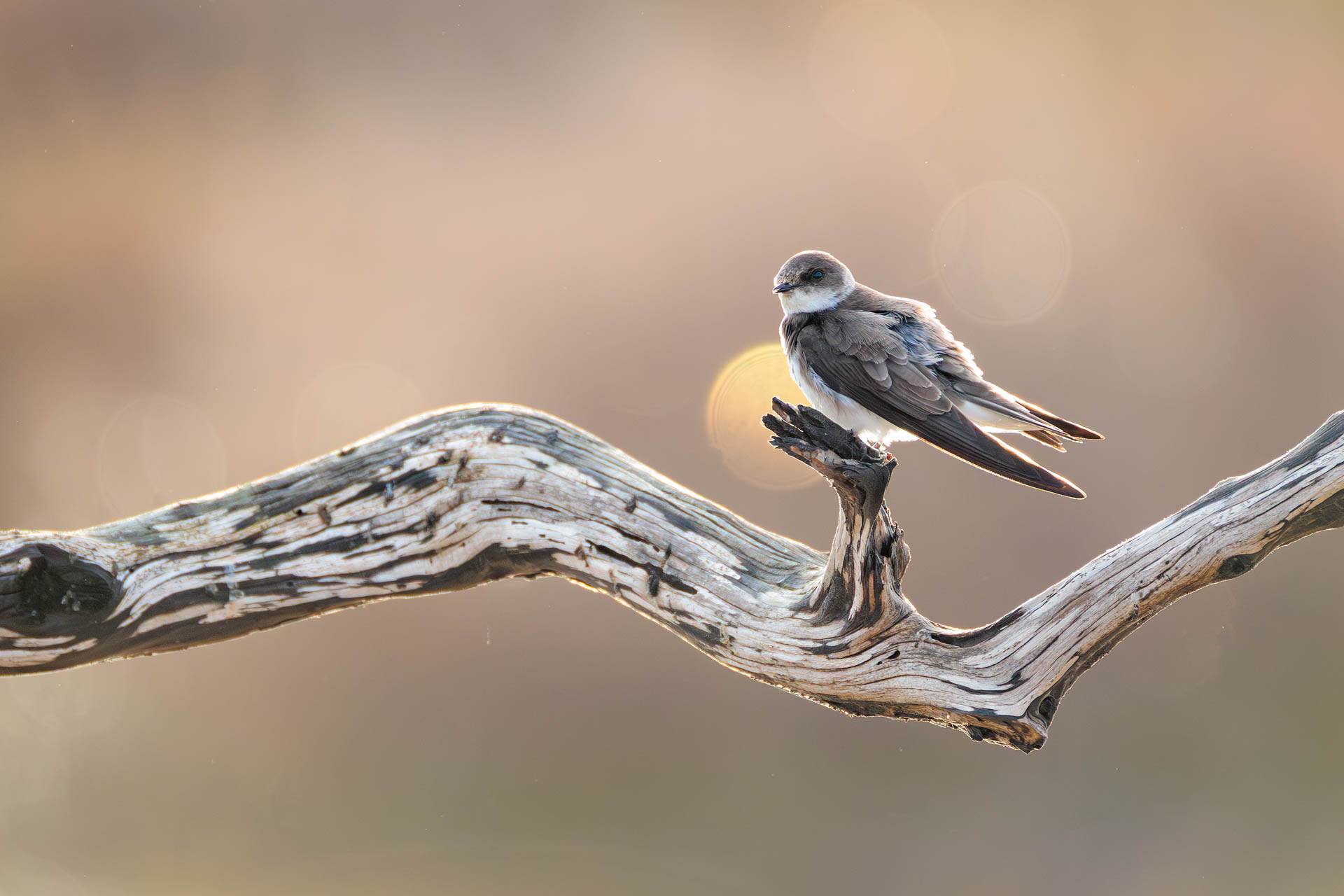
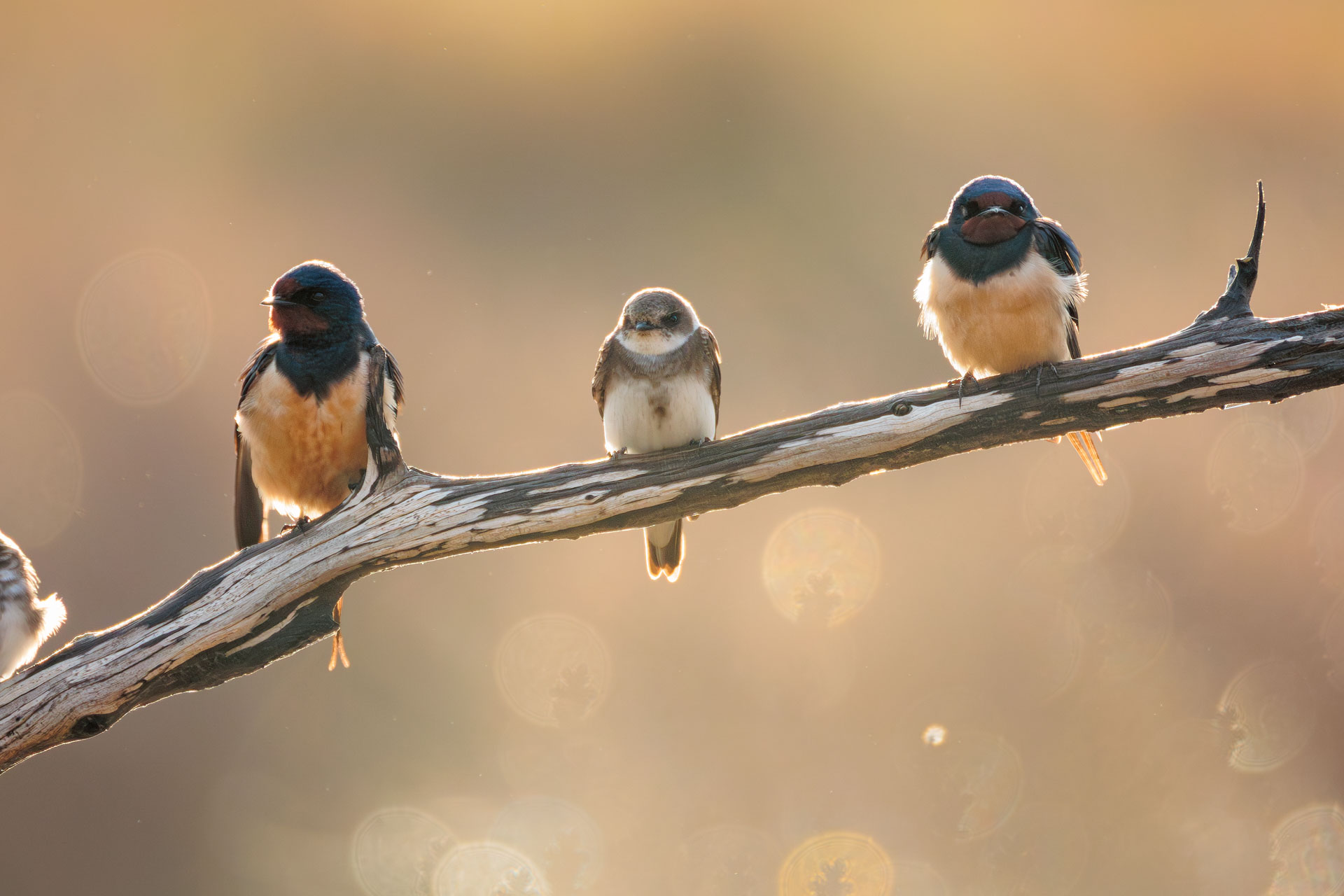
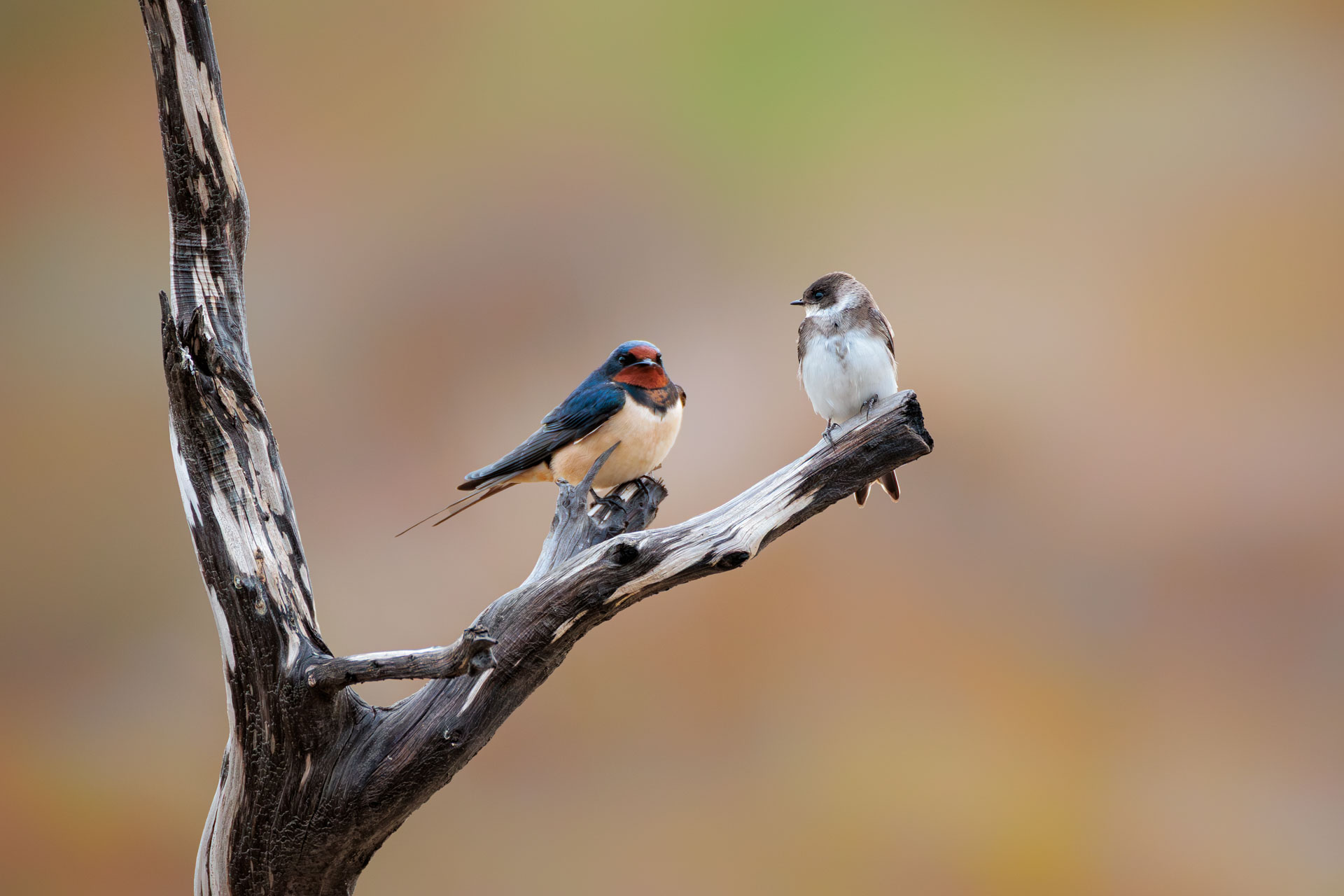
The Sand Martin is a small migratory bird, brown in colour and with an agile flight, which is usually seen near wetlands, rivers and open areas. It feeds on flying insects and nests in colonies, digging tunnels in sandy slopes or soft ground. In Ibiza, it is only seen during migration, when it can be observed in active flocks alongside other swallows, particularly in wetland areas such as Ses Feixes or Ses Salines
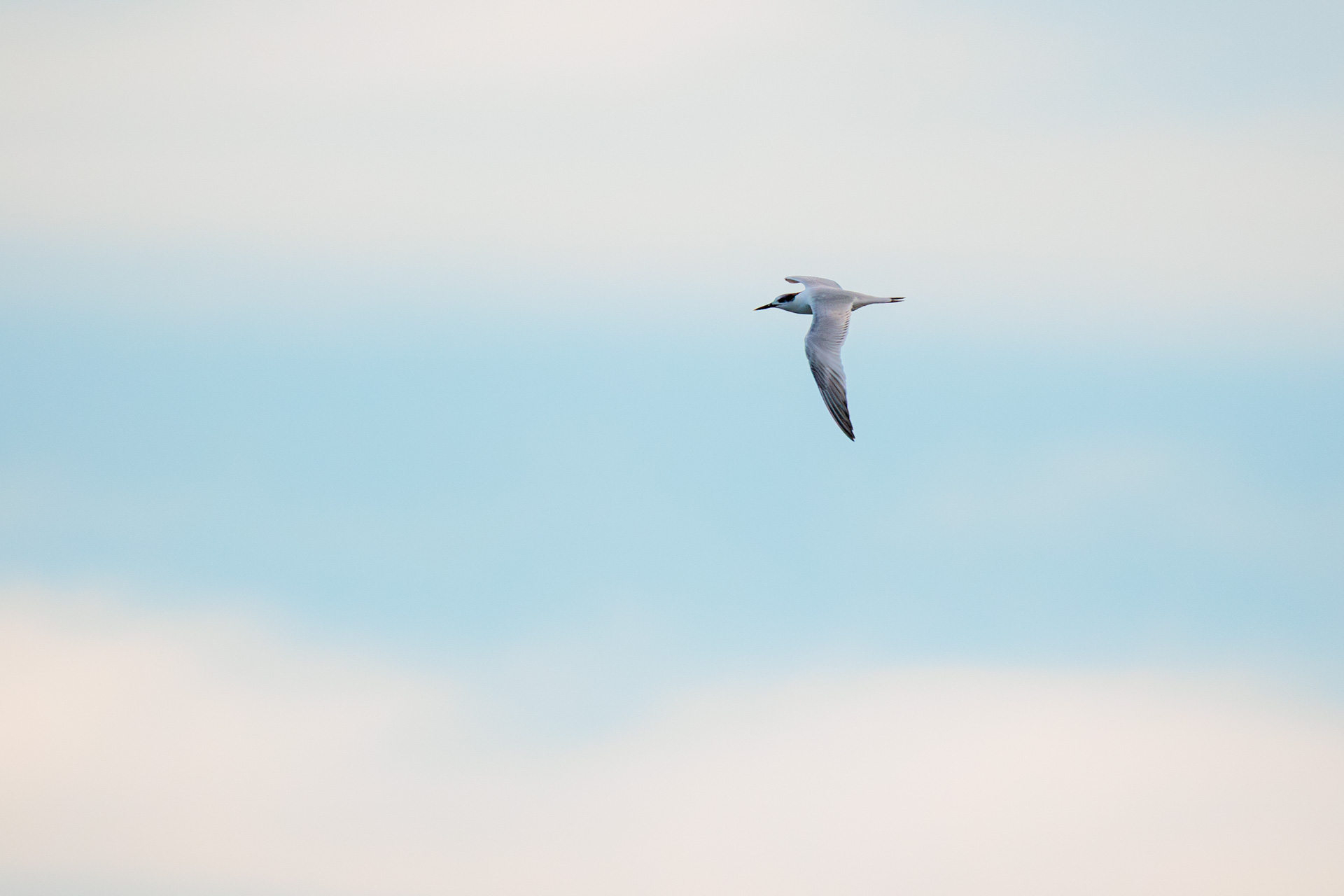
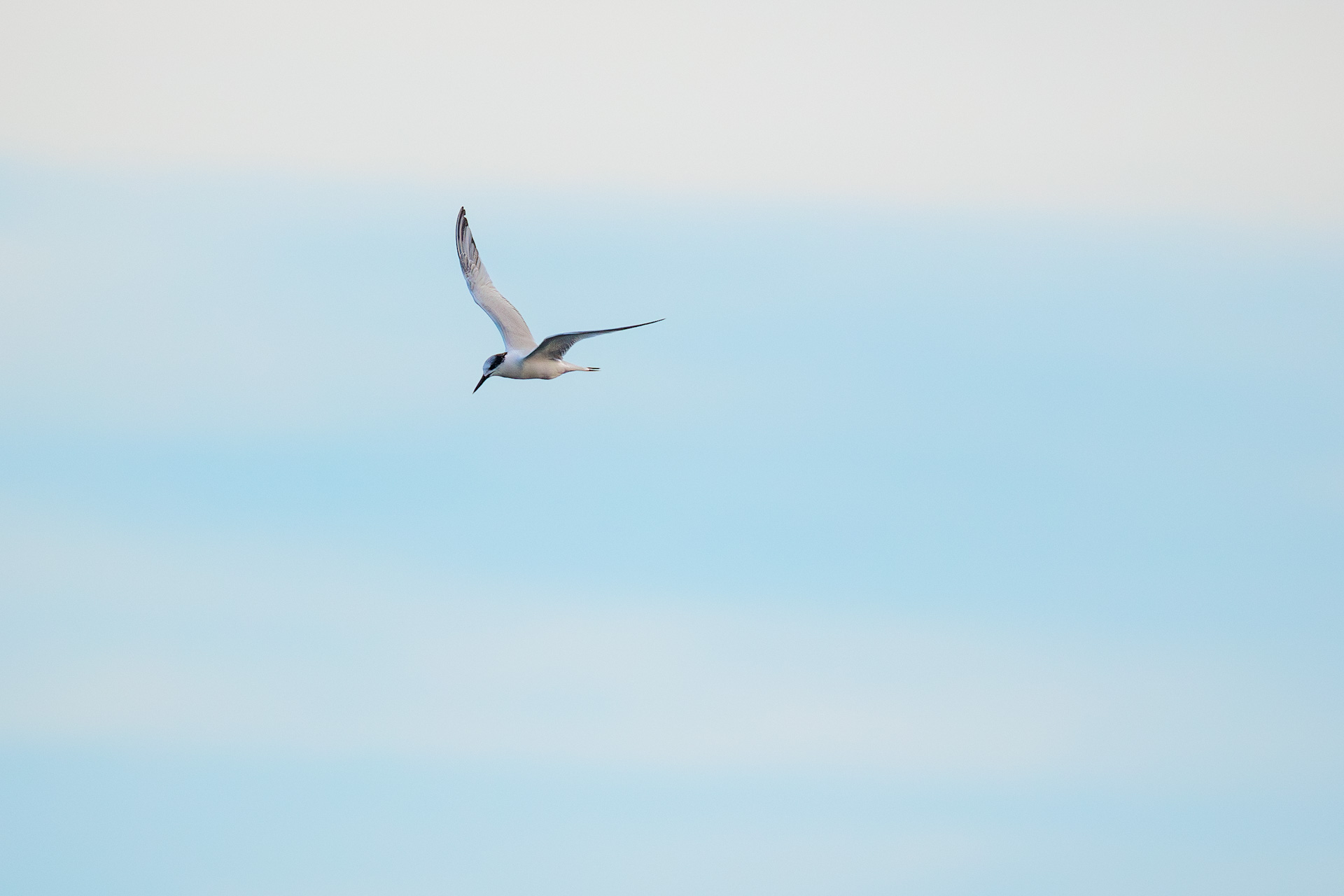
A black-and-white tern with a long, slender bill. It feeds by catching small fish in flight over the water. In Ibiza, it is common in salt flats and along the coast, although its presence in the port of Ibiza is particularly noteworthy, where it often rests on the jetties and buoys in the area.
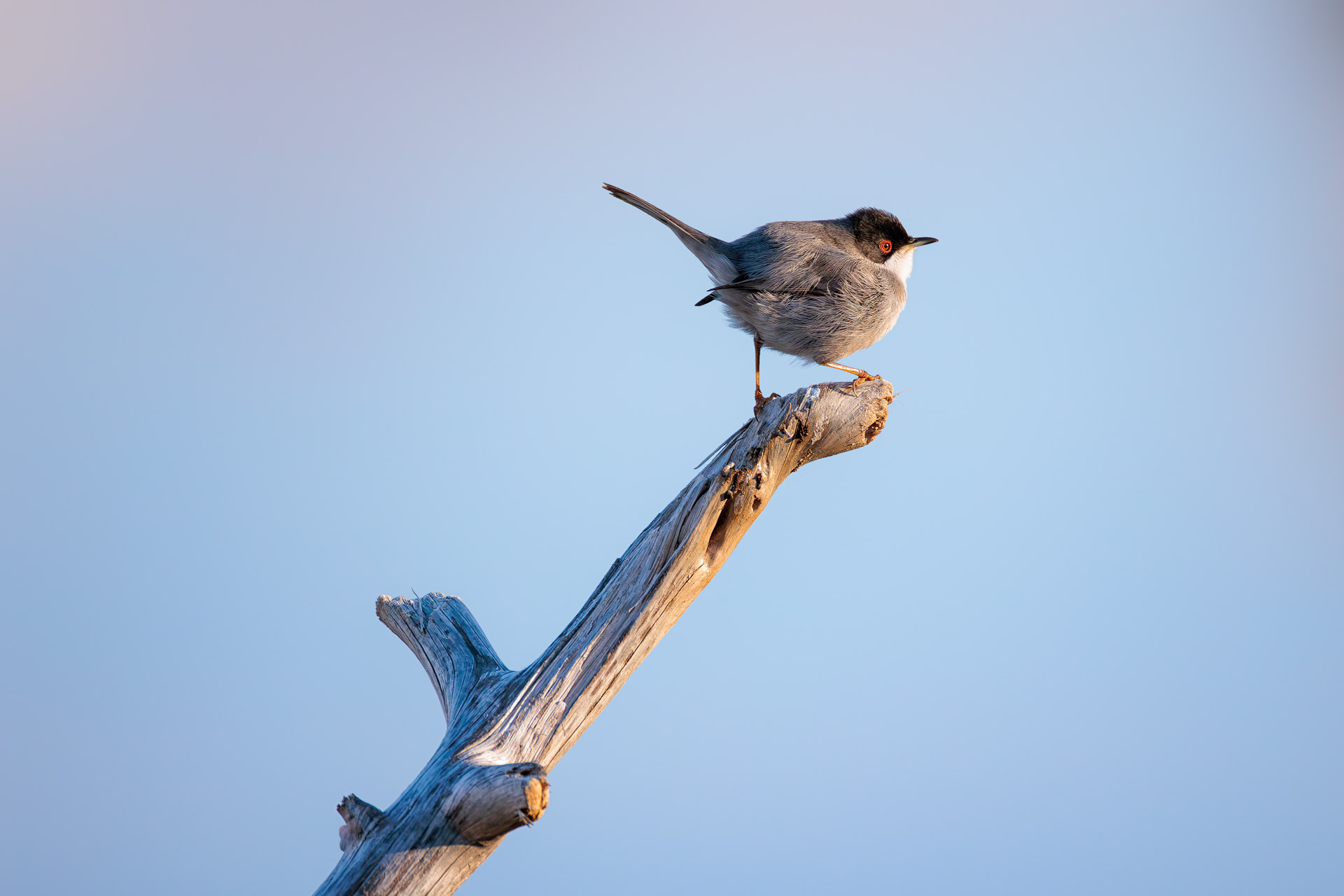
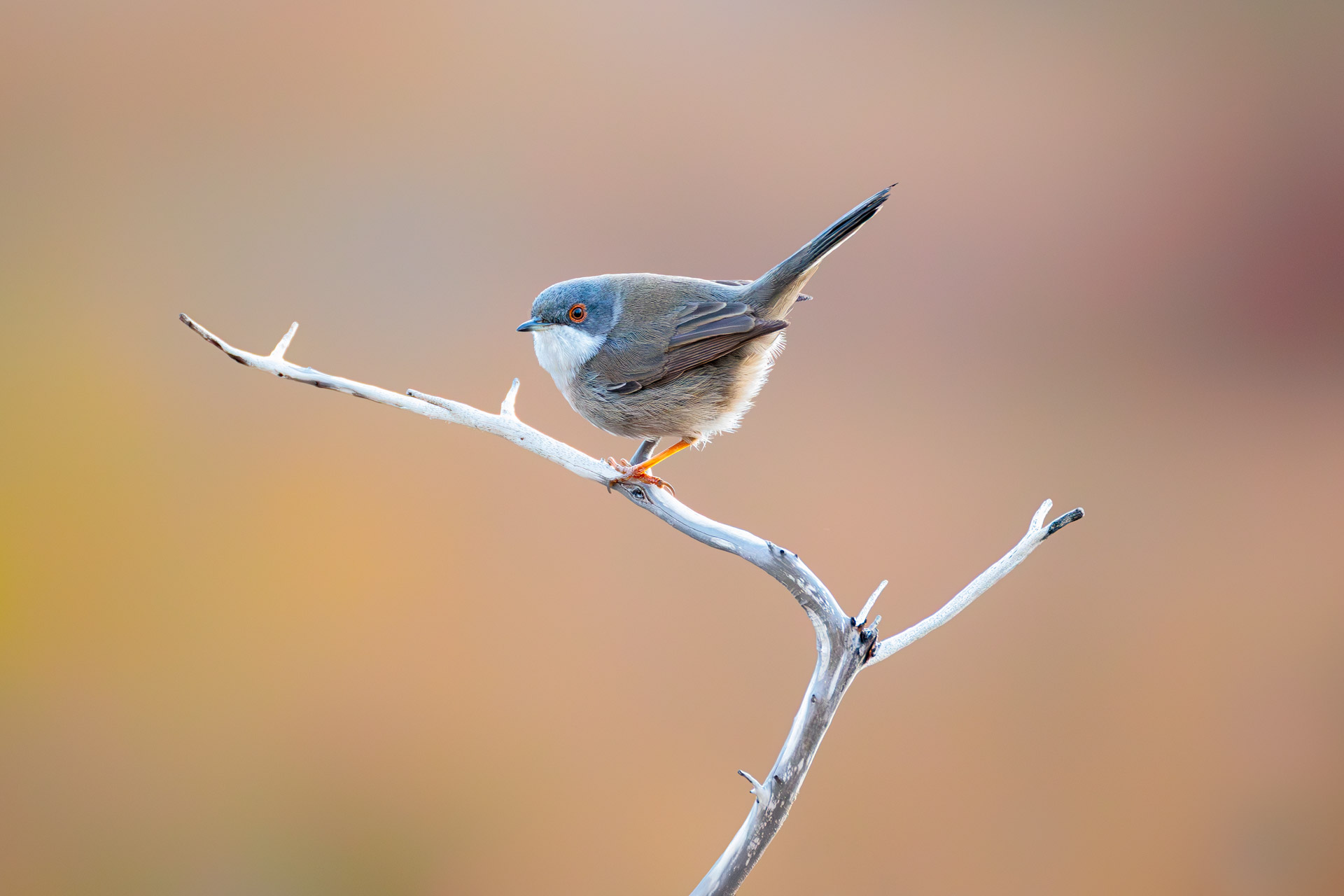
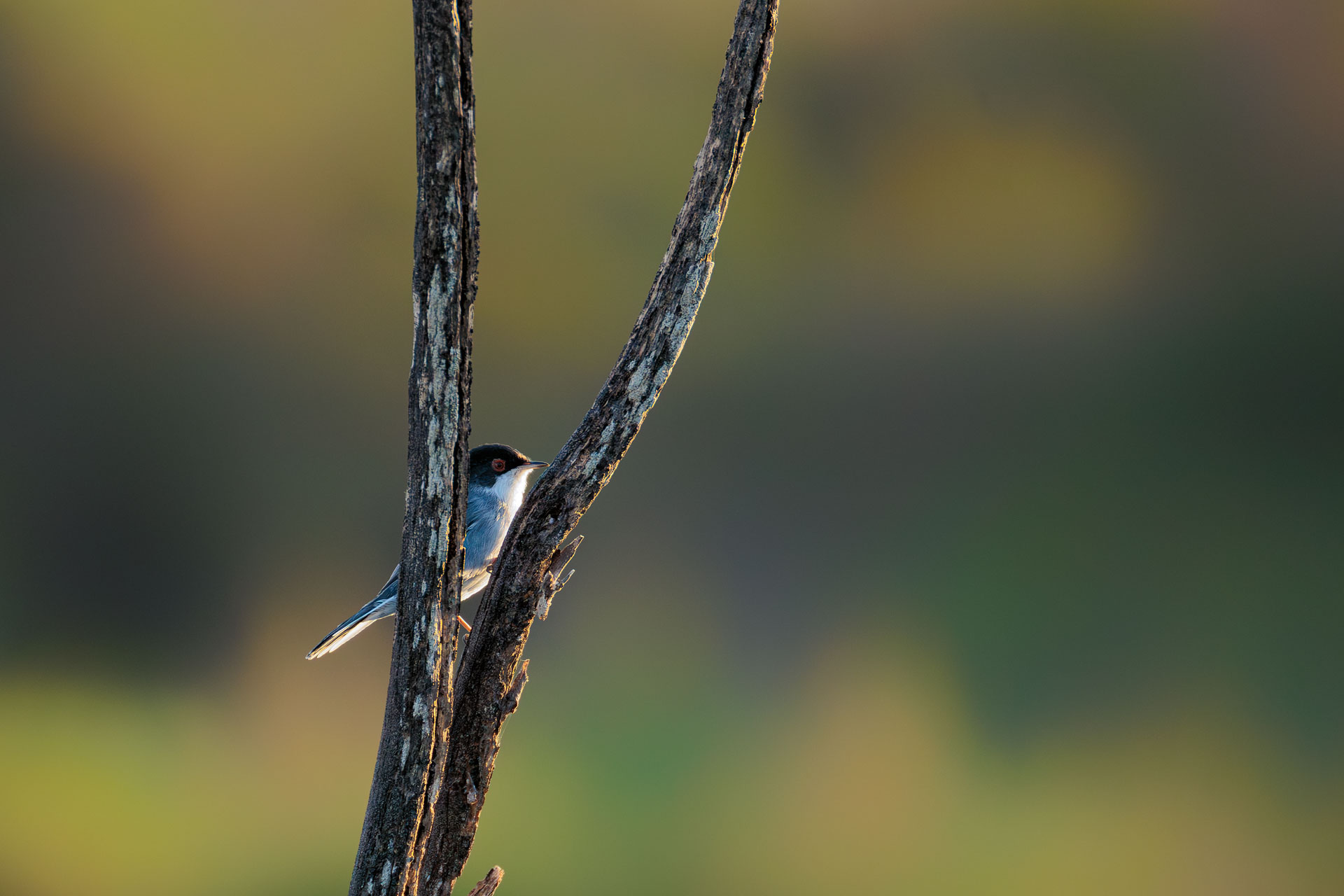
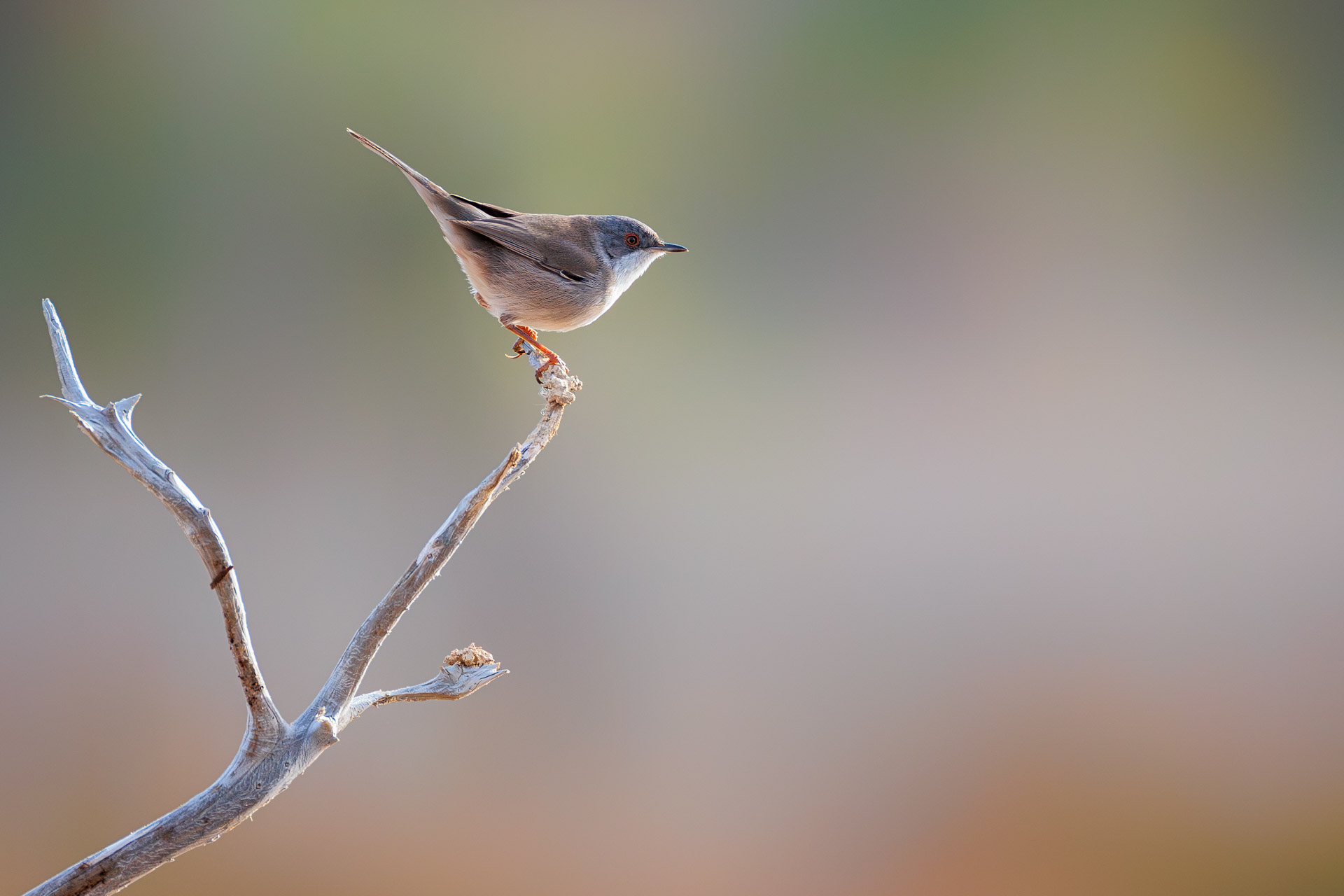
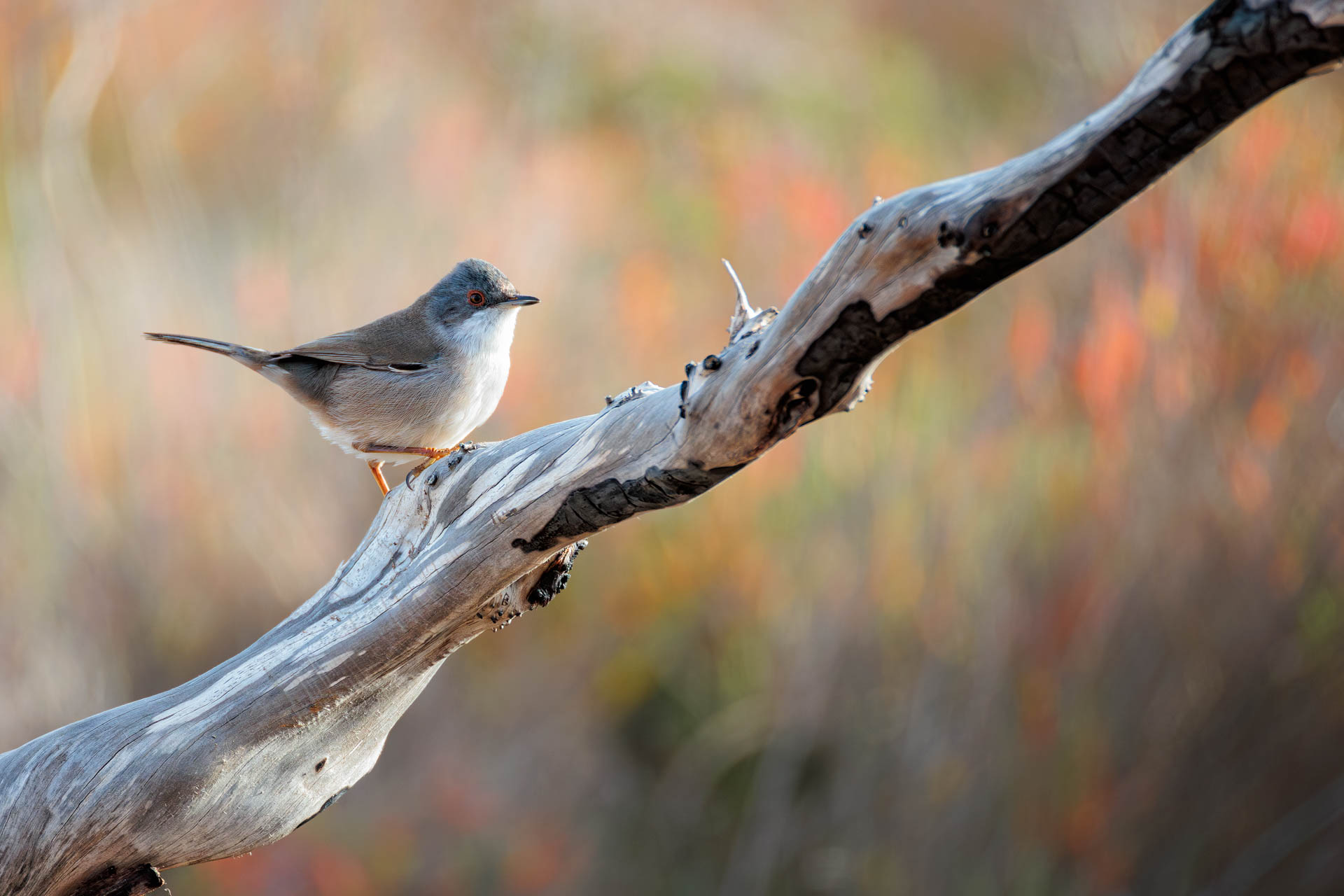
A small, active bird, closely associated with Mediterranean scrub and shrubby areas. It usually moves amongst low vegetation, where it feeds on insects and fruit. Very common in Ibiza, though difficult to spot due to its active, elusive and curious behaviour, which may be the origin of its local name ‘Enganyapastors’..
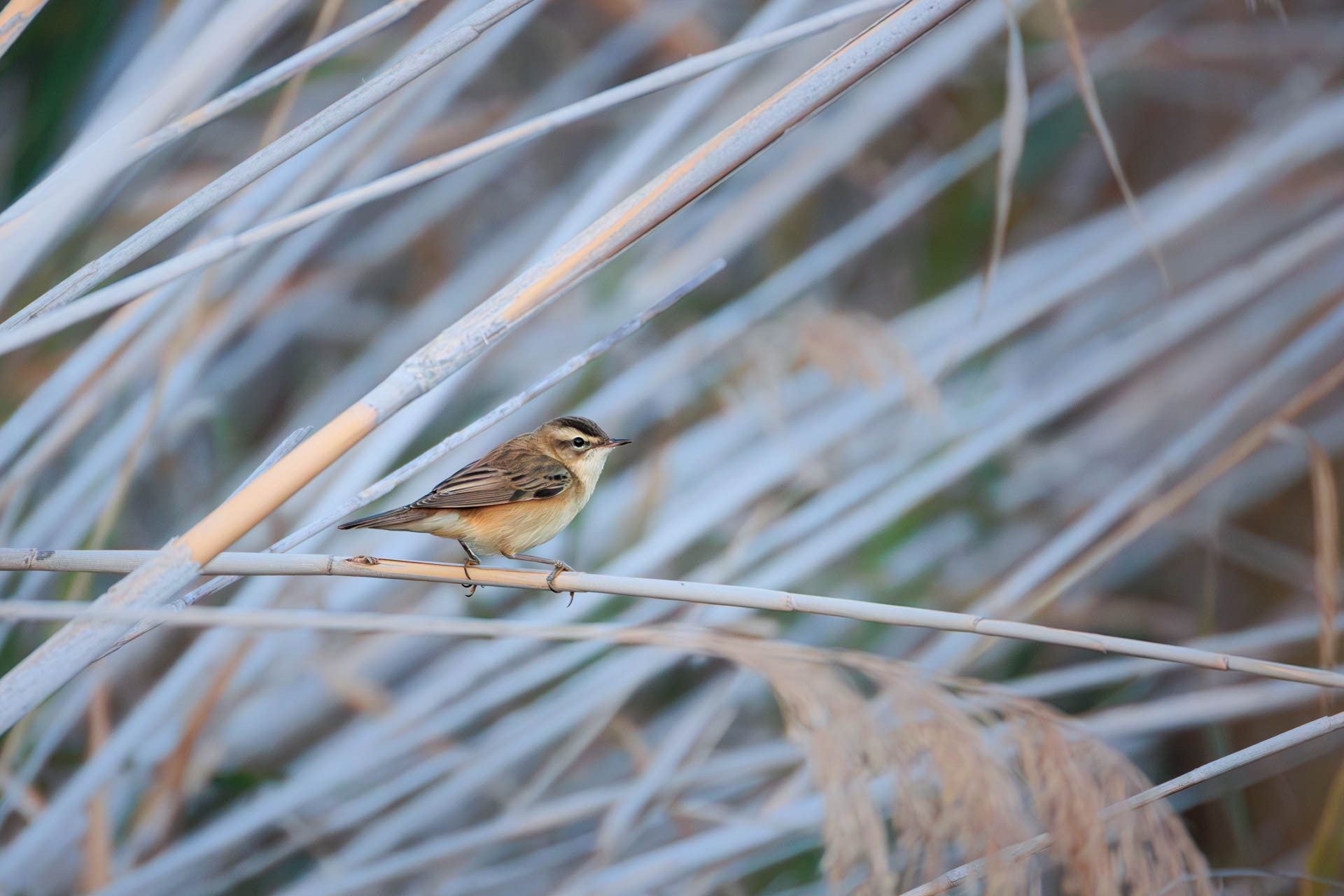
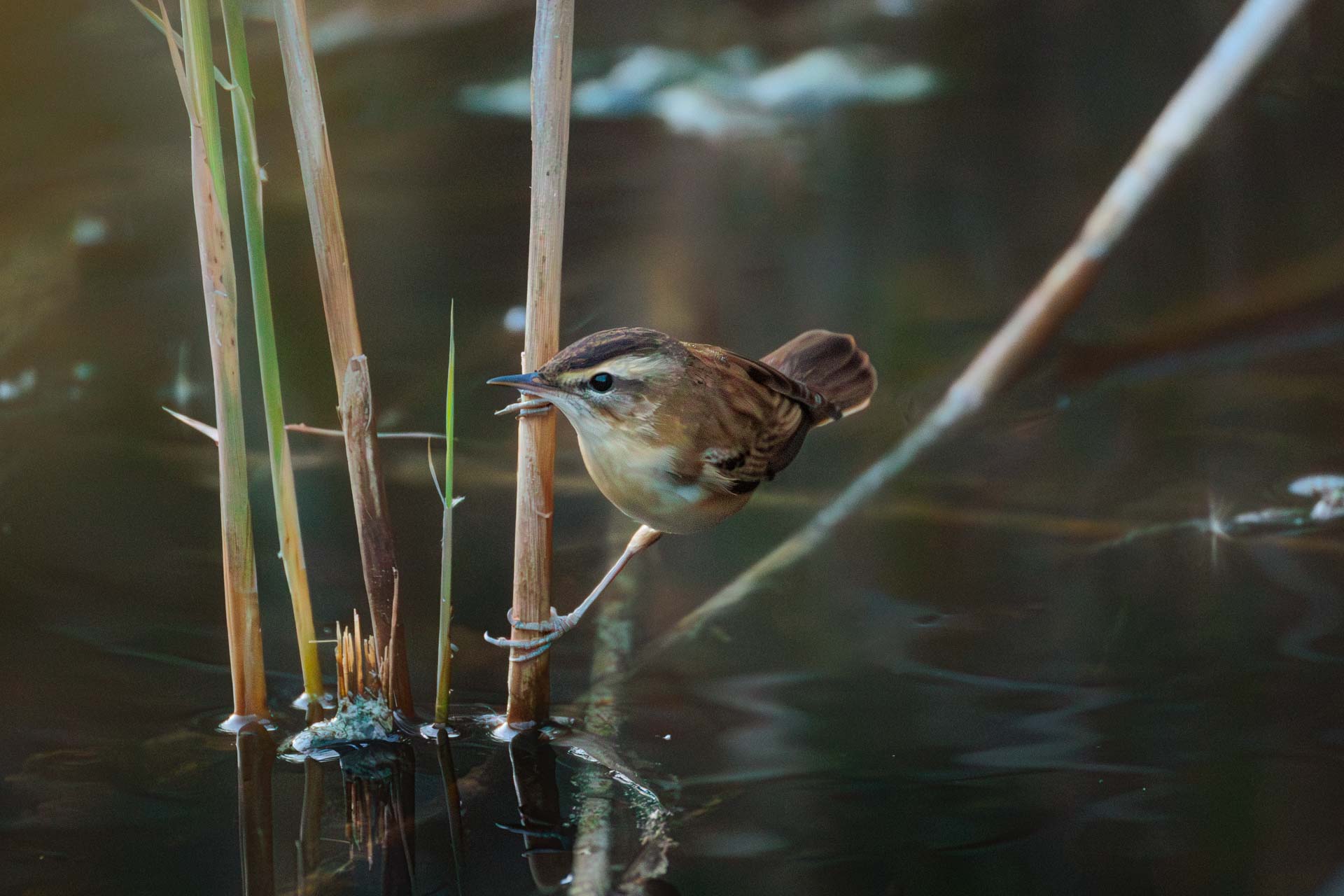
A small migratory bird of reedbeds and wetlands. It feeds on insects and larvae. In Ibiza it appears during migration, remaining in dense vegetation and wet areas, where it is more often heard than seen. The best places to observe it are Ses Feixes and Ses Salines.
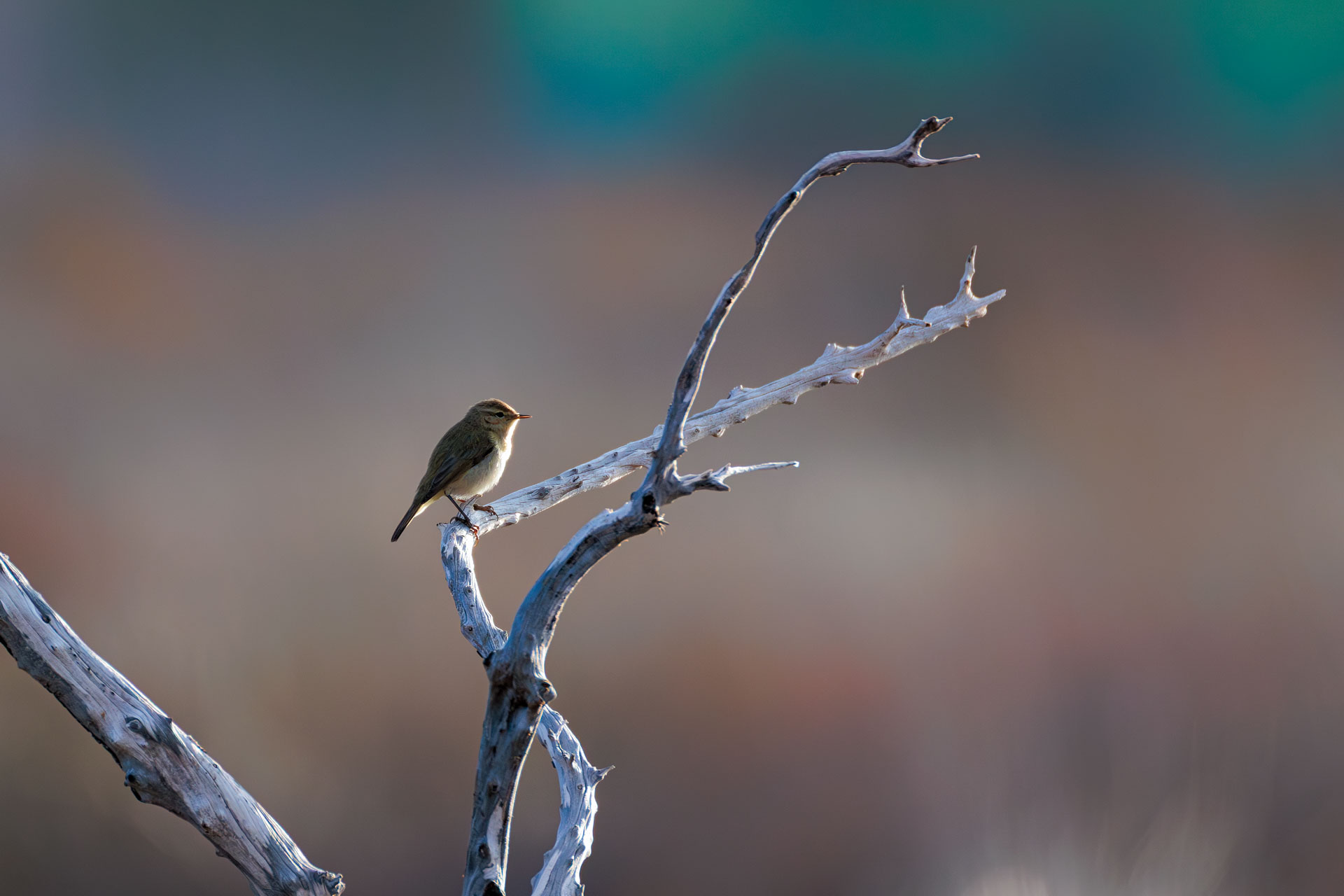
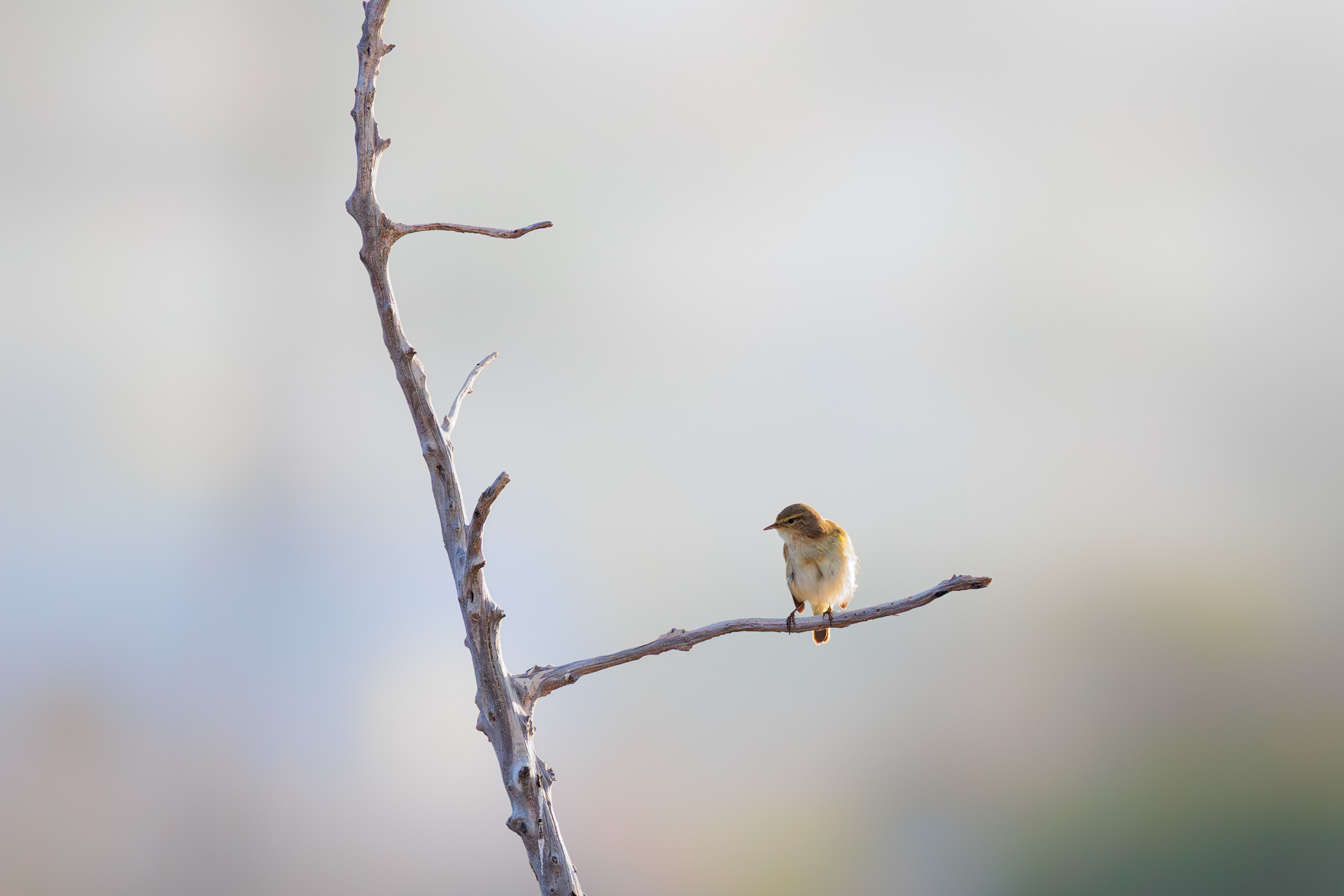
A discreet migratory subspecies of the Common Chiffchaff. It breeds in Siberia and its occurrence in Ibiza is accidental. Records are exceptional and usually involve birds detected during winter or migration, often by their appearance and distinctive call.
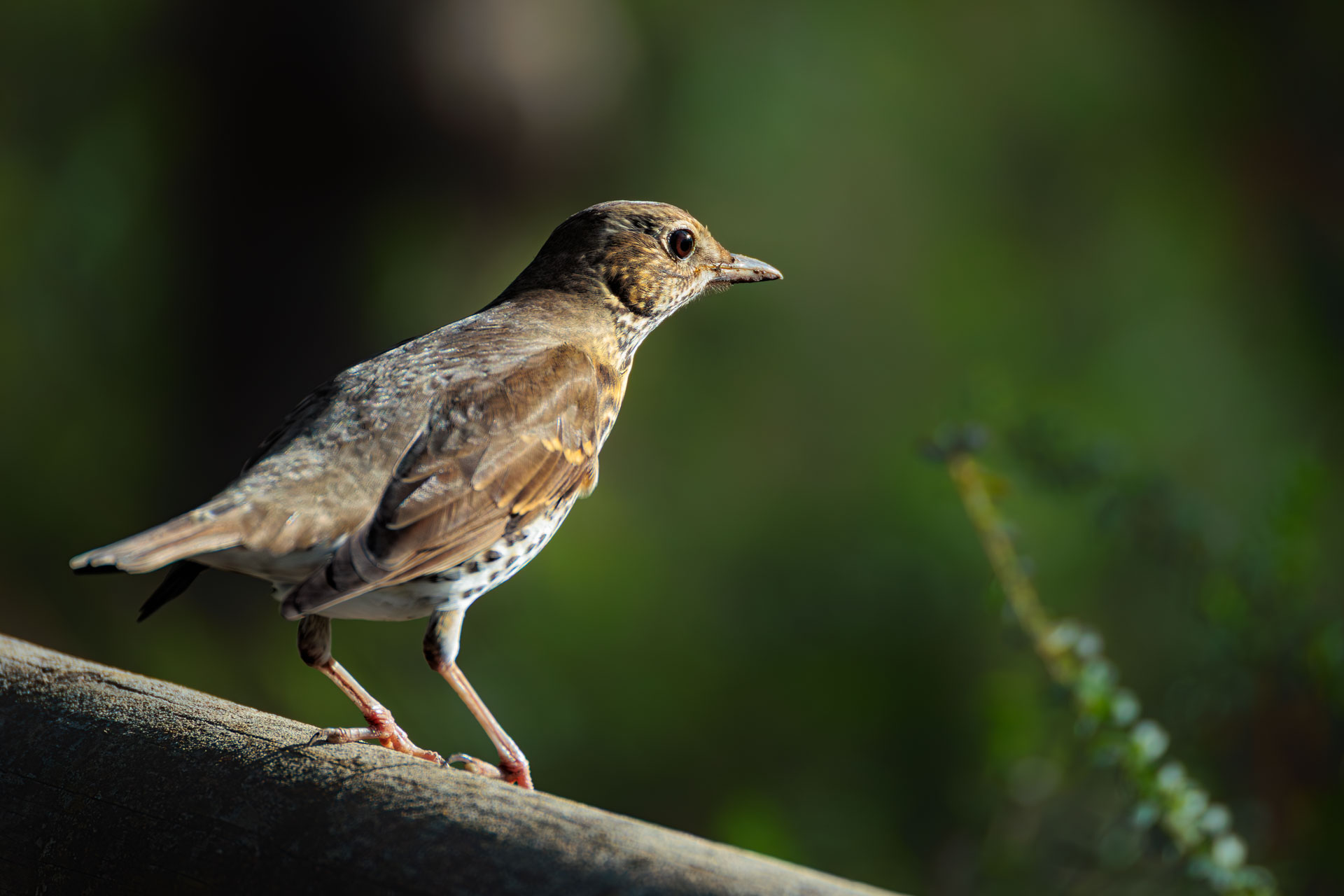
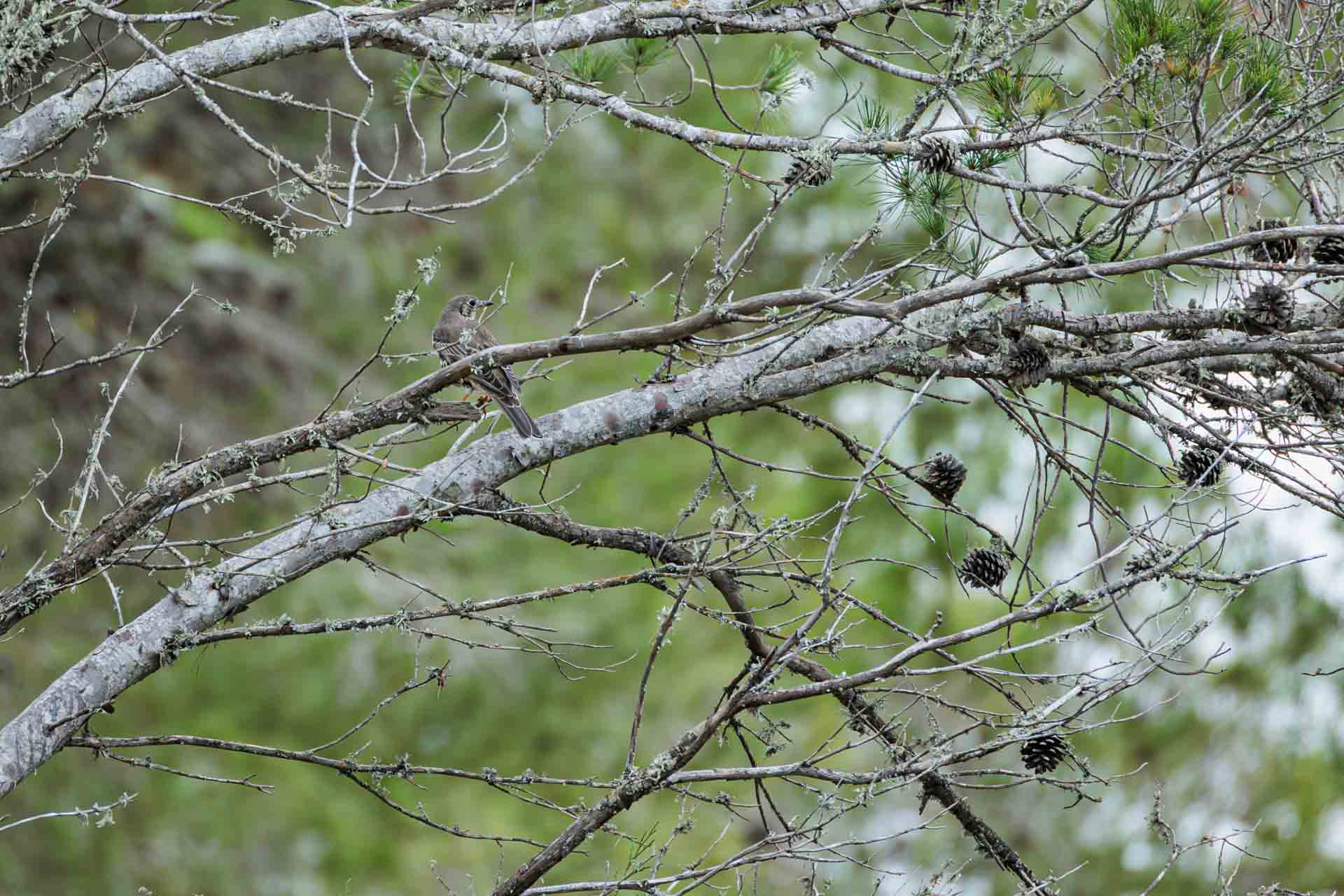
A forest bird with a melodious song and mottled plumage. It inhabits forests, gardens and scrubland. In Ibiza it is common in autumn and winter, and is usually seen mainly in wooded areas, although it can also be seen elsewhere. On the island it is a species prized by hunters.
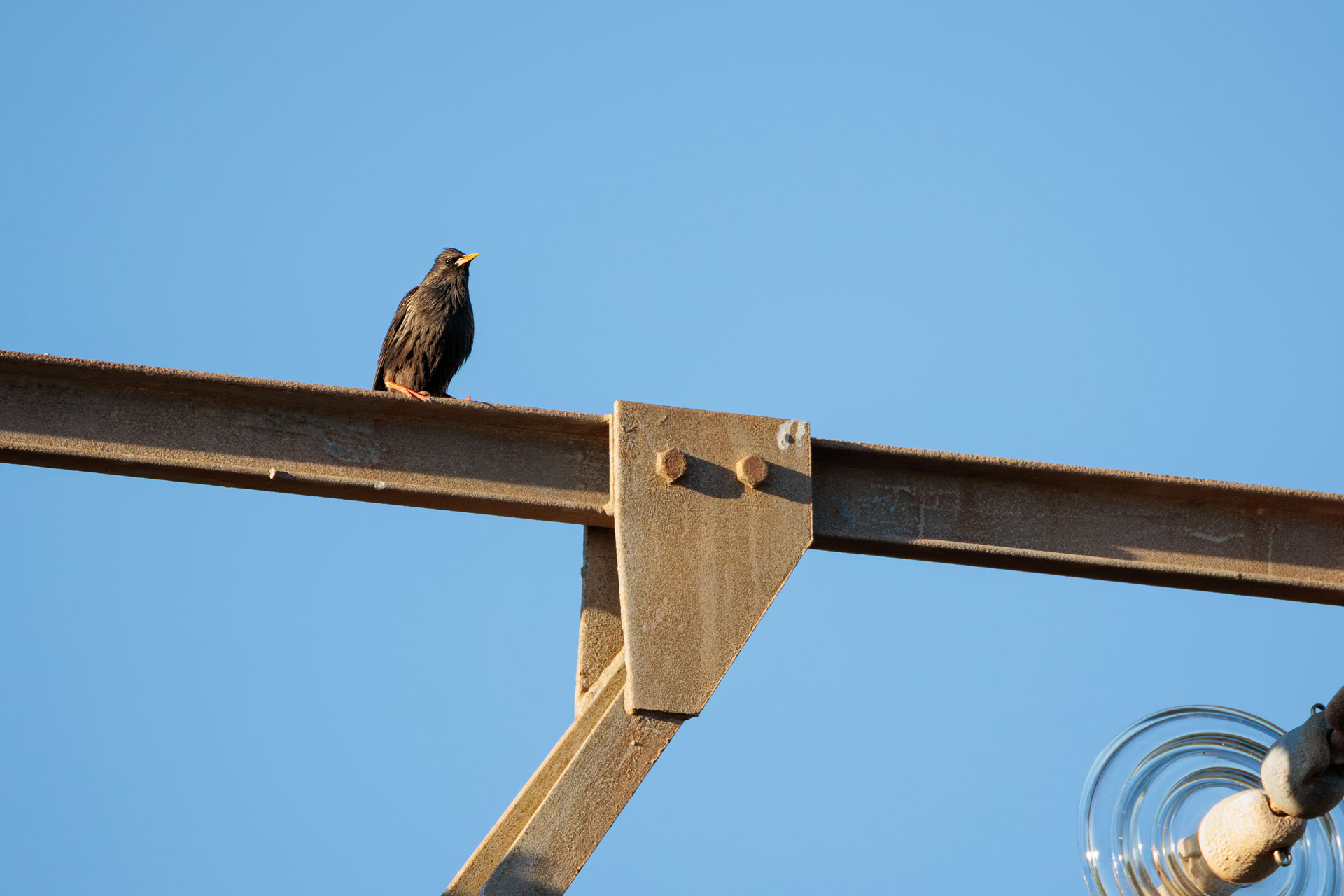
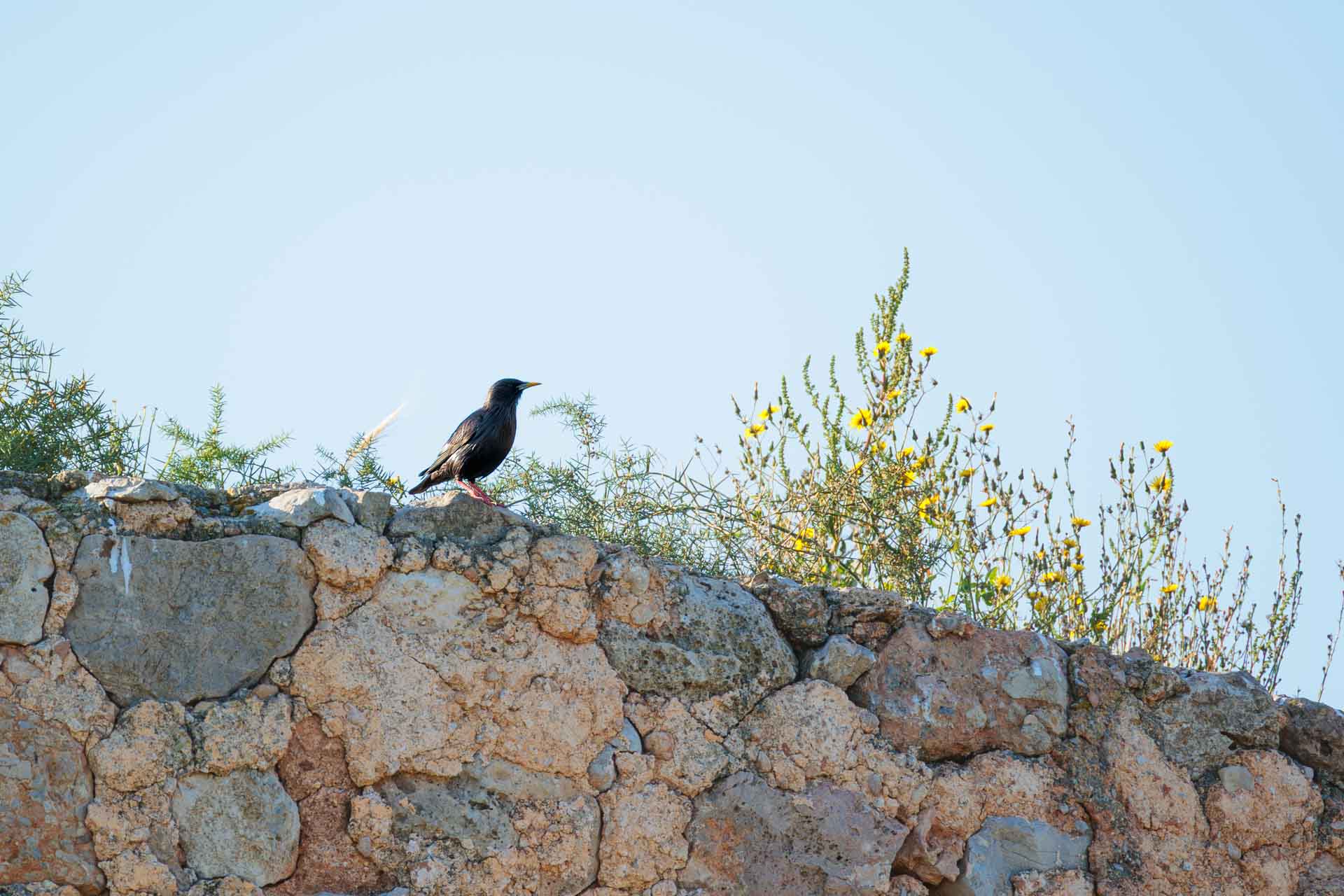
The spotless starling is a very sociable and adaptable bird, easily recognisable by its dark plumage with shiny highlights, although it can sometimes be confused with the spotted starling. It frequents agricultural fields and open areas, where it feeds on insects, fruit and small invertebrates. It is present in Ibiza all year round, although it is easiest to spot during the summer in small colonies. During the winter, some individuals may mingle with large flocks of spotted starlings, making them difficult to spot.
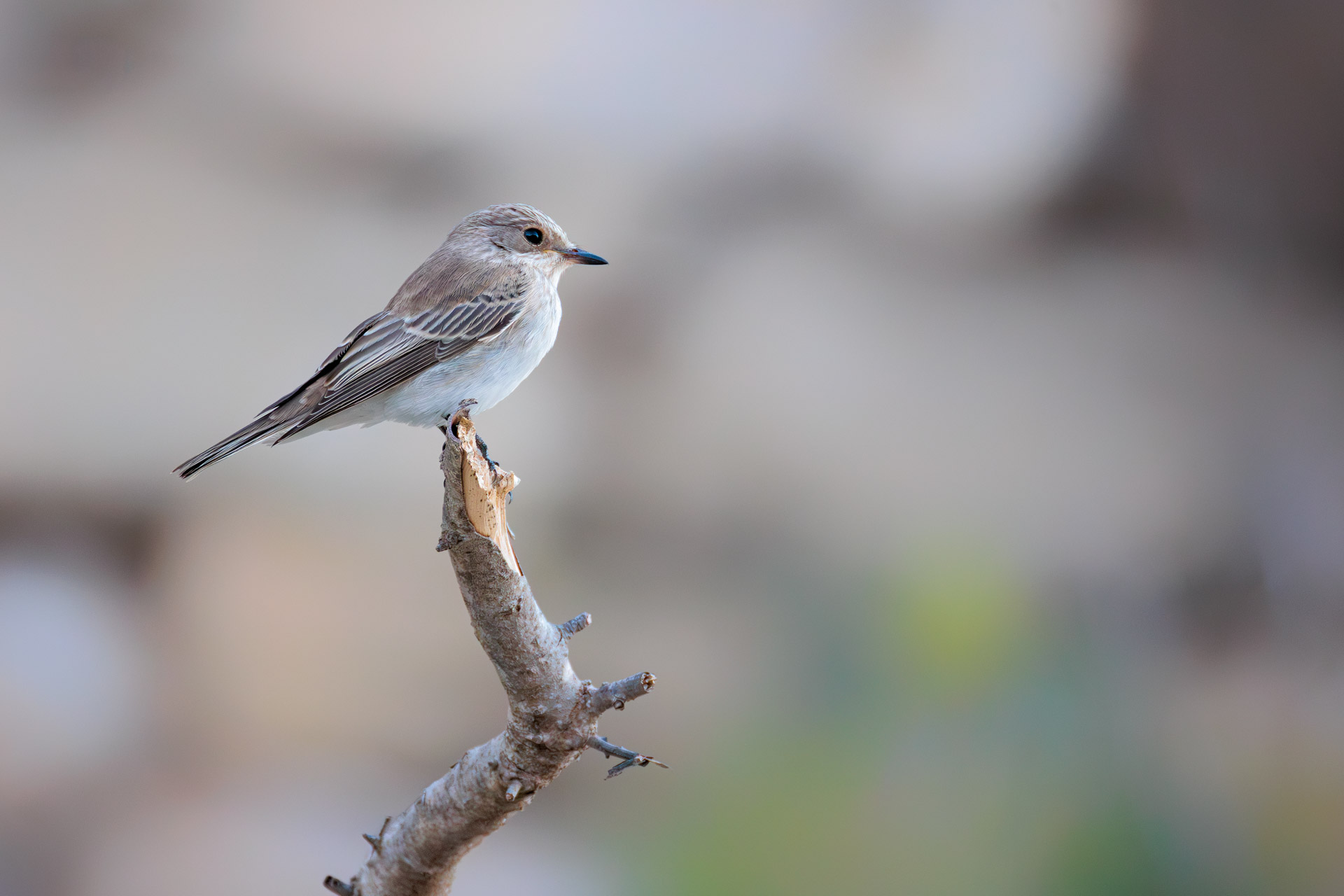
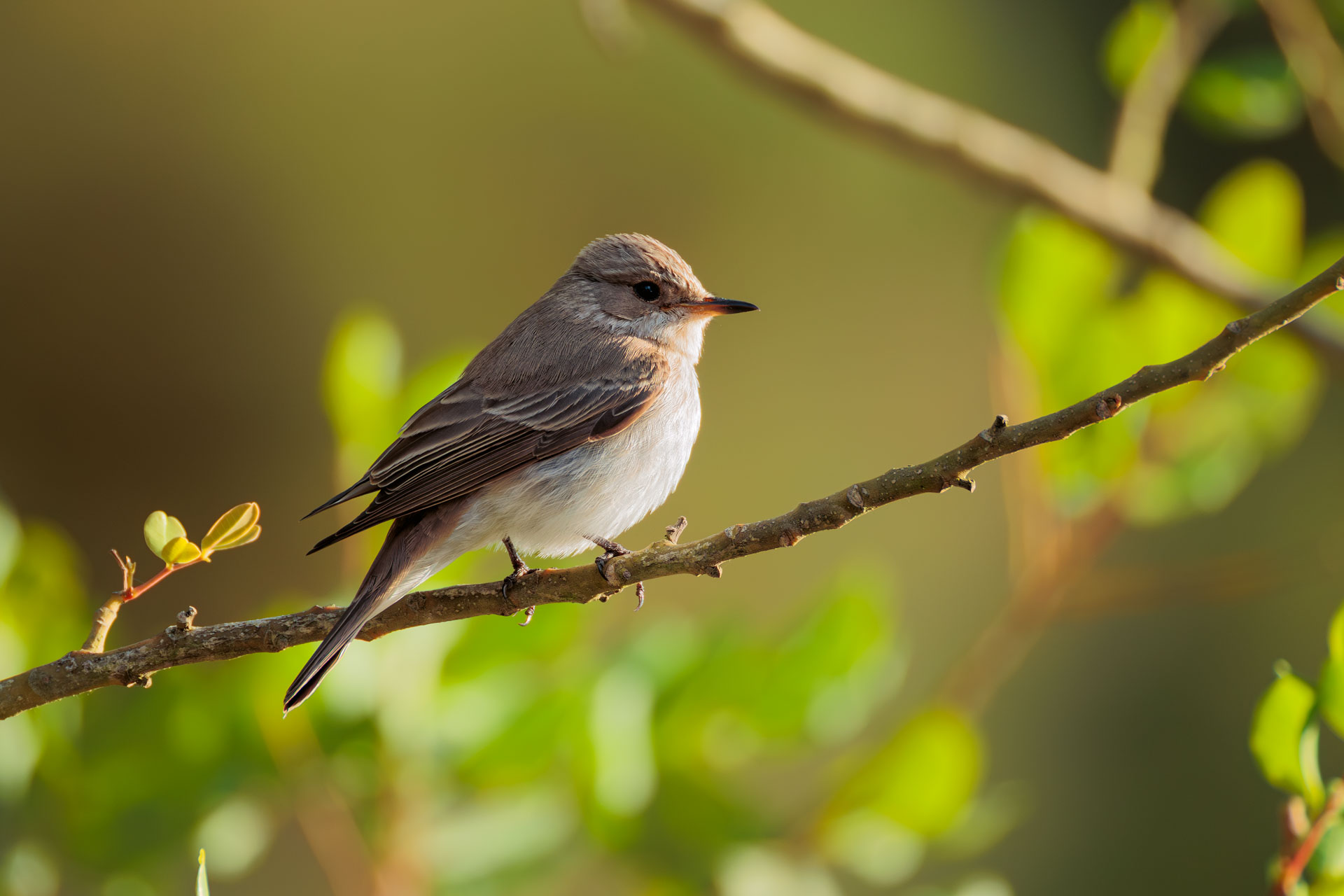
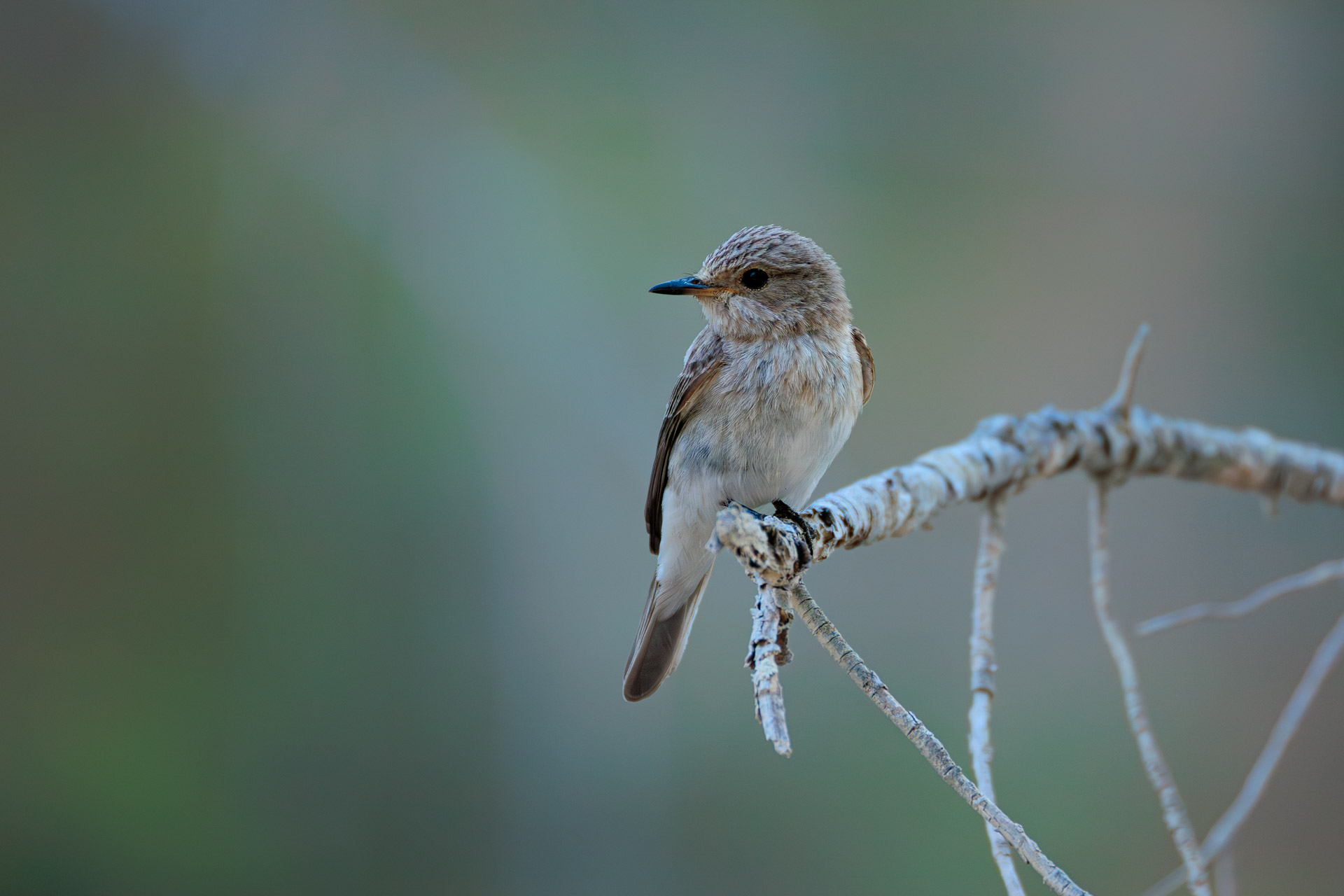
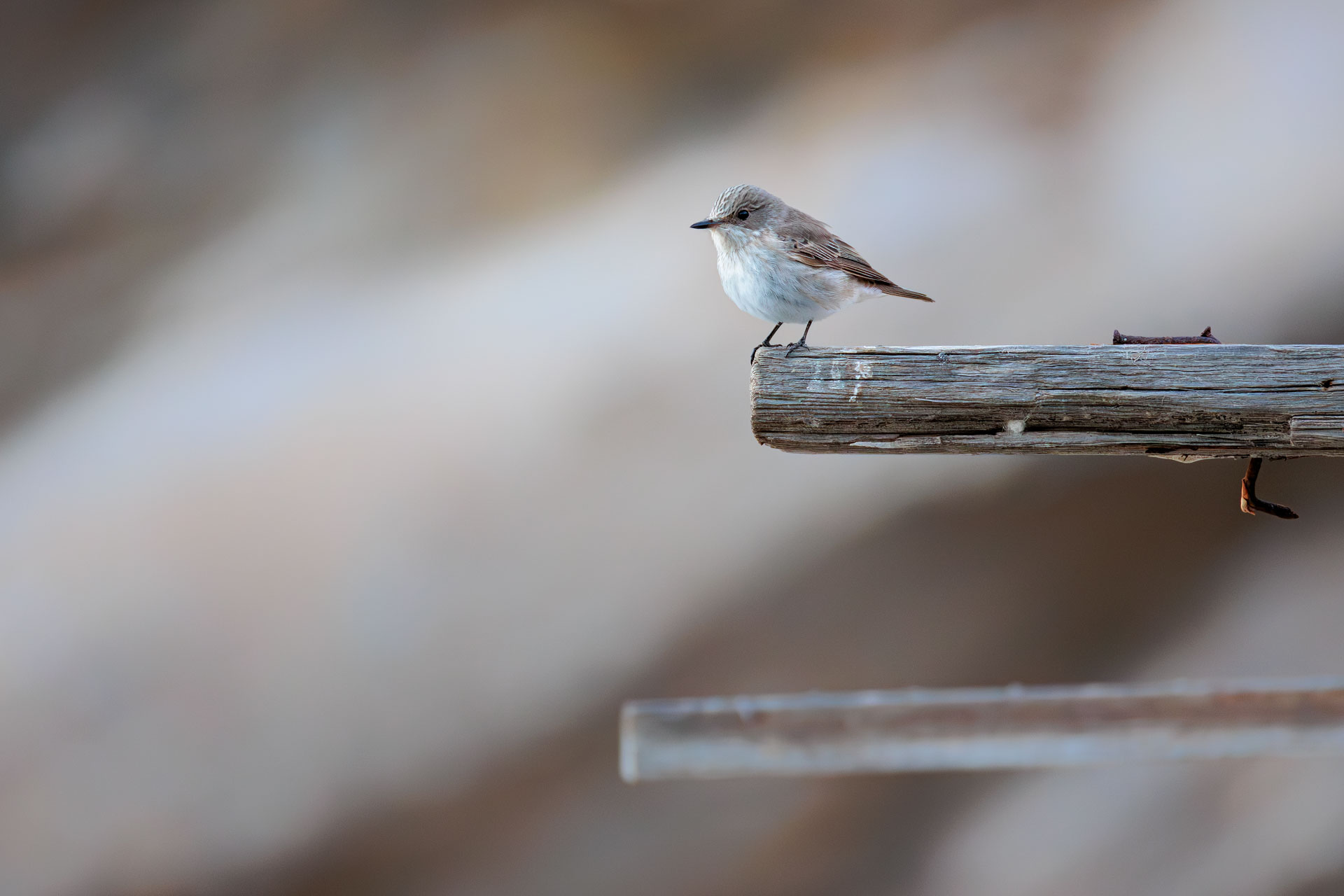
A discreet bird with dull plumage, specialising in catching insects in flight. It usually perches on exposed branches from which it makes short hunting flights. In Ibiza it is common during migration and the breeding season, being one of the most abundant migratory birds during the summer. It is worth noting that a Balearic subspecies is found here.
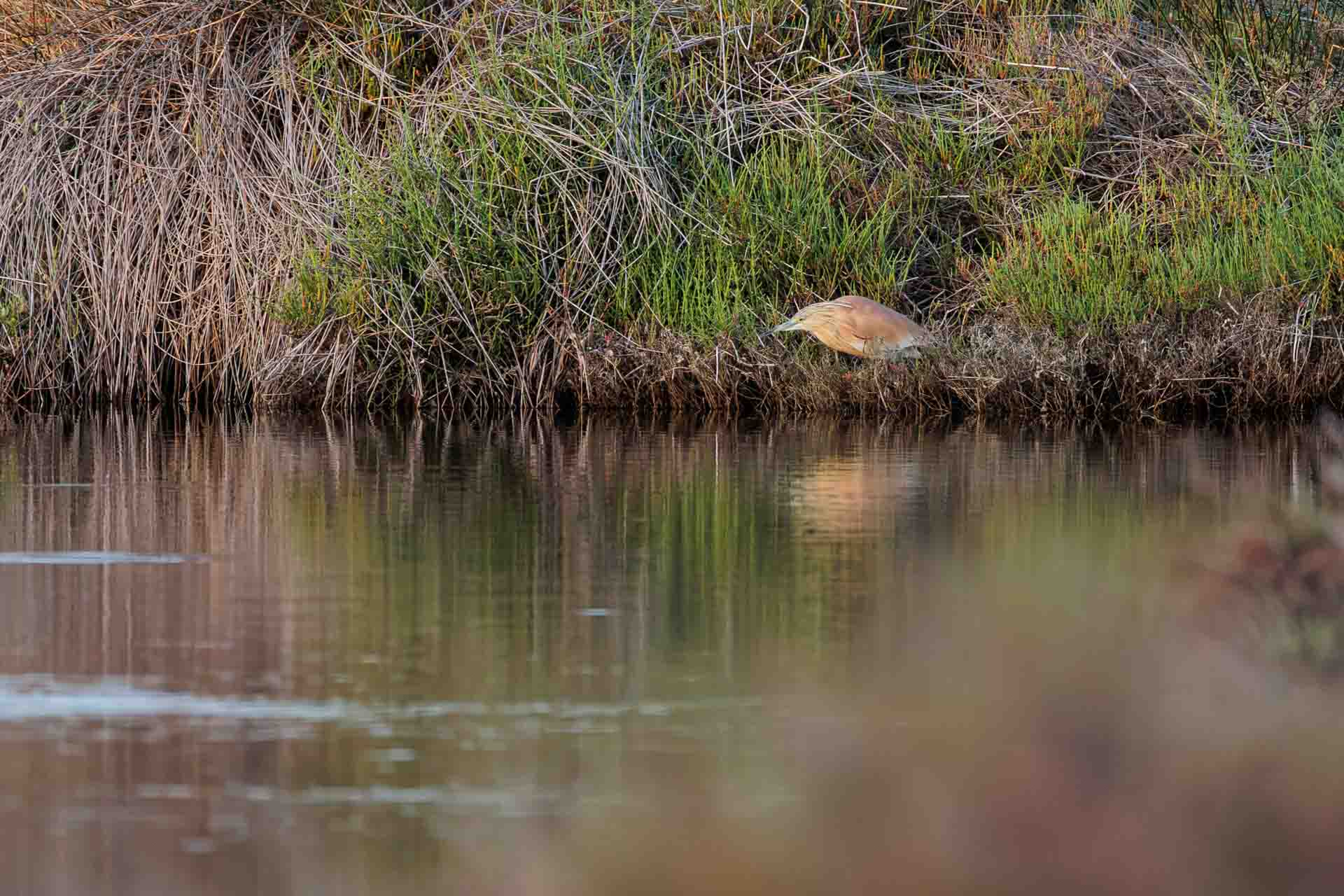
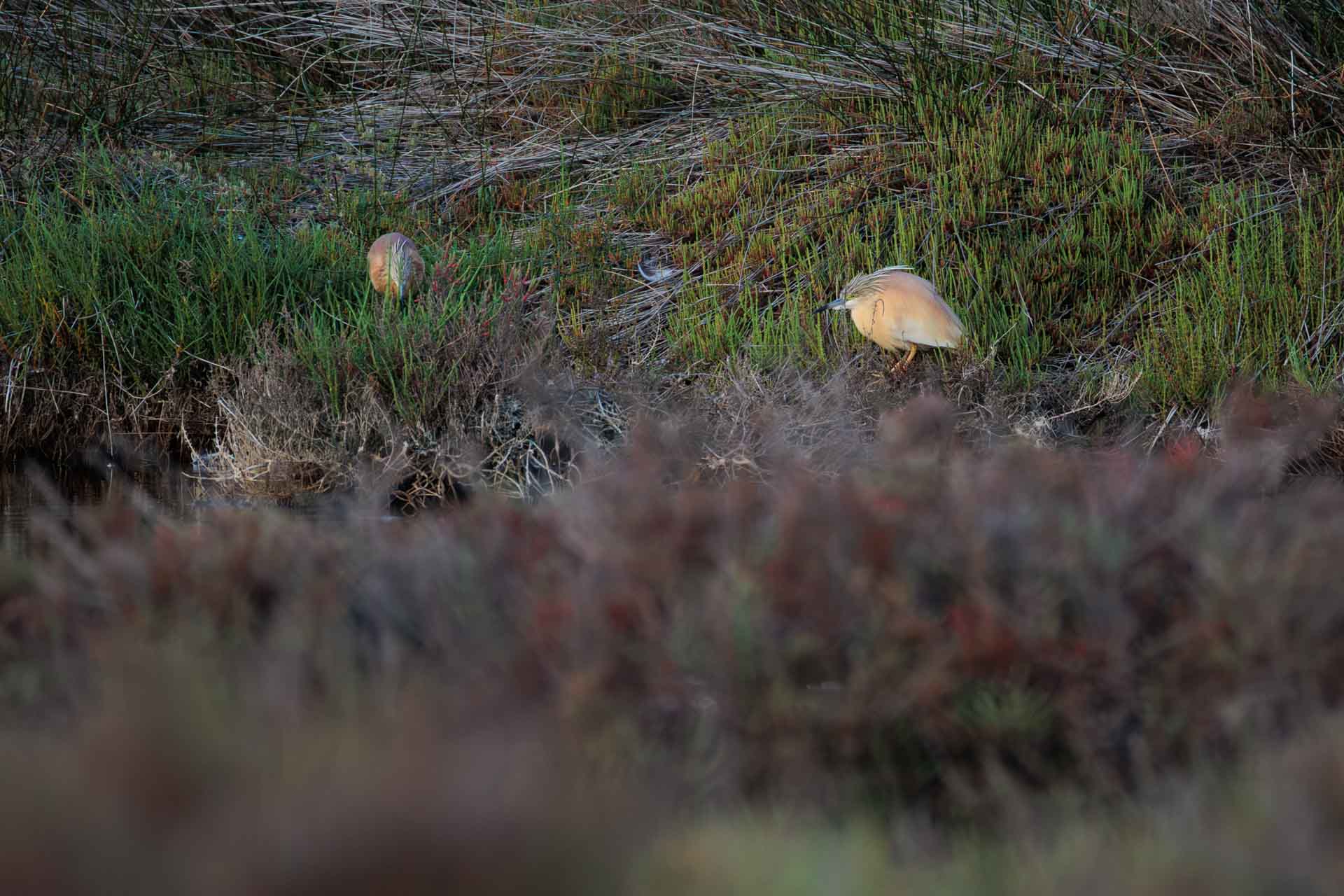
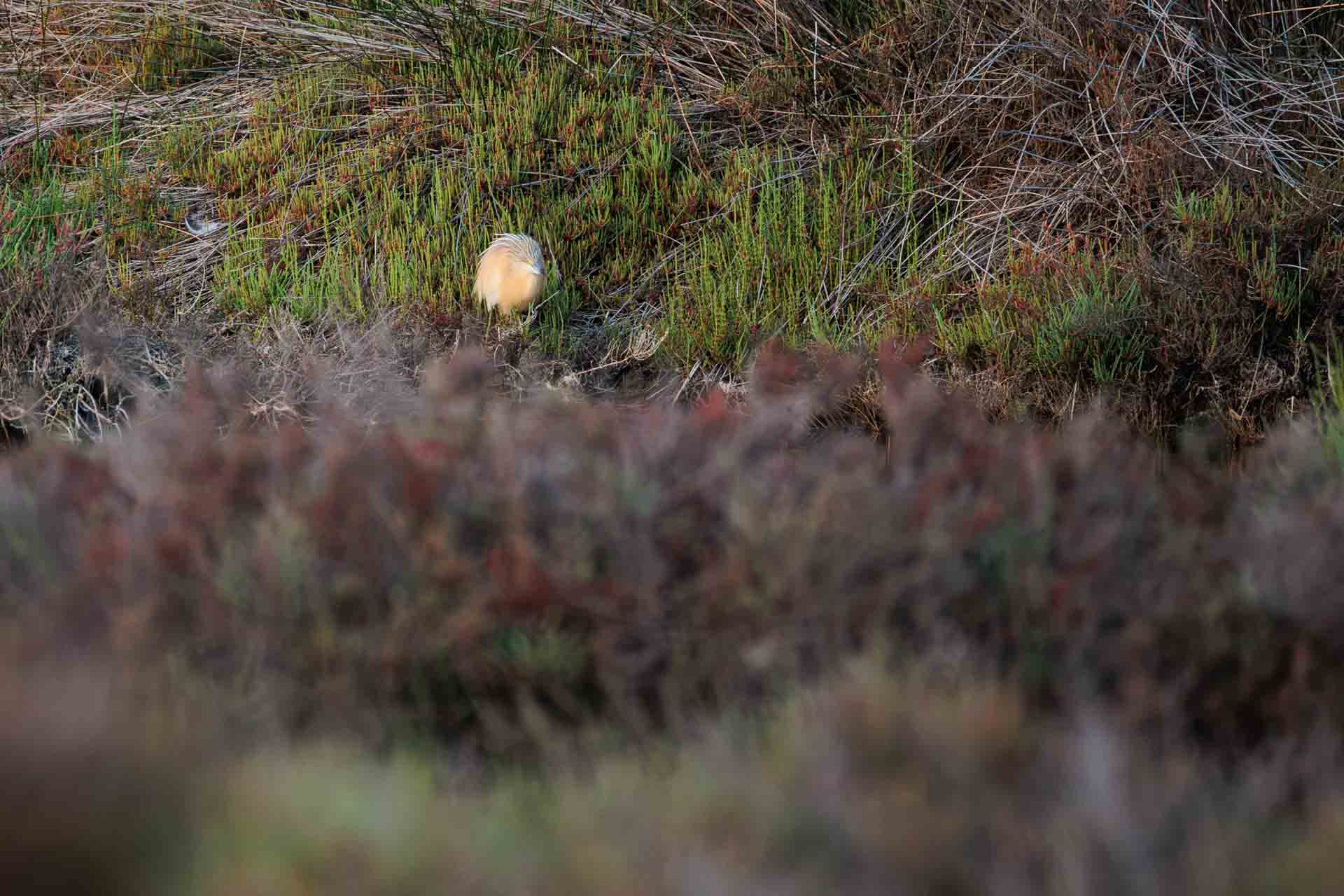
The Squacco Heron is a small, pale-coloured heron with an elegant appearance, associated with wetlands, marshes and shallow lagoons. It feeds on insects, amphibians and small crustaceans, remaining motionless before capturing its prey. In Ibiza, it is mainly observed during migratory passages, where it can be seen in areas such as Ses Feixes or Ses Salines, although its elusive behaviour can make it difficult to spot.
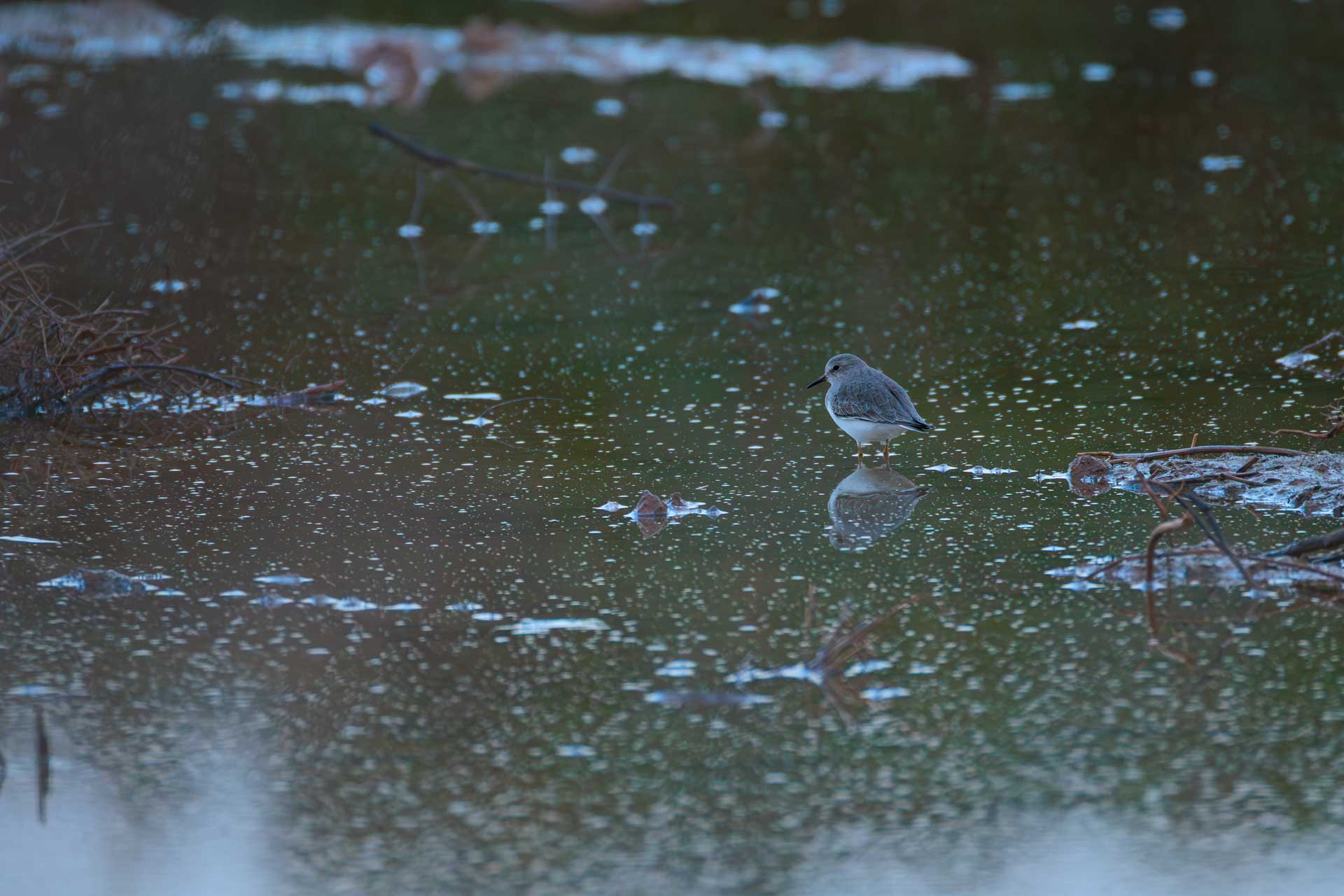
A small, agile migratory wader. It inhabits marshes, beaches and coastal wetlands, feeding on small invertebrates in shallow water and muddy edges. In Ibiza it is a rare migrant, with occasional records in places such as Ses Salines during passage periods.
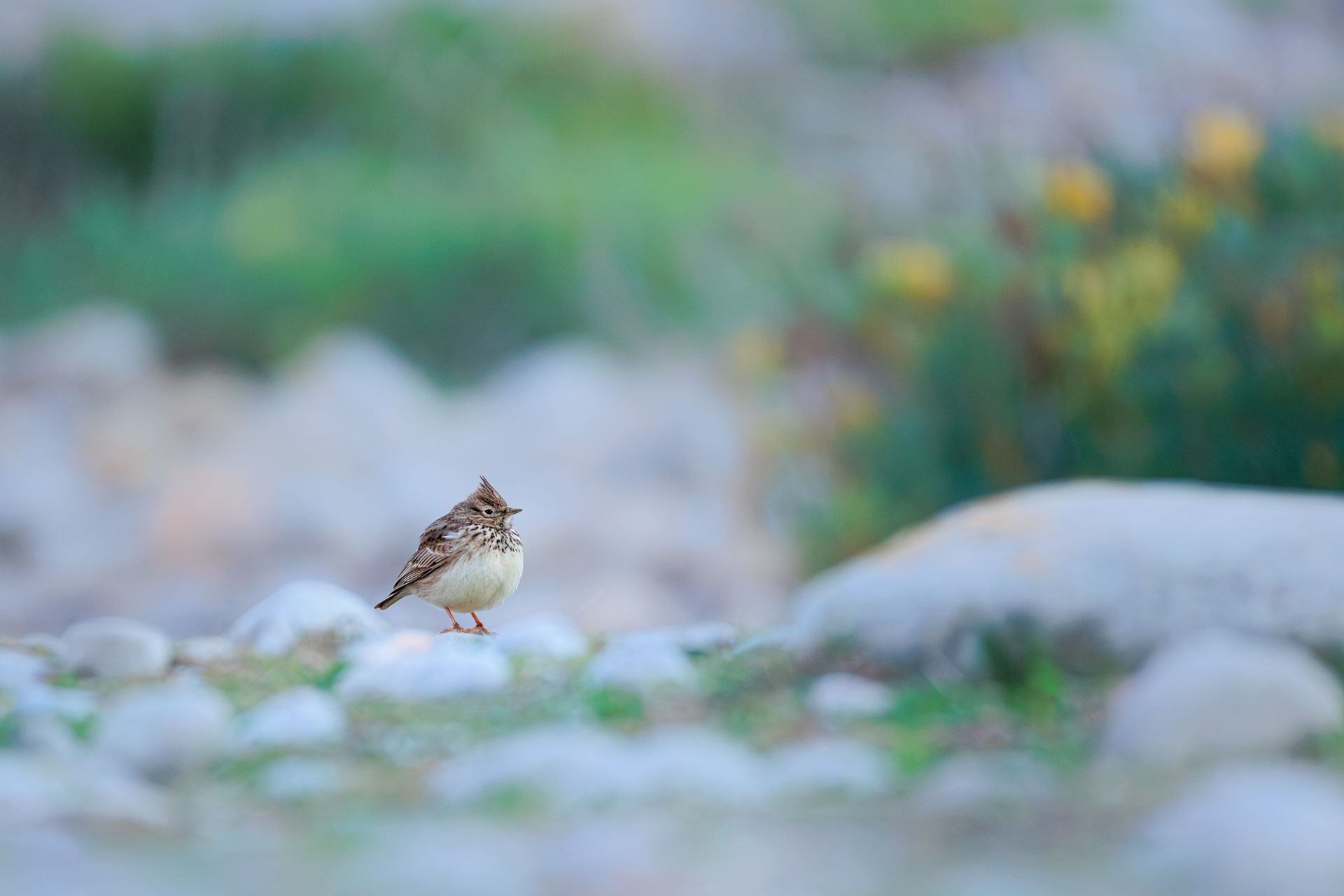
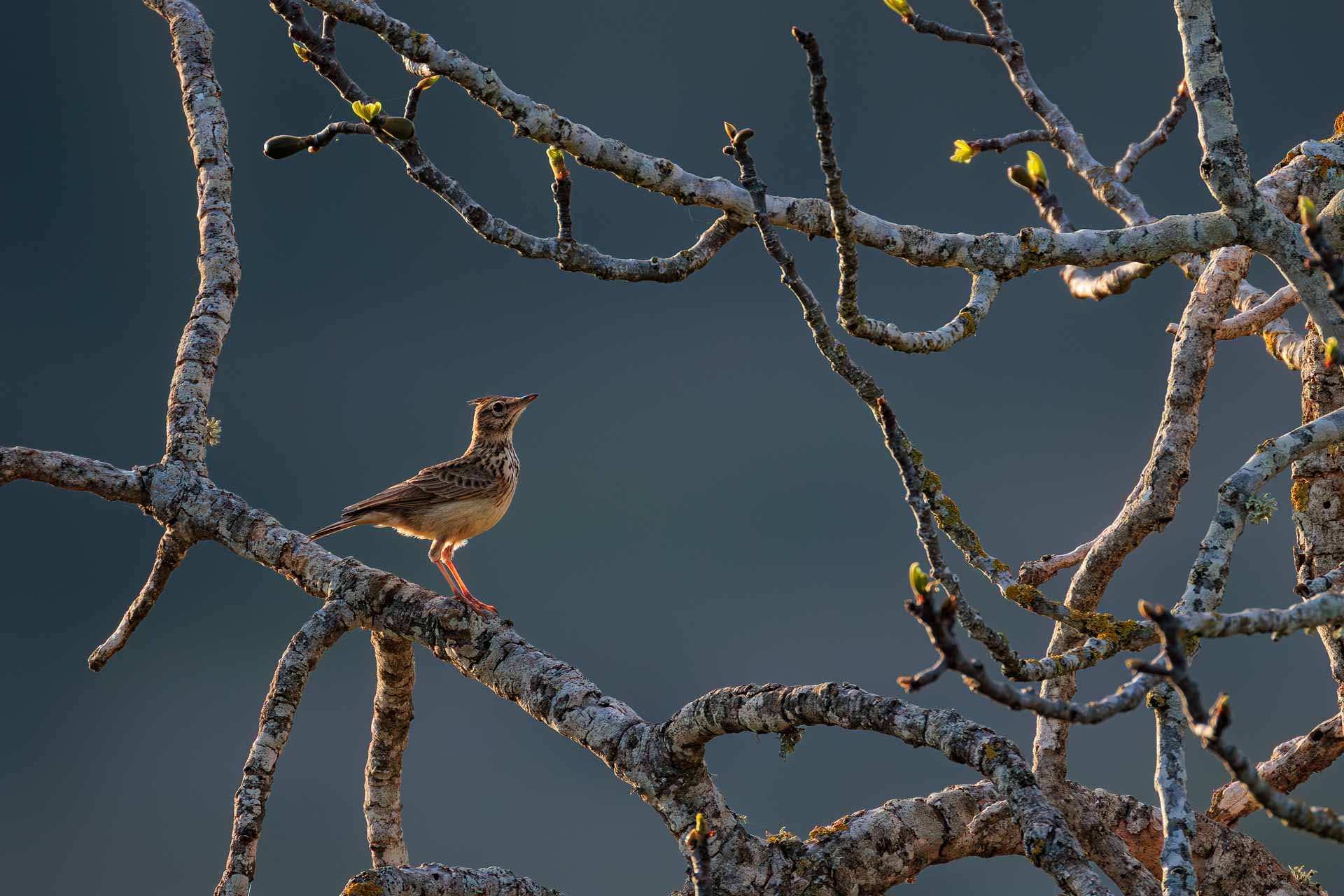
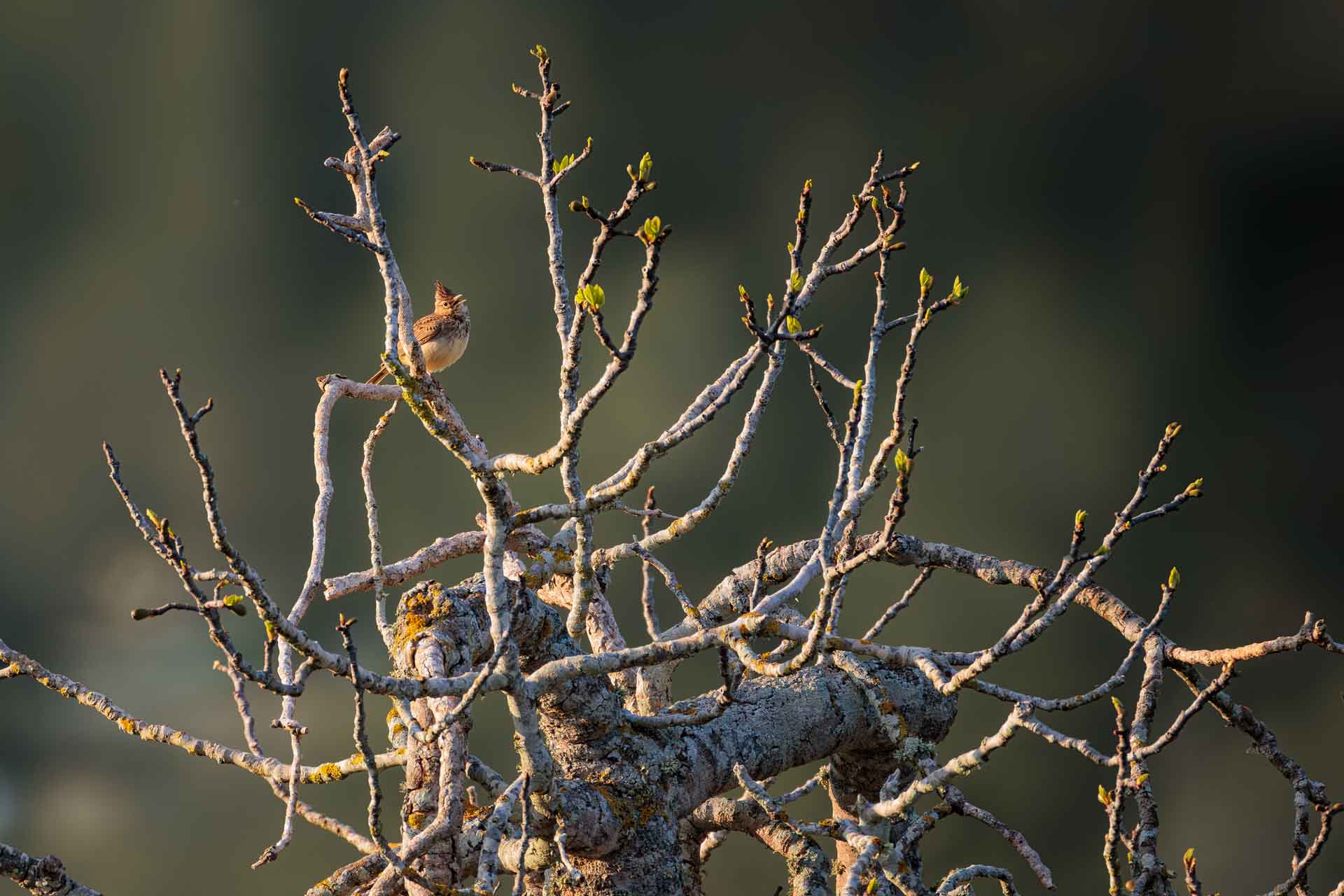
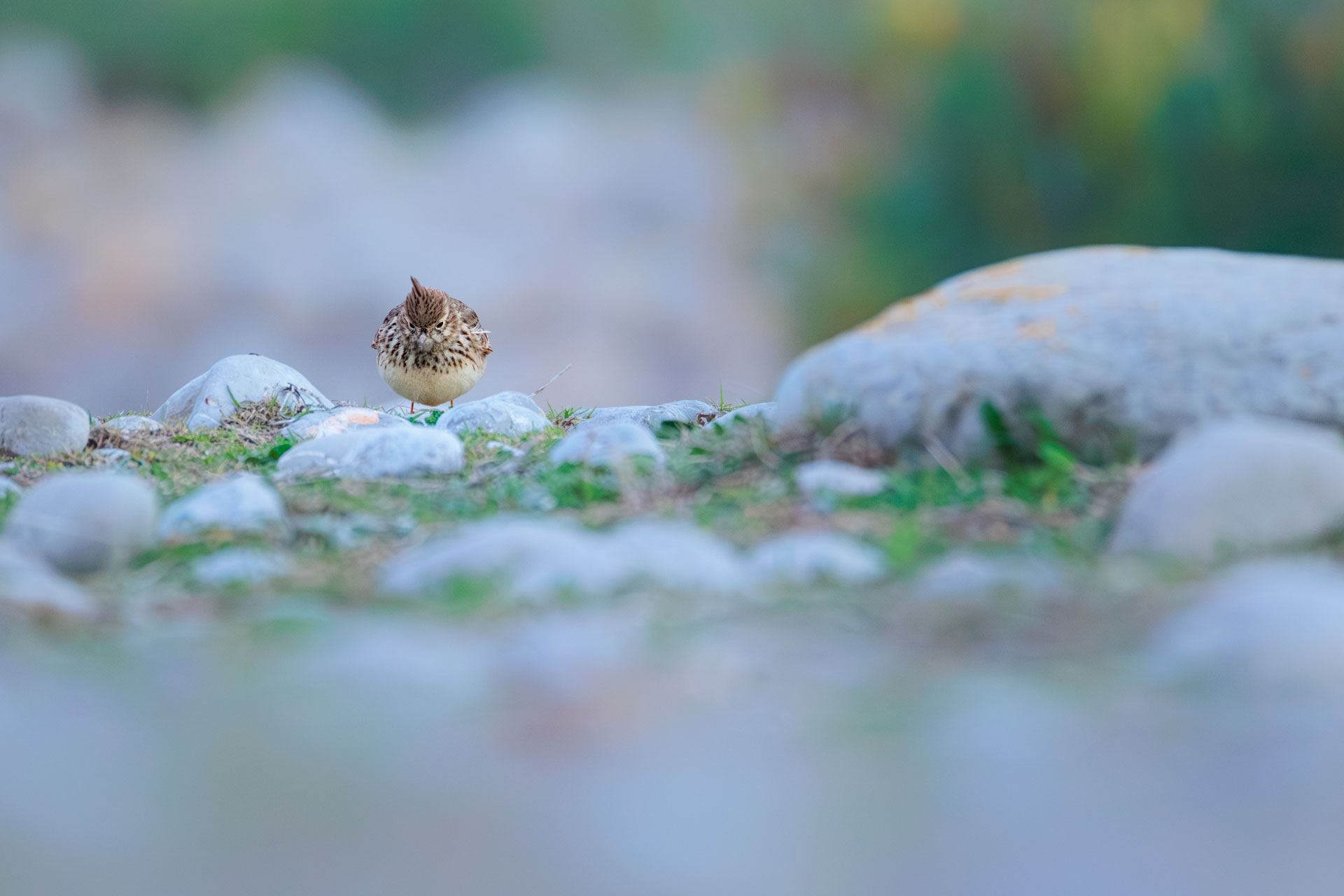
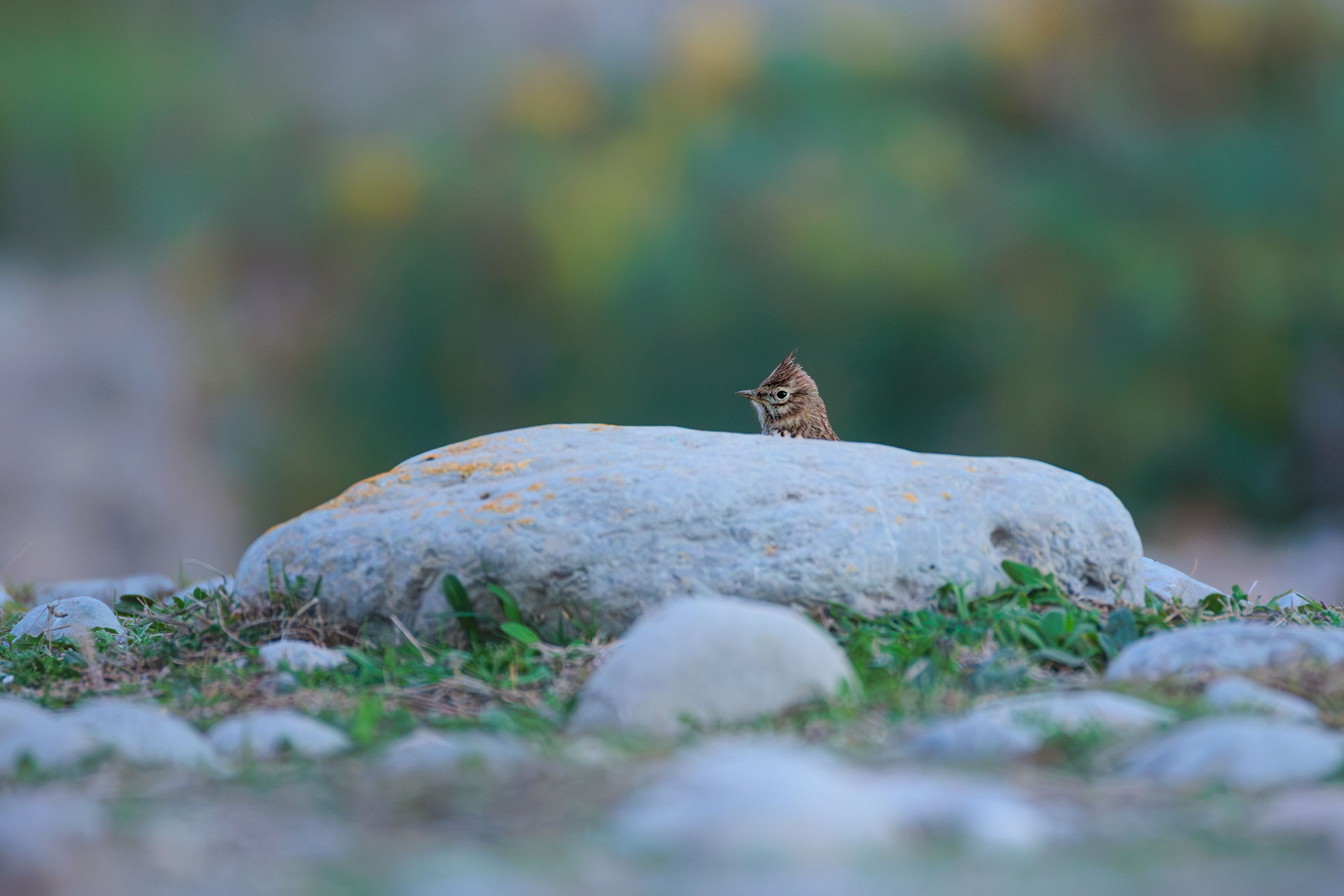
A small, ground-dwelling bird with unobtrusive habits, typical of rocky and open areas. It feeds on insects and seeds. In Ibiza, it is relatively common in open fields and stony slopes, such as the Pla de Sant Mateu area or Es Codolar beach in Ses Salines.
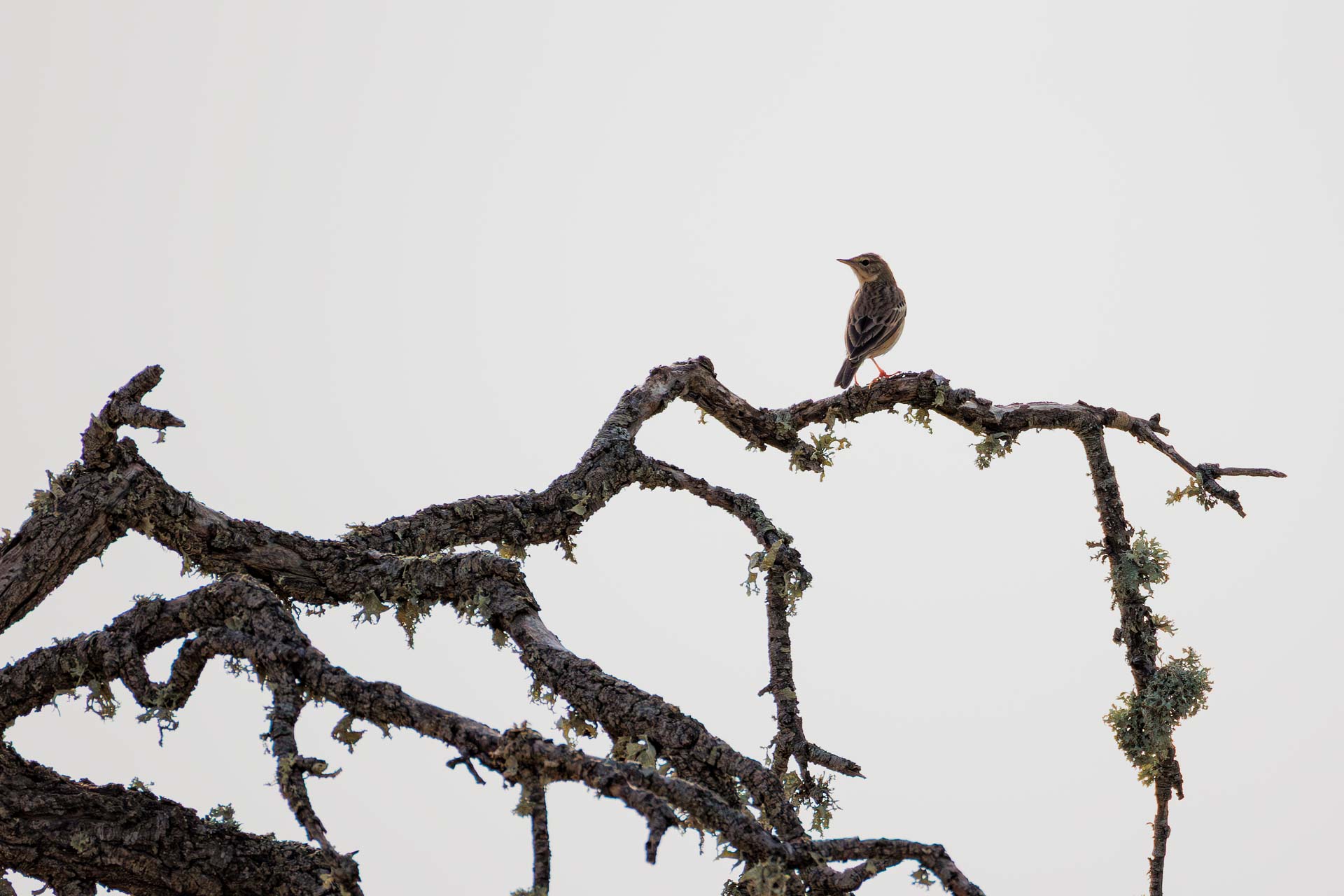
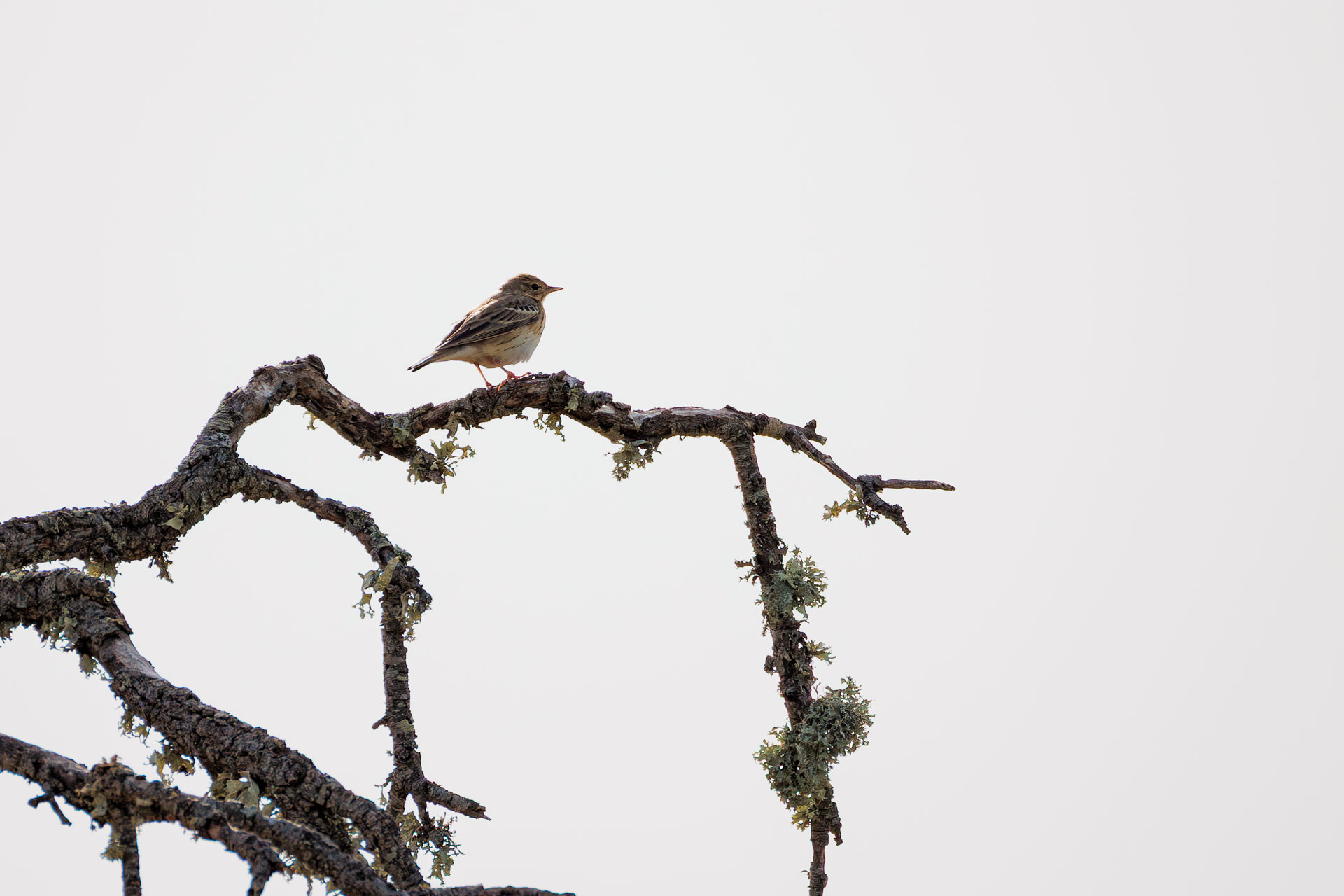
The Tree Pipit is a small migratory bird with brownish plumage and a drab appearance. It frequents open areas with scattered trees, forest clearings and rural areas, where it feeds on insects on the ground. In Ibiza, it is only observed during migration, in open areas with trees such as the Pla de Sant Mateu.
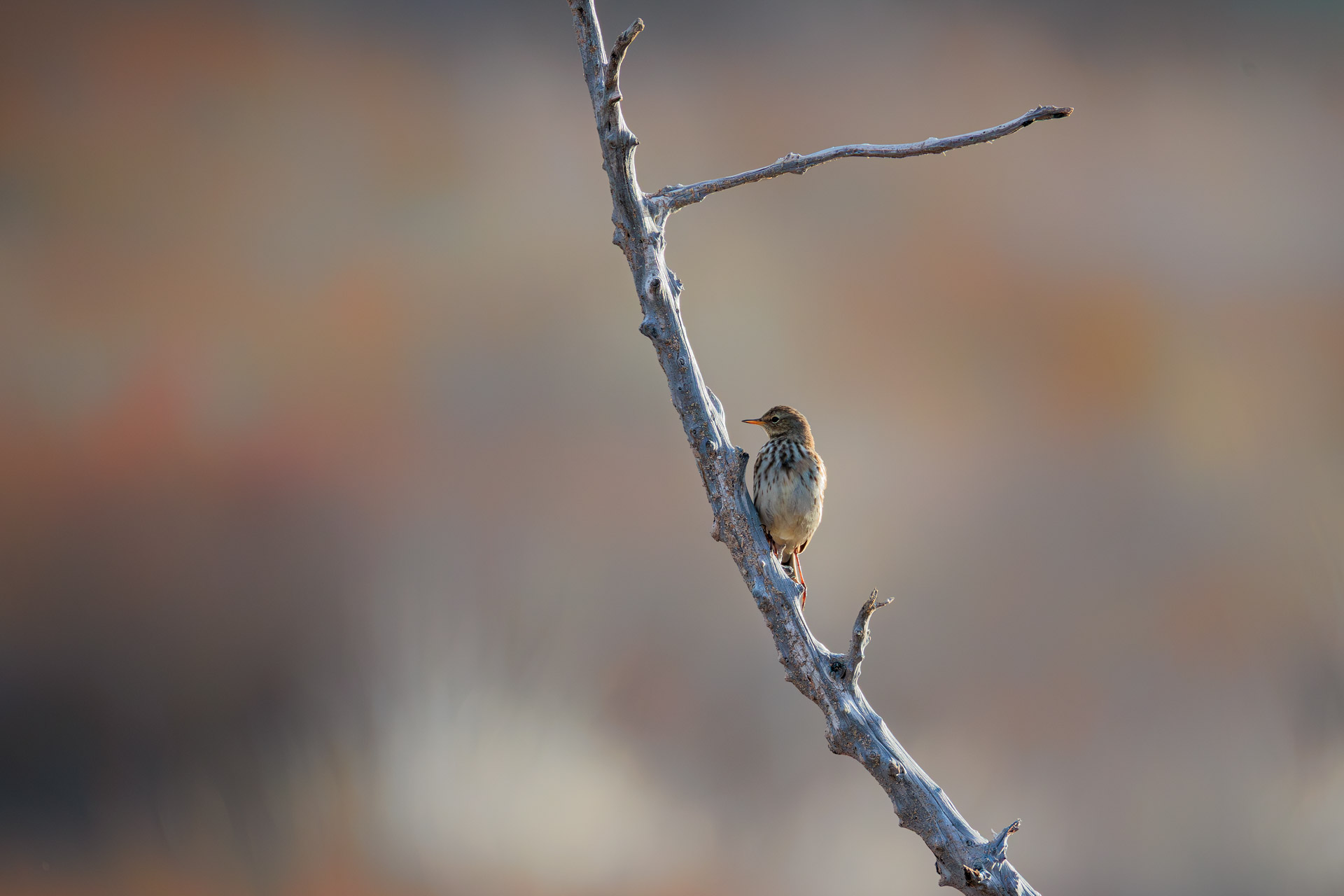
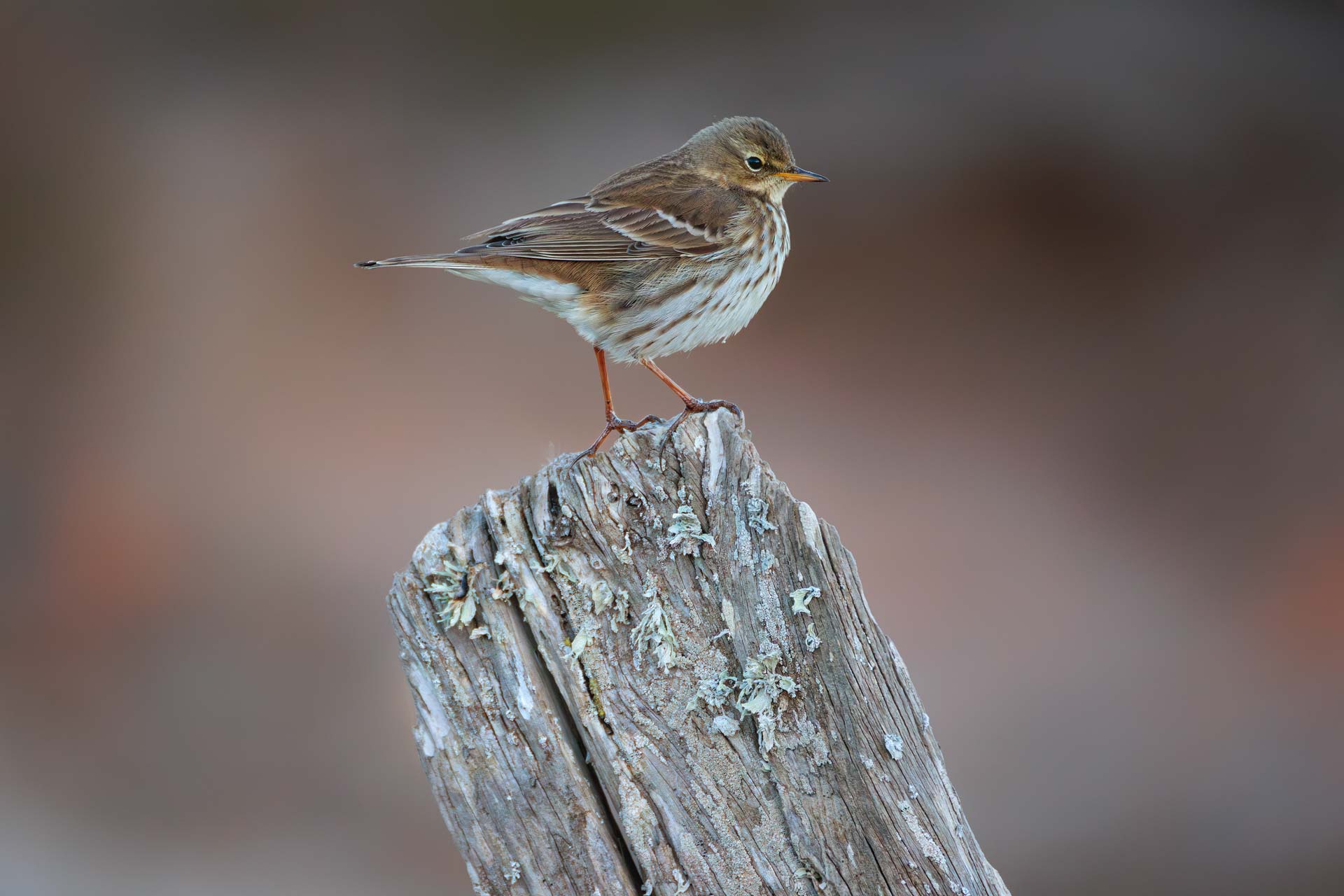
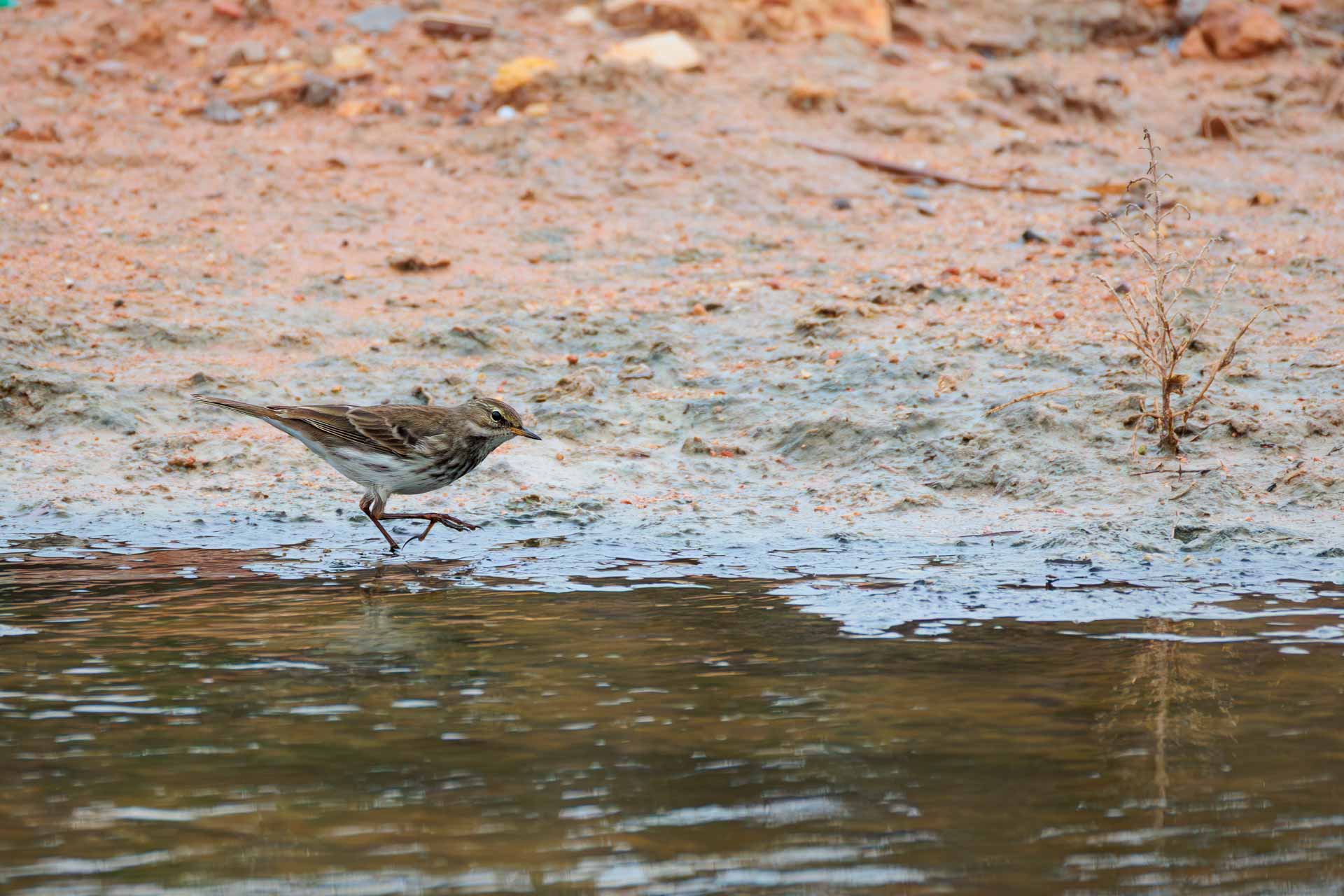
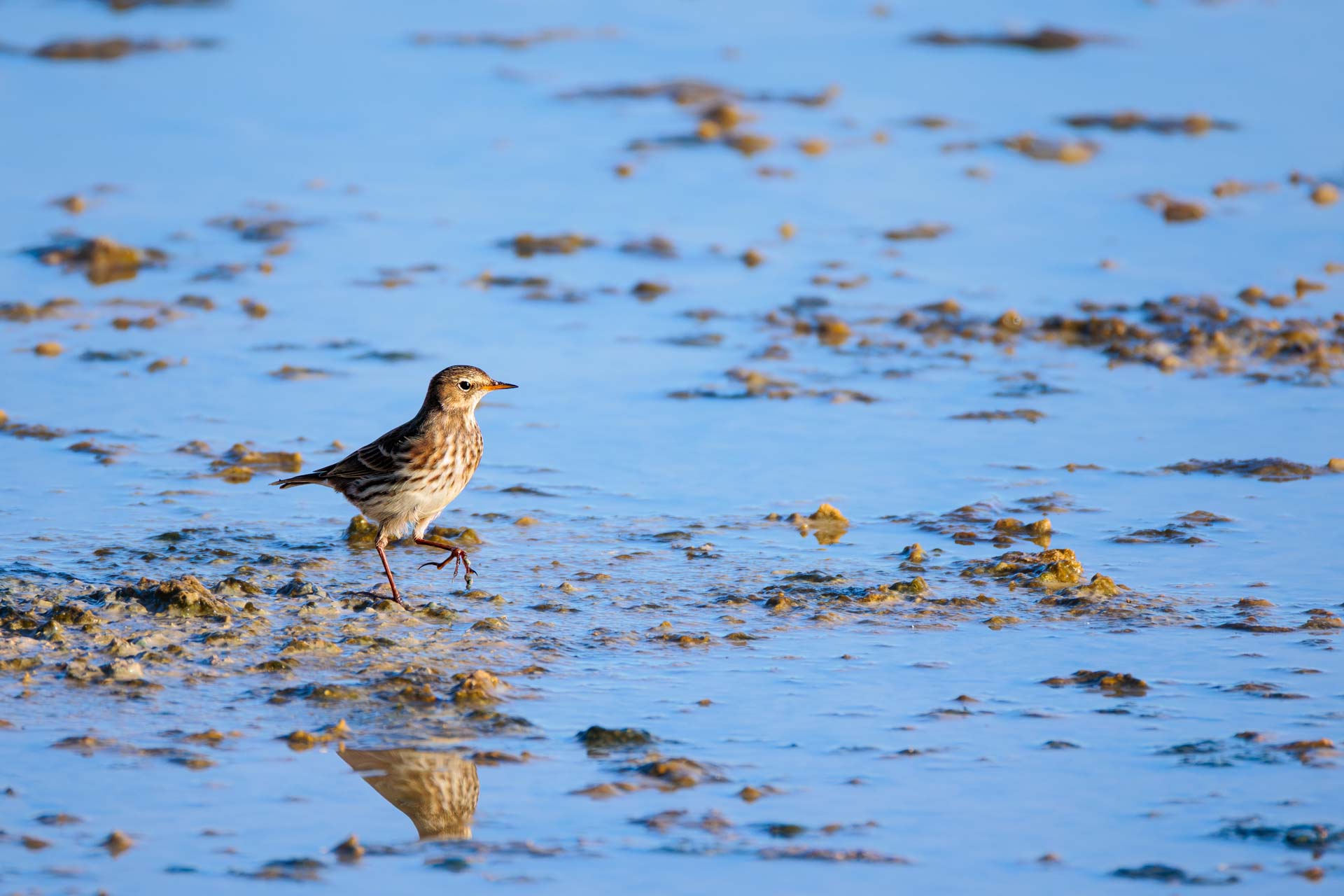
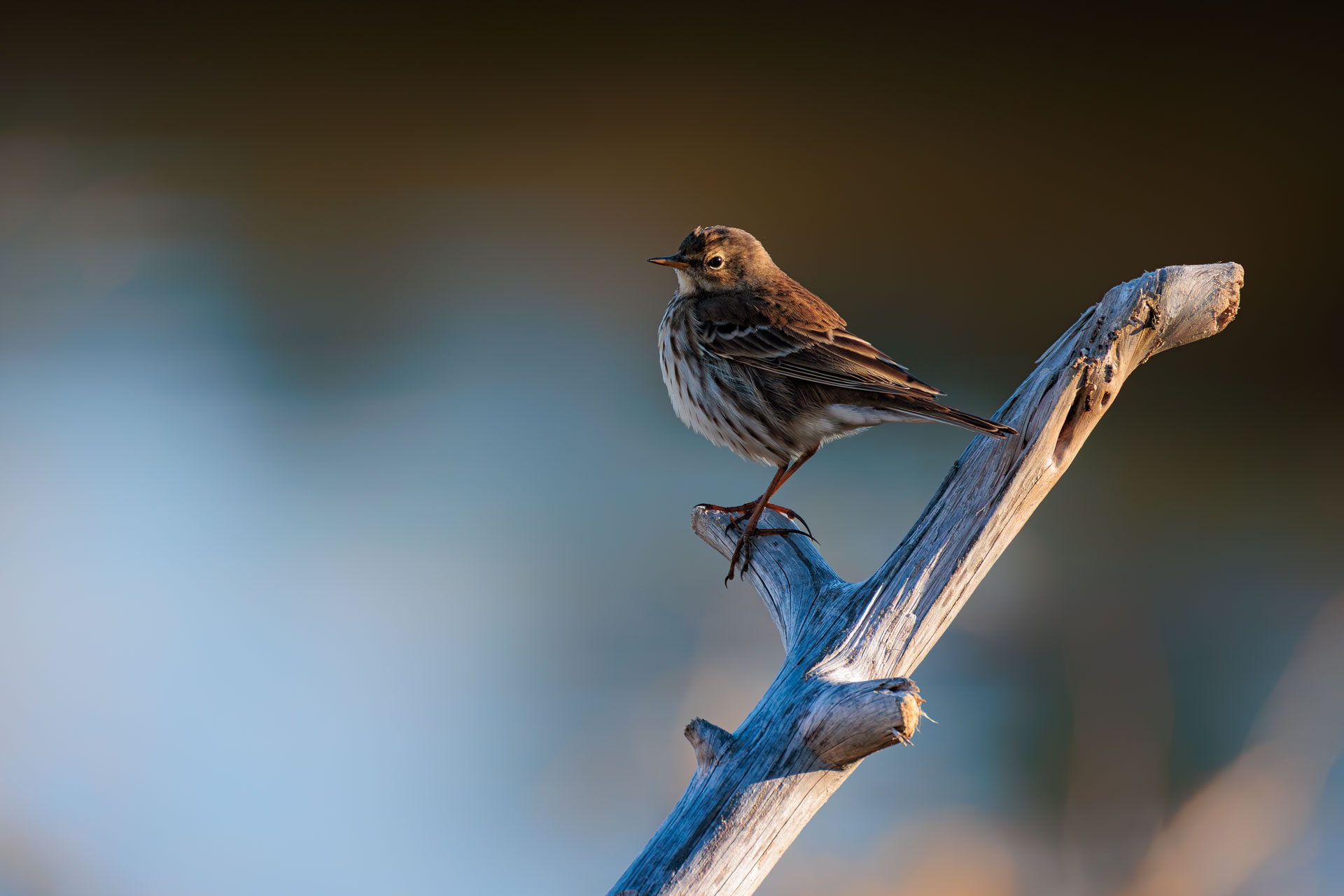
A discreetly plumaged bird of open fields and some wetlands. It feeds on insects and larvae. In Ibiza it can be seen in winter and during migration, although it is not very common. In winter plumage it can be easily confused with Meadow Pipit.
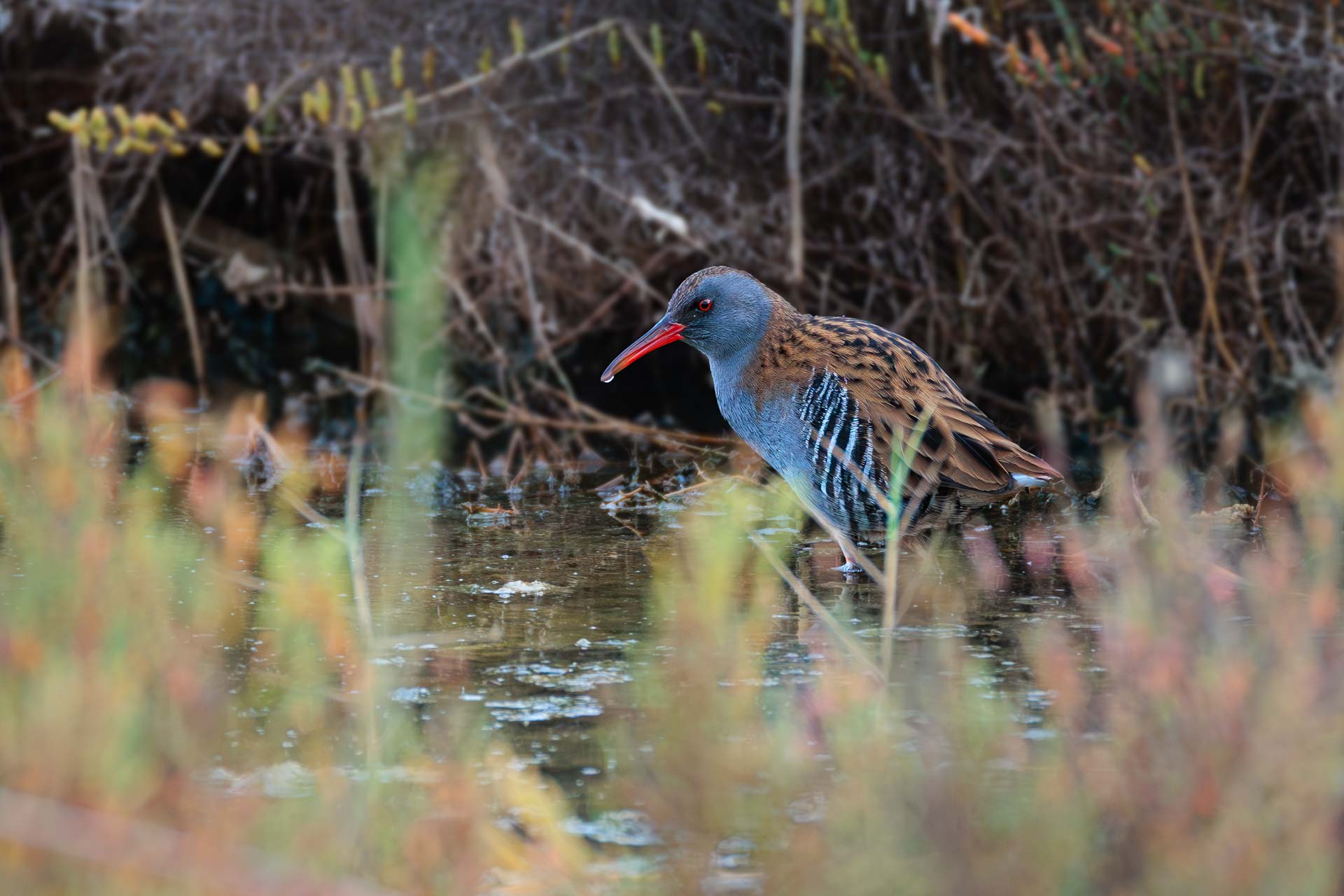
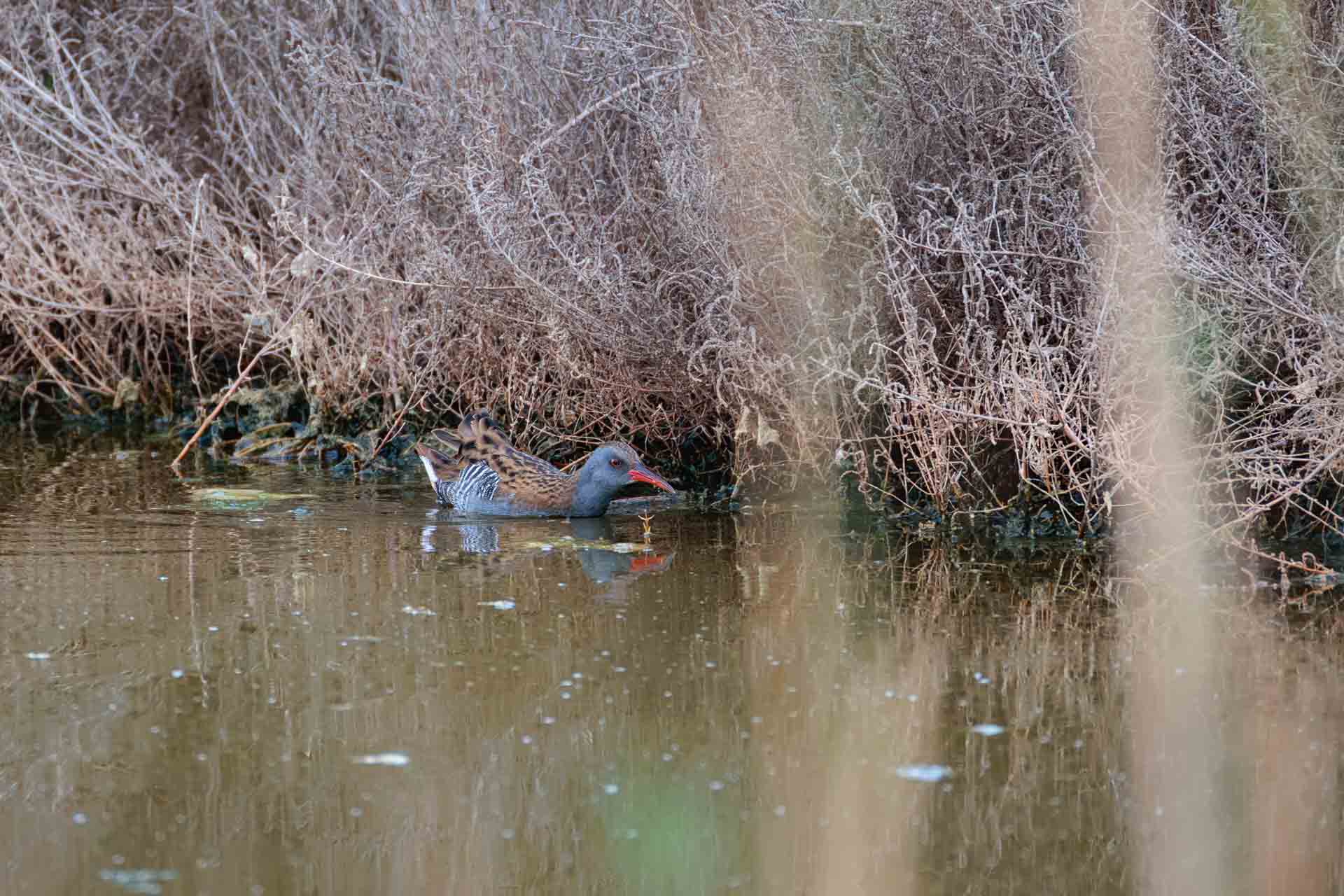
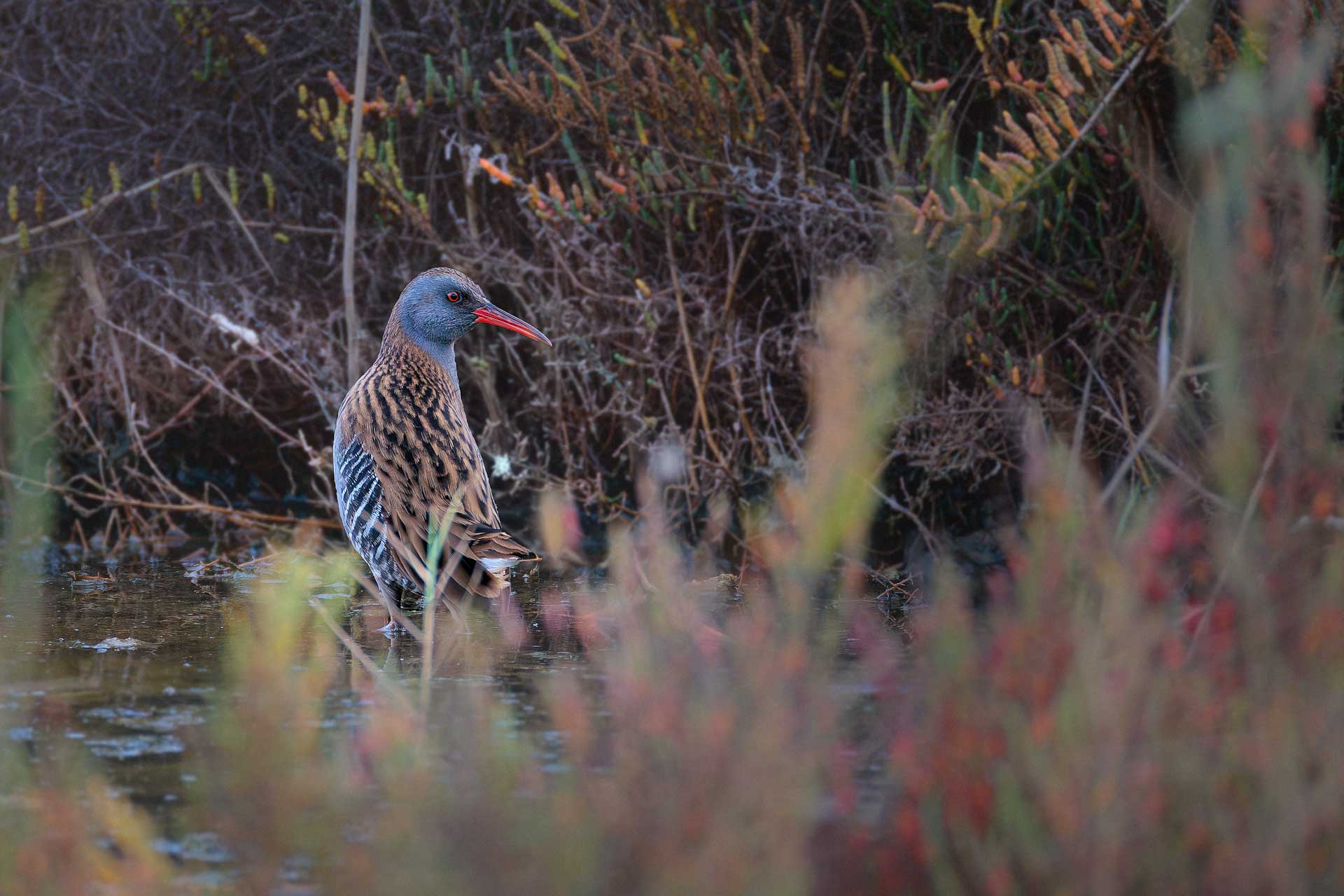
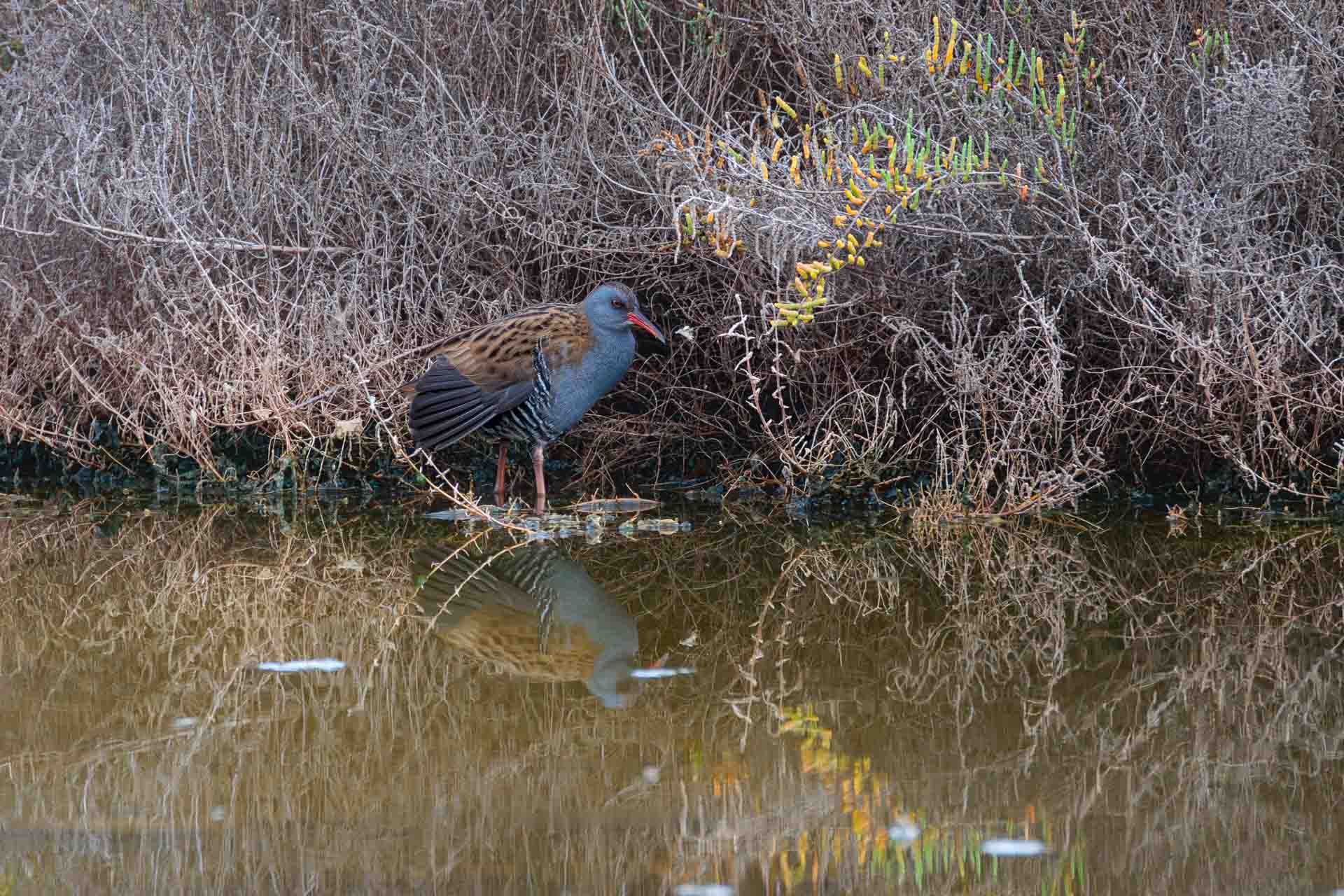
A very elusive species linked to wetlands with dense vegetation. It rarely shows itself, but its presence is often detected by its distinctive calls. In Ibiza it is a scarce breeding resident in reedbeds and humid areas such as Ses Feixes and Ses Salines, though it is very difficult to spot.
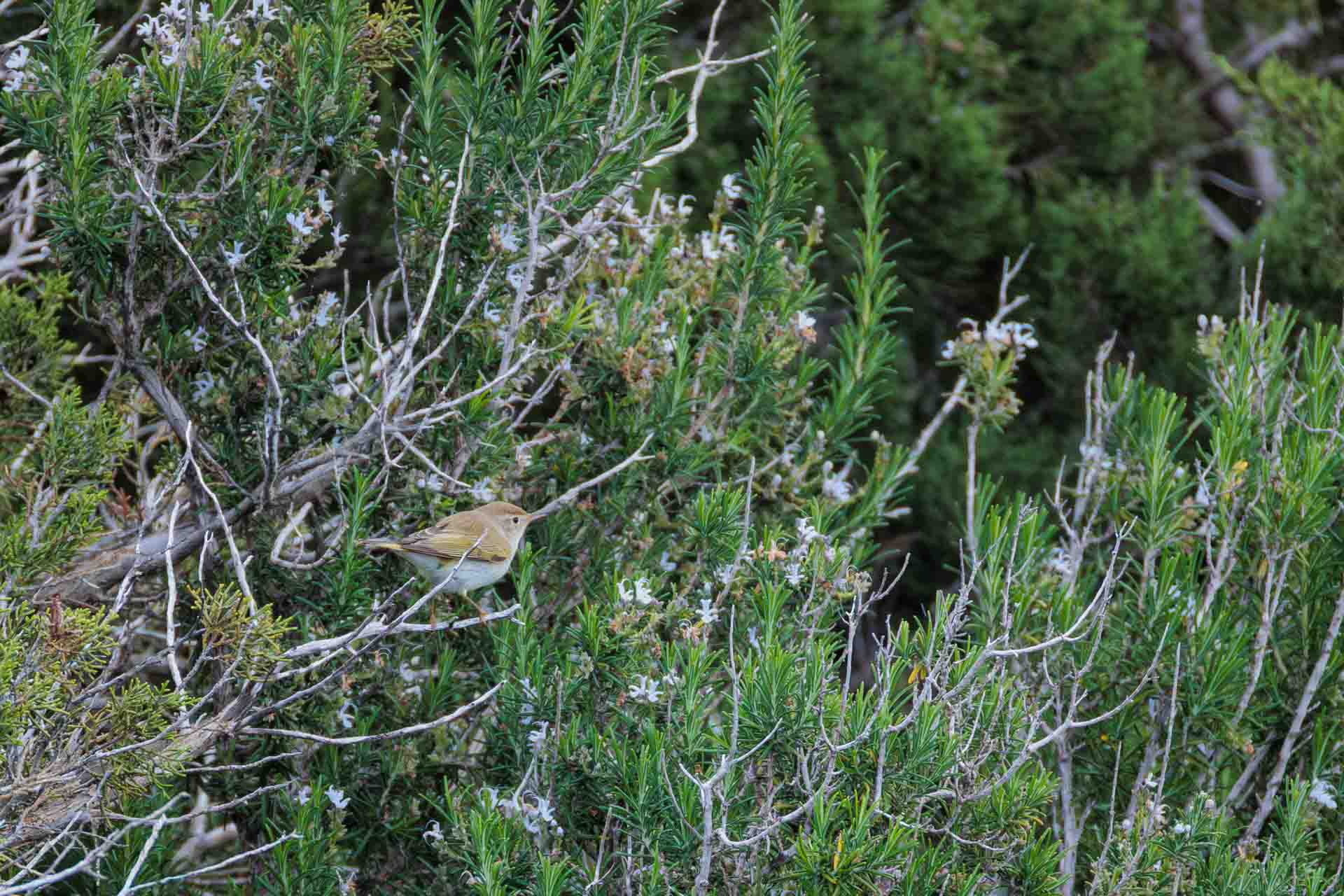
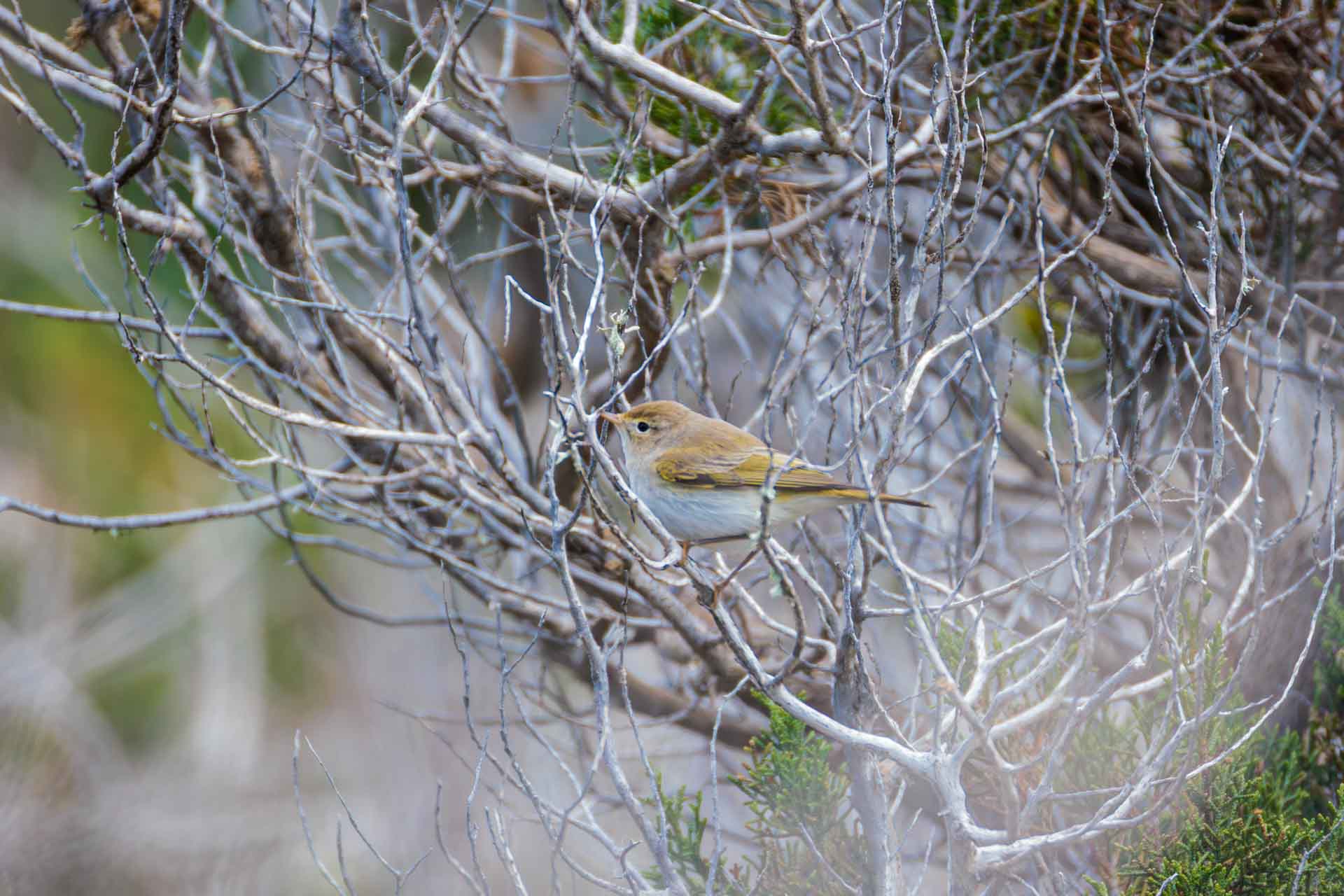
A small, inconspicuous and very active insectivorous bird. It inhabits scrubland and bushy areas. In Ibiza, it is mainly a visitor during migration, detectable by its constant movement and characteristic call. Although it differs in colouration from most warblers, the best way to identify it is by its call.
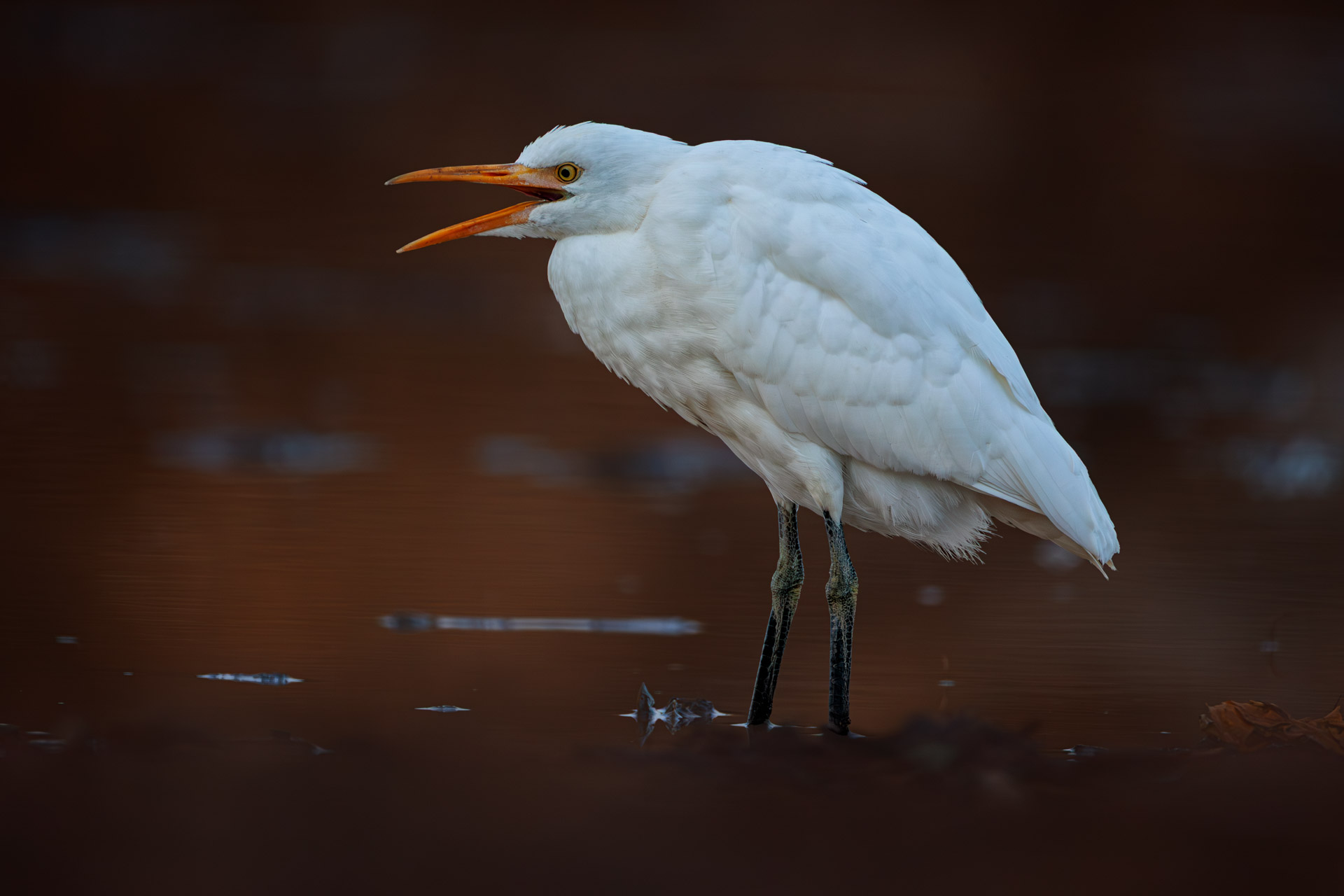
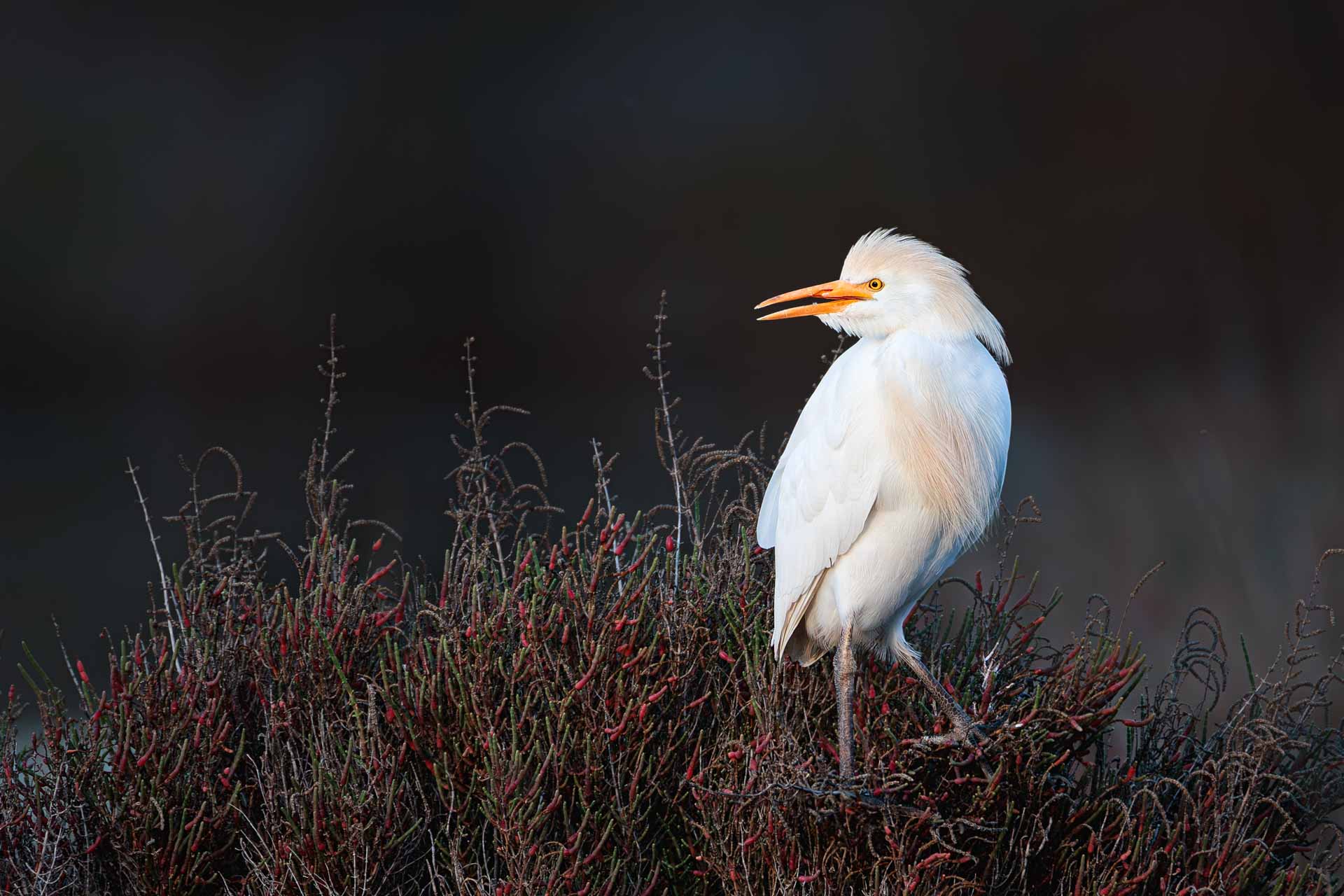
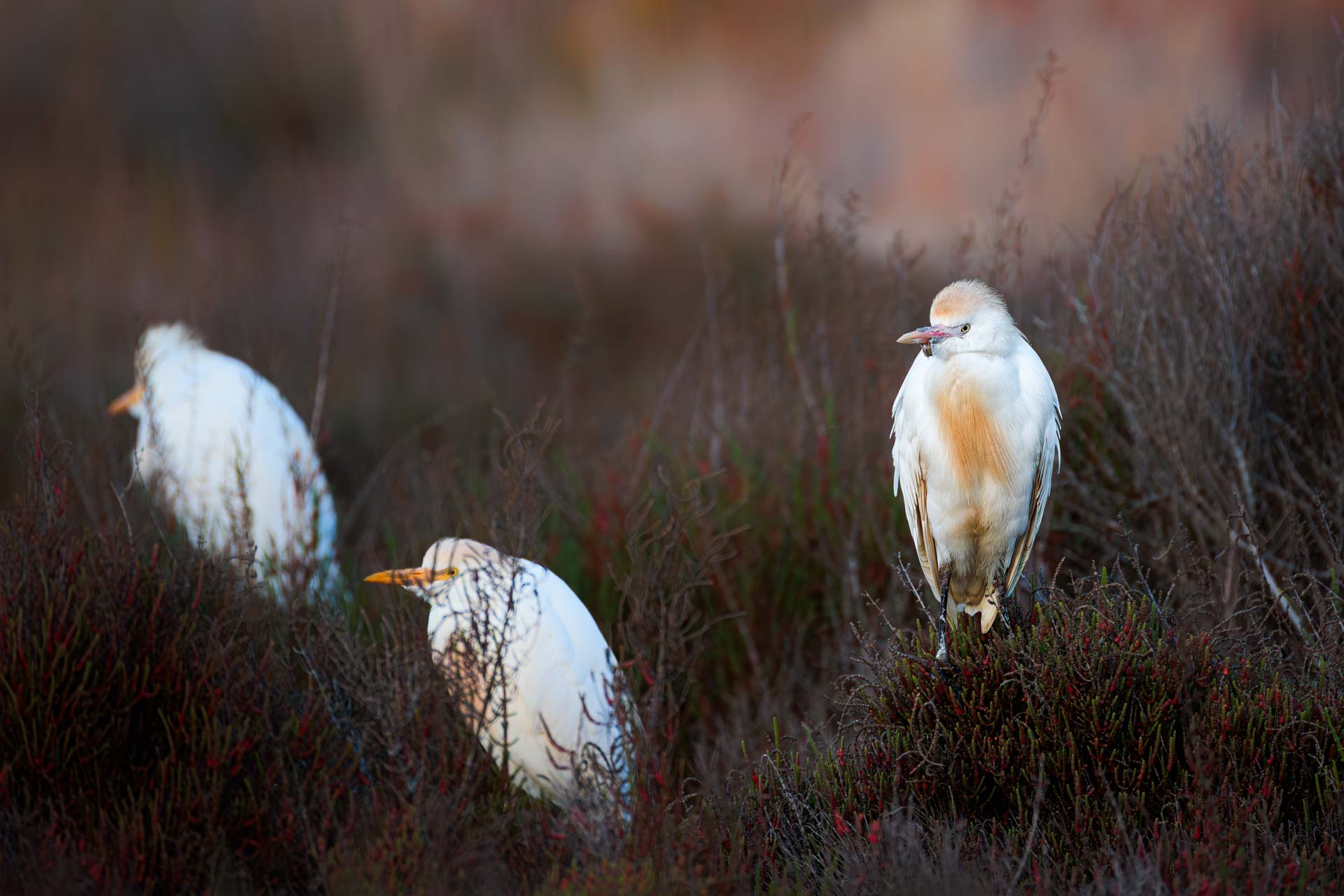
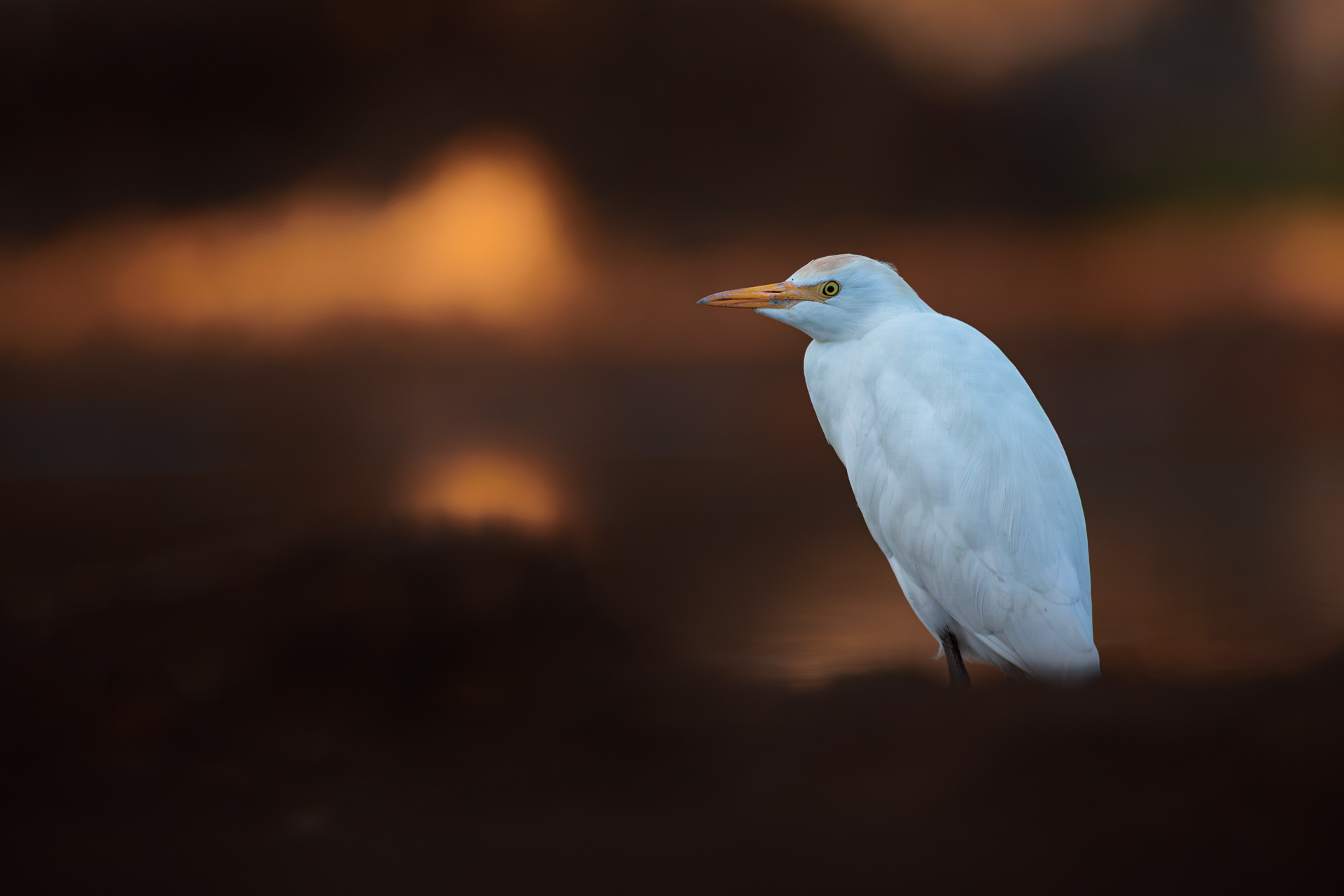
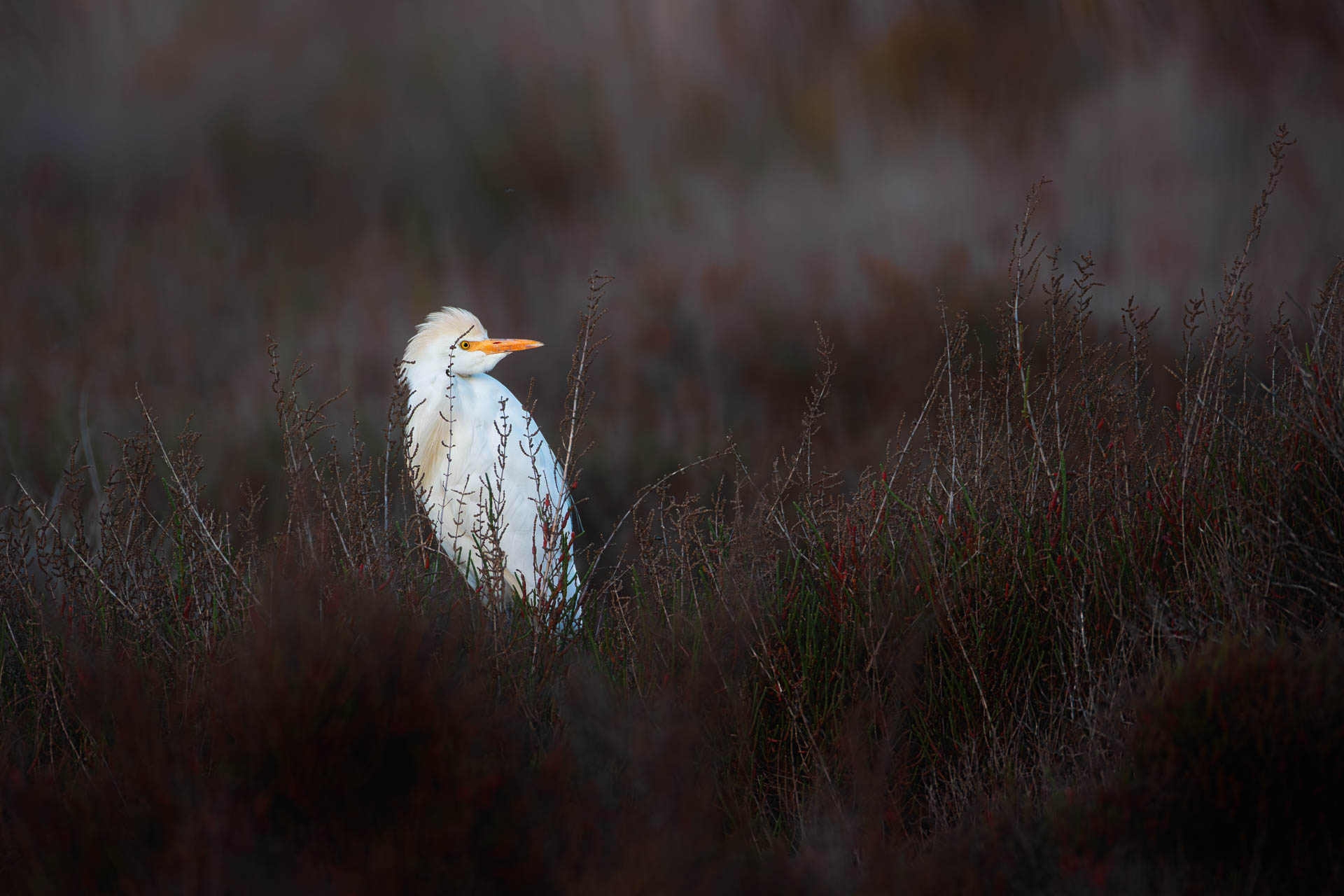
A medium-sized white bird, associated with wetlands and agricultural areas. It feeds on insects found near livestock or in shallow water. In Ibiza, it is relatively common in wetlands or open farmland. Its local name derives from this bird’s association with livestock. It can sometimes be seen alongside flocks of sheep, even perched on their backs. Translated, its name means ‘The one who removes their parasites’.
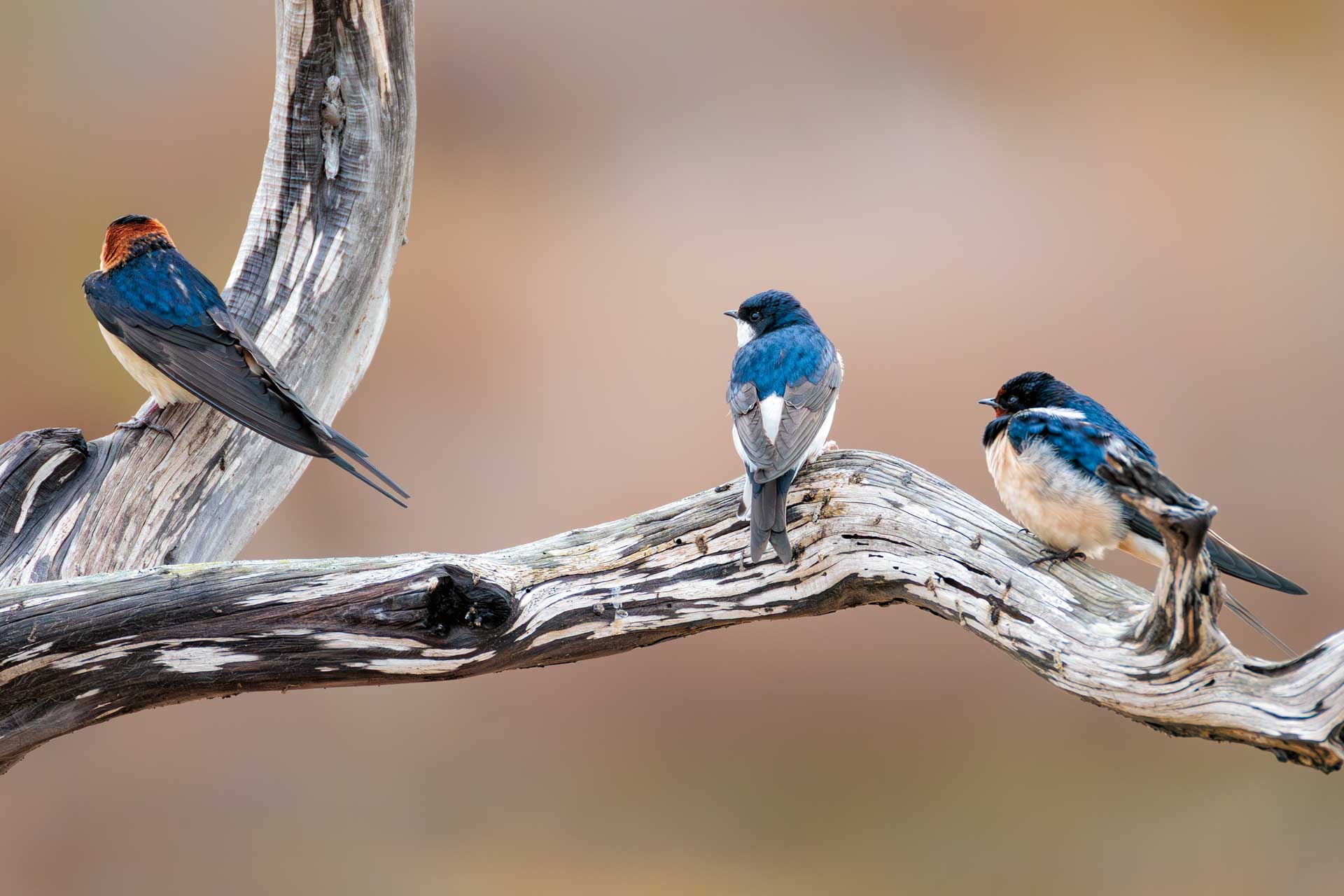
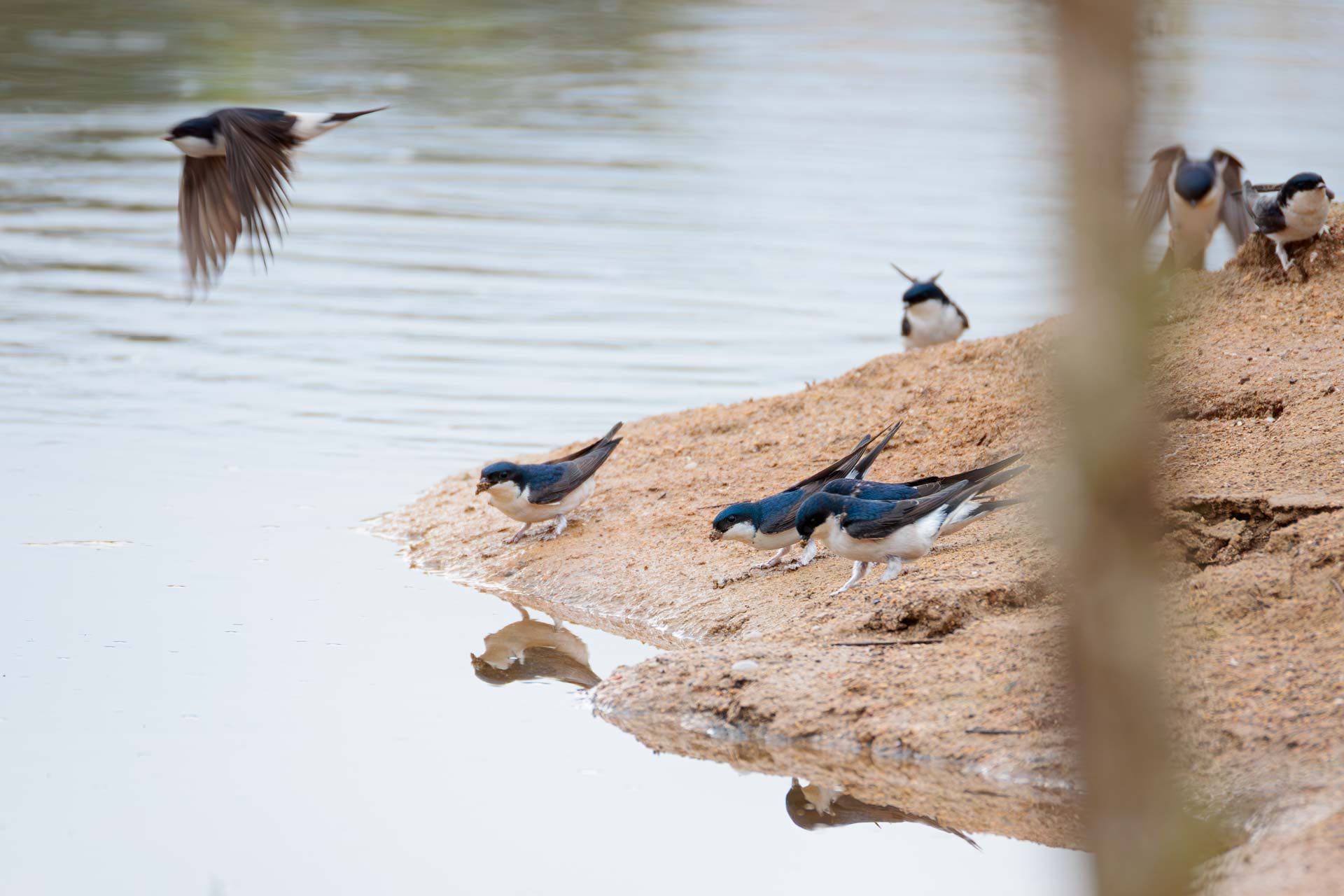
The Western House Martin is a small migratory bird with black and bluish-grey plumage, closely associated with both urban and rural environments. It nests in small colonies, building mud nests under eaves and on rooftops. It feeds on flying insects, which it catches with great agility in open spaces. In Ibiza, it is mainly present during the migratory passages and in summer, when it is common to see it flying over villages and fields alongside other hirundines in areas such as Ses Feixes.
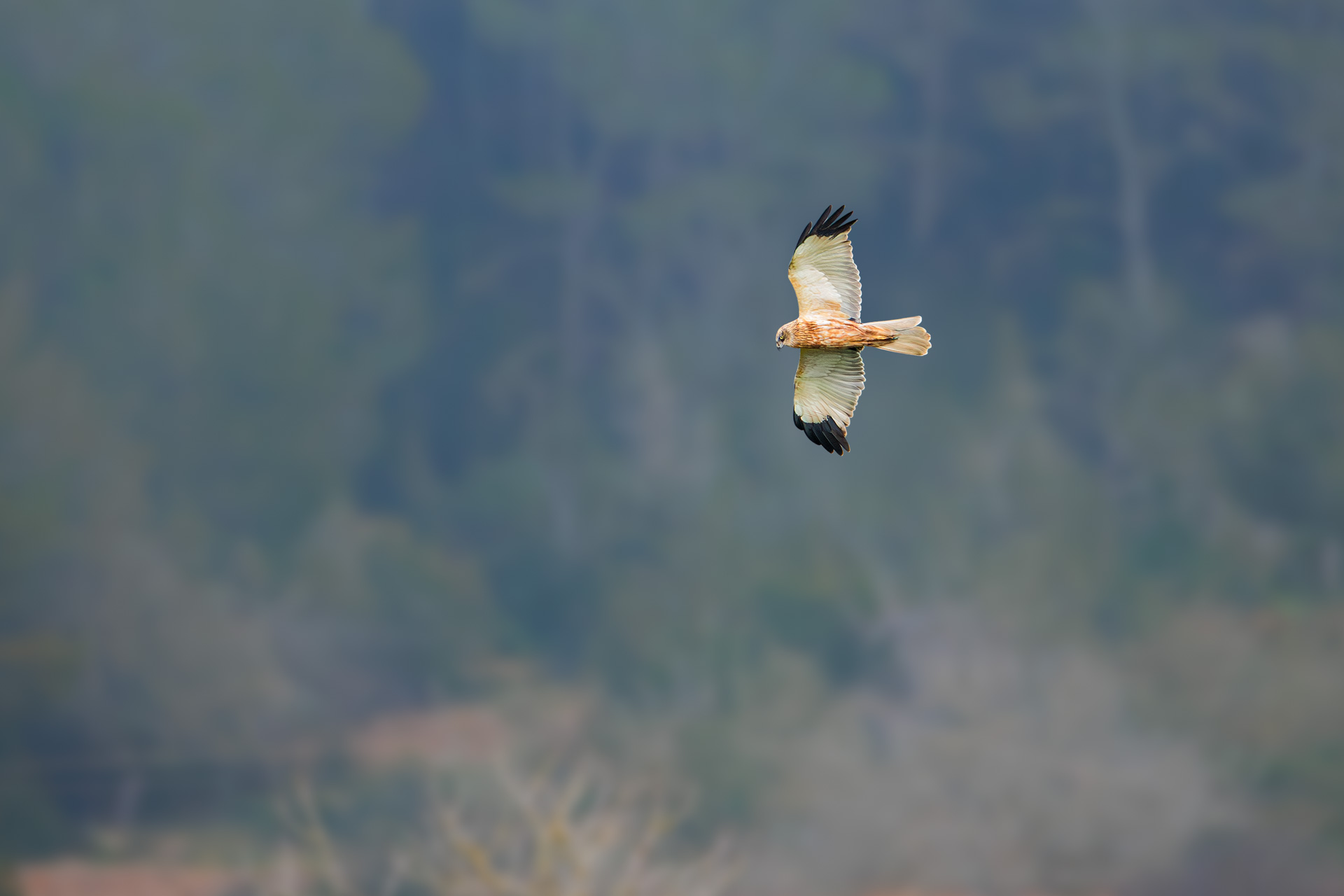
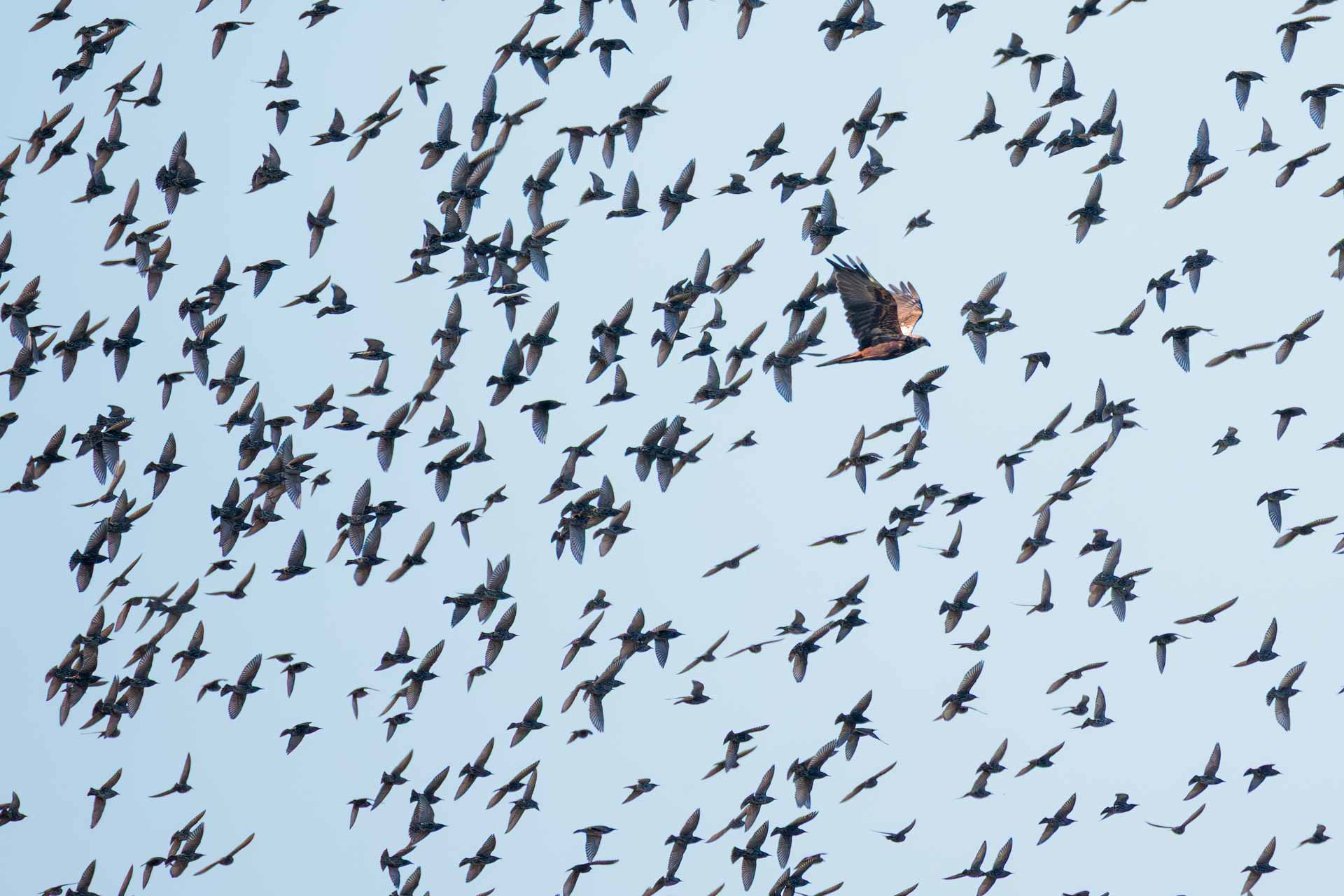
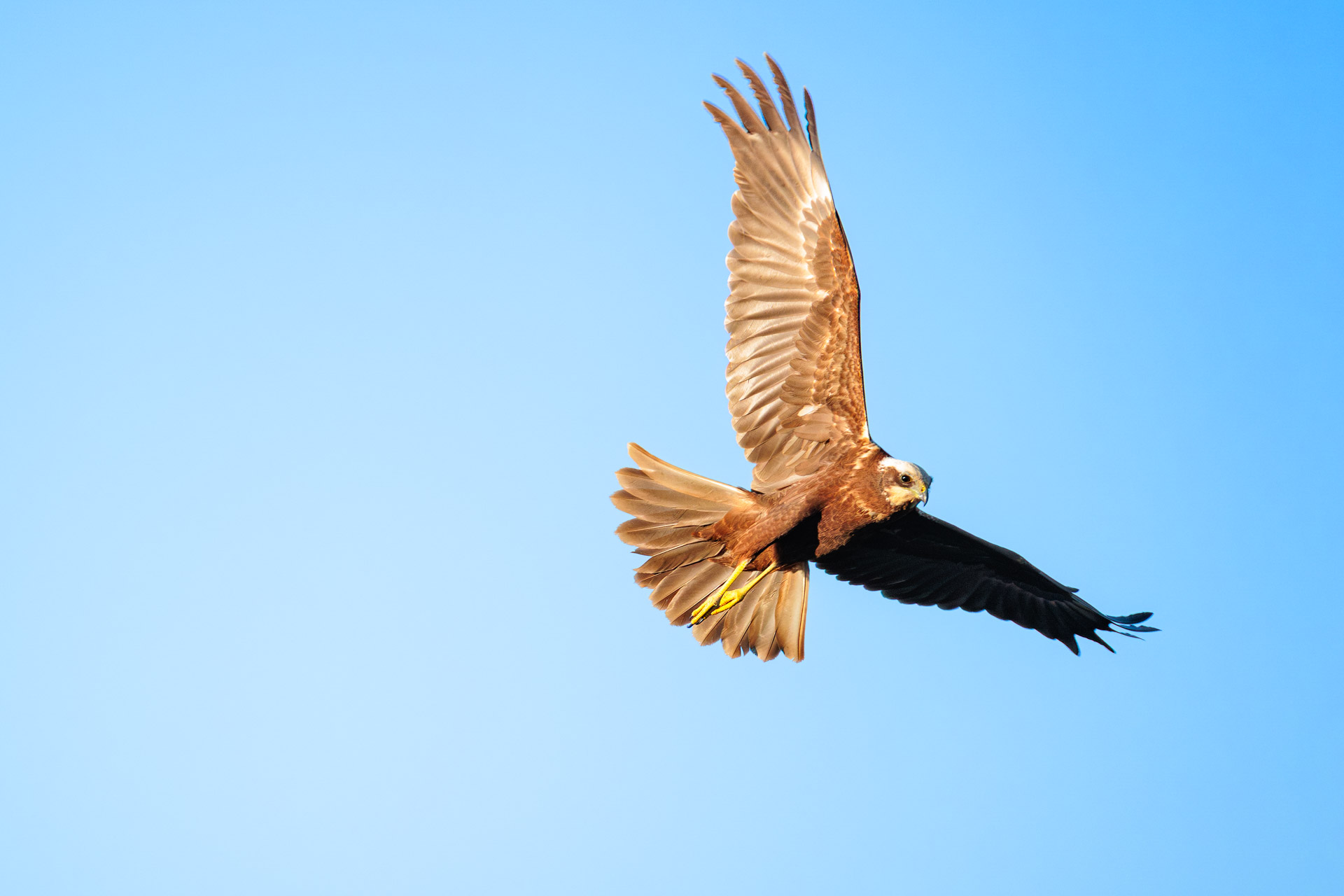
A raptor linked to wetlands and lagoons, where it hunts small vertebrates and even other birds. In Ibiza it is a regular visitor during migration and winter, often detected flying low over reedbeds, wetlands or farmland. It is also commonly seen on the ground. In winter it can be seen in Ses Salines and Ses Feixes, using reedbeds as roosts; during migration it may also appear in rural areas such as the Pla de Sant Mateu.
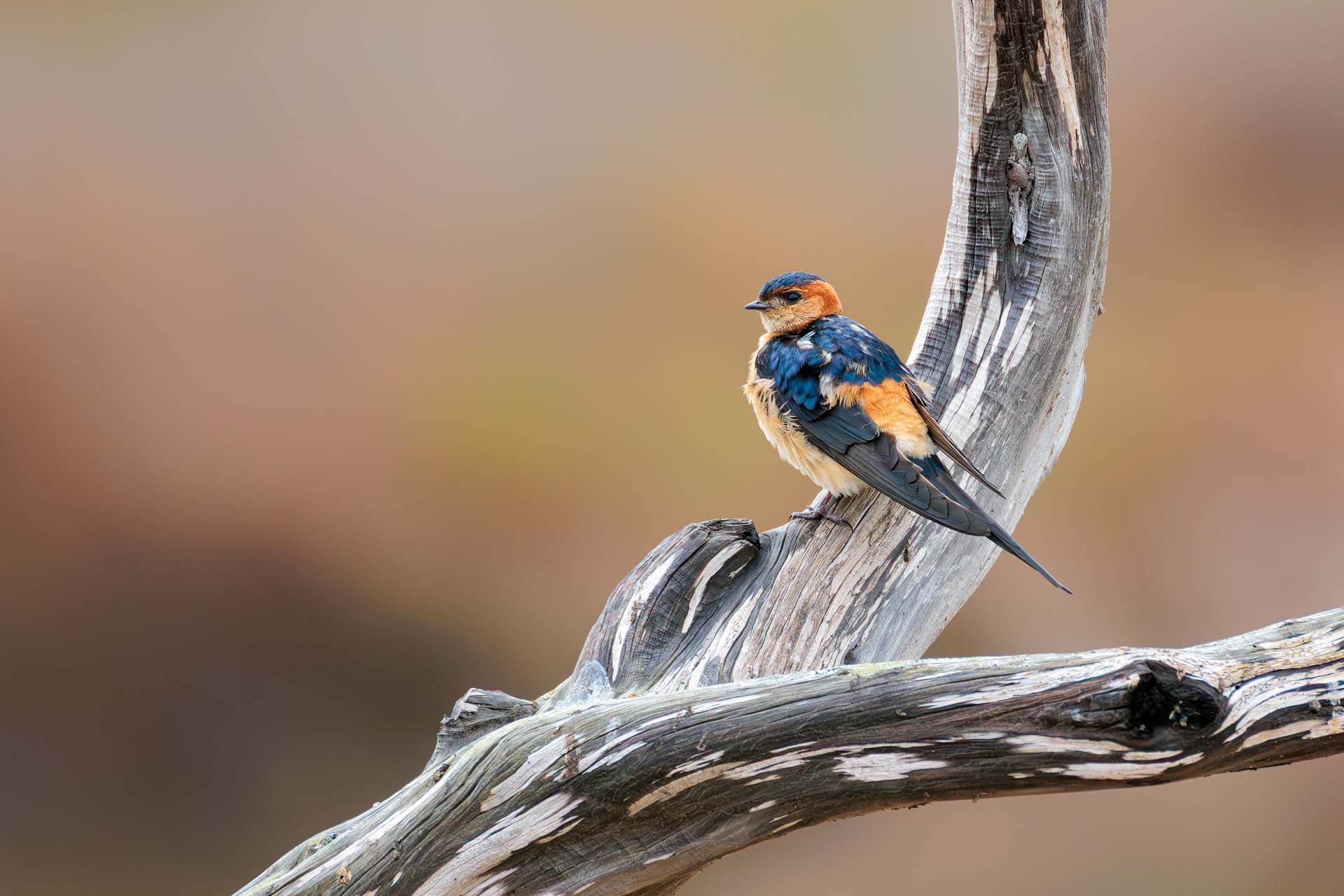
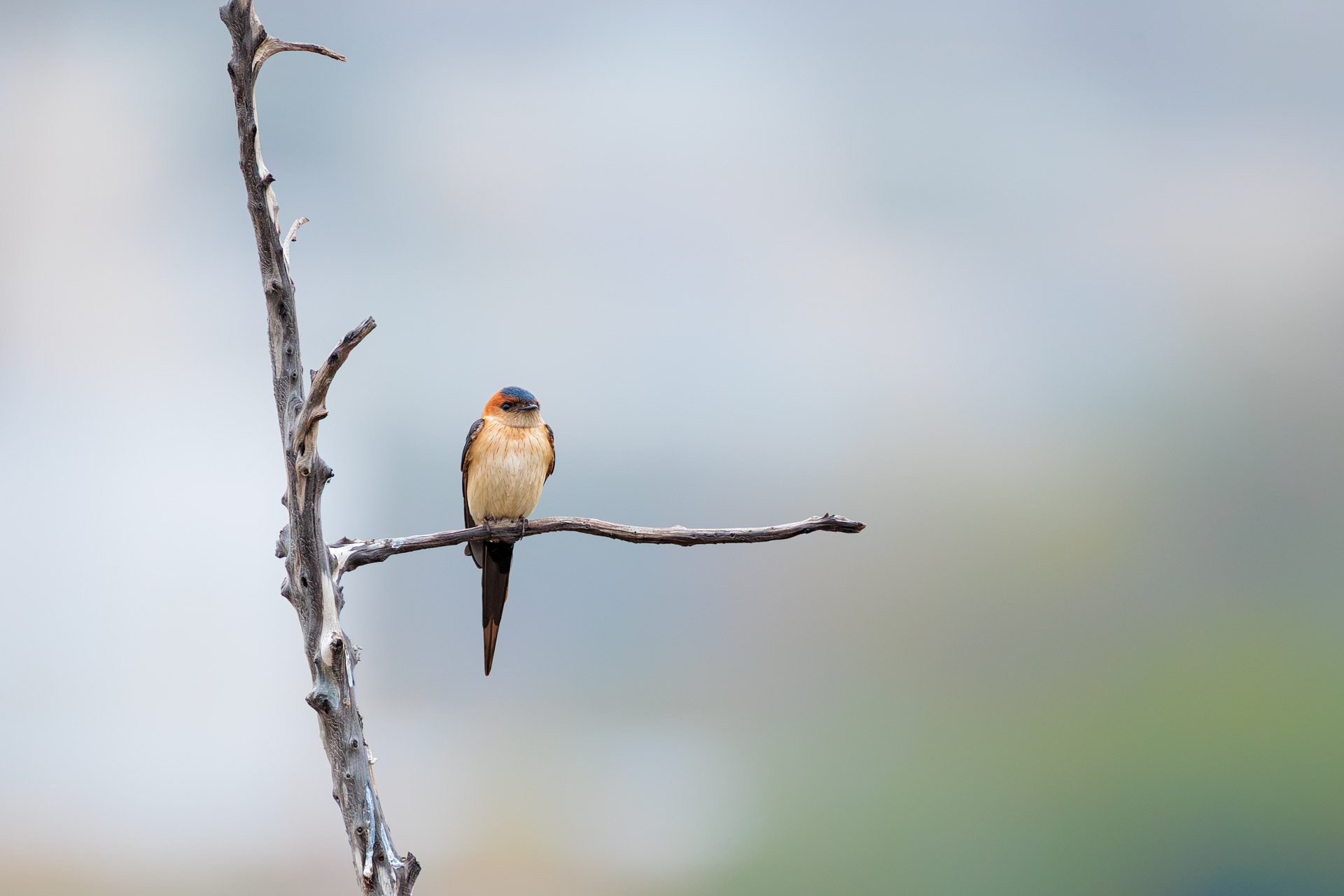
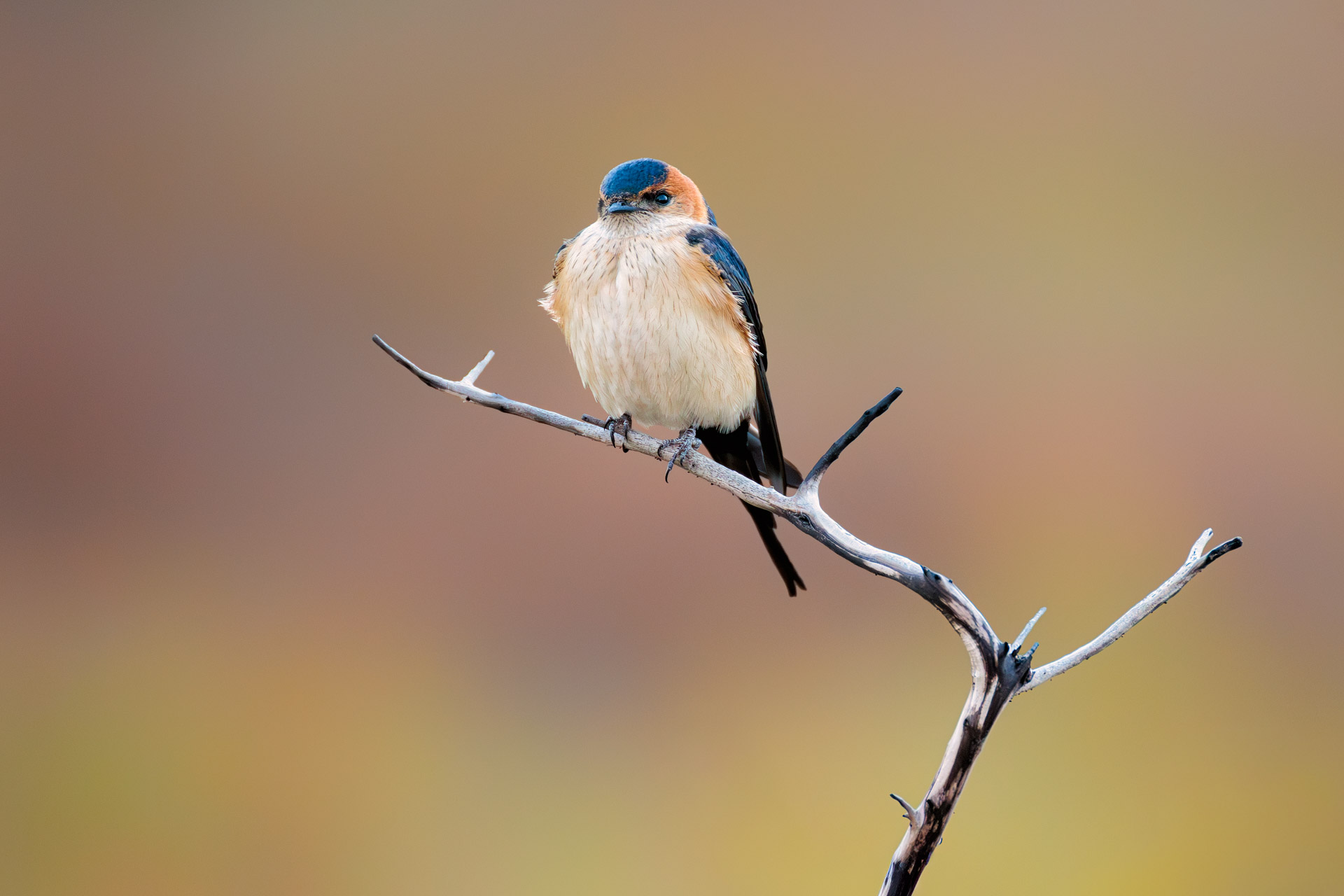
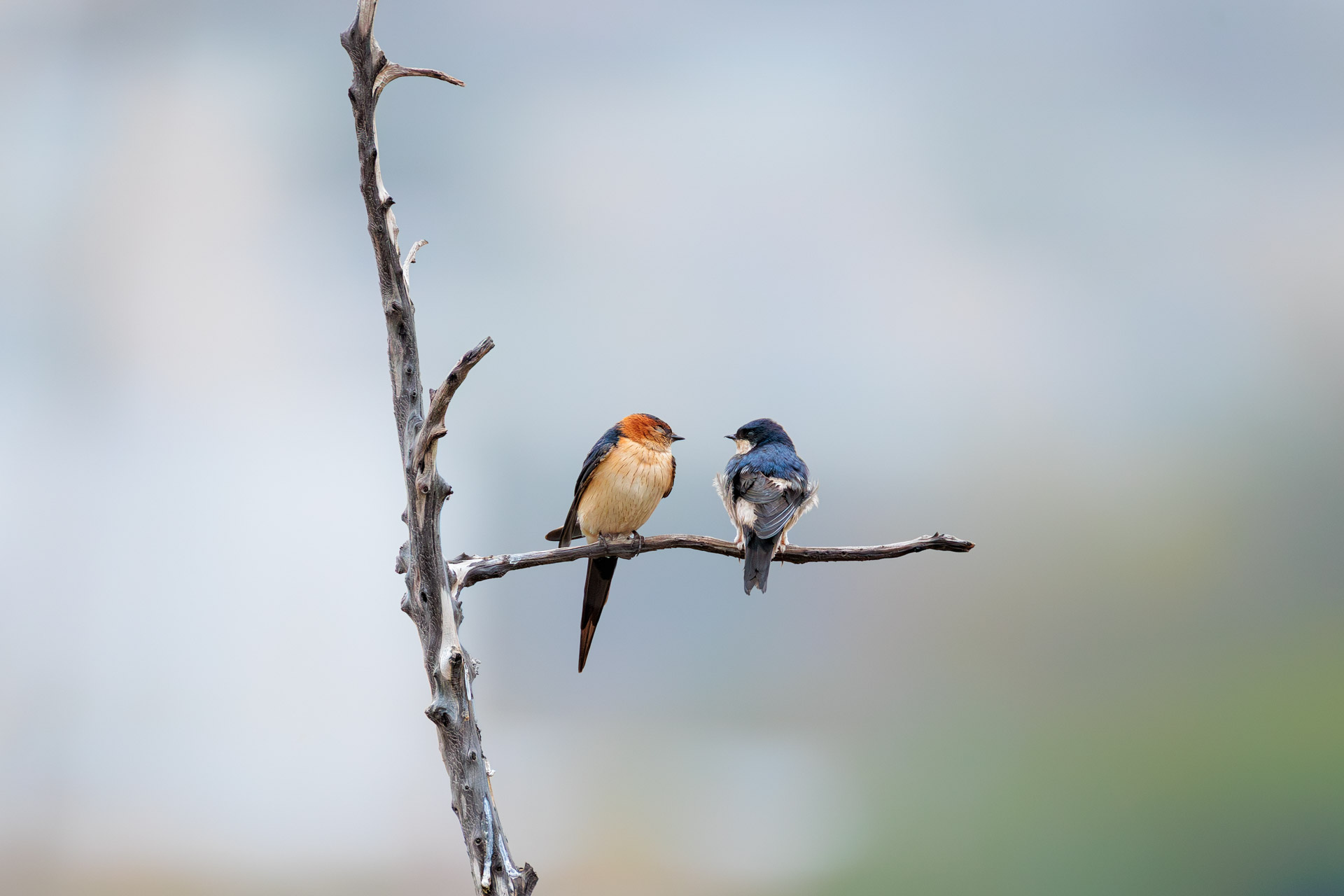
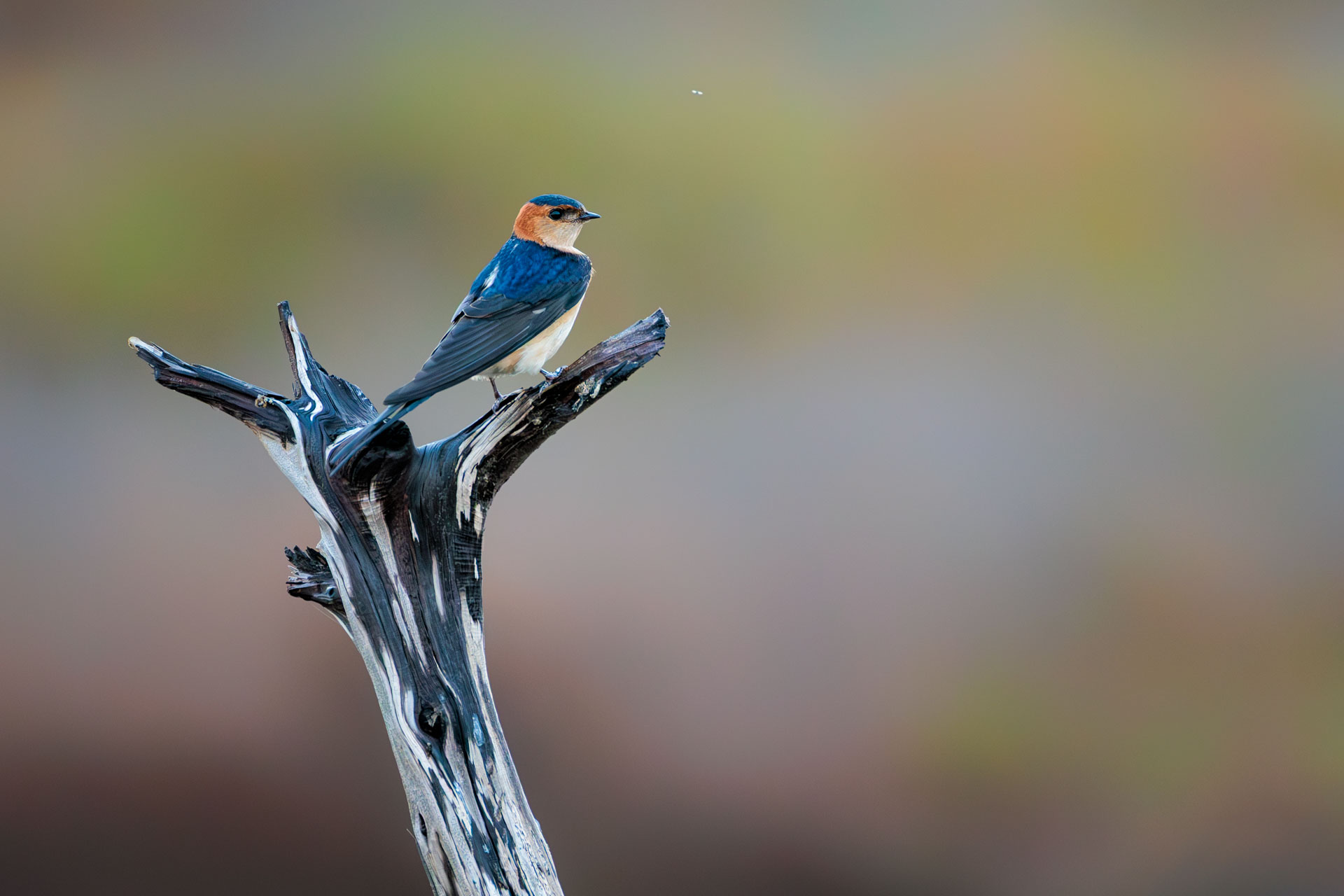
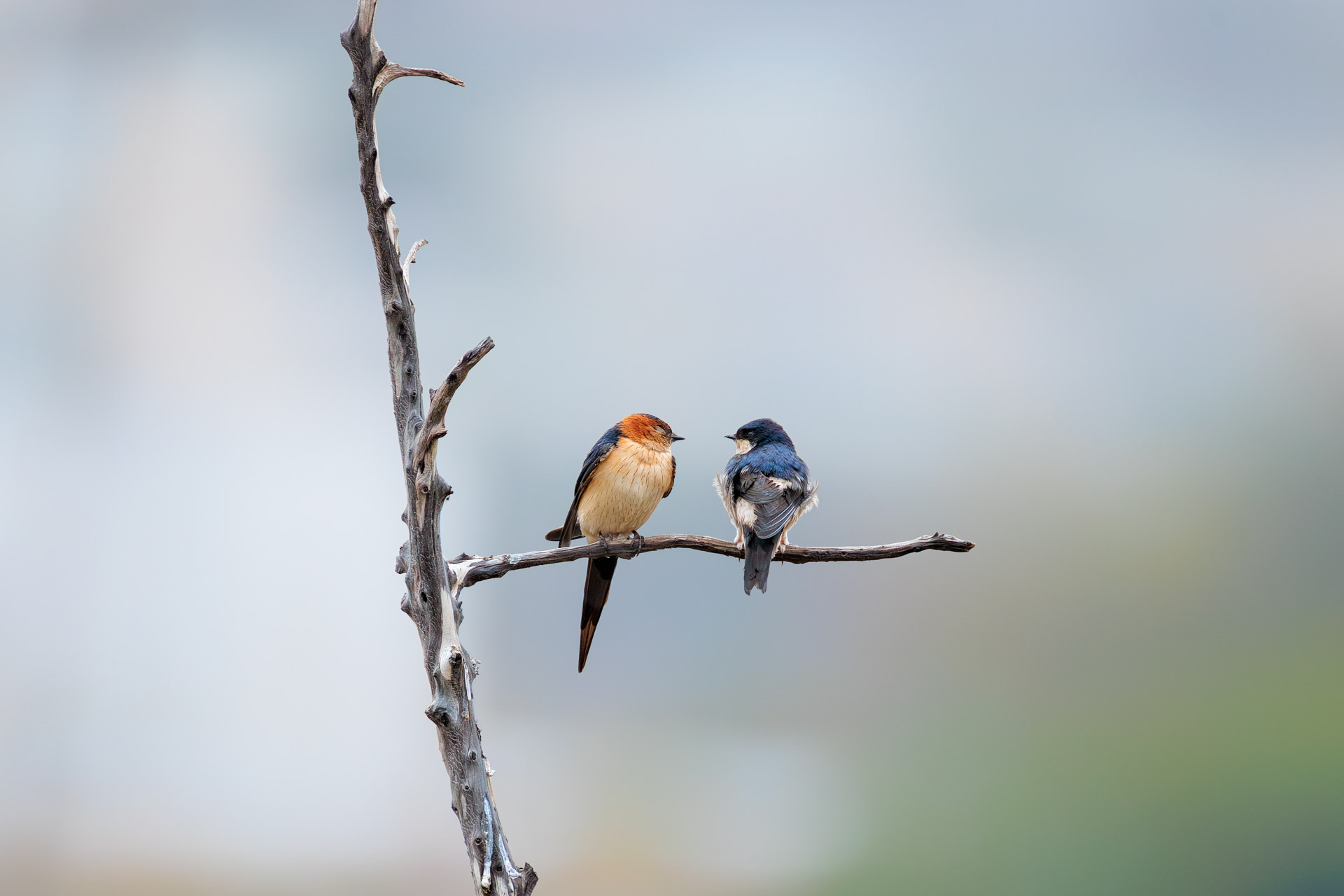
is an elegant species, less common than other swallows, recognisable by its reddish tones and long tail. In Ibiza, it frequents wetlands or open areas such as Ses Feixes or Ses Salines, where it feeds on flying insects. It builds closed-shaped mud nests on walls or structures. In Ibiza, a few individuals can be observed only during the migratory periods, alongside other hirundines.
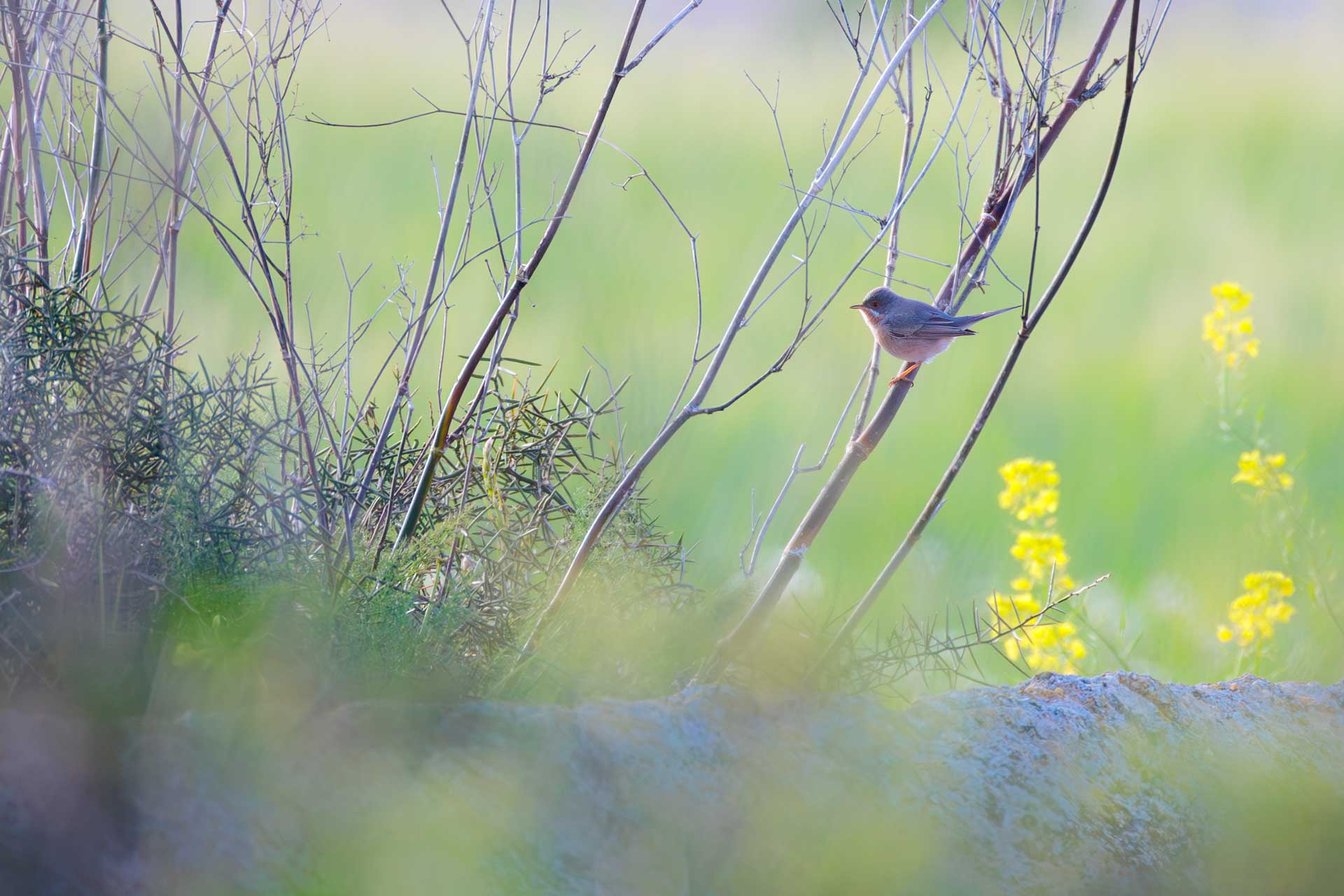
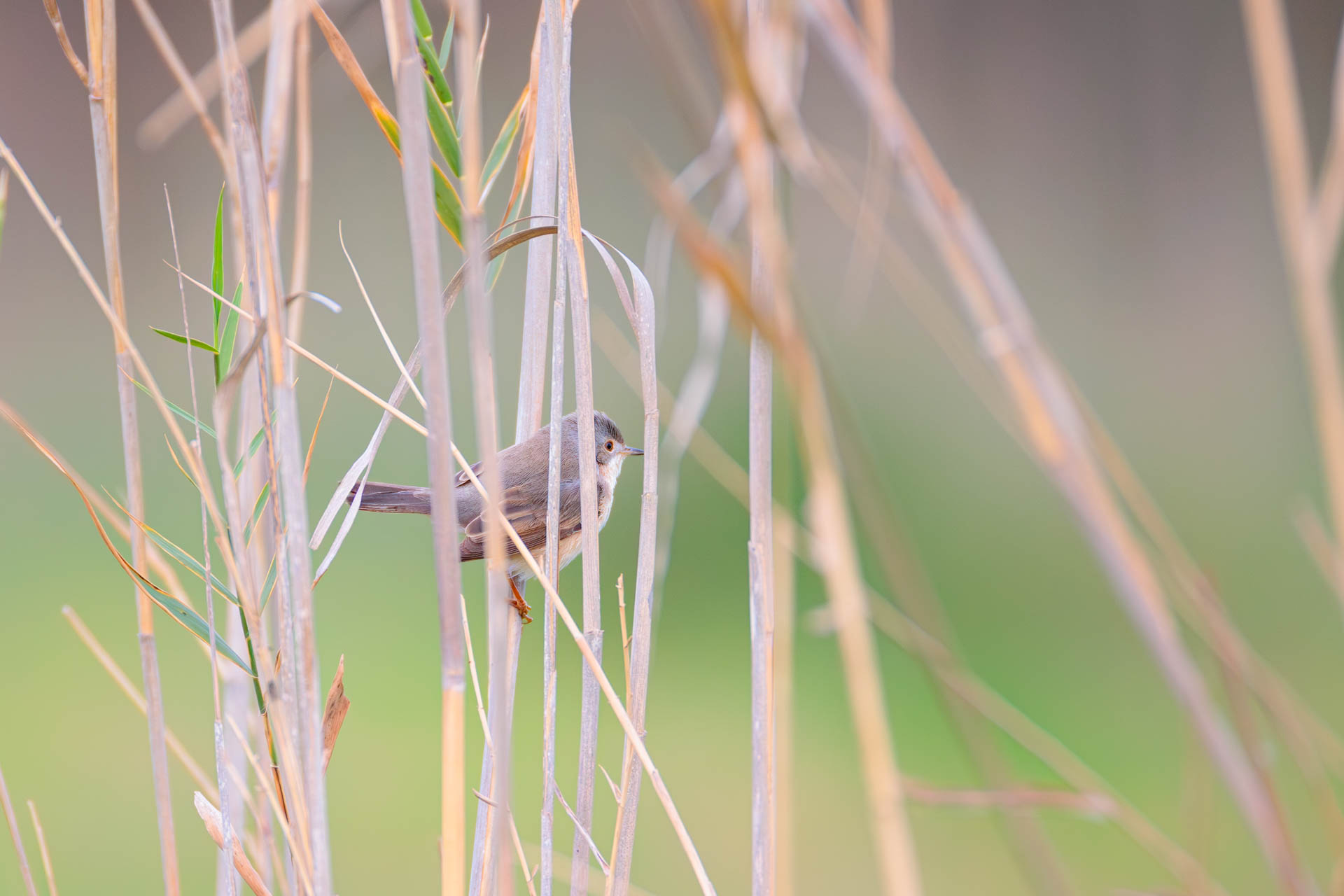
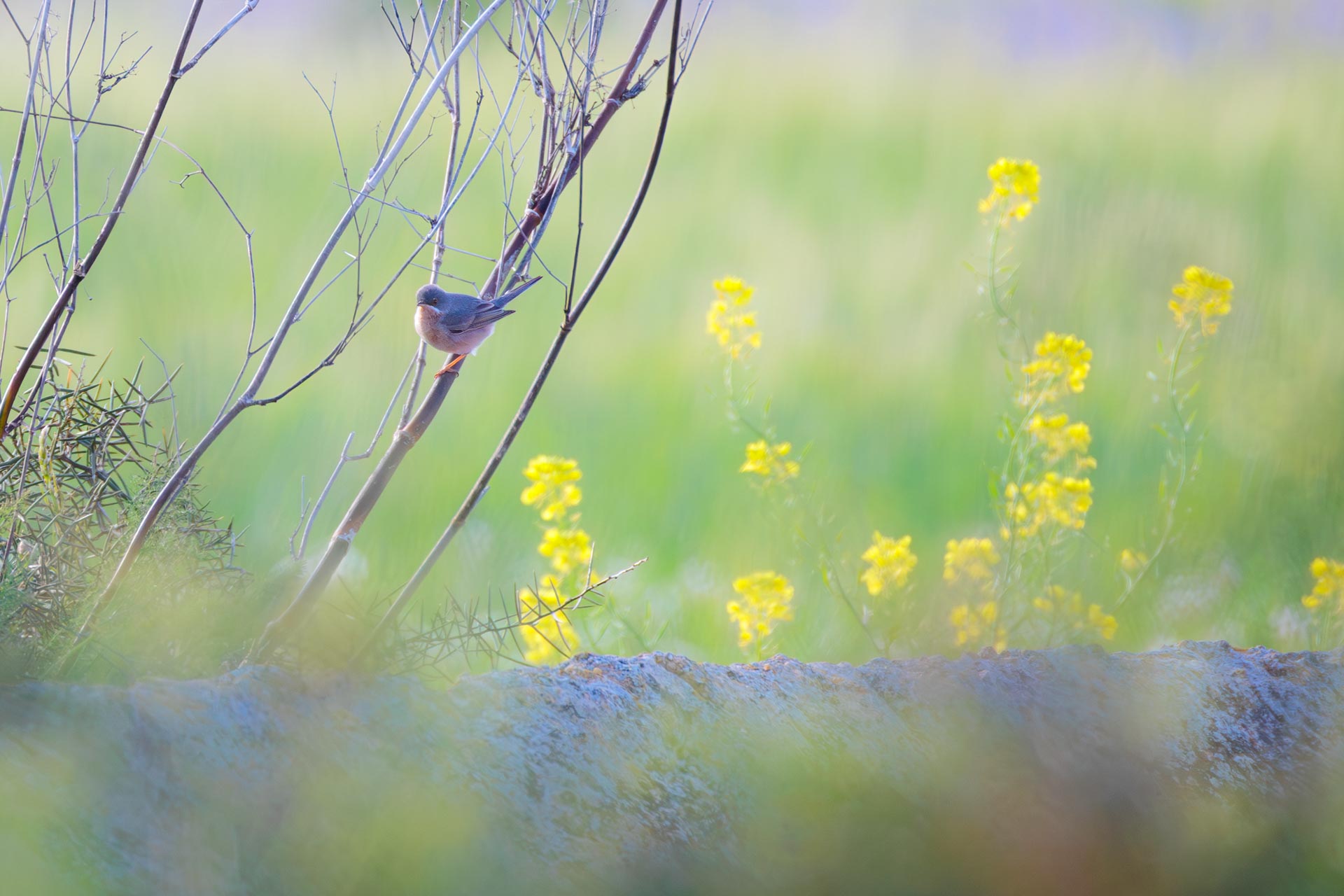
A small bird associated with Mediterranean scrub and shrubby areas. It feeds on insects and fruit. In Ibiza, it is a visitor during migratory periods and is mainly observed in areas with dense vegetation and tall scrub. Nevertheless, due to its shy behaviour, it is a difficult species to observe, although it can be identified by its call.
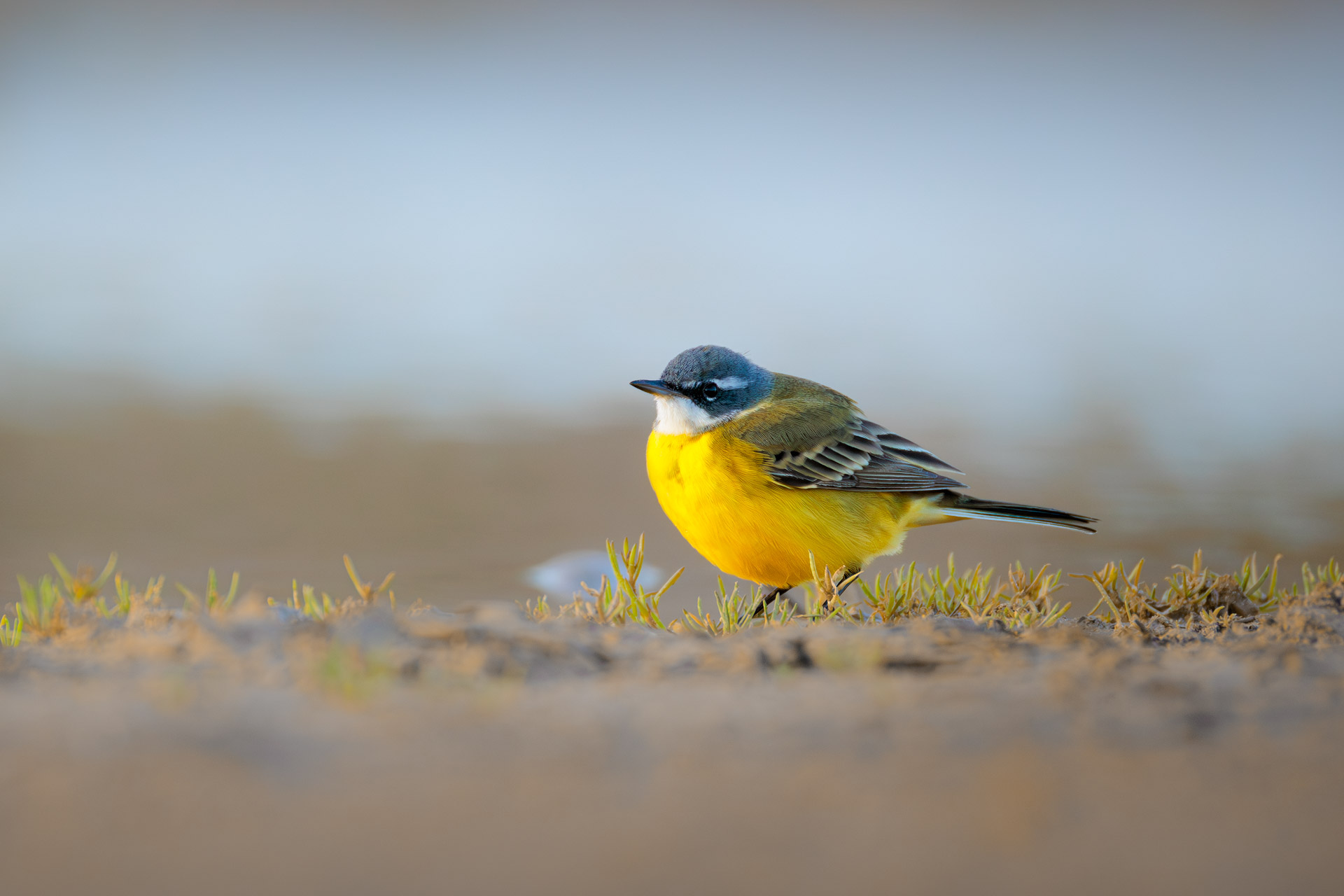
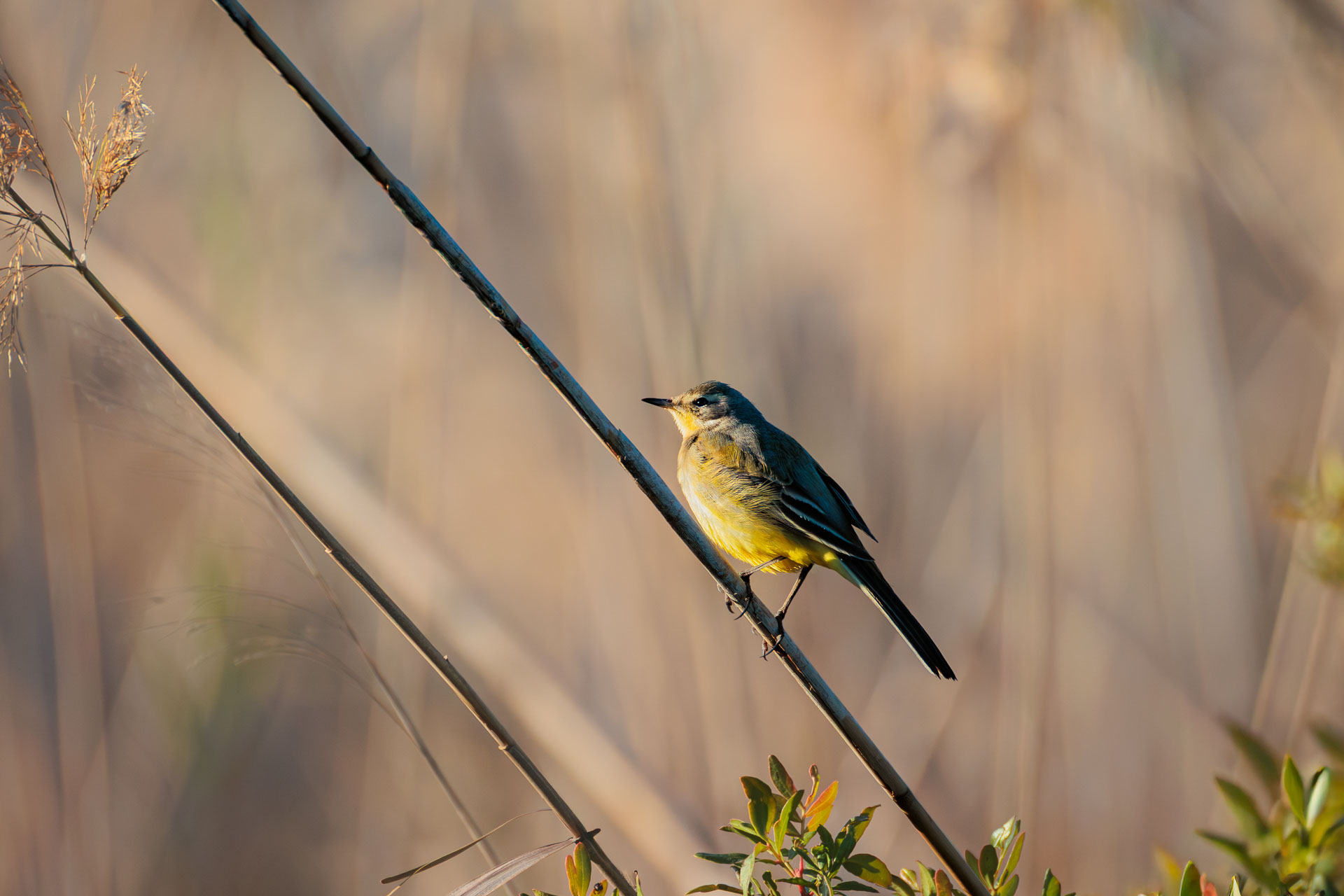
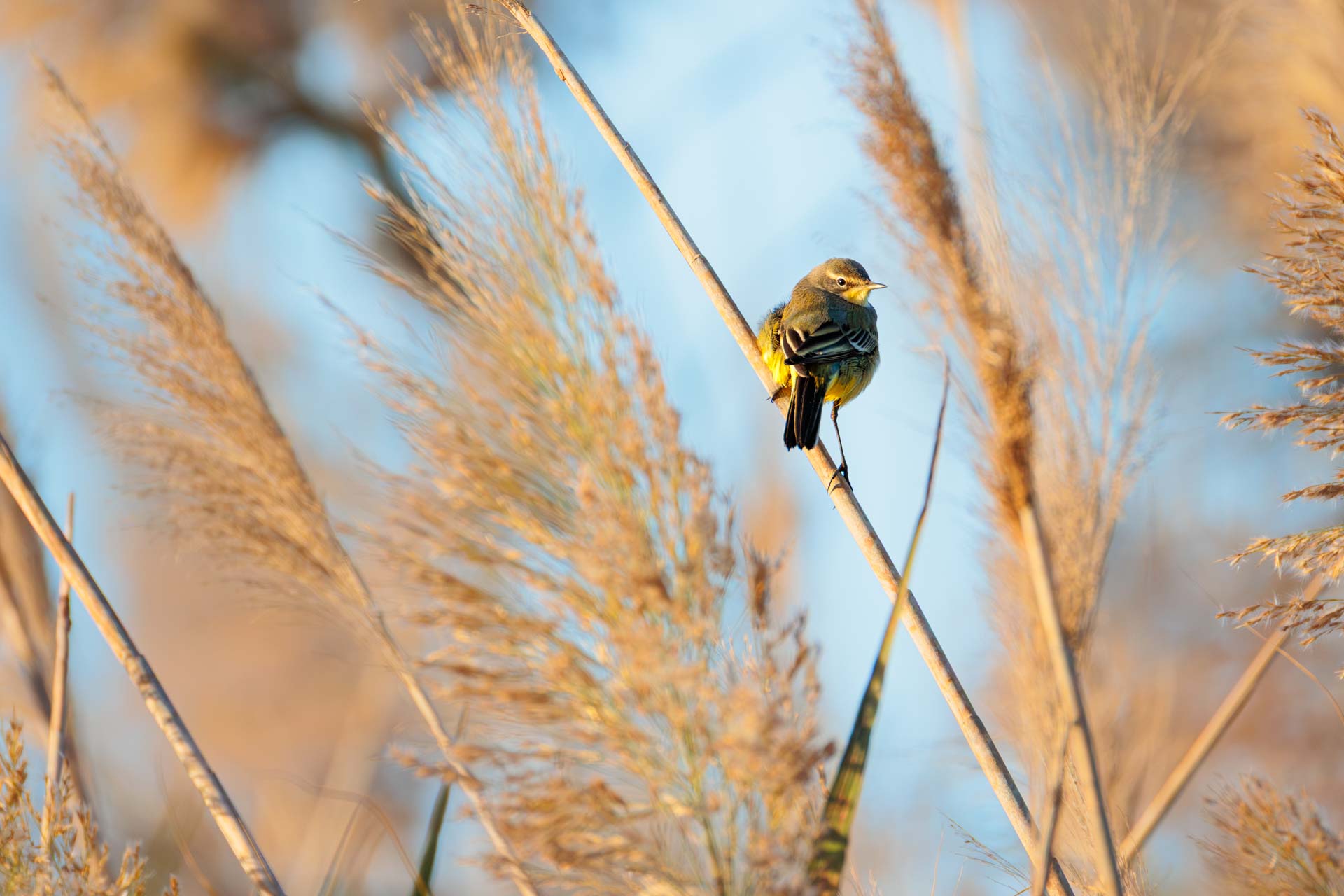
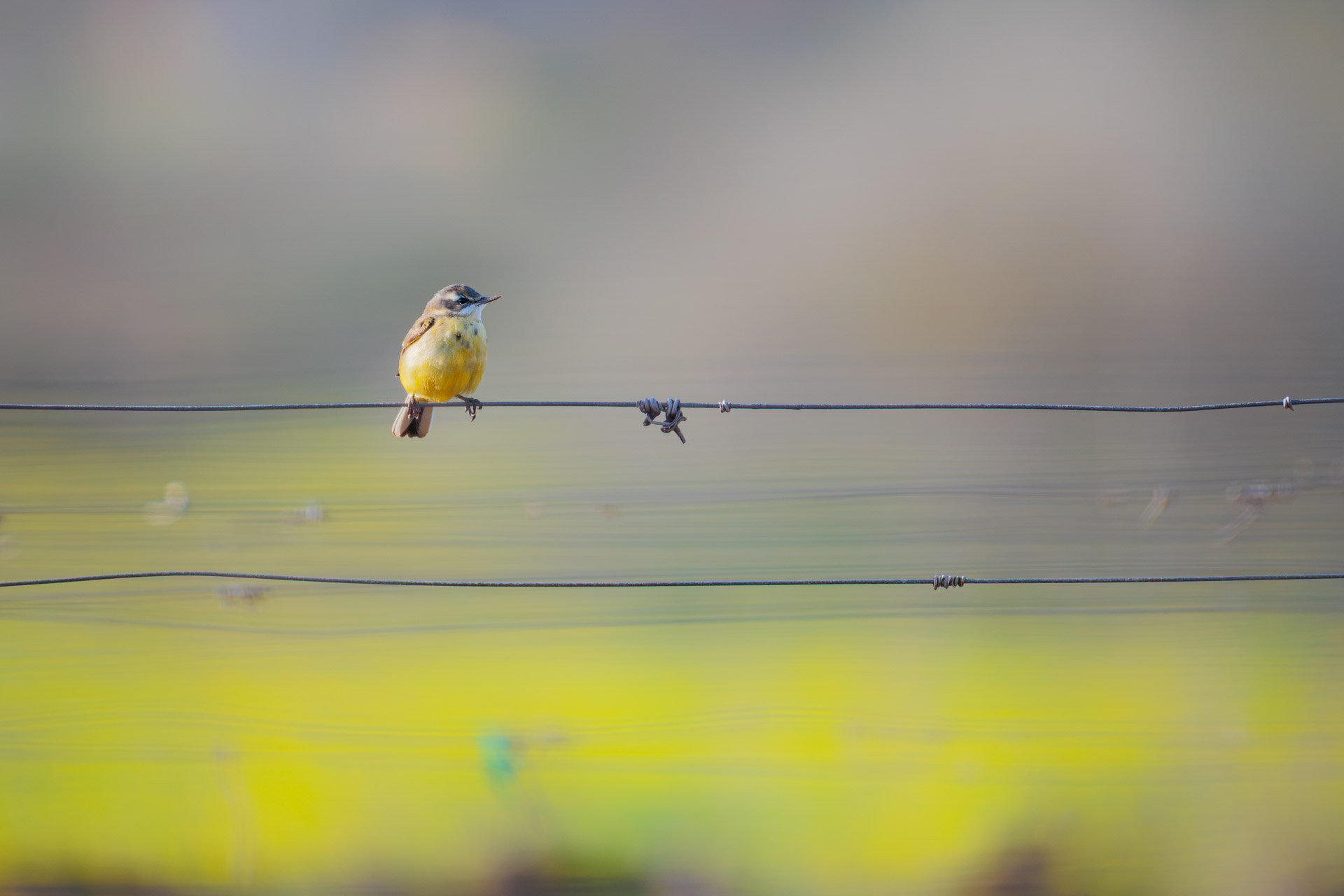
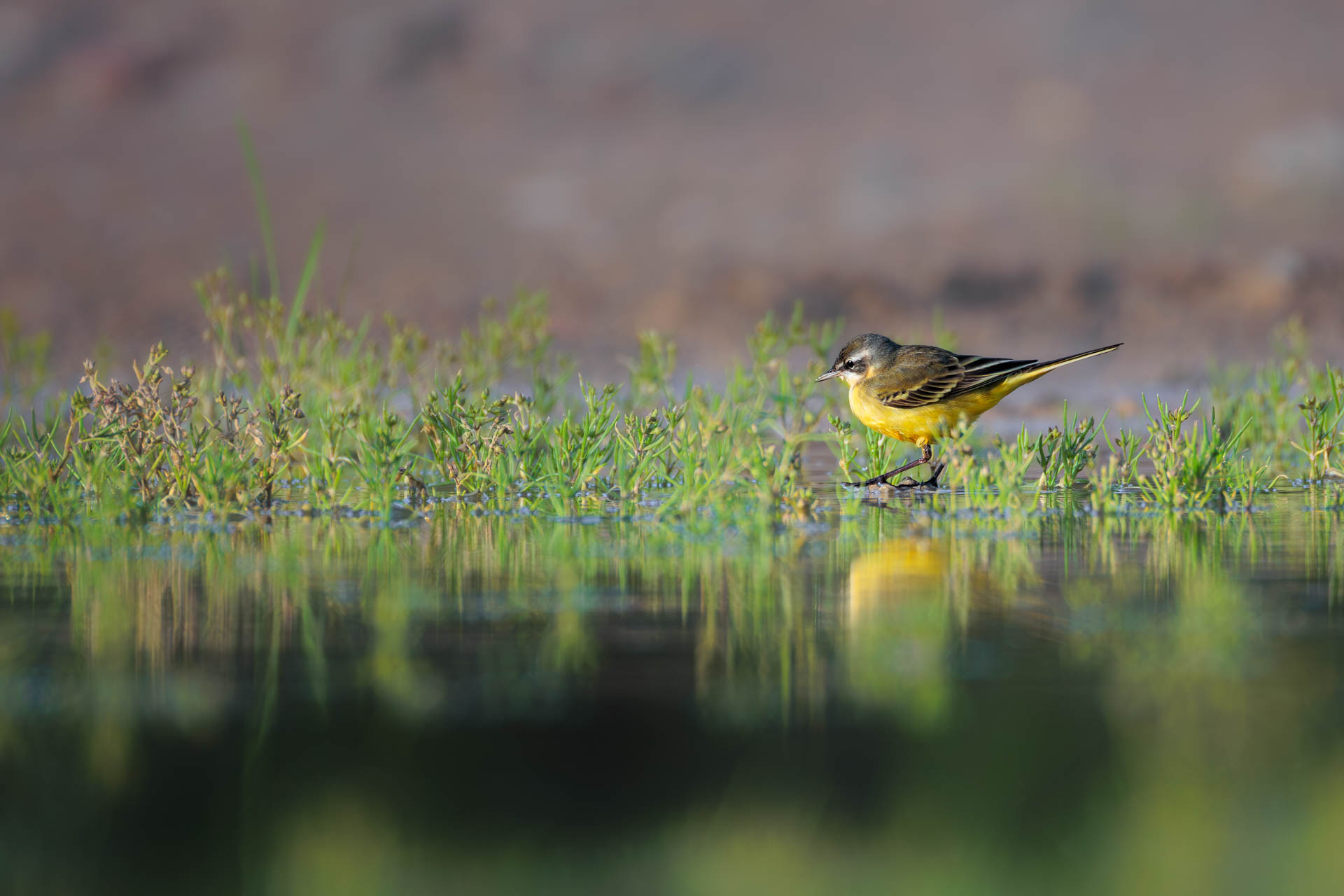
A migratory bird associated with open fields and wetlands. It feeds on insects and small invertebrates. In Ibiza, it is common during migration and in summer, where it can be seen in various areas, although the most common are Ses Salines and Ses Feixes.
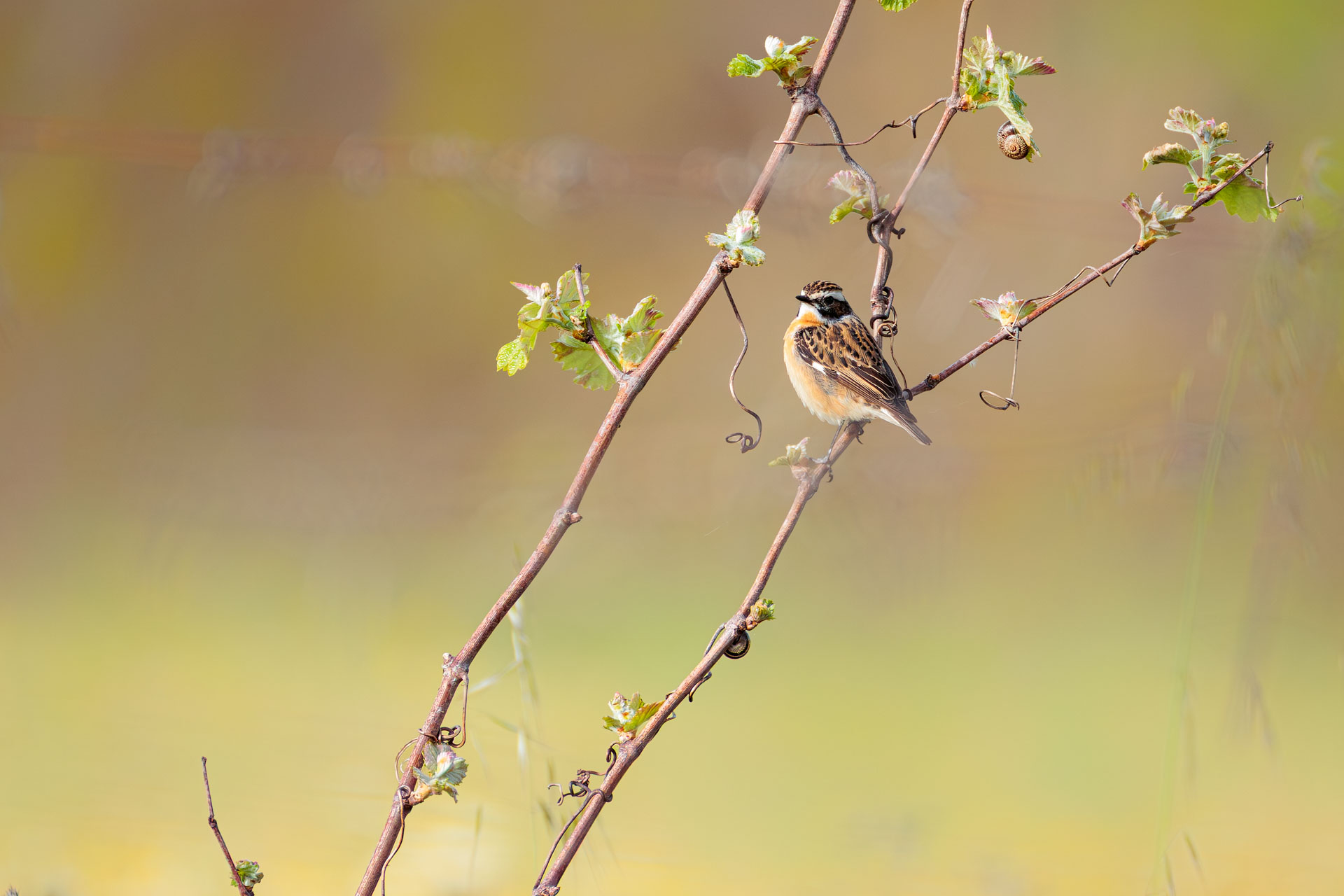
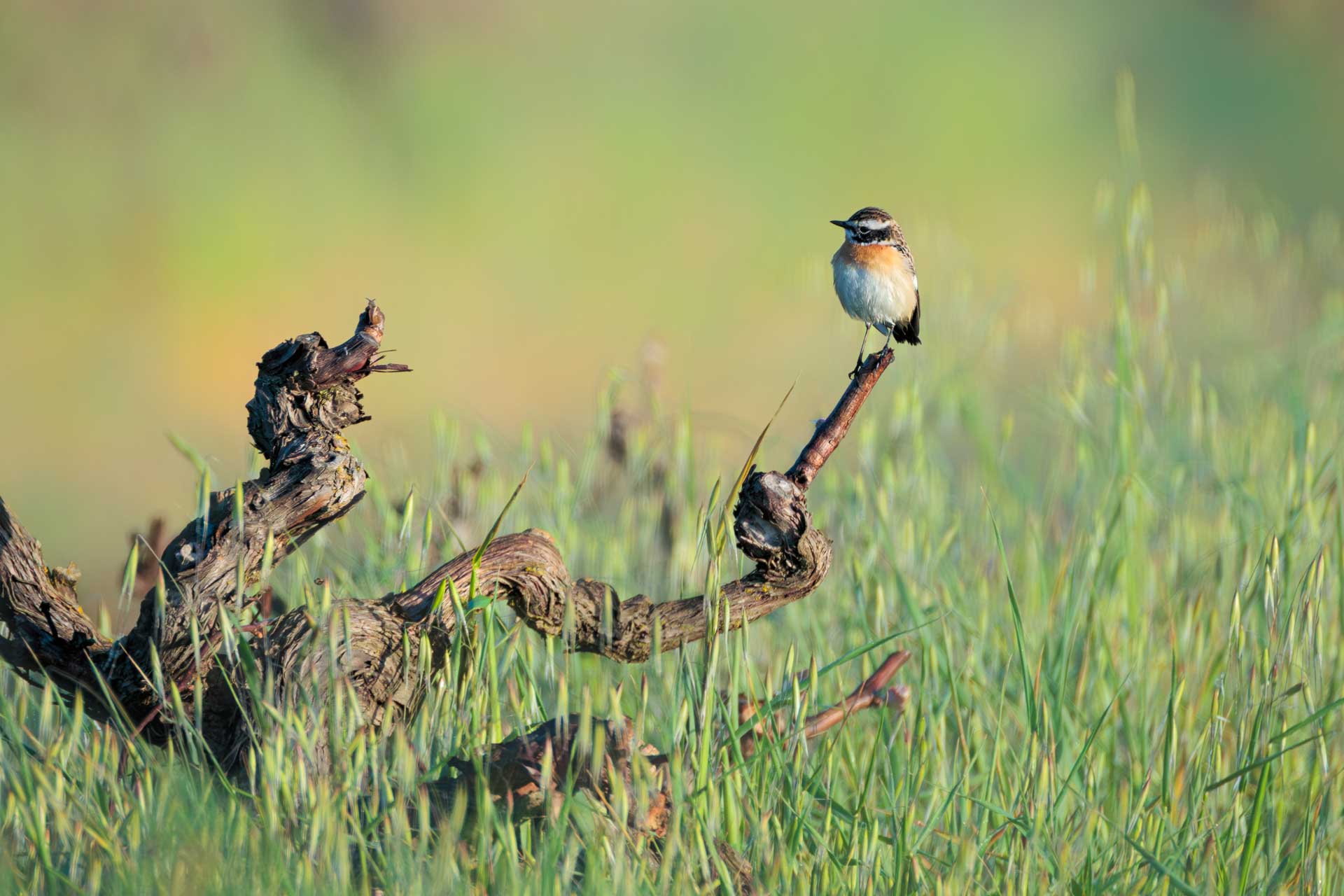
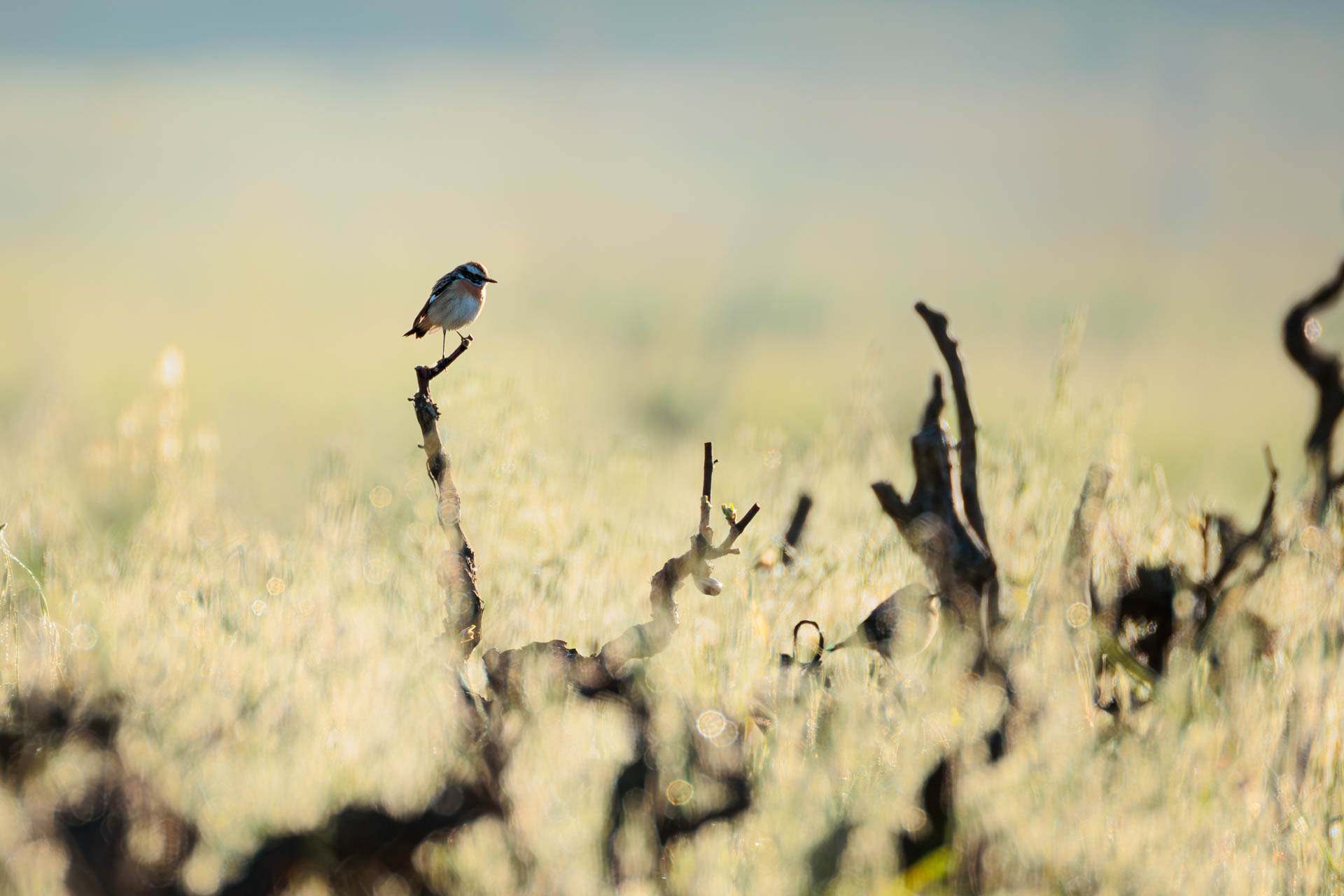
The northern wheatear is a small, delicate-looking migratory bird, with brown tones and a marked contrast on the head. It frequents meadows, open fields and areas of low scrub, where it perches on high points from which it hunts insects. In Ibiza, it is mainly seen during migratory passages. Its local name translates as ‘red-bearded handle-pooper’, referring to the handles of farming tools and its distinctive colouring that sets it apart from the European Stonechat.
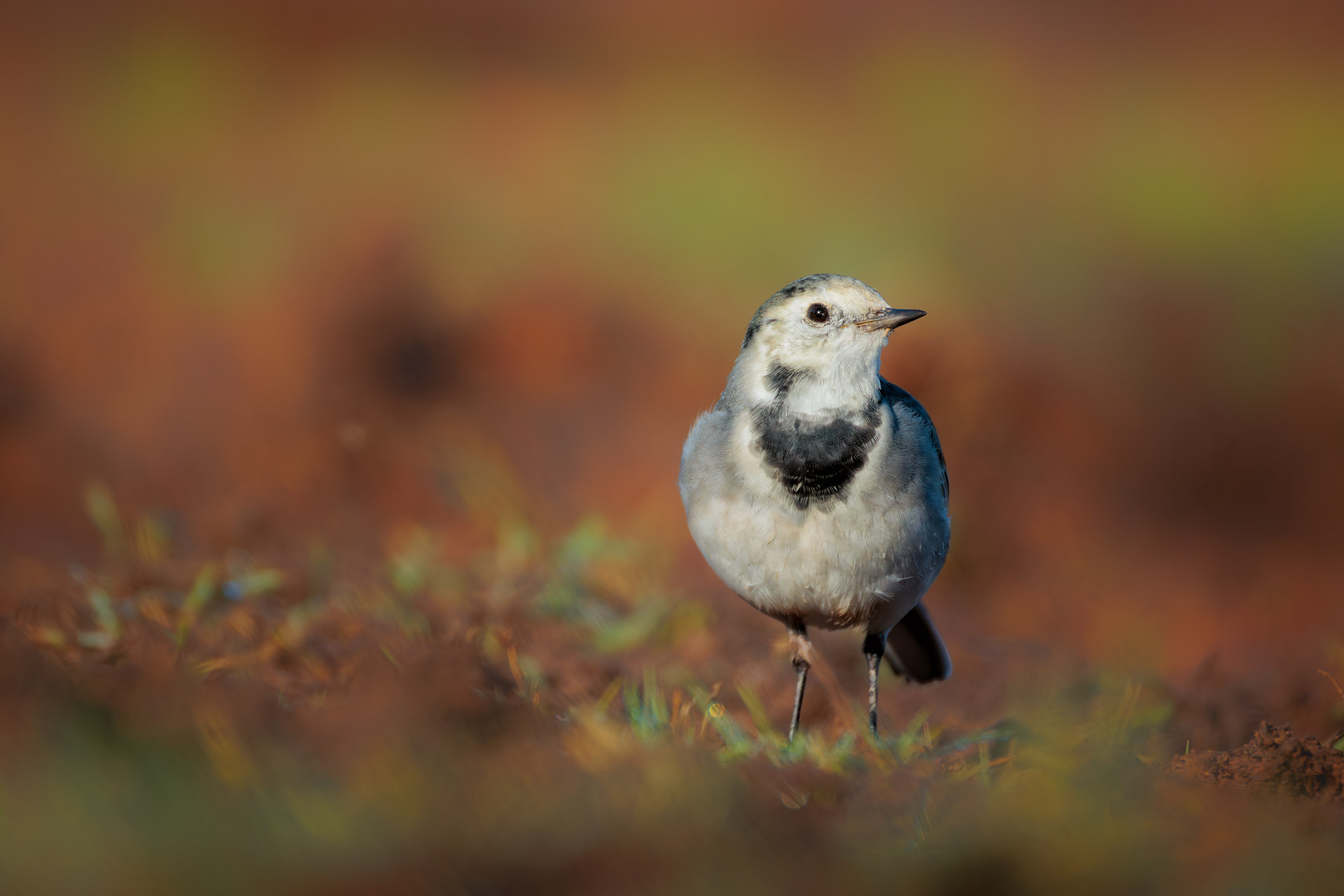
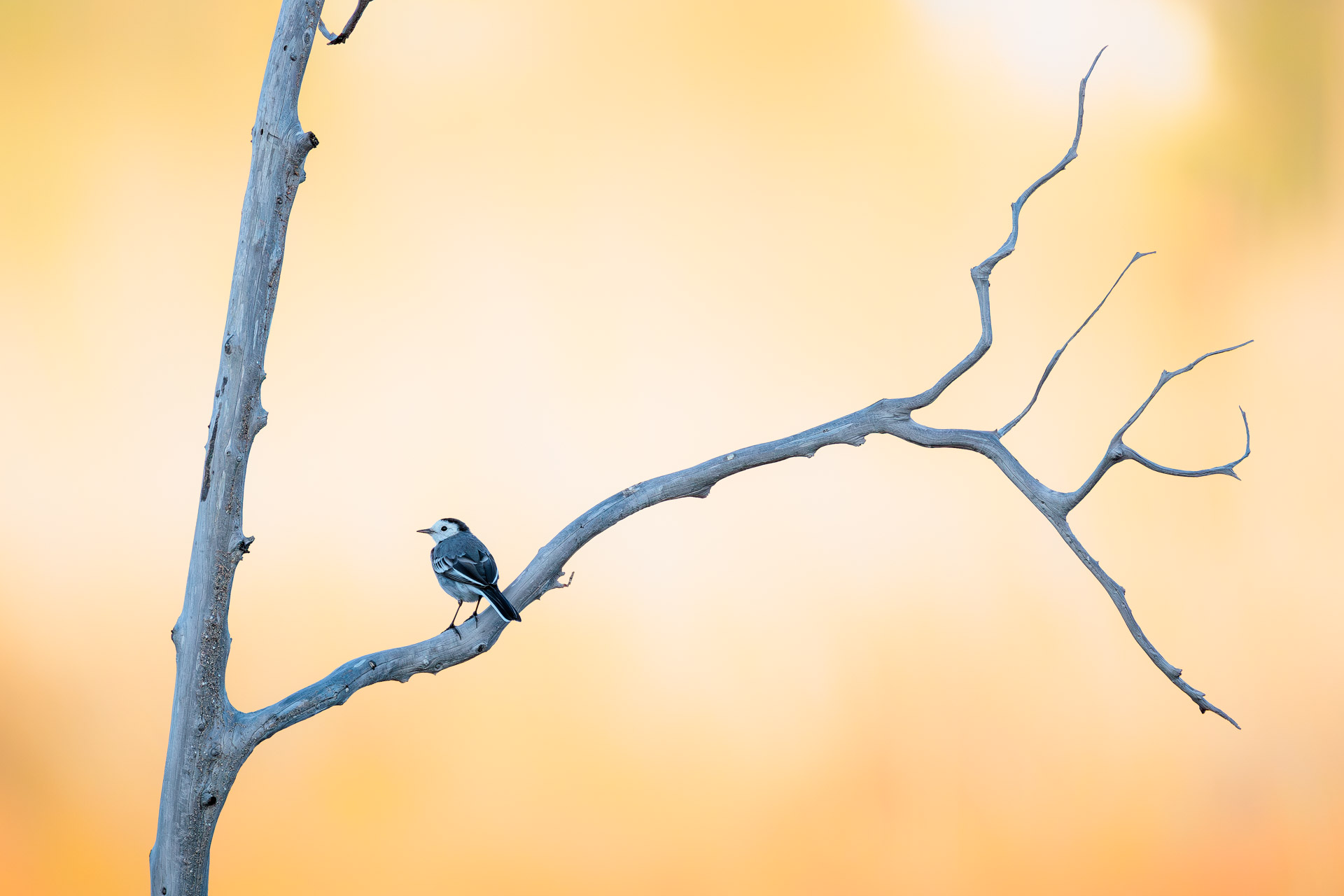
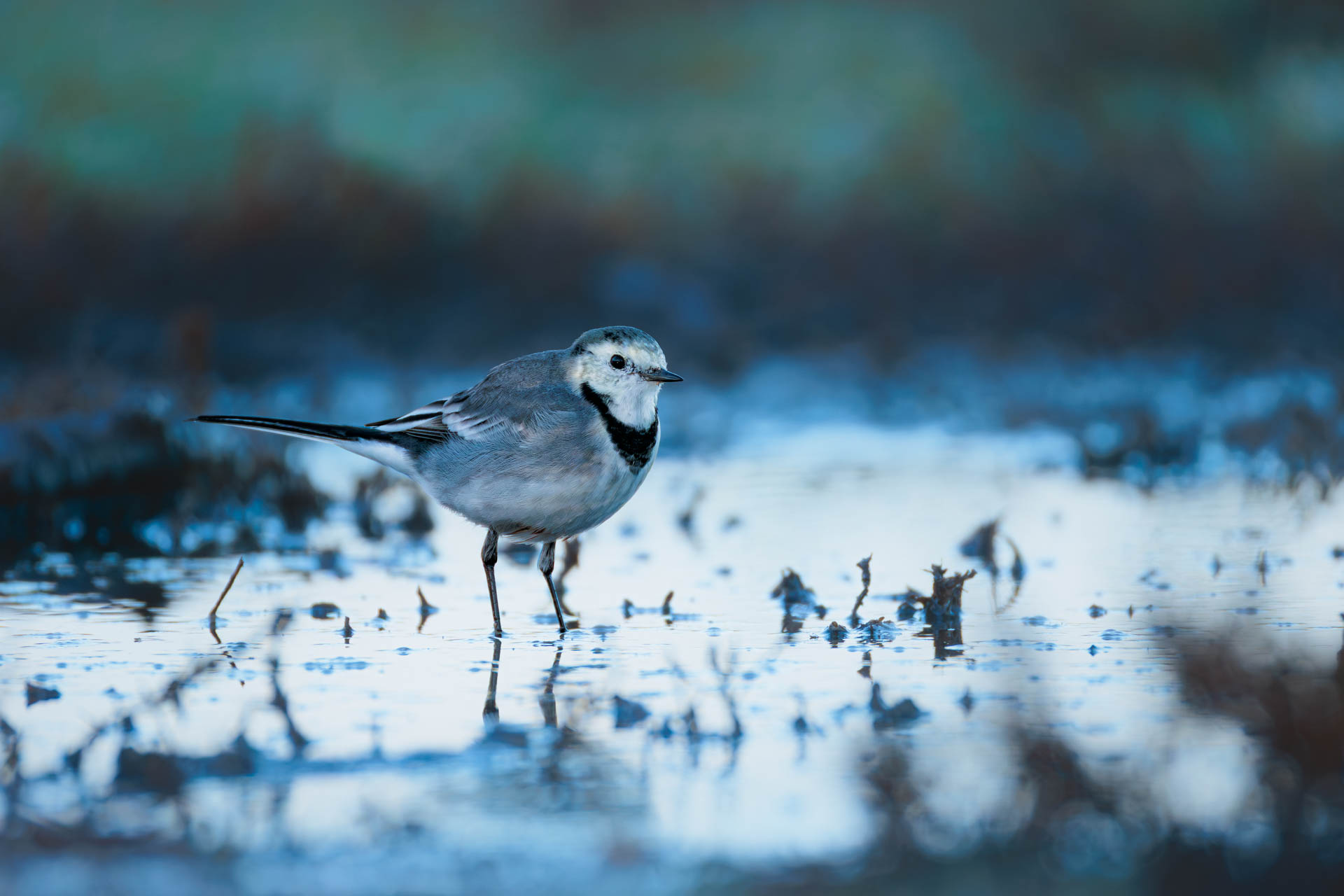
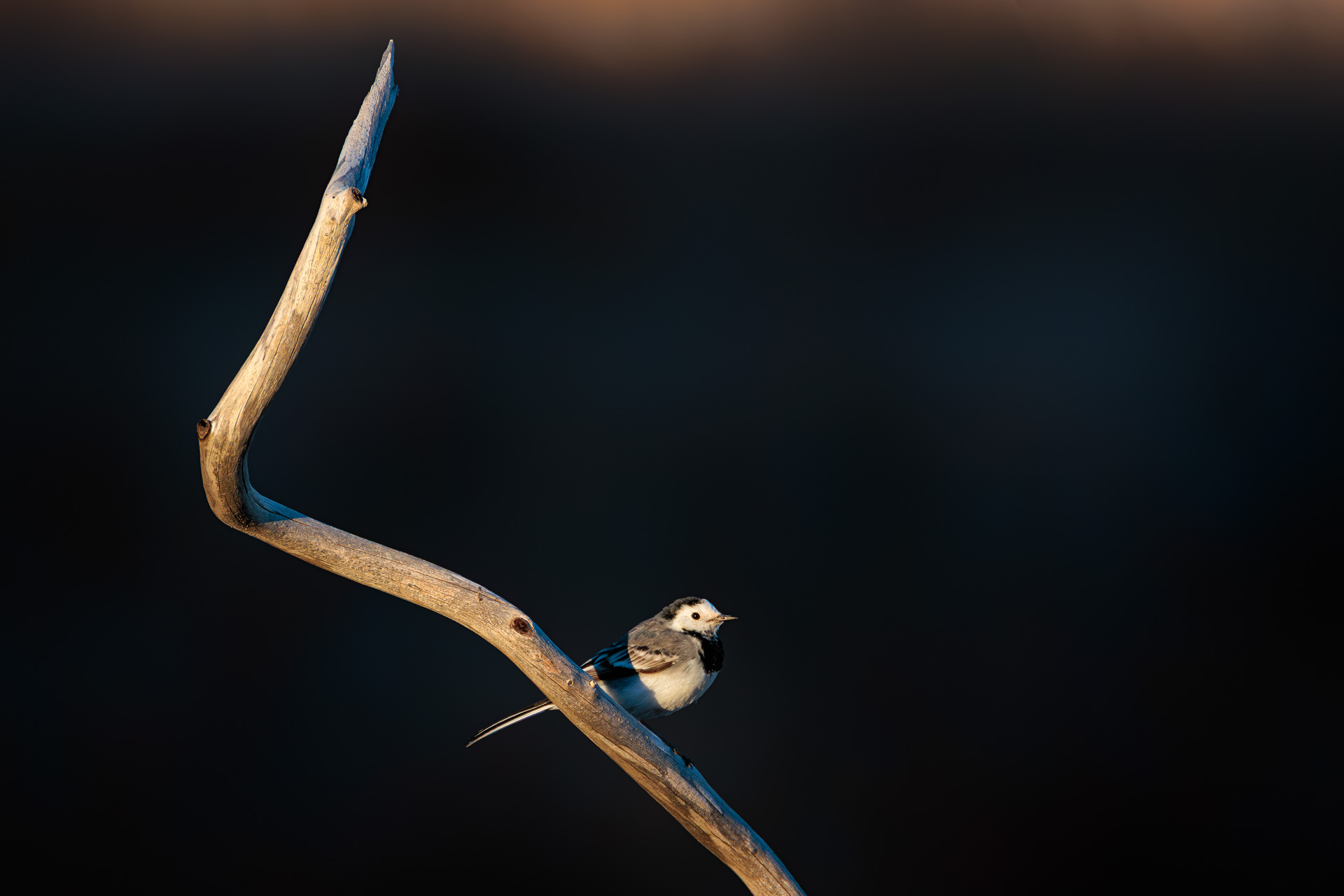
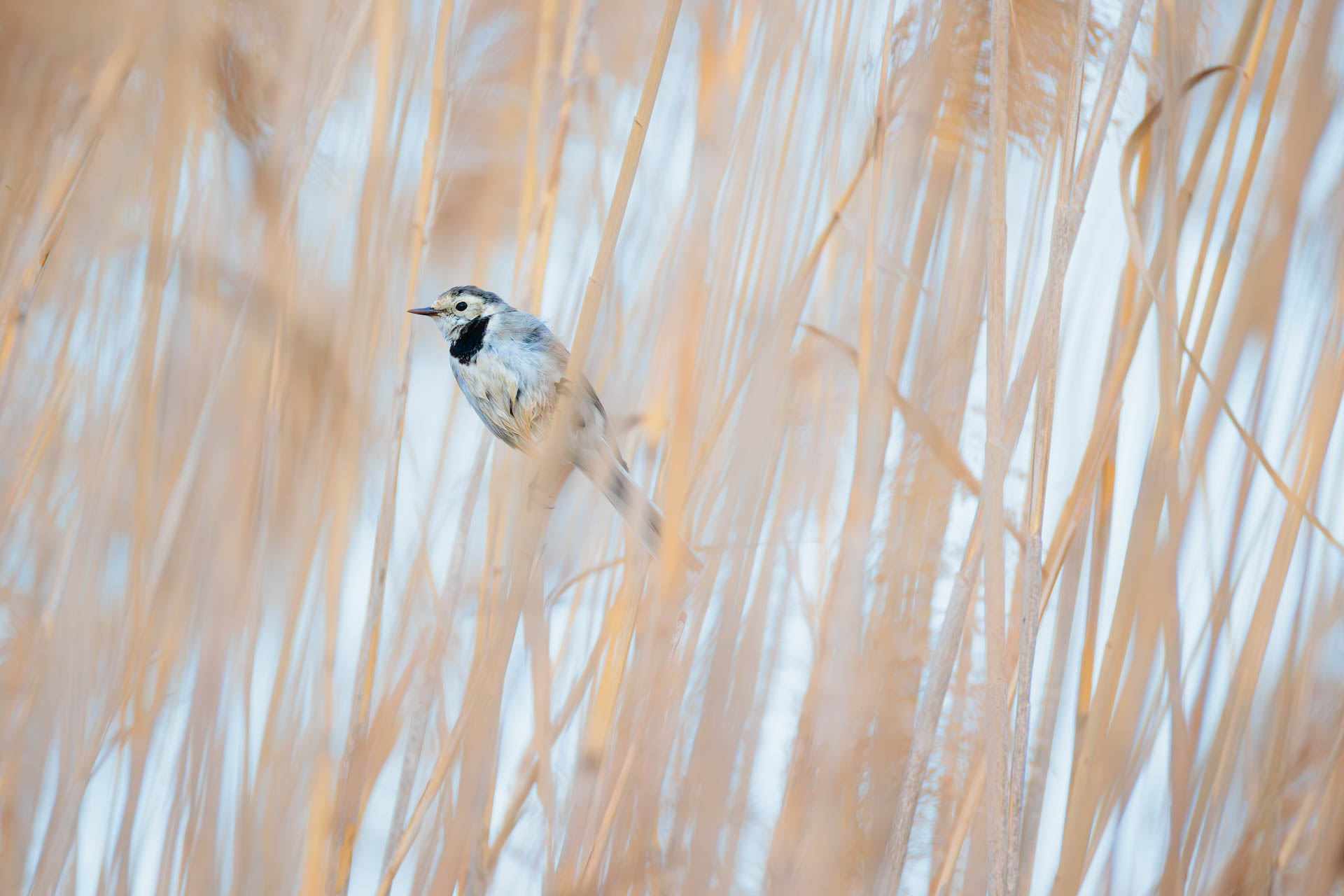
A very common and adaptable bird found in a wide variety of habitats. It is recognised by its long tail and constant tail-wagging movements. In Ibiza it is abundant in winter and during migration, often seen in fields, wetlands, towns and coastal areas.
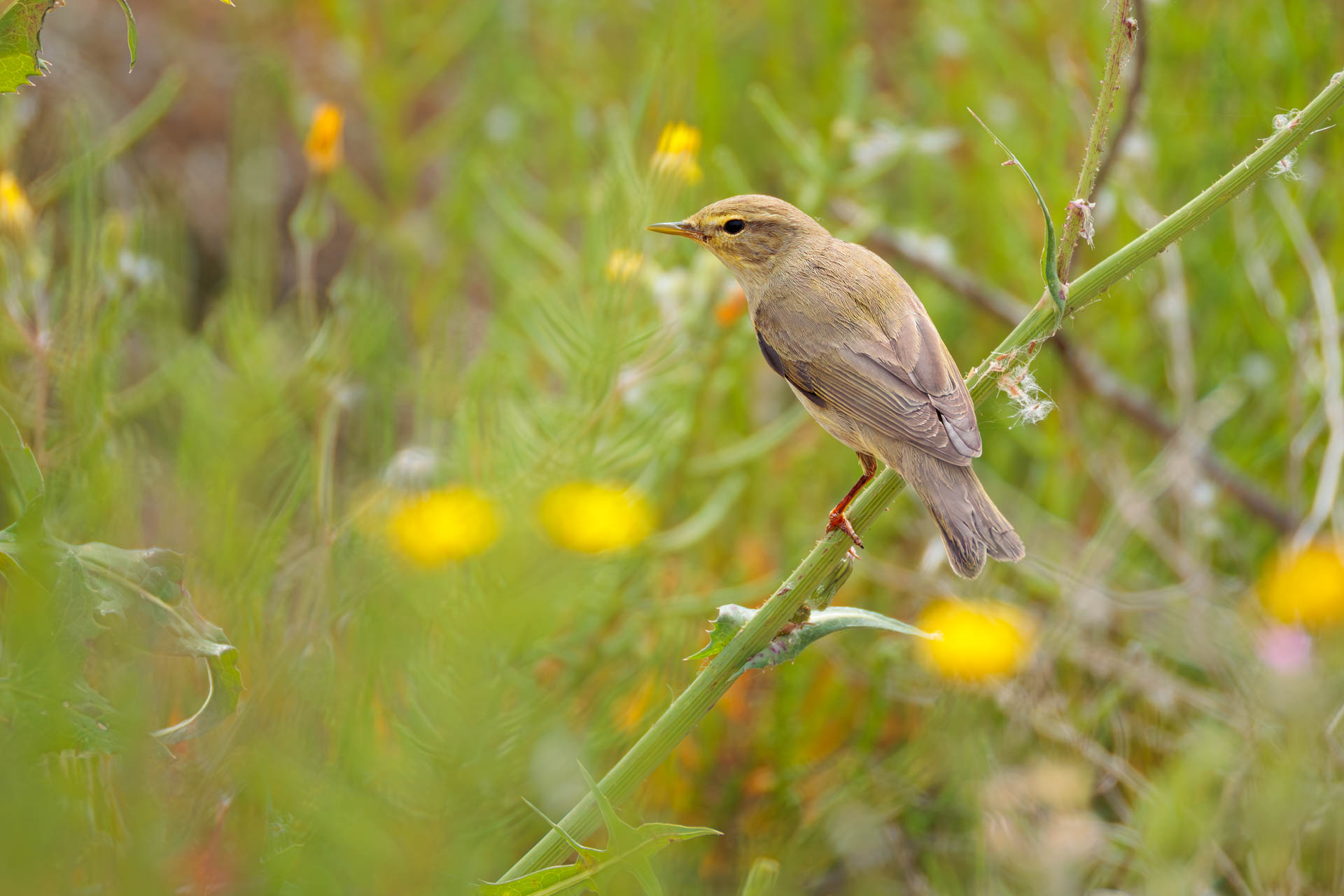
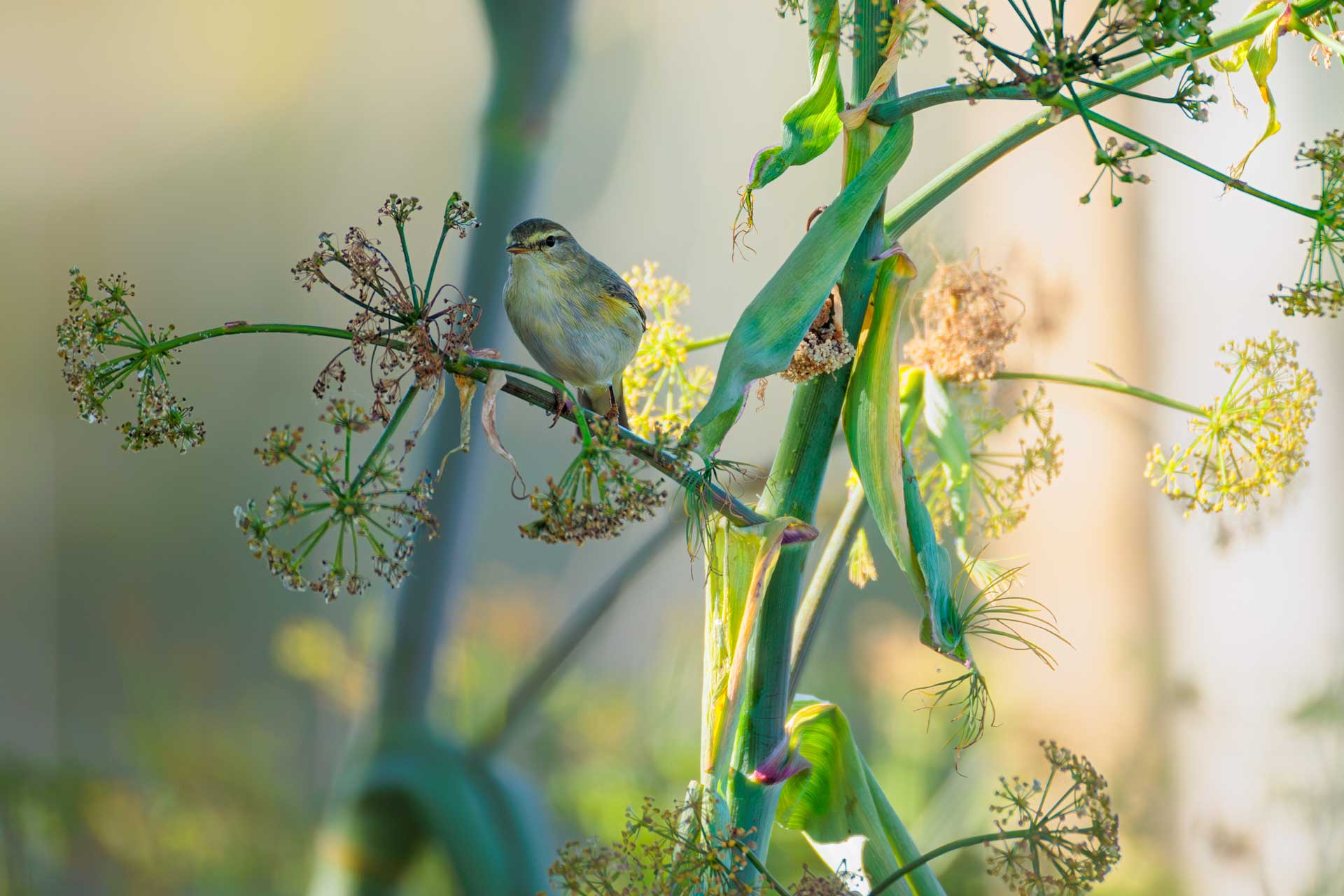
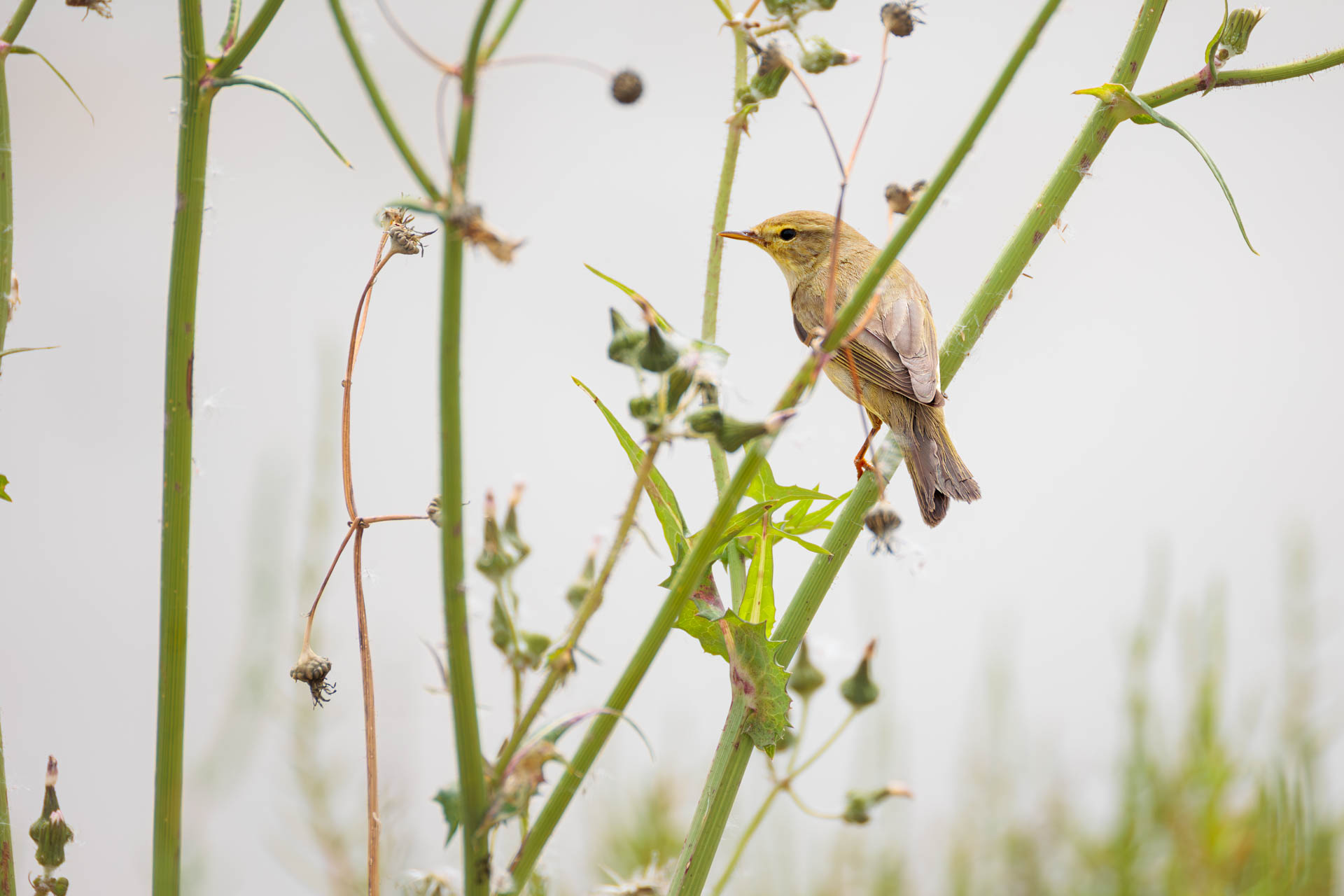
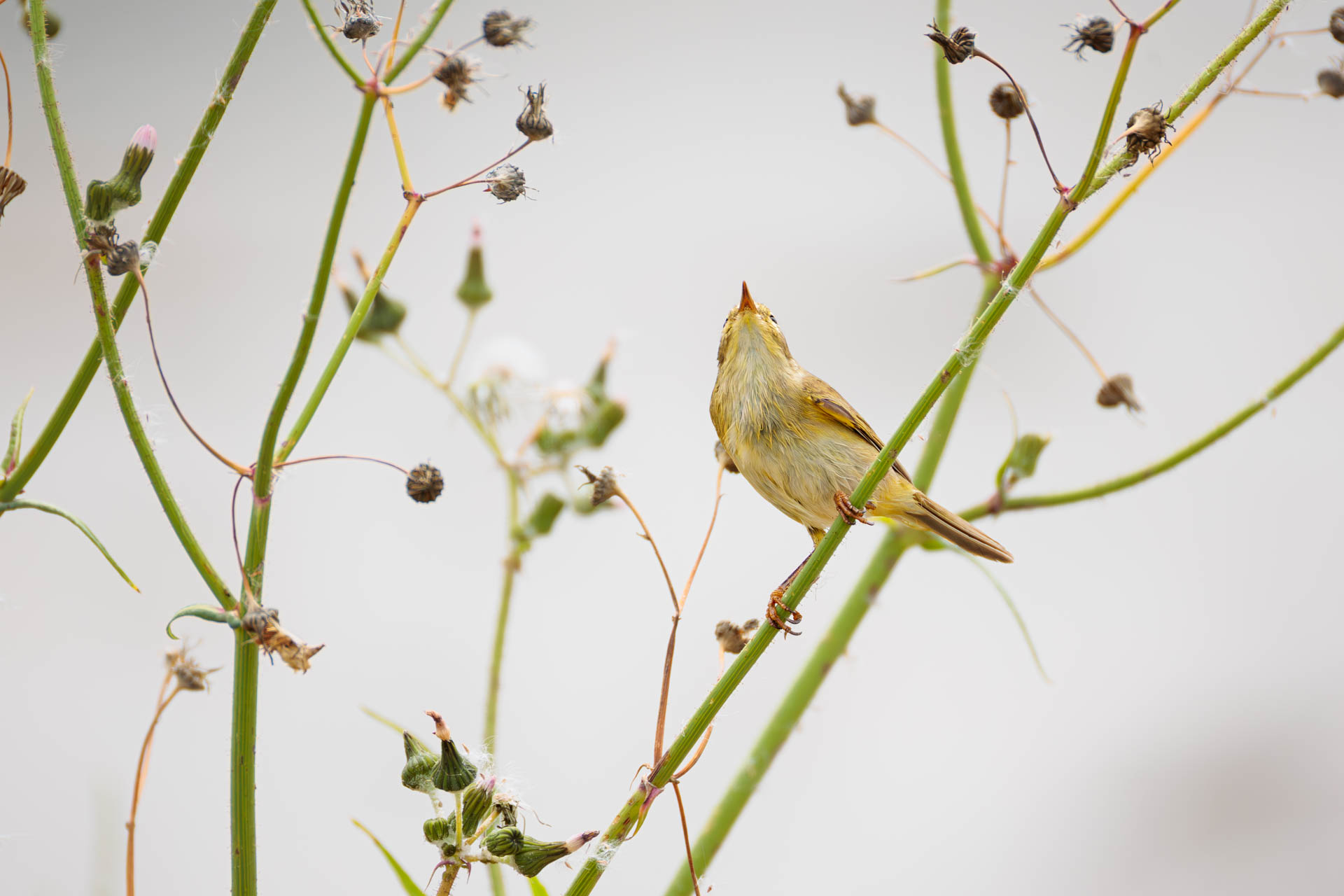
is a small migratory bird, with yellowish tones and a discreet appearance, very active amongst the vegetation. It feeds on insects it catches on leaves and branches, moving constantly. Its soft, melodious song is characteristic during the breeding season. In Ibiza it is only seen during migratory passages and can be distinguished from the common chiffchaff by its more yellowish colour and paler belly, as well as its slightly larger wingspan.
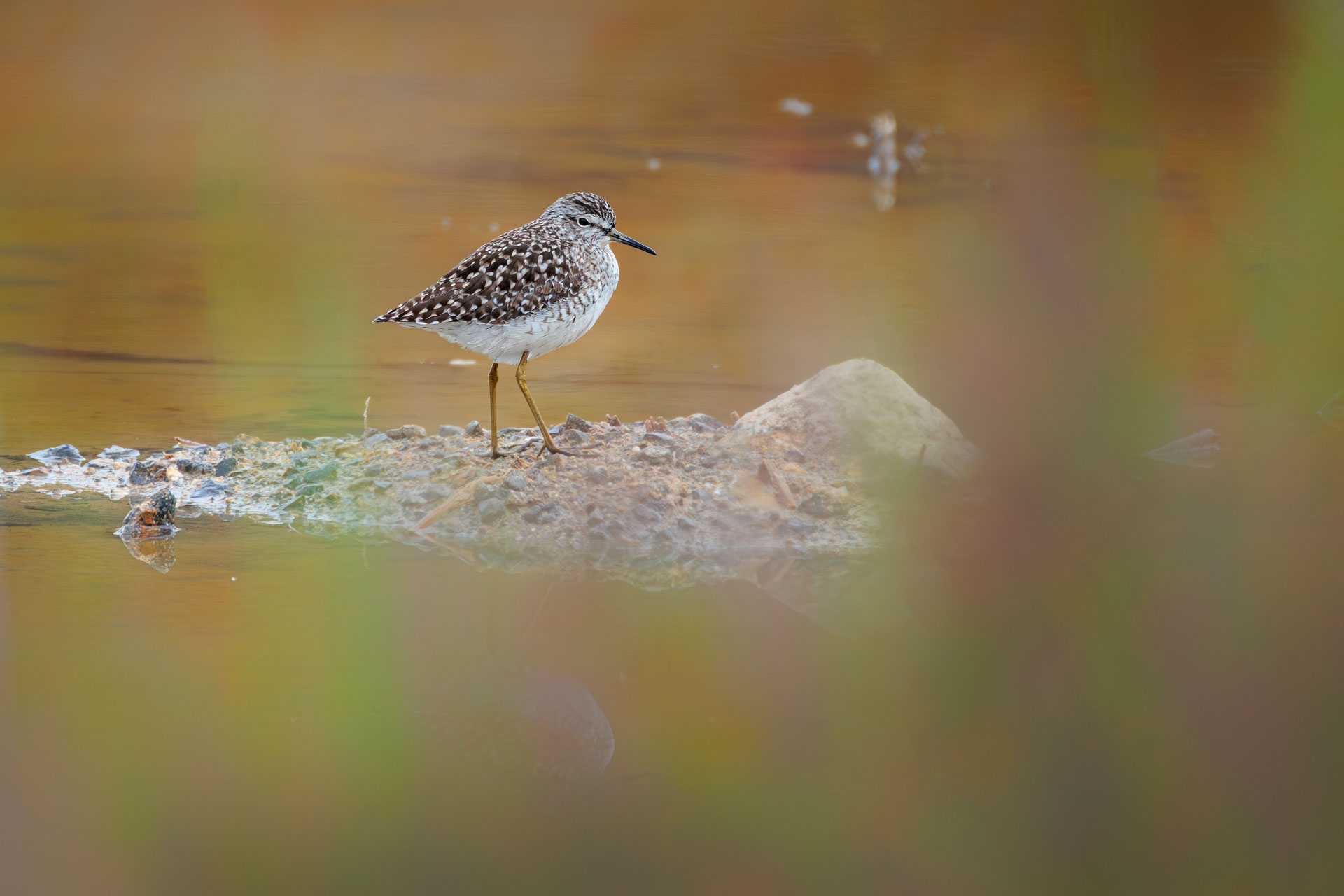
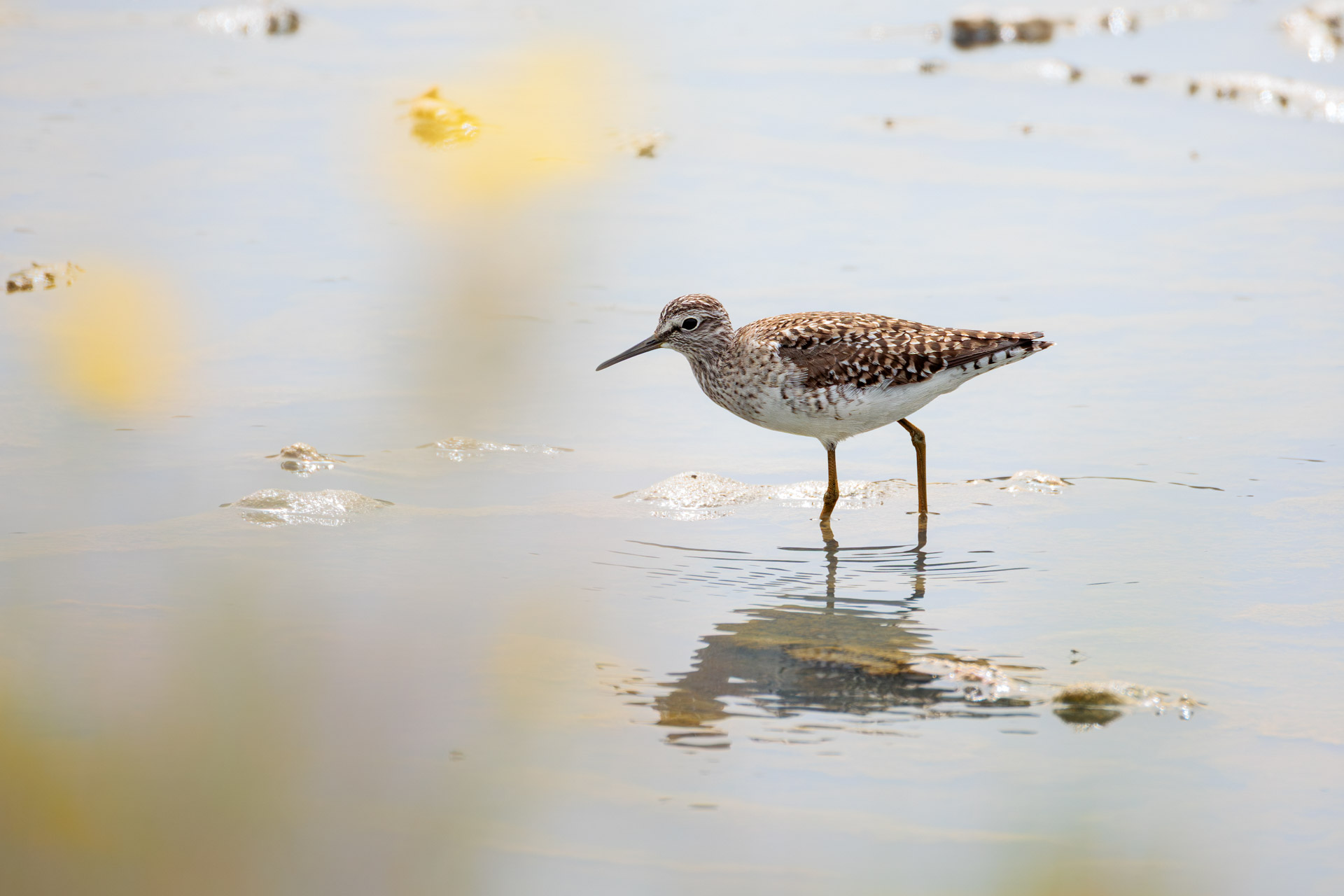
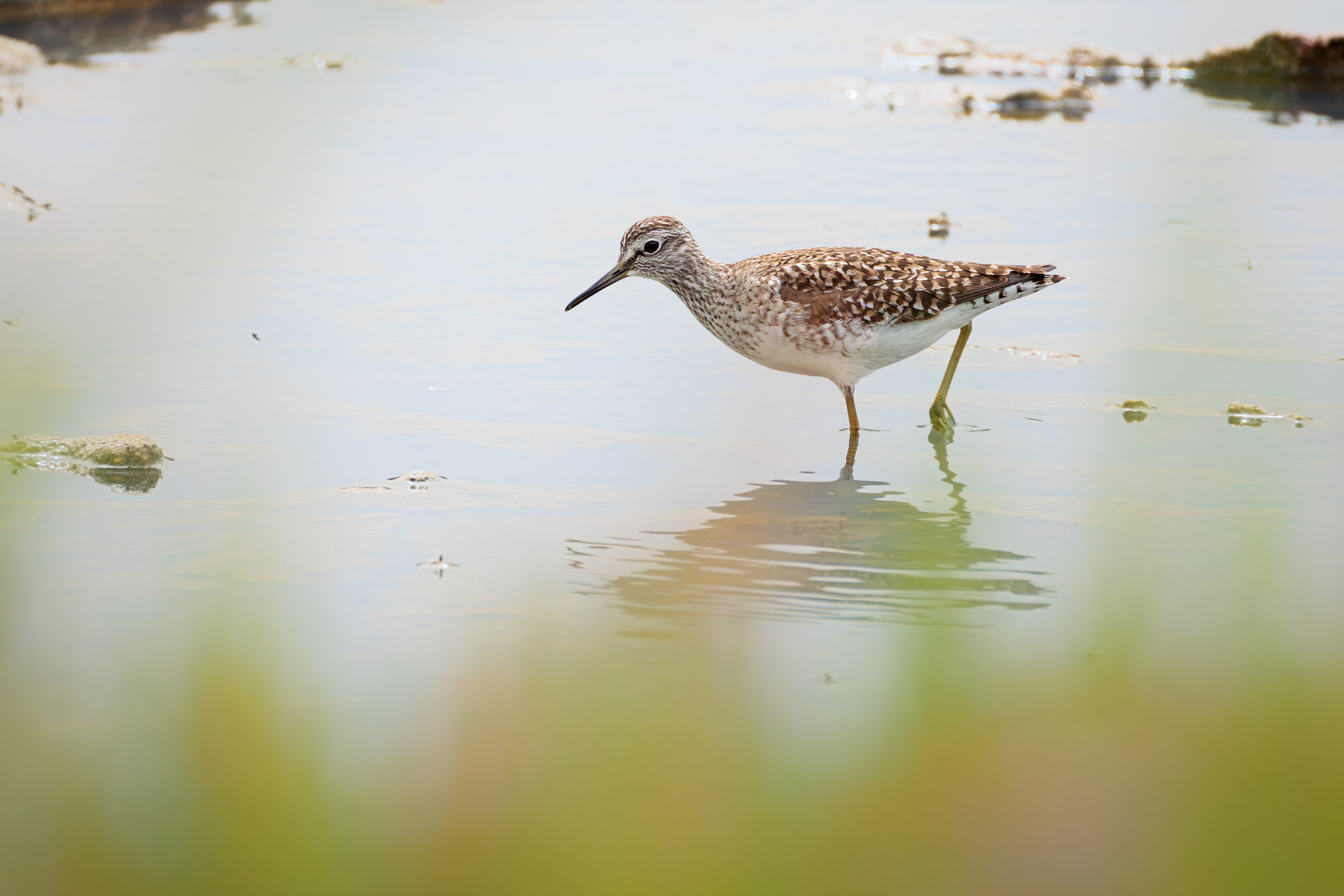
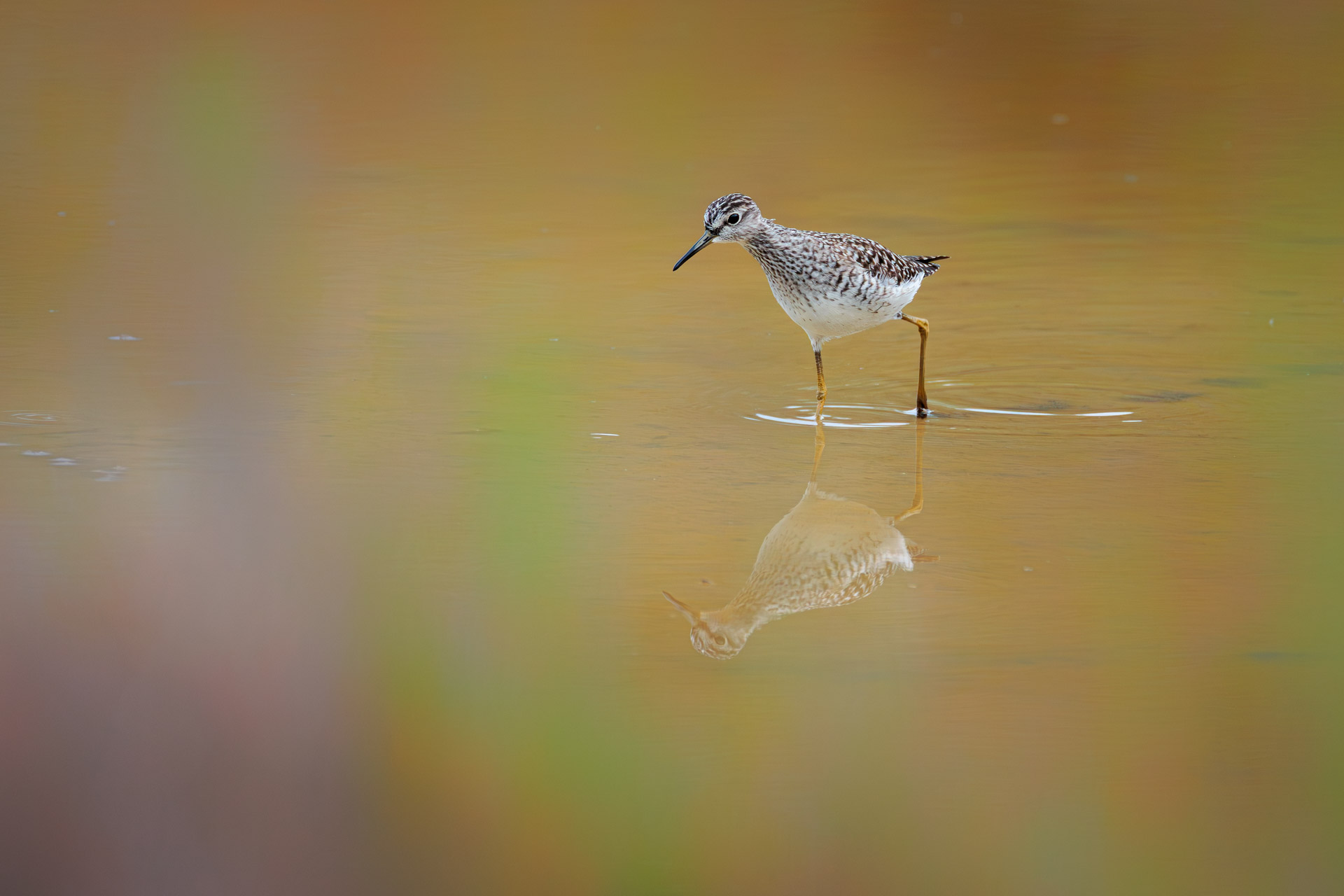
is a slender, inconspicuous wader, brown in colour with a speckled appearance, which frequents muddy shores, lagoons and flooded areas. It feeds on small invertebrates which it catches whilst actively wading through shallow water. In Ibiza, it is only seen during migration, when it may appear occasionally in wetlands and temporary pools, particularly in Ses Salines.
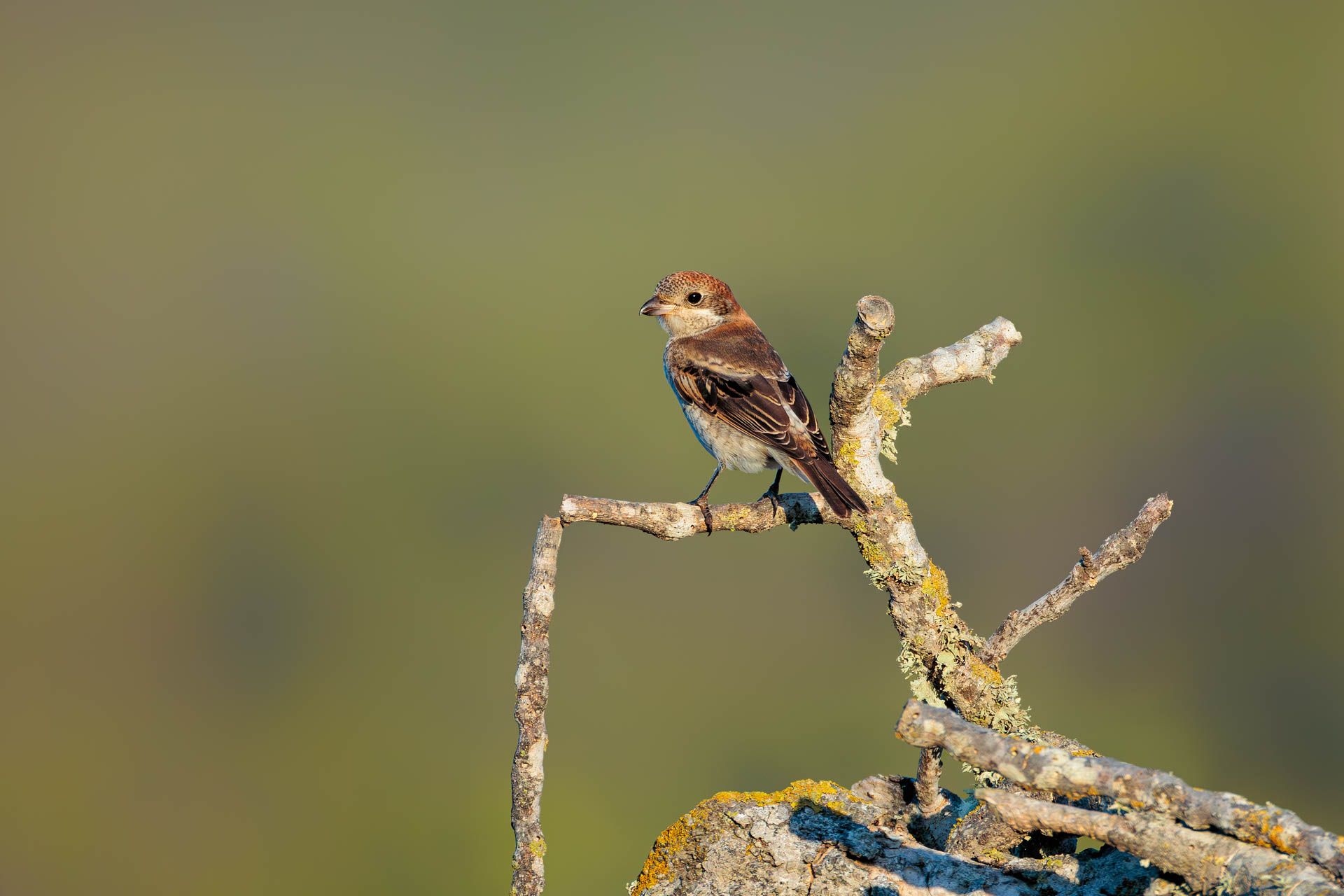
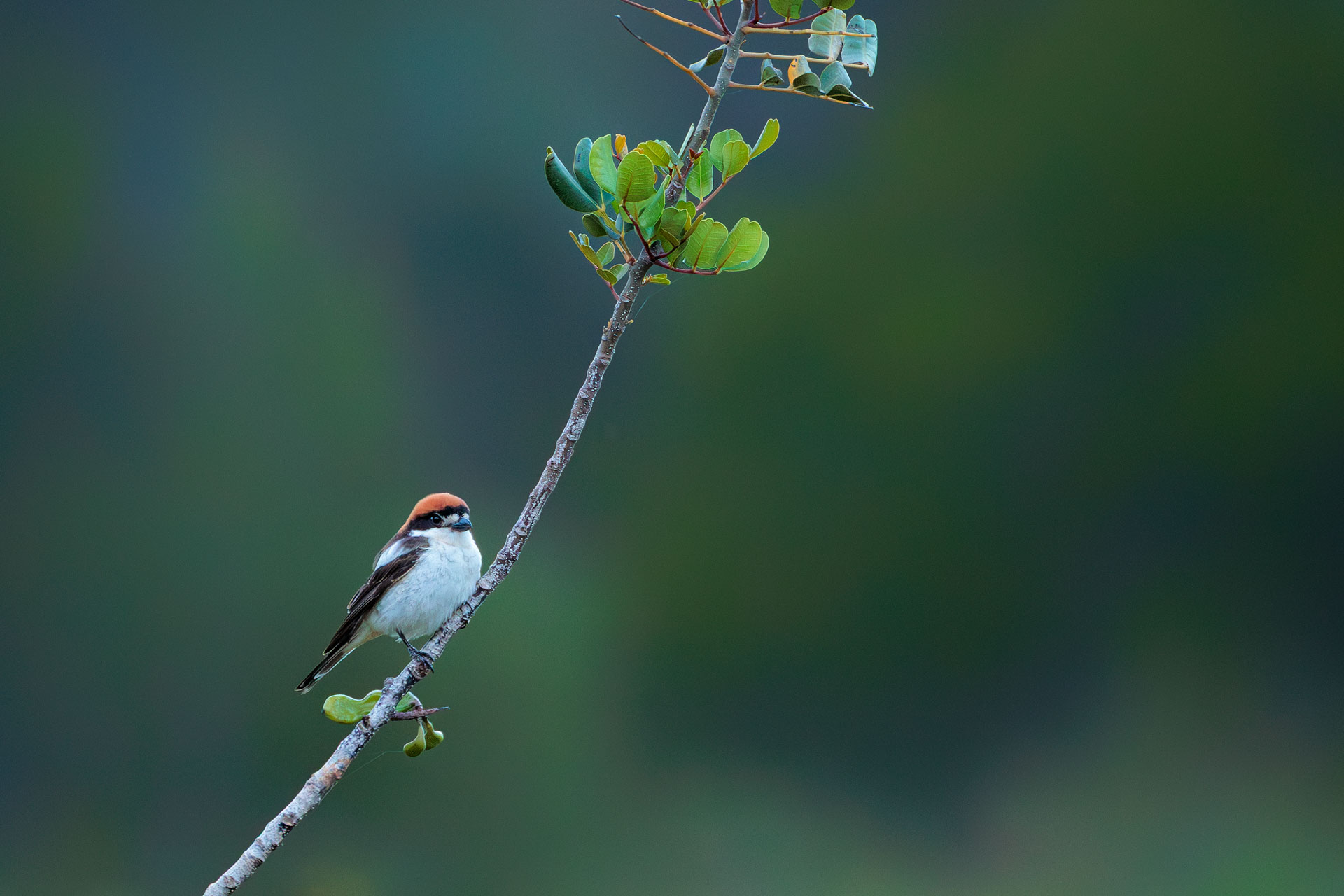
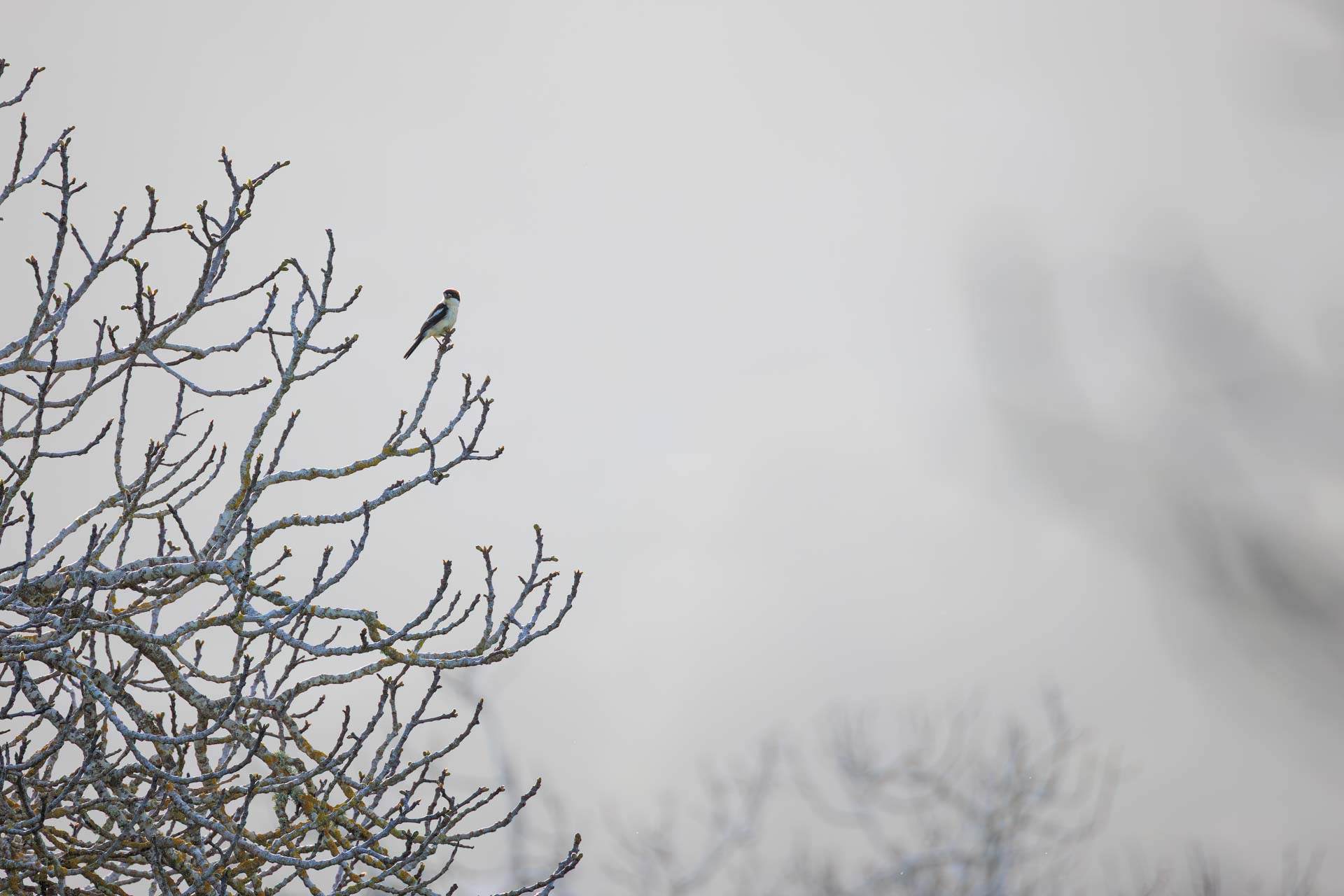
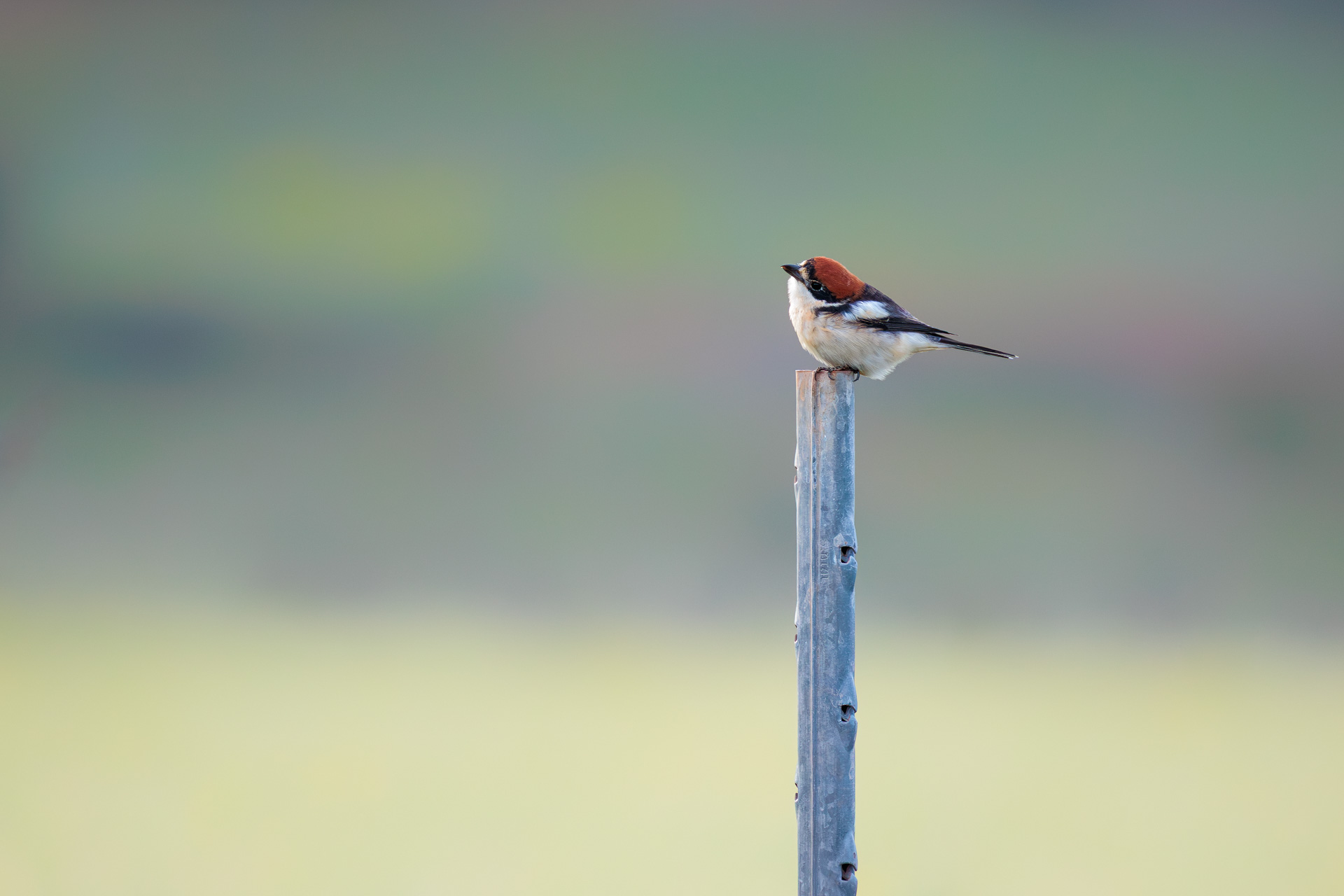
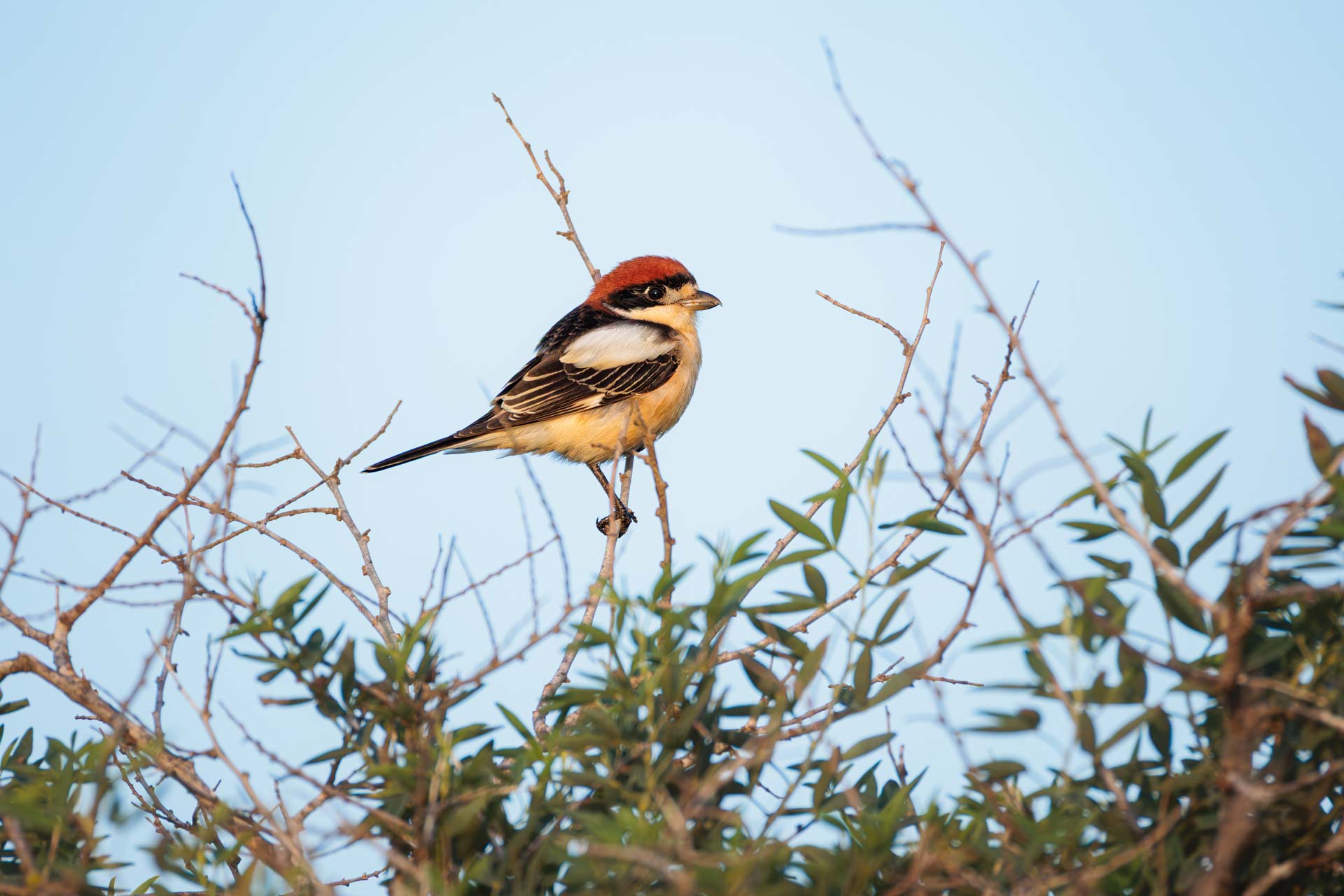
A passerine that feeds on insects and small vertebrates, often impaling them on thorny branches before eating them. It inhabits scrub, field edges and open areas. In Ibiza it can be seen during migration across many parts of the island, although it is usually commoner in open areas. Its behaviour makes it relatively easy to observe. In the Balearic Islands there is a breeding subspecies, “badius”.
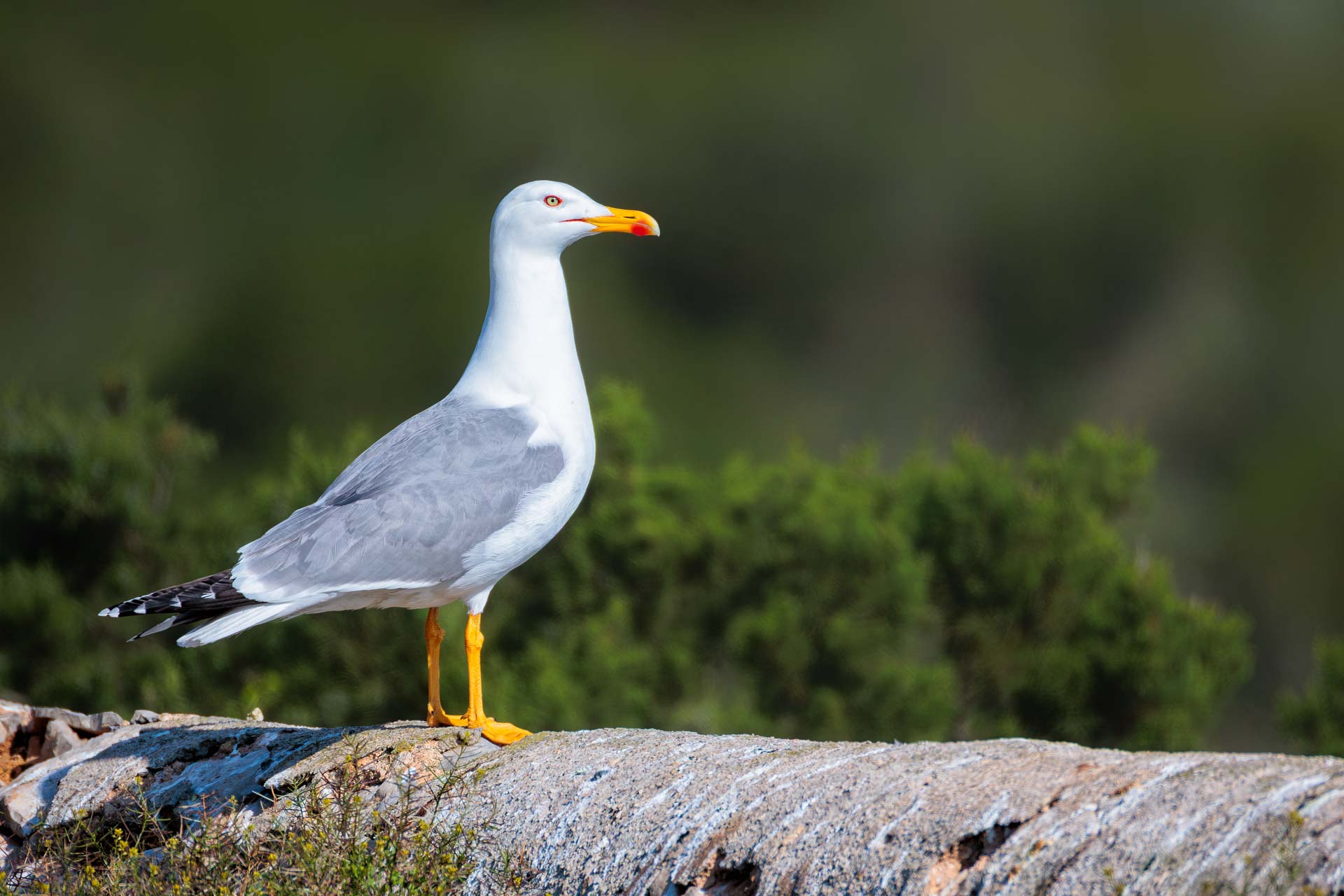
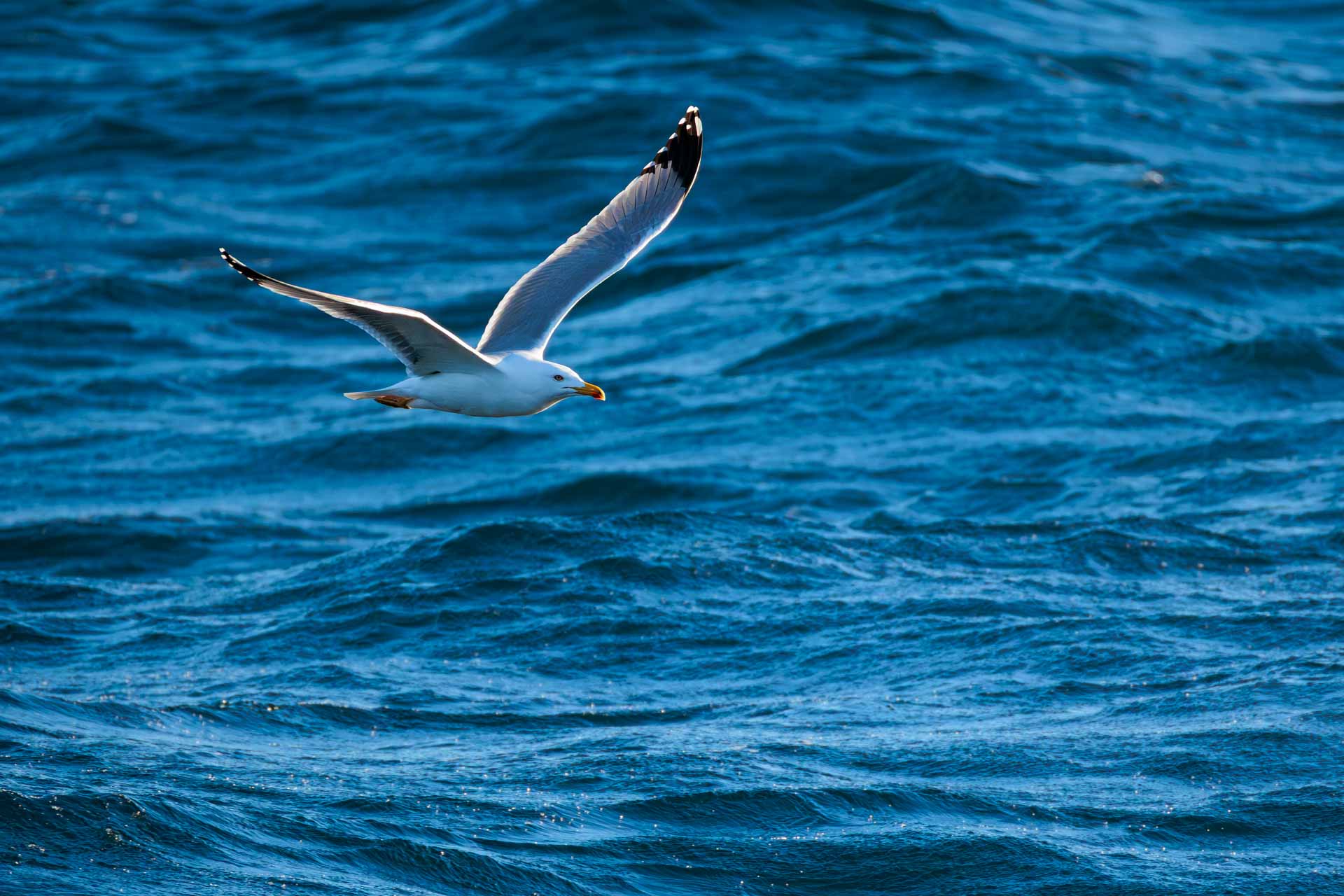
A common, medium-sized gull, found on coasts, beaches and in urban areas. It feeds on fish and carrion. In Ibiza it is resident, visible all year round and easy to spot in harbours, on beaches, along the coast or at rubbish tips. Due to its great ability to adapt to any environment and food source, it has gained a bad reputation and was for a long time a ‘persecuted’ species.
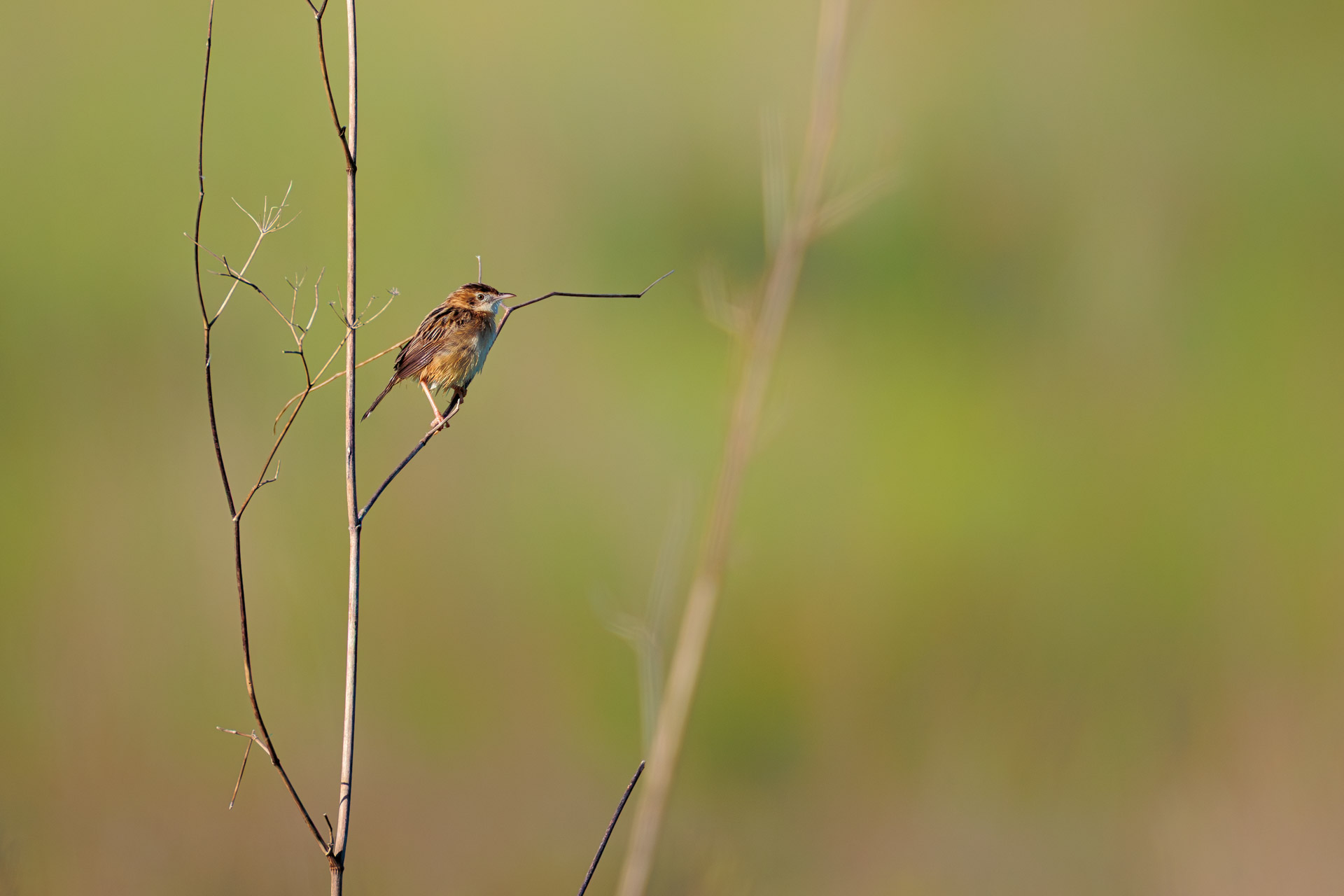
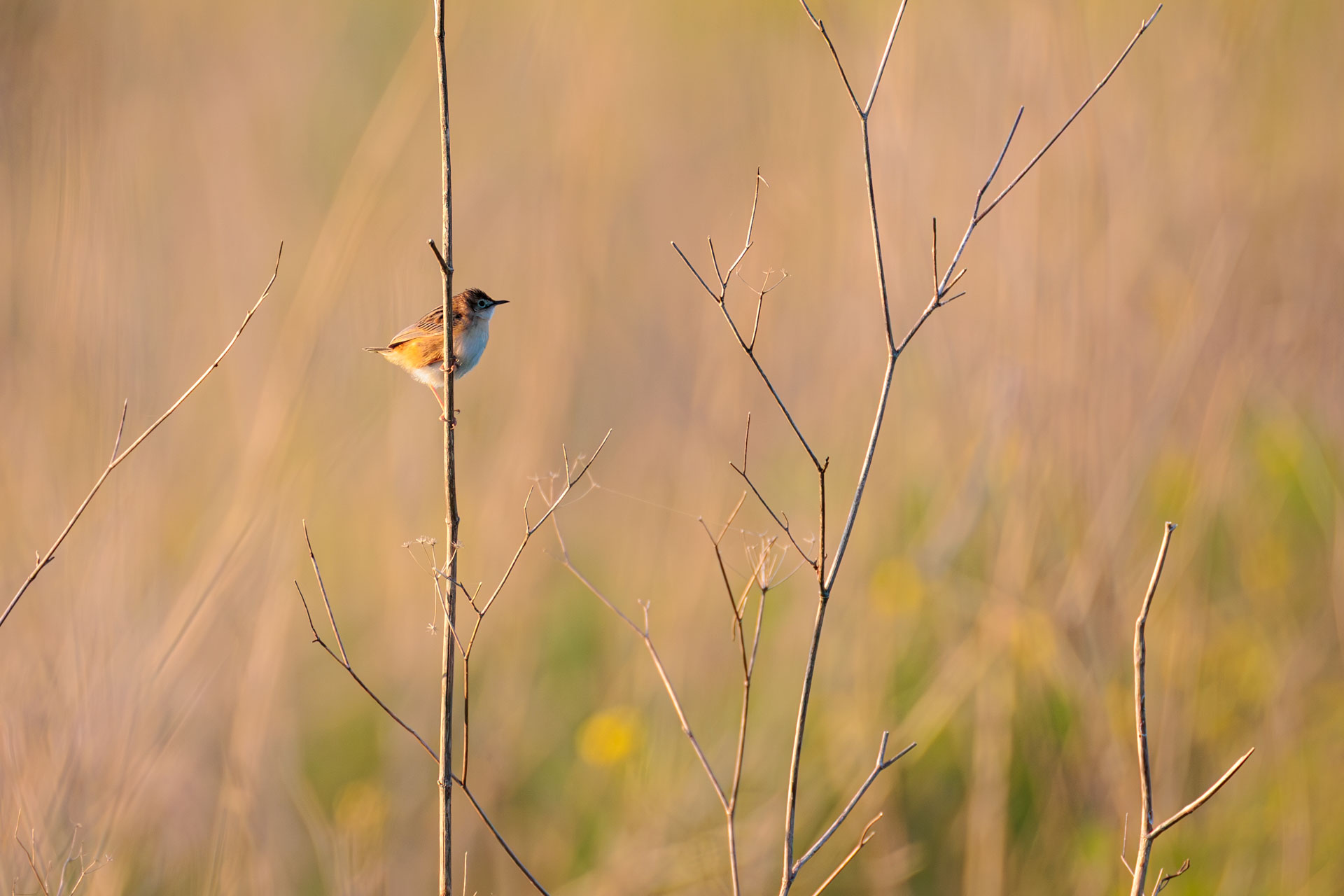
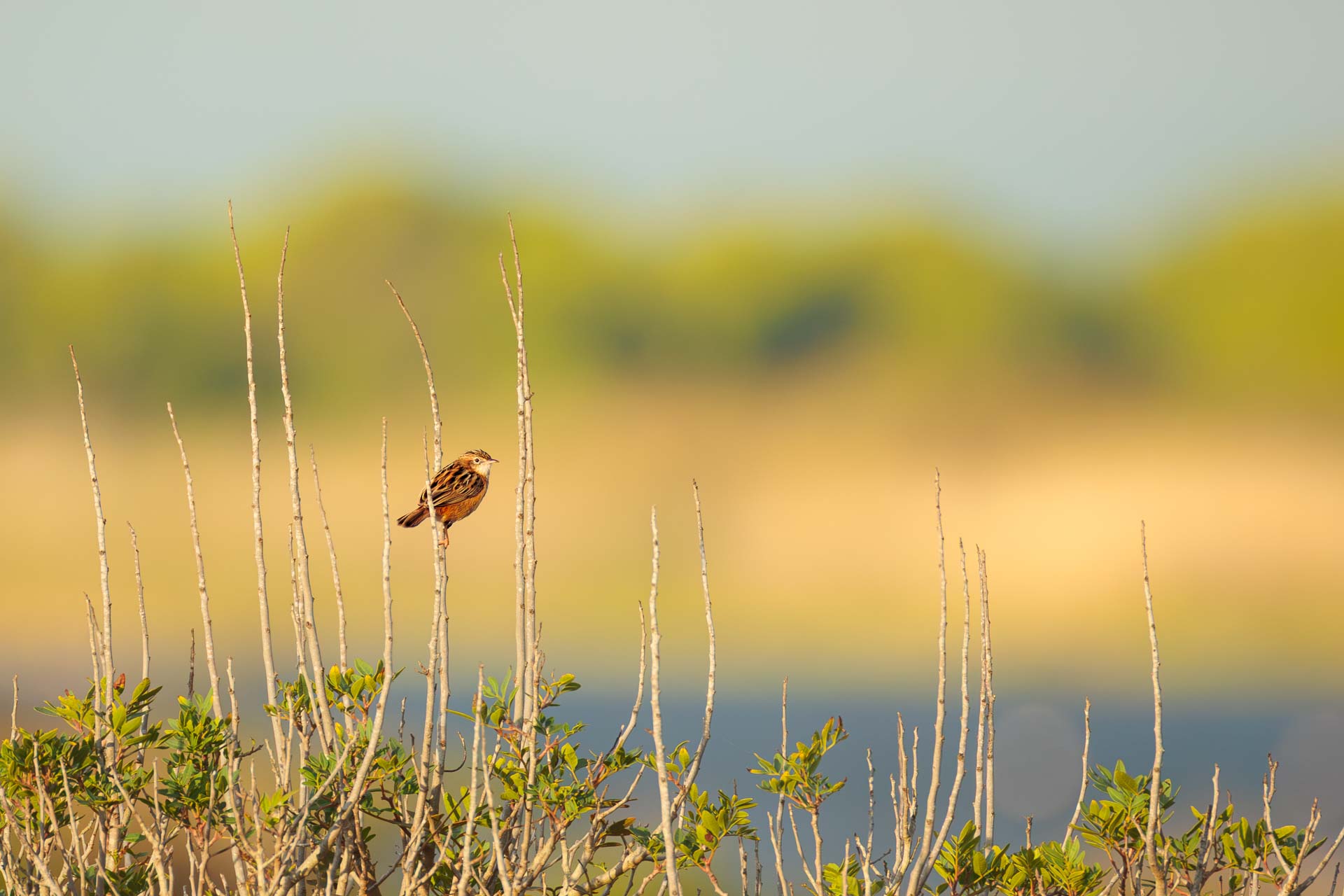
A small brownish bird, associated with areas of low scrub and rushes. It feeds on insects and larvae. In Ibiza it is resident and relatively common, especially in open areas with low vegetation. Due to its small size and shy behaviour, it is a difficult bird to spot, although it is easily recognisable by its call. It inhabits areas such as Ses Salines, Ses Feixes and open agricultural areas such as the Pla de Sant Mateu.